Train. Compete. Recover.
A multi-purpose athletic facility in Speedway, Indiana — basketball leagues, skill training, and wellness services all under one roof.
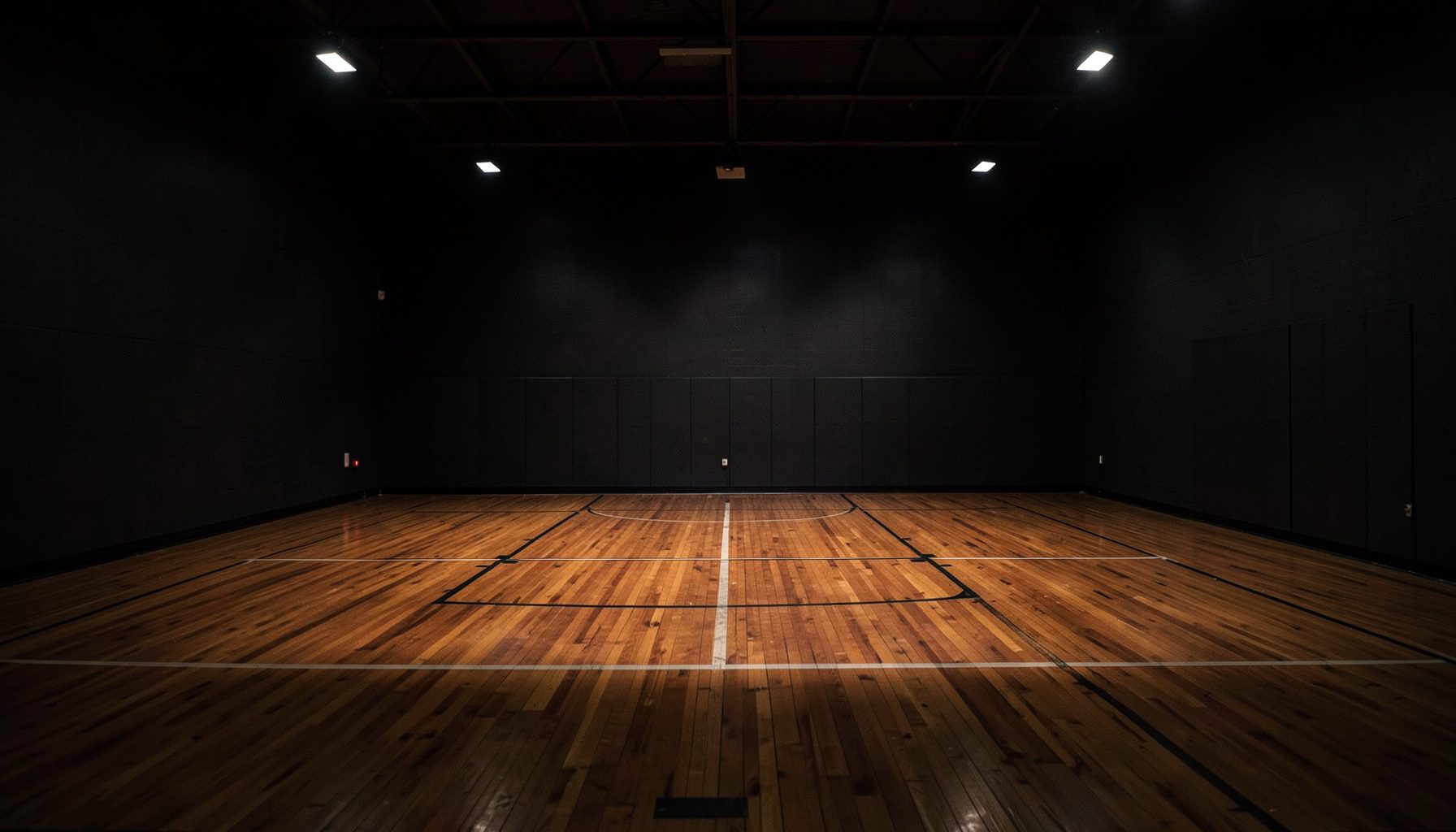
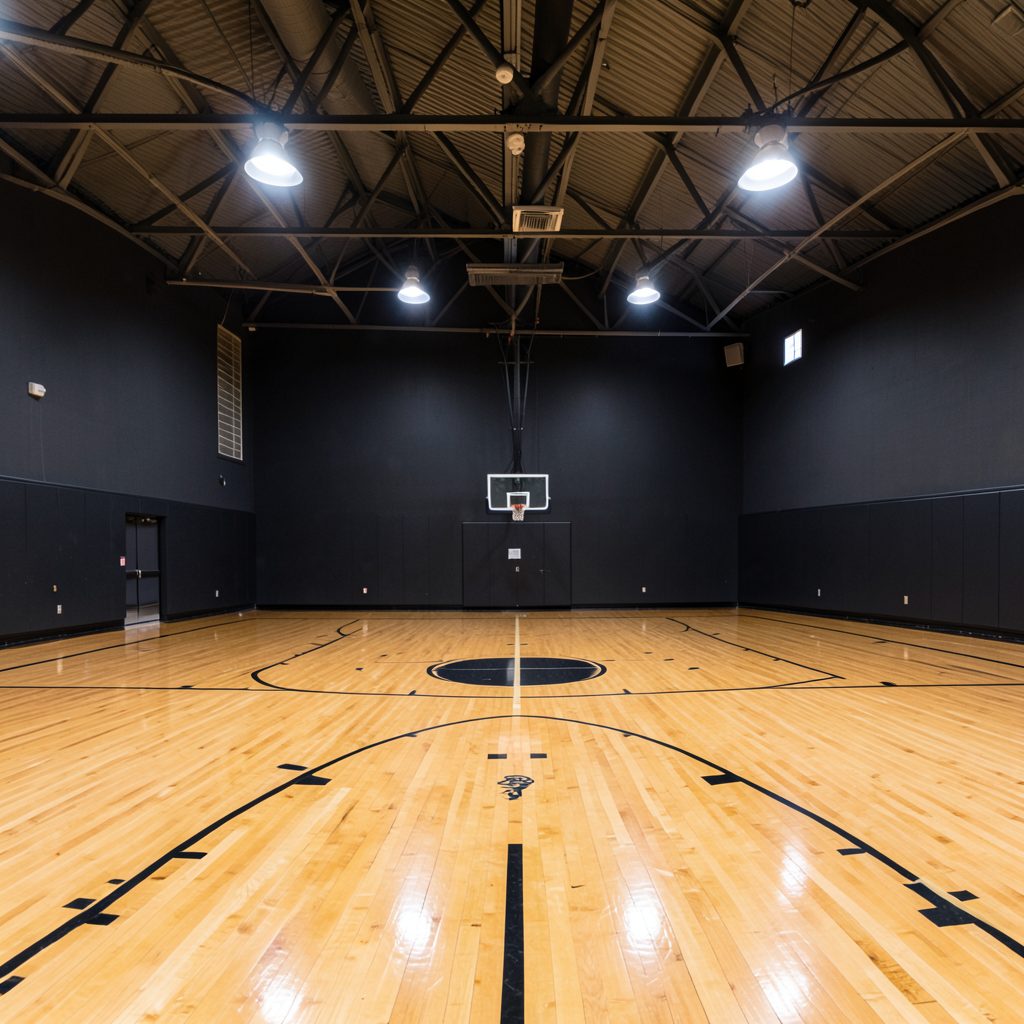
The Factory D1 Indy brings together three entities under one roof: competitive basketball leagues for all age groups, individual and group training, and wellness & recovery services including Normatec boot recovery and cryotherapy. Located off I-465 and High School Road at 6331 Crawfordsville Road, Speedway, Indiana 46224.
Get In TouchBuild a Home Basketball Dribbling Station That Works
Missing a gym session does not mean your basketball development has to stop. A small, well-planned space at home can support ball control, hand speed, coordination and confidence, whether you live in a Melbourne unit, a Brisbane townhouse or a regional Australian home with a garage, driveway or covered patio.
The aim is not to recreate a full court in your lounge room. It is to create a dependable dribbling station that makes focused practice easy. With one basketball, a safe surface and a few household items, you can build short workouts that complement formal coaching, team training and competitive games.
Choose a safe and practical training space
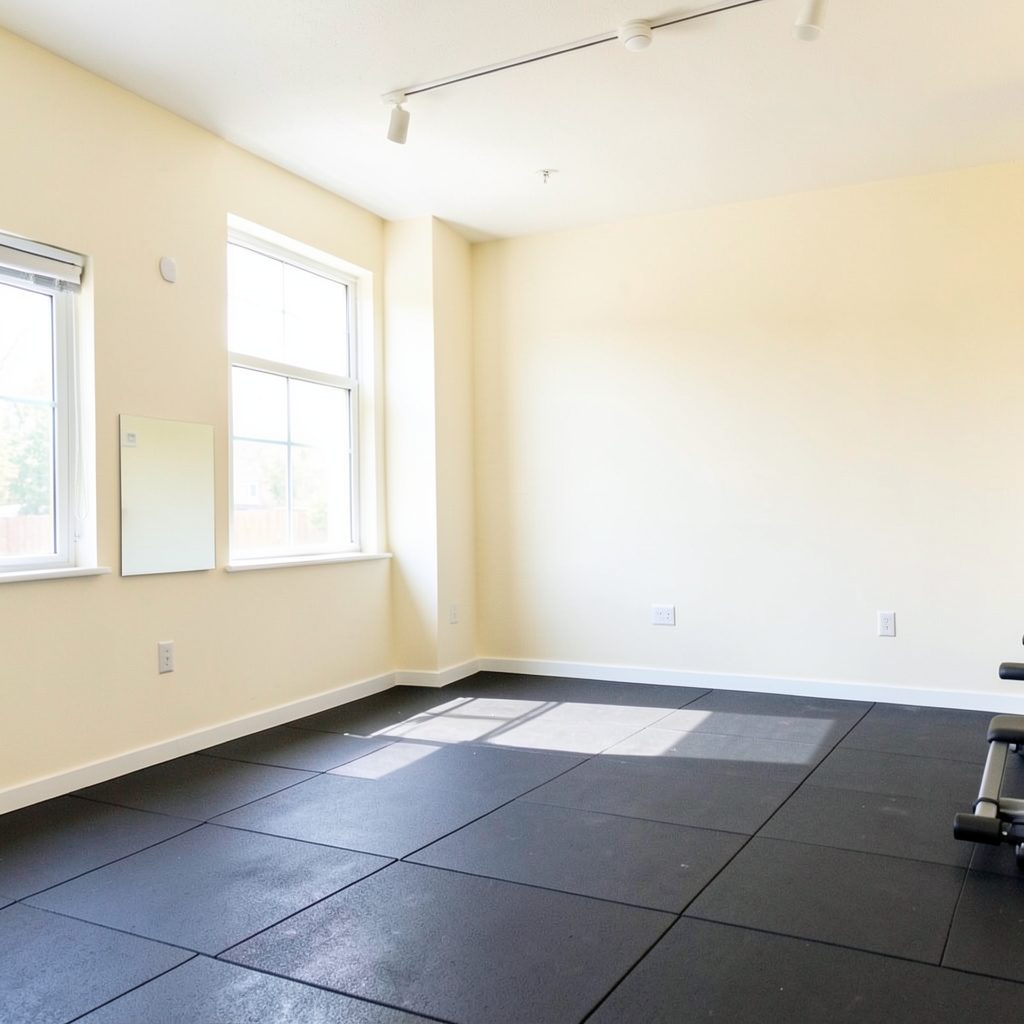
Start by looking for a flat area with enough room to extend your arms and take two or three quick steps in every direction. A garage, carport, covered verandah or clear section of driveway can work well. Indoors, a hallway or open living area may suit stationary drills, provided the floor is not slippery and nearby furniture is protected.
Australian weather can determine where your station belongs. A hot summer afternoon in Adelaide, sudden rain in Sydney or a humid wet-season day in Darwin may make outdoor practice uncomfortable. If you use a driveway, schedule sessions in the morning or late afternoon, and check that the concrete is cool enough for safe movement. In Queensland, a covered area can be useful, but avoid dribbling on damp tiles or wet concrete.
Think about noise and neighbours before beginning. Repeated bouncing can travel through apartment floors and adjoining walls, so a low-noise training ball or rubber mat may be a considerate choice. In a house, let family members know when you will train, especially if the station is near a home office or a sleeping child.
Gather equipment without overspending
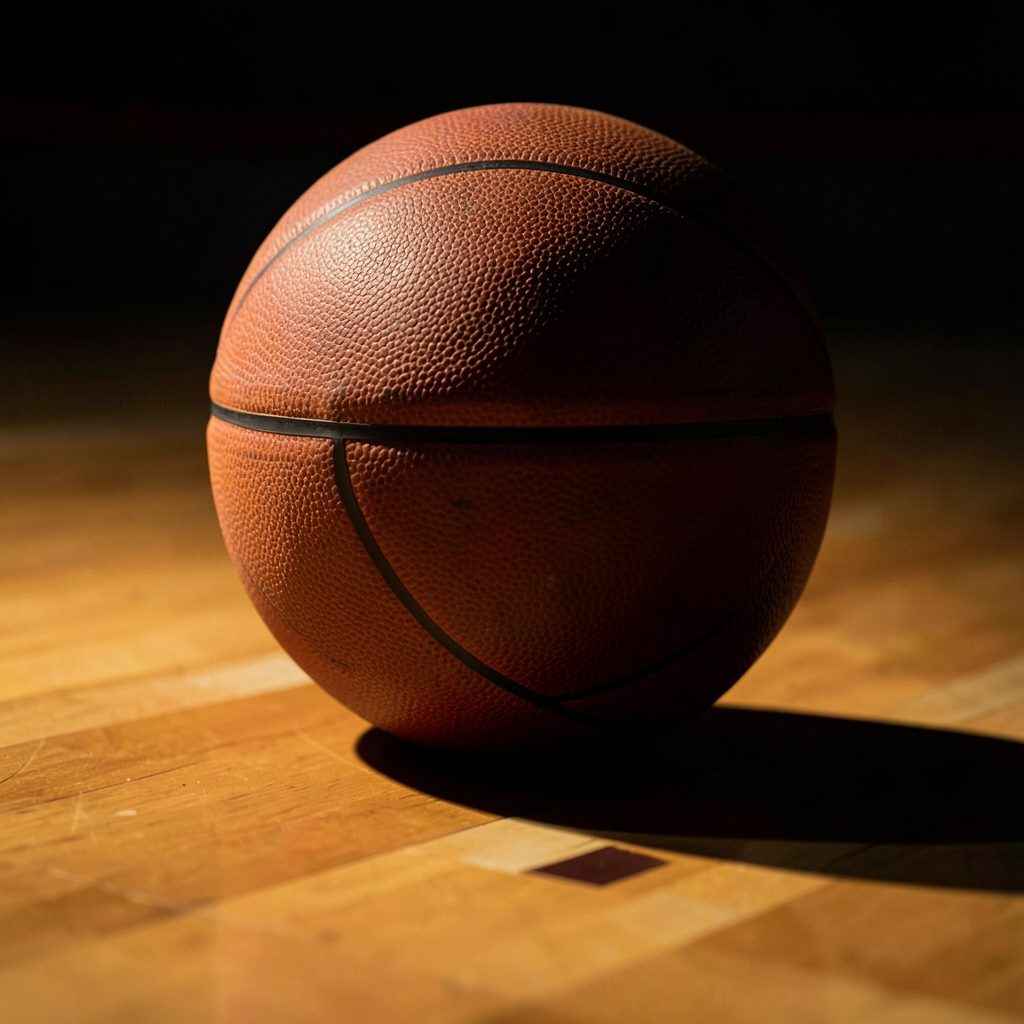
The essential equipment is simple: a properly inflated basketball, a non-slip surface and a clear boundary for your drills. A size 7 ball suits most older juniors, teenagers and adults, while younger players may handle a size 5 or size 6 more comfortably. The ball should feel responsive without being so firm that it becomes difficult to control.
You do not need an expensive agility kit. Two drink bottles, a pair of shoes, rolled-up towels or small cones can mark a slalom route. Painter’s tape can create a centre line on a garage floor, while chalk works on suitable outdoor concrete. If you are shopping locally, Bunnings can be a practical place to find floor tape, rubber matting and storage tubs, while many Australian sporting retailers carry affordable training cones and replacement balls.
A phone tripod or stable shelf adds useful feedback. Record a few drills from the front and side, then review whether your eyes stay up, your shoulders remain balanced and the ball stays close to your body. Keep equipment in one container so setting up takes less than a minute. A station that is quick to prepare is far more likely to be used after school or during a busy arvo.
Build the station around ball control
Arrange your space so each section has a purpose. Leave an open central area for stationary dribbling, place two markers several steps apart for movement drills, and reserve a wall-side section for passing or controlled rebounds. Do not practise hard passes against plasterboard, glass or a neighbour’s fence. A sturdy brick wall may work outdoors, but only after checking the surface and local noise expectations.
Begin every session with low-intensity control. Use fingertip taps, waist-level pounds, ankle-height dribbles and gentle figure eights around your legs. These movements warm up your hands and wrists while helping you feel the ball. Keep your knees bent, chest lifted and non-dribbling hand active as a shield. The goal is a quiet, controlled bounce rather than maximum force.
Progress to movement once the ball feels secure. Dribble from one marker to the next using the right hand, return with the left, then add crossovers, between-the-legs changes and behind-the-back movements if your space allows. In a compact Australian home, even three metres can provide enough room for a meaningful change-of-direction drill when footwork and posture are deliberate.
Use a structured home workout
A useful session can take 20 to 30 minutes. Spend the first five minutes on stationary control, then complete several rounds of moving dribbles, change-of-pace work and reaction drills. For example, use 30 seconds of right-hand pounds, 30 seconds of left-hand pounds, 30 seconds of crossovers and 30 seconds of freestyle control. Rest briefly, then repeat with greater precision rather than simply bouncing faster.
Add decision-making to make solo practice more realistic. Place a cone in front of you and attack it with a hesitation move, crossover or retreat dribble. Imagine a defender’s position and decide whether your next action would create space, protect the ball or change direction. You can also respond to a timer beep or a family member’s call of “right”, “left” or “change” to develop reaction speed.
Keep the ball below your waist for many repetitions, but vary the height to build versatility. Practise looking at a fixed point ahead rather than watching the ball. Use your off hand often, because reliable left-hand control can influence how comfortably you finish, pass or escape pressure in a game.
For ideas about how training connects with belonging and competition, read these basketball community stories from The Factory D1 Indy. Individual work becomes more meaningful when it supports the confidence and teamwork required in real leagues.
Make progress measurable
Choose two or three measures for each week. You might count clean crossovers in 30 seconds, time how long you can maintain a left-hand dribble without losing control, or record how many successful slalom trips you complete. Quality matters more than a random personal best, so count only repetitions performed with balanced footwork and eyes lifted.
Video provides another useful measure. Compare clips from the same camera position and look for a lower athletic stance, fewer glances at the ball and tighter changes of direction. If your shoulders rise when you speed up, reduce the tempo and rebuild the movement. If the ball moves too far away, shorten your steps and soften your hands.
A simple notebook or phone note can record the date, drills, duration and one technical focus. The Factory D1 Indy’s guide on how to track skill progress can help turn casual home sessions into a more purposeful training routine. Progress often appears first as better control under pressure, not just a faster drill time.
Keep the routine safe and consistent
Begin with a few minutes of mobility for the ankles, hips, shoulders and wrists. Wear supportive court shoes if you are moving laterally, and avoid socks on polished floors. Stop if the surface becomes wet, your footwear loses grip or pain develops. A short, focused session is more useful than pushing through poor mechanics.
Plan around your normal week. Two or three home workouts can fit around school, work, club basketball and family commitments. A junior player might practise before dinner, while an adult may use a garage station after a morning walk. On rainy days in Victoria or during extreme heat warnings, switch to stationary ball-handling and footwork rather than forcing outdoor movement.
Home work should complement coaching rather than replace live play. Training with teammates develops spacing, communication, passing angles and defensive reads that a solo station cannot fully reproduce. When you can attend a proper facility, use that opportunity for supervised skills training, group sessions, leagues and conditioning. The Factory D1 Indy model combines basketball development with competition and broader wellness services, giving athletes a place to test individual improvements in a team environment.
Set up the ball, mark your space and complete your first focused session this week. Keep the station visible, record a baseline and build from controlled repetitions. When your schedule allows, carry that consistency into coached training, league competition and recovery sessions at The Factory D1 Indy.
Inside The Factory
Three Entities, One Roof
Leagues
Eight league divisions span every age group: Indy Pro AM, 18+ Open Men's, 30+ Men's, Bite Size (ages 3–6), Impact League, 5th/6th Grade, Middle School, and High School. Gather your team and compete.
Training
Individual and group basketball training for all skill levels. Major M.O.V.E.S. Basketball Training serves ages 4–7 on Wednesday and Thursday evenings at 6:30 PM — $30 per session or $100 unlimited monthly.
Wellness & Recovery
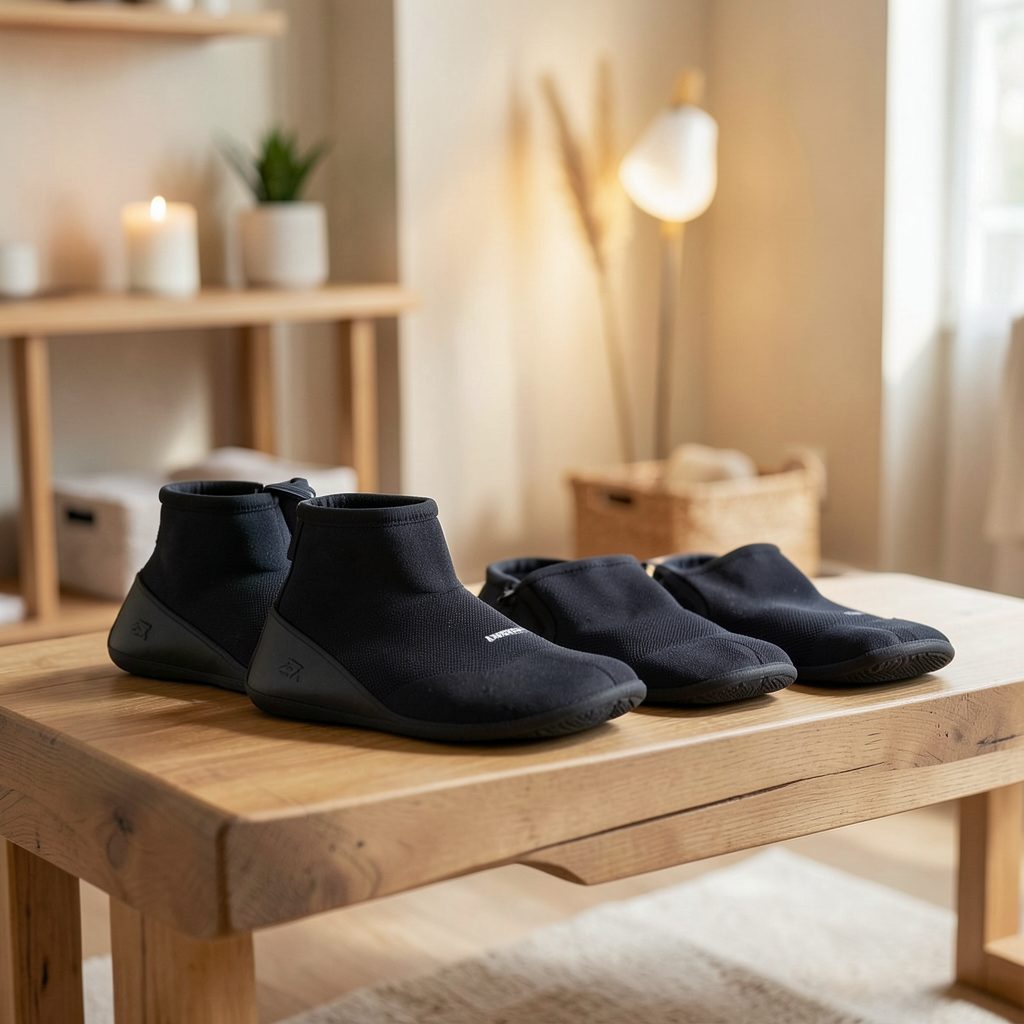
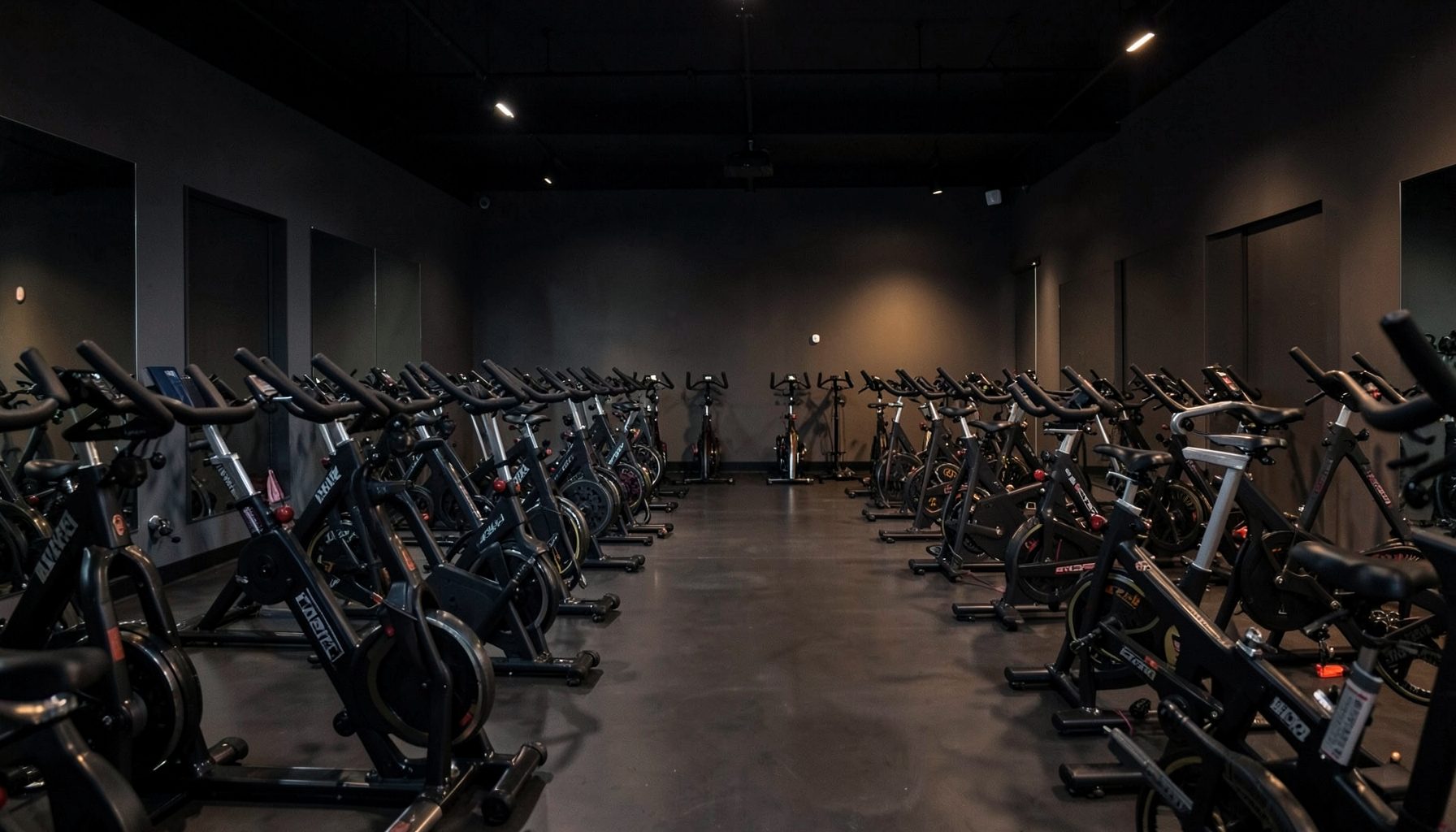
Normatec boot recovery and cryotherapy treatments help athletes bounce back faster. Cycle and spin classes add a cardio dimension to the holistic performance approach.
Have a Question?