Train. Compete. Recover.
A multi-purpose athletic facility in Speedway, Indiana — basketball leagues, skill training, and wellness services all under one roof.
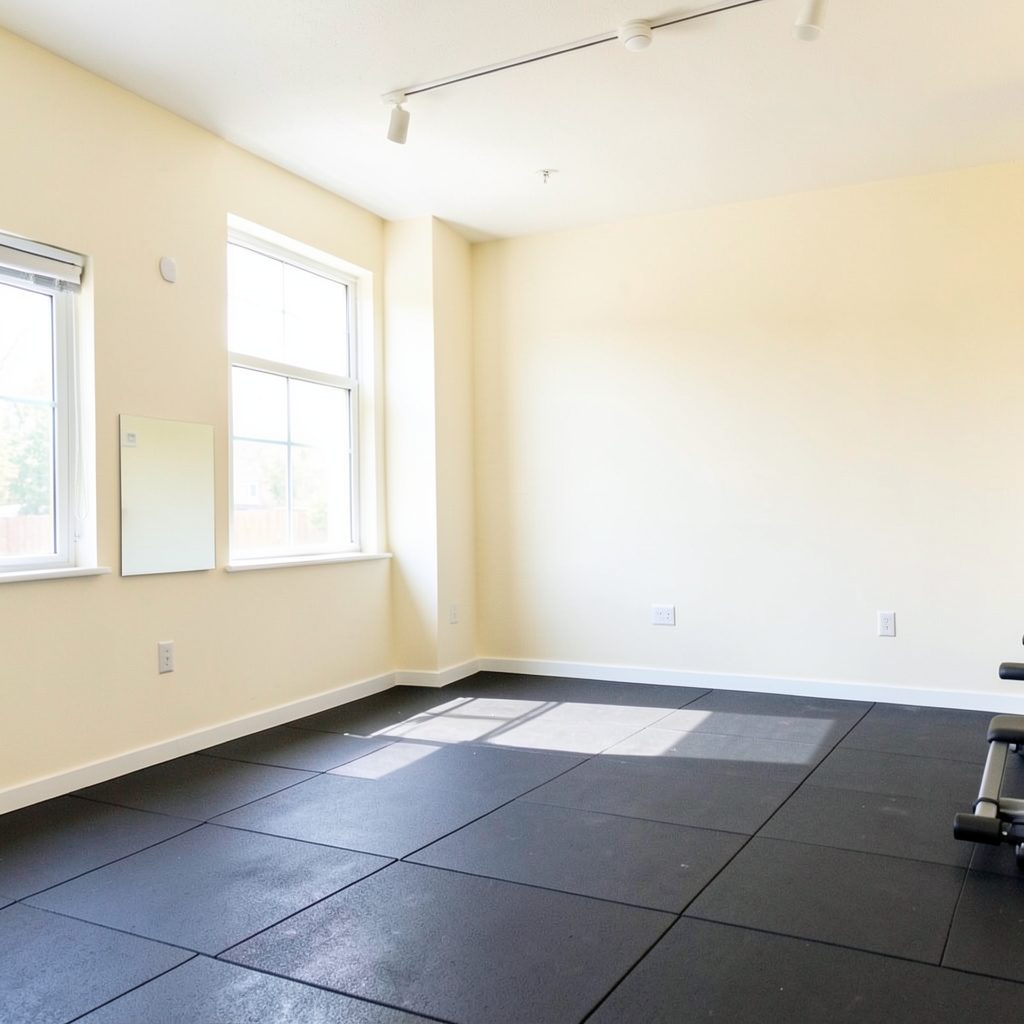
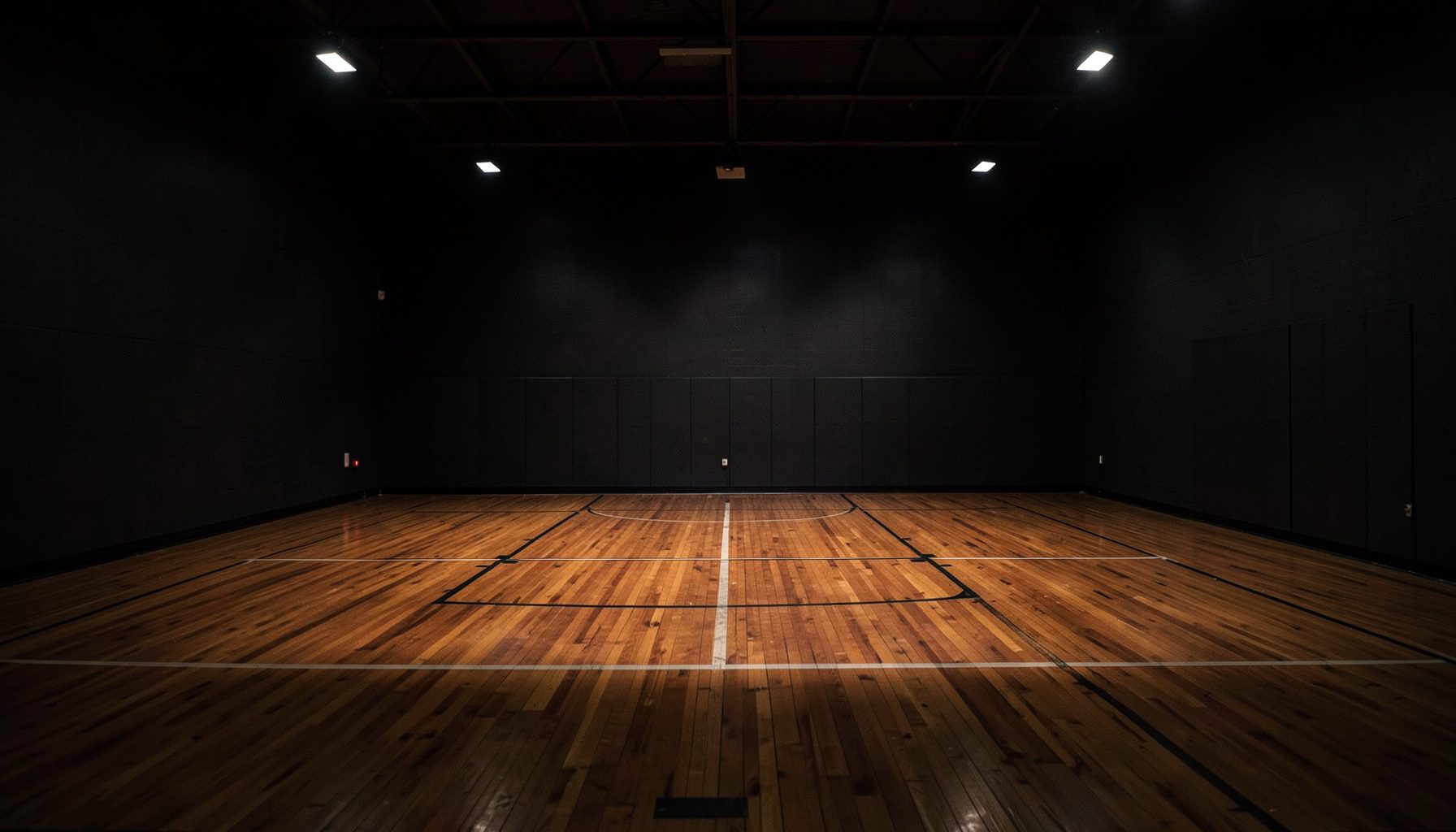
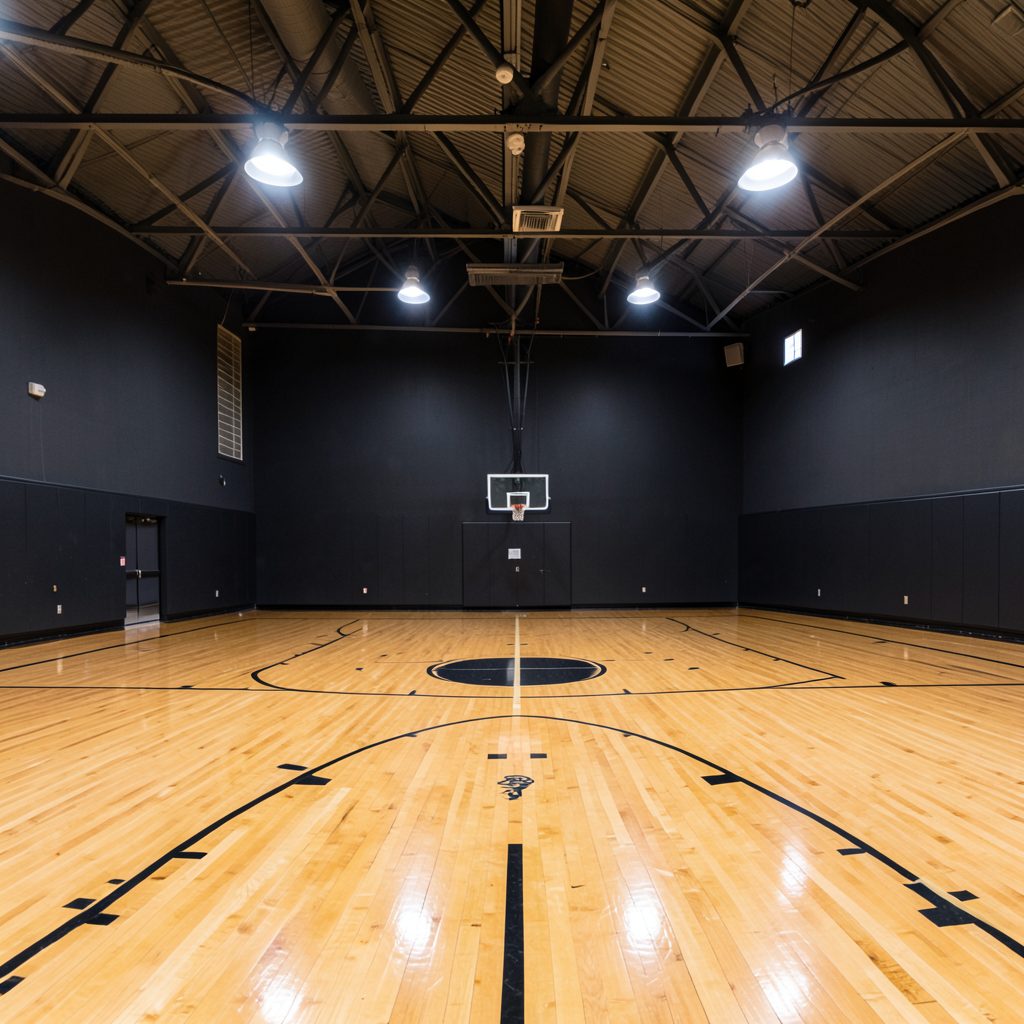
The Factory D1 Indy brings together three entities under one roof: competitive basketball leagues for all age groups, individual and group training, and wellness & recovery services including Normatec boot recovery and cryotherapy. Located off I-465 and High School Road at 6331 Crawfordsville Road, Speedway, Indiana 46224.
Get In TouchHow to Track Heart Rate During Basketball And Spin Workouts
Heart rate tracking gives athletes a practical way to understand workout intensity across two very different training environments. Basketball is built around short sprints, jumps, defensive movements and brief pauses, while spin classes create a steadier cardiovascular load that rises and falls with resistance, cadence and coaching cues.
A chest strap, smartwatch or bike sensor can show how hard the body is working, but the number only becomes useful when it is interpreted alongside effort, recovery and training goals. For athletes at The Factory D1 Indy, this approach can support skills sessions, competitive games, cycle classes and recovery work without turning every session into a race against a screen.
Choose A Tracking Method That Fits The Session
A chest-strap monitor is generally the most responsive option for basketball and high-intensity cycling. It records electrical signals close to the heart and usually reacts faster than a wrist-based watch when an athlete moves from walking to a full-court sprint. That makes it valuable for interval work, where heart rate can change quickly.
Wrist watches are convenient and suitable for longer spin sessions, warm-ups and general fitness tracking. However, loose fit, sweat, rapid arm movement and contact with other players can affect the reading. In basketball, wear the device securely and check that it is permitted by the coach or competition organiser. A phone app or bike console can then display trends without demanding constant attention.
Establish A Personal Heart Rate Range
Maximum heart rate estimates can provide a starting point, but they are not exact. The familiar calculation of 220 minus age may be several beats away from an individual’s true maximum. A better approach is to combine a tested maximum or a supervised field test with perceived exertion, training history and advice from a qualified professional.
Heart rate zones are often described as percentages of maximum heart rate. Easy aerobic work may sit around 60–70 per cent, moderate conditioning around 70–80 per cent, and hard intervals above that range. These bands vary between people, so an athlete should also notice breathing: easy work allows conversation, while hard work may reduce speech to short phrases.
Read The Stop-Start Pattern Of Basketball
Basketball heart rate data rarely forms a smooth line. A player may reach a high level during a fast break, settle during a free throw, then climb again through defensive slides and repeated possessions. The average heart rate can therefore hide the demanding parts of a session. Time spent above a chosen zone, peak readings and recovery between efforts often provide more useful information.
Training drills should be assessed according to their purpose. Skill work with plenty of pauses may keep heart rate moderate, while small-sided games can create repeated high-intensity bursts. A structured defensive slide progression can be monitored by comparing the heart rate response across rounds, while still prioritising footwork, balance and defensive technique over chasing a target number.
Use Spin To Build Consistent Aerobic Work
Spin bikes make intensity easier to control because resistance and cadence can be adjusted throughout the class. Heart rate can help an athlete distinguish between a sustainable tempo, a hard climb and a short sprint. During a longer cycle workout, staying within a moderate aerobic zone may build endurance without creating excessive fatigue for the next basketball session.
Indoor cycling instructors may also use effort ratings, cadence or power. Heart rate should complement these measures rather than replace them. It can lag during short efforts, particularly when a rider suddenly increases resistance. On a hot Australian summer day, heart rate may also rise because the body is working harder to cool itself, even when cadence and resistance remain unchanged.
Match Heart Rate With How You Feel
Numbers need context. Two athletes can record the same heart rate while experiencing very different levels of strain because of sleep, stress, illness, caffeine, hydration or training status. A simple session note can include peak heart rate, average heart rate, time in higher zones, perceived effort and how quickly breathing settles afterwards.
The talk test and rate of perceived exertion are especially useful in group sessions. An effort of 5 or 6 out of 10 may suit a steady spin block, while repeated basketball sprints may reach 8 or 9. Australian athletes often describe a tough effort as “going hard” or “cooked”, but useful tracking still requires a consistent scale. The goal is to recognise patterns rather than label every demanding session as a personal best.
Protect Young Athletes And Competitive Players
Children and teenagers should not be pushed into rigid heart rate targets designed for adults. Their readings can vary with growth, excitement and movement, and technique, enjoyment and safe participation should remain central. Coaches can use heart rate as one observation among many, watching breathing, posture, concentration and recovery between drills.
For adult players, heart rate tracking can help manage the weekly load around games, training and work. A player competing in a local league may need a lighter cycle class after a demanding fixture, while a developing athlete may benefit from carefully planned conditioning. The Factory D1 Indy supports competition across age groups through its basketball leagues, making it useful to view game intensity alongside training and recovery rather than in isolation.
Compare Recovery Between Sessions
Recovery heart rate can reveal how quickly the body settles after a hard effort. After stopping a sprint drill or intense bike interval, record the heart rate immediately and again after one minute of easy movement. A larger drop often suggests better recovery, although the result is affected by whether the athlete sits, walks or continues pedalling.
Resting heart rate trends can also help identify accumulated fatigue. An unusually high morning reading, poor sleep and heavy legs may indicate that an athlete needs to reduce intensity. In Australia, where outdoor training can be affected by heat, humidity and long travel between suburban venues, hydration and cooling are particularly important. Heart rate should be interpreted with those conditions in mind, not treated as a standalone verdict.
Build A Simple Tracking Routine
Before basketball, pair the monitor with a five- to ten-minute warm-up and note the starting reading. During the session, focus on a few useful markers: peak heart rate, hard-effort duration and how quickly the rate drops during breaks. Afterward, record effort, hydration and any unusual symptoms. This is enough to identify trends without checking the watch after every possession.
For spin, set the display so it shows heart rate, time and either cadence or resistance. Use the first few minutes to settle into the planned zone, then adjust effort according to the class structure. Australian gyms commonly offer early-morning and after-work classes, so consistency may matter more than the exact time of day. A repeatable routine makes it easier to compare a Tuesday ride with the next week’s session.
A heart rate monitor is a training aid, not a medical diagnostic tool. Stop exercising and seek appropriate medical advice if there is chest pain, faintness, unusual shortness of breath, palpitations or symptoms that feel wrong. Athletes with a diagnosed heart condition or relevant medication should follow guidance from their doctor or accredited exercise professional.
Bring a reliable monitor to your next basketball workout or spin class at The Factory D1 Indy, pair the data with honest effort notes, and use the patterns to train with purpose, recover intelligently and make every session count.
Inside The Factory

Three Entities, One Roof
Leagues
Eight league divisions span every age group: Indy Pro AM, 18+ Open Men's, 30+ Men's, Bite Size (ages 3–6), Impact League, 5th/6th Grade, Middle School, and High School. Gather your team and compete.
Training
Individual and group basketball training for all skill levels. Major M.O.V.E.S. Basketball Training serves ages 4–7 on Wednesday and Thursday evenings at 6:30 PM — $30 per session or $100 unlimited monthly.
Wellness & Recovery
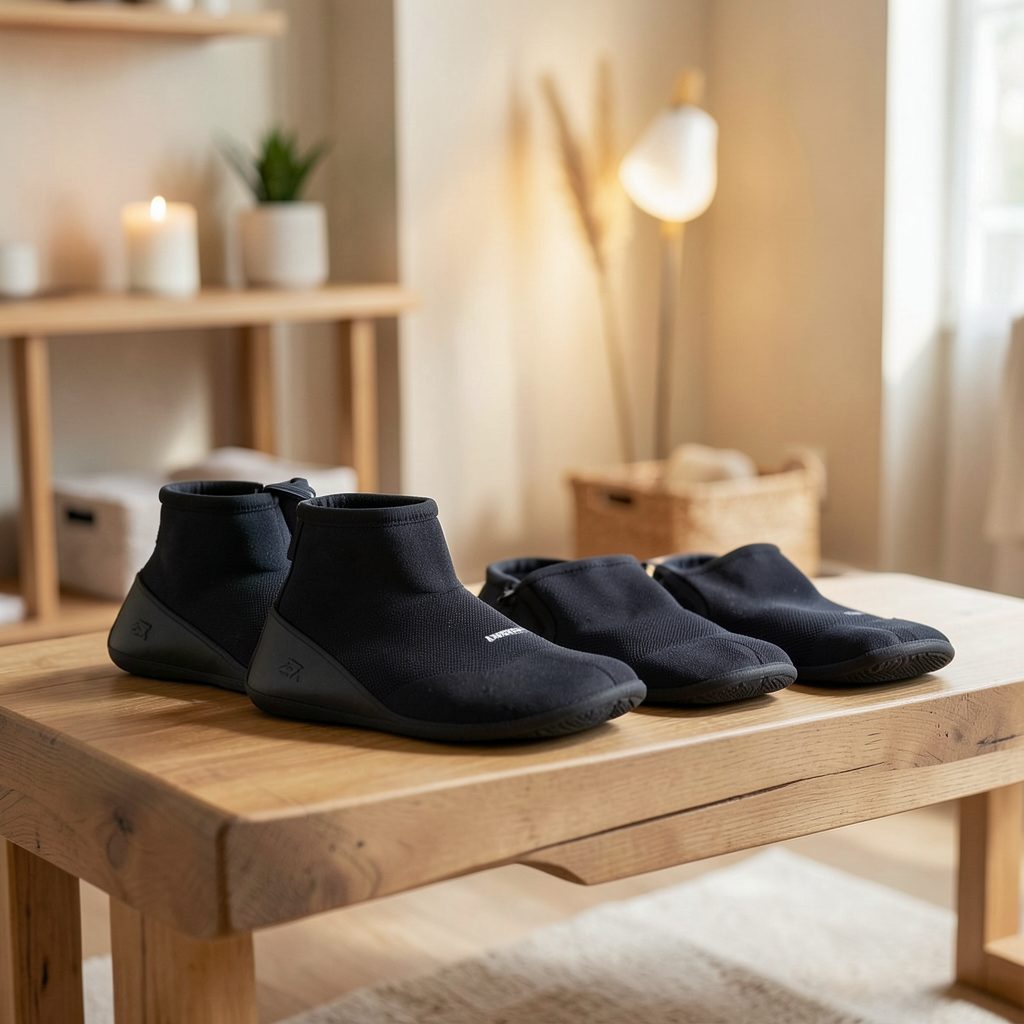
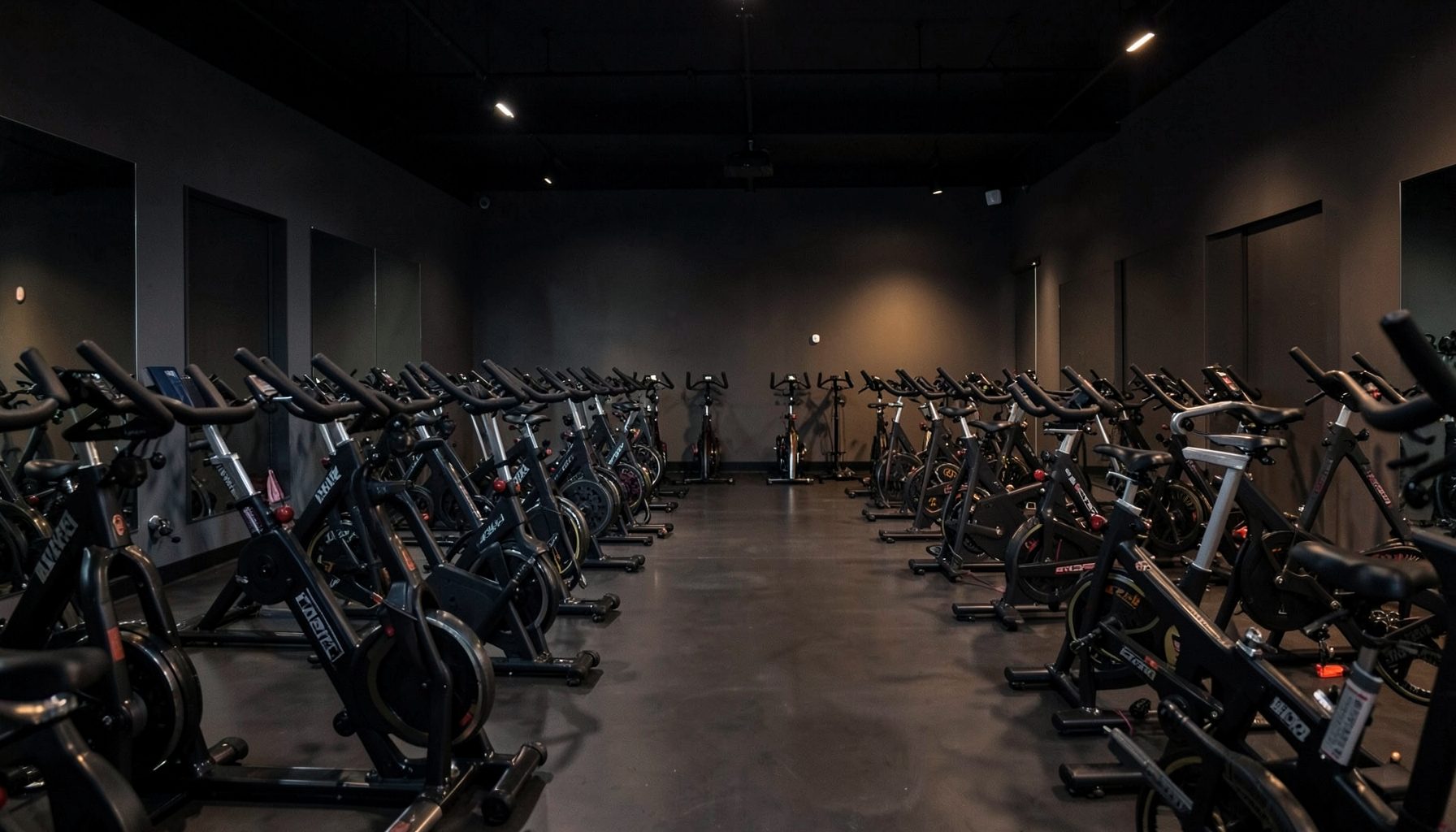
Normatec boot recovery and cryotherapy treatments help athletes bounce back faster. Cycle and spin classes add a cardio dimension to the holistic performance approach.
Have a Question?