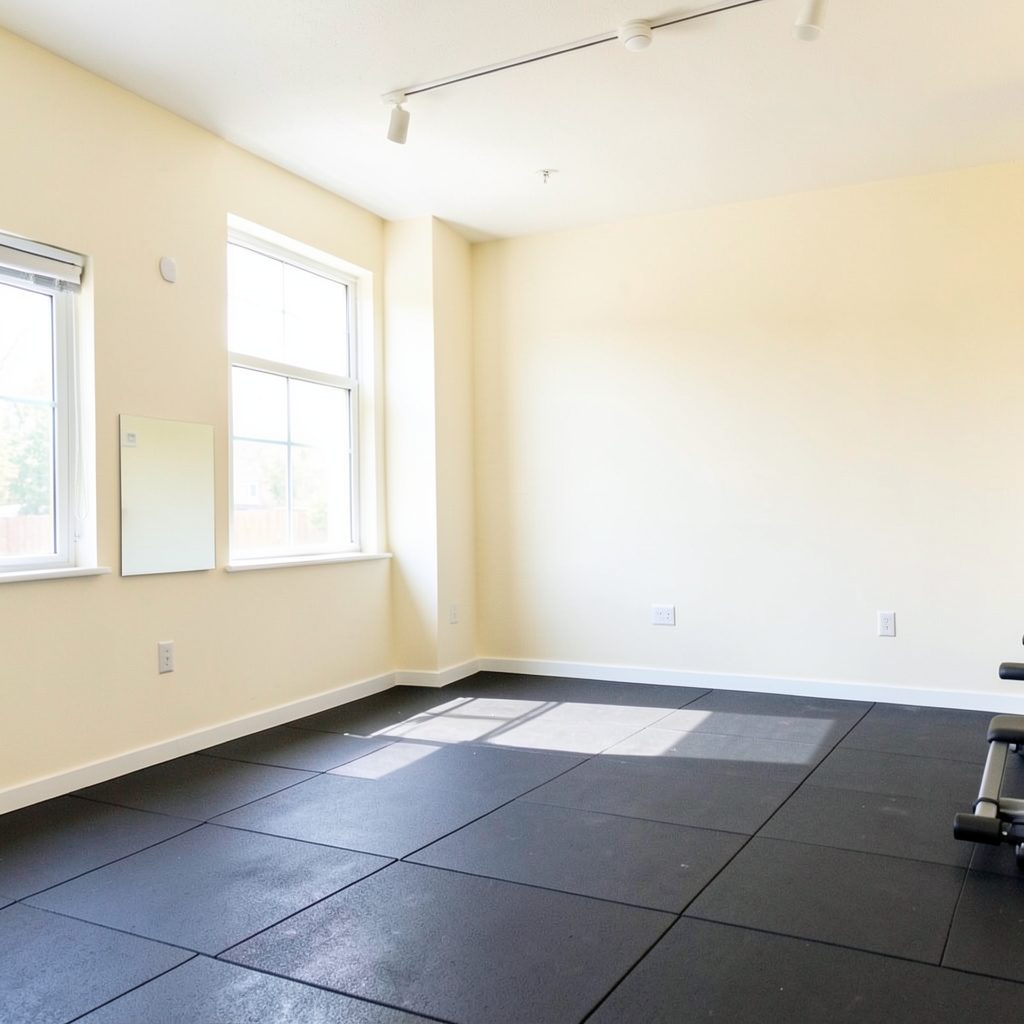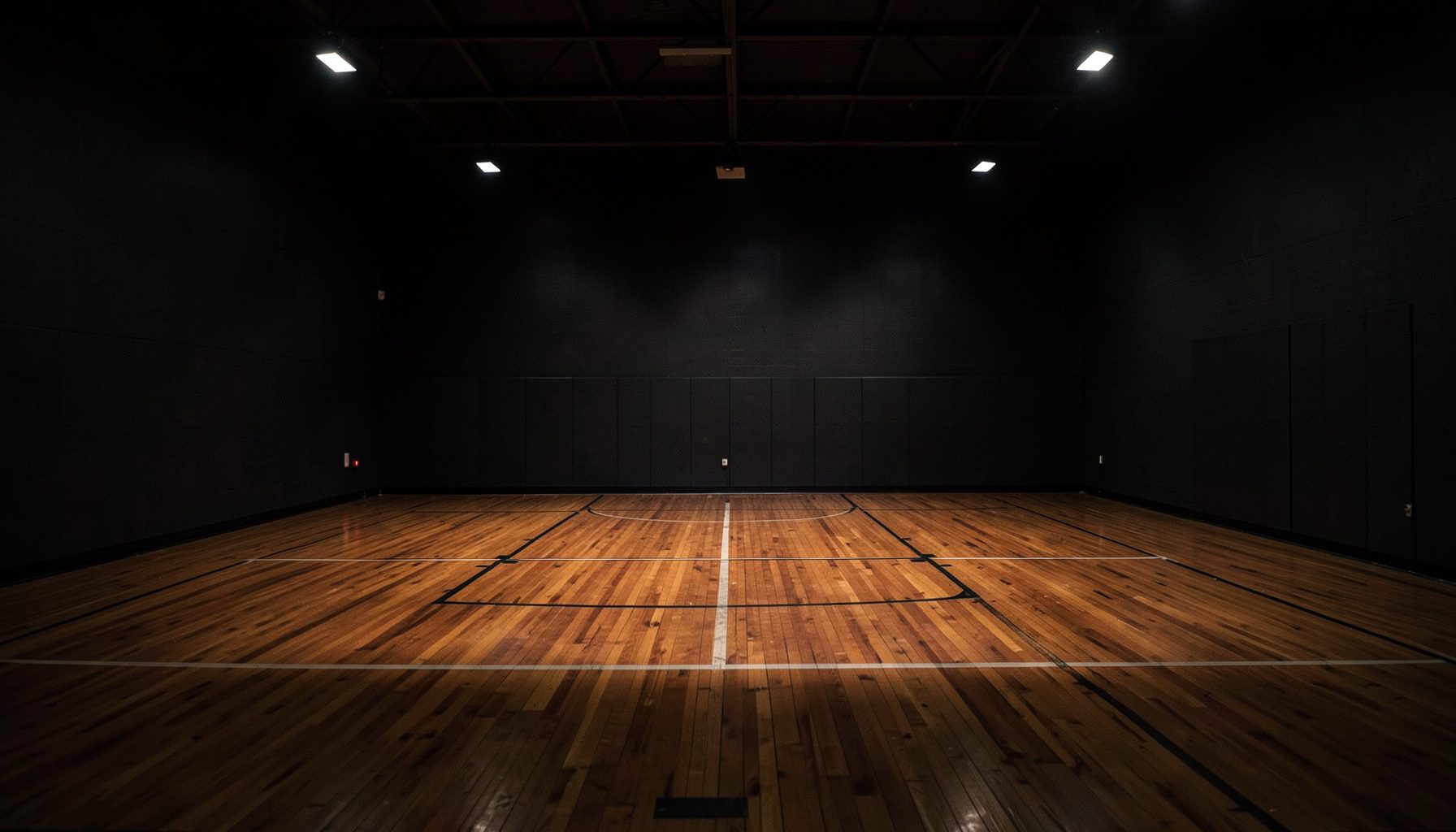
Train. Compete. Recover.
A multi-purpose athletic facility in Speedway, Indiana — basketball leagues, skill training, and wellness services all under one roof.
The Factory D1 Indy brings together three entities under one roof: competitive basketball leagues for all age groups, individual and group training, and wellness & recovery services including Normatec boot recovery and cryotherapy. Located off I-465 and High School Road at 6331 Crawfordsville Road, Speedway, Indiana 46224.
Get In TouchMoving From Recreational Basketball to Competitive League Play
Recreational basketball is a useful starting point for athletes who want exercise, social connection, and regular time on the court. Competitive leagues demand a different level of preparation. Players must make decisions faster, defend with greater discipline, communicate consistently, and respond well when every possession carries pressure.
The transition is rarely about suddenly becoming the most talented player in the gym. It is about building dependable habits and understanding the expectations of organized competition. A player who can control the ball, maintain conditioning, accept coaching, and contribute within a team structure often makes a stronger leap than someone who relies only on natural athleticism.
At The Factory D1 Indy in Speedway, Indiana, athletes can find basketball skills training, youth programs, and leagues designed for different ages and ability levels. A structured facility can make the move easier by giving players access to coaching, competition, conditioning, and recovery in one community-oriented environment.
Understand The Competitive Difference
Recreational games often allow players to improvise, carry the ball longer, and recover from defensive mistakes without major consequences. Competitive basketball is more organized. Teams use set offenses, transition principles, defensive rotations, and substitution patterns. Players are expected to know where to be before the ball arrives.
The pace also changes. Closeouts are quicker, passing windows are smaller, and opponents actively target weaknesses. A player who is comfortable scoring in casual games may need to improve off-ball movement, screening, rebounding, and defensive positioning to earn meaningful minutes in a league setting.
Competitive play also requires emotional control. Referees may call traveling, hand-checking, contact, or carrying more consistently than a recreational group does. Learning to accept calls, recover after turnovers, and remain engaged while sitting on the bench is part of becoming a reliable league player.
Assess Your Current Readiness
Start with an honest evaluation rather than choosing a league based only on ambition. Consider whether you can maintain defensive effort for an entire game, protect the ball under pressure, pass with both hands, and make a simple decision when a defender takes away your first option. These abilities reveal game readiness more clearly than scoring totals in relaxed pickup games.
Ask a coach, trainer, or experienced teammate to identify two or three priorities. Common gaps include weak-hand control, inconsistent footwork, limited shooting range, poor defensive stance, and insufficient conditioning. Focused feedback helps you avoid spending months practicing skills that do not address your most important limitations.
It is also useful to watch a competitive game before joining one. Notice how quickly players transition, how often they communicate, and how little time they spend standing still. This gives you a realistic picture of the physical and mental demands while helping you choose an appropriate level.
Choose The Right League Level
The best first competitive league should stretch your abilities without making every possession feel overwhelming. A division that is far above your current experience can limit development, while a division below your level may fail to expose the habits you need to improve. Ask league organizers about age groups, playing experience, pace, contact, and roster expectations.
| Factor | Recreational Setting | Competitive League Setting |
|---|---|---|
| Primary focus | Fitness, fun, and participation | Performance, results, and development |
| Game pace | Variable and often relaxed | Fast, organized, and physically demanding |
| Defensive effort | Inconsistent from player to player | Required throughout each possession |
| Team roles | Flexible and informal | Defined by skills, position, and strategy |
| Coaching | Limited or occasional | Regular instruction and tactical feedback |
| Mistake response | Game continues with little adjustment | Teams adapt immediately to weaknesses |
| Preparation | Casual attendance | Planned practice, conditioning, and recovery |
A gradual step works well for many athletes. Consider joining a developmental league, attending an evaluation, or playing in organized scrimmages before entering a highly competitive division. The goal is to find a setting where you can make mistakes, receive feedback, and still contribute to your team.
Build Skills That Transfer To Games
Individual workouts matter most when they connect to game situations. Practice catching and shooting after movement, finishing through contact, making passes while changing direction, and defending against realistic drives. Include time-pressure drills so your body learns to execute while tired and your mind learns to make quick choices.
Ball handling deserves special attention because competitive defenders attack loose control. Work on changing speed, protecting the ball with your body, and moving from one hand to the other without losing balance. These crossover dribble drills can help develop sharper direction changes when paired with live defensive pressure.
Shooting practice should include more than stationary repetitions. Add shots from transition, the corners, the wings, and the free-throw line. Practice relocating after a pass and taking balanced attempts late in a workout. Defensive training should cover stance, closeouts, help positioning, box-outs, and communication because these actions often determine playing time.
Prepare Your Body And Mind
Competitive basketball places repeated demands on the legs, hips, ankles, and shoulders. Build a conditioning base with short sprints, defensive slides, change-of-direction work, and recovery intervals. Strength training can support balance and contact tolerance, while mobility work helps you move efficiently through a full game.
Do not wait until the week of tryouts to begin preparation. A consistent schedule of two or three basketball sessions, strength work, and at least one recovery-focused day is more effective than occasional intense workouts. Sleep, hydration, and regular meals also influence reaction time and decision-making.
Mental preparation is equally important. Expect early turnovers, missed shots, difficult matchups, and periods on the bench. Set process goals such as making the correct help rotation, sprinting back after a turnover, or communicating on every defensive possession. These goals keep you useful even when your shot is not falling.
Become A Dependable Teammate
Coaches notice players who make the game easier for everyone else. Arrive early, listen during instruction, learn the offensive terminology, and communicate without blaming teammates. A player who sets solid screens, makes the extra pass, rotates defensively, and rebounds can earn trust quickly.
Team basketball also requires role acceptance. You may begin as a reserve, defensive specialist, rebounder, or secondary ball handler rather than the leading scorer. Treat that role as a chance to demonstrate consistency. Playing time usually grows when a coach knows exactly what a player will provide.
Use every game as feedback. Afterward, write down one skill that held up under pressure and one moment that needs attention. Share specific observations with your coach instead of asking only why you did not score more. This habit turns league experience into a practical development plan.
Create A Practical Transition Plan
A clear plan can make the move from casual games to organized competition less intimidating. Set a timeline, train the skills that match your role, and expose yourself to increasing levels of pressure before committing to a full season.
- Attend an evaluation or organized scrimmage to measure your current level.
- Practice ball handling, finishing, shooting, and defense in game-speed situations.
- Complete conditioning sessions that reflect repeated sprint and recovery demands.
- Learn team concepts such as spacing, help defense, transition lanes, and screening.
- Review each game and adjust one training priority for the following week.
Training environments with skilled coaches and varied programs can support each stage of this process. The Factory D1 Indy offers individual and group basketball training, youth leagues, adult competition, and additional fitness options for athletes who want to build a consistent routine. Recovery services such as Normatec compression therapy and cryotherapy can also fit into a broader plan for handling demanding practices and games.
The most successful transition is measured by improvement, reliability, and confidence rather than immediate dominance. Competitive basketball rewards athletes who prepare steadily, respond to coaching, and contribute in multiple ways. Register for an appropriate league or training session at The Factory D1 Indy and begin building the habits that will help you compete with purpose.
Inside The Factory
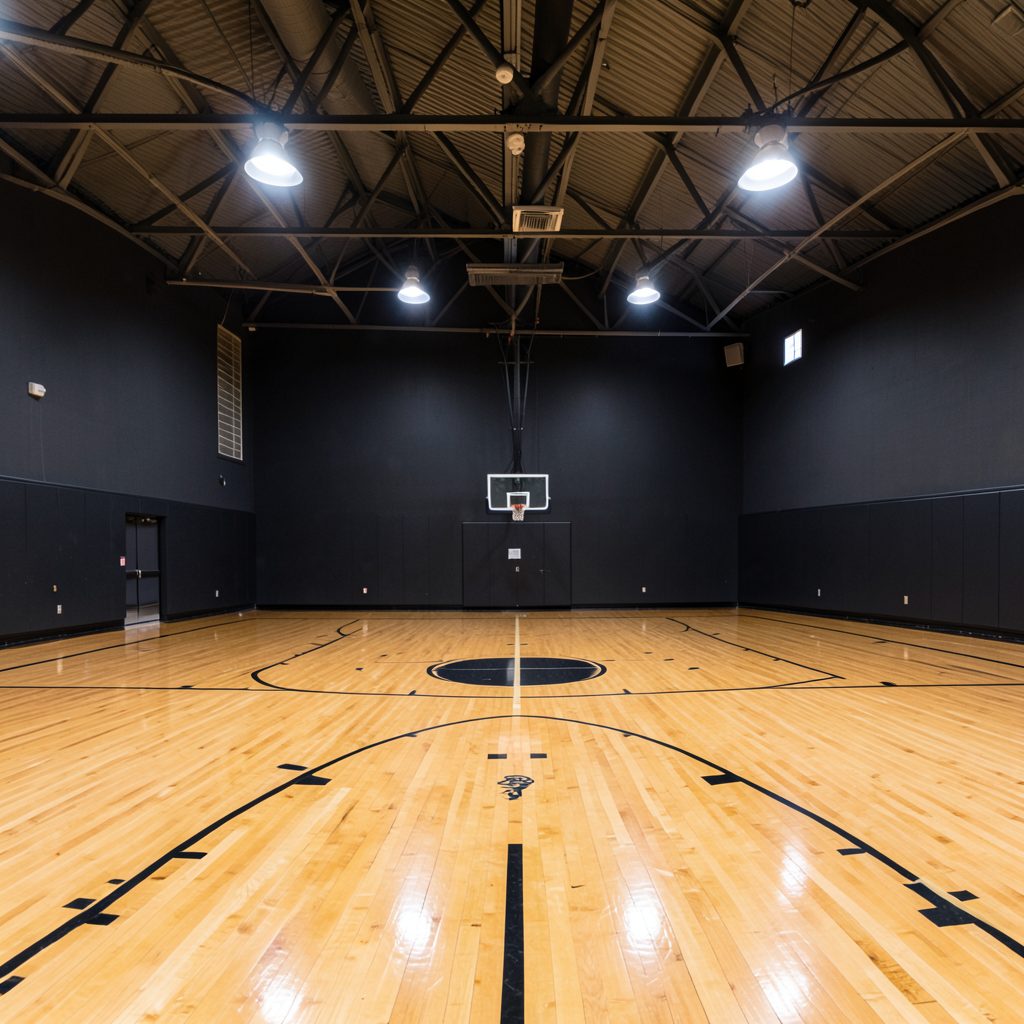
Three Entities, One Roof
Leagues
Eight league divisions span every age group: Indy Pro AM, 18+ Open Men's, 30+ Men's, Bite Size (ages 3–6), Impact League, 5th/6th Grade, Middle School, and High School. Gather your team and compete.
Training
Individual and group basketball training for all skill levels. Major M.O.V.E.S. Basketball Training serves ages 4–7 on Wednesday and Thursday evenings at 6:30 PM — $30 per session or $100 unlimited monthly.
Wellness & Recovery
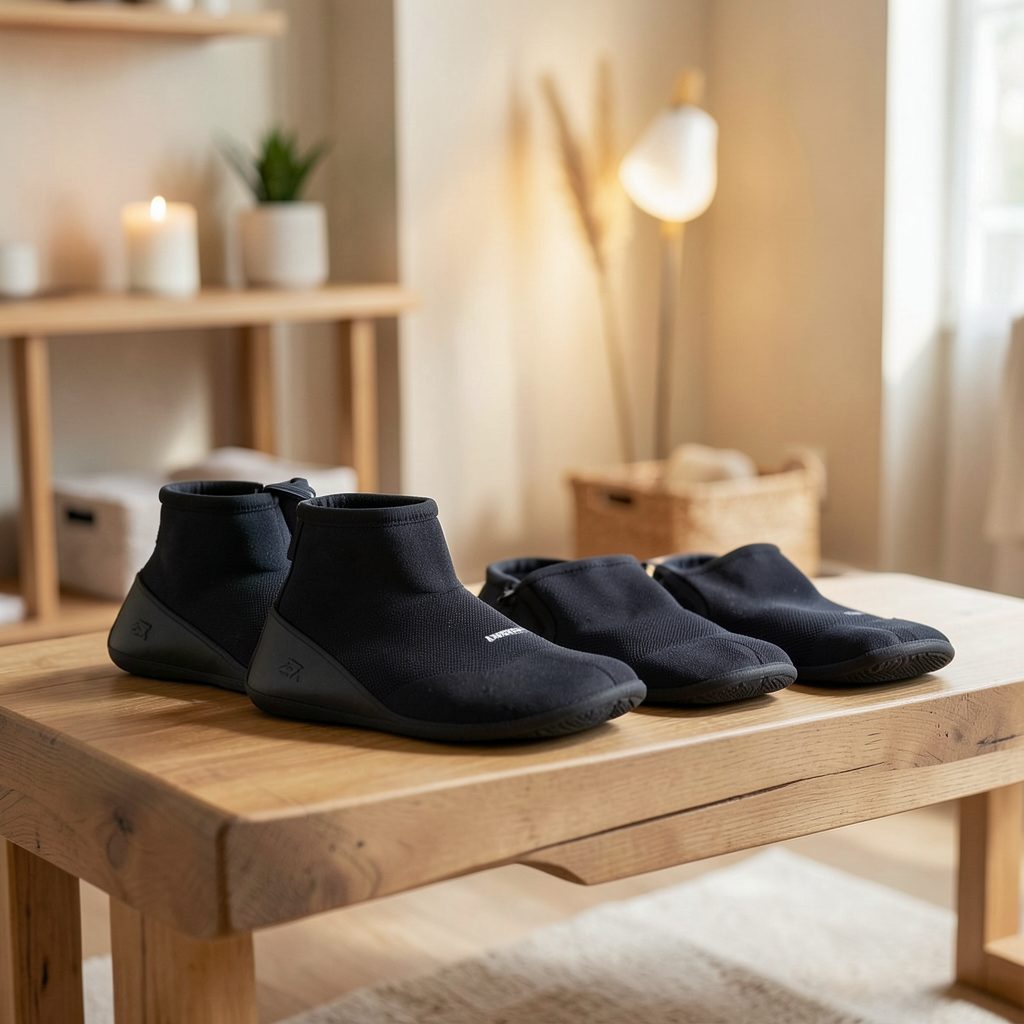
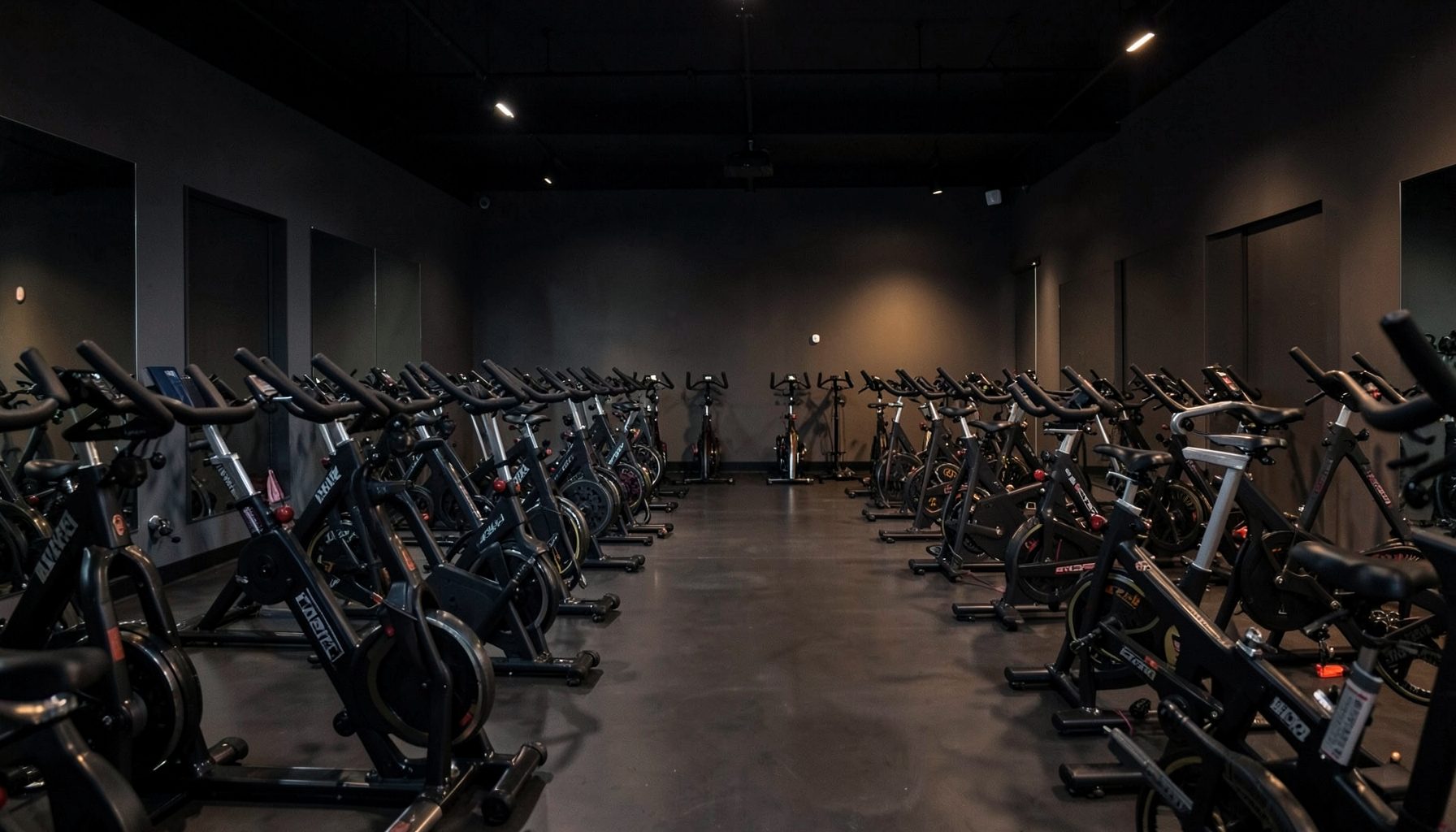
Normatec boot recovery and cryotherapy treatments help athletes bounce back faster. Cycle and spin classes add a cardio dimension to the holistic performance approach.
Have a Question?