Train. Compete. Recover.
A multi-purpose athletic facility in Speedway, Indiana — basketball leagues, skill training, and wellness services all under one roof.
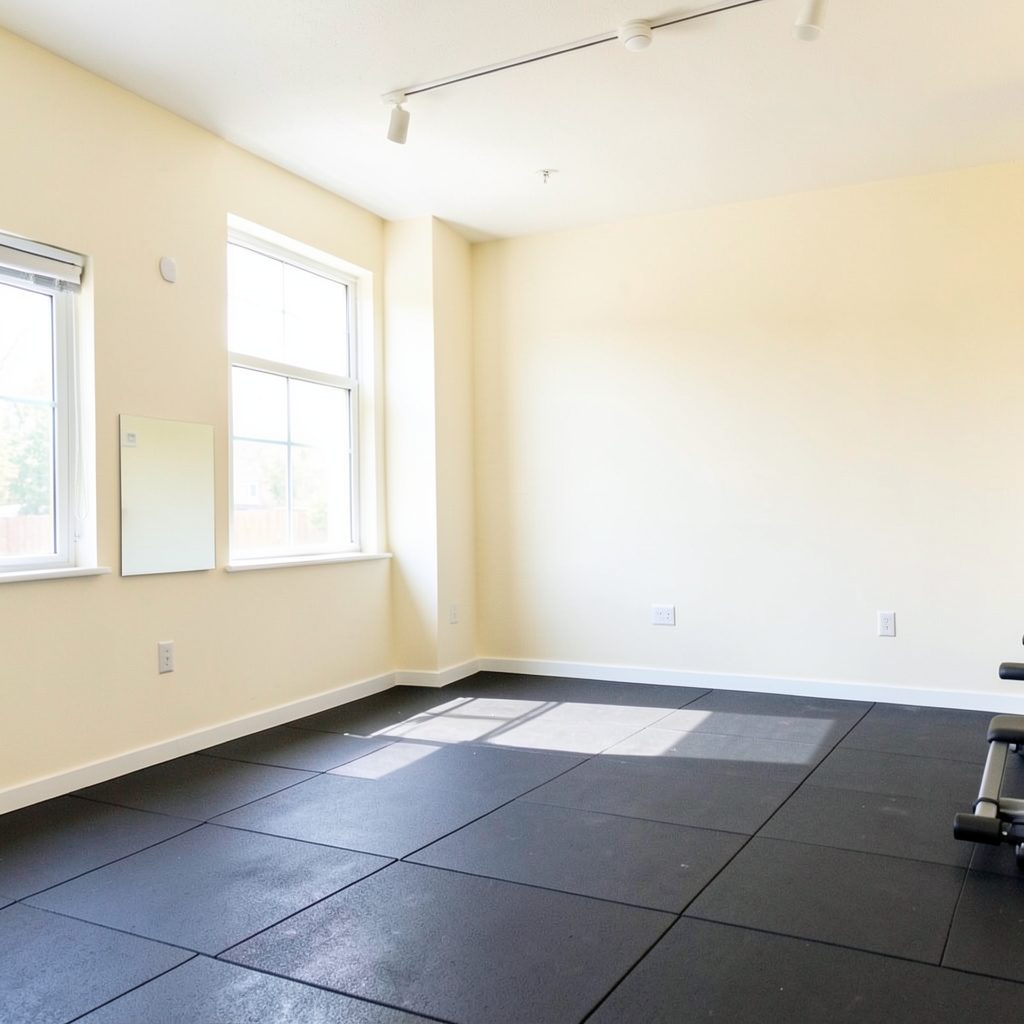
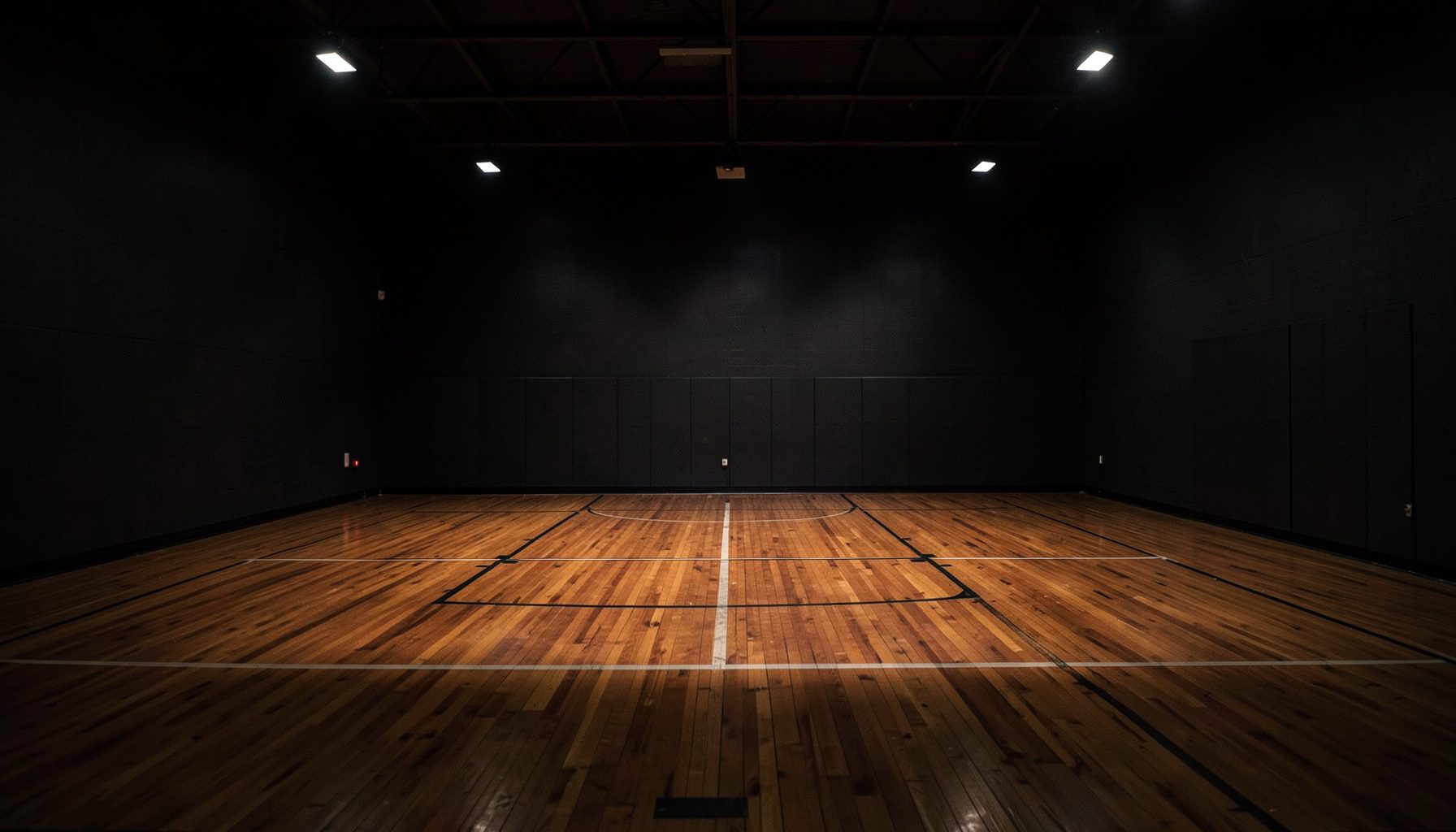
The Factory D1 Indy brings together three entities under one roof: competitive basketball leagues for all age groups, individual and group training, and wellness & recovery services including Normatec boot recovery and cryotherapy. Located off I-465 and High School Road at 6331 Crawfordsville Road, Speedway, Indiana 46224.
Get In TouchMoving From Youth Basketball to Adult League Competition
The move from youth basketball to adult leagues is a meaningful change in pace, responsibility, and competition. Players often leave behind familiar age divisions and enter games where teammates may have different levels of experience, physical strength, and tactical knowledge. A successful transition depends on preparation rather than simply waiting until a player feels ready.
At The Factory D1 Indy, athletes can build that preparation through skills training, conditioning, organized competition, and recovery services in one athletic facility. The goal is to help players continue developing while gaining the confidence to contribute in a more demanding league environment.
A youth player does not need to become a finished athlete before stepping into adult basketball. Instead, the transition should be viewed as a gradual process that includes choosing the right competition level, learning adult league expectations, and creating habits that support consistent performance.
Understand What Changes After Youth Basketball
Adult leagues often feature stronger bodies, faster decisions, and a wider range of playing styles. Some participants may have played at the high school, college, or semi-professional level, while others may be returning to organized basketball after several years away. The result is a competitive setting that can feel less predictable than a traditional youth division.
Players also take greater ownership of the experience. They are expected to communicate with teammates, arrive prepared, understand league rules, and manage their own playing time, equipment, and recovery. Coaches may provide direction, but adults are responsible for responding to feedback and making smart decisions during a game.
The emotional side of competition changes as well. A missed shot, reduced role, or difficult loss should be treated as information rather than a personal judgment. Young athletes and their families can review handling a tough loss to reinforce resilience, accountability, and respect for teammates.
Choose A League That Fits Your Current Level
The best first adult league is challenging without being discouraging. A player who has recently aged out of youth basketball may benefit from a recreational or developmental division before entering a highly competitive league. This gives the athlete time to adjust to adult contact, spacing, defensive schemes, and the physical demands of longer possessions.
Skill level is only one consideration. Players should also evaluate their position, conditioning, availability, and previous experience with organized basketball. A guard who handles the ball confidently may need to improve strength before facing larger defenders. A forward may need to develop perimeter skills if adult teams expect every player to pass, screen, rebound, and defend multiple positions.
| Area | Youth League Experience | Adult League Adjustment |
|---|---|---|
| Pace | Structured development and familiar rotations | Faster decisions and changing roles |
| Physical play | Age-based contact expectations | Greater strength and varied experience |
| Team roles | Coaches often define responsibilities | Players communicate and adapt independently |
| Preparation | Practice and games may be family-managed | Athletes manage scheduling and readiness |
| Recovery | Often informal after competition | Planned mobility, rest, and treatment become important |
Talking with facility staff, trainers, or league organizers can help an athlete identify an appropriate starting point. The right division should encourage growth while protecting the player from an avoidable jump into competition that exceeds current preparation.
Build Strength And Conditioning Before Game Day
Adult league basketball rewards athletes who can repeat high-effort actions throughout a game. Sprinting back on defense, fighting through screens, boxing out, and attacking the basket require more than shooting ability. Strength, balance, agility, and cardiovascular conditioning all influence whether a player can maintain good decisions late in the game.
A practical training routine should include lower-body strength, core stability, lateral movement, short acceleration work, and basketball-specific intervals. Athletes should also develop landing mechanics and deceleration skills because stopping safely is as important as moving quickly. Consistent training is more valuable than occasional intense workouts that leave the body fatigued for several days.
Individual and group basketball skills training can address technical weaknesses while improving game habits. Players may focus on ball protection, closeout attacks, finishing through contact, defensive footwork, or shooting under pressure. These details often determine whether an athlete can transfer youth-level talent into reliable adult league performance.
Learn The Habits That Make Adult Teams Work
Adult league success depends heavily on dependable team behavior. Players should arrive early enough to warm up, bring appropriate gear, and communicate about attendance. Missing games or practices without notice can affect rotations and team chemistry, especially when the league schedule is short.
On the court, simple decisions have significant value. Setting solid screens, making the extra pass, helping on defense, and boxing out can earn trust quickly. A player does not need to dominate the ball to make an impact. Consistent effort and awareness often create more opportunities than difficult individual plays.
Communication should be direct and respectful. Teammates need clear calls on screens, switches, cuts, and defensive coverage. Players entering adult basketball for the first time should listen before assuming they understand a team’s system. Asking for clarification during a break is usually more productive than repeating a mistake for an entire game.
Use Training And Recovery As One Routine
Transitioning into adult competition becomes easier when training and recovery are planned together. A player who adds league games without adjusting sleep, hydration, nutrition, and mobility may experience persistent soreness or declining performance. Recovery is part of preparation, rather than something reserved for an injury.
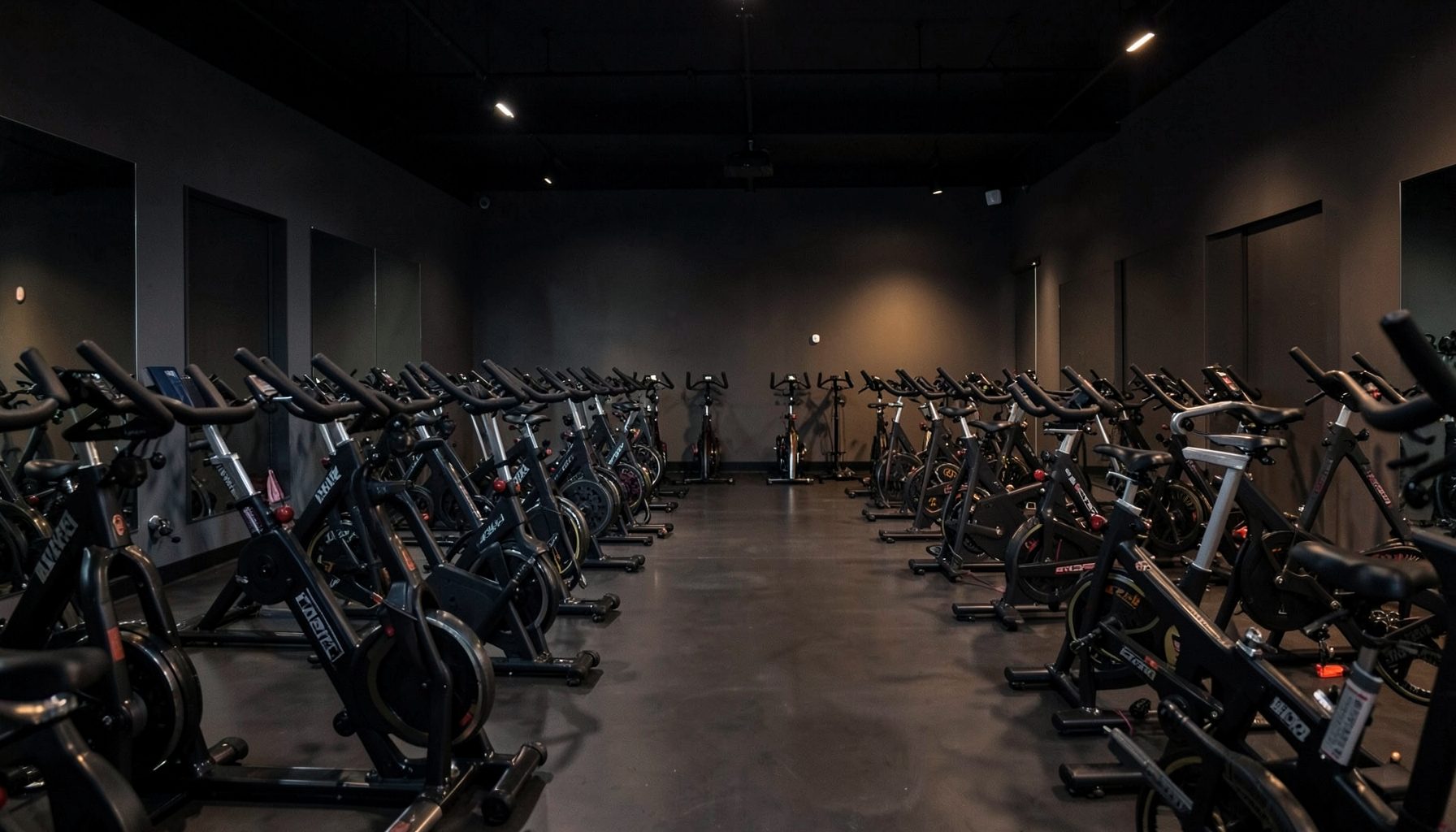
The Factory D1 Indy offers a setting where basketball development can work alongside conditioning and wellness services. Athletes may use cycle or spin classes to support cardiovascular fitness, then complement hard training with recovery options such as Normatec compression therapy or cryotherapy. These services should support a broader plan that includes rest days, gradual workload increases, and professional guidance when pain persists.
Players should track how their bodies respond during the first several weeks of adult league play. Noticeable fatigue, recurring soreness, or reduced movement quality may signal that the training schedule needs adjustment. The objective is to remain available and effective across an entire season, not to win a single workout.
Make The Facility Part Of Your Basketball Community
A multi-purpose athletic facility can make the transition feel more connected and manageable. Players have opportunities to train with others, meet athletes at different stages, and develop relationships beyond a single team roster. That community can be especially helpful for athletes who are entering adult competition without an established group of teammates.
The Factory D1 Indy serves athletes across age groups, from early youth programs to adult competition, creating a natural pathway for continued participation. Its community-focused approach supports athletes who want structured basketball, fitness options, and recovery resources in one location. Familiarity with the facility can also reduce the uncertainty that comes with moving into a new league environment.
Before registering, athletes can use a simple preparation checklist:
- Identify a league division that matches current skill, fitness, and experience.
- Complete several weeks of basketball-specific conditioning before the season begins.
- Practice communication, defensive positioning, rebounding, and transition decisions.
- Plan sleep, hydration, mobility, and recovery around games and training sessions.
- Set a few process goals, such as making the right pass or defending without reaching.
Start Building Your Adult League Readiness
The transition from youth to adult basketball does not happen in one game. It develops through repeated practice, honest self-evaluation, and exposure to competition that is demanding but appropriate. Players who stay coachable and consistent usually adapt faster than those who focus only on scoring or immediate recognition.
Athletes and families can begin by exploring basketball training, conditioning classes, league opportunities, and recovery services at The Factory D1 Indy. Register for the next suitable program, speak with the facility team about your goals, and take the first practical step toward a confident adult league season.
Inside The Factory
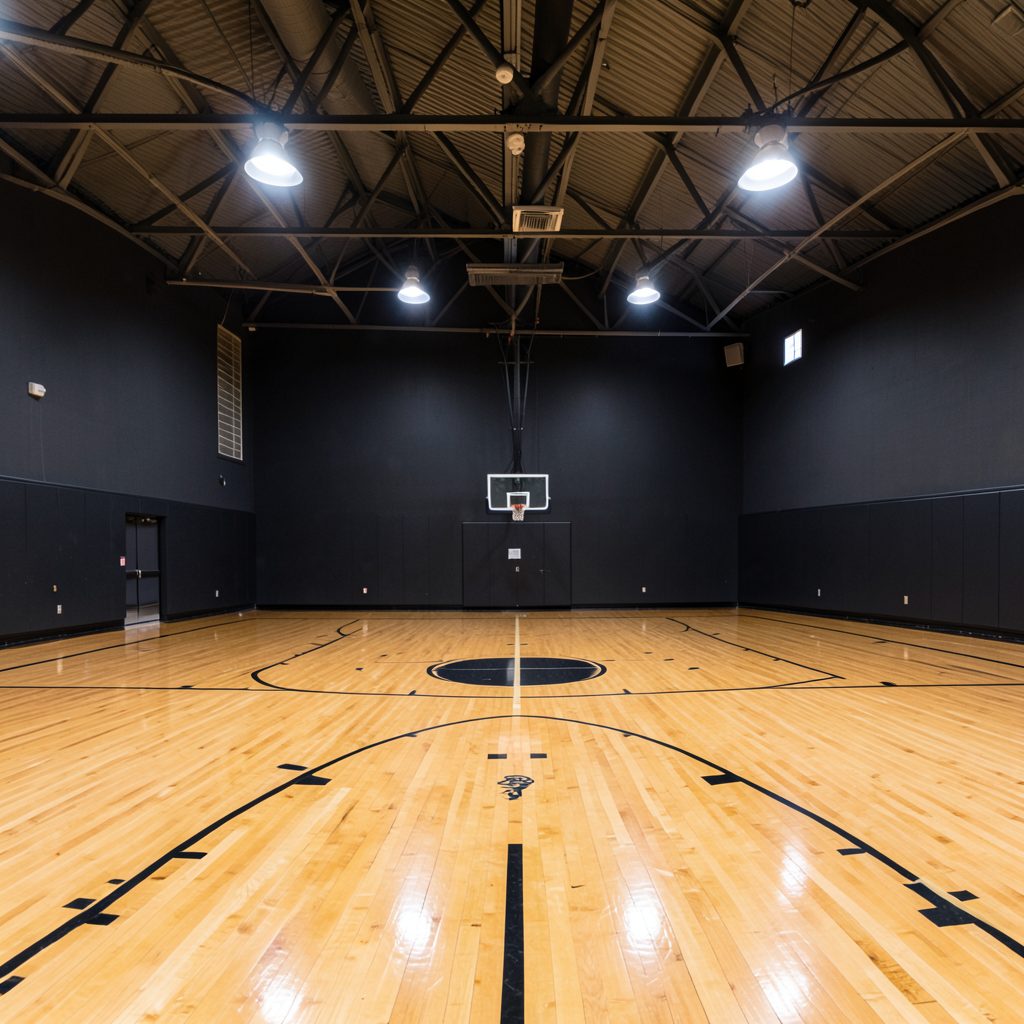

Three Entities, One Roof
Leagues
Eight league divisions span every age group: Indy Pro AM, 18+ Open Men's, 30+ Men's, Bite Size (ages 3–6), Impact League, 5th/6th Grade, Middle School, and High School. Gather your team and compete.
Training
Individual and group basketball training for all skill levels. Major M.O.V.E.S. Basketball Training serves ages 4–7 on Wednesday and Thursday evenings at 6:30 PM — $30 per session or $100 unlimited monthly.
Wellness & Recovery
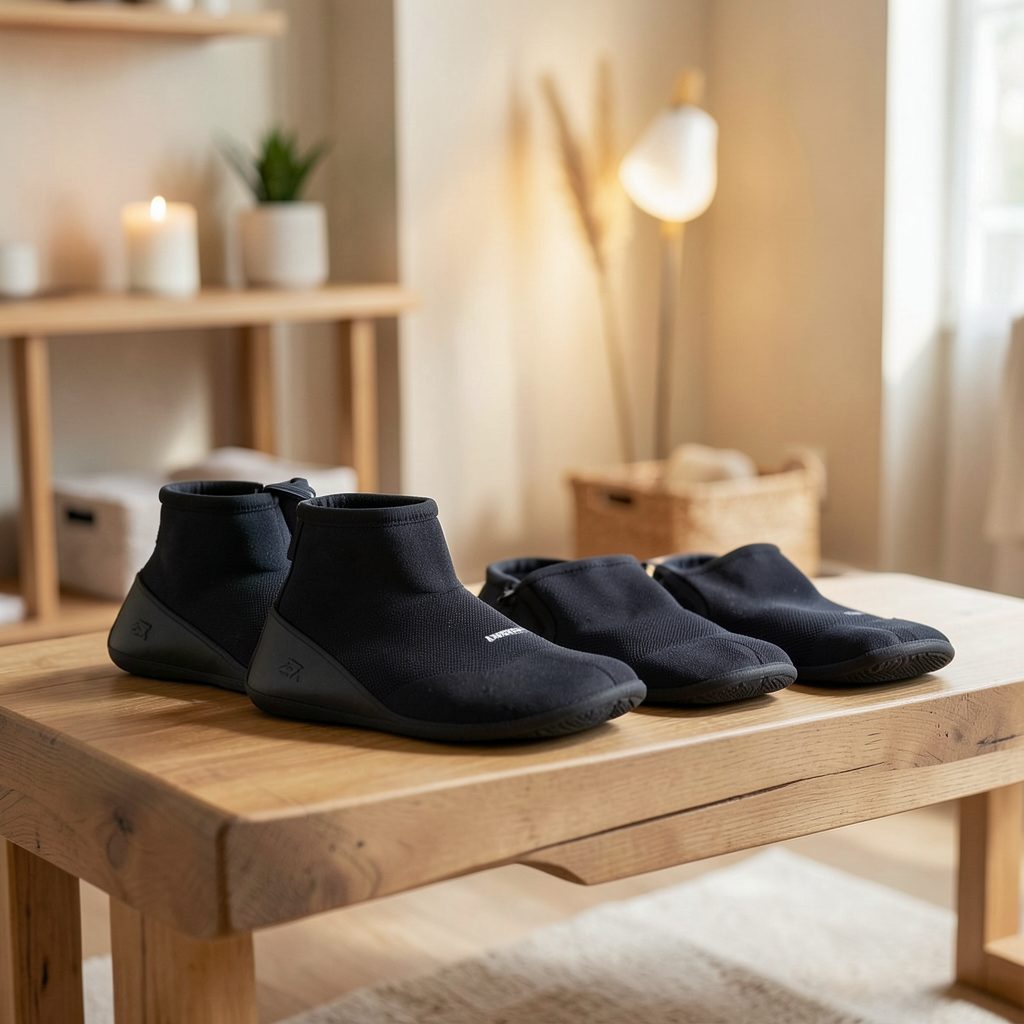
Normatec boot recovery and cryotherapy treatments help athletes bounce back faster. Cycle and spin classes add a cardio dimension to the holistic performance approach.
Have a Question?