Train. Compete. Recover.
A multi-purpose athletic facility in Speedway, Indiana — basketball leagues, skill training, and wellness services all under one roof.
The Factory D1 Indy brings together three entities under one roof: competitive basketball leagues for all age groups, individual and group training, and wellness & recovery services including Normatec boot recovery and cryotherapy. Located off I-465 and High School Road at 6331 Crawfordsville Road, Speedway, Indiana 46224.
Get In TouchHow to Use Cryotherapy in a Monthly Recovery Routine
Recovery is part of training, not an emergency response reserved for sore muscles. Used thoughtfully, cryotherapy can become one element in a broader routine that includes sleep, hydration, mobility, nutrition, and sensible changes to training load. For basketball players, cyclists, and recreational athletes, the aim is to feel ready for the next session without masking an injury or relying on treatment to compensate for poor habits.
Cryotherapy uses controlled cold exposure to create a short, intense recovery stimulus. Depending on the facility, this may involve whole-body cryotherapy or a localised application for a specific area. The experience is brief, but the surrounding routine matters: arrive hydrated, follow the staff’s instructions, and allow enough time afterwards to notice how your body responds.
For Australians balancing school sport, workplace training, weekend competitions, and long summer sessions, a monthly plan can be easier to maintain than an ambitious weekly schedule. Someone playing basketball in Melbourne, cycling around Brisbane, or managing winter footy in Perth may need a different rhythm, particularly when weather, travel, and competition calendars change.
| Recovery option | Best use | Typical timing | Important consideration |
|---|---|---|---|
| Cryotherapy | Short-term cold exposure after demanding training | After selected hard sessions or during a recovery week | Follow screening and safety instructions |
| Normatec compression | Perceived leg freshness and circulation support | After training, travel, or competition | It complements, rather than replaces, movement |
| Mobility work | Restoring comfortable range of motion | Most days in brief sessions | Keep movements controlled and pain-free |
| Sleep and hydration | Foundational recovery | Every day | Usually has a greater long-term impact than any single treatment |
| Easy aerobic work | Gentle circulation and active recovery | The day after heavy training | Keep the intensity genuinely easy |
Understand What Cryotherapy Does
Cold exposure can temporarily reduce the sensation of soreness and may help an athlete feel more comfortable after demanding activity. That can be useful when a player has several games in a short period or a cyclist is managing a heavy block of training. The immediate feeling of freshness, however, should not be mistaken for complete tissue recovery.
Cryotherapy is best viewed as a recovery aid rather than a treatment for every ache. Delayed-onset muscle soreness, a minor feeling of heaviness, and general post-training fatigue may respond differently from a sharp pain, swelling, loss of strength, or restricted movement. Those symptoms deserve assessment from a qualified health professional, especially if they persist or worsen.
The type of cold treatment also matters. Whole-body sessions are brief and supervised, while localised cold may target a particular area. A reputable provider should explain the process, screen for medical concerns, and advise on clothing, skin protection, and rewarming. Never increase exposure time or intensity simply because a previous session felt comfortable.
Create A Monthly Recovery Rhythm
A practical starting point is one session every two to four weeks, placed around the most demanding part of the month. This may be after a tournament weekend, at the end of a high-volume training block, or during a deload week when the goal is to feel fresh before the next phase. There is no universal requirement to use cryotherapy every week.
Look at the month as four repeating stages: build, peak, recover, and reset. During a build period, prioritise sleep, food, strength work, and low-intensity movement before adding cold exposure. Near a peak competition, schedule a session after the hardest workload rather than immediately before an important performance until you know how your body reacts.
A simple log can show whether the routine is worthwhile. Record the date, training load, sleep quality, soreness from zero to ten, perceived energy, and how you felt the following day. Australian athletes often have irregular calendars because of school terms, club fixtures, public-holiday tournaments, and long commutes. A brief record helps fit treatment to real life instead of forcing every month into the same pattern.
Match Cryotherapy To Training Demands
The strongest case for cryotherapy is usually a concentrated workload. A basketball athlete might use it after a weekend with multiple games, while a cyclist could consider it after a long ride followed by repeated intervals. A junior athlete should involve a parent or guardian and use a provider experienced with age-appropriate screening and supervision.
Avoid treating every normal training session as a reason for cold exposure. If you complete a moderate skills workout and feel well, food, fluids, a shower, and a good night’s sleep may be enough. Excessive treatment can make a routine expensive without adding meaningful value, particularly in Australia where many recovery services are private-pay and availability can vary between metropolitan and regional areas.
The session should also fit the purpose of the next day. If tomorrow involves a technical basketball practice, feeling comfortable may be helpful. If it is a strength session designed to create a training adaptation, discuss timing with a coach or sports professional. Regularly using intense cold immediately after every resistance workout may not suit an athlete who is trying to build strength or muscle.
Combine Cold With Active Recovery
Cryotherapy works best when it sits inside a broader recovery menu. On the same day, an athlete might complete a gentle walk, eat a meal containing carbohydrate and protein, and perform relaxed mobility work. The sequence should be comfortable rather than punishing. Rewarming naturally and paying attention to skin sensation are sensible parts of the process.
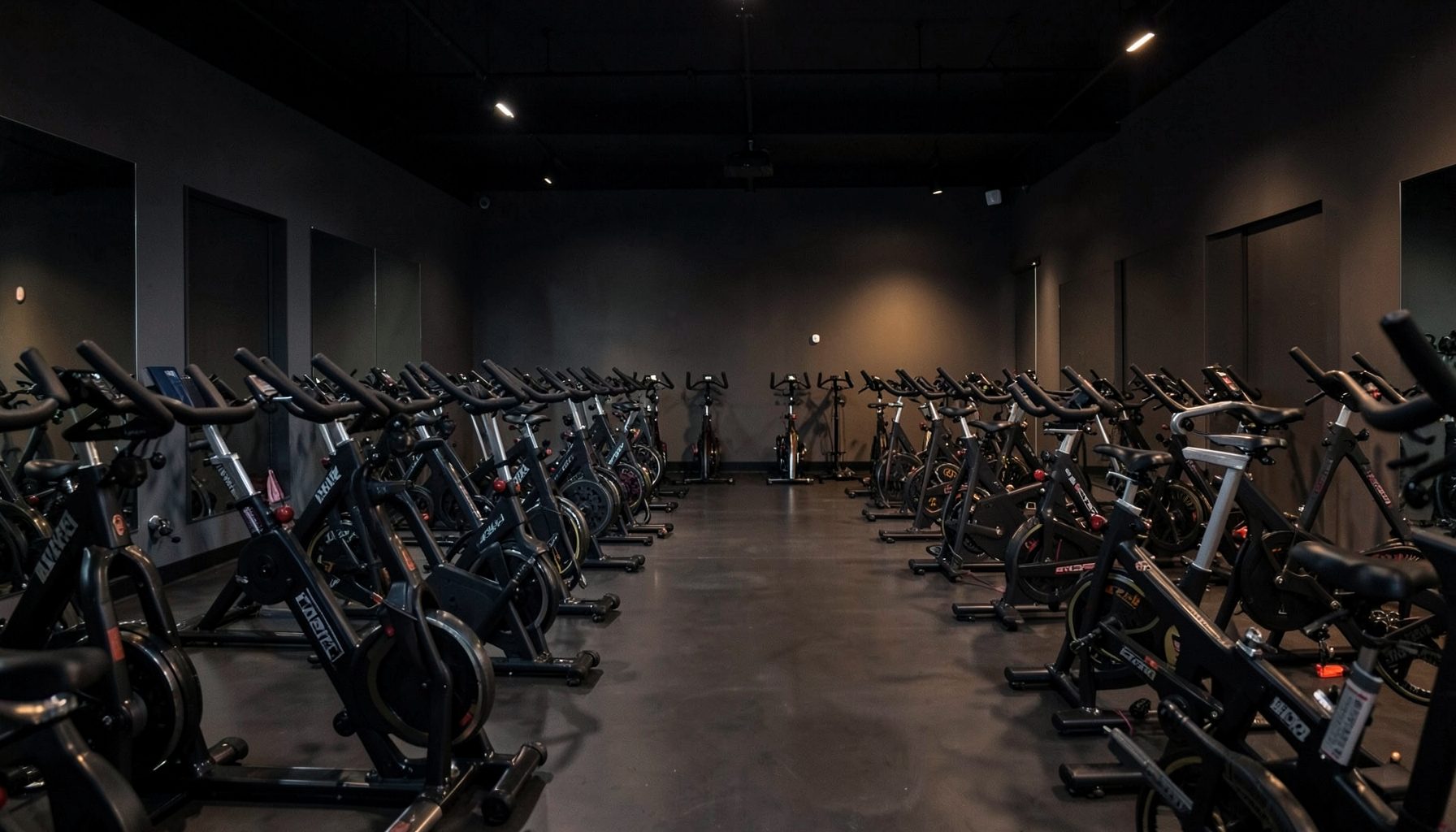
Compression therapy can be useful in a similar support role, particularly after travel or a long day on court. At The Factory D1 Indy, athletes can combine recovery services with training in a dedicated athletic environment. If conditioning is part of the plan, spin training benefits can help explain how cycling-based work may support off-season fitness without adding more court time.
A monthly routine may therefore look like this: cryotherapy after a major competition weekend, easy cycling or walking the next day, mobility across the following two days, and compression when the legs feel heavy after travel. Nutrition and sleep remain the foundation. For an athlete in Sydney or Adelaide, this approach can also help organise recovery around heat, commuting, and early-morning sessions rather than treating one service as a cure-all.
Use Safety Rules Every Time
Cold exposure is not suitable for everyone. Certain cardiovascular conditions, uncontrolled high blood pressure, circulation disorders, cold sensitivity, some nerve conditions, and other medical concerns may make cryotherapy inappropriate. Pregnancy, skin problems, medication use, and a history of fainting should also be discussed during screening. A clinician can provide advice specific to an individual’s health.
Do not use cryotherapy over numb skin, open wounds, or an area with unexplained swelling. Stop the session and tell staff immediately if you feel dizzy, unusually short of breath, confused, intensely uncomfortable, or experience abnormal skin pain. The provider should offer clear instructions and supervision rather than encouraging athletes to tolerate warning signs.
Australian conditions make preparation especially important. A session after a hot summer training day in Brisbane is not a substitute for replacing fluids and electrolytes, and a cold treatment after a wet winter footy match in Hobart should not be rushed when the body is already chilled. Arrive in a stable state, follow the facility’s guidance, and allow time to return to normal before driving or heading into another demanding activity.
A useful monthly recovery routine is measured by consistency and readiness, not by how extreme the treatment feels. Start conservatively, monitor your response, and place cryotherapy after selected high-load periods rather than automatically after every workout. At The Factory D1 Indy, explore the available cryotherapy and recovery services alongside training, conditioning, and wellness support, then build a schedule that matches your sport, health needs, and competition calendar.
Inside The Factory
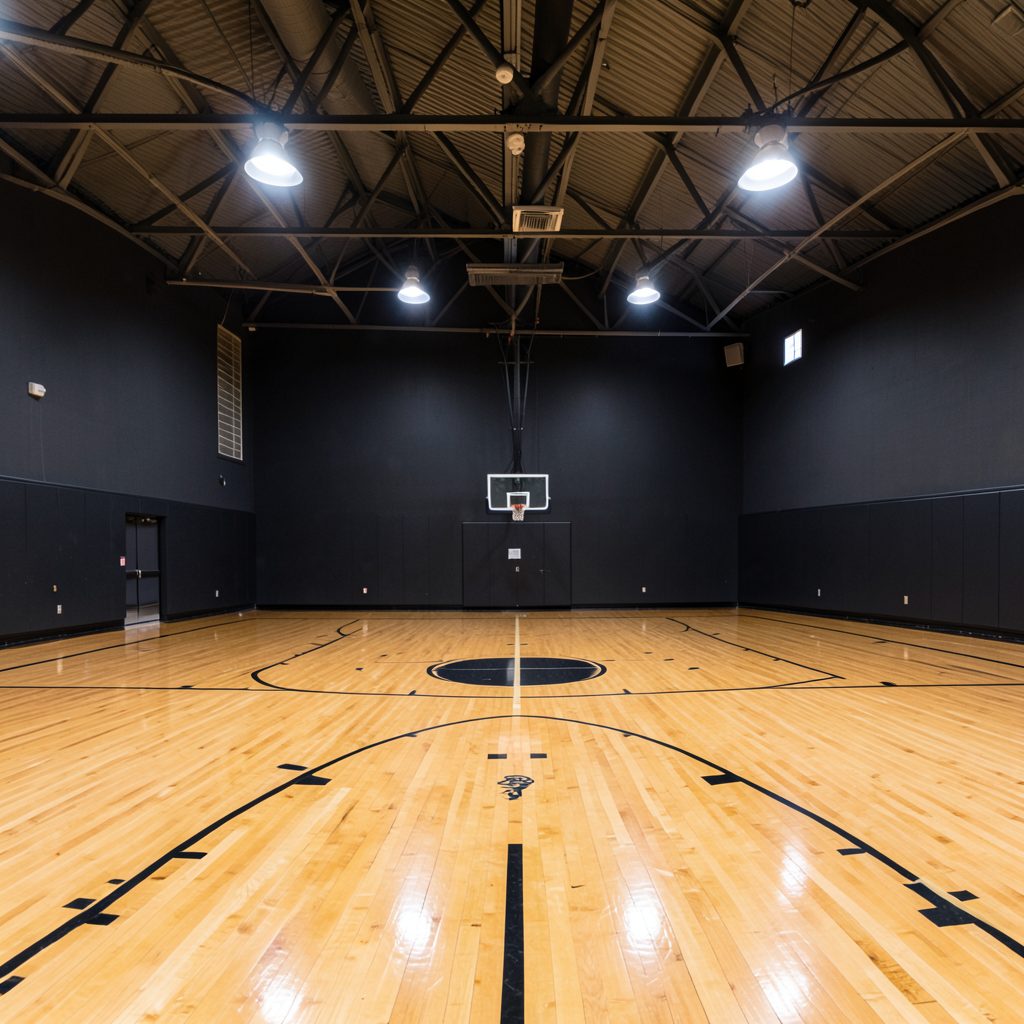

Three Entities, One Roof
Leagues
Eight league divisions span every age group: Indy Pro AM, 18+ Open Men's, 30+ Men's, Bite Size (ages 3–6), Impact League, 5th/6th Grade, Middle School, and High School. Gather your team and compete.
Training
Individual and group basketball training for all skill levels. Major M.O.V.E.S. Basketball Training serves ages 4–7 on Wednesday and Thursday evenings at 6:30 PM — $30 per session or $100 unlimited monthly.
Wellness & Recovery
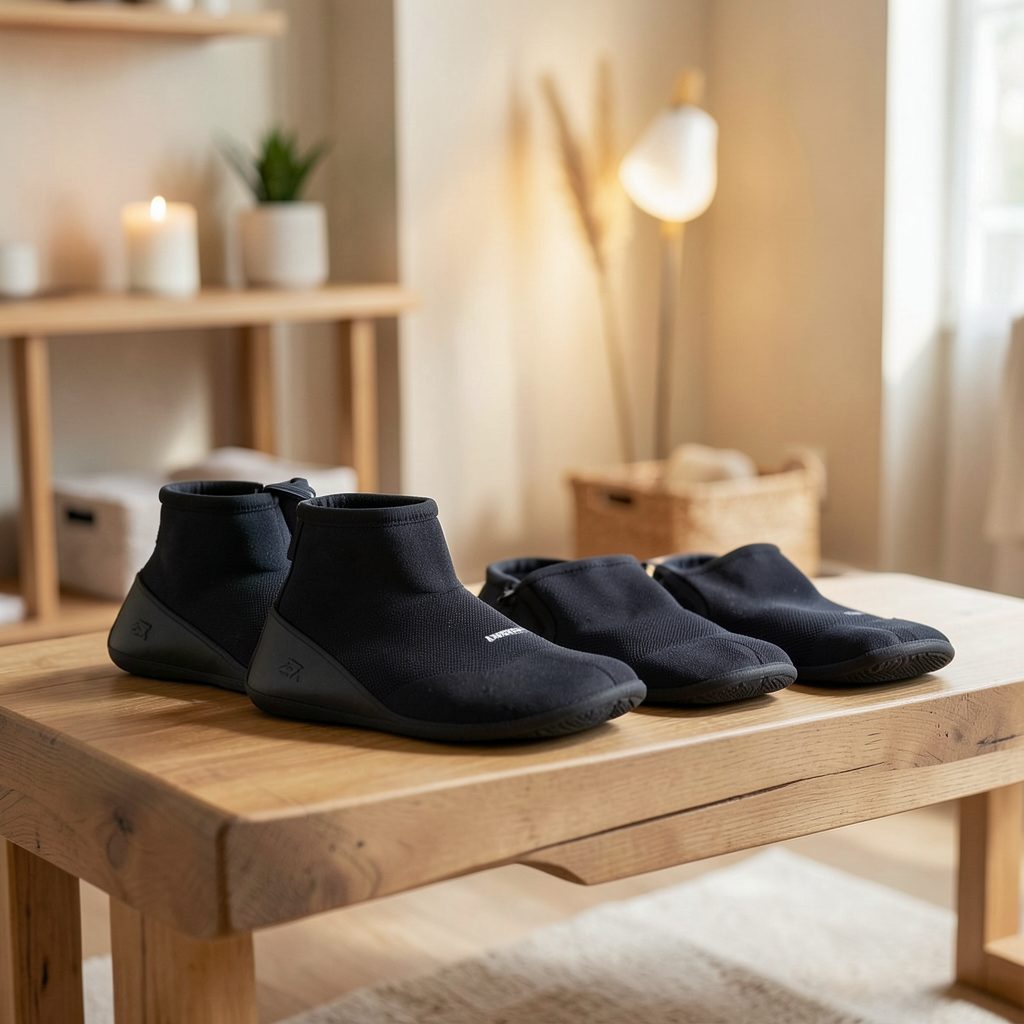
Normatec boot recovery and cryotherapy treatments help athletes bounce back faster. Cycle and spin classes add a cardio dimension to the holistic performance approach.
Have a Question?