Train. Compete. Recover.
A multi-purpose athletic facility in Speedway, Indiana — basketball leagues, skill training, and wellness services all under one roof.
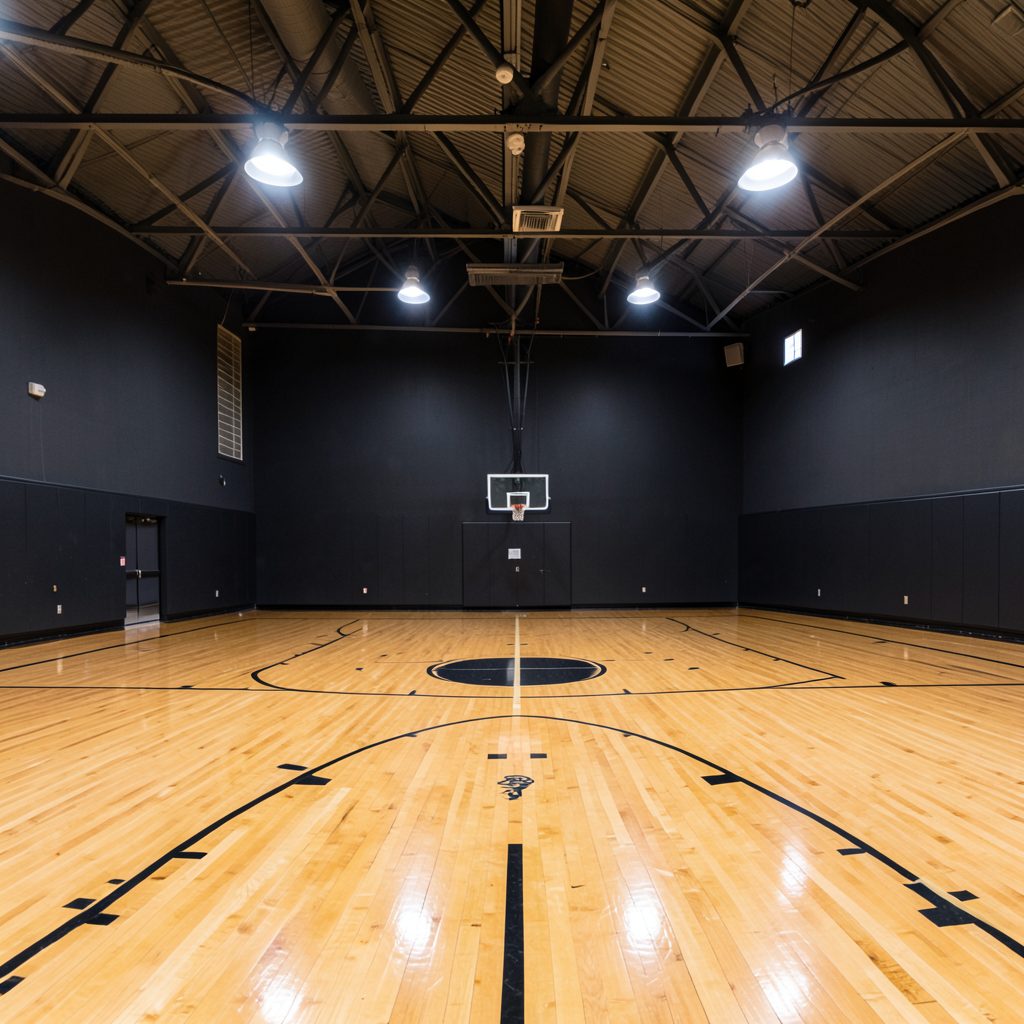
The Factory D1 Indy brings together three entities under one roof: competitive basketball leagues for all age groups, individual and group training, and wellness & recovery services including Normatec boot recovery and cryotherapy. Located off I-465 and High School Road at 6331 Crawfordsville Road, Speedway, Indiana 46224.
Get In TouchHow We Train Referees for Fair Youth Basketball
A youth basketball game should feel competitive, energetic and welcoming from the opening tip to the final buzzer. At The Factory D1 Indy, referees play a central role in creating that experience. Their decisions influence the rhythm of the game, the confidence of young players and the trust families place in our leagues.
Our referee development process goes beyond memorising rules. Officials learn how to read different age groups, communicate with coaches and players, manage emotions and apply standards consistently. That combination helps every game remain safe, organised and enjoyable.
For families in Australia, the approach will feel familiar. Whether your child plays in a suburban stadium in Melbourne, a school gym in Brisbane or a local association in Perth, quality officiating supports the same values: respect, clear expectations and a fair chance for every athlete to participate.
Building A Strong Foundation In The Rules
Every referee begins with the fundamentals of basketball officiating. Training covers travelling, double dribbles, illegal contact, out-of-bounds calls, shooting fouls, violations during throw-ins and the correct use of the game clock. Officials also study court positioning, signals and procedures so their calls are clear to everyone in the stadium.
We place particular emphasis on understanding the purpose behind each rule. A referee should know whether a decision protects player safety, preserves an advantage or keeps the game moving. This prevents officials from becoming overly technical in moments when a calm explanation or a brief warning is more appropriate.
The same principle applies across Australian competitions, where rules can vary slightly between school basketball, local associations and Basketball Australia pathways. Learning to identify the league’s specific regulations before taking the court is an important part of professional preparation.
Matching Officiating To The Age Group
A rulebook cannot explain every difference between a five-year-old beginner and a confident teenager. Younger divisions need patient instruction, simple language and a wider tolerance for developing coordination. Older athletes generally expect quicker decisions, stronger accountability and a more consistent interpretation of contact.
Referees are trained to recognise these developmental stages before the game starts. They review the division, likely skill level and competition expectations so that enforcement remains appropriate without becoming unfair. Families can learn more about how our competitions are structured through this age divisions guide.
This does not mean changing rules whenever a game becomes difficult. It means applying the correct standard for the league while helping young players understand what is expected. A beginner may need a quick explanation after a violation, while an experienced player may simply need the signal and a reset.
Learning Positioning And Court Awareness
Good officiating depends on seeing the play from the right angle. Our trainees practise the mechanics of lead and trail positions, transition coverage, baseline movement and spacing from active players. They learn to avoid standing directly behind a defender or following the ball so closely that off-ball contact is missed.
Training also includes movement without interfering with athletes. Officials need to sprint, change direction and stop safely, particularly during fast breaks. They must keep their eyes active, scanning cutters, screens, rebounding areas and potential collisions rather than watching only the ball.
Practical drills recreate common game situations. A referee may be asked to track a drive to the basket, identify illegal contact away from the ball and then move quickly into position for the next possession. Repetition builds the court awareness needed for accurate calls under pressure.
Developing Clear Communication
A confident referee communicates before the whistle, during stoppages and after a decision. Officials practise strong hand signals, a steady voice and concise explanations that young athletes can understand. They are encouraged to speak with authority without sounding aggressive or embarrassing a player in front of teammates and spectators.
Communication with coaches follows the same standard. A coach may ask for clarification, but officials must avoid lengthy arguments or emotional exchanges. Referees learn to acknowledge a reasonable question, explain the relevant rule and return attention to the game. If a conversation becomes disruptive, they follow the league’s conduct procedures.
Australian basketball has its own courtside language, from “good on ya” encouragement to lively sideline calls during a Saturday arvo fixture. Referees must stay composed in that atmosphere. Friendly energy is welcome, but decisions still need to be delivered consistently and professionally.
Managing Contact, Safety And Sportsmanship
Player safety is always a priority in youth competition. Officials are trained to distinguish ordinary physical play from dangerous contact, late challenges, excessive force and actions that could cause injury. They monitor awkward landings, collisions near the key and situations where a player may be struggling physically.
Sportsmanship is addressed early rather than after behaviour has escalated. Referees can use reminders, warnings and calm conversations to correct small issues before they affect the whole game. Unsporting gestures, taunting, arguing and deliberate attempts to intimidate opponents are dealt with according to the competition rules.
This approach supports a positive club culture. Young athletes learn that competitiveness does not excuse disrespect. Parents and spectators also receive a clear message that the stadium is a shared environment, much like a local community venue in Adelaide or a school sports hall in regional New South Wales.
Practising Real Game Situations
Classroom learning is only one part of referee education. Trainees take part in scrimmages and controlled games where experienced supervisors observe their positioning, timing, signals and decisions. They receive feedback while the action is still fresh, making it easier to understand what happened and how to respond next time.
Officials work through scenarios such as a disputed out-of-bounds call, a coach requesting an explanation, a player committing repeated fouls or a fast-moving game becoming emotionally charged. These exercises help referees develop sound judgement rather than relying on instinct alone.
Video review can also support development. A supervisor may pause a sequence to examine where an official was standing, whether a whistle was needed or how a call could have been communicated more clearly. The goal is improvement, not embarrassment, and feedback is delivered in specific, practical terms.
Supporting Consistency Across The League
Fair play depends on consistency from game to game. Our referee coordinators use shared expectations, pre-game briefings and ongoing observation to help officials apply the same standards throughout the season. New referees can ask for guidance, while experienced officials continue refining their skills.
Before each fixture, referees confirm the division, game format, timing rules, scorekeeping arrangements and any relevant player considerations. This preparation reduces avoidable confusion and allows officials to focus on the action once the whistle sounds. It also creates a smoother experience for coaches, volunteers and families.
Consistency does not require every official to have an identical personality. Some communicate quietly, while others are more direct. What matters is that all referees uphold safety, respect the competition rules and make decisions without favouritism. That reliability is essential in youth leagues, where a close game can carry a lot of emotion for players and parents.
Referee development works best as a shared responsibility. Athletes should listen to calls, coaches should model respectful behaviour and spectators should allow officials to do their job without turning the sideline into a second contest. When everyone contributes, young players can focus on learning, competing and enjoying basketball.
The Factory D1 Indy continues to invest in officials who bring preparation, fairness and composure to every fixture. Families looking for a positive basketball environment can explore our youth programmes and league opportunities, while aspiring referees can build the habits that support confident decision-making on court. Join us for a season where every whistle helps create a better game.
Inside The Factory


Three Entities, One Roof
Leagues
Eight league divisions span every age group: Indy Pro AM, 18+ Open Men's, 30+ Men's, Bite Size (ages 3–6), Impact League, 5th/6th Grade, Middle School, and High School. Gather your team and compete.
Training
Individual and group basketball training for all skill levels. Major M.O.V.E.S. Basketball Training serves ages 4–7 on Wednesday and Thursday evenings at 6:30 PM — $30 per session or $100 unlimited monthly.
Wellness & Recovery
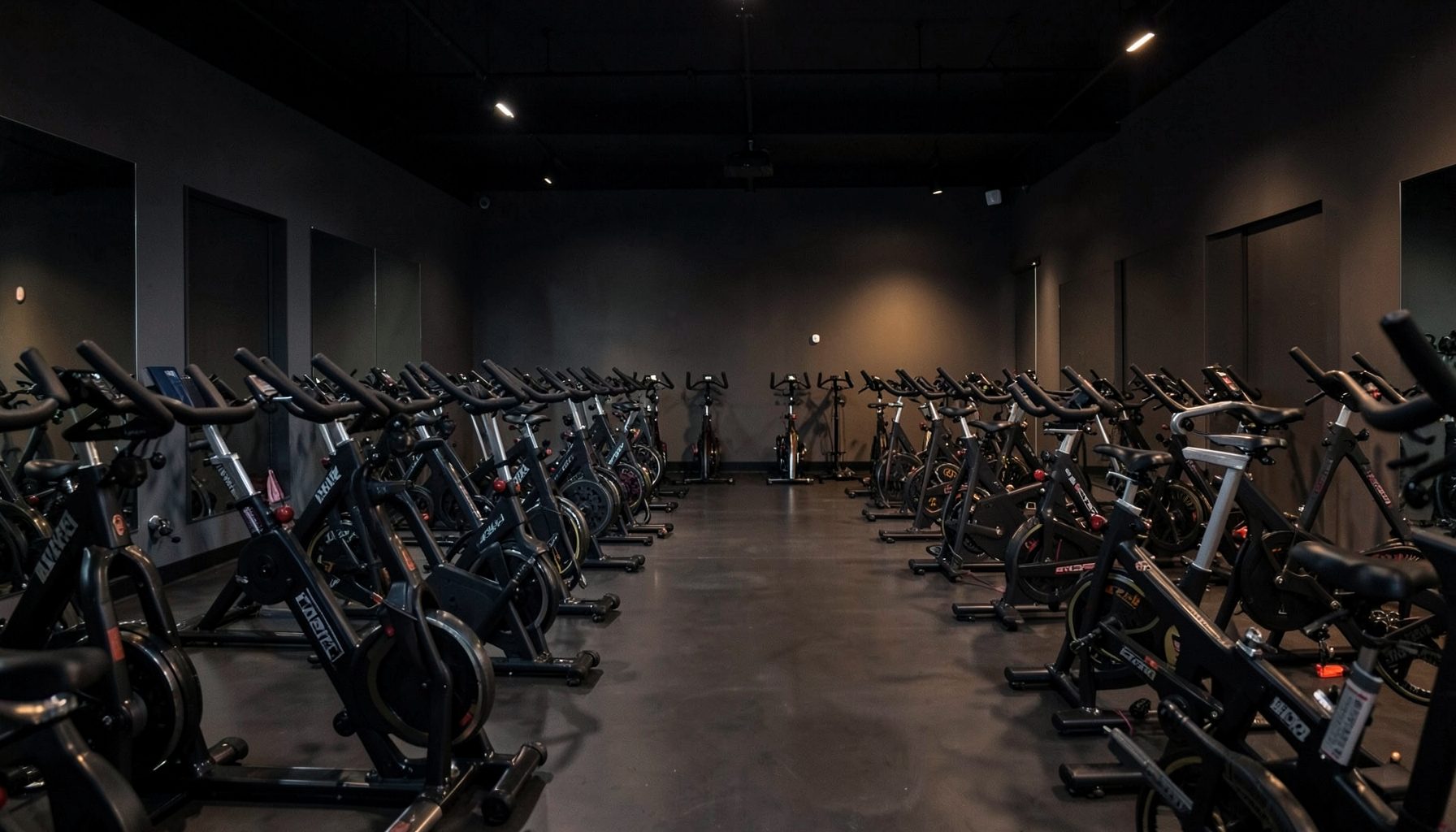
Normatec boot recovery and cryotherapy treatments help athletes bounce back faster. Cycle and spin classes add a cardio dimension to the holistic performance approach.
Have a Question?