Train. Compete. Recover.
A multi-purpose athletic facility in Speedway, Indiana — basketball leagues, skill training, and wellness services all under one roof.
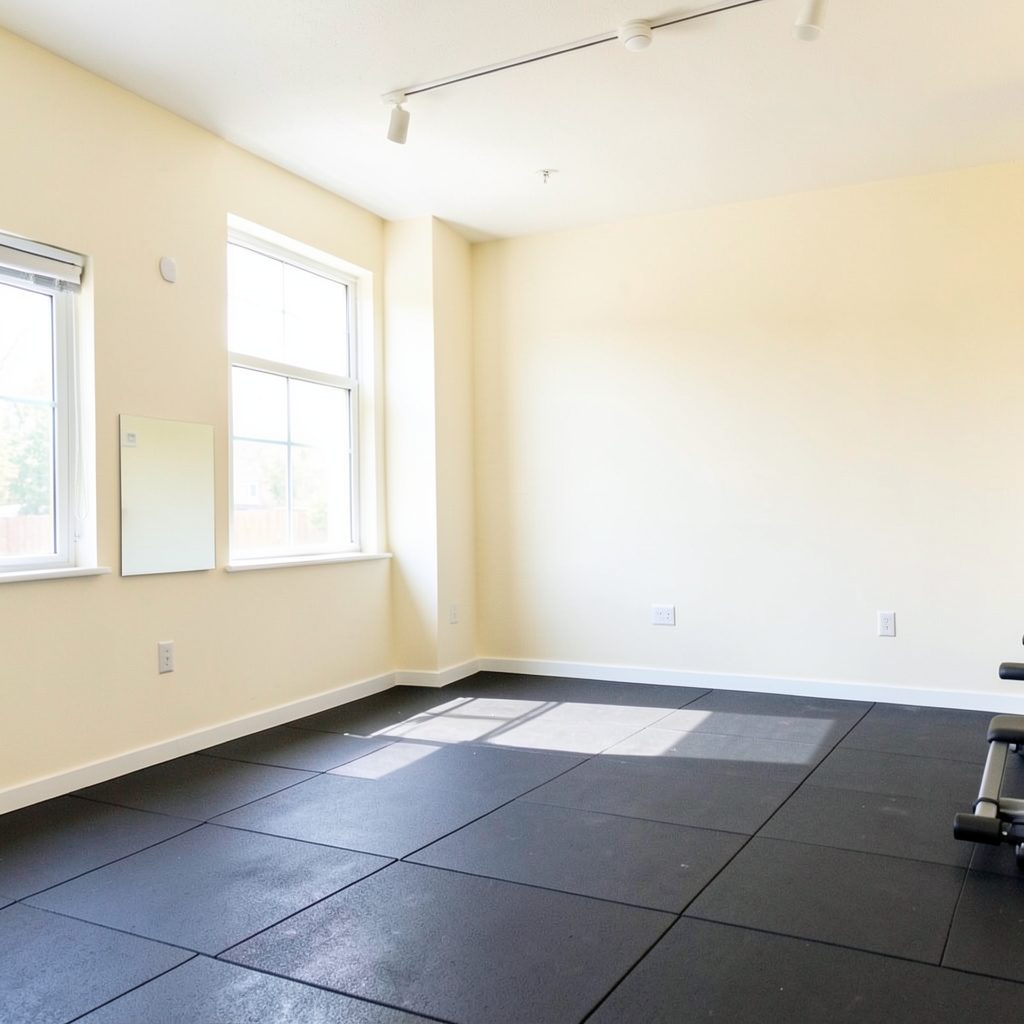
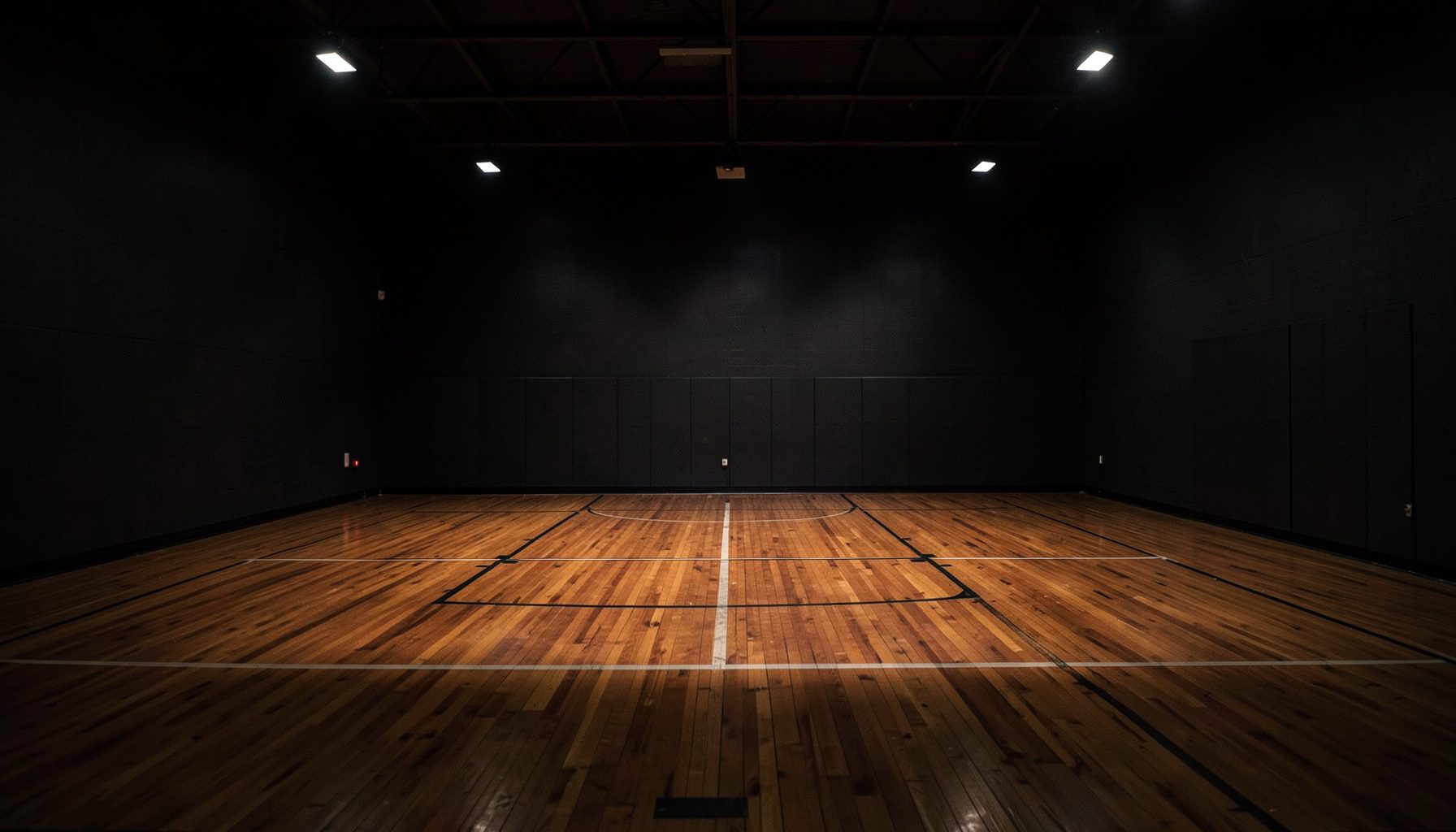
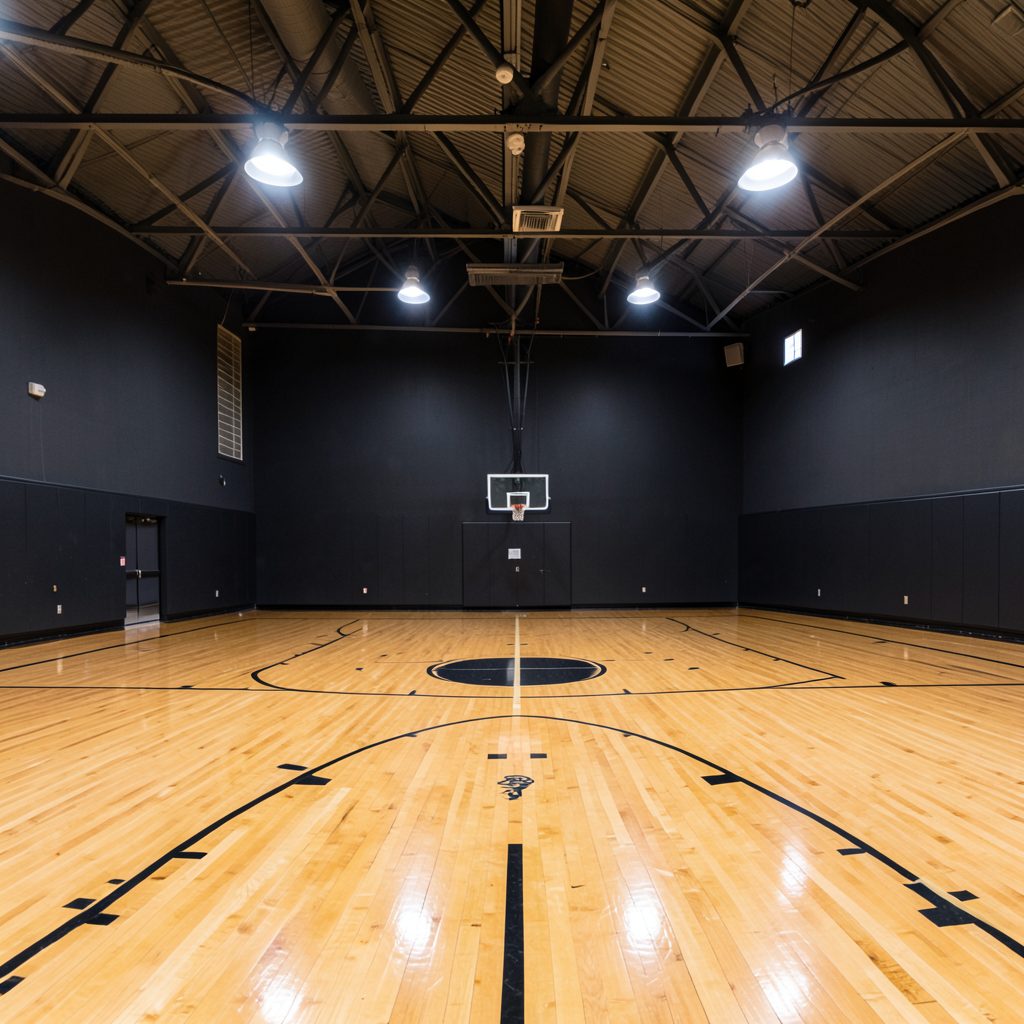
The Factory D1 Indy brings together three entities under one roof: competitive basketball leagues for all age groups, individual and group training, and wellness & recovery services including Normatec boot recovery and cryotherapy. Located off I-465 and High School Road at 6331 Crawfordsville Road, Speedway, Indiana 46224.
Get In TouchYouth Basketball League Divisions At The Factory D1 Indy
Youth basketball leagues are organized by age so athletes can compete, learn, and develop in an environment that matches their physical, emotional, and skill level. At The Factory D1 Indy, divisions help create a better experience for everyone, from young beginners discovering the game to experienced players preparing for more demanding competition.
Age divisions are more than labels on a registration form. They influence court size, game length, rules, coaching emphasis, defensive expectations, and the pace of play. Understanding these differences helps families select a league that supports both confidence and long-term basketball growth.
Exact age cutoffs and league formats may change by season, so families should review the current registration information before enrolling. Birth year, school grade, previous experience, and the athlete’s comfort level can all help determine the most appropriate division.
Why Age Divisions Matter
Young athletes develop at different rates, even when they are close in age. A well-matched division gives players meaningful opportunities to handle the ball, make decisions, defend, and contribute to a team without feeling overwhelmed by a major gap in size or experience.
Age-based placement also supports safer competition. Players are more likely to encounter opponents with similar physical development and comparable attention spans. That balance allows coaches to teach fundamentals clearly while keeping practices and games energetic.
For families, divisions make it easier to understand what a season may involve. A beginner league might prioritize movement, spacing, passing, and enjoyment, while an older division may focus on transition offense, help defense, structured sets, and late-game decision-making.
Early Childhood And Elementary Divisions
The youngest basketball divisions are designed to create positive first experiences with the sport. Athletes may be learning how to dribble with control, stop safely, pass to a teammate, and recognize where to stand on the court. Shorter activities and frequent instruction help maintain attention and enthusiasm.
At this stage, coaches often emphasize coordination and confidence instead of complex systems. Players benefit from repeated touches, simple games, and encouragement to attempt new skills. Success may mean making a pass, chasing down a loose ball, or remembering a defensive position rather than scoring the most points.
Elementary-age divisions gradually introduce more structure. Athletes begin to understand spacing, pivoting, rebounding, basic team defense, and the difference between a rushed decision and a purposeful play. Families can support this progress by celebrating effort, listening, and improvement rather than focusing exclusively on the scoreboard.
Middle School Divisions
Middle school basketball is often a transition point. Players are becoming more aware of their strengths, while differences in height, speed, coordination, and confidence can become more noticeable. A supportive league gives athletes room to adjust physically while continuing to develop reliable fundamentals.
Training may expand to include stronger defensive positioning, closeouts, screening, cutting, fast-break decisions, and finishing through contact. Players may also begin to specialize in certain roles, but they should still experience multiple positions whenever possible. Broad skill development helps athletes respond to changing team needs.
This is also a useful age for building athletic qualities that support basketball movement. Jumping, landing, acceleration, balance, and change of direction should be taught with sound technique. Families looking for age-appropriate ideas can explore plyometric jump training as part of a broader development plan, provided exercises are supervised and scaled to the athlete.
High School And Advanced Youth Competition
High school divisions generally involve a faster pace, stronger athletes, and more tactical detail. Players may be expected to read screens, rotate defensively, execute set plays, manage clock situations, and make decisions under pressure. Competition can be intense, but development remains important for athletes at every ability level.
Some players enter a league seeking regular competition outside school basketball. Others are building confidence, staying active, or preparing for future tryouts. The best fit depends on the athlete’s experience, goals, physical readiness, and willingness to play within a team structure.
Playing time and team roles can also vary more in older divisions. Athletes should learn that productive contributions include rebounding, communication, defensive effort, screening, passing, and creating space. A balanced approach helps players grow beyond a narrow focus on points scored.
How League Formats Change With Age
The rules and structure of a youth league usually evolve as athletes mature. Younger divisions may use modified equipment, simplified rules, or teaching pauses. Older groups typically move closer to full-court basketball with formal timekeeping, more advanced defensive concepts, and greater accountability for decisions.
The Factory D1 Indy serves athletes across a broad range of ages, so families can expect the experience to reflect the developmental goals of each group. The following overview describes common differences; current league details should always be confirmed during registration.
| Division | Primary Development Focus | Typical Game Experience | Helpful Family Support |
|---|---|---|---|
| Early Childhood | Coordination, confidence, basic ball skills | Short activities, simple rules, frequent instruction | Encourage effort and enjoyment |
| Elementary | Dribbling, passing, spacing, defensive habits | More organized play with continued teaching | Practice fundamentals in short sessions |
| Middle School | Decision-making, position skills, movement, team defense | Faster pace and greater physical variation | Support consistency and healthy routines |
| High School | Tactical awareness, execution, competitiveness | Structured full-court play and advanced rules | Help balance goals, recovery, and commitments |
| Adult Or Advanced Competition | Performance, conditioning, and game strategy | Competitive play with established expectations | Prioritize preparation and responsible recovery |
Choosing The Right Division
The correct placement is usually the one that challenges an athlete without making every possession feel discouraging. A player who is new to organized basketball may thrive in a developmental division, even if they are physically older. An experienced athlete may need a more competitive environment to stay engaged and continue improving.
Families should consider the athlete’s birth date, grade level, previous league experience, current skill set, and comfort playing against physical opponents. It is also useful to ask how the league handles evaluations, team placement, playing time, substitutions, and movement between divisions when appropriate.
Use these practical steps when comparing youth basketball options:
- Review the current age and eligibility requirements before registering.
- Match the league’s competitive level with the athlete’s experience and goals.
- Ask about practice schedules, game length, equipment, and court dimensions.
- Consider school, training, recovery, and family commitments when planning the season.
- Focus on steady skill development, teamwork, and enjoyment alongside competition.
A thoughtful placement can change how an athlete experiences an entire season. When players feel appropriately challenged, they are more likely to communicate, attempt difficult skills, respond to coaching, and remain committed through setbacks.
Supporting Development Beyond Game Day
League games are valuable, but athletes improve most when competition is supported by consistent practice and healthy habits. Individual or group basketball training can reinforce ball handling, shooting mechanics, footwork, finishing, and defensive movement. The right training intensity should reflect the athlete’s age and current workload.
Recovery also matters as practice and game demands increase. Sleep, hydration, mobility work, and balanced meals help young athletes arrive ready to participate. Families can use these ideas for post-workout snacks to support refueling after training, while coaches and parents should remain attentive to fatigue and discomfort.
The Factory D1 Indy brings training, leagues, conditioning, and wellness resources together in one community-oriented athletic facility. That setting can help athletes build routines that connect skill development with preparation and recovery, rather than treating each game as an isolated event.
Find A Season That Fits
Youth basketball is most rewarding when the league matches the athlete’s stage of development and gives them a clear path to improve. From early skill-building divisions to advanced competition, each age group offers different opportunities to learn the game, form connections, and grow as a teammate.
Review the current youth league options at The Factory D1 Indy, identify the division that best matches the athlete’s age and experience, and register for a season built around meaningful competition and continued development. Families can also contact the facility for current division details and scheduling information.
Inside The Factory
Three Entities, One Roof
Leagues
Eight league divisions span every age group: Indy Pro AM, 18+ Open Men's, 30+ Men's, Bite Size (ages 3–6), Impact League, 5th/6th Grade, Middle School, and High School. Gather your team and compete.
Training
Individual and group basketball training for all skill levels. Major M.O.V.E.S. Basketball Training serves ages 4–7 on Wednesday and Thursday evenings at 6:30 PM — $30 per session or $100 unlimited monthly.
Wellness & Recovery
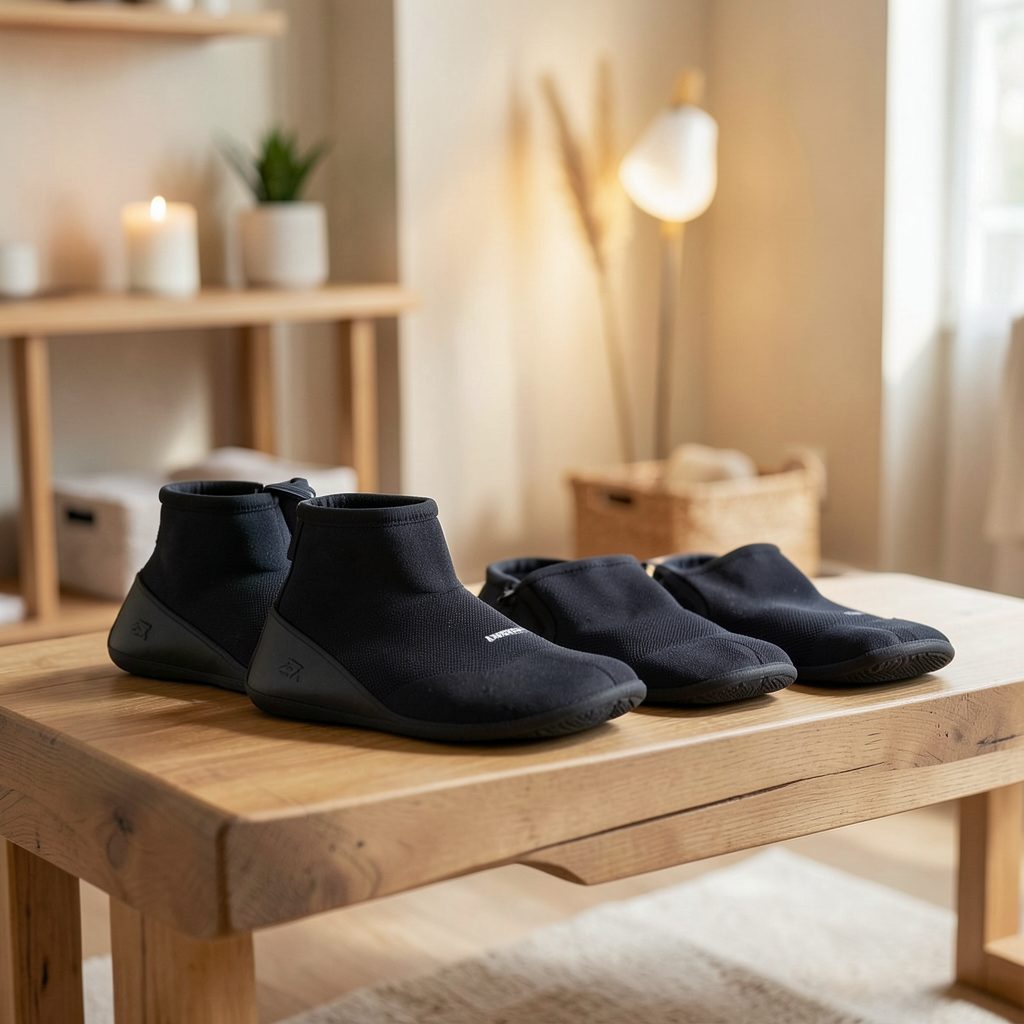
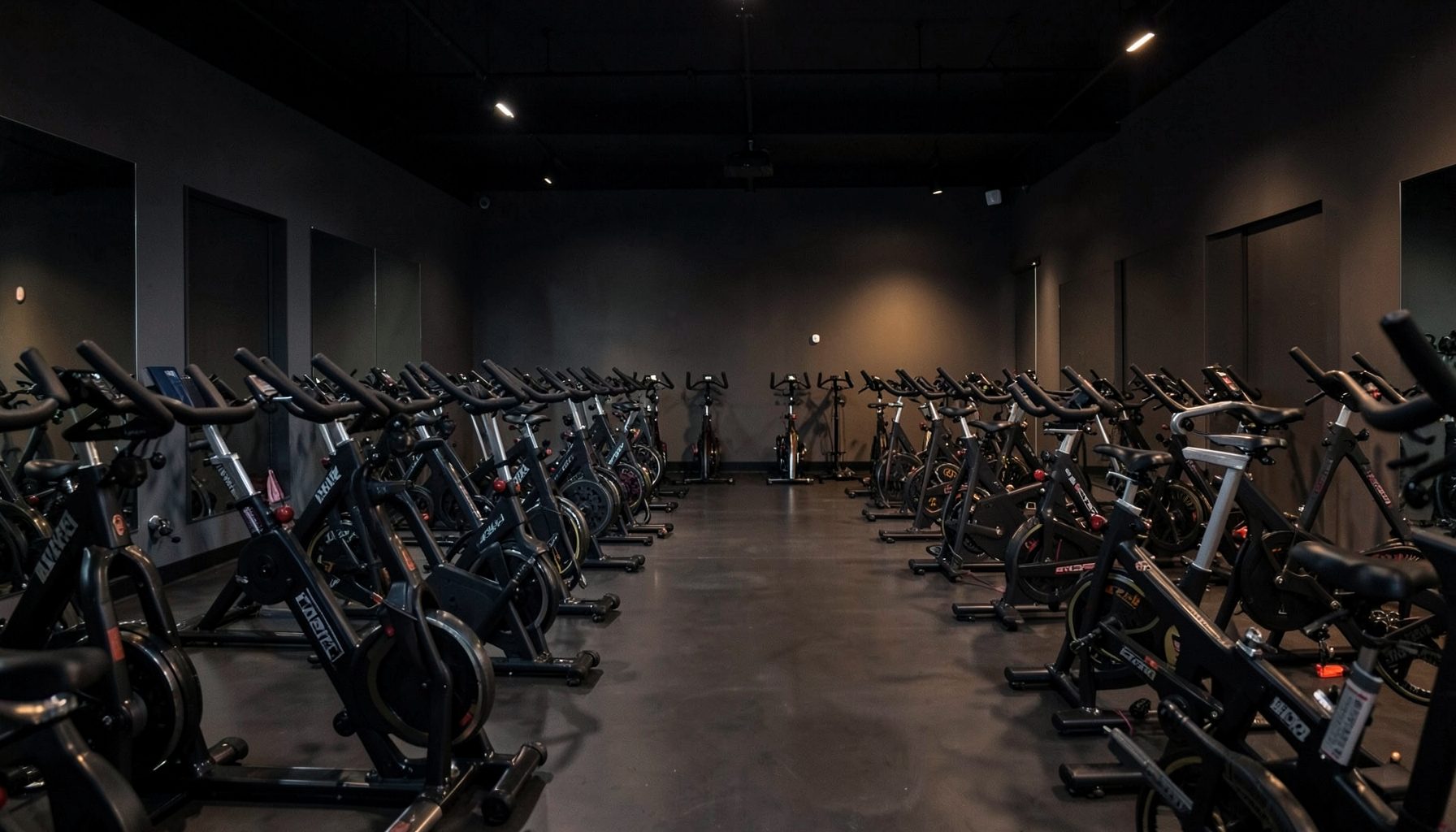
Normatec boot recovery and cryotherapy treatments help athletes bounce back faster. Cycle and spin classes add a cardio dimension to the holistic performance approach.
Have a Question?