Train. Compete. Recover.
A multi-purpose athletic facility in Speedway, Indiana — basketball leagues, skill training, and wellness services all under one roof.
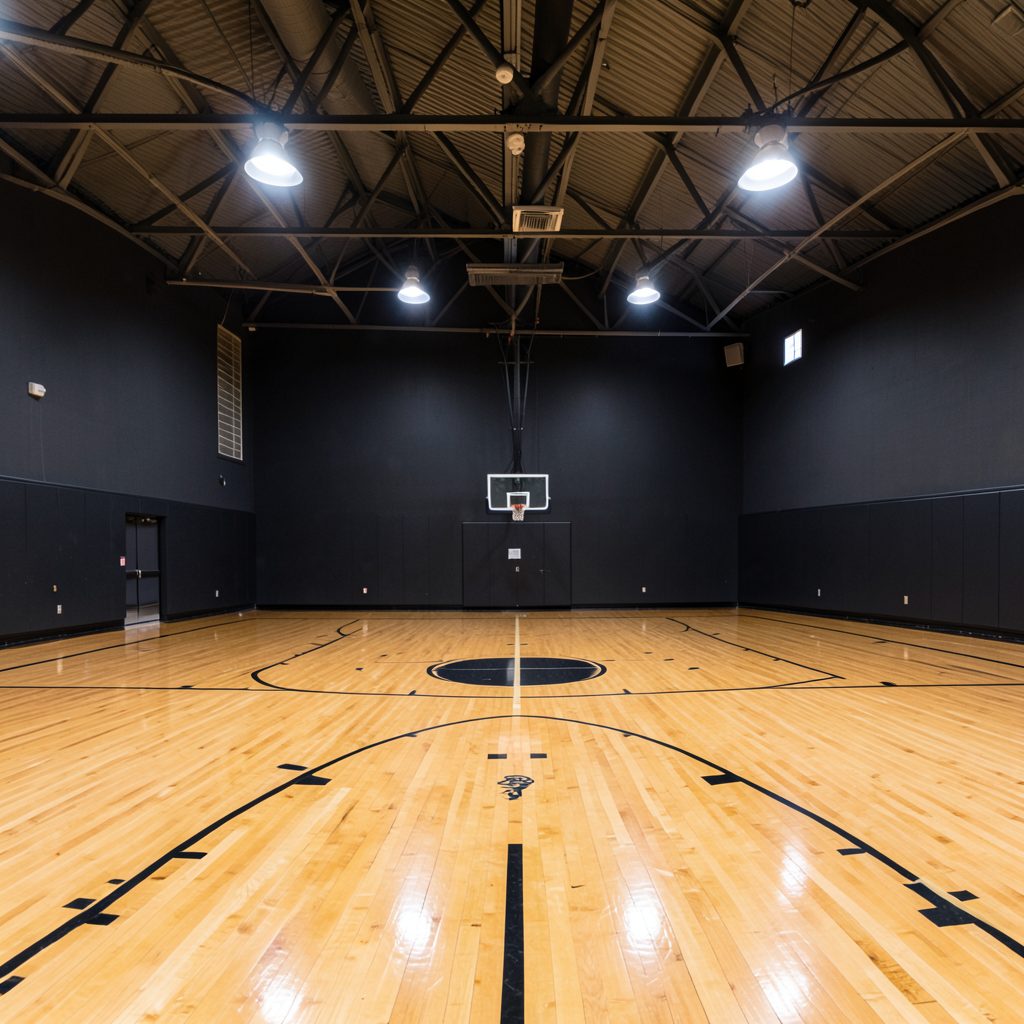
The Factory D1 Indy brings together three entities under one roof: competitive basketball leagues for all age groups, individual and group training, and wellness & recovery services including Normatec boot recovery and cryotherapy. Located off I-465 and High School Road at 6331 Crawfordsville Road, Speedway, Indiana 46224.
Get In TouchNormatec Recovery Tips for Traveling Basketball Teams
Traveling basketball teams ask a great deal from their athletes. Long bus rides, flights, unfamiliar beds, tournament schedules, repeated warmups, and multiple games can leave players feeling stiff before the next tipoff. A structured recovery routine helps athletes arrive at competition ready to move instead of spending the first part of the day trying to loosen up.
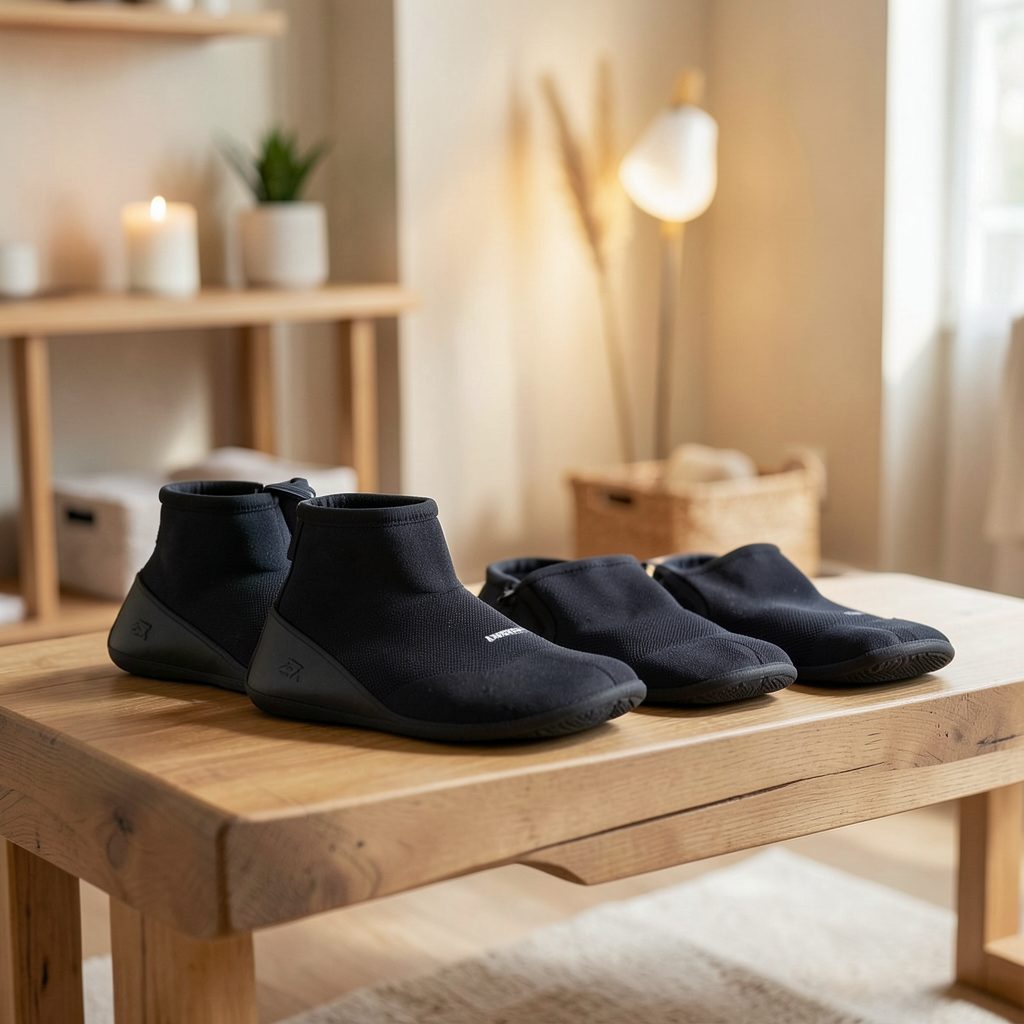
Normatec compression therapy is one recovery option that can fit into a demanding travel schedule. The system uses inflatable sleeves around the legs to provide sequential pneumatic compression. The changing pressure pattern is designed to support circulation and reduce the heavy, tight feeling many athletes experience after intense play or prolonged sitting.
At The Factory D1 Indy in Speedway, Indiana, basketball players can combine training, competition, conditioning, and wellness services in one athletic setting. For teams preparing for travel, compression therapy works best when it is treated as part of a larger plan that includes hydration, mobility, sleep, nutrition, and sensible practice intensity.
Why Travel Can Make Recovery Harder
Basketball already creates repeated stress through sprinting, jumping, cutting, landing, and sudden deceleration. A tournament may require an athlete to perform these actions several times in one day, often with only a few hours between games. Muscles can feel shortened, legs may become heavy, and minor soreness can become more noticeable as the schedule continues.
Travel adds another layer. Sitting in a vehicle or airplane for several hours reduces normal movement and can leave the hips, knees, ankles, and calves feeling restricted. Athletes may also drink less water to avoid travel stops, sleep at unusual times, or eat convenient foods that do not support their normal routine.
Compression sessions do not replace rest or medical care, but they may provide a practical recovery tool between training and travel demands. The goal is to help players feel more comfortable and prepared for their next movement session while keeping the process simple enough for a whole team.
How Sequential Compression Supports the Legs
Normatec sleeves are divided into sections that inflate and release in sequence. This wave-like pressure moves from the lower portion of the limb upward, creating a massage-like sensation without requiring a therapist to work manually on each muscle group. Athletes often use the system while seated and relaxing after practice or competition.
The experience should feel firm and supportive rather than painful, numb, or excessively restrictive. A player who notices tingling, sharp discomfort, skin changes, or unusual symptoms should stop the session and speak with a qualified professional. Compression settings and session length should be selected according to the athlete’s needs, experience, and facility guidance.
The value for a traveling team is consistency. A short, supervised recovery block can be scheduled after practice, following a game, or before a long ride. Players can use the time to relax, review film, refuel, and mentally shift away from competition without adding another demanding workout.
Timing Sessions Around a Tournament
The best time for compression depends on the team’s schedule and the athlete’s response. Many players prefer a session after intense activity, when the legs feel tired or congested. Others use it after travel, once they have arrived and completed gentle movement. A conservative first session before a major tournament helps athletes learn how the pressure feels before relying on it during competition.
Teams should avoid treating recovery technology as permission to overwork. If a player has substantial pain, swelling, an acute injury, or a change in normal movement, compression should not be used to disguise the issue. Coaches and athletes should involve a medical professional when symptoms are persistent, severe, or accompanied by warmth, redness, or one-sided swelling.
| Travel or Competition Moment | Practical Use | Helpful Pairing |
|---|---|---|
| After a hard practice | Relax tired legs and transition into recovery | Fluids, a balanced meal, and sleep |
| Before a long ride | Use only if the athlete already knows the sensation | Light mobility and comfortable clothing |
| After arrival at a tournament | Help counter prolonged sitting and stiffness | Walking, ankle pumps, and dynamic movement |
| Between same-day games | Choose a brief, comfortable session when appropriate | Refueling, hydration, and a coach-approved warmup |
| The morning after competition | Support a low-intensity recovery routine | Easy walking, mobility, and adequate breakfast |
A team can also schedule compression around basketball-specific preparation. Players who need more movement work may benefit from drills that develop balance and lower-body control, such as these first-step footwork drills. Recovery and movement preparation should complement each other rather than compete for the athlete’s limited energy.
Building a Routine Before the Team Travels
A recovery plan is easier to follow when athletes practice it at home or during regular training weeks. Teams can introduce compression sessions during a normal practice cycle, record how players feel afterward, and identify who responds well. This reduces guesswork during a busy event and gives coaches a clearer picture of each athlete’s preferences.
Players should arrive at a session reasonably hydrated and should remove anything that could interfere with the sleeves, such as bulky clothing or items that create pressure points. The legs should be checked for irritation before and after use. Clean equipment and appropriate hygiene matter when several teammates share a recovery area.
Travel coordinators can place recovery on the itinerary just as they schedule meals, film, and warmups. A simple sign-up system prevents crowding and ensures that younger athletes receive supervision. The routine should remain flexible because a player who feels unusually fatigued may need food, sleep, medical assessment, or gentle movement instead of compression.
Pairing Compression With Complete Recovery
Compression therapy is most useful when it supports fundamentals. Water and electrolytes help replace fluid losses, while carbohydrates restore energy between games and protein contributes to muscle repair. A consistent sleep schedule may be difficult during travel, yet protecting quiet time and reducing late-night distractions can make a meaningful difference.
Gentle activity can also help athletes transition out of long periods of sitting. Walking through the hotel, performing ankle pumps, completing controlled hip mobility, and using a dynamic warmup before practice can reduce the feeling of being locked up. Static stretching may have a place in an individual routine, but players should avoid forcing a painful range of motion.
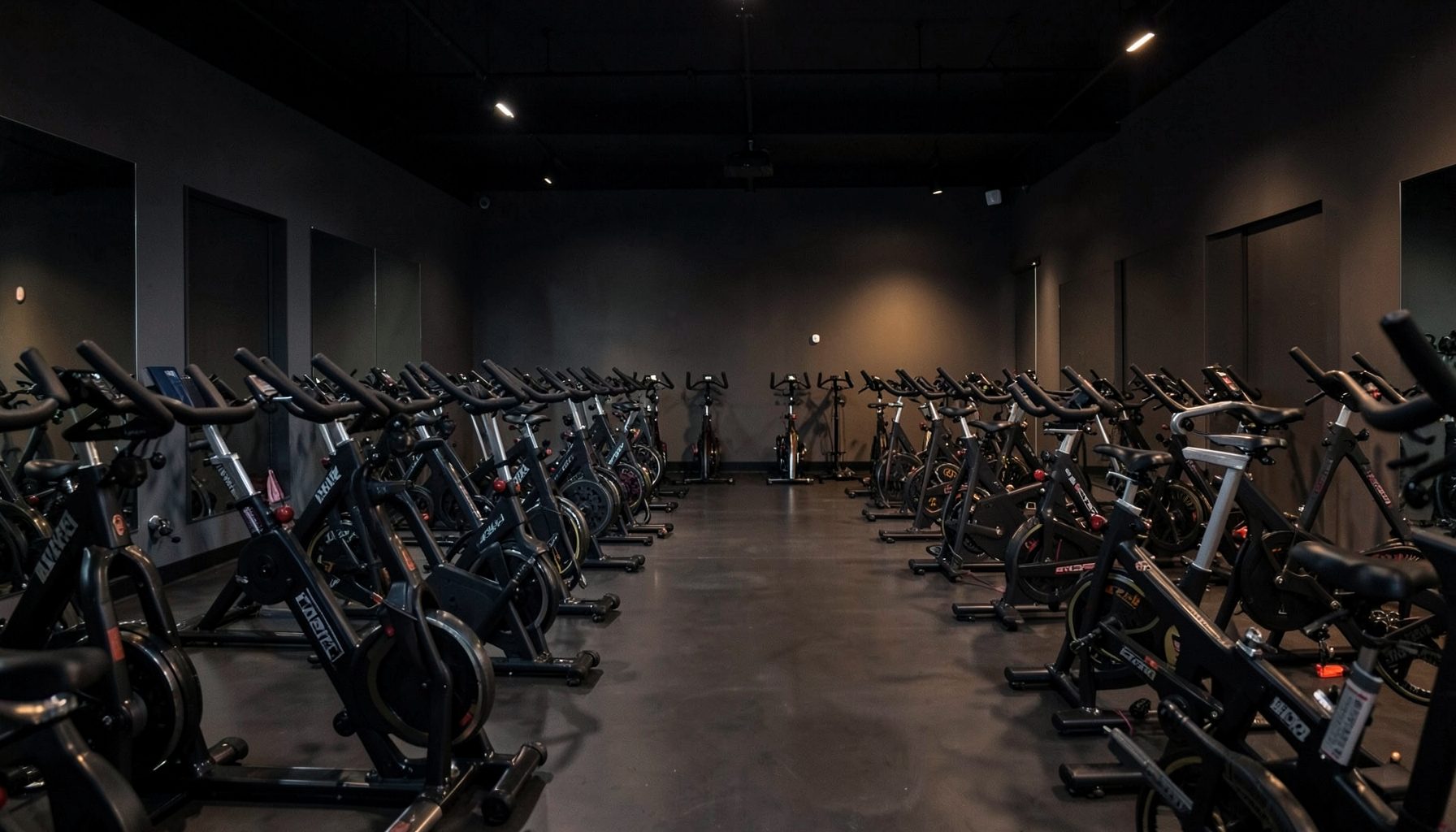
Teams that use cycling or spin for conditioning should plan those sessions carefully around games and travel. The Factory D1 Indy’s cycle and spin classes can support conditioning goals during a broader training block, while a tournament week may call for lower intensity and greater emphasis on recovery. The same athlete may need a demanding conditioning session one week and a restorative approach the next.
Safety Checks for Athletes and Coaches
Compression is not appropriate for every person or situation. Athletes with known circulation problems, clotting concerns, significant vascular disease, uncontrolled swelling, open wounds, skin infection, or certain medical conditions should receive clearance from a healthcare professional before using pneumatic compression. A coach should never make a medical decision based only on how a player says the sleeves feel.
The team should also watch for warning signs after travel. Sudden swelling in one leg, unexplained calf pain, chest pain, shortness of breath, fainting, or severe symptoms require prompt medical attention rather than a recovery session. An athlete with a suspected injury should be evaluated according to the team’s healthcare protocol.
For healthy athletes, comfort and communication are central. Start with guidance from trained staff, use moderate settings, and stop if the session feels wrong. Recovery tools should leave players feeling supported and relaxed, not sore from the treatment itself.
A Practical Team Checklist
Coaches can make the routine easier by assigning responsibility before the tournament begins. One staff member can manage scheduling, another can track hydration and meals, and athletes can report soreness or unusual symptoms privately. This approach keeps recovery organized without making players feel pressured to use a service when it is not appropriate.
The following habits help a traveling basketball team get more value from compression therapy:
- Schedule the first session during a regular training week, not immediately before a championship game.
- Use comfortable pressure and stop when there is pain, numbness, tingling, or unusual skin discoloration.
- Pair sessions with hydration, nutritious meals, gentle movement, and protected sleep time.
- Avoid using compression to cover up an injury or delay an evaluation by a qualified healthcare professional.
- Keep a simple record of travel time, game load, session timing, and how athletes feel afterward.
A consistent routine can also improve team culture. When recovery is treated as part of preparation rather than an afterthought, athletes learn to pay attention to their bodies and make choices that support long tournament schedules.
Teams visiting The Factory D1 Indy can explore compression therapy alongside basketball training, leagues, conditioning, and wellness services. Build the schedule around the athletes’ actual needs, use recovery sessions responsibly, and give players the structure to arrive at their next game prepared to move with confidence.
Inside The Factory

Three Entities, One Roof
Leagues
Eight league divisions span every age group: Indy Pro AM, 18+ Open Men's, 30+ Men's, Bite Size (ages 3–6), Impact League, 5th/6th Grade, Middle School, and High School. Gather your team and compete.
Training
Individual and group basketball training for all skill levels. Major M.O.V.E.S. Basketball Training serves ages 4–7 on Wednesday and Thursday evenings at 6:30 PM — $30 per session or $100 unlimited monthly.
Wellness & Recovery
Normatec boot recovery and cryotherapy treatments help athletes bounce back faster. Cycle and spin classes add a cardio dimension to the holistic performance approach.
Have a Question?