Train. Compete. Recover.
A multi-purpose athletic facility in Speedway, Indiana — basketball leagues, skill training, and wellness services all under one roof.
The Factory D1 Indy brings together three entities under one roof: competitive basketball leagues for all age groups, individual and group training, and wellness & recovery services including Normatec boot recovery and cryotherapy. Located off I-465 and High School Road at 6331 Crawfordsville Road, Speedway, Indiana 46224.
Get In TouchNormatec recovery vs. traditional stretching: what works better
Recovery choices matter when athletes train several times each week, compete on weekends, or combine basketball with cycling and strength work. Two familiar options are pneumatic compression therapy, such as Normatec, and traditional stretching. Both can support an active body, but they work through different mechanisms and serve different purposes.
Stretching focuses on muscle length, joint movement, and neuromuscular control. Normatec uses sequential air compression to apply pressure around the limbs, which may encourage fluid movement and create a lighter, less fatigued feeling after exercise. Neither method is a universal replacement for sleep, hydration, sound training, or medical care.
The better option depends on the goal, timing, and athlete. Someone trying to improve ankle mobility may need a mobility routine, while an athlete with heavy legs after multiple games may appreciate compression boots. Understanding the distinction makes recovery time more productive.
What each recovery method does
Traditional stretching includes several techniques. Dynamic stretching uses controlled movement through a range of motion and is generally useful before basketball, cycling, or other explosive activity. Static stretching involves holding a position for a set period and is often used after training or during a separate flexibility session.
Stretching can help maintain or improve range of motion when performed consistently. It may reduce the feeling of stiffness and prepare specific areas, such as the hips, calves, hamstrings, and shoulders, for movement. However, a few brief stretches after a difficult workout will not eliminate soreness or repair muscle damage by themselves.
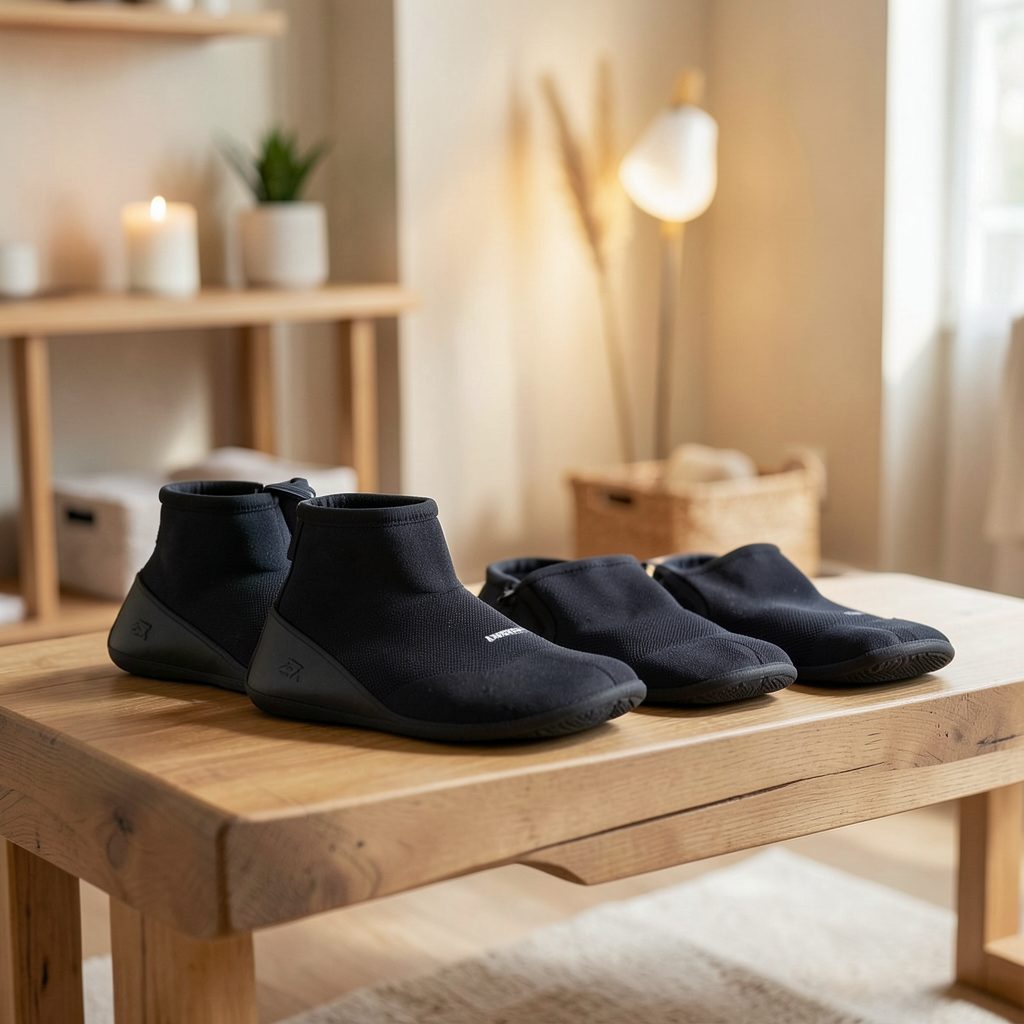
Normatec is a form of intermittent pneumatic compression. Inflatable chambers in sleeves around the legs or arms fill and release in sequence, creating a wave-like pressure pattern. Athletes commonly use it after training to support circulation, ease the sensation of heavy limbs, and make downtime feel more comfortable.
The immediate benefits are often practical rather than dramatic. Compression may help an athlete feel ready for the next session, but it does not replace progressive strength training, a warm-up, or treatment for an injury. Research on performance and recovery outcomes is mixed, so expectations should remain realistic.
When compression may have an edge
Normatec can be especially appealing after tournaments, long cycling classes, repeated practices, or travel. During these situations, athletes may experience temporary swelling, tightness, and general leg fatigue. Sitting with compression sleeves for a planned period offers a low-effort recovery option when the body feels too tired for an extensive mobility session.
The experience can also support relaxation. A calm recovery period may encourage athletes to slow down, drink water, eat a balanced meal, and pay attention to how their bodies feel. Those habits contribute more to readiness than any single recovery device, yet a comfortable compression session can help create the space for them.
Compression is not appropriate for everyone. People with certain vascular conditions, unexplained swelling, acute injuries, skin problems, or other medical concerns should seek guidance from a qualified professional before using it. Pain, numbness, color changes, or unusual discomfort are reasons to stop and request advice.
Where stretching remains essential
Stretching is more directly connected to movement quality. A basketball player who struggles to reach a defensive stance may benefit from ankle mobility and hip-focused drills. A cyclist who stays in a fixed position for long periods may need work for the hip flexors, chest, upper back, and calves. Compression cannot create that movement capacity.
Dynamic mobility is particularly valuable before competition. Leg swings, walking lunges, skips, arm circles, and controlled squats can raise body temperature while rehearsing the positions an athlete will use. Static stretching may fit better after training or in a dedicated flexibility session, especially when the goal is to gradually improve comfortable range of motion.
The two options can be compared by purpose rather than by choosing a permanent winner:
| Recovery goal | Normatec compression | Traditional stretching |
|---|---|---|
| Reduce the feeling of heavy legs | Often useful after demanding sessions | May help stiffness but is less targeted |
| Improve range of motion | Limited direct effect | Stronger fit when practiced consistently |
| Prepare for explosive movement | Not a warm-up replacement | Dynamic movement is usually more suitable |
| Encourage post-training relaxation | Comfortable and passive | Can be calming when performed gently |
| Address an injury | Requires professional guidance | Should not be used to force painful areas |
| Fit into a busy schedule | Easy to use while resting | Requires active participation and time |
Choosing by timing and training demands
Before basketball practice or a league game, dynamic stretching and sport-specific movement should take priority. Athletes need responsive muscles, alert coordination, and gradually increasing intensity. A compression session may feel pleasant beforehand, but it does not substitute for shooting progressions, footwork, acceleration drills, or a complete warm-up.
After exercise, the choice becomes more flexible. A short cooldown followed by gentle mobility can restore comfortable movement, while Normatec may be useful during the later recovery period. Athletes who have another session within 24 hours may prefer combining both approaches rather than spending the entire recovery window on one method.
Young athletes need a particularly balanced approach. Recovery should support healthy development instead of becoming an excuse to chase constant performance. Coaches and families can learn more from the fundamentals-first youth development approach, where movement skills and long-term progress matter more than short-term results.
Build a practical recovery routine
A useful routine is repeatable, moderate, and connected to the demands of the day. An athlete who has just completed a high-intensity session may begin with a gradual cooldown, replace fluids, and eat a meal containing carbohydrates and protein. Mobility work can then address areas that feel restricted, followed by compression if it improves comfort.
Keep records of soreness, sleep, energy, and performance instead of relying on one sensation. If Normatec makes the legs feel refreshed but does not change movement quality, it is still a comfort tool rather than a mobility solution. If stretching produces pain or lingering irritation, reduce the intensity and obtain professional guidance.
These recommendations can help match the method to the situation:
- Use dynamic stretching and movement drills before practices, games, and intense cycling sessions.
- Add gentle static stretching or mobility work after training when improving range of motion is a goal.
- Consider Normatec after demanding sessions when the limbs feel heavy or fatigued.
- Prioritize sleep, hydration, nutrition, and gradual training progression over any recovery accessory.
- Stop and seek medical advice for unexplained swelling, sharp pain, numbness, or persistent symptoms.
Make recovery part of athletic development
A recovery plan should fit the athlete’s full schedule. At a multi-purpose facility, that may mean pairing basketball skills training with conditioning, a cycle class with mobility work, or competition with a dedicated recovery period. The Factory D1 Indy provides a community-oriented setting for training, leagues, fitness, and wellness; athletes can learn more about The Factory D1 Indy and the services available for different stages of development.
For athletes using the facility, Normatec can complement training rather than compete with it. A player might complete skill work, cool down, perform targeted mobility, and then use compression while refueling. Another athlete may need stretching alone, especially when limited range of motion is affecting technique. The best routine is the one that addresses the actual need.
Neither approach wins in every situation. Stretching is the stronger tool for mobility and movement preparation, while Normatec can be a convenient option for post-exercise comfort and perceived recovery. Visit The Factory D1 Indy to train, compete, and build a recovery routine that supports your next practice as well as your long-term athletic goals.
Inside The Factory
Three Entities, One Roof
Leagues
Eight league divisions span every age group: Indy Pro AM, 18+ Open Men's, 30+ Men's, Bite Size (ages 3–6), Impact League, 5th/6th Grade, Middle School, and High School. Gather your team and compete.
Training
Individual and group basketball training for all skill levels. Major M.O.V.E.S. Basketball Training serves ages 4–7 on Wednesday and Thursday evenings at 6:30 PM — $30 per session or $100 unlimited monthly.
Wellness & Recovery
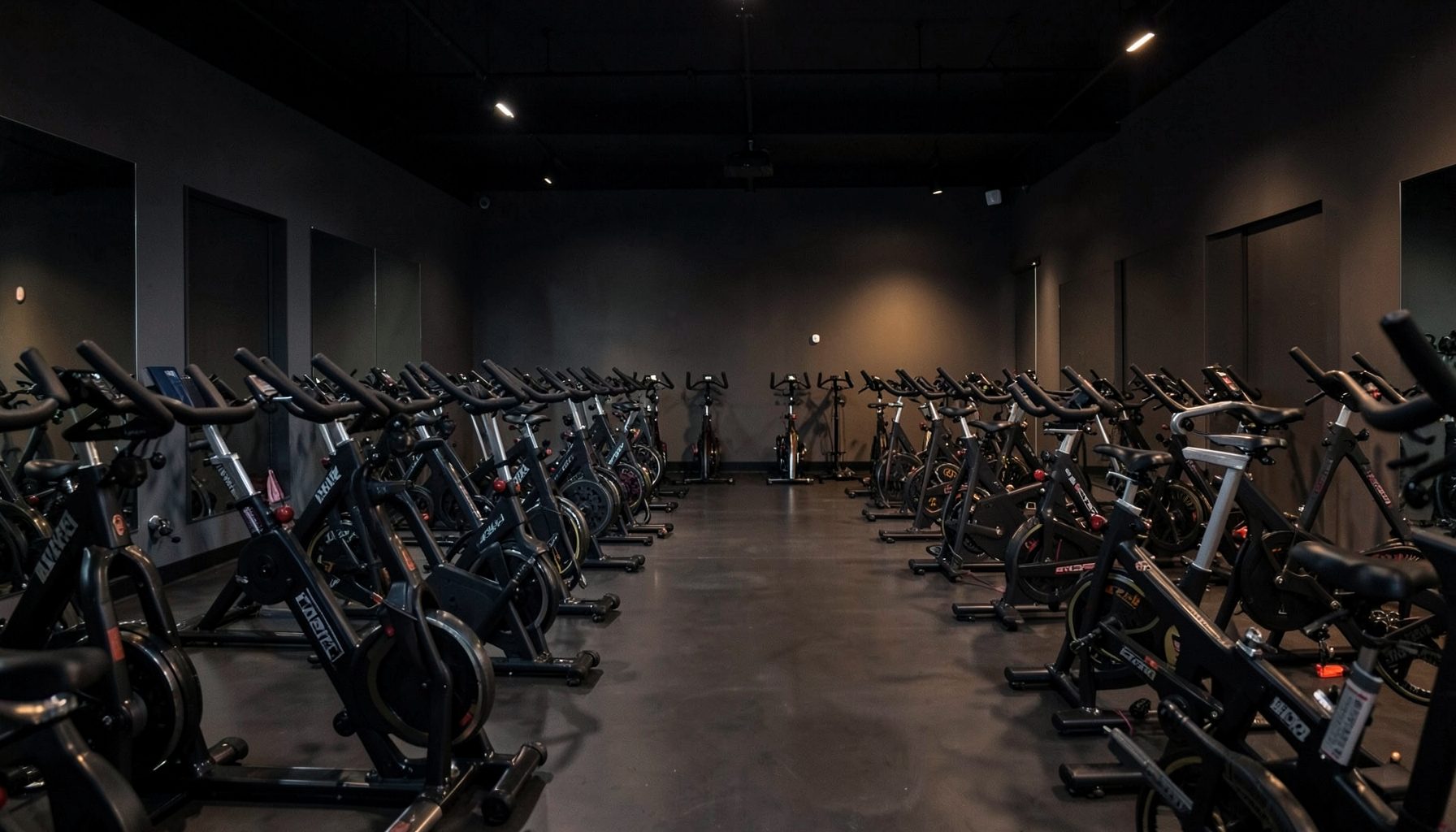
Normatec boot recovery and cryotherapy treatments help athletes bounce back faster. Cycle and spin classes add a cardio dimension to the holistic performance approach.
Have a Question?