Train. Compete. Recover.
A multi-purpose athletic facility in Speedway, Indiana — basketball leagues, skill training, and wellness services all under one roof.
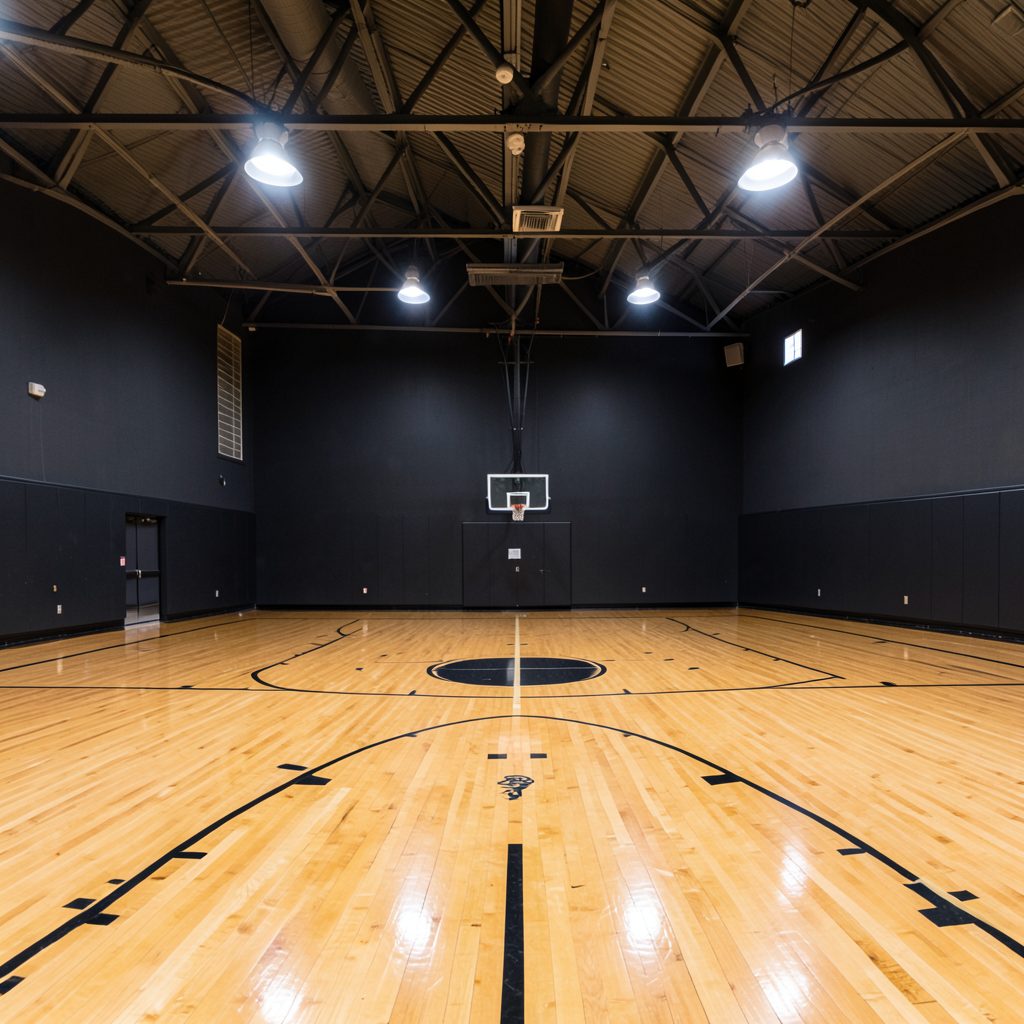
The Factory D1 Indy brings together three entities under one roof: competitive basketball leagues for all age groups, individual and group training, and wellness & recovery services including Normatec boot recovery and cryotherapy. Located off I-465 and High School Road at 6331 Crawfordsville Road, Speedway, Indiana 46224.
Get In TouchYouth basketball development starts with fundamentals
Youth basketball development is often measured by points, wins, and tournament results. Those outcomes matter, but they do not tell the whole story. A young athlete may score frequently because of size, speed, or early physical maturity, while still lacking the footwork, balance, decision-making, and defensive habits needed for long-term progress.
A stronger approach gives players time to build reliable skills before asking them to perform complex systems or chase every victory. Fundamentals create confidence because athletes understand what to do with the ball, how to move without it, and how to respond when a game becomes difficult.
At The Factory D1 Indy in Speedway, Indiana, players can develop through individual training, group sessions, youth programs, and competitive leagues. A community-centered environment can support both serious basketball improvement and the enjoyment that keeps children engaged in the sport.
Why fundamentals deserve priority
Fundamental skills are the building blocks beneath every advanced basketball action. Dribbling, passing, shooting, rebounding, defensive positioning, and footwork appear in every age group and every style of play. When these skills become dependable, players can focus on reading the game instead of simply trying to control their bodies.
Winning too early can sometimes hide weaknesses. A quick athlete may beat defenders without learning proper change-of-pace techniques. A taller player may collect rebounds without developing strong box-out habits. A confident scorer may avoid passing, cutting, or defending. If these habits go unaddressed, they can limit the athlete when competition becomes faster and more balanced.
Fundamentals-first coaching does not mean ignoring competition. Games provide valuable opportunities to apply skills under pressure. The difference is that winning serves as one measure of progress rather than the only measure. A player who makes the correct pass, stays engaged defensively, or uses improved footwork may be developing well even when the scoreboard does not reflect it.
Build movement before adding complexity
Young athletes need to learn how their bodies move before they are expected to execute complicated plays. Athletic stance, balance, stopping, pivoting, and changing direction should receive regular attention. These details help players protect the ball, create space, and remain under control during both offense and defense.
Coaches can teach movement through simple repetitions that gradually become more demanding. Players might begin with jump stops and front pivots, then progress to defensive slides, closeouts, and attacks from different angles. The goal is to help athletes recognize stable positions and correct inefficient movement before those patterns become automatic.
Ball-handling follows the same progression. Players should become comfortable using both hands, keeping their eyes up, and changing speed without losing control. Short, focused drills are often more effective than long sessions filled with distractions. Athletes who need extra practice can use these crossover dribble drills to reinforce control, timing, and direction changes.
Turn skills into decisions
A player can complete a stationary dribbling exercise and still struggle to use the dribble in a game. Skill development must eventually include perception and decision-making. Athletes need to recognize where defenders are, identify open teammates, understand spacing, and choose when to attack, pass, shoot, or reset.
Small-sided games are useful because they create frequent opportunities to make decisions. A two-on-two or three-on-three activity gives players more touches and more responsibility than a crowded full-court game. Coaches can pause play briefly to clarify spacing or defensive positioning, then allow the athletes to solve the next situation independently.
Decision-making should be taught without overwhelming young players with constant instructions. One practice may emphasize protecting the ball, while another focuses on making the extra pass. Clear themes help athletes recognize improvement and apply a specific concept during competition.
Connect practice with game confidence
Confidence grows when players know what they have practiced and can see how it helps them compete. Coaches can create that connection by explaining the purpose behind each activity. A defensive slide drill prepares players to contain drives. Passing under pressure prepares them to handle traps. Rebounding technique helps them finish possessions instead of watching the shot.
Positive feedback should be specific rather than general. Saying “good job” may feel encouraging, but “you kept your chest in front of the ball handler” gives the athlete information they can repeat. Correction should be direct and calm, with an opportunity to try the skill again immediately.
Players also benefit from learning that mistakes are part of development. A missed shot, turnover, or defensive error can become useful feedback when the athlete understands what happened. This mindset makes young competitors more willing to attempt new skills and less likely to play cautiously simply to avoid criticism.
Measure growth beyond the scoreboard
A balanced development model tracks technical progress, physical readiness, and personal habits. Coaches and families can look for improvements in consistency, effort, communication, and response to instruction. These qualities often predict future development more accurately than a single weekend’s scoring total.
The difference between a winning-first environment and a fundamentals-first environment can be seen in daily priorities:
| Winning-first emphasis | Fundamentals-first emphasis |
|---|---|
| Playing the strongest athletes most of the time | Giving athletes meaningful development opportunities |
| Designing offense around one leading scorer | Teaching spacing, passing, cutting, and shared responsibility |
| Avoiding mistakes during games | Using mistakes to improve technique and decisions |
| Measuring progress mainly through wins | Tracking skill, effort, awareness, and confidence |
| Adding complex plays quickly | Building reliable movement and ball skills first |
This approach does not lower standards. In many cases, it raises them because athletes are expected to understand the game, perform basic actions correctly, and contribute in several ways. Over time, better fundamentals can produce stronger team play, more adaptable athletes, and more sustainable competitive results.
Create a practical development routine
A consistent routine helps children improve without making basketball feel like a constant test. The schedule should include skill work, live play, physical preparation, rest, and opportunities for enjoyment. Younger athletes may need shorter sessions with frequent changes, while older players can handle more repetition and tactical detail.
The Factory D1 Indy provides a setting where athletes can combine structured basketball training with youth leagues and age-appropriate competition. That combination allows players to learn a skill, test it in a game, review what happened, and return to practice with a clearer purpose.
A useful weekly development plan can include:
- Ball-handling with both hands, including changes of speed and direction
- Form shooting and finishing from balanced, controlled positions
- Passing, cutting, spacing, and defensive communication
- Small-sided games that require frequent decisions
- Recovery, mobility, and adequate rest between demanding sessions
Support the whole athlete
Basketball progress depends on more than technical instruction. Sleep, nutrition, hydration, mobility, and emotional well-being influence how effectively a young player learns and competes. Athletes who are tired or constantly pressured may struggle to absorb coaching, even when the practice plan is well designed.
Recovery services and conditioning options can be useful parts of a broader athletic routine when they are age-appropriate and guided responsibly. The priority should remain healthy development rather than training as hard as possible every day. Young players need time to adapt, enjoy the sport, and participate in activities beyond basketball.
Families also shape the athlete’s relationship with competition. Encouraging effort, composure, teamwork, and improvement creates a healthier message than focusing only on points or rankings. When adults recognize progress in preparation and attitude, children are more likely to stay engaged through setbacks and continue developing their game.
Young athletes do not have to choose between learning and competing. The best programs connect both by teaching essential skills, providing realistic game situations, and helping players understand how improvement unfolds over time. At The Factory D1 Indy, families can explore basketball training and league opportunities that support this balanced path. Visit the facility in Speedway to find a development option that helps your athlete build strong habits before the scoreboard becomes the main story.
Inside The Factory
Three Entities, One Roof
Leagues
Eight league divisions span every age group: Indy Pro AM, 18+ Open Men's, 30+ Men's, Bite Size (ages 3–6), Impact League, 5th/6th Grade, Middle School, and High School. Gather your team and compete.
Training
Individual and group basketball training for all skill levels. Major M.O.V.E.S. Basketball Training serves ages 4–7 on Wednesday and Thursday evenings at 6:30 PM — $30 per session or $100 unlimited monthly.
Wellness & Recovery
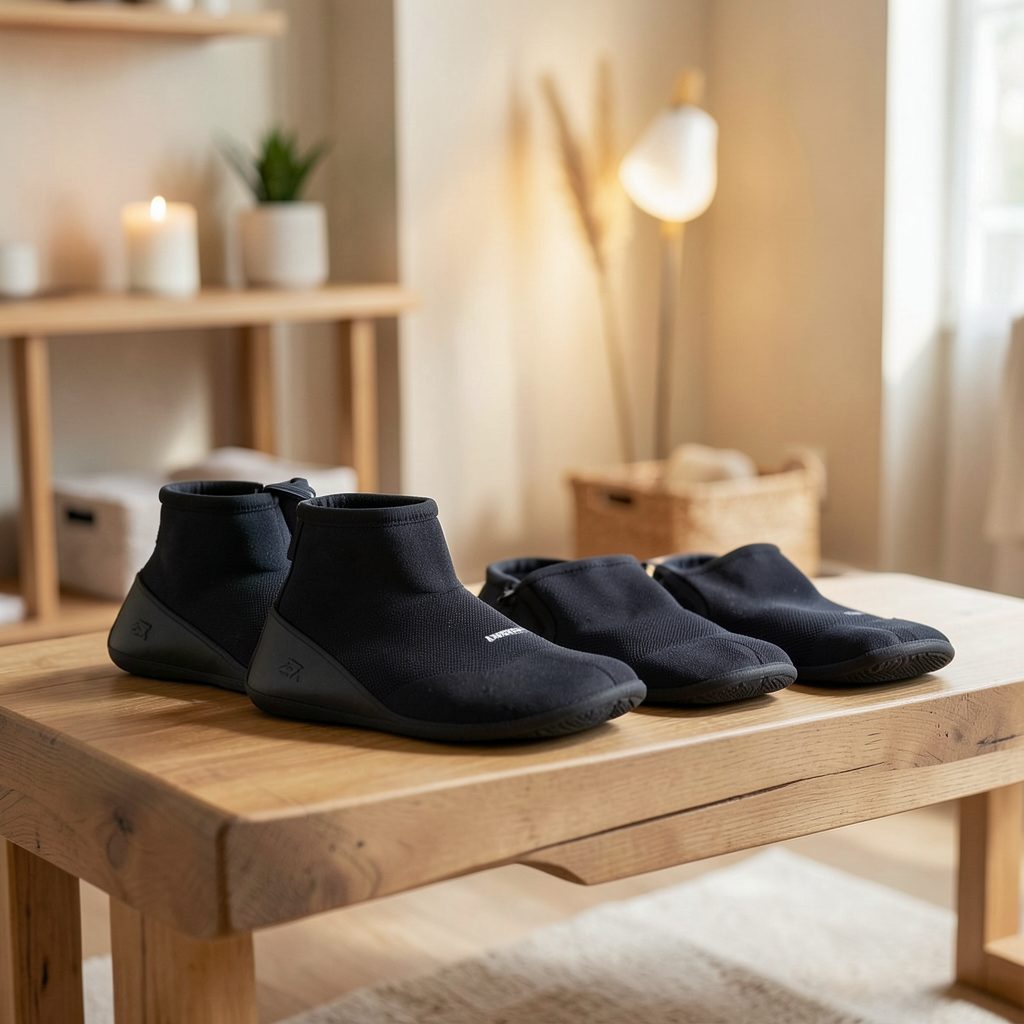
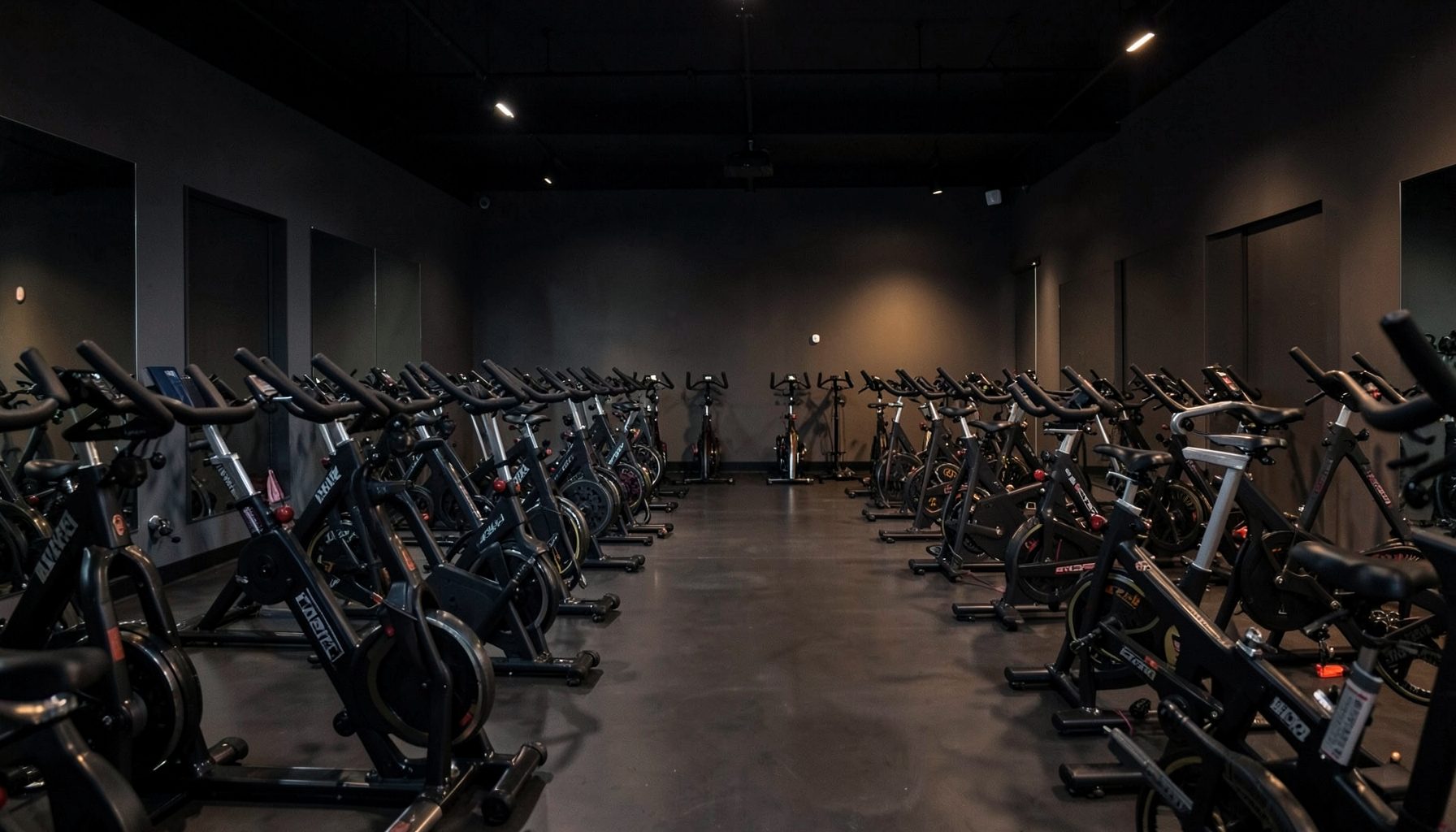
Normatec boot recovery and cryotherapy treatments help athletes bounce back faster. Cycle and spin classes add a cardio dimension to the holistic performance approach.
Have a Question?