Train. Compete. Recover.
A multi-purpose athletic facility in Speedway, Indiana — basketball leagues, skill training, and wellness services all under one roof.
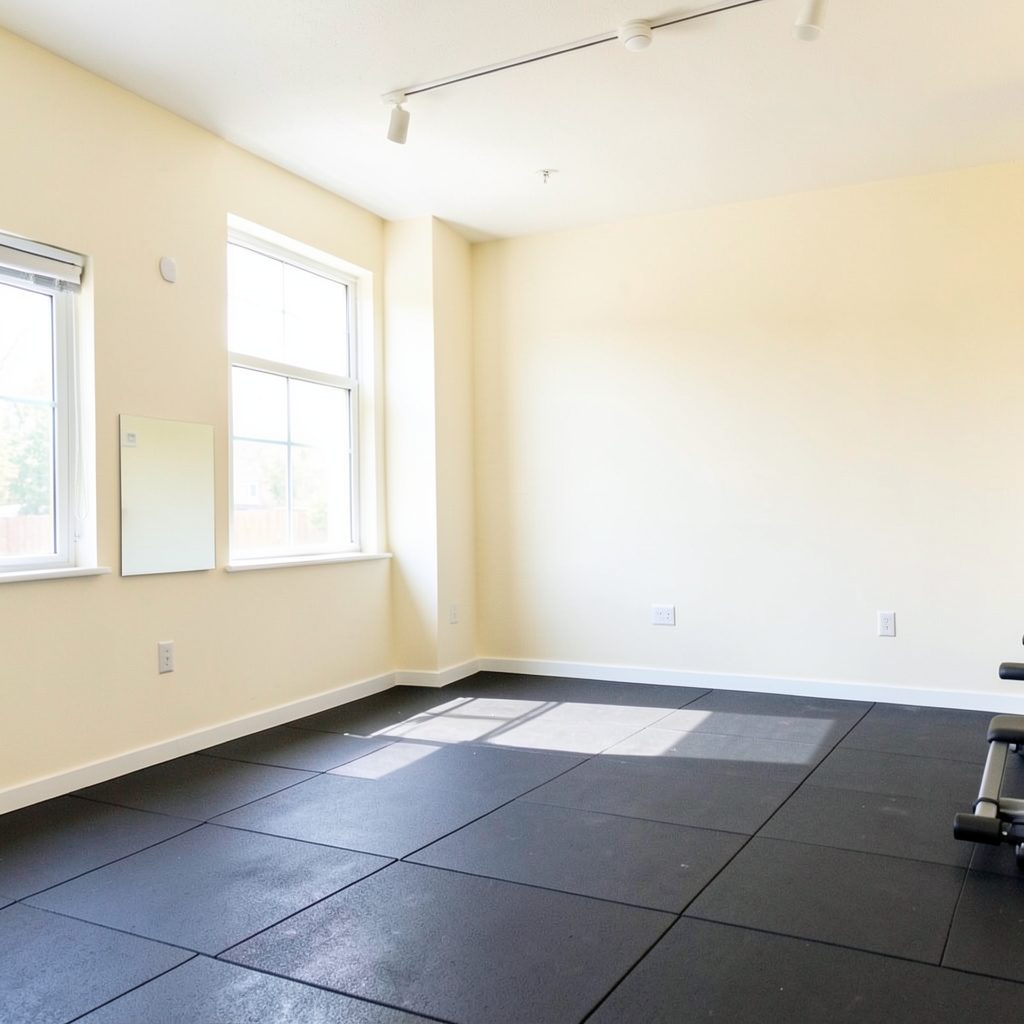
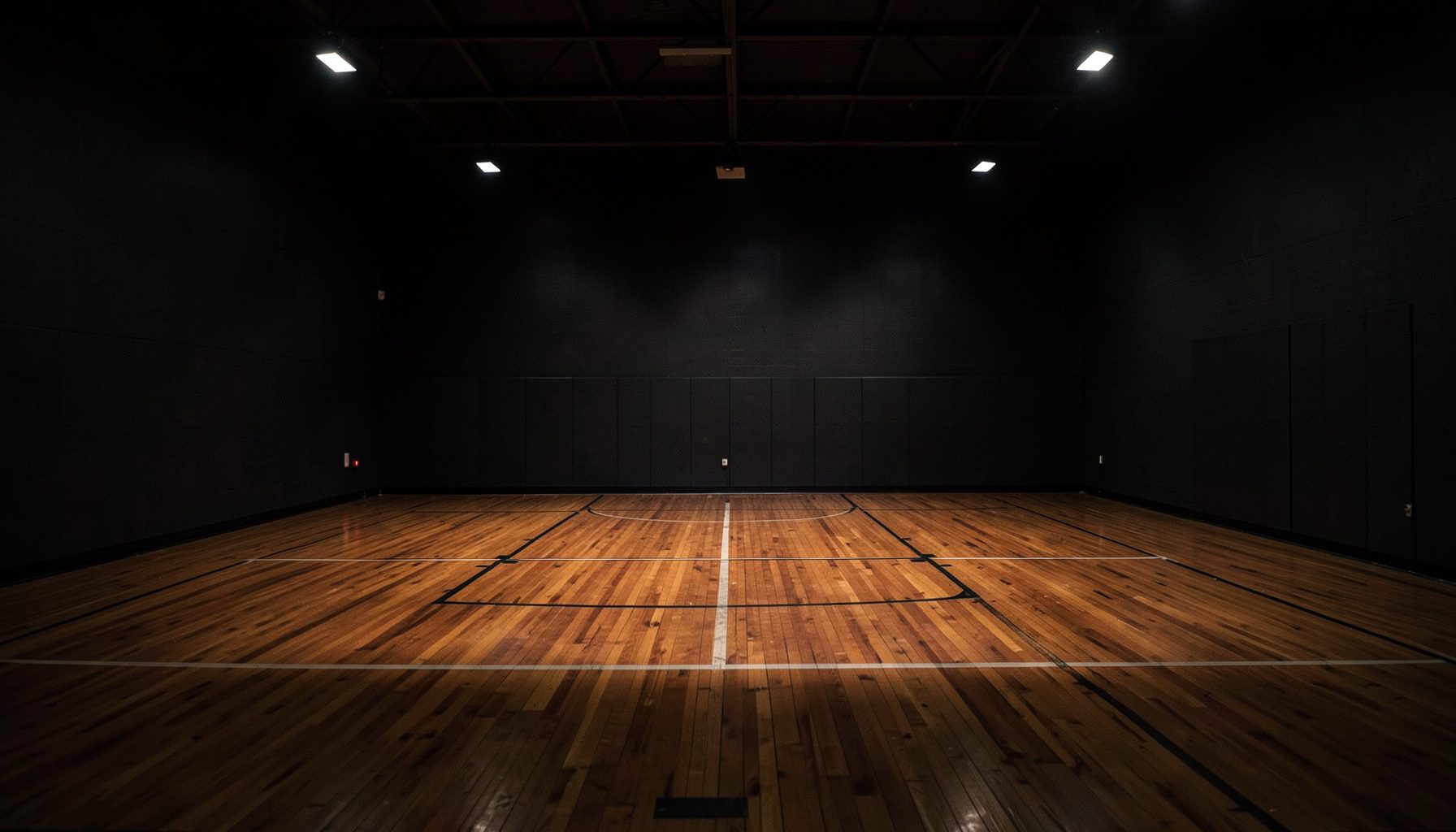
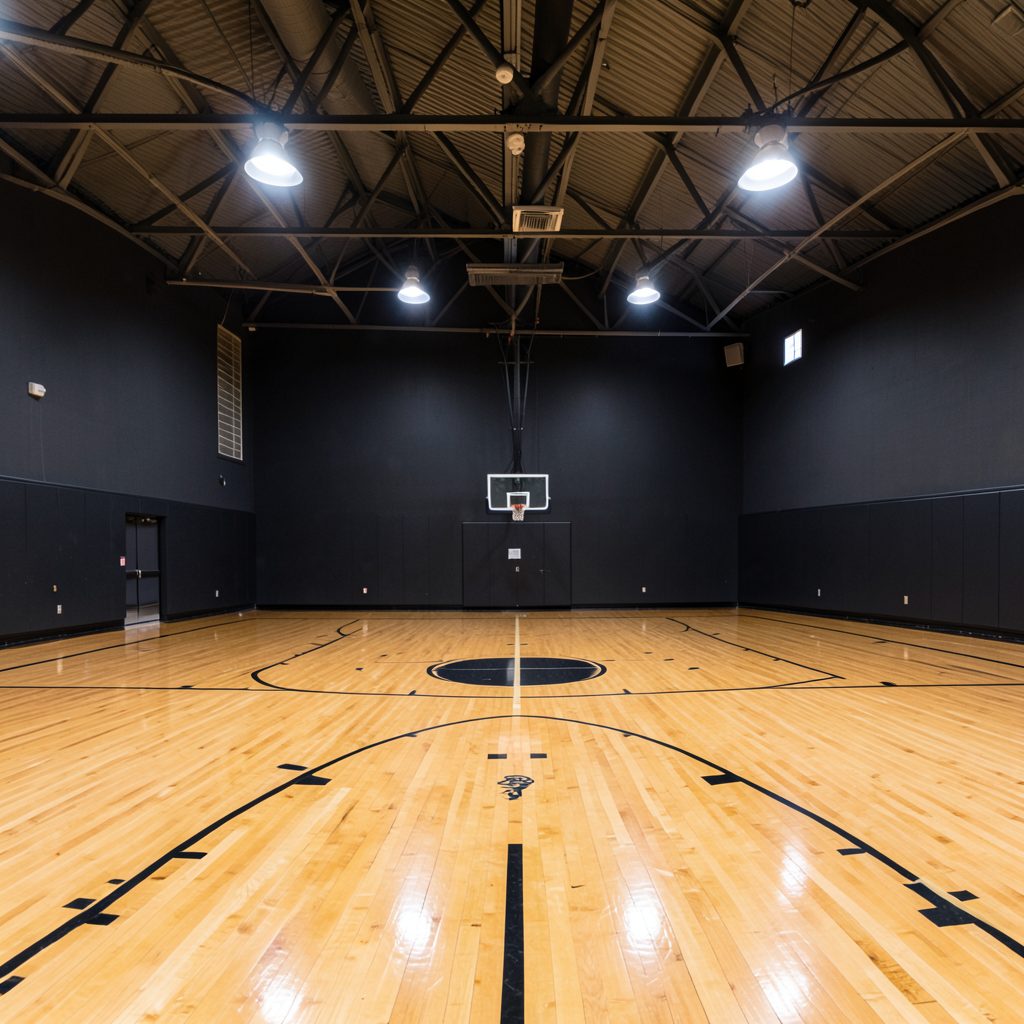
The Factory D1 Indy brings together three entities under one roof: competitive basketball leagues for all age groups, individual and group training, and wellness & recovery services including Normatec boot recovery and cryotherapy. Located off I-465 and High School Road at 6331 Crawfordsville Road, Speedway, Indiana 46224.
Get In TouchA pre-game warmup routine for sharper basketball performance
A good basketball warmup does more than raise body temperature. It prepares the joints for quick changes of direction, wakes up the muscles that support jumping and landing, and helps athletes shift their attention toward the game. The best routine feels progressive: easy movement first, then controlled athletic actions, then basketball-specific work.
At The Factory D1 Indy, our trainers recommend a dynamic pre-game routine that can be adjusted for young players, competitive athletes, and adults. The purpose is to arrive at tipoff feeling mobile, coordinated, and ready to react rather than tired from unnecessary stretching or conditioning.
A complete warmup usually takes 12 to 20 minutes. Athletes should move with intent while keeping the early stages comfortable. If a movement causes sharp pain, stop and ask a qualified coach or health professional for guidance.
Why a dynamic warmup matters
Before competition, the body needs time to transition from rest to explosive activity. Light movement gradually increases circulation and tissue temperature, while mobility exercises prepare the ankles, hips, knees, shoulders, and upper back for the demands of basketball. This can make running, defending, cutting, and rebounding feel smoother.
A dynamic warmup also supports focus. Players begin rehearsing the positions and movements they will use during the game, such as lowering into a defensive stance, planting safely, and reaching for a pass. Static stretches held for a long time may have a place after training, but pre-game preparation should prioritize controlled motion and sport-specific activation.
Start with full-body movement
Begin with two to three minutes of easy activity. Jogging around the court, marching with active arm swings, or using a relaxed lateral shuffle can elevate the heart rate without creating fatigue. The goal is to feel warmer and more alert, not breathless.
Next, add movements that open the major joints and gradually increase range of motion. Try walking lunges with a reach, ankle rolls, high-knee steps, butt kicks, and gentle lateral lunges. Keep the torso tall and the feet controlled. Athletes should avoid rushing through these exercises because poor mechanics during warmup can carry into the game.
For younger players, coaches can make this phase engaging with movement games. Mirror shuffles, color-call reactions, or short follow-the-leader patterns develop coordination while keeping the atmosphere positive. The same principle applies to adult athletes: varied movement keeps the warmup purposeful and prevents it from becoming a routine performed without attention.
Activate the muscles used in basketball
Once the body is moving, spend several minutes preparing the glutes, hips, calves, core, and shoulders. These areas contribute to acceleration, jumping power, balance, and stable shooting mechanics. Useful options include bodyweight squats, reverse lunges, glute bridges, calf raises, plank shoulder taps, and controlled single-leg balances.
Perform one set of approximately eight to ten repetitions for most exercises. Quality matters more than volume. During a squat or lunge, the knee should generally track in the direction of the toes, and the athlete should maintain control while lowering and rising. Single-leg exercises are especially valuable because basketball rarely happens from a perfectly balanced two-foot position.
Resistance bands can add light activation work for the hips and shoulders. Players who want a more detailed strength approach can review these resistance-band drills as part of their broader shooting and movement development. Bands should create control and awareness, not leave the muscles fatigued before competition.
| Warmup phase | Approximate time | Examples | Main purpose |
|---|---|---|---|
| General movement | 2–3 minutes | Jog, march, skip, lateral shuffle | Raise body temperature |
| Mobility | 3–4 minutes | Lunges, ankle rolls, hip openers | Prepare joints for range of motion |
| Muscle activation | 3–4 minutes | Squats, bridges, calf raises, planks | Wake up support muscles |
| Basketball movement | 4–6 minutes | Closeouts, defensive slides, short cuts | Rehearse game actions |
| Ball preparation | 3–5 minutes | Passing, form shots, layups | Build rhythm and focus |
Progress from control to speed
After mobility and activation, introduce basketball footwork at moderate intensity. Start with defensive slides, short closeouts, backpedals, and controlled forward sprints. Each movement should cover a short distance so players can concentrate on body position, braking, and direction changes.
A useful progression is to begin at about half speed, increase to three-quarter speed, and finish with a few brief bursts near game pace. Athletes should recover between bursts rather than turning the warmup into a conditioning session. The final movements should make the player feel prepared and energized.
Coaches can include deceleration practice by asking players to sprint three or four steps and stop under control. This teaches athletes to lower their center of gravity and place their feet before changing direction. Good stopping mechanics are essential for defense, cuts, and safe landing patterns.
Add the ball and decision-making
Ball work should begin with simple control and gradually become more game-like. Stationary dribbles, alternating-hand pounds, crossovers, and low dribbles help players establish touch. Then move into walking or jogging dribbles, change-of-direction patterns, and passing with a partner.
Shooting preparation should start close to the basket. Form shots, one-hand releases, short bank shots, and controlled finishes allow players to find their touch before stepping farther out. Emphasize balanced feet, a quiet landing, and a smooth follow-through rather than trying to make every repetition difficult.
The final few minutes can include layup lines, short closeout-and-rebound actions, or small-sided passing sequences. These drills connect physical preparation with visual awareness and communication. Players should hear teammates, locate space, and respond to cues before the game begins.
Adjust the routine for the athlete
A youth player may need a shorter, more playful warmup with simple instructions and frequent changes of activity. An experienced high school, college, or adult athlete may benefit from more deliberate activation, sharper footwork, and a few higher-speed repetitions. The structure remains similar, but the intensity and complexity should match the player’s age, skill, and training history.
Athletes returning from an injury should follow the plan provided by their medical or performance team. They may need additional mobility work, reduced cutting volume, or a slower progression into jumping and sprinting. A warmup should prepare the body for the session in front of it, not test limits before the game starts.
Environmental factors also matter. Cold gyms may require a longer general movement phase, while a demanding earlier activity may call for a shorter routine. Trainers can help teams create a repeatable sequence that fits available court space, roster size, and competition level.
Make the routine consistent
Consistency is what turns a warmup from a collection of exercises into a reliable performance habit. Players should know the order of activities, the expected effort, and the point at which they transition to ball work. A familiar sequence reduces distractions and gives coaches more time to address tactical details.
A practical routine can include these priorities:
- Raise body temperature with light jogging, skipping, or shuffling.
- Mobilize the ankles, hips, knees, shoulders, and upper back.
- Activate the glutes, calves, core, and shoulder stabilizers.
- Rehearse defensive slides, closeouts, cuts, stops, and short sprints.
- Finish with progressive shooting, passing, dribbling, and communication.
Keep the routine long enough to prepare the body but short enough to preserve energy. Players should finish feeling loose, focused, and responsive. Hydration, appropriate footwear, and a few calm breaths before the opening whistle can support the same goal.
A well-designed warmup helps every athlete enter competition with better movement awareness and a clearer mental focus. Visit The Factory D1 Indy to train with experienced coaches, build basketball skills, and develop a pre-game routine that fits your age, position, and performance goals.
Inside The Factory

Three Entities, One Roof
Leagues
Eight league divisions span every age group: Indy Pro AM, 18+ Open Men's, 30+ Men's, Bite Size (ages 3–6), Impact League, 5th/6th Grade, Middle School, and High School. Gather your team and compete.
Training
Individual and group basketball training for all skill levels. Major M.O.V.E.S. Basketball Training serves ages 4–7 on Wednesday and Thursday evenings at 6:30 PM — $30 per session or $100 unlimited monthly.
Wellness & Recovery
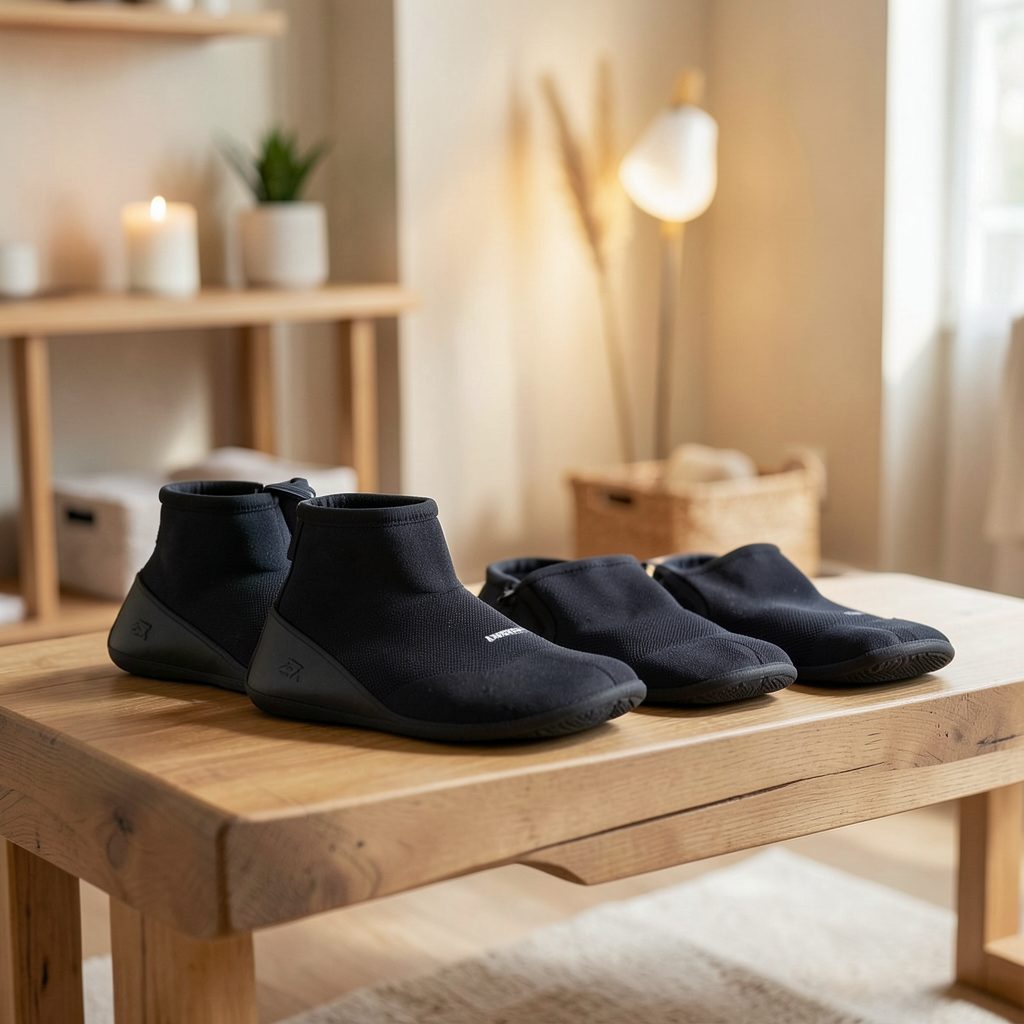
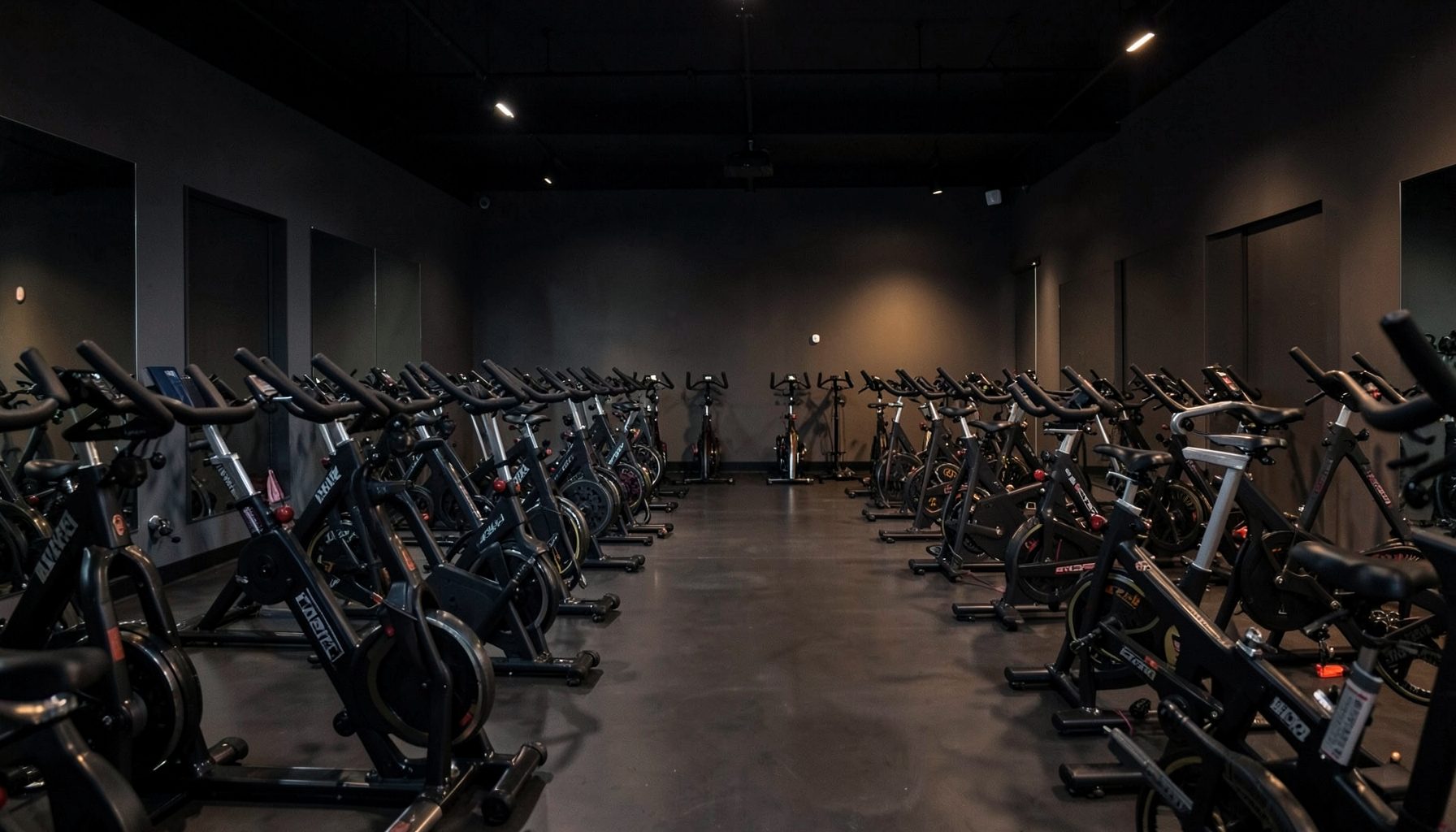
Normatec boot recovery and cryotherapy treatments help athletes bounce back faster. Cycle and spin classes add a cardio dimension to the holistic performance approach.
Have a Question?