Train. Compete. Recover.
A multi-purpose athletic facility in Speedway, Indiana — basketball leagues, skill training, and wellness services all under one roof.
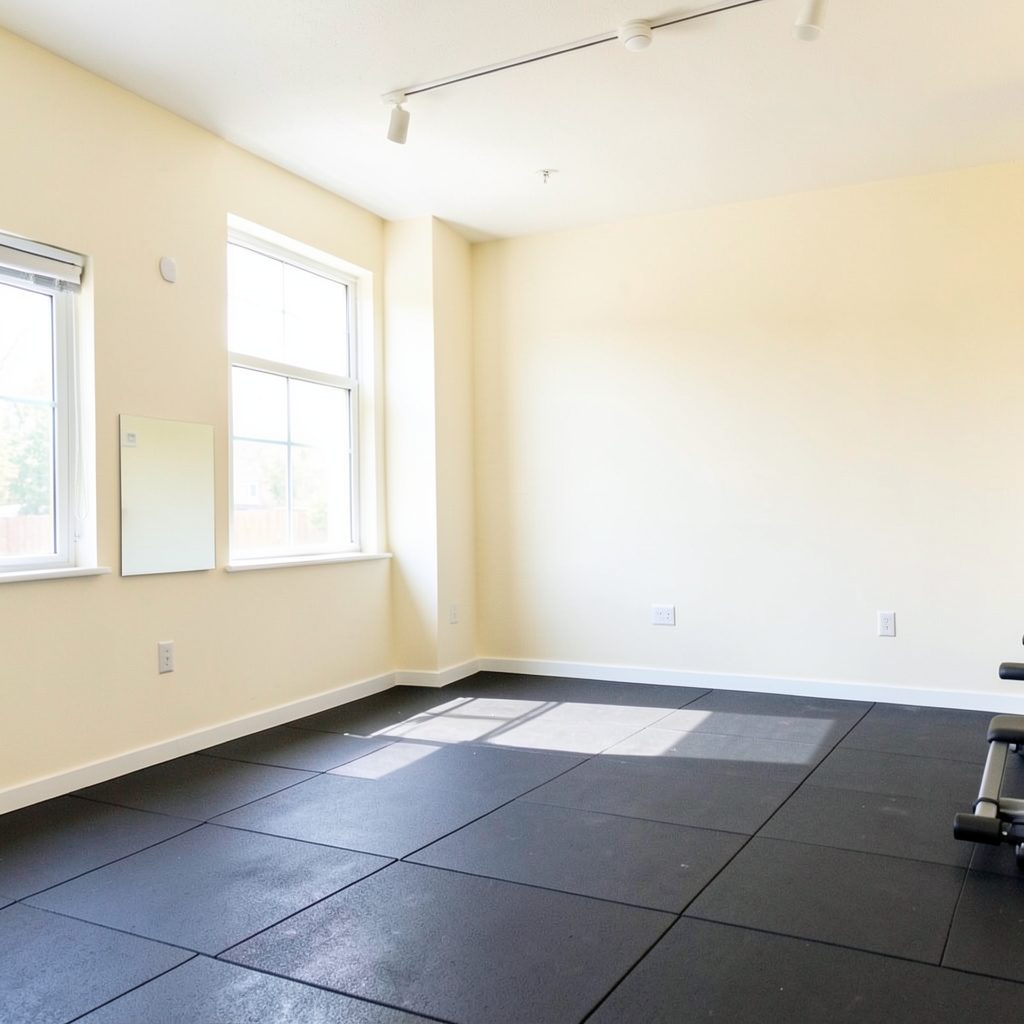
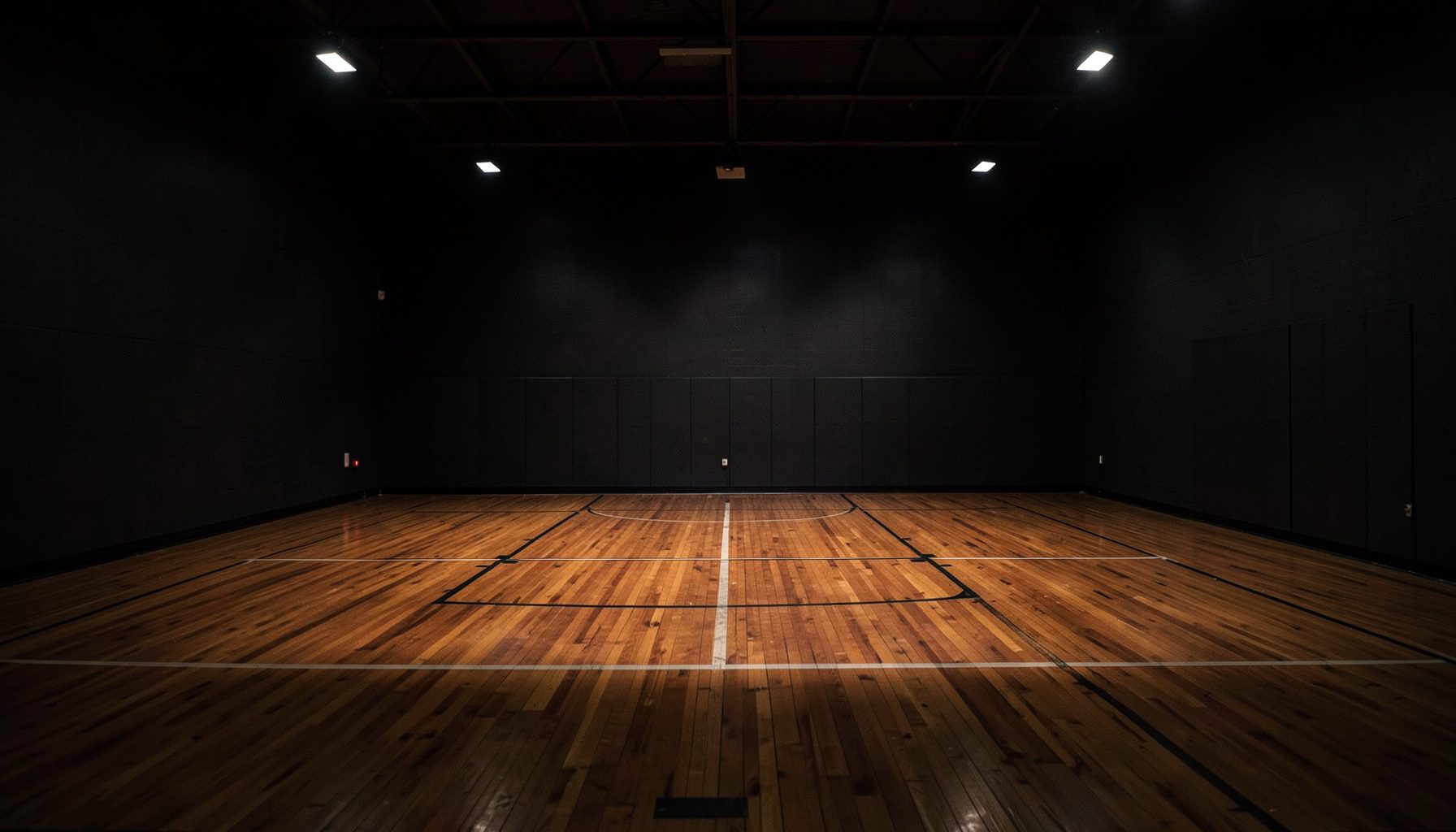
The Factory D1 Indy brings together three entities under one roof: competitive basketball leagues for all age groups, individual and group training, and wellness & recovery services including Normatec boot recovery and cryotherapy. Located off I-465 and High School Road at 6331 Crawfordsville Road, Speedway, Indiana 46224.
Get In TouchSpin Class Music and Tempo: How It Affects Your Effort Level
Music can change the way a spin class feels before the first interval begins. A steady beat gives the legs a movement pattern, while a faster track can encourage quicker cadence and a stronger sense of urgency. The right playlist helps riders stay engaged, manage discomfort, and sustain effort through demanding sections of a workout.
Tempo also affects pacing decisions. Riders may unconsciously match their pedal speed to the music, but effective indoor cycling requires more than chasing beats per minute. Resistance, breathing, posture, and perceived exertion must work together so the music supports performance instead of disrupting technique.
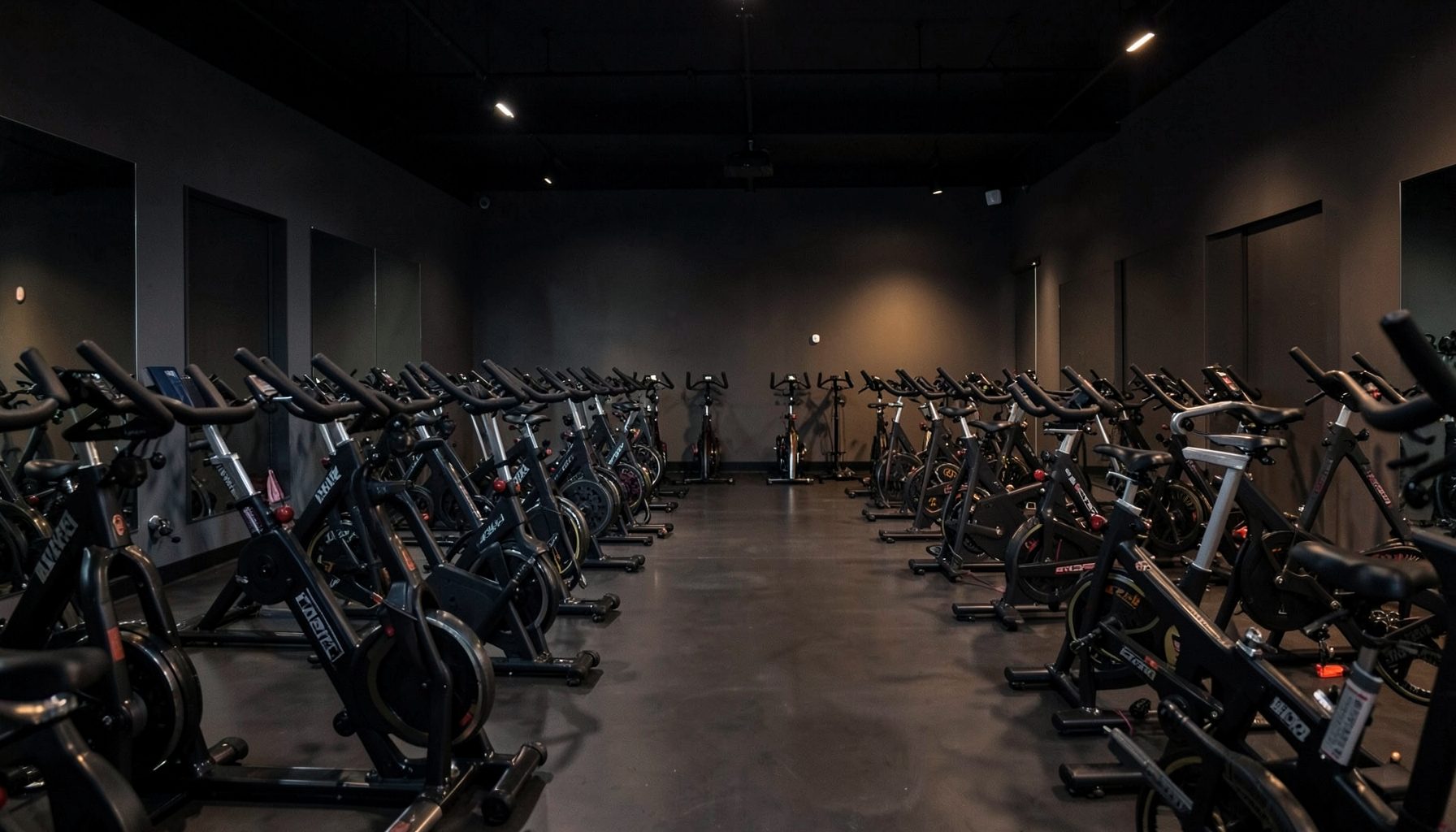
At The Factory D1 Indy in Speedway, Indiana, cycling and spin classes are part of a broader athletic environment built around training, competition, conditioning, and recovery. Understanding the relationship between rhythm and effort can help every participant get more value from each session, whether the goal is cardiovascular fitness, athletic conditioning, or a stronger daily routine.
Why Rhythm Changes Perceived Effort
A musical beat provides an external pacing cue. When the cadence aligns with the rhythm, pedaling often feels smoother because the rider has a consistent reference point. This can reduce the mental effort required to maintain a pace, especially during longer endurance segments.
Music can also influence mood and motivation. An energetic song may make a challenging climb feel more manageable, while a controlled, steady track can help prevent an early burst of effort. The result is often a higher willingness to continue working, even when the physical demand remains unchanged.
The response varies by person. Some riders react strongly to fast music, while others perform better with a moderate tempo that leaves room to focus on breathing and form. The most productive playlist is the one that supports the intended training zone rather than forcing every interval to feel maximal.
Cadence, Resistance, And Training Zones
Cadence describes how quickly the pedals turn, usually measured in revolutions per minute. Resistance determines how much force is required to turn them. Music can guide cadence, but it does not automatically establish the correct resistance. A fast song with excessive resistance may create poor mechanics, while a slow track with light resistance may fail to provide enough stimulus.
For a warm-up, moderate-tempo music can encourage relaxed movement and gradually elevate heart rate. During an endurance block, a consistent beat helps riders settle into a sustainable pace. A hill or power interval may use a slower rhythm paired with heavier resistance, emphasizing muscular force rather than rapid leg turnover.
Perceived exertion is a useful check. If a rider cannot speak in short phrases during a supposedly moderate section, the resistance or cadence may be too high. Similarly, if the legs feel unchallenged during a power interval, adding resistance may be more appropriate than simply pedaling faster.
How A Class Playlist Shapes The Ride
An effective spin class playlist follows the architecture of the workout. Songs with a gradual build work well during warm-up and preparation. Tracks with clear musical changes can signal transitions between flats, climbs, sprints, and recovery periods without requiring constant verbal instruction.
A powerful chorus can support a short sprint, but it should not encourage riders to sprint through every song. Contrast gives the playlist meaning. Recovery music creates space for breathing, while intense tracks feel more effective when they arrive after controlled preparation.
The same idea applies to other athletic training. Basketball players, for example, need changes of pace, concentration, and repeat-effort conditioning. Skills work such as these passing accuracy drills benefits from a similar balance between intensity and control: the athlete must respond quickly without allowing speed to replace precision.
| Ride Segment | Useful Musical Feel | Primary Focus | Common Mistake |
|---|---|---|---|
| Warm-up | Moderate, steady beat | Mobility and gradual heart-rate rise | Starting too hard |
| Endurance | Consistent rhythm | Sustainable aerobic effort | Adding resistance too early |
| Climb | Slower, powerful beat | Force and posture | Rocking the upper body |
| Sprint | Fast, energizing track | Short bursts of cadence | Holding the sprint too long |
| Recovery | Relaxed, spacious sound | Breathing and reset | Skipping the recovery |
Choosing Tempo For Different Goals
A cadence-focused ride typically uses music with a clear, regular beat. This format is useful when the goal is leg speed, coordination, or repeated high-cadence efforts. Riders should still keep resistance high enough to maintain control, since spinning without support can cause bouncing and inefficient movement.
Strength-oriented cycling often pairs slower music with a heavier load. The beat becomes a marker for deliberate pedal strokes rather than a target for rapid turnover. Riders can concentrate on driving evenly through the full rotation while keeping shoulders relaxed and the torso stable.
For aerobic conditioning, a moderate tempo may be most effective. It allows the rider to maintain a steady output for several minutes without exhausting the legs too early. This style is especially valuable for athletes who need a conditioning base that supports basketball, general fitness, or other recreational activities.
Protect Technique When The Music Intensifies
Fast music can create excitement, but it can also encourage riders to abandon good mechanics. Signs of losing control include bouncing in the saddle, pulling aggressively on the handlebars, gripping too tightly, or allowing the knees to move unevenly. These changes reduce efficiency and may increase unnecessary strain.
When the beat feels too fast, lower the resistance slightly only if control is maintained, or treat every second beat as the pedal target. Riders can also remain seated, shorten the interval, or return to a comfortable cadence. A smart adjustment preserves the training purpose while preventing fatigue from becoming a form problem.
Instructors help create this balance by giving guidance beyond the playlist. Clear cues about posture, resistance, breathing, and effort allow music to enhance the class without becoming the sole source of direction. Riders should use the beat as information, not as a command to ignore physical signals.
Fit Cycling Into A Complete Training Routine
Spin classes can complement strength training and skill development by improving cardiovascular capacity, leg endurance, and recovery between hard efforts. However, the best schedule accounts for total workload. A demanding cycling interval session placed immediately before intense basketball practice may leave the legs fatigued and reduce movement quality.
A balanced week might include an endurance ride, a shorter interval class, skill training, and at least one lower-intensity recovery period. Recovery services can also support an active schedule. The Factory D1 Indy offers a range of wellness services, including options designed to help athletes manage training stress and prepare for their next session.
Music can help distinguish the purpose of each workout. A steady playlist suits aerobic work, while dramatic tempo changes fit intervals. Keeping those formats separate makes it easier to track progress and recognize whether fitness is improving through better cadence, higher resistance, longer duration, or faster recovery.
Practical Ways To Ride With Purpose
A few simple habits make music-based training more effective:
- Choose tracks that match the planned effort instead of selecting only the fastest songs.
- Use resistance to control intensity, and avoid treating cadence as the only performance measure.
- Save the most motivating songs for key intervals so their impact remains meaningful.
- Check posture, breathing, and pedal control whenever the rhythm becomes demanding.
- Record how each playlist affects energy, pacing, and recovery for future class planning.
Personal preference still matters. A familiar song can improve confidence, while a new playlist may provide freshness and focus. The strongest approach combines enjoyment with a clear objective, allowing the music to make disciplined training feel more engaging.
Turn Every Beat Into Better Training
The next time you attend a spin class, listen for how the music changes your cadence, resistance choices, breathing, and perceived effort. Use the rhythm to settle into endurance work, build urgency during intervals, and regain control during recovery. Visit The Factory D1 Indy to make that connection in a supportive athletic setting where cycling, performance training, and recovery work together.
Inside The Factory

Three Entities, One Roof
Leagues
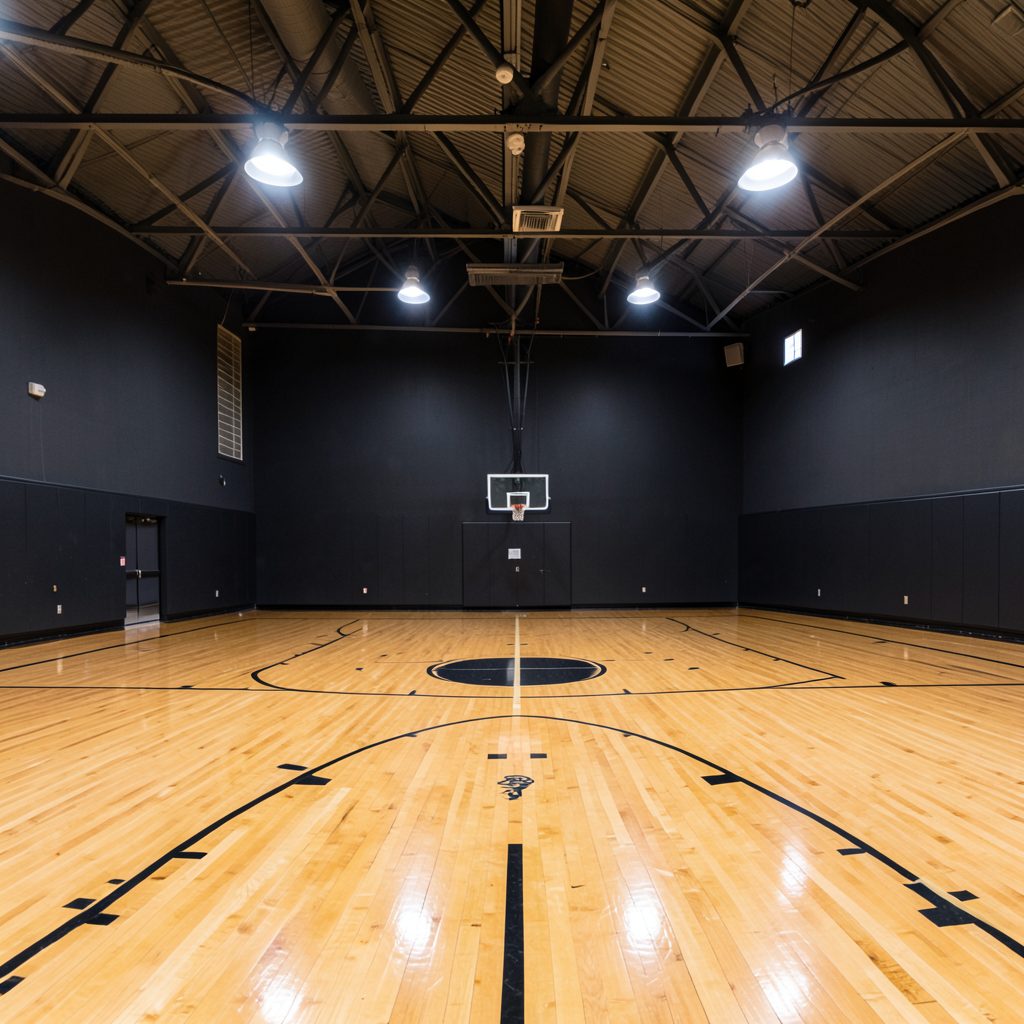
Eight league divisions span every age group: Indy Pro AM, 18+ Open Men's, 30+ Men's, Bite Size (ages 3–6), Impact League, 5th/6th Grade, Middle School, and High School. Gather your team and compete.
Training
Individual and group basketball training for all skill levels. Major M.O.V.E.S. Basketball Training serves ages 4–7 on Wednesday and Thursday evenings at 6:30 PM — $30 per session or $100 unlimited monthly.
Wellness & Recovery
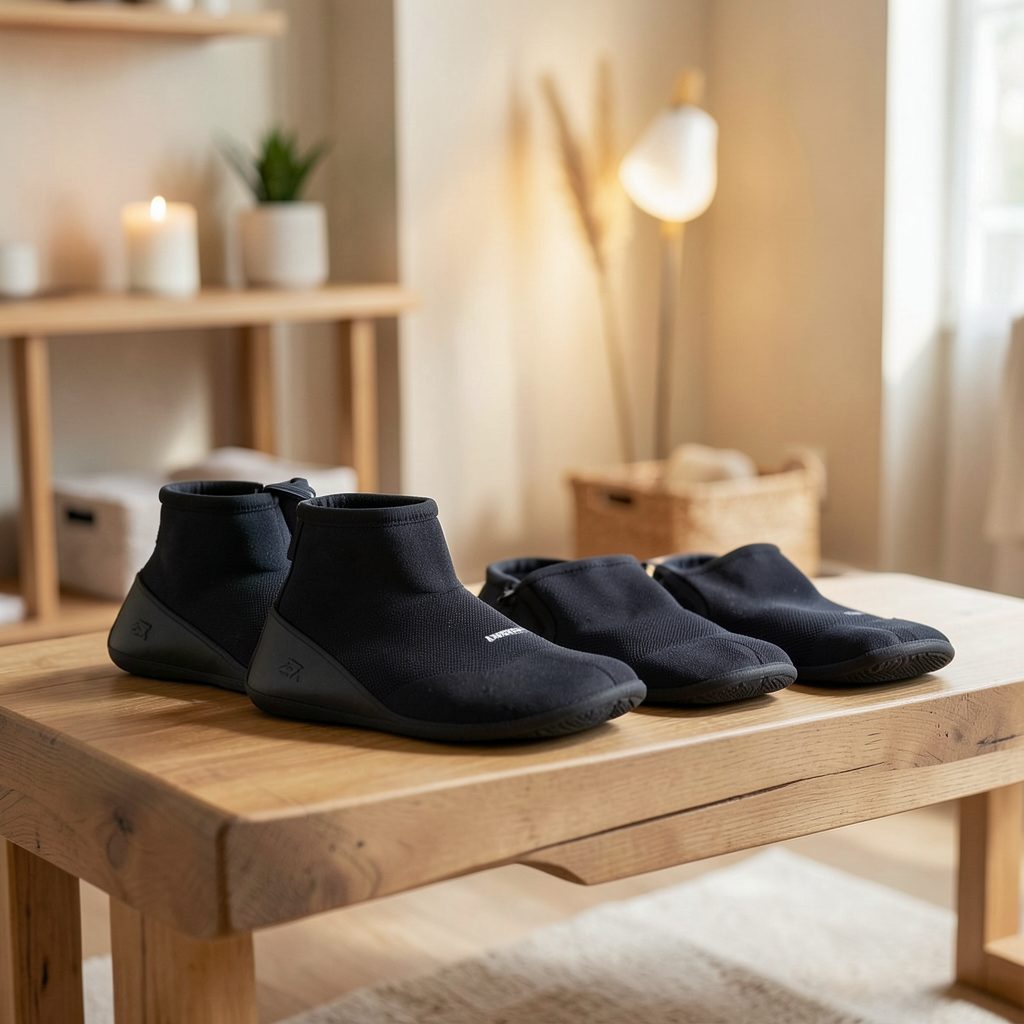
Normatec boot recovery and cryotherapy treatments help athletes bounce back faster. Cycle and spin classes add a cardio dimension to the holistic performance approach.
Have a Question?