Train. Compete. Recover.
A multi-purpose athletic facility in Speedway, Indiana — basketball leagues, skill training, and wellness services all under one roof.
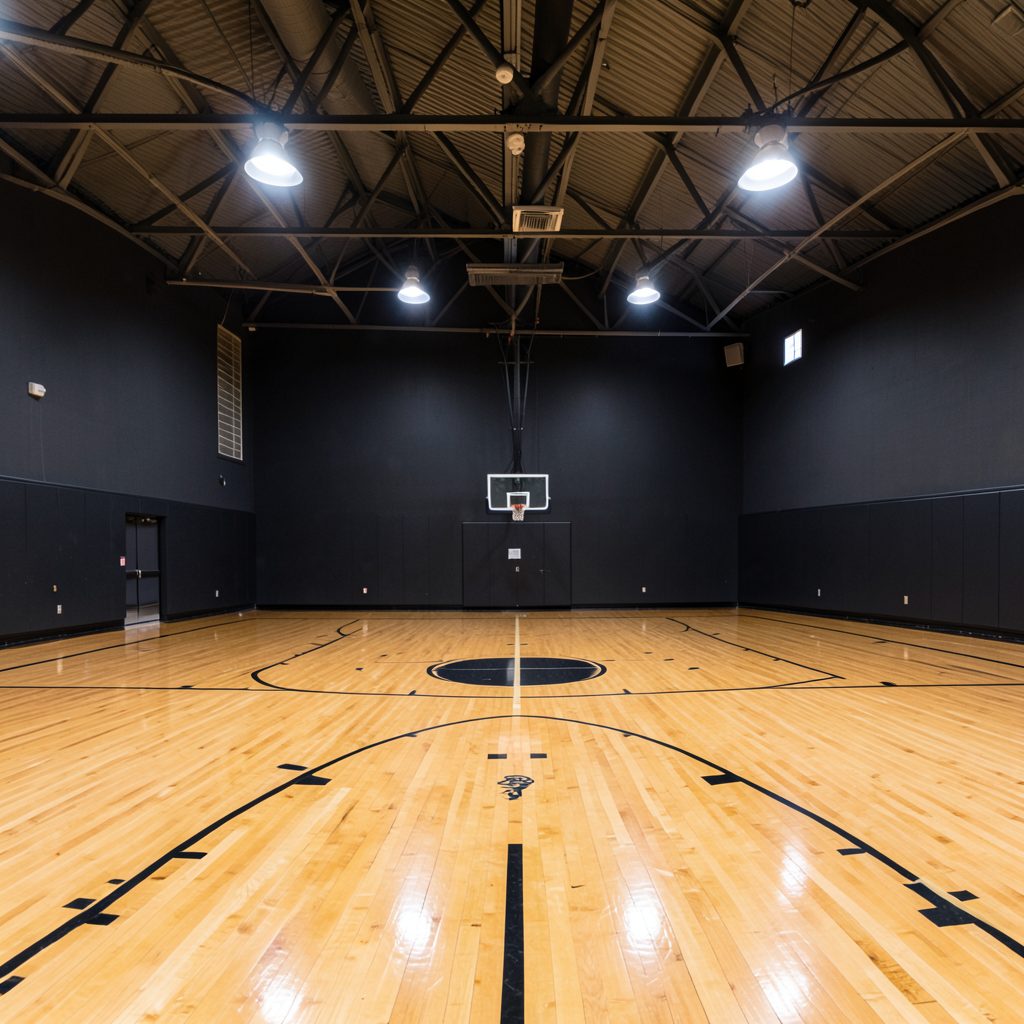
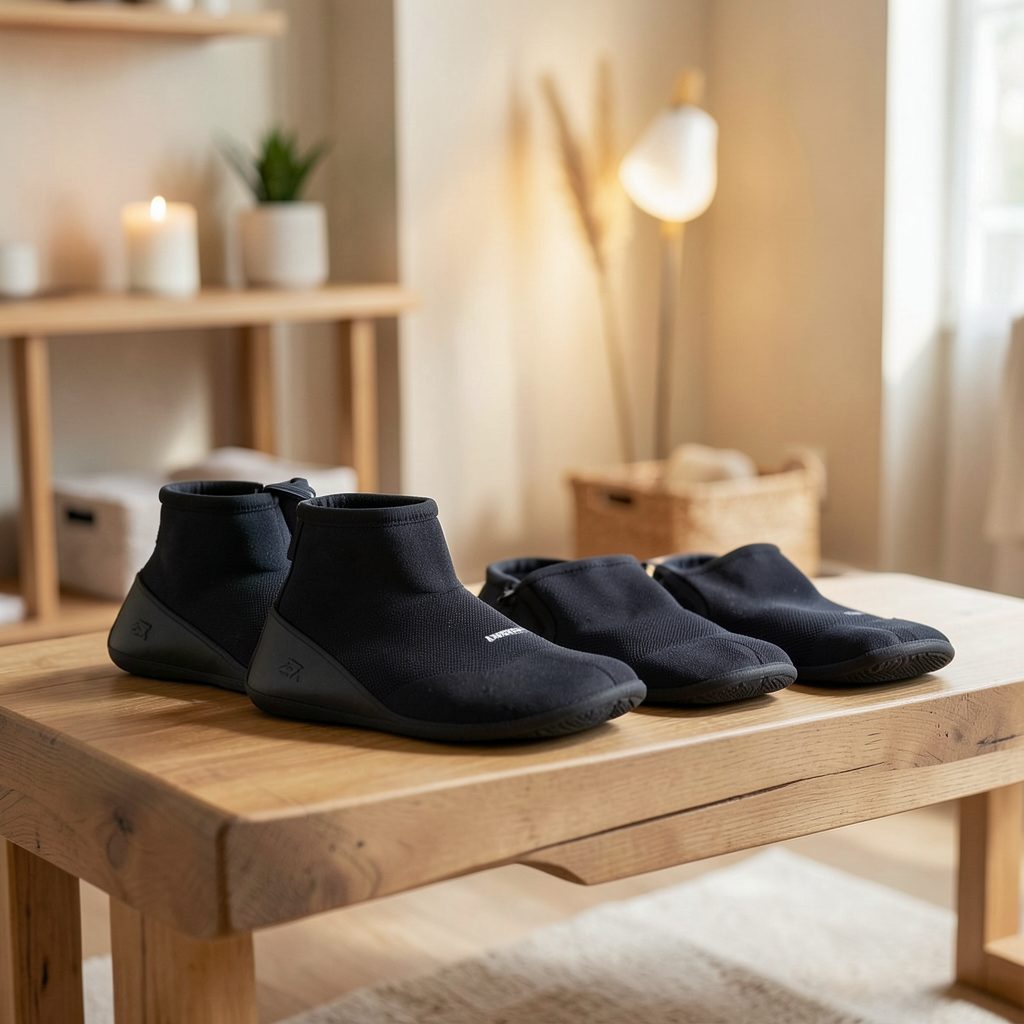
The Factory D1 Indy brings together three entities under one roof: competitive basketball leagues for all age groups, individual and group training, and wellness & recovery services including Normatec boot recovery and cryotherapy. Located off I-465 and High School Road at 6331 Crawfordsville Road, Speedway, Indiana 46224.
Get In TouchEssential drills to sharpen your basketball passing accuracy
Accurate passing gives a basketball team its rhythm. A well-timed chest pass can break pressure, a sharp bounce pass can reach a cutter beneath a defender’s hands, and a controlled overhead pass can reverse the floor before the defense gets organized. These plays depend on more than arm strength. They require footwork, vision, timing, touch, and the ability to make decisions while moving.
Players of every age can improve their passing by practicing game-like situations instead of throwing the ball casually from a stationary position. Repetition builds reliable mechanics, while pressure and movement teach athletes how to apply those mechanics during competition.
At The Factory D1 Indy, athletes can pair passing work with individual instruction, group basketball training, youth programs, and competitive leagues. The goal is to develop skills that transfer from a workout to a real possession, whether the player is learning the fundamentals or preparing for higher-level competition.
Start with precise passing mechanics
Every accurate pass begins with a balanced stance. Keep the feet slightly wider than the hips, bend the knees, and hold the ball near the chest with relaxed hands. The passer should step toward the target, extend through the arms, and finish with the fingers pointing in the direction of the pass. A strong follow-through helps control both speed and trajectory.
Partner chest passes are a simple starting drill. Two players stand eight to twelve feet apart and complete a set number of passes without allowing the ball to drift above the receiver’s chest or below the waist. The receiver should present a clear target with both hands, catch softly, and bring the ball into a ready position immediately.
Add a scoring system to increase concentration. Award one point for a pass that reaches the target’s shooting pocket and remove a point for a pass that forces the partner to move. This small adjustment teaches players that accuracy matters more than simply getting the ball from one person to another.
Build touch with varied pass types
A complete passer must control different release points and angles. The bounce pass should reach the floor roughly two-thirds of the way to the receiver, allowing the ball to rise into the teammate’s hands. The chest pass should travel directly through a narrow window, while the overhead pass is useful for skipping over defenders or finding a teammate near the opposite side of the court.
Use a three-pass partner sequence to train touch. Begin with five chest passes, follow with five bounce passes, and finish with five overhead passes. The receiver should remain active, shifting slightly after each catch so the passer must adjust the angle rather than relying on a fixed target.
Wall passing develops consistency when a partner is unavailable. Mark a square on a wall and pass into its center from several distances. Players can alternate hands, vary the pass type, and count consecutive accurate rebounds. The drill exposes weak wrist control and encourages a clean release without relying on a teammate to correct poor placement.
Add movement and changing angles
Passing accuracy often declines when the passer has to run, stop, or change direction. The give-and-go drill addresses this problem. Player A passes to Player B, cuts toward the basket, and receives a return pass in stride. After the catch, the players switch roles. Emphasize a pass that leads the cutter into open space rather than one that arrives behind the body.
Another effective exercise is the passing lane drill. Three players move the ball around the perimeter while one defender shifts between them. The offensive players must pivot, use pass fakes, and deliver the ball before the defender closes the gap. This teaches athletes to pass around pressure while keeping their eyes up.
The quality of coaching can make these drills more productive. Players benefit from instruction on hand position, pivoting, timing, and court vision, especially when feedback is tied to a specific correction. Learning about the Factory D1 coaches can help families understand the training approach behind structured skill development.
| Drill | Primary focus | Suggested setup | Progression |
|---|---|---|---|
| Partner chest passes | Direct accuracy and receiving hands | Two players, 8–12 feet apart | Increase distance or add a target score |
| Bounce-pass gates | Passing angle and touch | Place cones between partners | Narrow the gate or add a defender |
| Give-and-go | Timing and leading a cutter | Two players and one basket | Add a live defender |
| Three-player perimeter drill | Quick decisions and spacing | Three offensive players, one defender | Limit dribbles or passing time |
| Moving outlet drill | Long-range accuracy | Rebounder, outlet player, and runner | Add transition pressure |
Practice passing under defensive pressure
A stationary pass can look perfect in a quiet gym and fail when a defender crowds the passing lane. To prepare for live play, use a progression that begins with a passive defender and advances to active denial. The passer should learn to pivot away from pressure, protect the ball with the body, and pass through a clear window.
The triangle pressure drill is useful for this purpose. Three offensive players form a triangle while a defender attempts to deflect or intercept passes. The ball should move quickly, but players should avoid throwing simply to escape pressure. They must read the defender’s shoulders, recognize help position, and choose the safest pass.
Pass fakes are essential when a direct lane is unavailable. A convincing look or shoulder fake can shift a defender just enough to open a passing window. Players should keep the fake compact, maintain their balance, and deliver the actual pass immediately after the defender reacts.
Train vision and decision-making
Passing accuracy depends on seeing the play early. A player who scans the floor before receiving the ball has more time to identify cutters, open shooters, and defensive gaps. Encourage athletes to check both sides of the court before every catch and to keep their eyes away from the ball when moving without it.
The three-option read drill develops this habit. A ball handler starts at the top of the key while three teammates occupy the corners, wing, and basket area. A coach or defender signals which option becomes available. The ball handler must identify the signal, use the correct pass, and deliver it to the receiver’s preferred hand.
To make the drill more realistic, limit the ball handler to one or two dribbles. This restriction encourages players to move the ball promptly instead of holding it while searching for an option. It also reinforces the difference between a good pass and a late pass: the best delivery arrives before the defense can recover.
Connect passing with conditioning
Fatigue changes mechanics. Legs become less stable, the release may slow, and players often throw with their arms instead of stepping toward the target. Passing drills should therefore include short bursts of movement, especially for athletes preparing for fast-paced games.
A simple conditioning sequence can include a defensive slide, a sprint to half court, and a return to a passing station. After the movement, the player must complete several accurate passes before rotating. The objective is controlled execution under fatigue, not reckless speed.
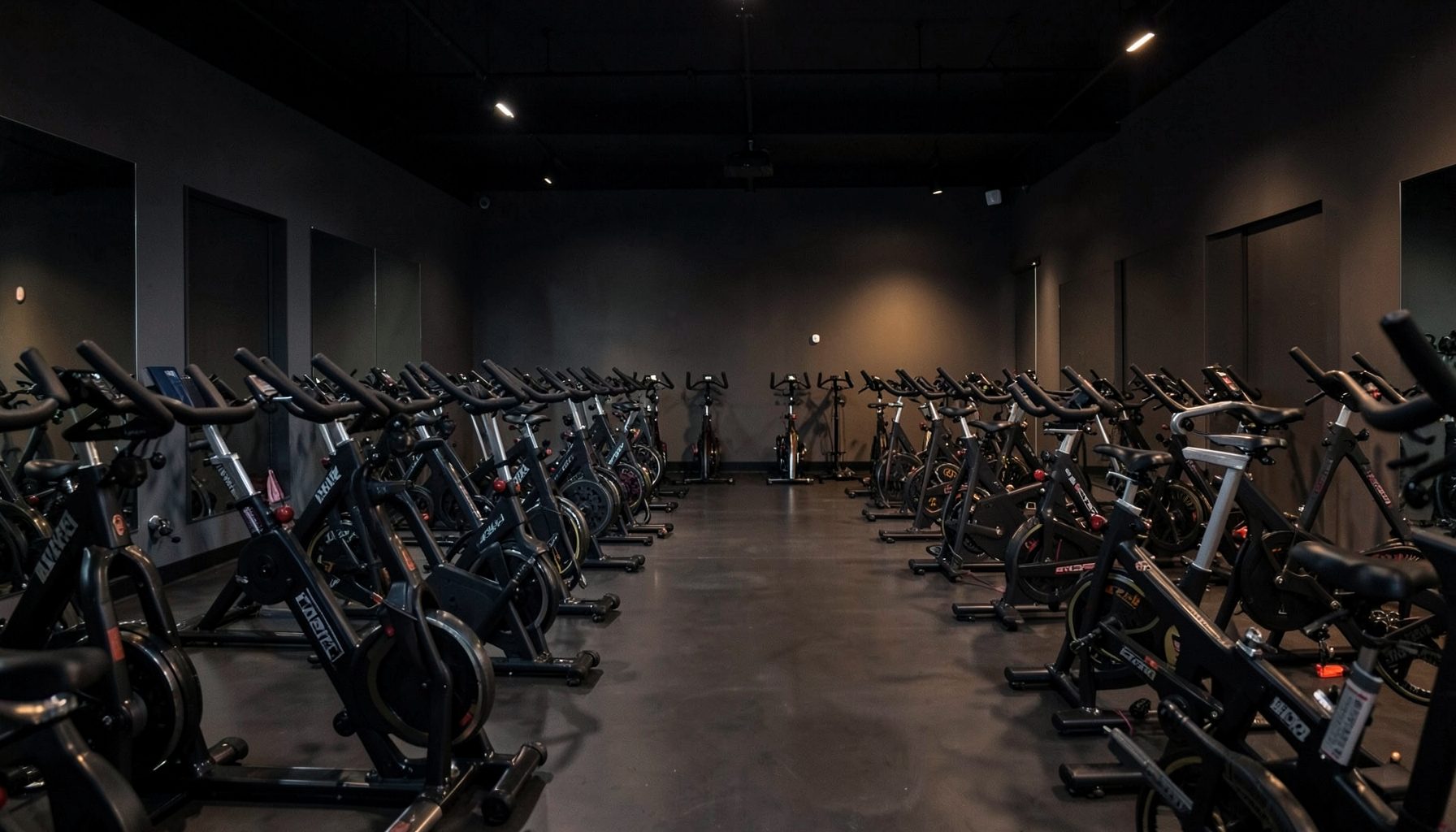
Cross-training can support this type of work by improving stamina and repeat-effort capacity. For athletes who want additional conditioning away from the court, spin classes complement basketball through structured intervals that challenge cardiovascular endurance. Conditioning should support skill quality, so players still need to finish each session with calm, technically sound passing.
Make every repetition more purposeful
Players improve faster when each drill has a measurable standard. Track completed passes, deflections, turnovers, or successful reads rather than relying on a general feeling that practice went well. A player might begin with a goal of 18 accurate passes out of 20 and gradually raise the standard as control improves.
Use these habits to make passing practice more effective:
- Lead moving teammates into open space instead of throwing directly at their bodies.
- Step toward the target and finish every pass with a controlled follow-through.
- Practice chest, bounce, overhead, and one-handed passes from multiple angles.
- Add defenders, time limits, or dribble restrictions as technique becomes consistent.
- Review missed passes to identify whether the problem was vision, timing, footwork, or touch.
Passing should finish with a game application. Play small-sided games in which a team earns an extra point for a paint touch created by a pass, a successful skip pass, or a basket preceded by three quick passes. These rules reward movement and decision-making while keeping the focus on practical execution.
A dependable passer becomes valuable in every lineup because accurate deliveries create better shots, reduce turnovers, and help teammates play with confidence. Athletes can begin with partner fundamentals, progress to moving targets and defensive pressure, then test their skills in competitive settings at The Factory D1 Indy. Schedule a training session, join a league or youth program, and turn deliberate passing repetitions into stronger game-day decisions.
Inside The Factory
Three Entities, One Roof
Leagues
Eight league divisions span every age group: Indy Pro AM, 18+ Open Men's, 30+ Men's, Bite Size (ages 3–6), Impact League, 5th/6th Grade, Middle School, and High School. Gather your team and compete.
Training
Individual and group basketball training for all skill levels. Major M.O.V.E.S. Basketball Training serves ages 4–7 on Wednesday and Thursday evenings at 6:30 PM — $30 per session or $100 unlimited monthly.
Wellness & Recovery
Normatec boot recovery and cryotherapy treatments help athletes bounce back faster. Cycle and spin classes add a cardio dimension to the holistic performance approach.
Have a Question?