Train. Compete. Recover.
A multi-purpose athletic facility in Speedway, Indiana — basketball leagues, skill training, and wellness services all under one roof.
The Factory D1 Indy brings together three entities under one roof: competitive basketball leagues for all age groups, individual and group training, and wellness & recovery services including Normatec boot recovery and cryotherapy. Located off I-465 and High School Road at 6331 Crawfordsville Road, Speedway, Indiana 46224.
Get In TouchHelping Young Basketball Players Read the Defense
Teaching young basketball players to read the defense effectively means helping them recognize information before they make a move. A player who sees a defender’s stance, the location of help, and the open space can make better decisions with the ball and contribute without forcing a shot.
Basketball awareness develops through repeated observation and purposeful practice. Young athletes need to understand that every possession presents a puzzle: Who is guarding the ball? Where is the help defender? Is a teammate cutting, screening, or creating space? These questions gradually become part of their natural playing habits.
At The Factory D1 Indy in Speedway, Indiana, skill development can connect individual technique with live competition. Training, youth programs, and leagues give players opportunities to apply court vision, spacing, footwork, and decision-making in an active community setting.
Start With Defensive Positioning
A player cannot read the defense well without recognizing basic defensive alignment. Begin by teaching the difference between on-ball defense, denial defense, and help defense. Young athletes should learn that a defender’s feet, hips, and shoulders often reveal the next possible action.
When the defender is squared up and close, the ball handler may need to use a change of pace, a controlled crossover, or a screen. If the defender turns their body to force a direction, the player should understand which lane is being offered and where help may be waiting. These observations are more useful than memorizing a long list of moves.
Coaches can use simple guided questions during drills. Ask players what they see before allowing them to attack. Over time, this pause encourages athletes to scan the floor instead of dribbling automatically.
Develop Court Vision Before Speed
Young players often focus on the ball and miss the two or three actions happening away from it. Court vision improves when practices require athletes to identify teammates, defenders, and open areas before receiving a pass. Small-sided games are especially useful because each player has more involvement and must make decisions frequently.
A coach might place a scoring rule on a game: the offense earns an extra point for a basket created by a backdoor cut, paint touch, or quick pass against a defensive rotation. This rewards recognition rather than individual dribbling. Players begin to understand that reading the defense includes noticing when a teammate has a better opportunity.
Passing drills can also include visual cues. A player may need to call out the location of a help defender, point to the next pass, or identify whether the defense is in man-to-man or zone coverage. These habits strengthen peripheral awareness and make communication part of offensive execution.
Connect Footwork With Decision-Making
Footwork gives players the balance and timing needed to respond to what they see. A strong first step is valuable, but it becomes far more effective when the athlete knows whether to drive, stop, pass, or reverse the ball. Balance through the hips and feet allows a player to change plans without traveling or losing control.
Agility ladder exercises can support coordination, rhythm, and body control when they are connected to basketball actions. The footwork training guide explains how ladder work can contribute to quicker, more controlled movement. Coaches should then transfer those movement patterns into closeout reads, jab steps, defensive slides, and drive reactions.
| Defensive cue | Likely offensive response | Skill to reinforce |
|---|---|---|
| Defender stands upright | Attack with a controlled first step | Change of pace |
| Defender overplays one side | Backdoor cut or counter drive | Reading angles |
| Help defender steps into the lane | Kick out or make an extra pass | Passing vision |
| Defender goes under a screen | Shoot, re-screen, or reject | Screen awareness |
| Two defenders trap the ball | Pivot away and find an outlet | Composure and spacing |
The goal is not to make every player react identically. The same defensive cue may produce different correct decisions depending on shooting ability, teammate position, and time on the clock. Players should learn principles while developing the confidence to choose an appropriate response.
Teach Common Defensive Coverages
Understanding defensive systems helps young athletes predict what may happen next. In man-to-man defense, players should look for individual matchups, help positions, screens, and closeouts. Against a zone, they need to identify gaps, move the defense with passes, and occupy spaces between defenders.
Keep the early teaching language clear. Instead of overwhelming players with complex terminology, explain the purpose of each coverage. A defender may be trying to protect the paint, deny a particular scorer, or force the ball toward the sideline. Once players understand that purpose, they can better identify where the defense is vulnerable.
Use freeze moments during practice to reinforce these concepts. Stop play after a pass or screen and ask players to point out the next open space. Then restart the possession and let them test their answer. This method turns film-like analysis into an active skill rather than a lecture.
Use Live Repetition And Guided Feedback
Decision-making improves when players face changing conditions. A drill that always provides the same closeout or passing lane may build technique, but it will not fully prepare athletes for unpredictable competition. Add defenders who can recover, switch, stunt toward the ball, or change their positioning after each repetition.
Small-sided games with two, three, or four players create frequent reads. A two-on-two game can emphasize screen defense and help positioning. A three-on-three game can highlight spacing, cutting, and drive-and-kick decisions. Short possessions keep the pace high while giving coaches many opportunities to correct habits.
Feedback should focus on the player’s thought process as well as the result. A missed shot may still be a good decision if the athlete recognized an open opportunity. A made basket may hide a poor read if the player ignored a wide-open teammate. Ask what the defender showed, what the player noticed, and why a particular response was chosen.
Make Awareness Part Of Team Culture
Players read defenses more consistently when teammates communicate. Encourage simple, useful language such as “screen left,” “help,” “middle,” “cut,” and “one more.” Communication gives the ball handler information and keeps off-ball players engaged in the possession.
Film review can make these conversations more concrete. Select brief clips and have athletes identify the first defensive mistake, the available passing window, or the moment when spacing broke down. Young players do not need lengthy analysis; a few focused clips can teach them to recognize patterns that are difficult to see during live play.
A positive learning environment also matters. Players may hesitate to make creative reads if every turnover brings immediate criticism. Coaches can set clear standards while treating mistakes as information. The purpose is to help athletes become calmer, more observant, and more adaptable as the level of competition increases.
Practical Habits That Transfer To Games
The following habits help young athletes turn defensive awareness into reliable performance:
- Scan the floor before receiving a pass and locate the nearest help defender.
- Use a change of speed to test the defender instead of relying on constant fast dribbling.
- Keep spacing after passing so the next driving or cutting lane remains available.
- Read the defender’s hips and feet before choosing a direction.
- Review one decision after each practice and identify a better option for the next game.
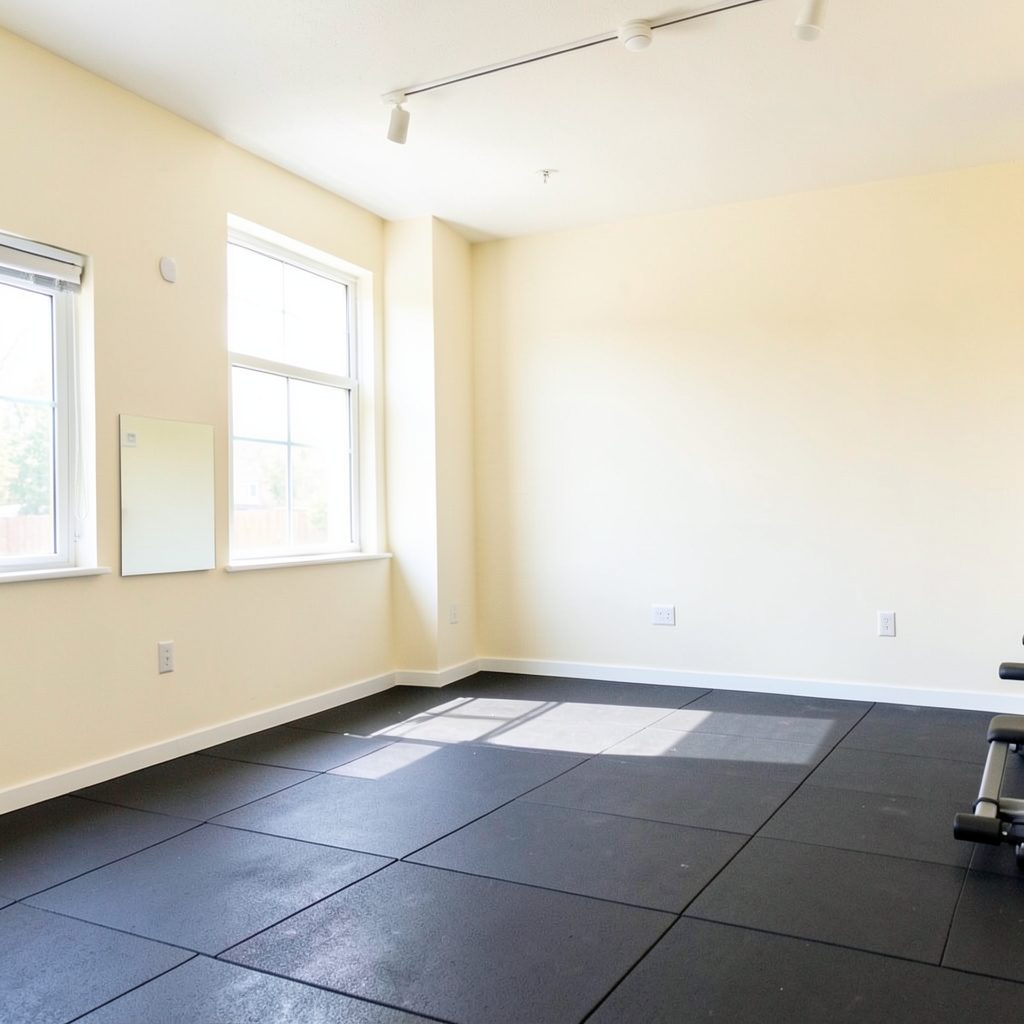
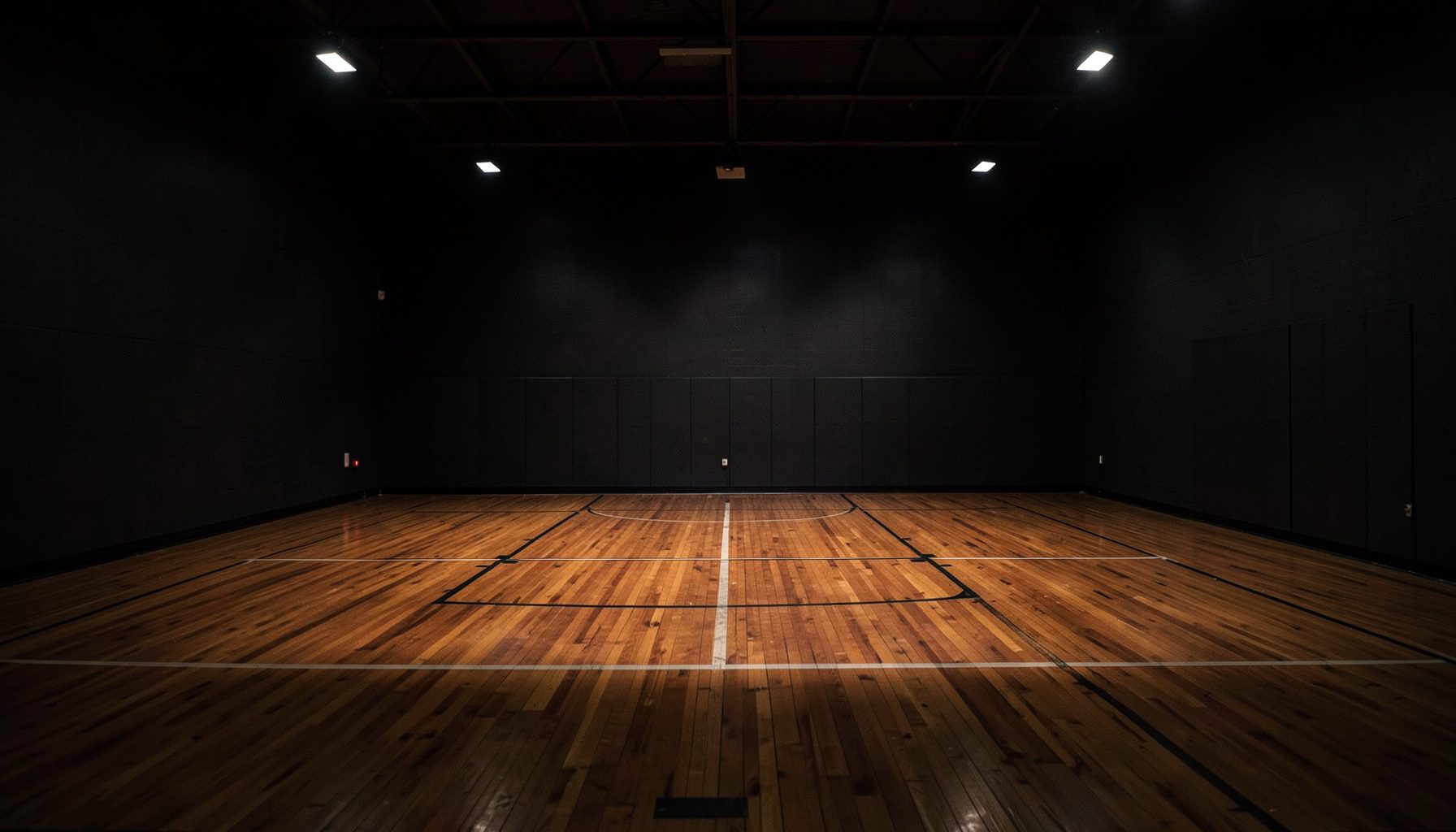
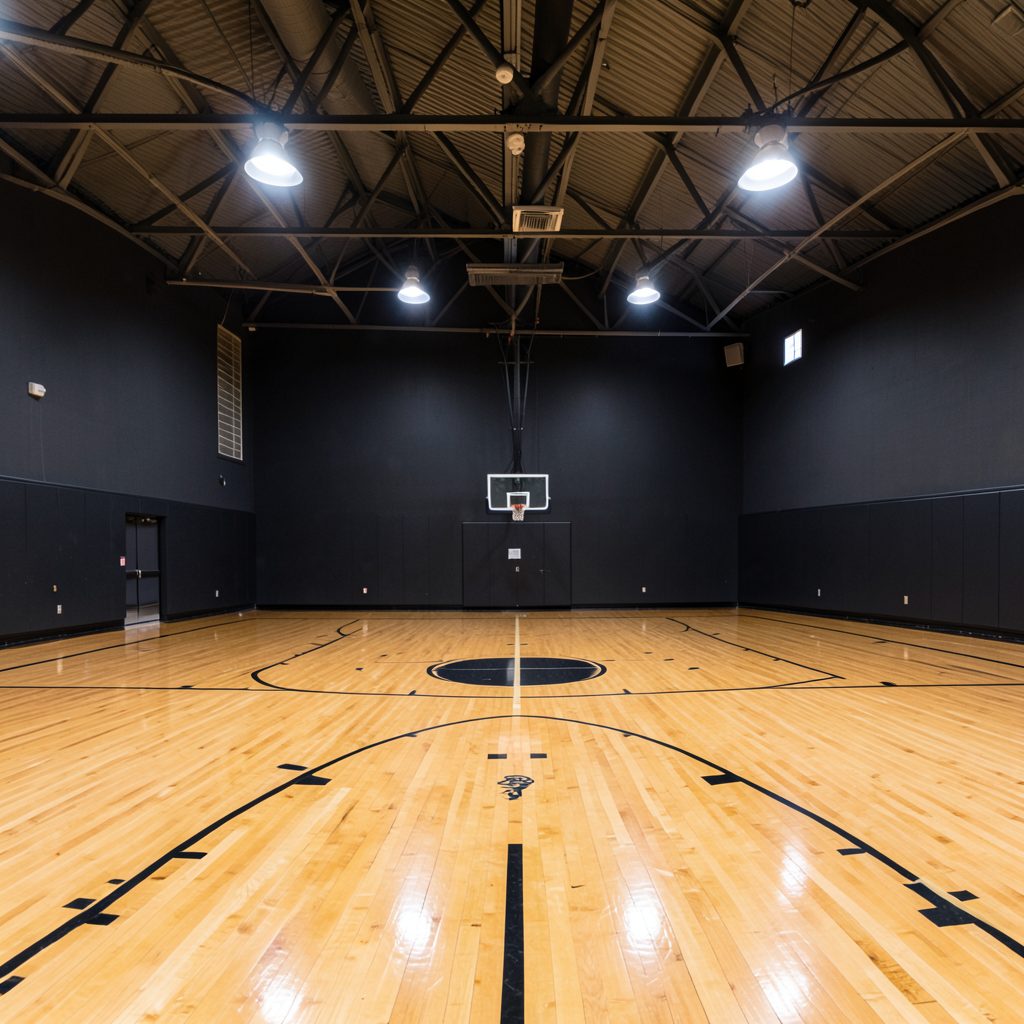
Competition gives these habits meaning. Youth leagues and structured training sessions allow players to experience different defensive styles, physical matchups, and game situations. The Factory D1 Indy’s facility gallery offers a look at the athletic environment where players can train, compete, and build confidence through repetition.
The strongest readers of the game are not always the fastest or tallest athletes. They are the players who notice changes early, stay balanced, communicate, and make the next useful decision. With age-appropriate coaching and consistent live practice, young basketball players can develop awareness that improves every part of their performance.
Bring these principles into the next training session by starting with one defensive cue, one decision-making game, and one question after each possession. Consistent practice at The Factory D1 Indy can help athletes turn observation into confident action on the court.
Inside The Factory
Three Entities, One Roof
Leagues
Eight league divisions span every age group: Indy Pro AM, 18+ Open Men's, 30+ Men's, Bite Size (ages 3–6), Impact League, 5th/6th Grade, Middle School, and High School. Gather your team and compete.
Training
Individual and group basketball training for all skill levels. Major M.O.V.E.S. Basketball Training serves ages 4–7 on Wednesday and Thursday evenings at 6:30 PM — $30 per session or $100 unlimited monthly.
Wellness & Recovery
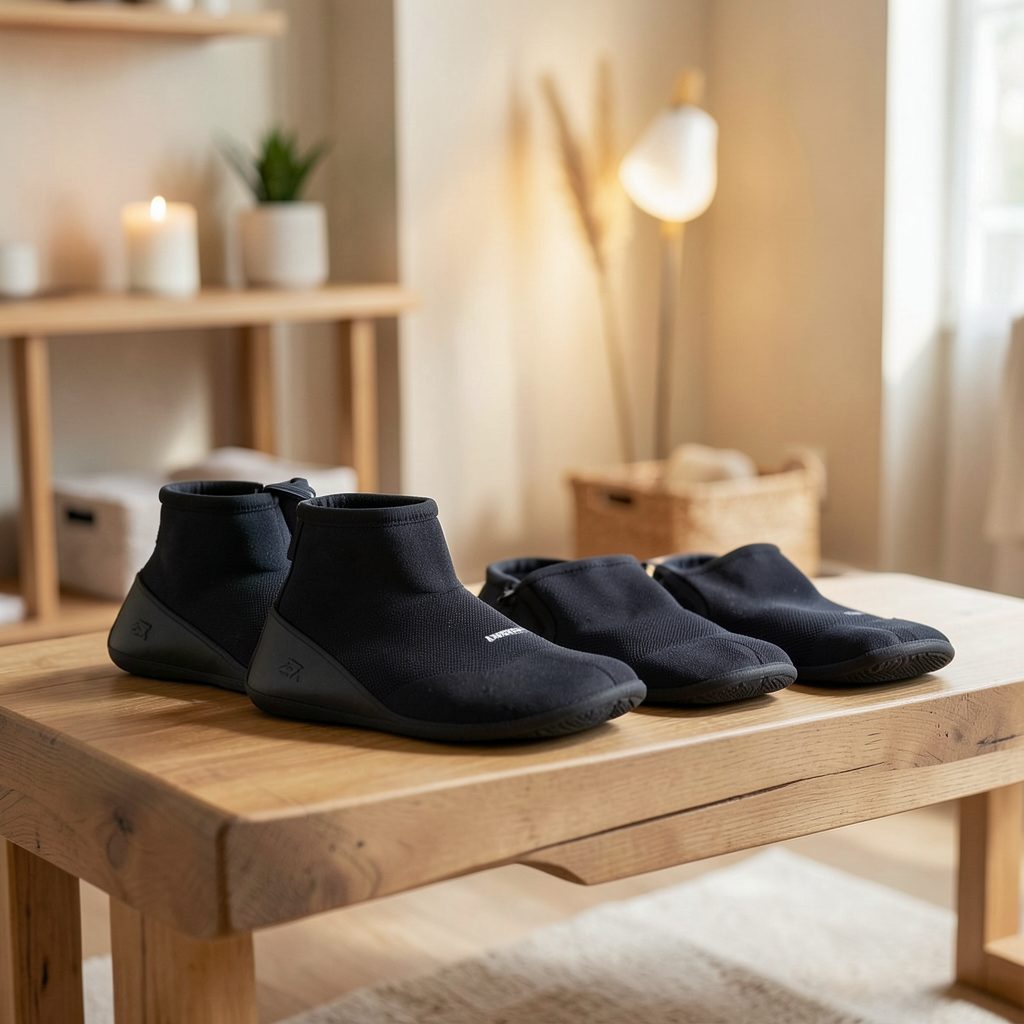
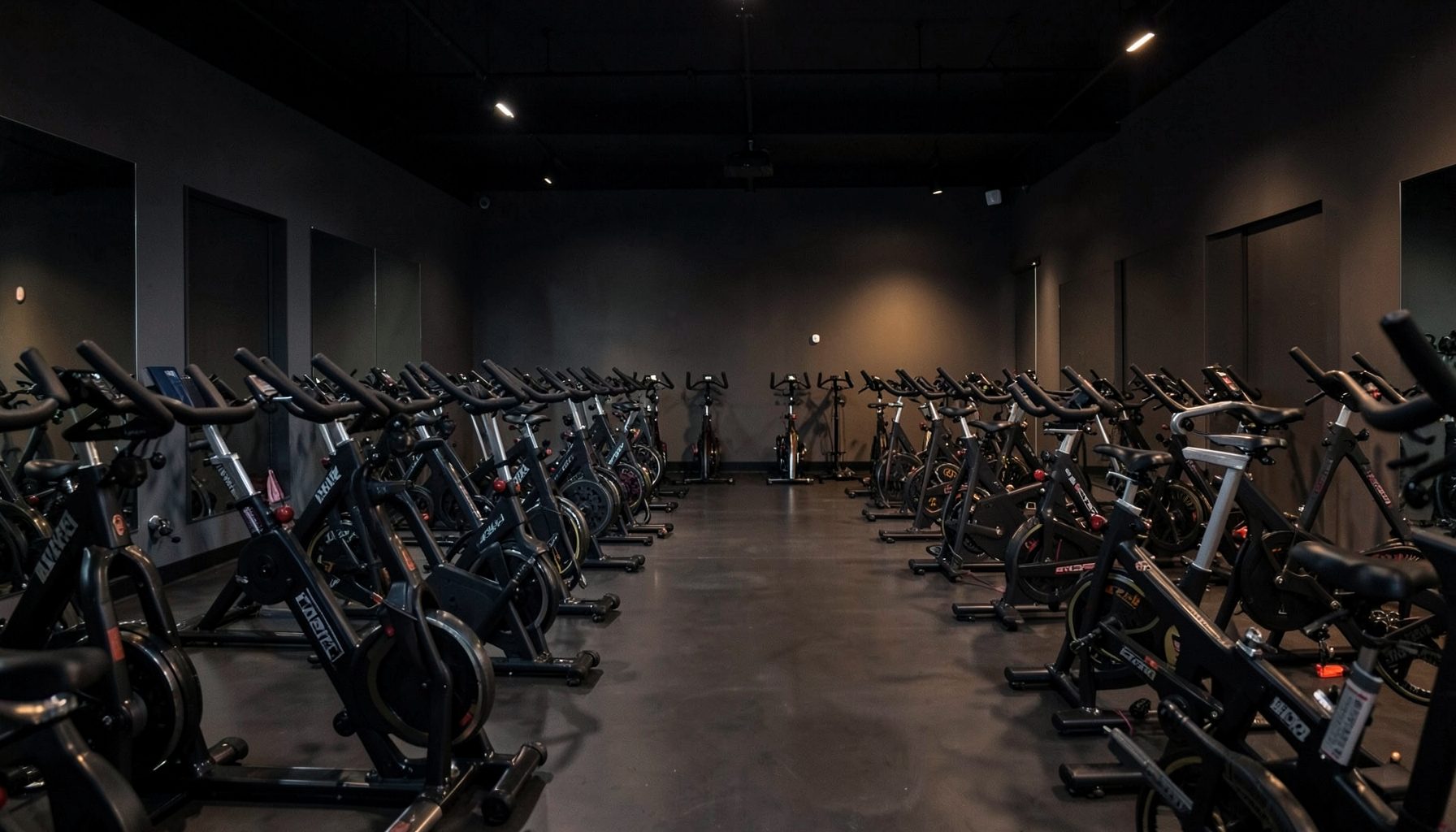
Normatec boot recovery and cryotherapy treatments help athletes bounce back faster. Cycle and spin classes add a cardio dimension to the holistic performance approach.
Have a Question?