Train. Compete. Recover.
A multi-purpose athletic facility in Speedway, Indiana — basketball leagues, skill training, and wellness services all under one roof.
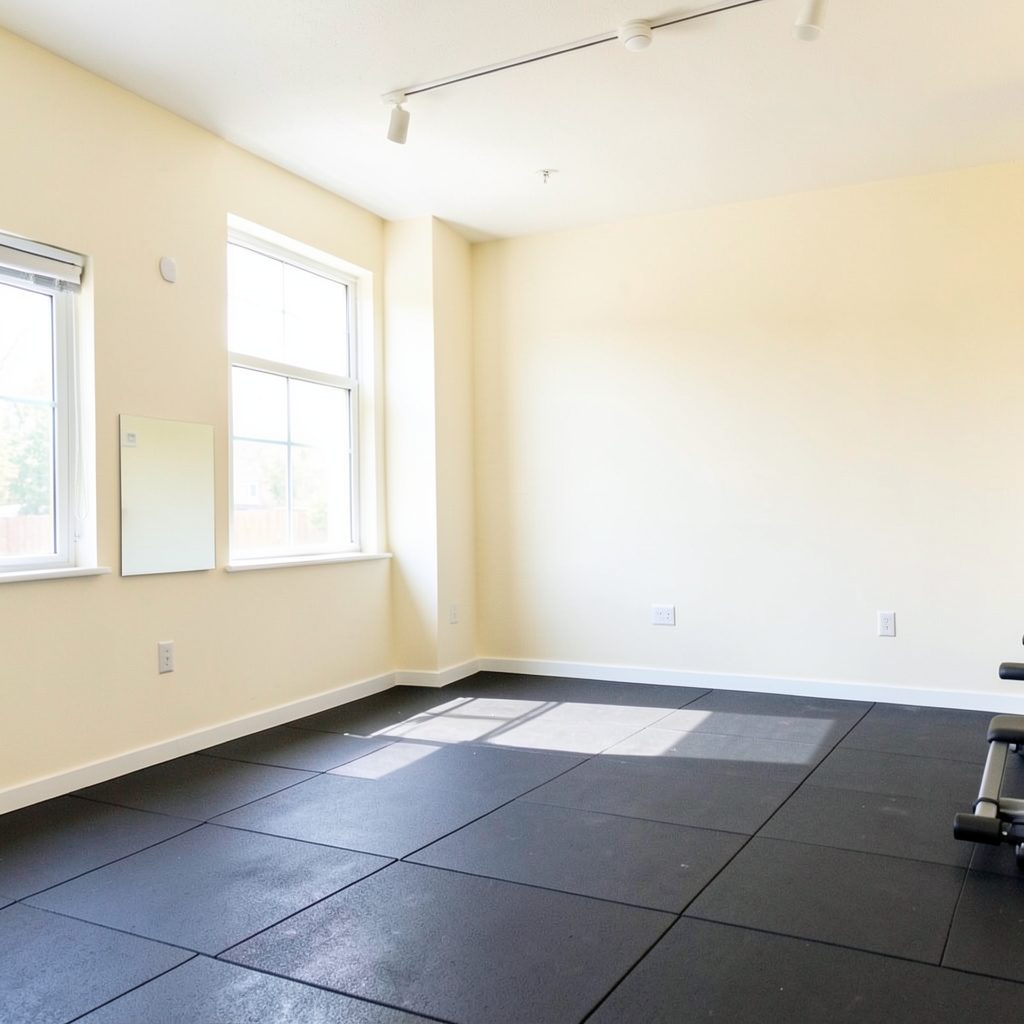
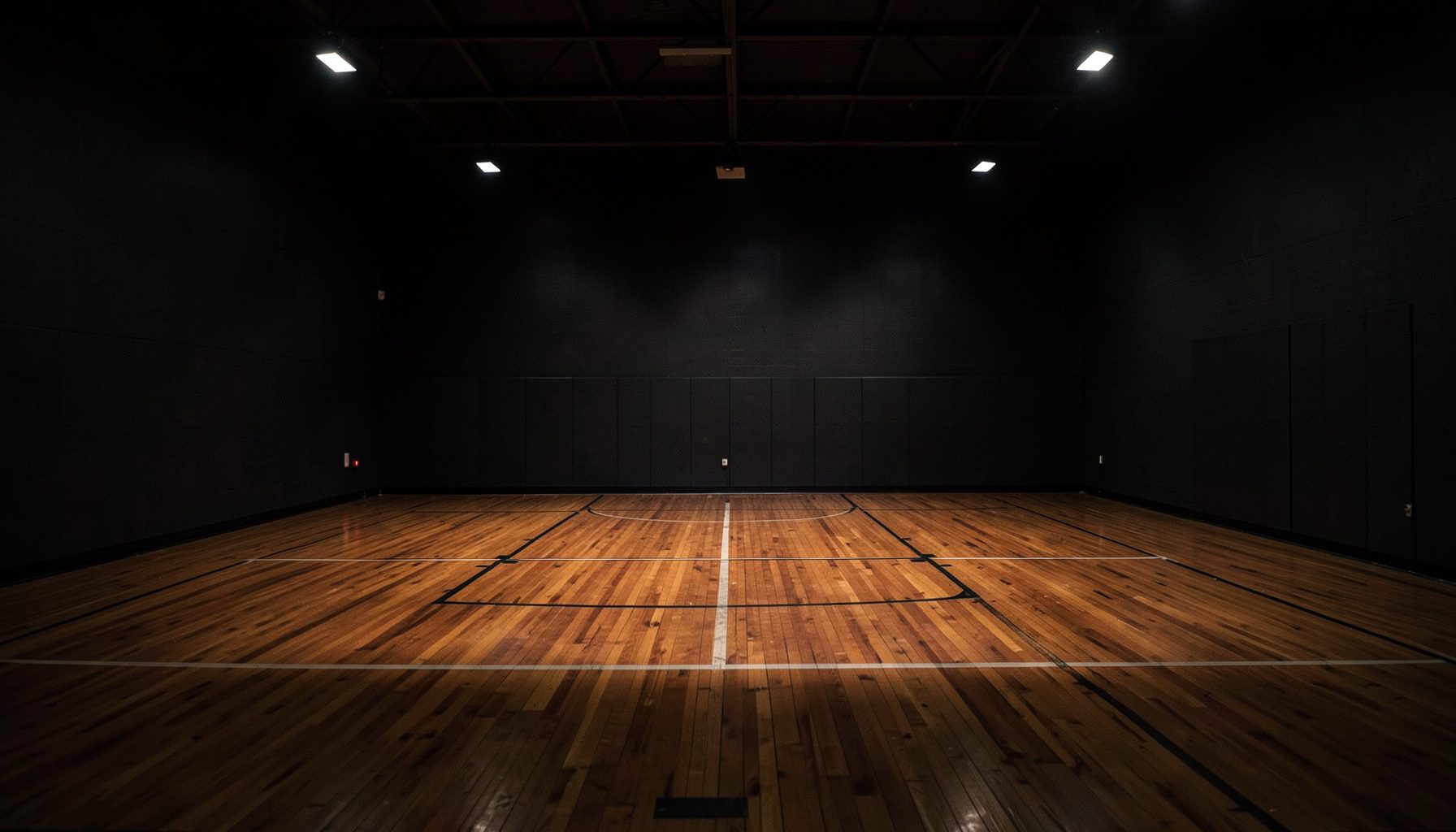
The Factory D1 Indy brings together three entities under one roof: competitive basketball leagues for all age groups, individual and group training, and wellness & recovery services including Normatec boot recovery and cryotherapy. Located off I-465 and High School Road at 6331 Crawfordsville Road, Speedway, Indiana 46224.
Get In TouchAgility Ladder Drills for Faster Basketball Footwork
Basketball is played at full speed, but successful movement depends on far more than running quickly. Players must stop under control, shift laterally, change direction, protect the ball, and stay balanced while reacting to an opponent. Strong footwork gives every position a better foundation, from a young athlete learning a defensive stance to an experienced guard creating space off the dribble.
Agility ladder drills offer a simple, flexible way to develop these movement skills. The ladder does not make an athlete faster by itself. Instead, it gives players a visual guide for practicing foot placement, rhythm, coordination, balance, and controlled acceleration. When these qualities transfer to basketball-specific actions, athletes can move with greater confidence and efficiency.
At The Factory D1 Indy, basketball training can be paired with competitive play, conditioning, and recovery. That combination matters because footwork improves through consistent repetition, while game experience teaches athletes when to apply those movements under pressure.
Why Footwork Drives Basketball Performance
Every basketball action begins with the feet. A player who receives a pass, attacks the rim, contests a shot, or closes out on defense must establish a stable base before the upper body can respond effectively. Poor foot placement often leads to traveling violations, off-balance passes, slow defensive reactions, or unnecessary steps when changing direction.
Agility ladder training improves proprioception, which is the body’s awareness of its position in space. Players learn to recognize where their feet are landing and how their weight is shifting. This awareness supports better coordination between the hips, knees, ankles, and core, helping athletes stay prepared for the next movement.
Quick feet are useful, but quick feet without control can create problems. Basketball requires repeated acceleration and deceleration, so players need to absorb force and regain balance as well as move rapidly. Ladder exercises provide a low-impact setting for rehearsing these transitions before adding a defender, a ball, or a competitive decision.
Skills Agility Ladder Work Can Develop
The most effective ladder sessions connect each pattern to a basketball purpose. A two-feet-in drill can teach rhythm and controlled weight transfer. Lateral entries can reinforce defensive slide mechanics. In-and-out patterns can prepare an athlete to shift from a square stance into a drive or recovery step.
Common movement qualities developed through ladder work include:
- Lateral quickness for defensive slides and help-side rotations
- Single-leg balance for pivots, jump stops, and finishing
- Hip mobility for opening and closing the stance
- Coordination during crossover steps and direction changes
- Acceleration after a controlled stop
- Reaction speed when responding to a visual or verbal cue
Coaches should emphasize quiet landings, bent knees, an active core, and eyes up whenever possible. Players who stare at their feet may complete the pattern but fail to develop the awareness needed in a game. Once a movement becomes familiar, the drill should include a pass, dribble, shot, or reaction signal.
Age and experience should guide the level of complexity. Younger players benefit from simple patterns that build confidence and body control. Advanced athletes can combine ladder movements with closeouts, ball handling, partner mirrors, or timed decisions. For families weighing competitive opportunities, choosing a basketball league can help match game demands with an athlete’s current development.
Match The Drill To The Basketball Skill
A ladder should be treated as a training tool, not a finish line. Performing a pattern at maximum speed while losing posture teaches poor habits. Coaches can begin with precise foot placement, then increase tempo only after the athlete demonstrates balance and control.
The progression below connects common ladder movements with practical basketball applications. Each drill can be completed for several repetitions, followed by a short recovery period. Quality should remain consistent from the first repetition to the last.
| Ladder movement | Primary focus | Basketball transfer |
|---|---|---|
| Two feet in each square | Rhythm and coordination | Establishing a balanced base |
| One foot in each square | Step speed and posture | Quick adjustment steps |
| Lateral two-feet-in | Hip control and side movement | Defensive slides and closeouts |
| In-in-out-out | Weight transfer | Creating space and changing direction |
| Ickey shuffle | Coordination and lateral agility | Crossover movement and recovery |
| Single-leg hops | Balance and ankle stability | Landing, pivots, and finishing |
| Forward sprint out | Acceleration | Beating a defender or starting a fast break |
After a ladder pattern, athletes should perform a related basketball action. For example, a lateral drill can finish with a defensive closeout, while an in-and-out pattern can lead into a crossover and jump shot. This pairing helps the nervous system connect foot speed with decision-making rather than treating the ladder as an isolated conditioning exercise.
Build A Progressive Training Session
A useful agility session begins with a dynamic warm-up. Light jogging, skips, hip mobility, ankle movements, and controlled lunges prepare the joints and increase body temperature. Players can then complete one or two low-speed ladder patterns to establish technique before progressing to faster work.
The middle of the session may include three or four drills performed for 10 to 20 seconds or a set number of repetitions. Rest intervals should be long enough for athletes to maintain sharp movement. Coaches can add a reaction cue by calling “left,” “right,” “back,” or “sprint,” requiring players to respond immediately after exiting the ladder.
The final phase should transfer footwork into the sport. Options include defensive slides into a closeout, ladder-to-dribble combinations, short shuttle runs, or a one-on-one possession. This approach reinforces the idea that agility is valuable because it improves basketball performance, not simply because it produces a faster training time.
Avoid Common Ladder Training Mistakes
One frequent mistake is prioritizing speed over mechanics. Players may rush through the squares, cross their feet when they should remain square, or allow their knees to collapse inward. Coaches should slow the drill down, correct the movement, and then rebuild pace gradually.
Another issue is using the same pattern every session. Repetition is valuable during early learning, but athletes need varied directions and stimuli to improve adaptable movement. Forward, lateral, diagonal, and backward patterns can be combined with visual cues, partner pressure, and ball work.
A third mistake is assuming ladder drills replace strength, jumping, sprinting, or live defensive practice. Ladder work develops coordination and foot speed, but it should complement a complete basketball program. Athletes also need lower-body strength, braking ability, ankle stability, and opportunities to make decisions against real opponents.
Recommendations For Effective Ladder Work
- Start with posture and precise foot placement before increasing tempo.
- Keep repetitions short enough that technique remains clean.
- Pair every ladder pattern with a basketball movement or decision.
- Use both dominant and non-dominant directions to reduce imbalances.
- Progress from planned patterns to reaction-based drills and live play.
Training frequency should reflect the athlete’s age, schedule, and overall workload. Two brief sessions each week may be enough for a developing player when ladder exercises are included within a broader practice. Competitive athletes can use them more often, but high-intensity footwork should be balanced with rest and recovery.
Recovery also supports the quality of future movement. After games or demanding training, services such as Normatec recovery therapy can complement hydration, sleep, mobility work, and proper nutrition. The goal is to help athletes return ready to move well rather than simply adding more work to an already tired body.
Turn Footwork Into A Competitive Advantage
Ladder drills become most valuable when athletes understand the connection between a pattern and a game moment. A quick lateral step can prevent a drive. A controlled stop can create space for a pull-up shot. A balanced landing can lead to a strong pivot instead of a turnover. Coaches should explain these connections so players train with purpose.
At The Factory D1 Indy, athletes can develop these skills through individual instruction, group basketball training, youth programs, and leagues for multiple age levels. Competition gives players a setting to test their footwork against real timing, pressure, and unpredictable movement, while conditioning and wellness resources support a complete training routine.
Bring agility ladder work into your next basketball session, then connect it to defensive slides, ball handling, finishing, and live competition at The Factory D1 Indy. Consistent, purposeful repetitions can help athletes move more efficiently, react faster, and build the footwork foundation that strengthens every part of their game.
Inside The Factory

Three Entities, One Roof
Leagues
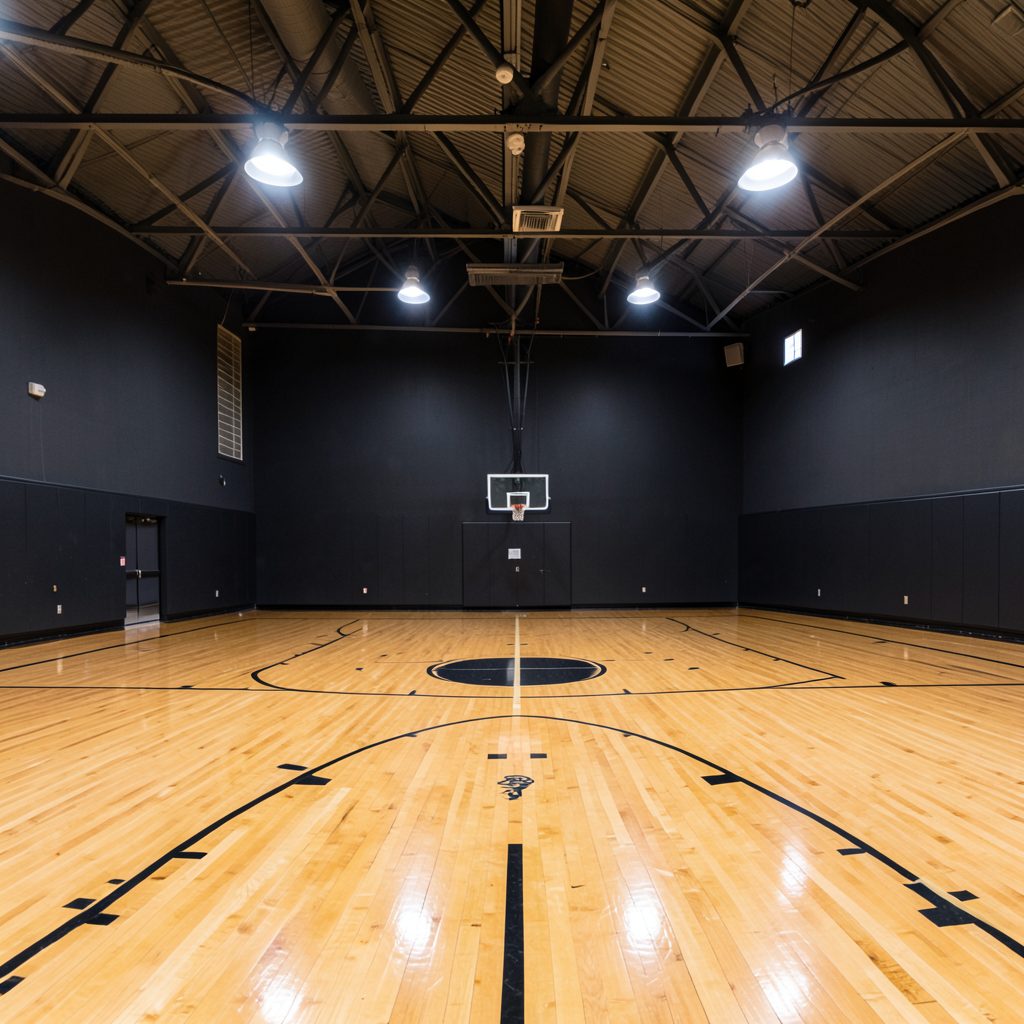
Eight league divisions span every age group: Indy Pro AM, 18+ Open Men's, 30+ Men's, Bite Size (ages 3–6), Impact League, 5th/6th Grade, Middle School, and High School. Gather your team and compete.
Training
Individual and group basketball training for all skill levels. Major M.O.V.E.S. Basketball Training serves ages 4–7 on Wednesday and Thursday evenings at 6:30 PM — $30 per session or $100 unlimited monthly.
Wellness & Recovery
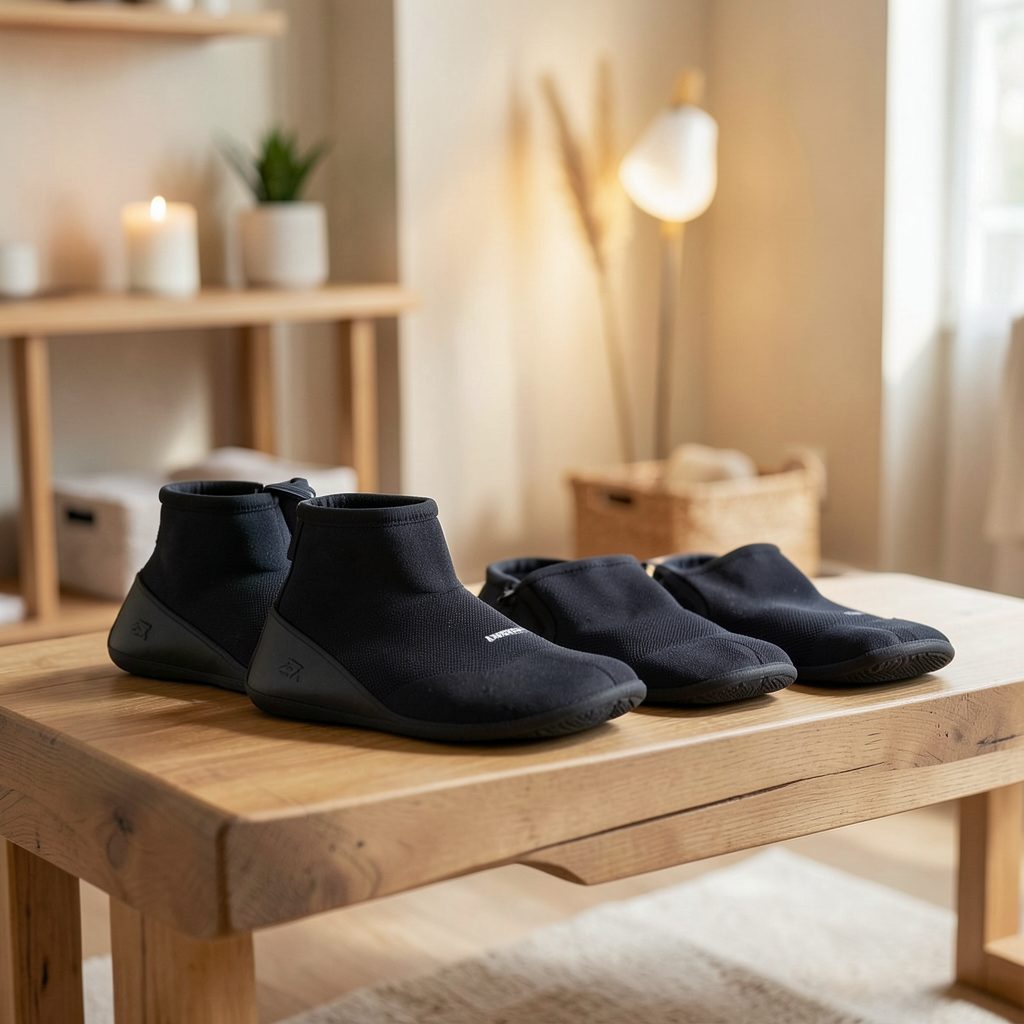
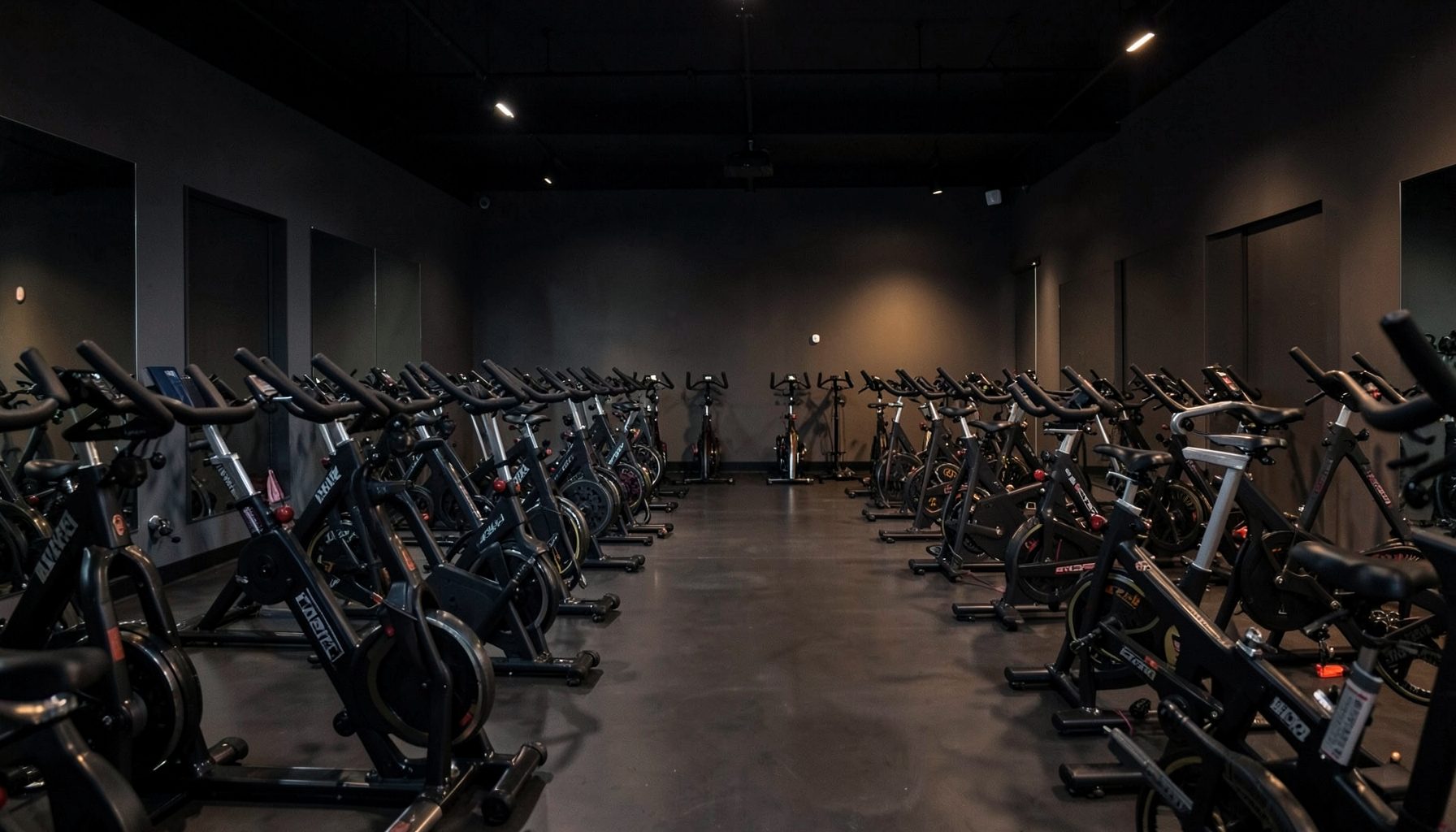
Normatec boot recovery and cryotherapy treatments help athletes bounce back faster. Cycle and spin classes add a cardio dimension to the holistic performance approach.
Have a Question?