Train. Compete. Recover.
A multi-purpose athletic facility in Speedway, Indiana — basketball leagues, skill training, and wellness services all under one roof.
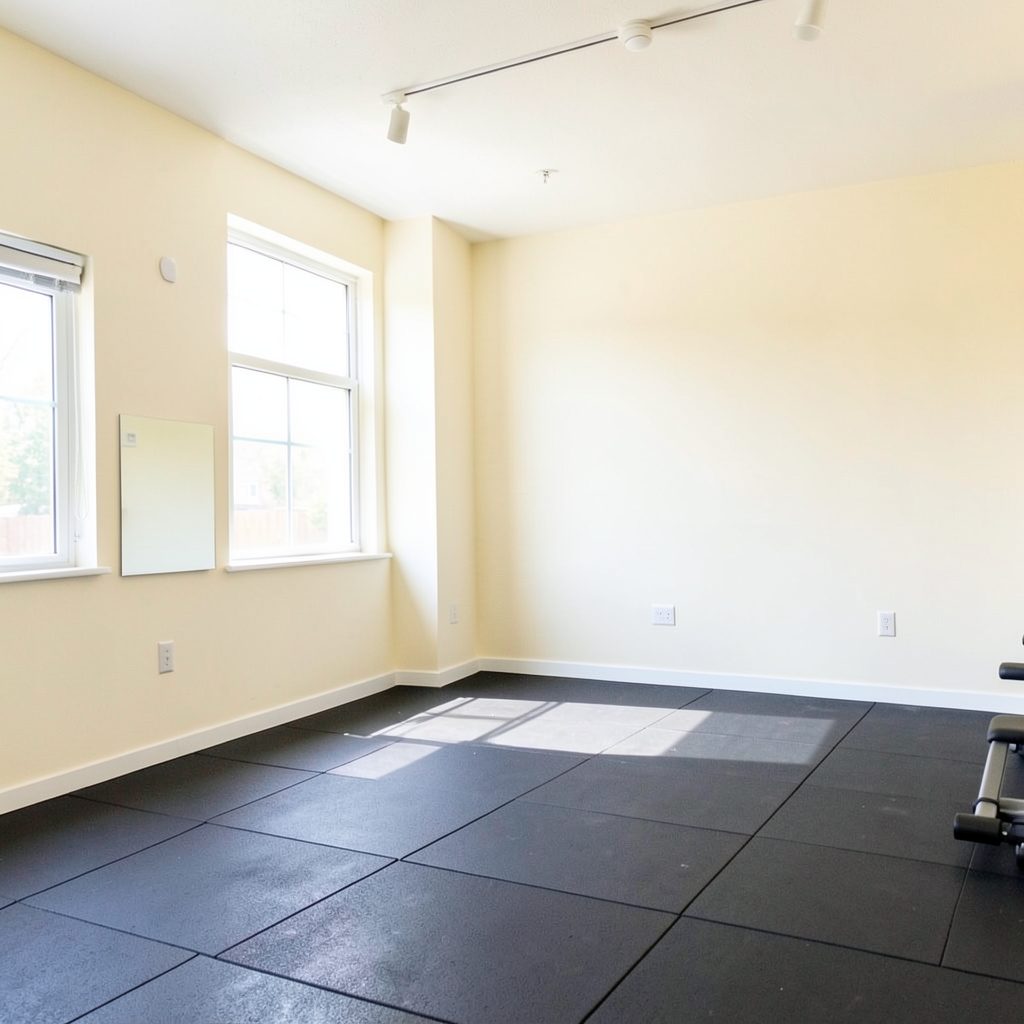
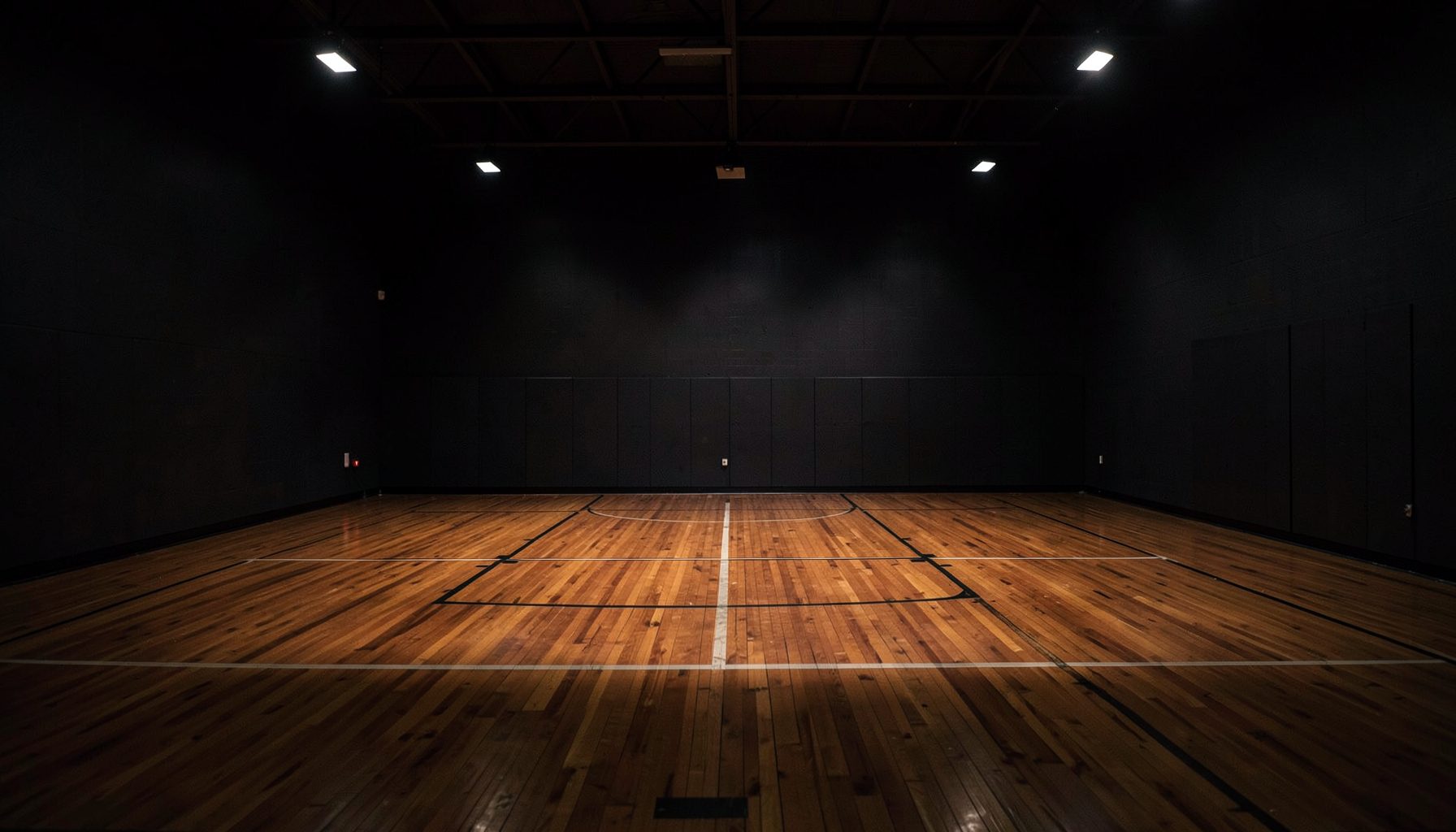
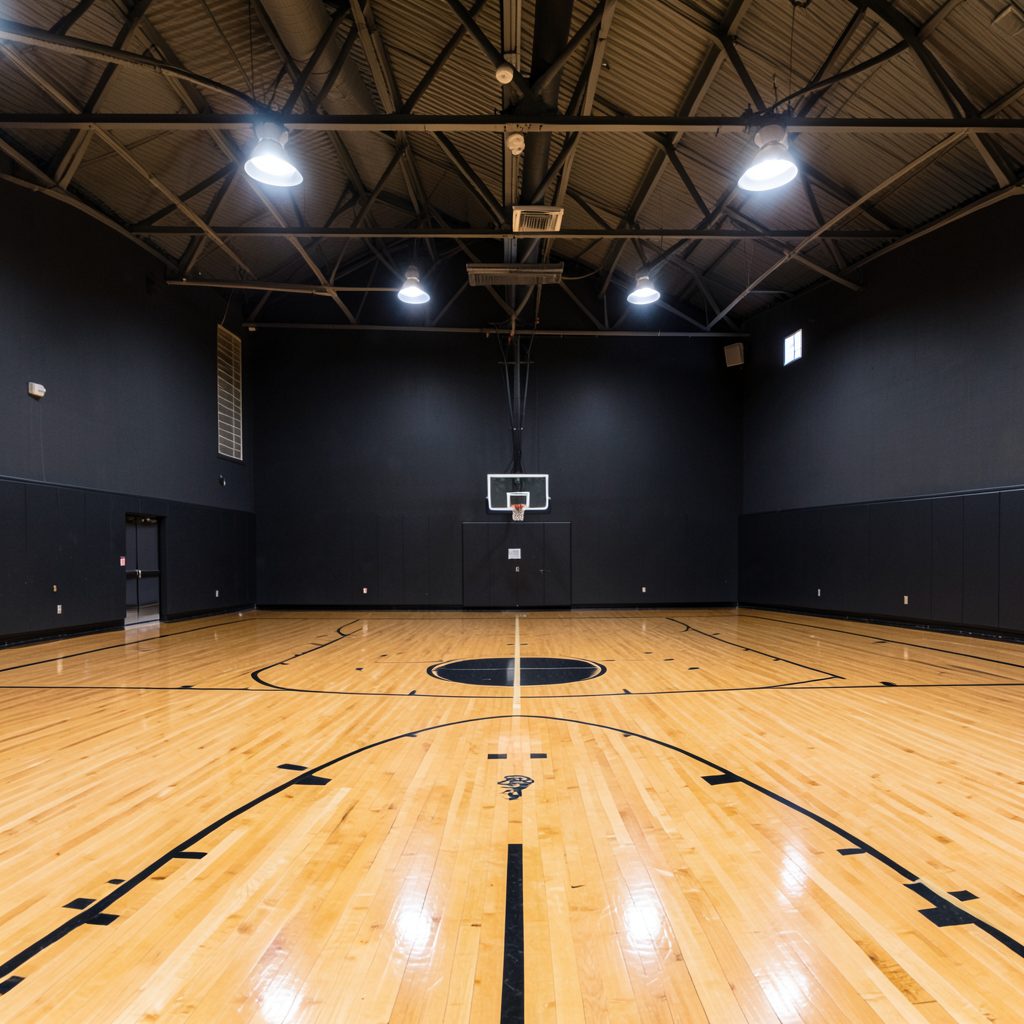
The Factory D1 Indy brings together three entities under one roof: competitive basketball leagues for all age groups, individual and group training, and wellness & recovery services including Normatec boot recovery and cryotherapy. Located off I-465 and High School Road at 6331 Crawfordsville Road, Speedway, Indiana 46224.
Get In TouchWhy jump rope drills strengthen basketball conditioning
Jump rope drills can feel deceptively simple, yet they pack a useful conditioning package into a short session. The benefits of adding jump rope drills to basketball conditioning include stronger calves and feet, better coordination and the ability to keep moving at a high tempo. For players who run, pivot and jump repeatedly, that combination is highly relevant.
Basketball demands short accelerations, sudden stops, changes of direction and repeated elevation. Rope work develops cadence and lower-leg endurance without reproducing every impact of a full-court drill. Used alongside court conditioning, it can help athletes preserve movement quality as fatigue builds.
Australian players train in varied settings, from community courts in Melbourne and Sydney to air-conditioned indoor venues in Brisbane during hot or humid weather. Ropes are portable, inexpensive and easy to rotate through warm-ups, prehabilitation sessions and team circuits, fitting the way many clubs and families already use school drop-offs, local gyms and weekend competitions.
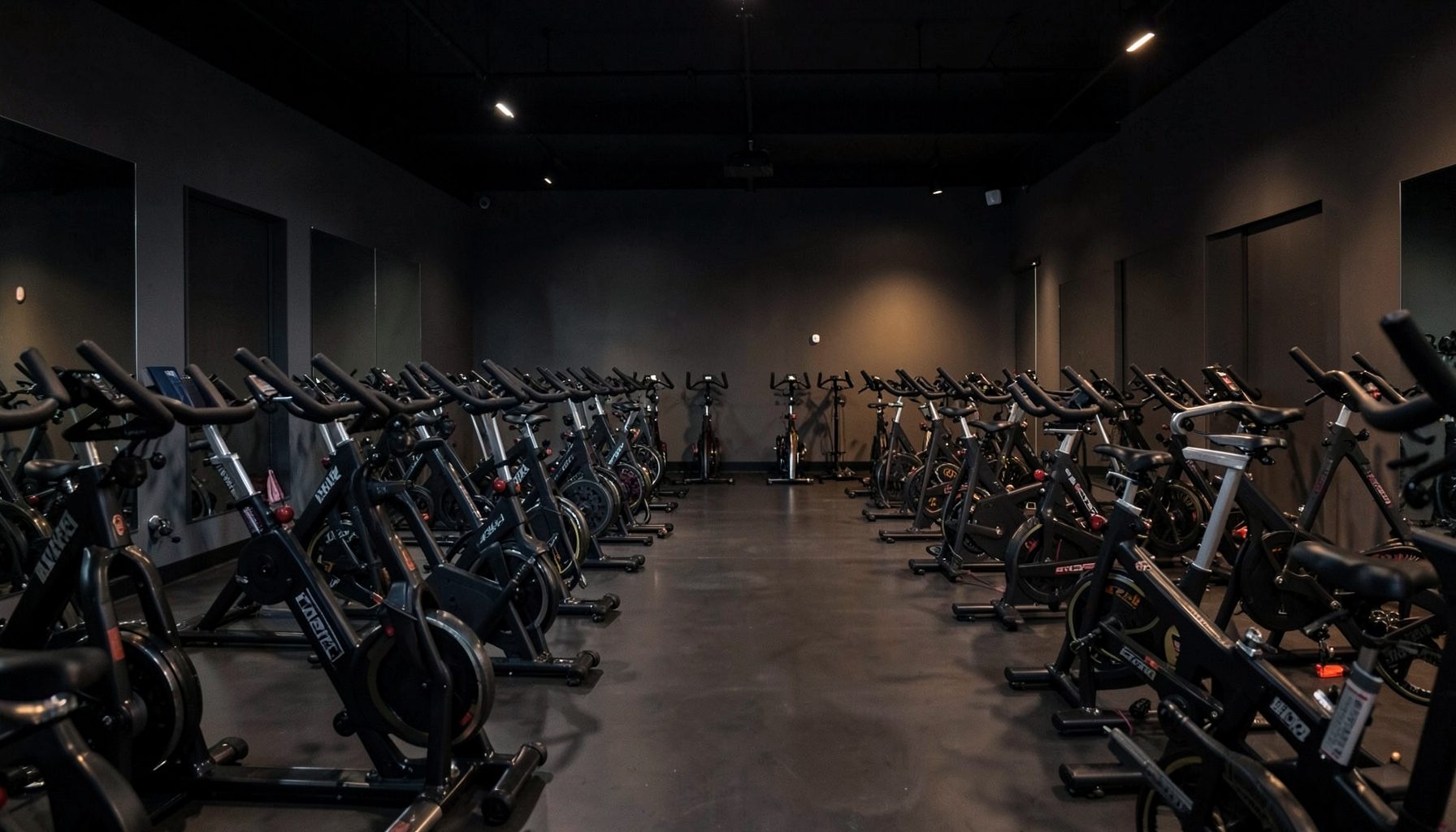
At The Factory D1 Indy in Speedway, Indiana, basketball conditioning can be paired with individual skills training, age-based leagues, cycle classes, Normatec compression and cryotherapy. This creates a sensible progression: build the movement capacity, apply it on court, then support recovery before the next session.
Build rhythmic lower-body endurance
Basic two-foot skipping raises the calf and plantar-flexor demand while teaching the body to land rhythmically. Continuous sets develop aerobic patience and movement economy, qualities that can support repeated transition runs later in practice or a game. The aim is not to tire players unnecessarily, but to make their footwork feel controlled when intensity rises.
Two-foot hops, single-leg skips and split-step patterns add variation. Short bouts of 20–40 seconds can challenge ankle stiffness, calf strength and postural control without requiring a full court. As skill improves, athletes may extend the work interval or reduce rest while keeping landings quiet and knees aligned over the feet.
Skip rope work also offers a low-equipment option for individual training. A single rope can provide enough variation for coordination, calf capacity, general conditioning and mental focus. For teams, several inexpensive ropes allow stations in a circuit, although footwear, floor spacing and a clear landing area still matter.
Sharpen coordination and reactive control
Coordination is the link between clean mechanics and faster decision-making. Alternating-foot patterns train the feet to organise themselves quickly, while different tempos challenge the athlete’s ability to maintain rhythm. That precision carries into ball handling because both require timing, balance and an ability to adjust without wasting movement.
Reactive skipping can add a visual or auditory cue: change feet when a coach calls a colour, reverse direction on a signal or stop on command. These drills resemble basketball’s need to absorb information and react, although coaches should keep the rules simple enough that the athlete remains focused on technique rather than confusion.
Neuromuscular control improves as the athlete stabilises the ankle, foot and knee through each landing. Better proprioception can support balance, cutting and close control, especially when the body is fatigued. It does not replace strength training or change-of-direction work, but it provides a focused way to rehearse those positions at speed.
Match the load to age and ability
Children need an especially conservative approach because growth, attention and previous exposure differ widely. Begin with playful patterns, manageable intervals and plenty of praise rather than chase speed or complex foot combinations. The Factory D1 Indy’s guidance on early specialisation supports keeping young athletes in broad, varied activities while they discover which skills they enjoy.
For teenagers and adults, programming can reflect the competitive calendar. A pre-season block might emphasise calf capacity, coordination and repeated hops; during the season, shorter rope sets can serve as a warm-up or finisher. In the off-season, the focus may shift toward unilateral control, movement quality and general work capacity.
Australian activity guidelines recommend an average of 60 minutes of moderate-to-vigorous daily activity for children and adolescents, while adults are generally encouraged to build toward 150–300 minutes of moderate activity each week. Jump rope can contribute to that total, but it should complement active play, sport and other fitness habits rather than replace them.
Comparing rope work with court drills
Neither format should completely replace the other. Jump rope is particularly useful for isolated coordination, calf endurance and repeated skipping mechanics. Court drills better reproduce dribbling decisions, angled running, closeouts and basket-specific loading.
The comparison below helps coaches select the right tool for a session goal rather than treating every drill as interchangeable.
| Conditioning aim | Rope variation | Court-based option | Main transfer |
|---|---|---|---|
| Lower-leg endurance | Continuous two-foot skipping | Repeated transition sprints | Tolerates more foot contacts |
| Footwork precision | Alternating-foot patterns | Cone dribbling | Keeps the feet organised |
| Landing control | Quiet two-foot hops | Lay-up and rebound drills | Rehearses stable force absorption |
| Anaerobic readiness | Short, high-tempo sets | Small-sided games | Builds work capacity under pressure |
| Movement decisions | Cue-based skipping | Reaction ball handling | Trains attention and adaptation |
Progress volume without losing control
Start with the rope length and workload that allow clean form. A common fit check is to stand on the middle of the rope: when the handles are held in front of the body, they should reach roughly the armpits. Australian sports retailers and online marketplaces stock adjustable and speed ropes, allowing clubs to match equipment to age and budget. Beginners can begin with three sets of 20–30 seconds and rest for 30–45 seconds, adding time only when technique remains steady.
Double unders, lateral hops and high-knee patterns increase impact and coordination demands. Introduce them separately, not all at once. Coaches should watch for knee collapse, excessive arm movement, shortened landings or a stiff ankle, and should reduce the set when quality drops. Progressiveness protects tendon capacity and makes adaptation easier to track.
Recovery should match the load. Gentle mobility, hydration and an easy walk may be enough after a short technical session, while hard conditioning can benefit from planned rest and recovery services. Facilities can also look beyond the court to partners such as WL Energy when designing broader athlete-care support, with access to compression or temperature-based recovery considered according to individual needs.
Coach well in real training environments
Clear cues make rope sessions safer and more productive. Ask players to jump quietly, keep the shoulders relaxed, turn the wrists rather than swinging the arms and look ahead rather than down at the rope. A quiet landing and balanced knee position show that speed is being controlled rather than forced.
Australian conditions require flexibility. In Melbourne, a change in weather can move a session indoors; in Sydney or Brisbane, heat and humidity may make long rope sets uncomfortable. Offer water breaks, rotate players through work and recovery, and move vigorous drills to a cooler time when courts are outdoors.
Coaches should also comply with ordinary Australian privacy duties when recording attendance, injury notes or player images. Covered clubs and service providers must handle personal information consistently with the Privacy Act 1988 and the Australian Privacy Principles. Clear consent, limited access and secure storage matter just as much as the conditioning plan.
Make the work transferable to the court
The value of jump rope comes from what follows it. Pair a skipping set with a movement screen, then progress to a reactive footwork or ball-handling task. Players should retain the same posture, cadence and balance they built with the rope, making the transfer to acceleration, defensive slides and jump shots easier to feel.
Measure more than repetitions. Record interval times, perceived effort, landing quality and how quickly players recover between sets. A simple weekly note can reveal whether calf endurance, coordination or confidence is improving. It also helps coaches adjust volume for players returning from injury, although medical clearance and individualised rehabilitation remain essential.
Book an individual or group conditioning session at The Factory D1 Indy and ask for a jump-rope progression matched to the athlete’s age, position and competition load.
Inside The Factory

Three Entities, One Roof
Leagues
Eight league divisions span every age group: Indy Pro AM, 18+ Open Men's, 30+ Men's, Bite Size (ages 3–6), Impact League, 5th/6th Grade, Middle School, and High School. Gather your team and compete.
Training
Individual and group basketball training for all skill levels. Major M.O.V.E.S. Basketball Training serves ages 4–7 on Wednesday and Thursday evenings at 6:30 PM — $30 per session or $100 unlimited monthly.
Wellness & Recovery
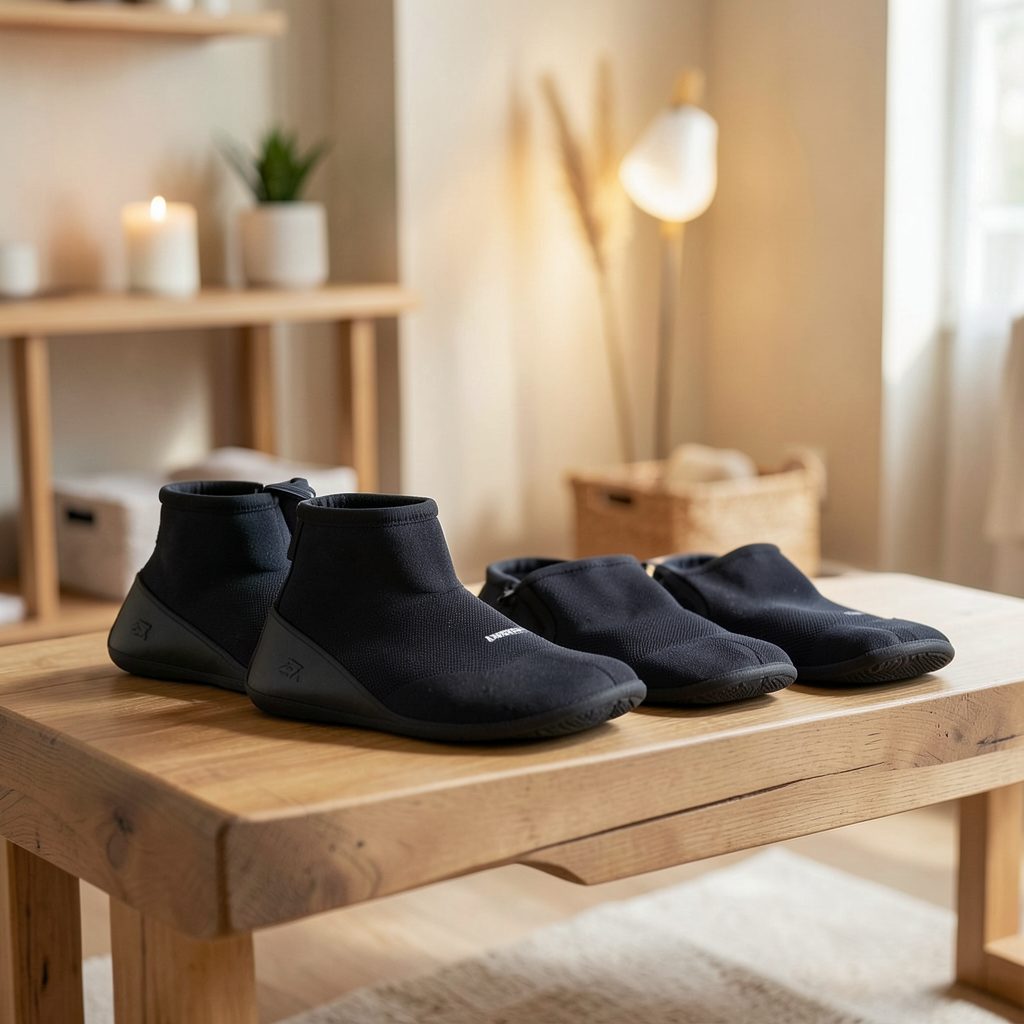
Normatec boot recovery and cryotherapy treatments help athletes bounce back faster. Cycle and spin classes add a cardio dimension to the holistic performance approach.
Have a Question?