Train. Compete. Recover.
A multi-purpose athletic facility in Speedway, Indiana — basketball leagues, skill training, and wellness services all under one roof.
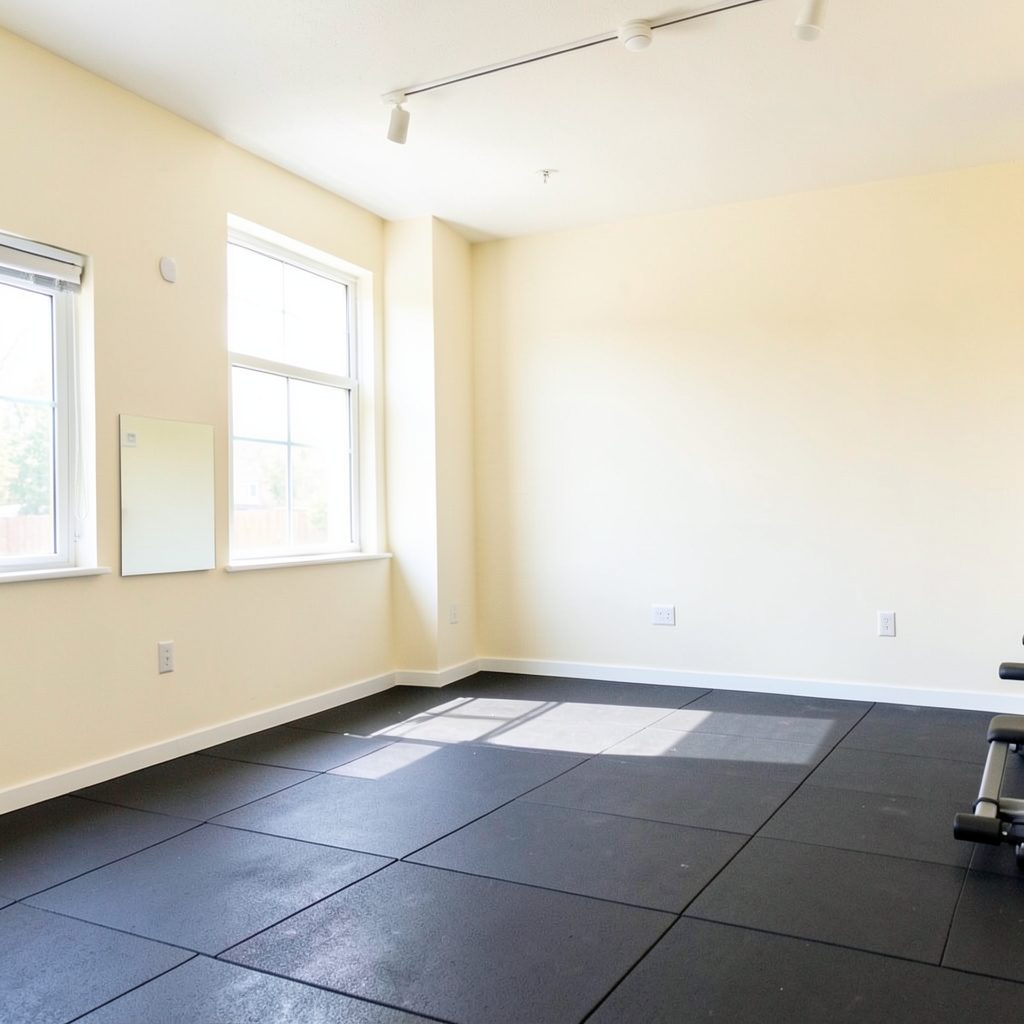
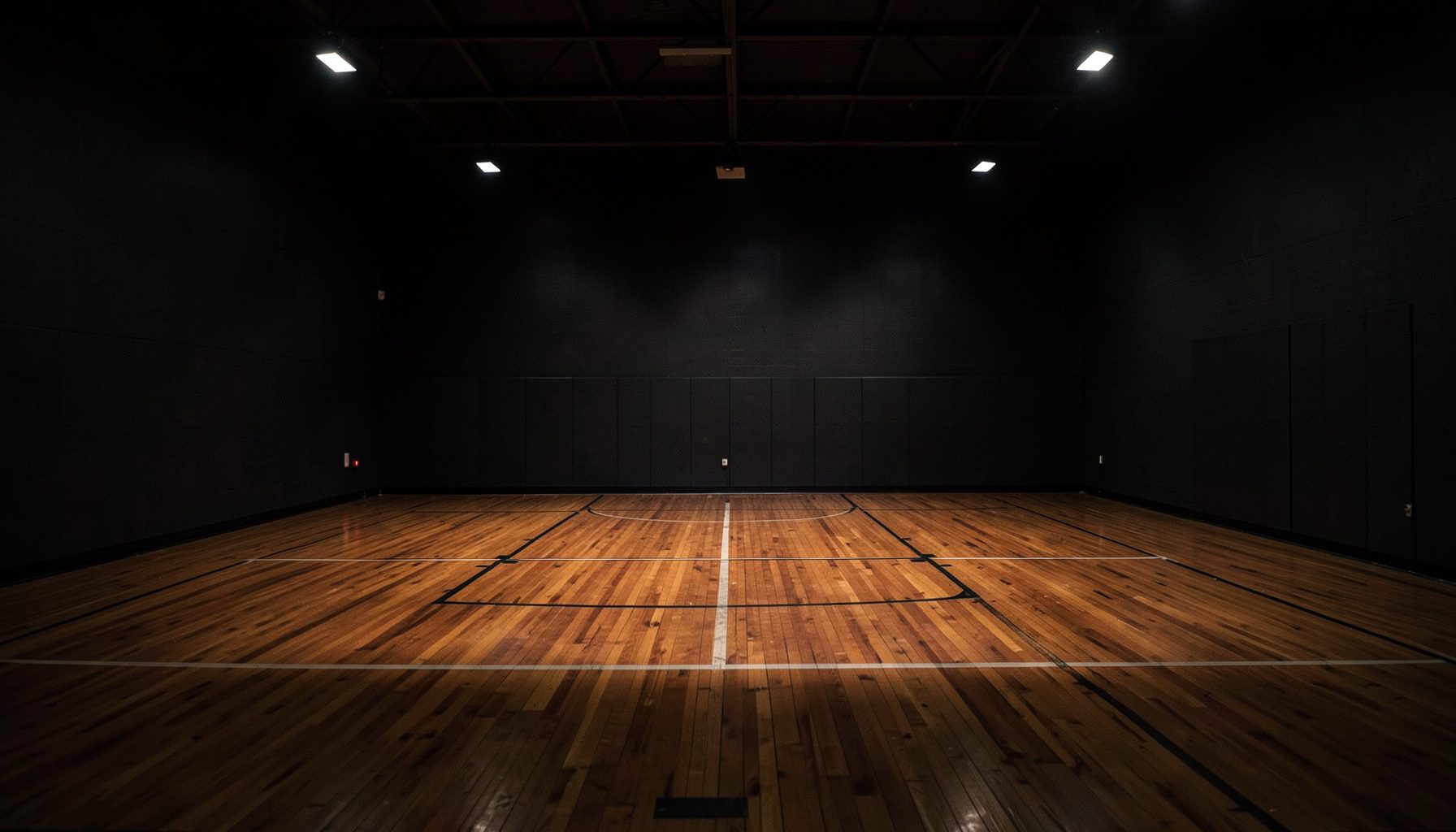
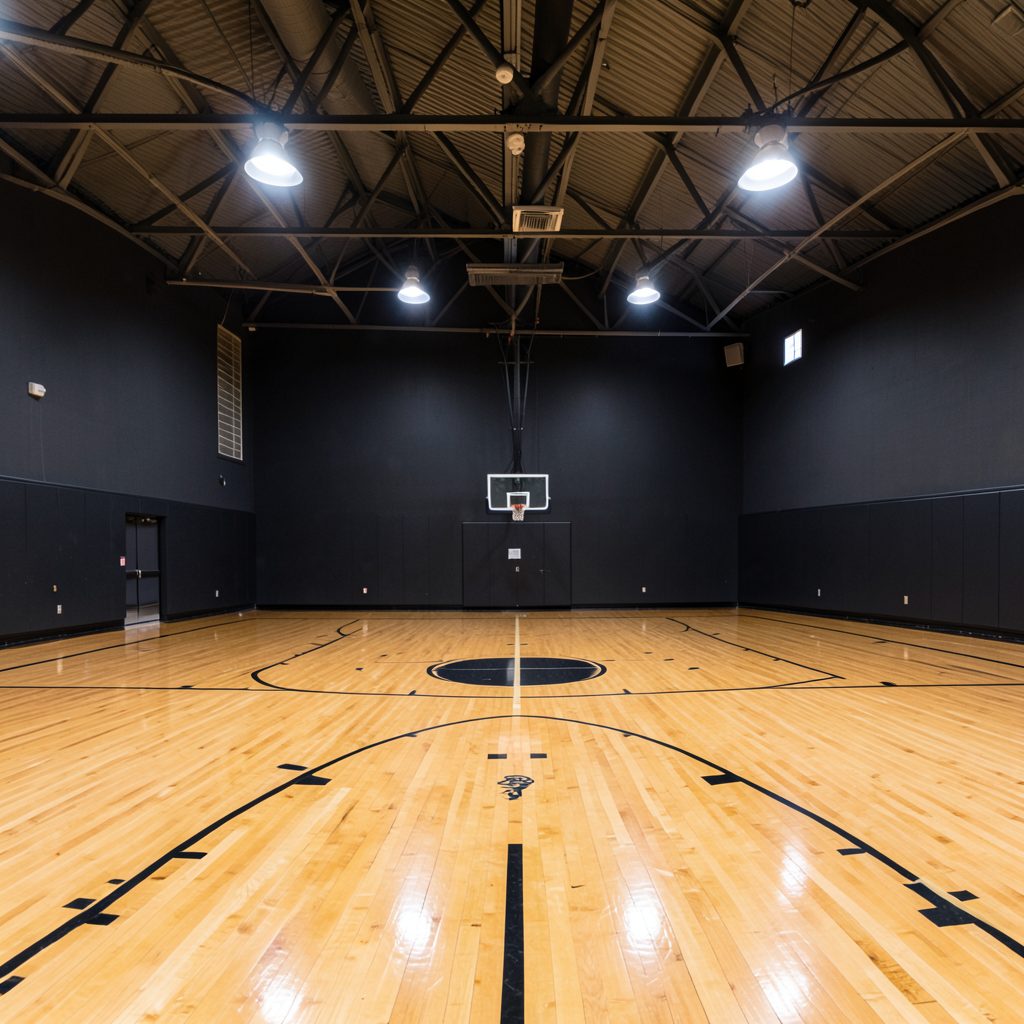
The Factory D1 Indy brings together three entities under one roof: competitive basketball leagues for all age groups, individual and group training, and wellness & recovery services including Normatec boot recovery and cryotherapy. Located off I-465 and High School Road at 6331 Crawfordsville Road, Speedway, Indiana 46224.
Get In TouchWhy young athletes need variety before specialization
Youth sports can give children confidence, friendships, discipline, and a healthy relationship with movement. Basketball, soccer, swimming, gymnastics, and other activities each develop different physical skills while helping young athletes discover what they enjoy. The early years should create a broad athletic foundation rather than lock a child into one narrow path.
Specializing too early means focusing on one sport, position, or training pattern before a young athlete is physically and emotionally ready. Although year-round participation may appear to offer a competitive advantage, it can increase repetitive stress, reduce motivation, and limit overall development. A balanced approach often produces stronger, healthier, and more adaptable athletes.
For families in Speedway and the surrounding Indianapolis area, a multi-purpose facility can make that balance easier. Young athletes can build basketball skills, participate in leagues, improve conditioning, and explore recovery habits in an environment designed around long-term growth.
A broad athletic base supports better movement
Children who participate in several sports practice a wider range of movements. Running, jumping, cutting, throwing, balancing, rotating, and reacting to changing situations all contribute to coordination. These skills transfer from one activity to another and help athletes become more comfortable learning new techniques.
A young basketball player, for example, benefits from more than shooting repetitions. Soccer can develop footwork and spatial awareness, swimming can build body control and endurance, and gymnastics can improve balance and mobility. Even unstructured play helps children solve movement problems without the pressure of formal competition.
This variety can also support basketball development. A player with strong balance, rhythm, and body awareness may learn defensive slides, rebounding position, and change-of-direction skills more efficiently than someone whose training has consisted almost entirely of isolated shooting drills.
Repetitive training can raise injury risk
Growing bodies are still developing bones, muscles, tendons, and coordination patterns. Repeating the same motions throughout the year can place stress on the same tissues, particularly when training volume increases faster than strength and recovery capacity. Common concerns include overuse injuries, persistent soreness, tendon irritation, and stress reactions.
A single sport is not automatically harmful, and focused practice has a place as athletes mature. The concern is excessive repetition without adequate rest, cross-training, or supervision. A child who plays basketball for a school team, travel team, private sessions, and weekend tournaments may have little time for recovery even if every individual activity seems reasonable.
Coaches and parents should watch for warning signs such as pain that changes movement, declining performance, unusual fatigue, sleep disruption, irritability, or reluctance to attend practice. Discomfort should not be treated as proof of commitment. Adjusting training early can prevent a minor issue from becoming a long-term interruption.
Variety can protect motivation and confidence
Children are more likely to stay active when sports remain enjoyable. Year-round competition in one discipline can turn a favorite activity into an obligation, especially when every practice emphasizes performance, rankings, or comparison. Mental fatigue may appear before physical fatigue, leading to frustration or withdrawal.
Trying different activities gives young athletes a chance to experience success in more than one setting. A child who struggles in a competitive basketball game may feel confident in swimming, martial arts, dance, or recreational play. That broader identity can reduce the emotional pressure attached to any single result.
Variety also helps children make their own choices. Some will eventually decide that basketball is their clear passion, while others may prefer several activities or shift interests over time. Supporting that process respects their development and can make later specialization feel self-directed rather than imposed.
How different approaches affect development
The right training model depends on age, maturity, schedule, goals, and the athlete’s response to workload. Early sampling usually emphasizes enjoyment and general movement. Later, a young person can gradually increase sport-specific practice when motivation, physical readiness, and recovery habits are strong.
| Training approach | Potential benefits | Main concerns | Best use |
|---|---|---|---|
| One sport year-round | Frequent technical practice and consistent team involvement | Repetitive stress, burnout, limited movement variety | Older, motivated athletes with carefully managed workloads |
| Several organized sports | Broad coordination, social experiences, varied physical demands | Schedule conflicts and cumulative activity if poorly planned | Children and young teens building general athletic skills |
| One primary sport with seasonal variety | Steady skill development with planned breaks and cross-training | Requires communication among coaches | Athletes beginning to show a strong preference |
| Sport plus free play | Creativity, agility, enjoyment, and self-directed movement | Less predictable instruction and competition | All young athletes, especially during early development |
The goal is not to avoid focused practice forever. It is to match specialization to the athlete instead of forcing every child into the same pathway. A young player can attend basketball training while still taking seasonal breaks, playing another sport, or reserving weekly time for informal activity.
Recovery belongs in youth development
Rest is a training tool, not a reward for completing hard work. Children need sleep, nutritious meals, hydration, and regular days away from organized competition. Planned recovery allows the body to adapt and gives the athlete space to return with energy and concentration.
Conditioning should also be age-appropriate. Young athletes generally benefit from movement quality, basic strength, coordination, mobility, and enjoyable aerobic activity rather than adult-style exhaustion sessions. At a facility such as The Factory D1 Indy, families can find a community-centered setting that combines athletic training with broader fitness and wellness resources.
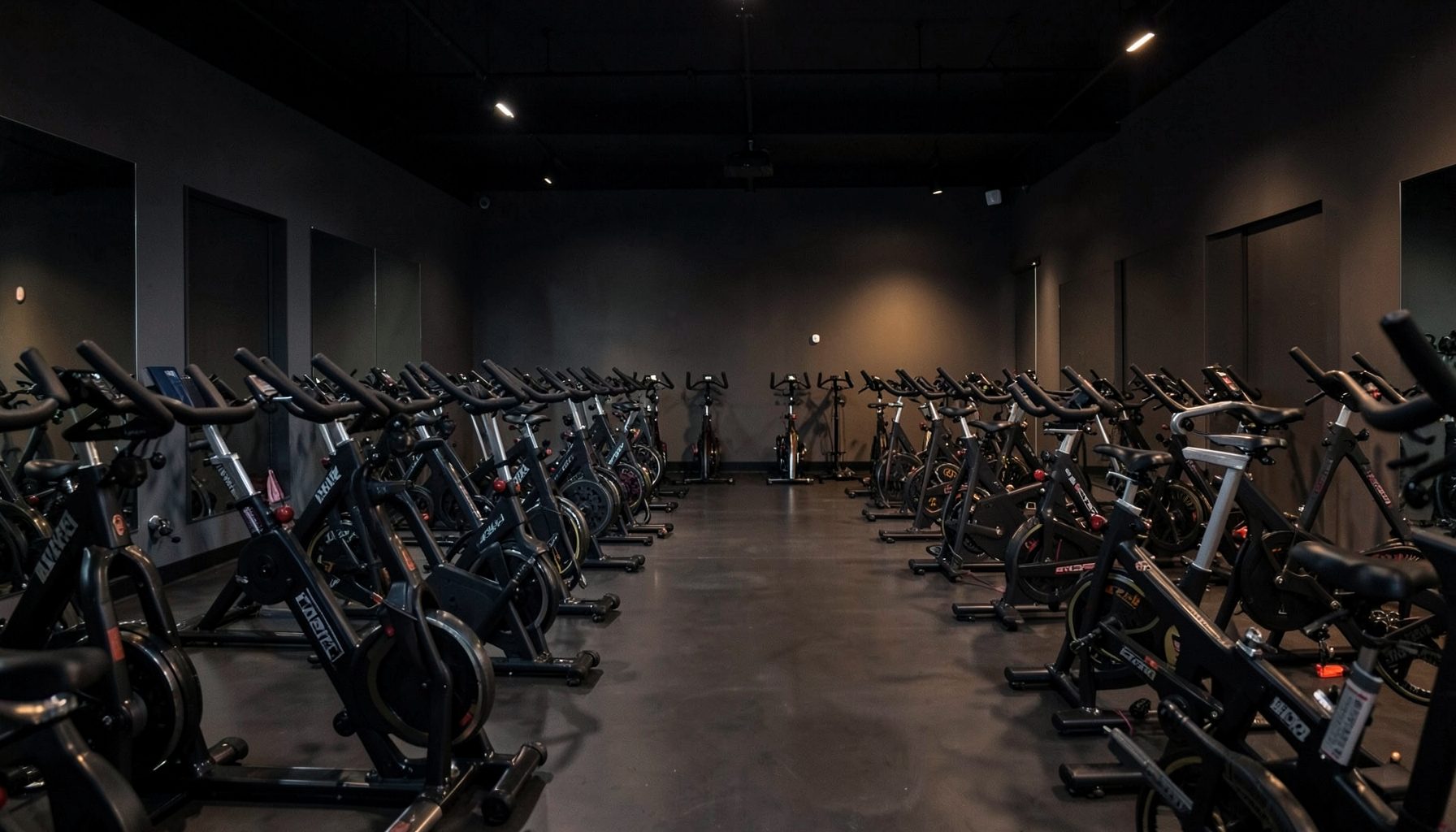
Cross-training can build endurance without repeating the exact demands of a primary sport. For basketball players, cycling and spin sessions may offer a controlled way to improve cardiovascular fitness while reducing impact from constant jumping and running. The Factory D1 Indy explains how spin conditioning can complement basketball preparation when it is used thoughtfully.
Recovery services should support, not replace, sound training habits. Compression therapy, cryotherapy, stretching, and similar options may fit into an athlete’s routine under appropriate adult and professional guidance, but they cannot compensate for excessive schedules or insufficient sleep.
Coaches and parents shape the experience
Adults have a major influence on whether youth sports remain healthy. Parents can ask coaches about weekly workload, rest policies, injury communication, and expectations outside practice. They can also coordinate schedules when a child participates in multiple teams so that separate programs do not create an excessive combined load.
Coaches should value skill development, teamwork, decision-making, and effort instead of focusing only on winning or early physical advantages. Practices can include varied drills, small-sided games, balance work, mobility, and age-appropriate strength exercises. Rotating positions can expose players to different responsibilities and improve their understanding of the game.
Children should have a voice in the process. Their interests, energy levels, and feedback provide useful information that statistics cannot capture. A young athlete who wants to try another sport should not be made to feel disloyal, and a child who needs a break should be able to say so without embarrassment.
Practical ways to encourage balanced participation
Families can create a healthier athletic pathway by making variety and recovery part of the plan from the beginning. A written weekly schedule can reveal hidden overload, especially when school practices, private lessons, tournaments, camps, and recreational activities are added together.
Useful guidelines include:
- Encourage seasonal variety, free play, and at least one regular rest day each week.
- Increase training volume gradually instead of adding multiple teams at once.
- Keep communication open among parents, athletes, coaches, and medical professionals.
- Treat persistent pain, unusual fatigue, and major mood changes as reasons to reassess the schedule.
- Let the athlete’s enjoyment and long-term health guide decisions about specialization.
As children grow, their preferences and abilities will become clearer. A basketball-focused path may eventually make sense, but it should develop from genuine interest and physical readiness. The strongest competitive foundation often comes from years of varied movement, positive coaching, and consistent recovery.
Families can support that process by exploring age-appropriate basketball training, leagues, conditioning, and wellness services at The Factory D1 Indy. Building a balanced routine now gives young athletes more opportunities to stay healthy, enjoy competition, and keep developing for the years ahead.
Inside The Factory
Three Entities, One Roof
Leagues
Eight league divisions span every age group: Indy Pro AM, 18+ Open Men's, 30+ Men's, Bite Size (ages 3–6), Impact League, 5th/6th Grade, Middle School, and High School. Gather your team and compete.
Training
Individual and group basketball training for all skill levels. Major M.O.V.E.S. Basketball Training serves ages 4–7 on Wednesday and Thursday evenings at 6:30 PM — $30 per session or $100 unlimited monthly.
Wellness & Recovery
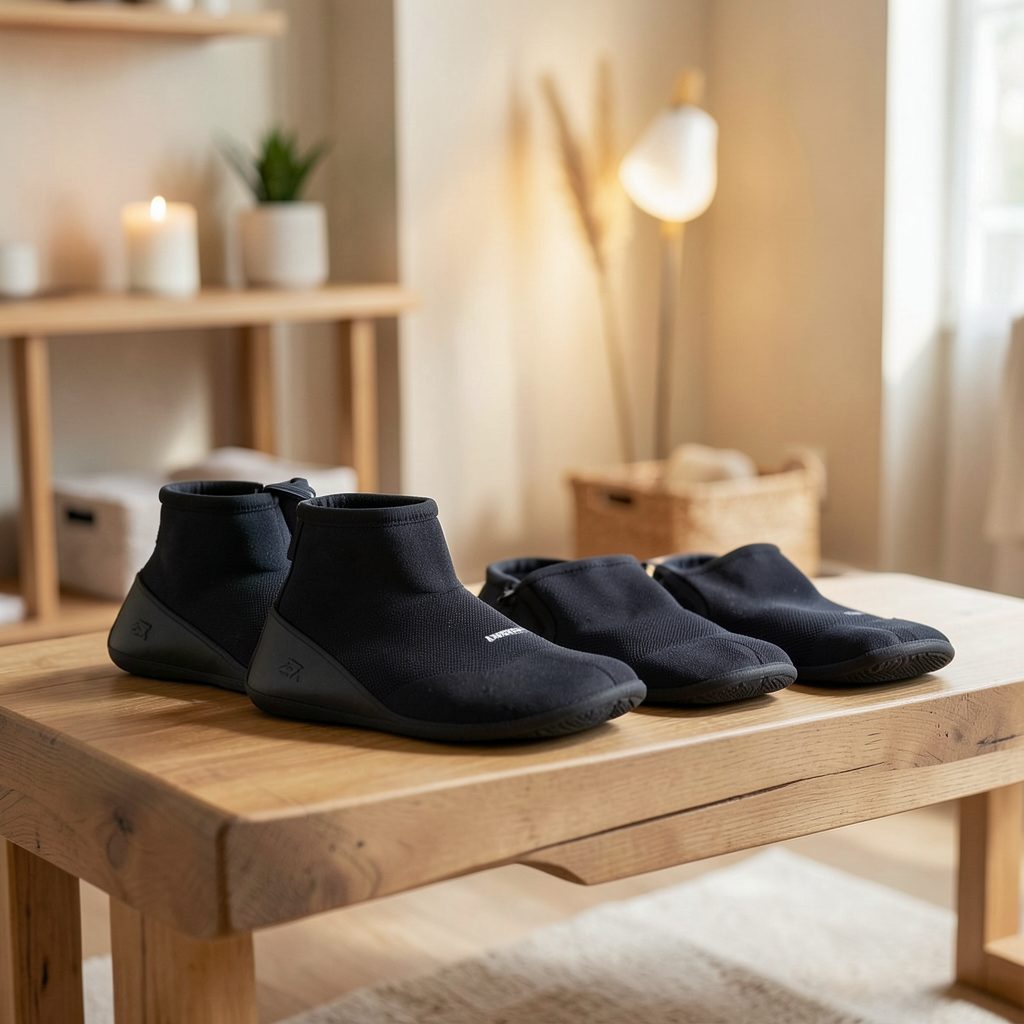
Normatec boot recovery and cryotherapy treatments help athletes bounce back faster. Cycle and spin classes add a cardio dimension to the holistic performance approach.
Have a Question?