Train. Compete. Recover.
A multi-purpose athletic facility in Speedway, Indiana — basketball leagues, skill training, and wellness services all under one roof.
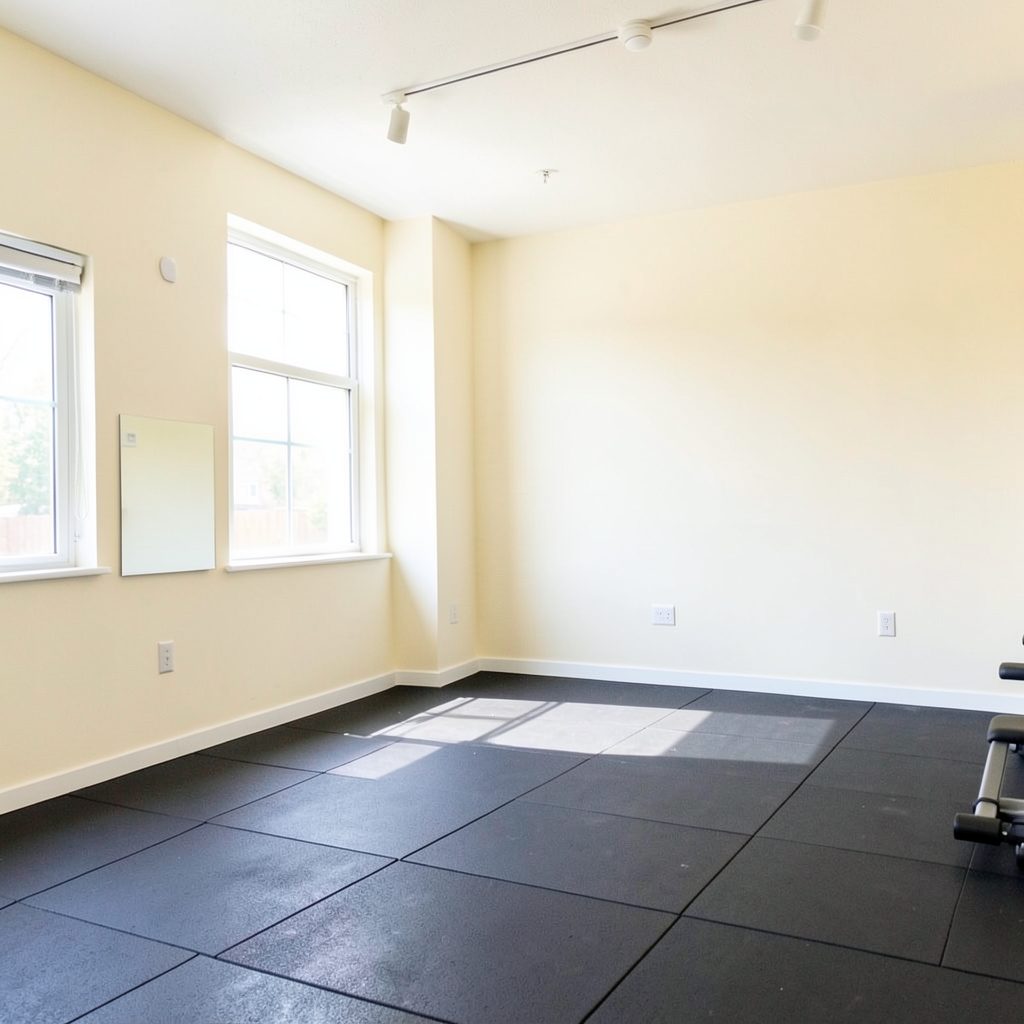
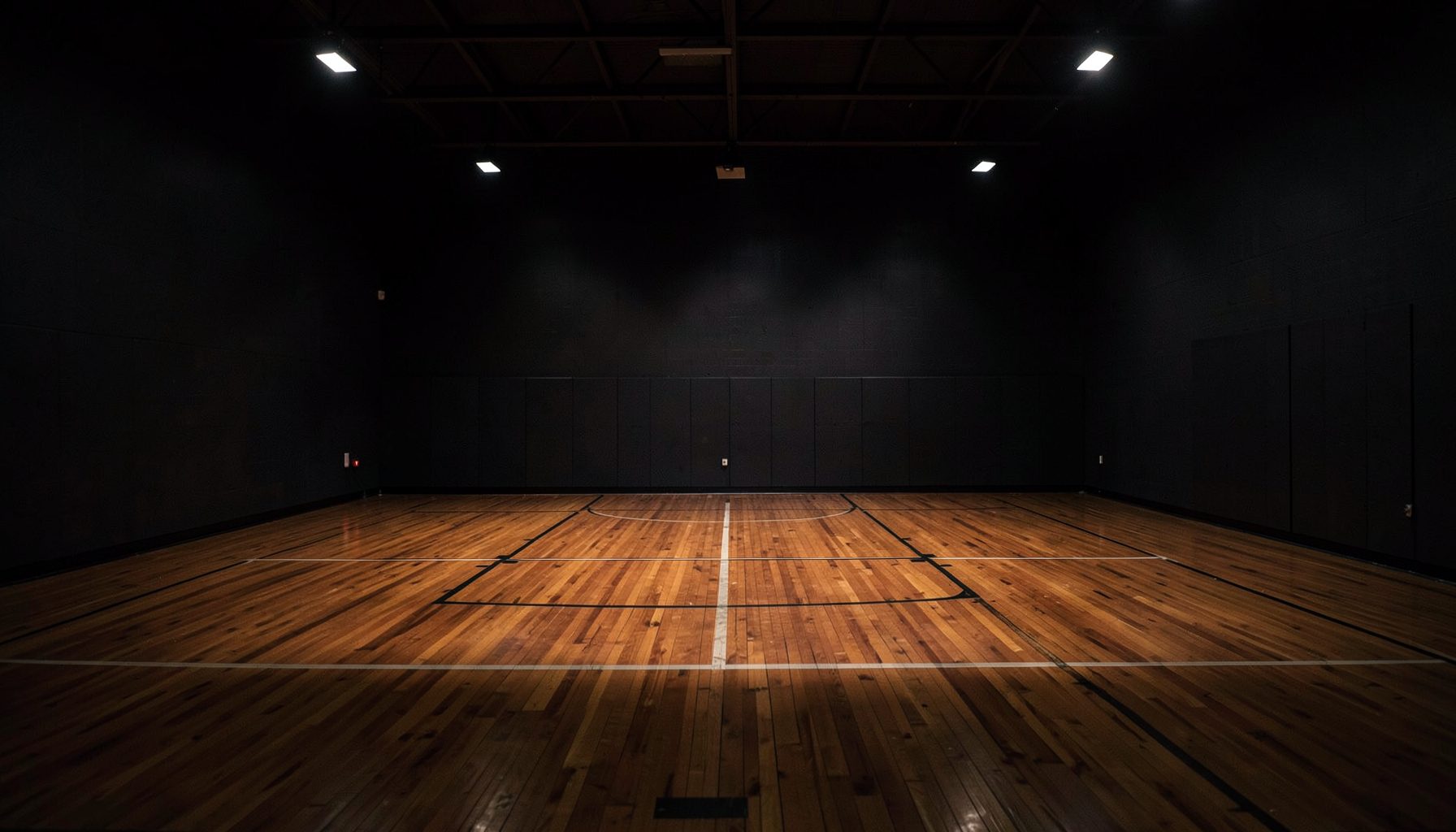
The Factory D1 Indy brings together three entities under one roof: competitive basketball leagues for all age groups, individual and group training, and wellness & recovery services including Normatec boot recovery and cryotherapy. Located off I-465 and High School Road at 6331 Crawfordsville Road, Speedway, Indiana 46224.
Get In TouchLow-Impact Spin Classes for Basketball Players With Knee Pain
Basketball asks a lot from the knees, especially during repeated jumps, changes of direction and congested drills. Low-impact spin classes for basketball players with knee pain can provide cardiovascular conditioning without the same jarring ground forces as running or court movement. The bike also offers a useful way to train when jumping, cutting and prolonged running need temporary restraint.
The benefit depends on how the class is performed. Comfortable resistance, a controlled pedal stroke and an appropriate seat position can make stationary cycling suitable for a sore knee, while heavy resistance or forced speed can aggravate symptoms. Spin is not a diagnosis or a substitute for treatment, so persistent pain should be assessed by a qualified health professional.
Why low-impact cycling can help
Unlike running, stationary cycling does not require the body to absorb a landing after every stride. Supporting body weight on the saddle reduces peak impact, making knee-friendly cycling a practical way to maintain cardiovascular fitness while basketball training loads are modified. It can also provide a low-risk option for maintaining movement when court drills are temporarily restricted.
Cycling develops the quadriceps, hamstrings, calves and glutes, which contribute to force production around the knee and hip. Better leg endurance may also reduce the perceived effort of repeated defensive slides. For players managing stiffness rather than an acute injury, the controlled range of movement can help maintain joint mobility without adding substantial impact.
Combining the bike with court work creates a hybrid training approach that treats conditioning as support for basketball rather than a separate fitness goal. Players should still match cycling volume to their recovery capacity. If pain increases during a ride, comes on strongly afterwards or is accompanied by swelling, the session should be stopped and the cause assessed.
Set the bike up around your knees
The seat should be high enough to allow a slight bend in the knee at the bottom of the pedal stroke, without locking the joint. Saddle height is individual, so use the instructor’s guidance and avoid rocking from side to side. A comfortable position reduces unnecessary stress while preserving enough freedom to generate smooth power through the pedals.
Low-impact work usually means seated pedalling with light-to-moderate resistance and a cadence that can be maintained in conversation. Short intervals are acceptable when they do not change the movement pattern or provoke symptoms. Standing climbs, rapid sprints and heavy gears are less suitable for a sensitive knee, particularly at the start of a programme.
Keep a simple pain scale in mind. Mild discomfort that settles quickly may be manageable, whereas sharp pain, instability or increasing swelling is a clear signal to stop. Sudden locking, the knee giving way, inability to bear weight, a hot red joint or pain severe enough to disturb sleep warrants prompt medical advice rather than another spin session.
Turn spin into basketball-specific conditioning
Spin should complement the demands of basketball, not attempt to reproduce them entirely. A steady aerobic session builds the base needed to recover between possessions, while controlled resistance can strengthen the legs without the eccentric loading produced by jumping immediately after a heavy lift. The most useful programme therefore combines cycling with mobility, strength and basketball-specific drills.
After the bike, athletes can move into ankle and hip mobility, balance work and short footwork sequences. The Factory D1 Indy resource on basketball court awareness drills offers useful ways to transfer the session onto the court. Starting with scanning and decision-making allows the player to raise intensity gradually while preserving movement quality.
Recovery completes the conditioning process. A gentle cool-down, hydration and an easy walk can help players leave the session without rushing into another high-load activity. The Factory D1 Indy also provides Normatec compression therapy and cryotherapy as part of its wellness and recovery offering, which may support relaxation after suitable training when used under staff guidance.
Make the plan work in Australia
Australian conditions require some practical adjustments. Brisbane’s humidity can make an intense indoor ride tiring, while Melbourne’s rapidly changing weather can move a player between outdoor asphalt courts and air-conditioned venues. Sydney players face the same choice between local competitions and climate-controlled gyms. Choosing a cool indoor session, replacing fluids regularly and wearing light clothing can make the experience more comfortable.
Many Australian players develop their game through school competitions, local leagues or an Aussie Basketball-affiliated club, often alongside casual games on outdoor courts. The slang fits the setting too: an afternoon ride is an “arvo” session, and a training appointment might simply be a “gym sess”. These local habits make the approach easier to fit around work, study and club schedules.
The Australian fitness market commonly offers gym memberships, class packs and casual single-entry options, allowing players to try spin without committing to a frequent schedule. Comparing the cost per class, cancellation terms and access to recovery facilities can help someone choose a studio that suits their budget. A free trial or introductory pass is also useful for testing bike setup and instructor support.
Healthcare access is another important part of the plan. A general practitioner can refer an eligible patient for Medicare-subsidised physiotherapy, while many private health policies provide rebates for approved physiotherapy under Extras. Coverage varies, so players should check current arrangements with their clinic and insurer rather than assume every session is covered.
Build a sensible training week
During a competitive period, two shorter spin sessions can support conditioning without crowding out technical practice or strength work. One session may use steady aerobic pedalling, while the other includes a few controlled intervals. Running, jumping and cutting should remain in the programme when symptoms allow, but temporary substitutions can protect a knee that is responding to increased load.
Strength training remains essential because the legs must generate force for rebounding, sprinting and changing direction. Focus on the quadriceps, hamstrings, glutes and calf muscles while using controlled ranges and gradual progressions. Recovery days give the knee time to settle, and players should avoid measuring success only by calories burned or time on the bike.
Progress over several weeks rather than days. Begin with one comfortable session, hold the same workload for another ride, and add only one variable at a time. This could be five minutes of steady climbing, an extra interval or a longer cool-down. If knee symptoms return at the same point each week, reduce the load and seek professional guidance.
Start low and progress with confidence
Ready to put this into practice? Book a low-impact spin session, ask the instructor for seated pedalling and light-resistance modifications, and keep the first few rides free of hard efforts. Keep a record of pain during the session, symptoms afterwards and recovery by the next morning so future adjustments are based on a clear pattern rather than guesswork.
Players in the Speedway area can contact the Factory D1 Indy team to arrange a suitable spin class and discuss recovery options alongside existing basketball training. If symptoms are persistent or worsening, arrange a physiotherapy assessment before increasing the workload. A careful start gives the knee the best chance to tolerate the conditioning needed for stronger, safer basketball.
Inside The Factory

Three Entities, One Roof
Leagues
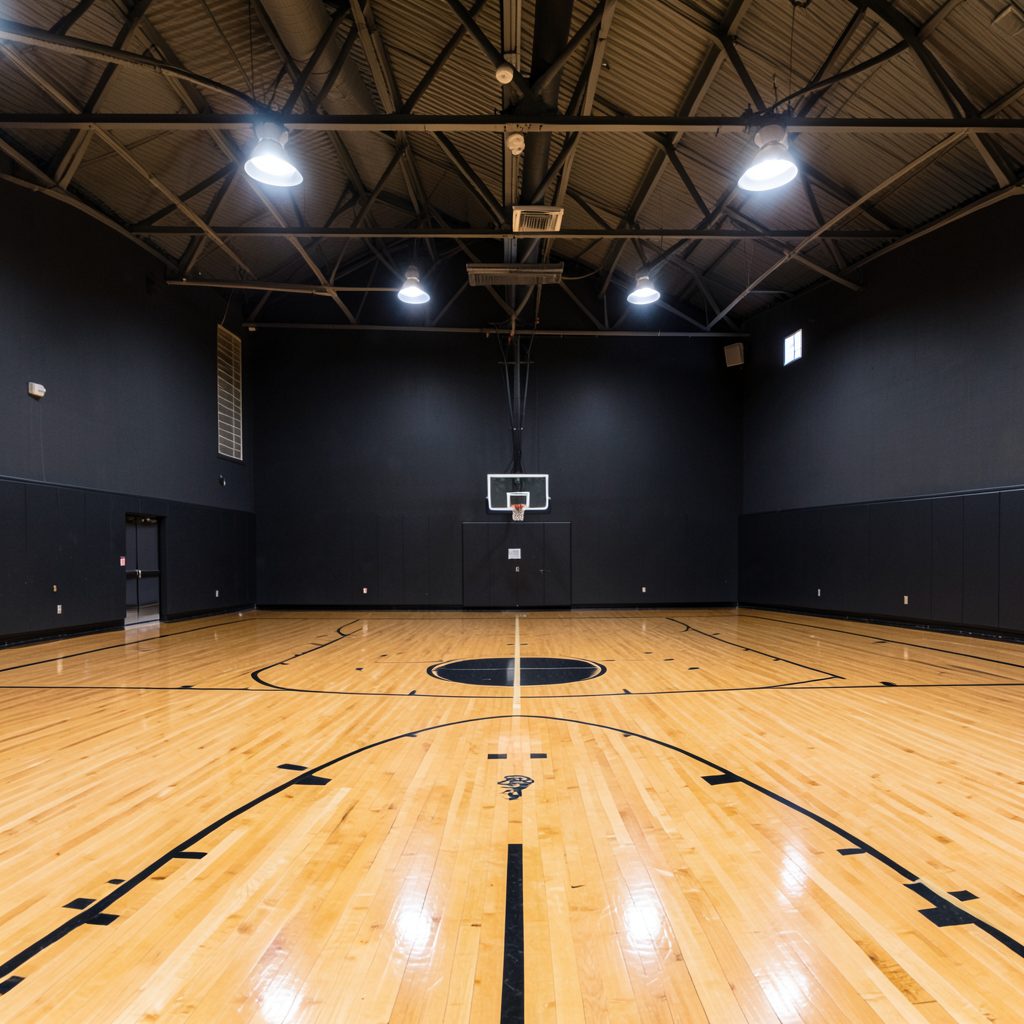
Eight league divisions span every age group: Indy Pro AM, 18+ Open Men's, 30+ Men's, Bite Size (ages 3–6), Impact League, 5th/6th Grade, Middle School, and High School. Gather your team and compete.
Training
Individual and group basketball training for all skill levels. Major M.O.V.E.S. Basketball Training serves ages 4–7 on Wednesday and Thursday evenings at 6:30 PM — $30 per session or $100 unlimited monthly.
Wellness & Recovery
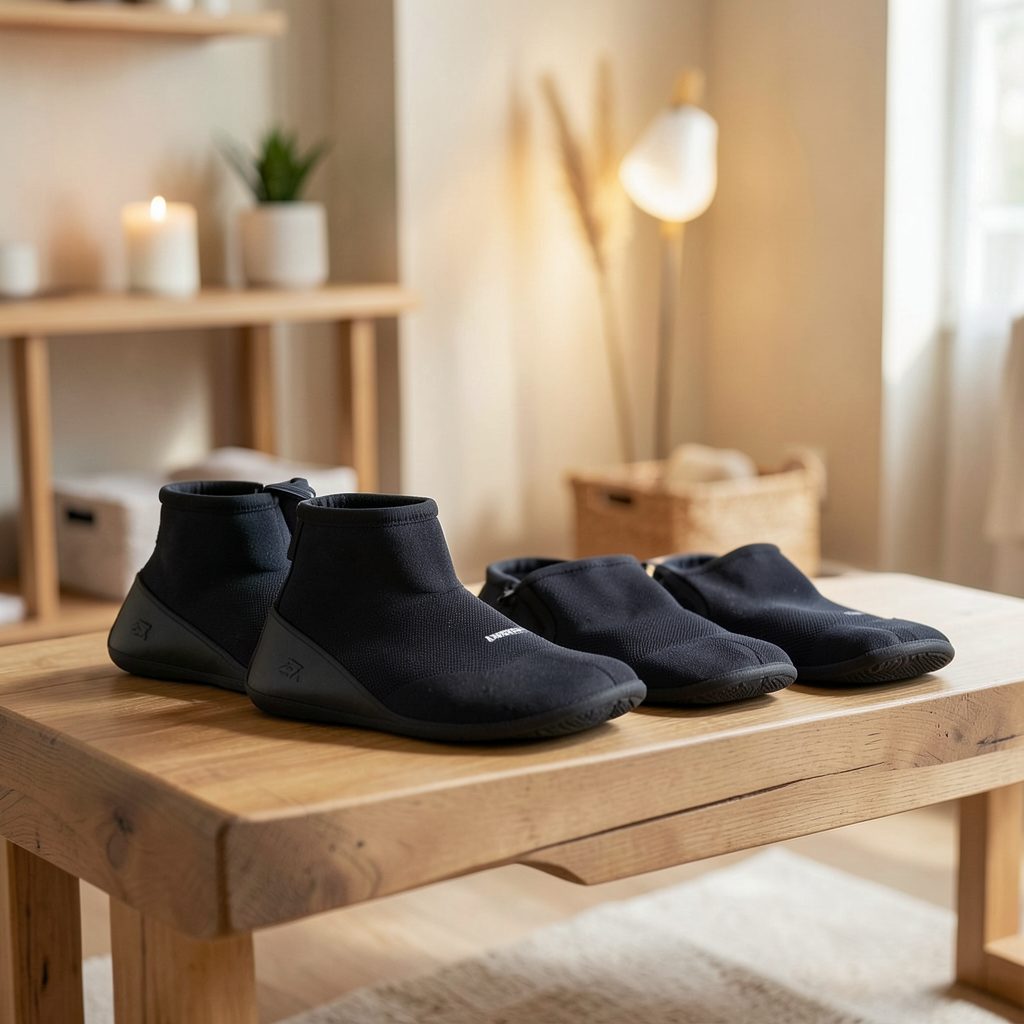
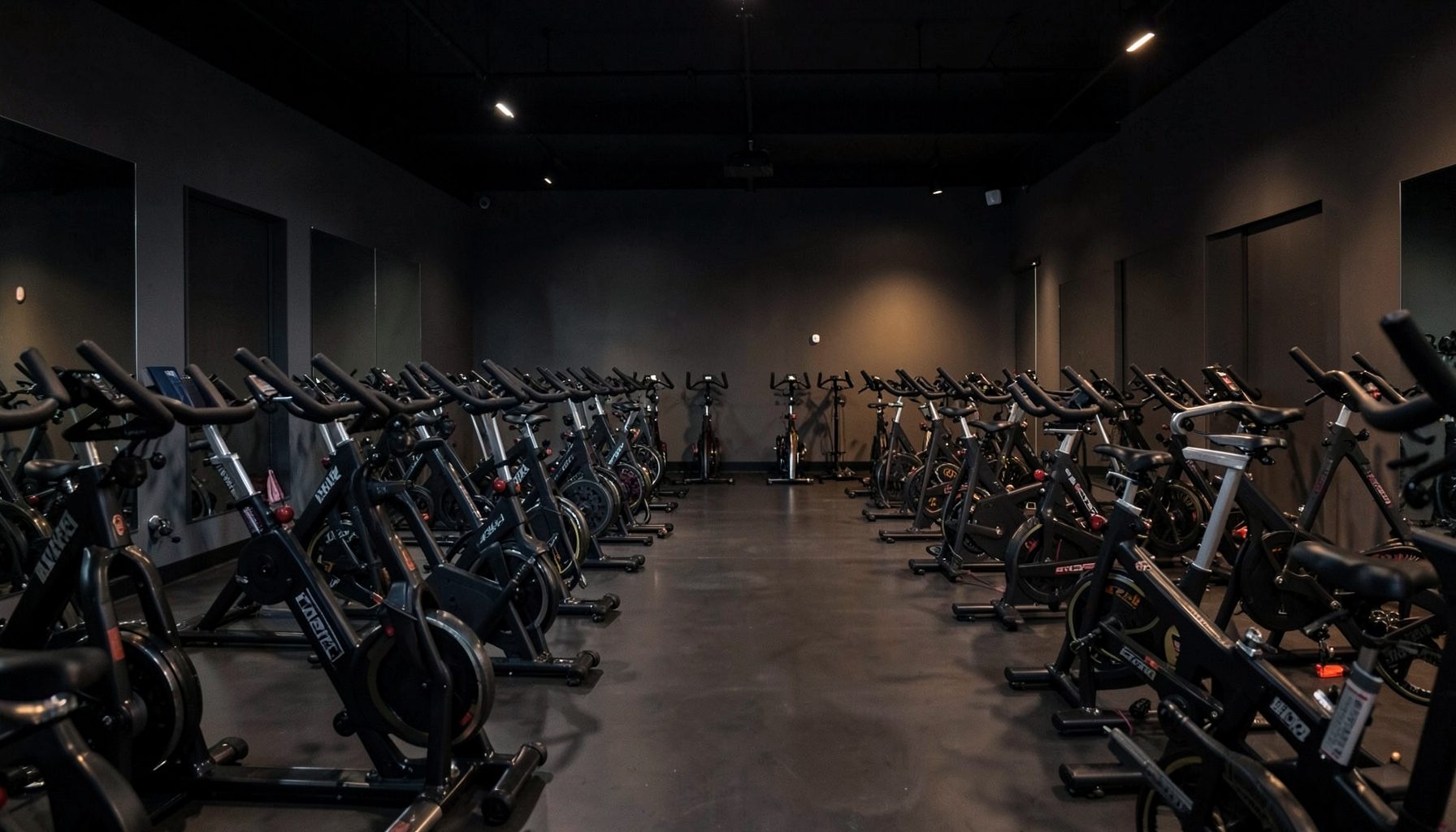
Normatec boot recovery and cryotherapy treatments help athletes bounce back faster. Cycle and spin classes add a cardio dimension to the holistic performance approach.
Have a Question?