Train. Compete. Recover.
A multi-purpose athletic facility in Speedway, Indiana — basketball leagues, skill training, and wellness services all under one roof.
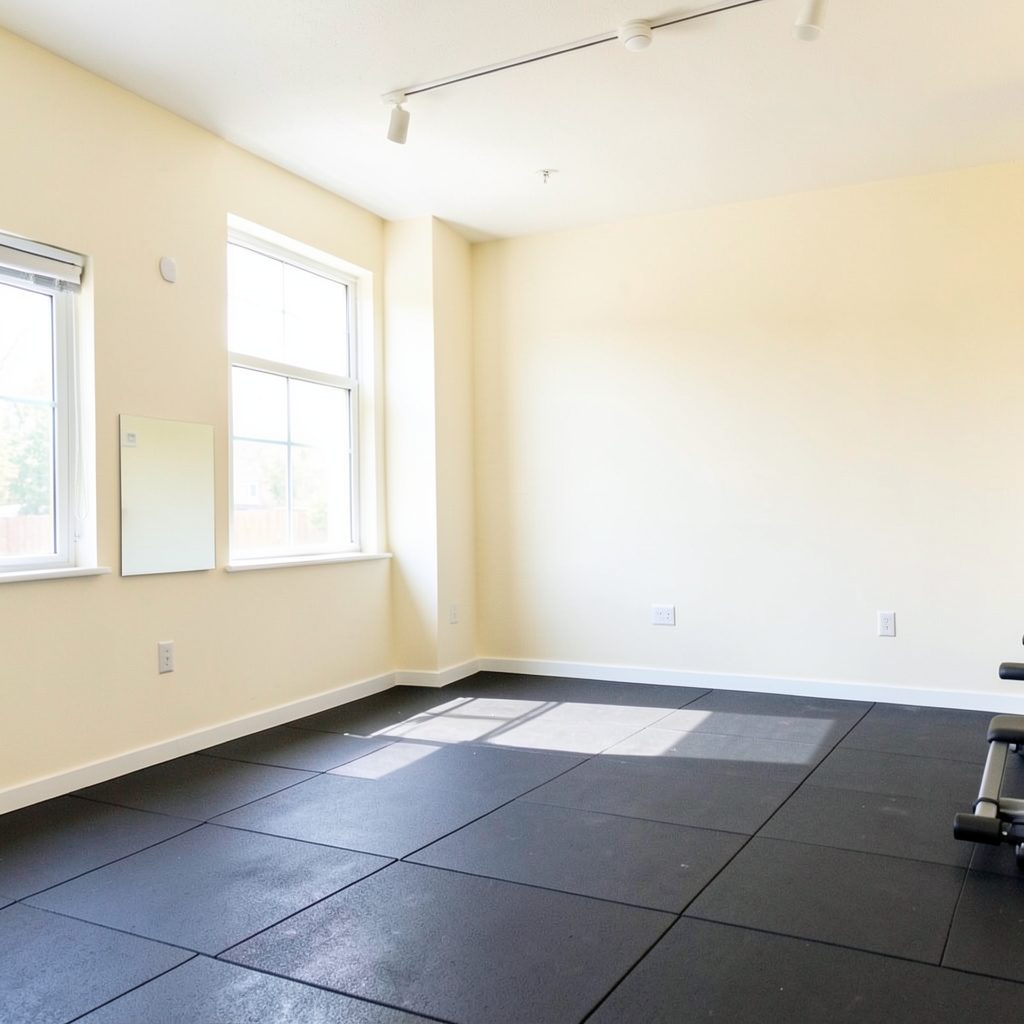
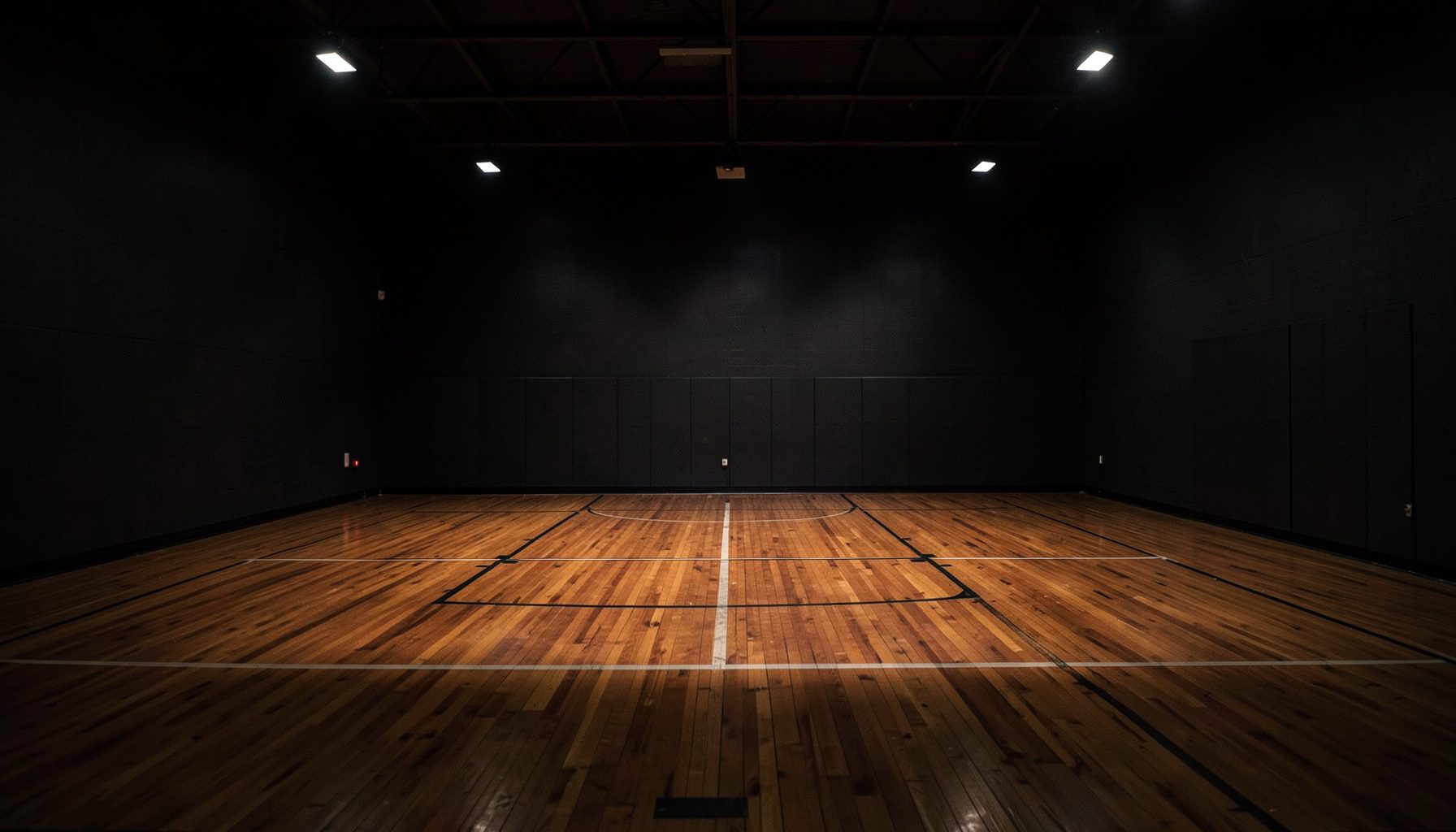
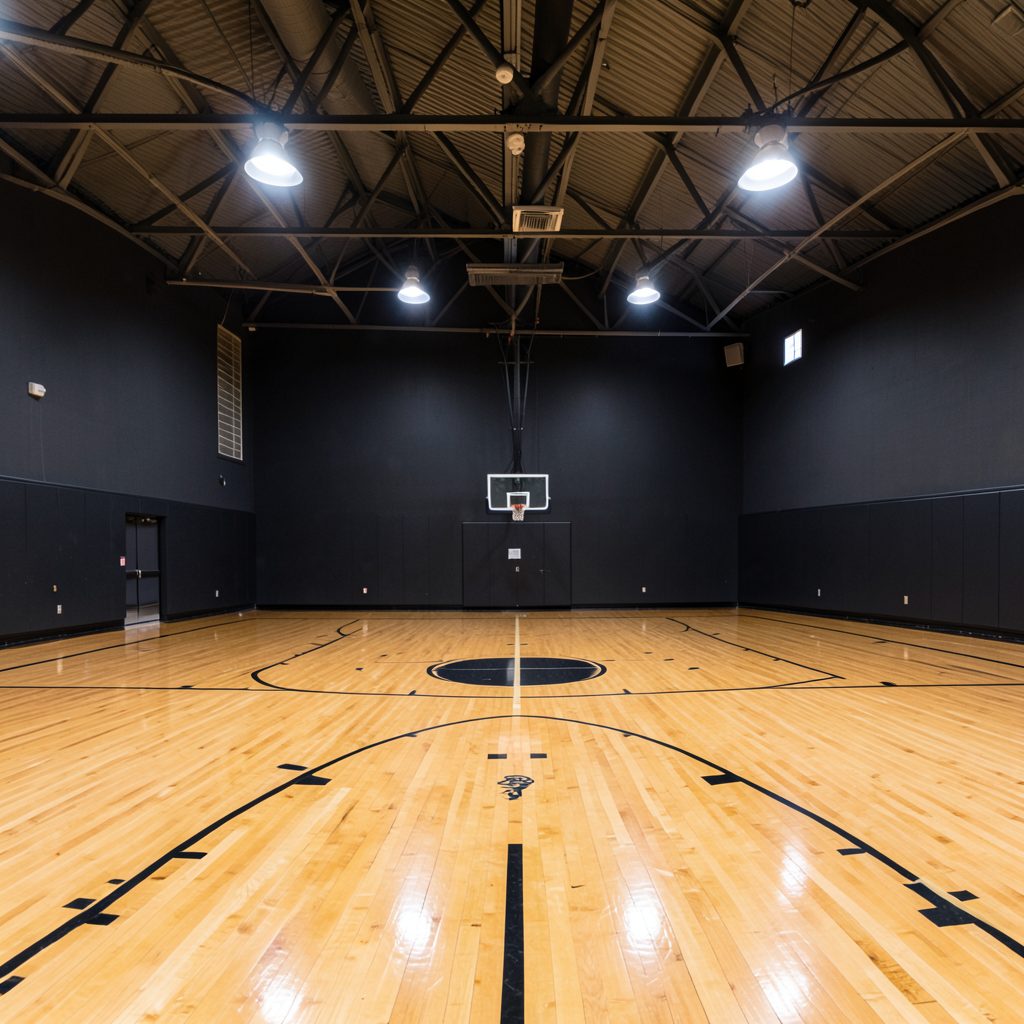
The Factory D1 Indy brings together three entities under one roof: competitive basketball leagues for all age groups, individual and group training, and wellness & recovery services including Normatec boot recovery and cryotherapy. Located off I-465 and High School Road at 6331 Crawfordsville Road, Speedway, Indiana 46224.
Get In TouchBasketball Drills That Sharpen Court Awareness And Vision
Basketball rewards players who can process the floor before the ball reaches their hands. A quick glance at a help defender, an early read of a cutting teammate, or a clear picture of the shot clock can create an advantage that raw speed cannot. Court awareness and vision turn individual skills into effective team play.
Players develop these abilities through deliberate practice. Dribbling with the head up, identifying open space, reading defensive rotations, and making decisions under pressure all train the brain as much as the body. The best exercises place athletes in situations that resemble real possessions rather than isolated movements.
At The Factory D1 Indy, athletes of different ages and experience levels can build these habits through basketball training, competitive play, and structured leagues. The facility’s setting makes it possible to connect skill work with live decision-making, which is where awareness becomes dependable.
Why Vision Changes Every Possession
Good vision begins before a player catches the ball. A prepared athlete scans the court while moving, recognizes the location of defenders, and notices teammates who are preparing to cut or relocate. This habit reduces the time needed to make a decision after the catch.
Players should practice seeing in layers. First, identify the rim and the nearest defender. Next, locate the help defense and the safest passing lane. Finally, check for a teammate creating space on the weak side. This sequence helps athletes avoid staring at the ball or locking onto a single target.
Peripheral vision also matters. A player does not need to look directly at every object to understand where it is. Drills that require athletes to respond to colors, numbers, hand signals, or coach commands while dribbling can improve visual awareness without sacrificing control.
Passing Drills That Build Fast Reads
The three-player passing progression is a simple way to teach movement, communication, and awareness together. Three athletes advance up the court while passing, filling lanes, and reacting to a defender or coach who changes the action. The ball handler must recognize whether to pass ahead, reverse the ball, or keep the dribble.
Add a decision-making constraint to make the drill more realistic. For example, the coach can call “middle,” “wing,” or “back” as the players cross half court. Each command changes the available passing option. Athletes learn to listen, scan, and execute without pausing to organize the play.
A partner closeout-and-pass drill provides another useful variation. One offensive player catches on the wing while a defender closes out from the paint. The offensive player must immediately read the defender’s angle and choose between a shot, a drive, or a pass to a teammate cutting behind the closeout.
| Drill | Awareness Skill | Progression | Common Correction |
|---|---|---|---|
| Three-player passing | Lane recognition and timing | Add a trailing defender | Players pass to stationary targets |
| Closeout-and-pass | Reading defensive pressure | Limit the catch to one second | Eyes stay on the ball after the catch |
| Two-ball vision drill | Peripheral awareness | Add color or number cues | Dribblers look down |
| Advantage transition | Early decision-making | Start with a numerical advantage | Players wait for the defense to settle |
| Small-sided games | Live floor mapping | Restrict dribbles or touches | Players ignore weak-side space |
These exercises work best when the coach rewards the quality of the read, not simply the result. A correct pass that leads to a missed shot may be a better decision than a difficult shot that happens to fall.
Dribbling With The Head Up
Head-up dribbling is a foundation for seeing the entire court. Begin with stationary ball-handling while a coach or partner holds up different fingers or calls out numbers. The athlete must identify the signal while maintaining a controlled dribble with either hand.
Progress to movement-based scanning. Players can dribble through cones while tracking a partner walking along the sideline. The partner changes direction, raises a hand, or points toward a cone, and the ball handler responds without losing pace. This trains the athlete to gather information away from the ball.
The two-ball vision drill increases the challenge. An athlete dribbles two basketballs while responding to visual cues, then advances to alternating heights, uneven rhythms, or a tennis ball tossed by a partner. The goal is not flashy handling; it is maintaining control while the eyes collect useful information.
Coaches should watch posture closely. A tall stance, relaxed shoulders, and active fingertips allow the player to see over the ball. Excessive speed can weaken the habit, so players should increase pace only after they can consistently scan and respond.
Reading Space In Small-Sided Games
Small-sided games create frequent decisions and give every player more touches. A two-on-two game from the wing can emphasize driving angles, help defense, and kick-out passes. A three-on-three game can focus on cutting after a pass, relocating from the corner, and recognizing when a teammate needs a clear driving lane.
Rules can guide attention toward a specific awareness skill. Limit each player to two dribbles to encourage passing and movement. Require a paint touch before a shot to teach penetration and spacing. Award an extra point for a pass to a cutter or a successful skip pass to the weak side.
Competitive leagues give athletes another environment for applying these habits under pressure. Players can explore league opportunities that match their age and experience, then use game possessions to identify which reads need additional work in training.
After each short game, ask players to identify one moment when they saw an opportunity early and one moment when they recognized it late. This reflection helps connect the physical action with the mental process. Over time, athletes begin to notice patterns in spacing, defensive positioning, and timing.
Defensive Awareness And Court Mapping
Court vision is essential on defense as well as offense. A defender should see the ball, their assignment, and the next most dangerous player without turning completely away from the action. The shell drill teaches this relationship through closeouts, help positioning, rotations, and recovery.
Start with four offensive players spaced around the perimeter and four defenders inside the shell. As the ball moves, defenders communicate, shift toward help position, and close out under control. Coaches can add a cutter or live drive to test whether players maintain awareness after the initial rotation.
The “gap and jump” drill reinforces defensive vision. Defenders begin one pass away in a stance, keeping one eye on the ball and one on their assignment. When the ball is passed, they jump toward the new gap and prepare to help. When the ball is driven, they tag the cutter or stop the drive before recovering.
Conditioning should support defensive awareness rather than overwhelm it. Short bursts of closeouts, slides, and recoveries are more useful than fatigue that causes players to lose posture and stop communicating. Core stability also supports balance during these movements and can influence shooting control; athletes can review core stability and shot consistency as part of a broader training approach.
A Practice Plan That Transfers To Games
Awareness improves when players experience a clear progression: recognize information, make a choice, and execute while moving. A 45-minute session can begin with head-up ball handling, continue with passing decisions, and finish with a competitive game that rewards the targeted behavior.
Use the following recommendations to keep the work purposeful:
- Start every session with scanning cues before increasing dribbling speed.
- Use constraints such as limited dribbles, timed catches, or required paint touches.
- Include both offensive and defensive vision so players learn to map the whole floor.
- Pause briefly after live repetitions and have athletes explain their read.
- Track decisions, communication, and positioning instead of counting made shots alone.
The most effective drill is one that resembles the decisions players must make in competition. Coaches should gradually remove instructions as athletes improve, allowing them to solve problems independently. When players can identify space, pressure, and passing options without prompting, their awareness is becoming part of their natural game.
Bring these drills to a structured workout at The Factory D1 Indy, then test the habits in live competition. Consistent practice, purposeful constraints, and repeated game-speed reads can help athletes see plays earlier and act with greater confidence.
Inside The Factory
Three Entities, One Roof
Leagues
Eight league divisions span every age group: Indy Pro AM, 18+ Open Men's, 30+ Men's, Bite Size (ages 3–6), Impact League, 5th/6th Grade, Middle School, and High School. Gather your team and compete.
Training
Individual and group basketball training for all skill levels. Major M.O.V.E.S. Basketball Training serves ages 4–7 on Wednesday and Thursday evenings at 6:30 PM — $30 per session or $100 unlimited monthly.
Wellness & Recovery
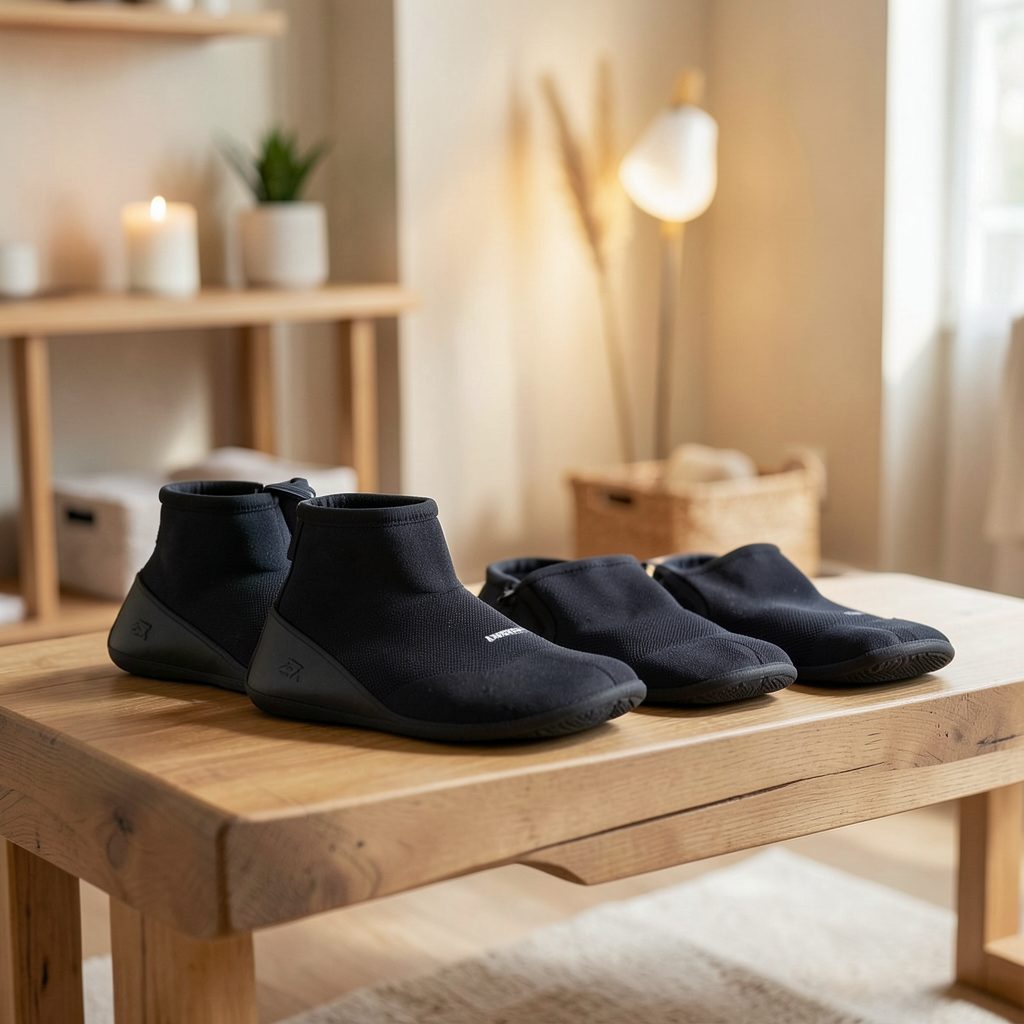
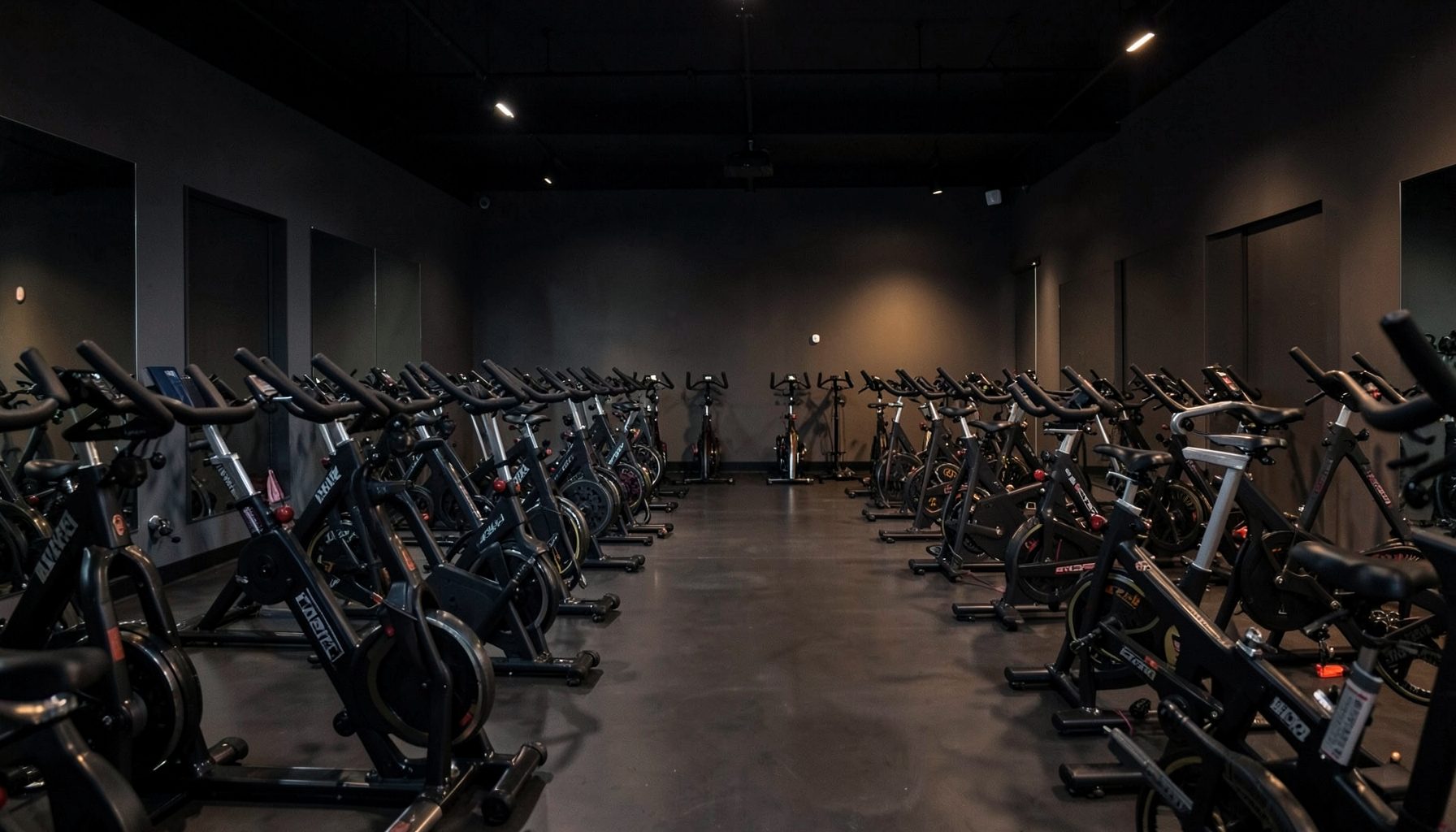
Normatec boot recovery and cryotherapy treatments help athletes bounce back faster. Cycle and spin classes add a cardio dimension to the holistic performance approach.
Have a Question?