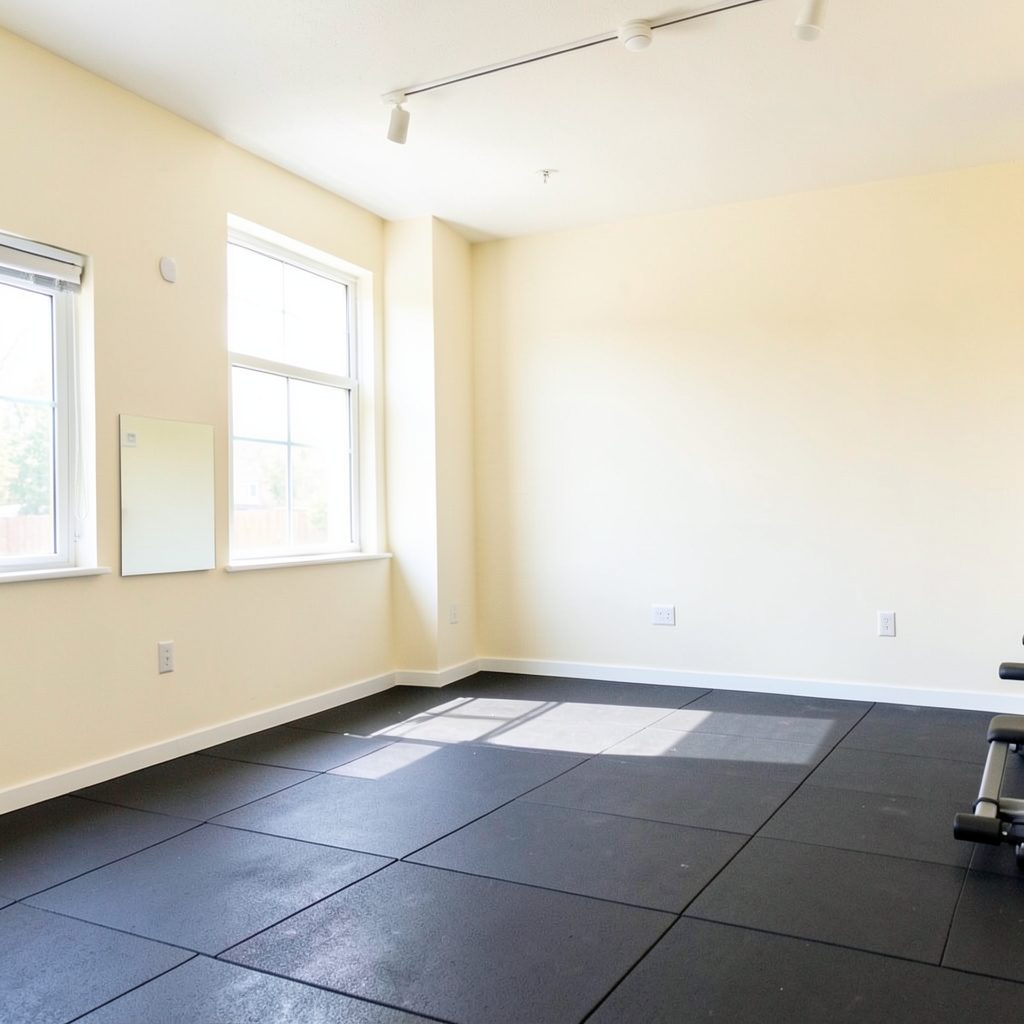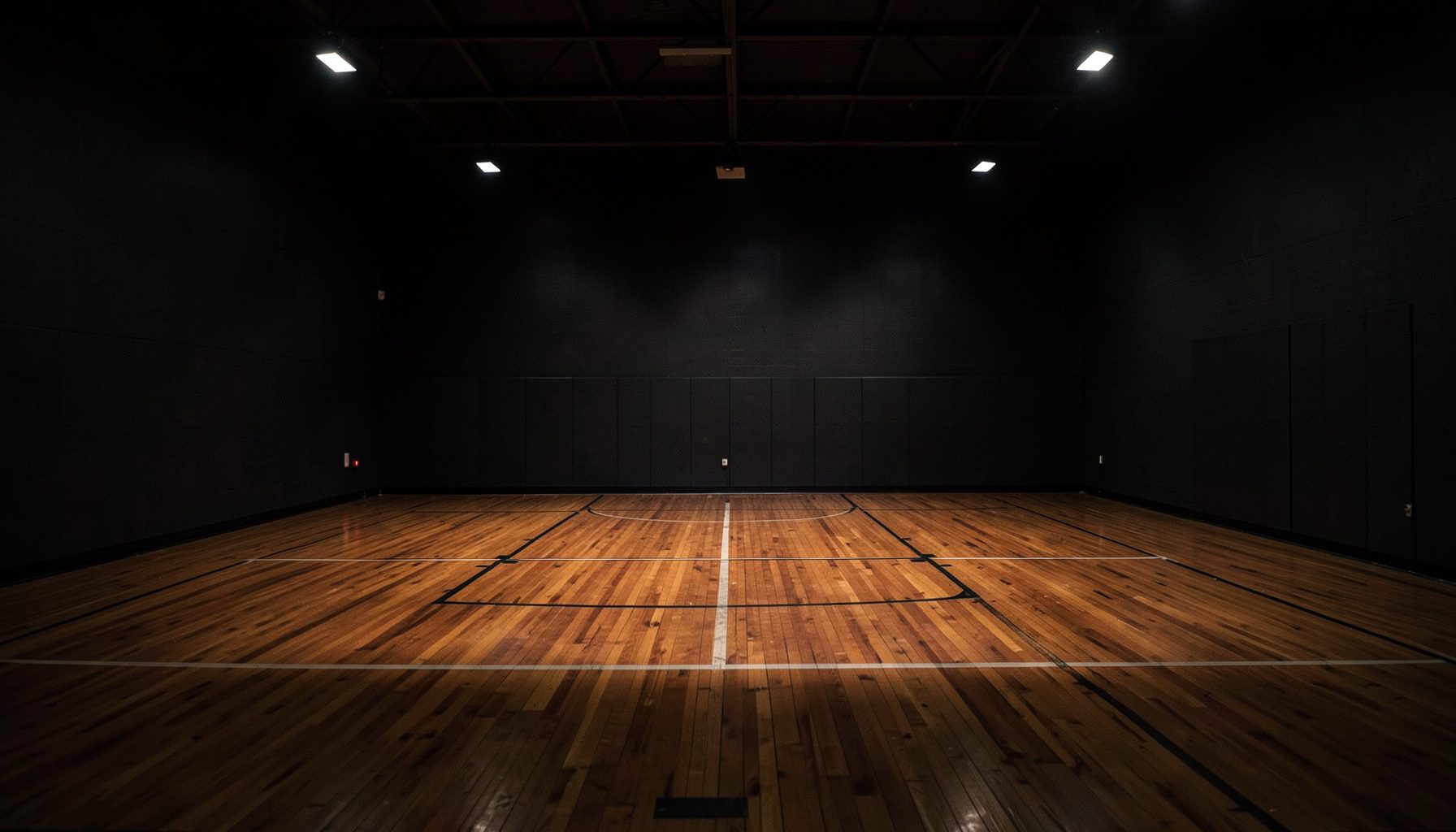
Train. Compete. Recover.
A multi-purpose athletic facility in Speedway, Indiana — basketball leagues, skill training, and wellness services all under one roof.
The Factory D1 Indy brings together three entities under one roof: competitive basketball leagues for all age groups, individual and group training, and wellness & recovery services including Normatec boot recovery and cryotherapy. Located off I-465 and High School Road at 6331 Crawfordsville Road, Speedway, Indiana 46224.
Get In TouchThe Benefits of Regular Cryotherapy for Chronic Muscle Pain
Persistent muscle pain can make ordinary training feel unpredictable. A basketball player may notice soreness during defensive slides, a recreational athlete may struggle with stiffness after work, and an active adult may find that recovery takes longer than it once did. When discomfort continues for weeks or returns after every workout, a thoughtful recovery plan becomes as important as the exercise itself.
Cryotherapy is one option used to support recovery from exercise-related soreness and ongoing muscular discomfort. At The Factory D1 Indy in Speedway, Indiana, athletes can access cryotherapy alongside basketball training, cycle classes, conditioning, and other wellness services. Used appropriately, cold therapy may help people manage symptoms while they address the habits and movement patterns contributing to pain.
Cryotherapy should not be viewed as a cure or a substitute for medical care. Its value is usually greatest when it complements sound training, adequate sleep, mobility work, hydration, and evaluation from a qualified health professional when pain is persistent or severe.
How Cryotherapy Affects Sore Muscles
Cryotherapy briefly exposes the body, or a specific area, to cold temperatures. This can narrow blood vessels and reduce local tissue temperature, which may temporarily decrease pain signals and limit the sensation of inflammation. After the session, circulation gradually returns as the treated area warms.
For athletes, the immediate effect may be a feeling of reduced soreness or improved comfort during movement. That relief can make it easier to complete gentle mobility exercises or perform daily activities without guarding the painful area. The result is generally temporary, so cryotherapy works best as one part of a broader recovery strategy rather than as a standalone treatment.
Why Regular Sessions May Help
A single session may provide short-term relief, but a consistent routine can help an athlete monitor how the body responds to training. Regular recovery appointments create an opportunity to notice patterns: whether pain follows intense jumping, whether stiffness is worse after cycling, or whether a particular workload produces symptoms that should be discussed with a clinician.
Consistency also encourages athletes to treat recovery as planned training support instead of an emergency response. A player working on shooting mechanics, for example, may combine cold therapy with strength and movement work. Exercises such as resistance band drills can build control around the shoulders and upper body while recovery sessions help manage post-workout discomfort.
Regularity does not mean using cryotherapy every day without assessment. Frequency should reflect the person’s symptoms, training load, health history, and the type of cryotherapy provided. Facility staff and healthcare professionals can help determine whether a routine is appropriate.
Potential Benefits For Chronic Muscle Discomfort
One potential benefit is short-term pain modulation. Cold can dull sensations from overworked muscles, making soreness feel less intrusive. This may be useful after demanding practices, long cycling sessions, or a weekend of competition. Less discomfort can also support relaxed movement, which is often preferable to remaining tense and inactive.
Cryotherapy may also help some people feel less post-exercise swelling or heaviness. Athletes who train frequently often value recovery methods that help them feel ready for the next session. However, responses vary, and research on long-term pain outcomes remains mixed. Relief should be measured by practical improvements, such as better movement, sleep, or participation in normal activities.
Another benefit is the psychological structure of a recovery routine. Scheduling time for treatment can encourage athletes to slow down, assess their condition, and avoid repeatedly pushing through warning signs. That change in behavior can be meaningful for people managing recurring muscle pain.
Selecting The Right Cold Therapy Approach
Cryotherapy is not a single treatment. Localized cold therapy targets a particular muscle group, while whole-body options expose the body to very low temperatures for a short period. The most suitable approach depends on the location of discomfort, the person’s tolerance, medical history, and the goal of the session.
A professional setting matters because trained staff can explain the process, review basic safety considerations, and help participants follow the recommended exposure time. The goal is controlled cold exposure—not prolonged discomfort, numbness, or skin irritation. People should communicate unusual sensations immediately and follow all facility instructions.
| Approach | Common Use | Important Consideration |
|---|---|---|
| Localized cryotherapy | Focusing on a sore muscle or small area | Useful when discomfort is concentrated in one region |
| Whole-body cryotherapy | General post-training recovery | Requires screening and careful adherence to session guidelines |
| Traditional ice application | At-home short-term symptom relief | Avoid excessive duration and direct skin exposure |
| Active recovery with cold therapy | Combining gentle movement and symptom management | Should remain comfortable and appropriate to the injury |
A medical professional should be consulted before cryotherapy when pain follows a significant injury or when symptoms include weakness, substantial swelling, numbness, unexplained bruising, fever, or loss of function.
Pairing Cryotherapy With Athletic Training
Recovery is more effective when it supports the demands of the sport. Basketball athletes may benefit from combining cryotherapy with lower-body strength, ankle and hip mobility, landing mechanics, and gradual workload progression. A cold session may reduce discomfort, but it does not correct poor jumping technique or replace rehabilitation for a tendon, ligament, or joint injury.
The Factory D1 Indy provides an environment where training and recovery can fit into the same athletic routine. Athletes may schedule skills work, participate in a league, and use wellness services as part of a carefully managed week. For adults who want competition without neglecting conditioning, learning about the benefits of adult leagues can help connect regular play with a sustainable fitness routine.
Active recovery may include easy cycling, walking, controlled stretching, breathing exercises, and mobility drills. These activities can promote comfortable movement without adding another demanding workout. The right combination depends on the source of the pain and the athlete’s current capacity.
When To Use Caution
People with certain medical conditions may need to avoid cryotherapy or receive clearance before trying it. Concerns can include cold sensitivity, circulation disorders, uncontrolled high blood pressure, some cardiovascular conditions, nerve impairment, and skin problems. Pregnancy, recent surgery, and the use of medications that affect circulation may also require professional guidance.
Chronic muscle pain can sometimes signal something other than ordinary soreness. Pain that steadily worsens, wakes someone at night, follows trauma, or persists despite rest should be evaluated rather than repeatedly covered with recovery treatments. The same applies to pain accompanied by tingling, weakness, joint instability, or reduced range of motion.
Participants should arrive hydrated, follow clothing and safety instructions, and avoid treating a numb area as fully recovered. Temporary relief can make it easier to overdo activity, so training intensity should still be adjusted according to symptoms and professional advice.
Build A Sustainable Recovery Routine
A useful recovery plan is specific enough to follow and flexible enough to change when the body responds differently. Track the type of activity, pain level before and after training, sleep quality, and how long relief lasts after cryotherapy. This information can help identify whether sessions are supporting meaningful function or simply masking symptoms.
Consider these practical recommendations:
- Schedule cryotherapy around demanding training rather than using it to ignore escalating pain.
- Combine cold therapy with mobility, strength work, hydration, and sufficient sleep.
- Start with professional guidance and report burning, excessive numbness, dizziness, or skin changes.
- Reduce training load when pain affects technique, balance, or normal movement.
- Seek medical evaluation for persistent, severe, or unexplained symptoms.
The best routine is one that helps an athlete move well and train consistently over time. Cryotherapy can be a useful component, especially when it is selected thoughtfully and paired with habits that address recovery from several directions.
Make recovery part of your performance plan at The Factory D1 Indy. Explore cryotherapy and the facility’s broader training and wellness services in Speedway, Indiana, then build a routine that supports comfortable movement, consistent participation, and long-term athletic health.
Inside The Factory
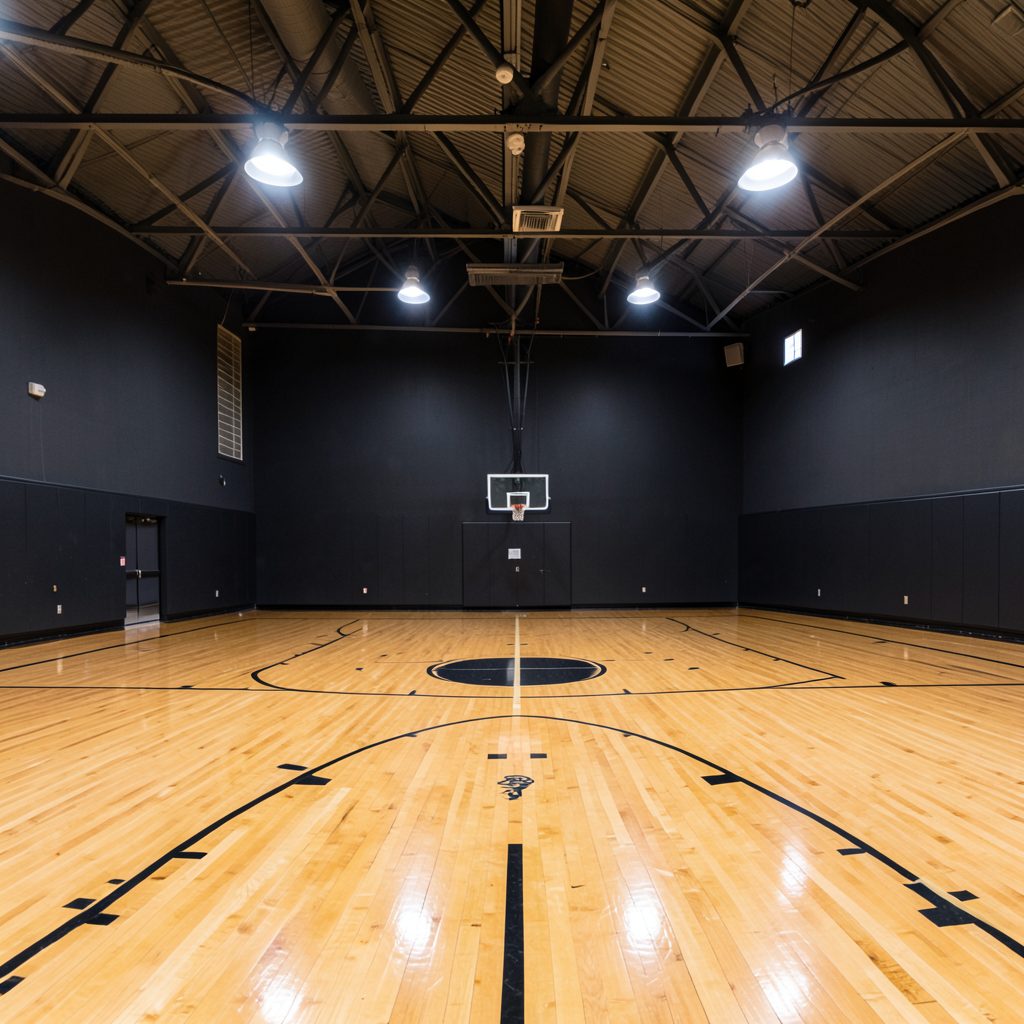

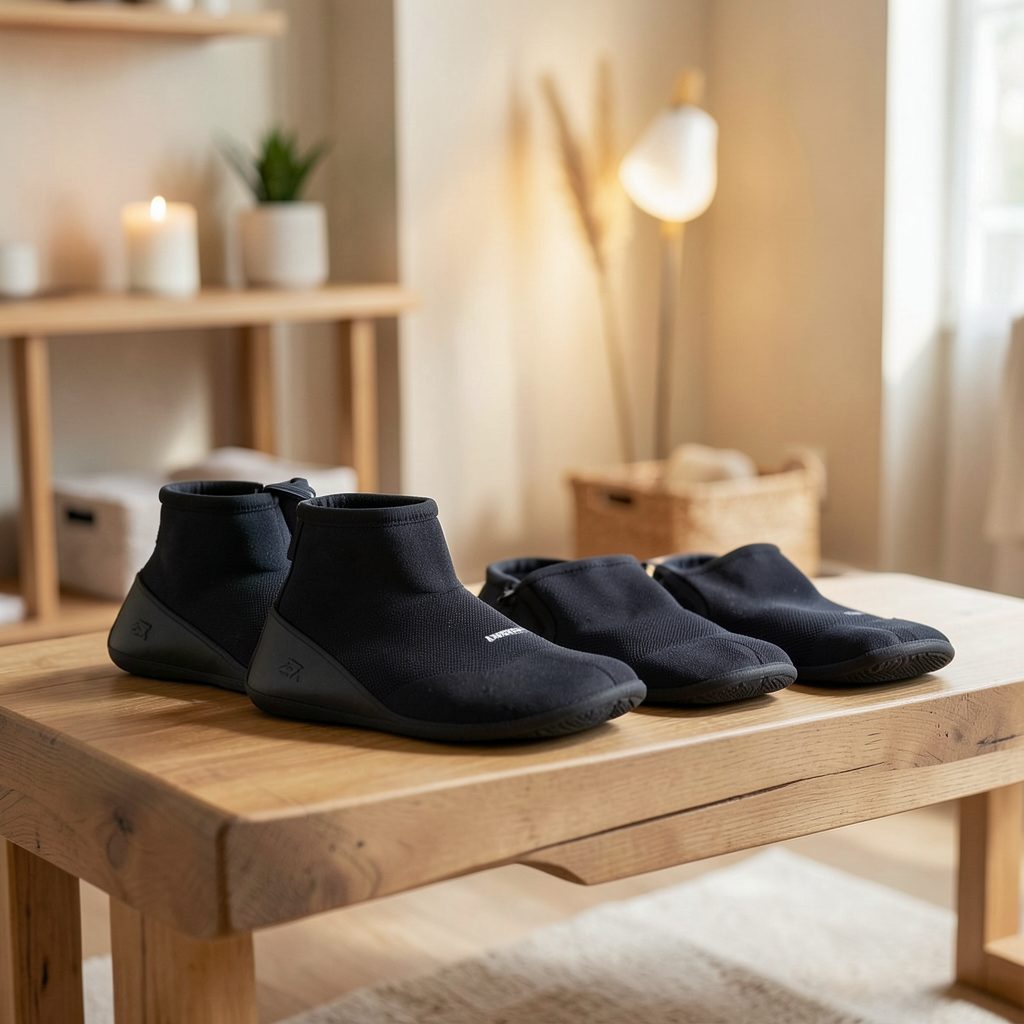
Three Entities, One Roof
Leagues
Eight league divisions span every age group: Indy Pro AM, 18+ Open Men's, 30+ Men's, Bite Size (ages 3–6), Impact League, 5th/6th Grade, Middle School, and High School. Gather your team and compete.
Training
Individual and group basketball training for all skill levels. Major M.O.V.E.S. Basketball Training serves ages 4–7 on Wednesday and Thursday evenings at 6:30 PM — $30 per session or $100 unlimited monthly.
Wellness & Recovery
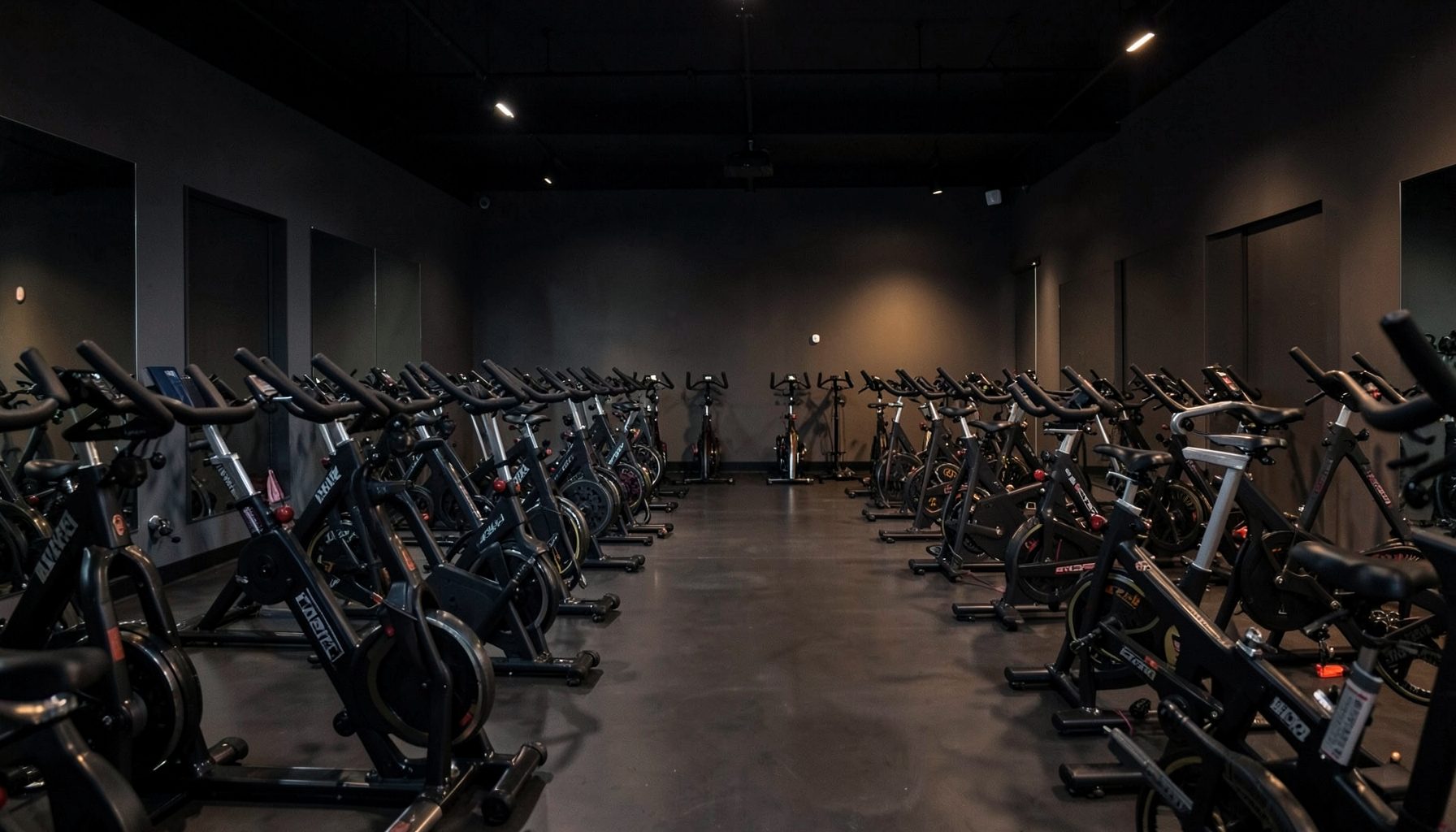
Normatec boot recovery and cryotherapy treatments help athletes bounce back faster. Cycle and spin classes add a cardio dimension to the holistic performance approach.
Have a Question?