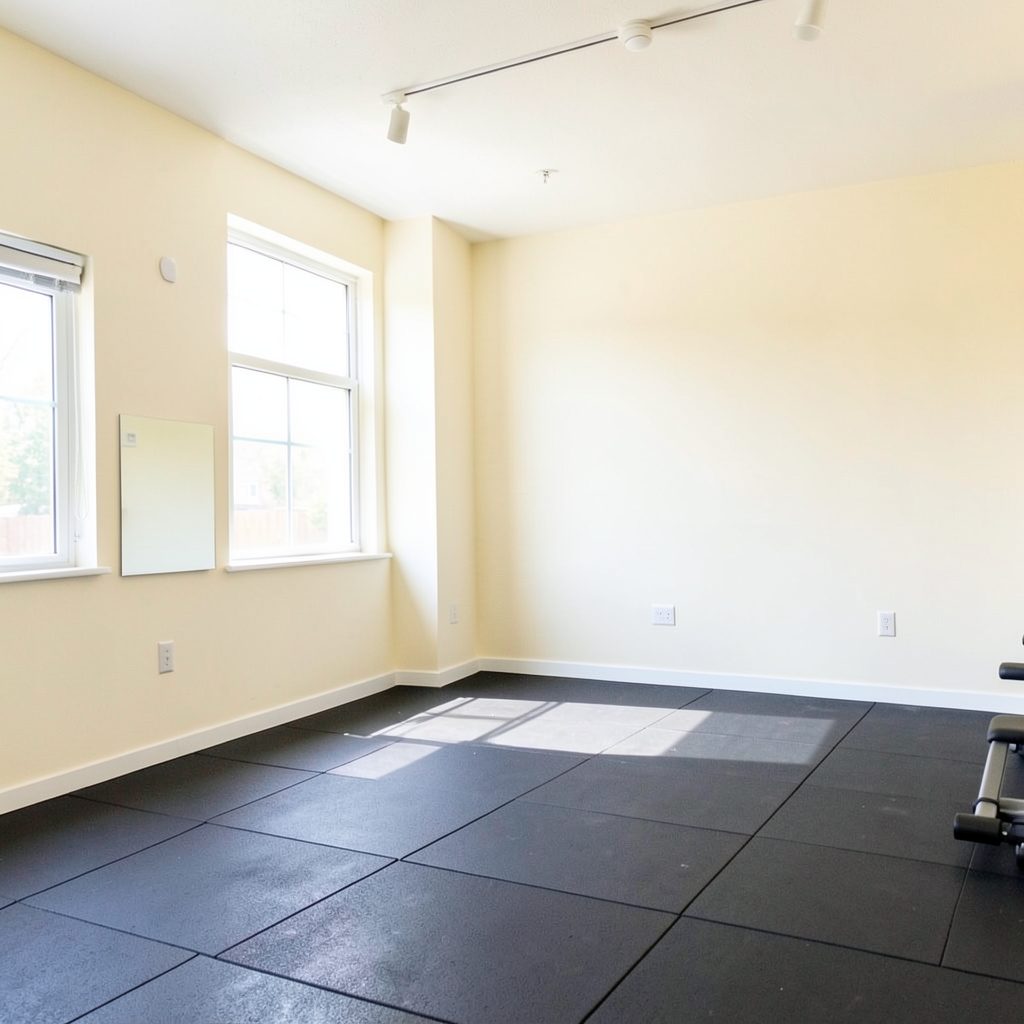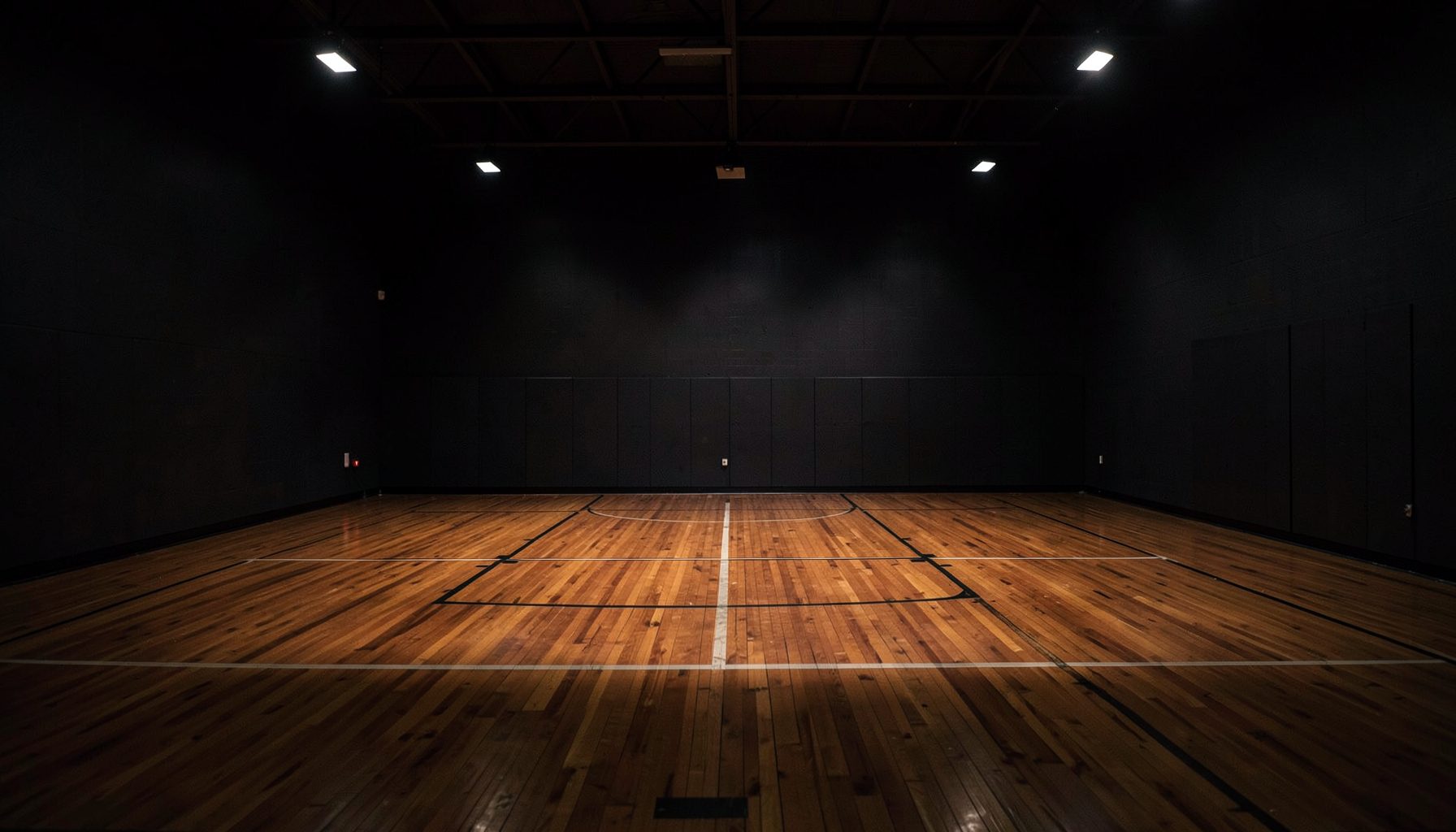
Train. Compete. Recover.
A multi-purpose athletic facility in Speedway, Indiana — basketball leagues, skill training, and wellness services all under one roof.
The Factory D1 Indy brings together three entities under one roof: competitive basketball leagues for all age groups, individual and group training, and wellness & recovery services including Normatec boot recovery and cryotherapy. Located off I-465 and High School Road at 6331 Crawfordsville Road, Speedway, Indiana 46224.
Get In TouchBest Basketball Drills for Defensive Footwork Without Equipment
The best basketball drills for improving defensive footwork with minimal equipment focus on repeatable movement, balance and decision-making rather than elaborate setups. One ball, a hard court and enough room to move are enough to develop defenders who slide with control, close out under pressure and recover into help position. The best results come when every repetition also includes a ball, a target or a verbal cue that forces the athlete to react.
That format fits basketball in Australia, where community clubs, school programs and year-round indoor competitions operate alongside footy and cricket. Players may train at the Melbourne Sports and Aquatic Centre, the Queensland State Basketball Centre or a busy Sydney Olympic Park venue, but the court demands are familiar. Aussie coaches and parents often look for sessions that are practical, inclusive and easy to repeat across age groups, so the drills need to challenge athletes without requiring a full team or a room full of equipment.
Minimal kit also makes these sessions flexible. One athlete can practise alone, two can work as a closeout pair, or a group can rotate through passing and finishing while others sharpen their defence. That makes the same movement patterns useful for juniors, club players and adults who want to regain court sharpness.
Build a strong defensive base
Begin with movement quality rather than speed. In a defensive stance, the feet sit about shoulder-width apart, knees and hips are flexed, and weight rests on the balls of the feet. The chest stays up, but the body remains low enough to move sideways. Defenders should keep their head level, use their peripheral vision and avoid crossing their feet, because crossed steps destroy balance and make a change of direction slower.
Mirror slide: one athlete dribbles or passes in front of a partner while the defender mirrors the movement without reaching in. Start close, use controlled slides and finish with a two-footed stop. Ballhandler’s shadow: work alone with one ball, moving it from hand to hand while maintaining the same stance; coaches can call “freeze” to check body position. These variations develop lateral quickness, posture and control without physical contact.
Use short, clear cues such as “hips low,” “feet active” and “eyes up.” If a player is upright, shuffling on the heels or bouncing too high, reduce the distance and slow the tempo. Quality repetitions build the base that later closeouts, drop steps and recovery runs depend on.
Drills for lateral balance and change of direction
The lateral shuffle is the foundation for sliding defence. Move side to side with the lead foot pointing in the travel direction, push from the opposite leg and keep the hips facing the ball. Add a low-body change of direction by planting the outside foot and cutting back in the opposite direction. Athletes can complete six to ten passes, then defend the return pass without using hands; this turns footwork into an active court read.
Closeout with balance: the ballhandler advances with one hand while the defender starts in a low stance, closes the space with short steps and stops with both feet balanced. The defender then retreats under control rather than turning the hips early. For younger players, use a short distance and a slow dribble; for older athletes, add a jab or change of direction before the closeout.
Drop-step recovery: face a teammate as if protecting a pass, glance toward the ball, drop the back hip to the help side and recover to a passing lane. The drill needs no screen or cone. It teaches defenders to stay connected to both the player and the ball, a habit that helps in transition and against ball screens. If extra games follow a hard session, athletes can also read this beginner’s guide to cryotherapy to understand how a cold-recovery session may fit into a broader plan.
Add ball pressure and better reads
Footwork must work with live ball pressure. In a mirror-and-react drill, the ballhandler starts a static dribble, shifts the ball from side to side and changes pace; the defender mirrors without stealing, then adds one active attempt to contest. The offensive player receives a pass after two or three dribbles, forcing the defender to turn, locate the ball and move into position. The objective is sound positioning rather than a strip or an acrobatic move.
Pass-and-closeout: use one ball and one wall or basket as the target. The passer makes three chest passes toward the wall, takes two steps back and then closes out to a partner holding the ball. The passer becomes the next attacker and the defender must retreat to the middle after the closeout. This develops acceleration, stopping ability and transition awareness without requiring two balls.
Read the hip: the attacker uses a jab, shoulder fake or ball move, while the defender reacts to the first genuine hip and shoulder signal. If the attacker drives, the defender slides; if the attacker picks up the ball, the defender closes out. Australian junior clubs often value this kind of decision-focused work because it transfers directly to small-sided games played in tight spaces. Keep the contest light, especially when players are growing or returning from injury.
Recover well enough to defend again
Defensive footwork still loads the calves, hamstrings, ankles and knees, so recovery is part of improving performance. Keep a sensible order: mobility and light movement, skill work, faster reaction drills, then a gradual deceleration. Stop if an athlete develops sharp pain, and build volume gradually rather than adding speed, distance and extra games all at once. Rest between short efforts allows technique to stay clean.
Mental fatigue can make a defender slow to react just as much as physical fatigue. A short guided reset may help before sleep, travel or another session; this ten-minute Yoga Nidra practice offers a simple method for practising a calm, focused routine. The aim is not to replace basketball training, but to give the nervous system a clear pause after repeated high-focus drills.
Climate matters across Australia. Brisbane’s summer heat and humidity can make indoor training feel demanding, while Melbourne and Sydney players may face abrupt changes between warm courts and cool evenings. Hydration, light clothing and a cool-down room are basic tools. After the final drill, players should walk rather than stop abruptly, stretch the calves and hamstrings gently, and refuelling with carbohydrates and protein supports the next session.
Build a repeatable weekly program
A simple weekly structure keeps the work consistent. Put two short footwork sessions into the week, use one as an active warm-up before team practice, and reserve another for closeouts and ball screens. For younger athletes, three sets of 20 seconds with full recovery may be enough; more experienced players can progress to four sets of 30 seconds, then add a defender, a pass or a scoring target. Record which movement breaks down rather than simply counting minutes.
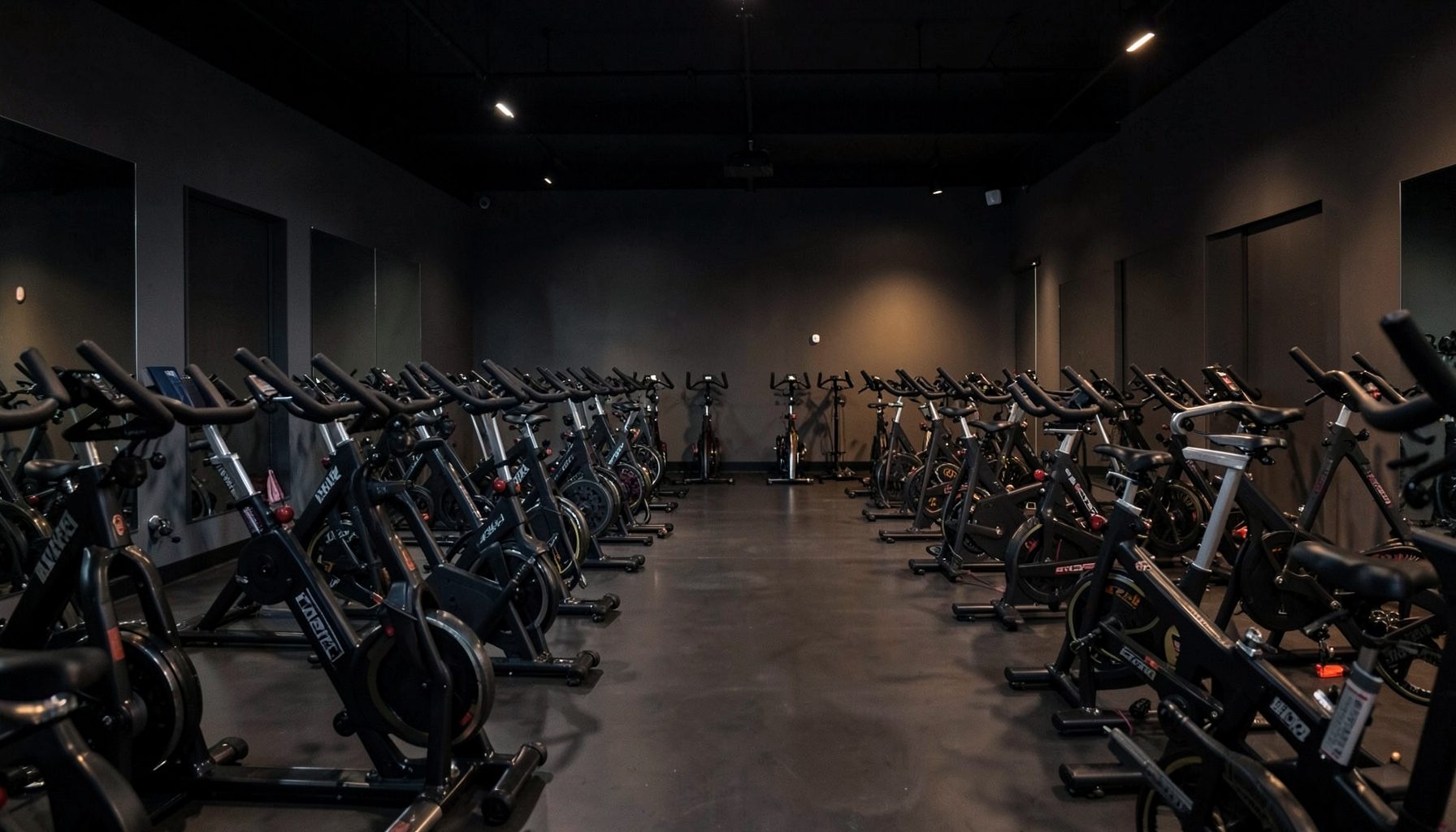
At The Factory D1 Indy in Speedway, Indiana, basketball development ranges from individual and group skills training to youth programs and leagues from early-childhood divisions through adult competition. The wider performance offering includes cycle and spin classes plus wellness and recovery services, including Normatec compression therapy and cryotherapy. That gives athletes practical ways to pair court work with conditioning and recovery.
The model translates well to Australian clubs, where seasonal registration, school holiday clinics and community competitions create regular points of contact with players. Volunteers and paid coaches can share one-ball drills across squads, then reserve full-team scrimmages for applying them. Athletes can practise the same cues at an outdoor or indoor local court, while competition sessions reveal whether their slides, closeouts and recovery runs work against a live opponent.
Footwork becomes a game advantage when an athlete can repeat it under pressure. Balanced slides, controlled closeouts and timely recovery leave the defender better prepared for the next possession, while the simple equipment demands make the work accessible to almost any court or club.
Reserve an individual or group basketball skills session at The Factory D1 Indy in Speedway, Indiana, and bring the progression into your next training block. Comfortable indoor shoes, one ball and a clear focus are all the athlete needs to begin. Book a session and put the next defensive rep on the court.
Inside The Factory
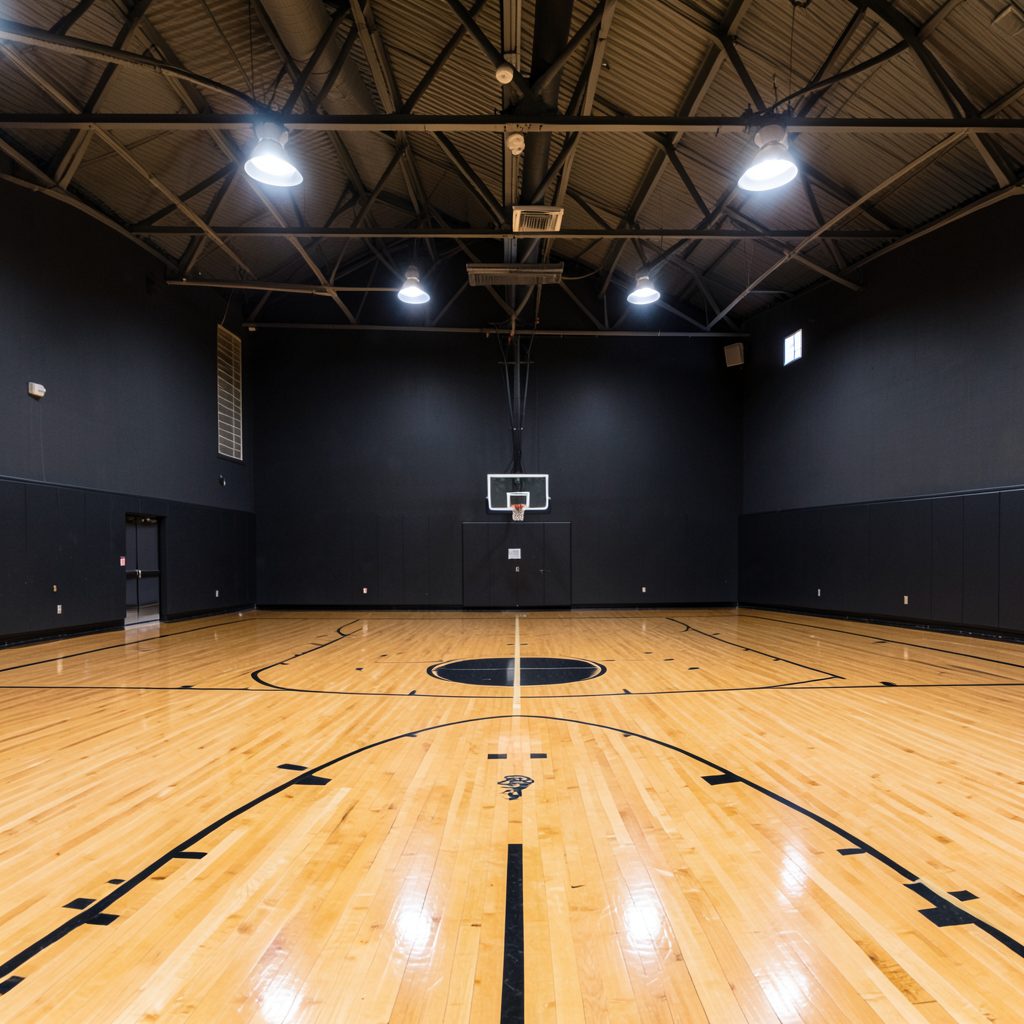

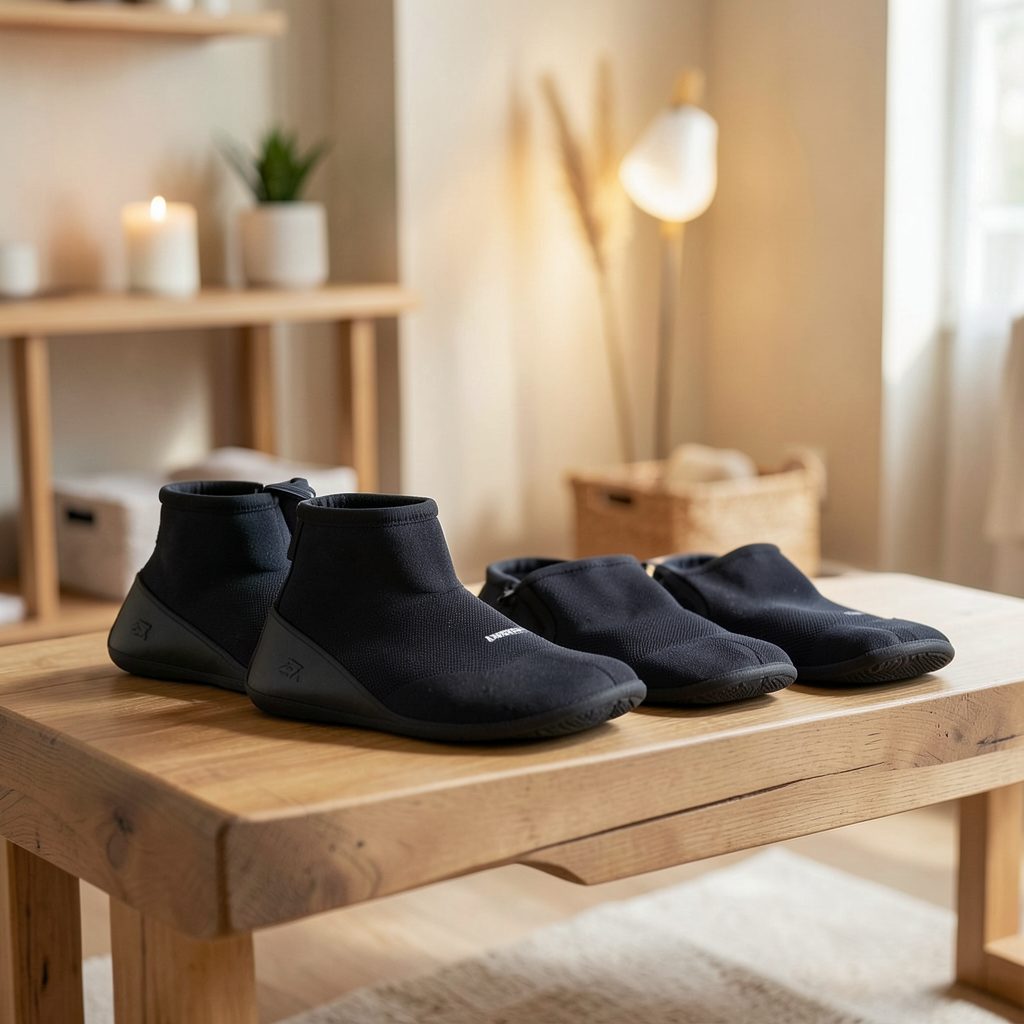
Three Entities, One Roof
Leagues
Eight league divisions span every age group: Indy Pro AM, 18+ Open Men's, 30+ Men's, Bite Size (ages 3–6), Impact League, 5th/6th Grade, Middle School, and High School. Gather your team and compete.
Training
Individual and group basketball training for all skill levels. Major M.O.V.E.S. Basketball Training serves ages 4–7 on Wednesday and Thursday evenings at 6:30 PM — $30 per session or $100 unlimited monthly.
Wellness & Recovery
Normatec boot recovery and cryotherapy treatments help athletes bounce back faster. Cycle and spin classes add a cardio dimension to the holistic performance approach.
Have a Question?