Train. Compete. Recover.
A multi-purpose athletic facility in Speedway, Indiana — basketball leagues, skill training, and wellness services all under one roof.
The Factory D1 Indy brings together three entities under one roof: competitive basketball leagues for all age groups, individual and group training, and wellness & recovery services including Normatec boot recovery and cryotherapy. Located off I-465 and High School Road at 6331 Crawfordsville Road, Speedway, Indiana 46224.
Get In TouchA Beginner’s Guide to Cryotherapy at Our Facility
Cryotherapy is a recovery service that uses controlled cold exposure to help you feel refreshed after training, competition, or demanding physical activity. At The Factory D1 Indy in Speedway, Indiana, it fits into a broader athletic environment that includes basketball skills training, youth and adult leagues, cycling classes, and wellness services.
For a first session, the most important goals are comfort, safety, and realistic expectations. Cryotherapy is not a replacement for sleep, hydration, mobility work, or medical care. It is a short recovery tool that may complement the habits already supporting your performance.
Athletes often explore cold therapy after intense practices, tournaments, strength sessions, or long days on the court. This look at cryotherapy explains why the service has drawn interest from athletes across Indiana and why it has become part of many modern recovery routines.
What Cryotherapy Means
Cryotherapy refers to the use of cold temperatures for a limited period. Depending on the service format, the experience may involve localized cold treatment or brief whole-body exposure. The goal is to create a controlled recovery experience rather than to endure cold for as long as possible.
Cold exposure can temporarily reduce the sensation of soreness and may help manage feelings of fatigue after exertion. Some people also report feeling energized or mentally refreshed afterward. Responses vary, so your first visit should be treated as an opportunity to learn how your body reacts.
A staff member can explain the available equipment, the session length, clothing requirements, and what sensations to expect. Follow those instructions closely, especially if you have never used a cryotherapy service before.
Why Athletes Use Cold Therapy
Hard training creates physical stress, and recovery helps the body adapt to that workload. Cryotherapy may be appealing after intense basketball drills, repeated games, cycling intervals, or conditioning workouts because the cold sensation can make tired muscles feel temporarily calmer.
Many athletes use it as one part of a larger recovery plan. A session may fit well alongside light stretching, hydration, balanced meals, quality sleep, massage, or compression therapy. It should support your routine rather than become the only recovery practice you rely on.
Cold therapy can also offer a useful transition between competition and the rest of your day. A brief, structured session may help you shift from an active state into a more deliberate recovery routine, particularly after a busy tournament or league schedule.
What To Expect During Your First Session
Before entering the treatment area, you will typically review basic instructions and remove items that are not suitable for cold exposure. Follow the facility’s directions about clothing, jewelry, skin protection, and personal belongings. Dry skin and appropriate coverage are important for a comfortable experience.
The cold will feel intense, but the session is designed to be brief and supervised. You may notice a sharp chill at first, followed by numbness or a strong cooling sensation. Communicate immediately if you feel pain, dizziness, unusual burning, shortness of breath, or anything that feels unsafe.
| Stage | What Usually Happens | Helpful Approach |
|---|---|---|
| Before treatment | You review instructions and prepare for the session | Ask questions and disclose relevant health conditions |
| During treatment | You experience brief, controlled cold exposure | Stay attentive to your body and follow staff guidance |
| Immediately afterward | Skin and body temperature gradually return to normal | Dress warmly, move comfortably, and hydrate |
| Later that day | You evaluate how you feel after the service | Notice your response without expecting instant results |
You may feel cold for a short time after the session, while others notice a refreshed or invigorated feeling. Give yourself a few minutes before rushing into another demanding activity. Your response can help staff guide future visits.
Preparing Safely For Cryotherapy
Wear the clothing recommended by the facility and arrive with clean, dry skin unless staff provide different instructions. Avoid applying lotions, oils, or other products beforehand if they are not permitted. These details help protect the skin and make the process more predictable.
Hydration is useful before and after physical activity, though you should follow any personal medical guidance you have received. Avoid attending while intoxicated or impaired, and do not use cryotherapy if you are feeling ill, unusually weak, or unable to clearly communicate how you feel.
People with certain health conditions may need medical clearance or may need to avoid cold exposure altogether. These can include some cardiovascular conditions, circulation disorders, uncontrolled high blood pressure, cold sensitivity, nerve problems, skin conditions, or pregnancy-related concerns. Tell the staff about medications, injuries, and relevant diagnoses before beginning.
Fitting Recovery Into Youth Sports
Parents may wonder whether a cold recovery service is appropriate for a young athlete. Children and teenagers should never use cryotherapy without an appropriate professional assessment and direct supervision. A youth athlete’s recovery plan should focus first on sleep, nutrition, hydration, age-appropriate training, and emotional well-being.
For families preparing for competition, practical support around the event often matters more than adding another recovery service. This guide on preparing for youth basketball covers the broader steps that can help young players approach league participation with confidence.
Parents should speak with a qualified healthcare professional before considering cryotherapy for a minor, particularly if the child has asthma, circulation concerns, chronic illness, or a history of unusual reactions to cold. The facility team can explain the service, but they cannot replace individualized medical advice.
Cryotherapy And Other Recovery Services
Cryotherapy may work well as one option within a flexible recovery menu. Some athletes prefer compression therapy after a long tournament, while others choose mobility exercises, low-intensity cycling, or a quiet cooldown. The best choice depends on the activity, the athlete’s needs, and how the body feels that day.
Normatec compression therapy, for example, uses pneumatic pressure rather than cold. It may feel different from cryotherapy and may suit a different point in your recovery routine. Combining services should be discussed with staff, especially after an injury or unusually demanding training block.
Keep expectations realistic. Cryotherapy may help you feel better, but it does not instantly repair damaged tissue, eliminate every type of soreness, or guarantee improved performance. Recovery outcomes are influenced by training load, sleep, food, stress, hydration, and underlying health.
Building A Consistent Recovery Routine
A first visit should be simple: learn the process, follow instructions, and record how you feel before and after treatment. Consider whether the session affected your comfort, energy, mobility, or perceived soreness later in the day. A personal response matters more than another athlete’s recommendation.
Use the service at a sensible time within your schedule. Some people prefer recovery treatment after competition, while others choose it after a demanding training day. Avoid treating every session as mandatory, and allow your body’s signals to guide the frequency of use.
Useful habits for a balanced plan include:
- Prioritize consistent sleep before adding extra recovery services.
- Drink fluids regularly and eat enough to support your training load.
- Use gradual warmups and cooldowns around basketball, cycling, and strength work.
- Tell staff about injuries, medical conditions, or unusual cold sensitivity.
- Stop the session and seek appropriate guidance if you experience alarming symptoms.
The Factory D1 Indy brings training, competition, fitness, and recovery together in one community-oriented setting. That makes it easier to think of cryotherapy as part of a complete athletic routine rather than an isolated treatment.
If you are ready to explore cold therapy, contact The Factory D1 Indy to learn about the available cryotherapy service, preparation requirements, and scheduling. Start with a supervised session, listen to your body, and build recovery habits that support the way you train and compete.
Inside The Factory
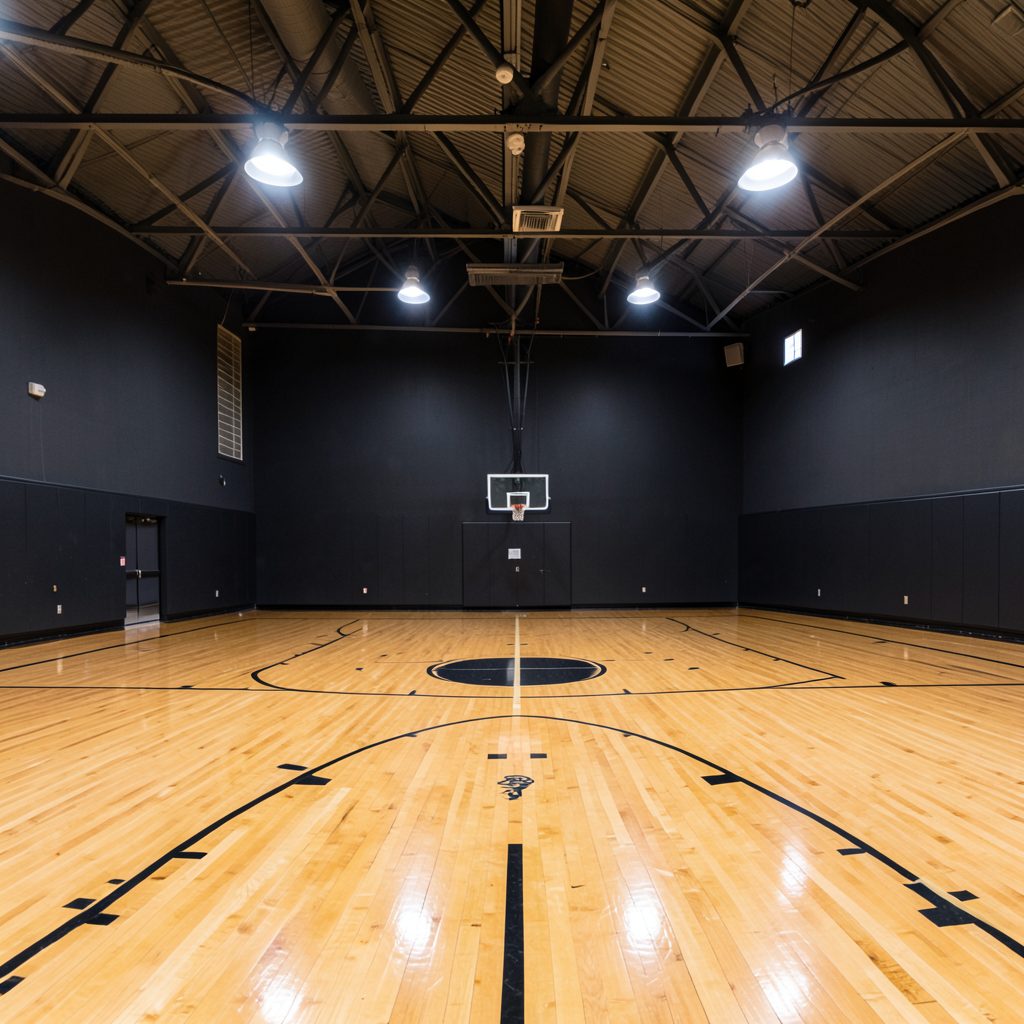

Three Entities, One Roof
Leagues
Eight league divisions span every age group: Indy Pro AM, 18+ Open Men's, 30+ Men's, Bite Size (ages 3–6), Impact League, 5th/6th Grade, Middle School, and High School. Gather your team and compete.
Training
Individual and group basketball training for all skill levels. Major M.O.V.E.S. Basketball Training serves ages 4–7 on Wednesday and Thursday evenings at 6:30 PM — $30 per session or $100 unlimited monthly.
Wellness & Recovery
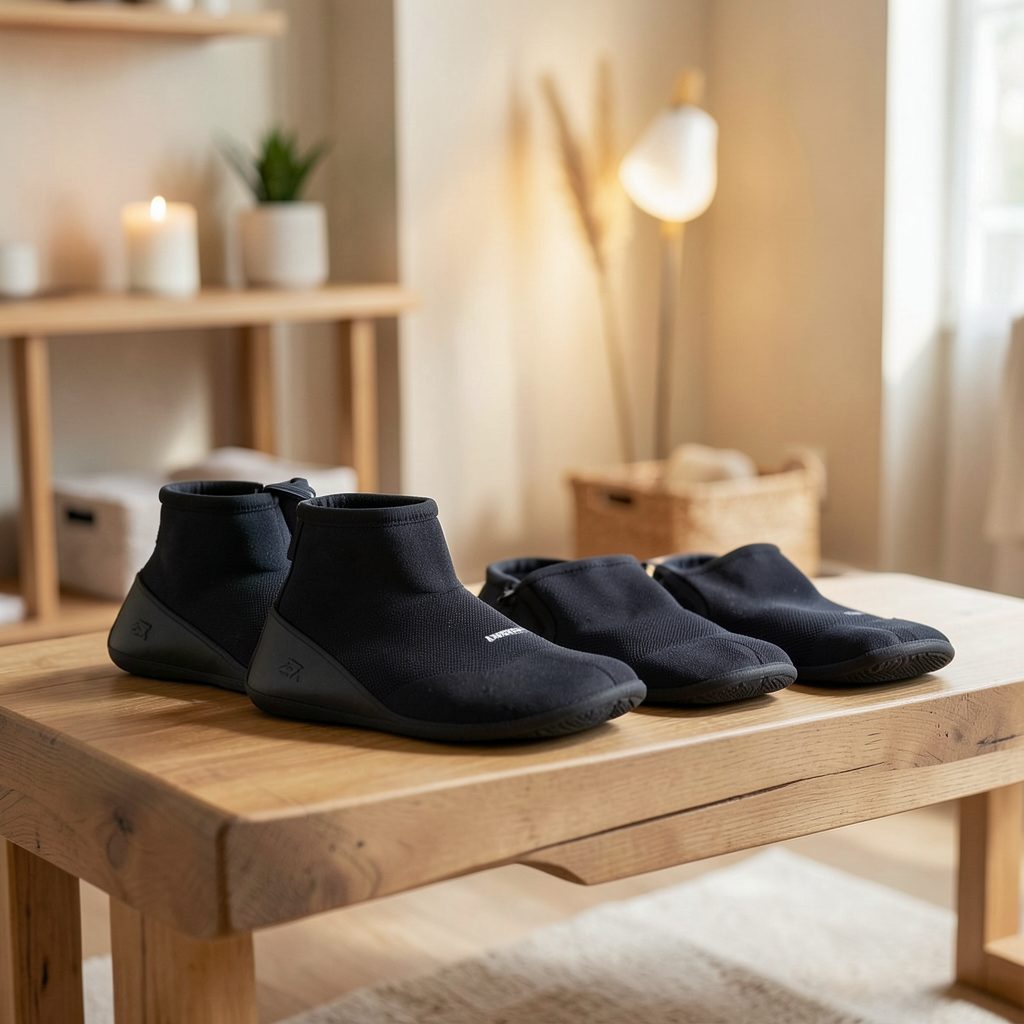
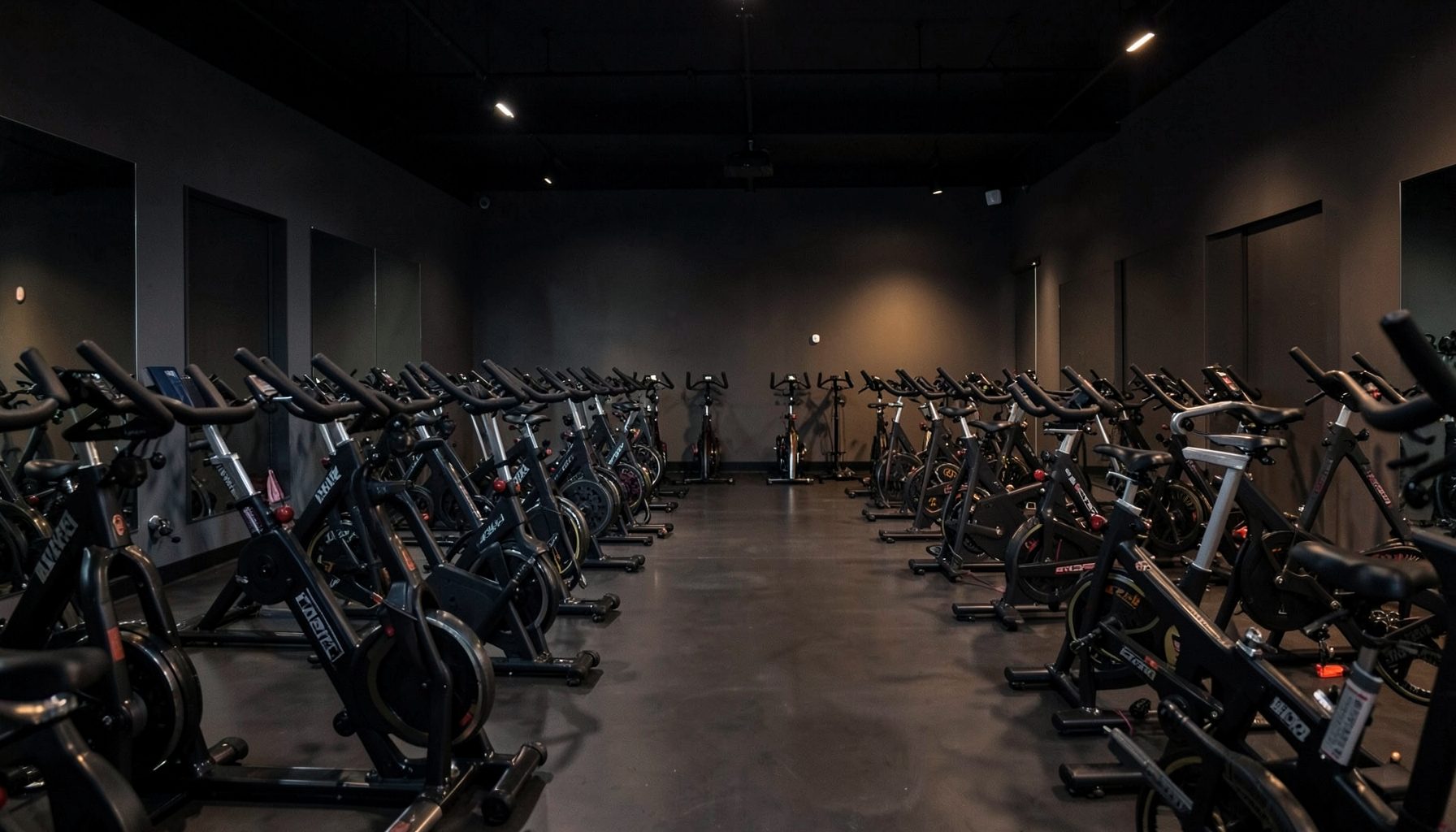
Normatec boot recovery and cryotherapy treatments help athletes bounce back faster. Cycle and spin classes add a cardio dimension to the holistic performance approach.
Have a Question?