Train. Compete. Recover.
A multi-purpose athletic facility in Speedway, Indiana — basketball leagues, skill training, and wellness services all under one roof.
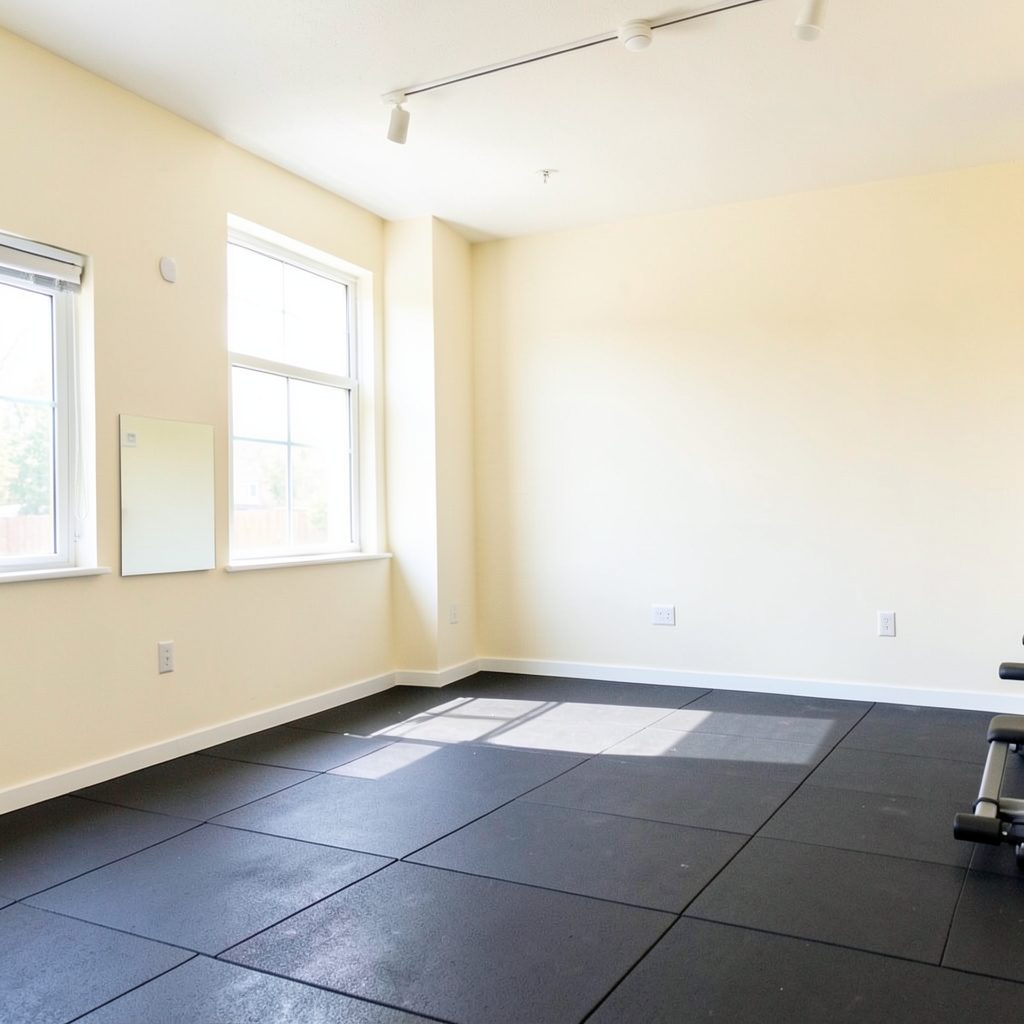
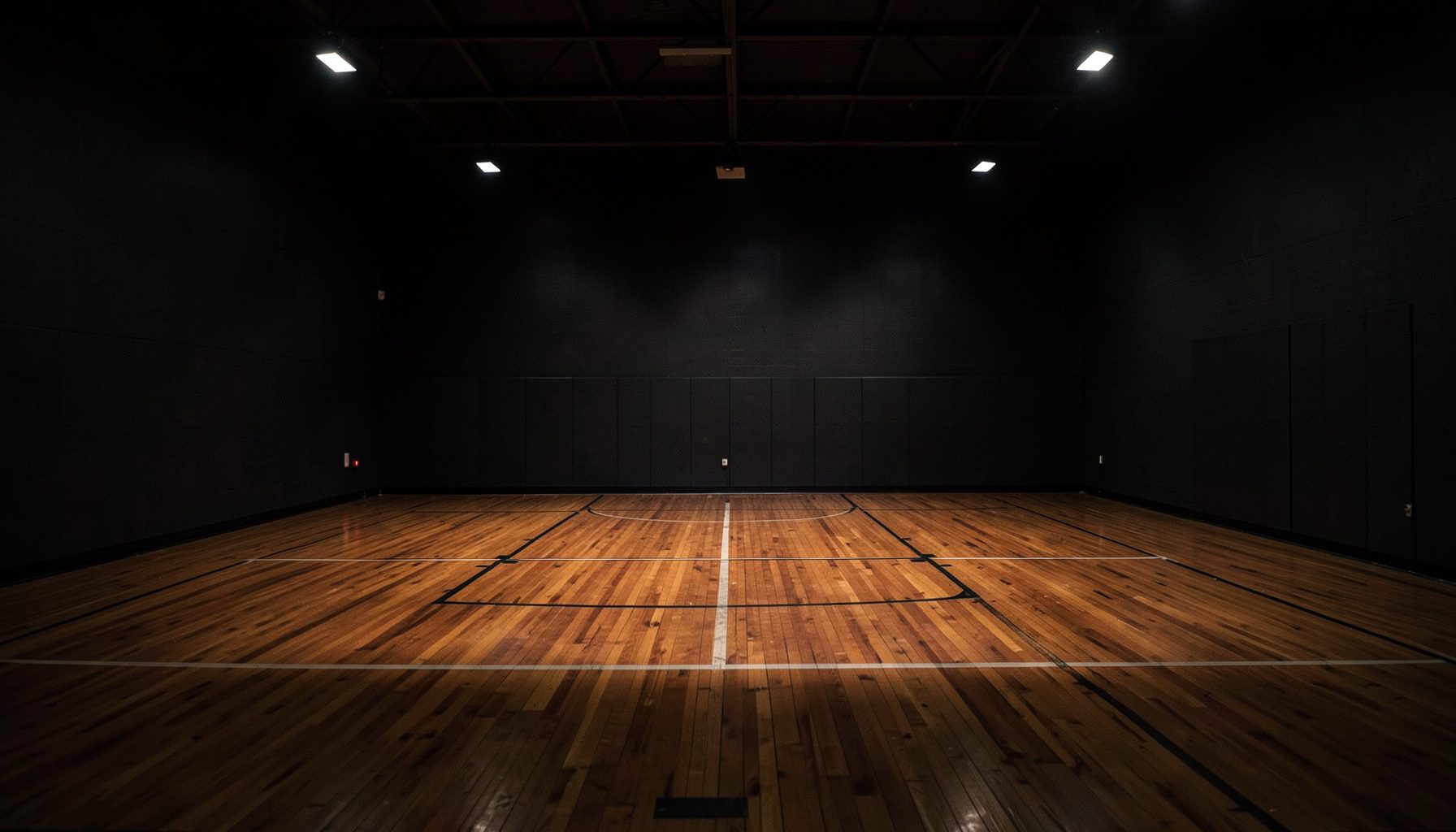
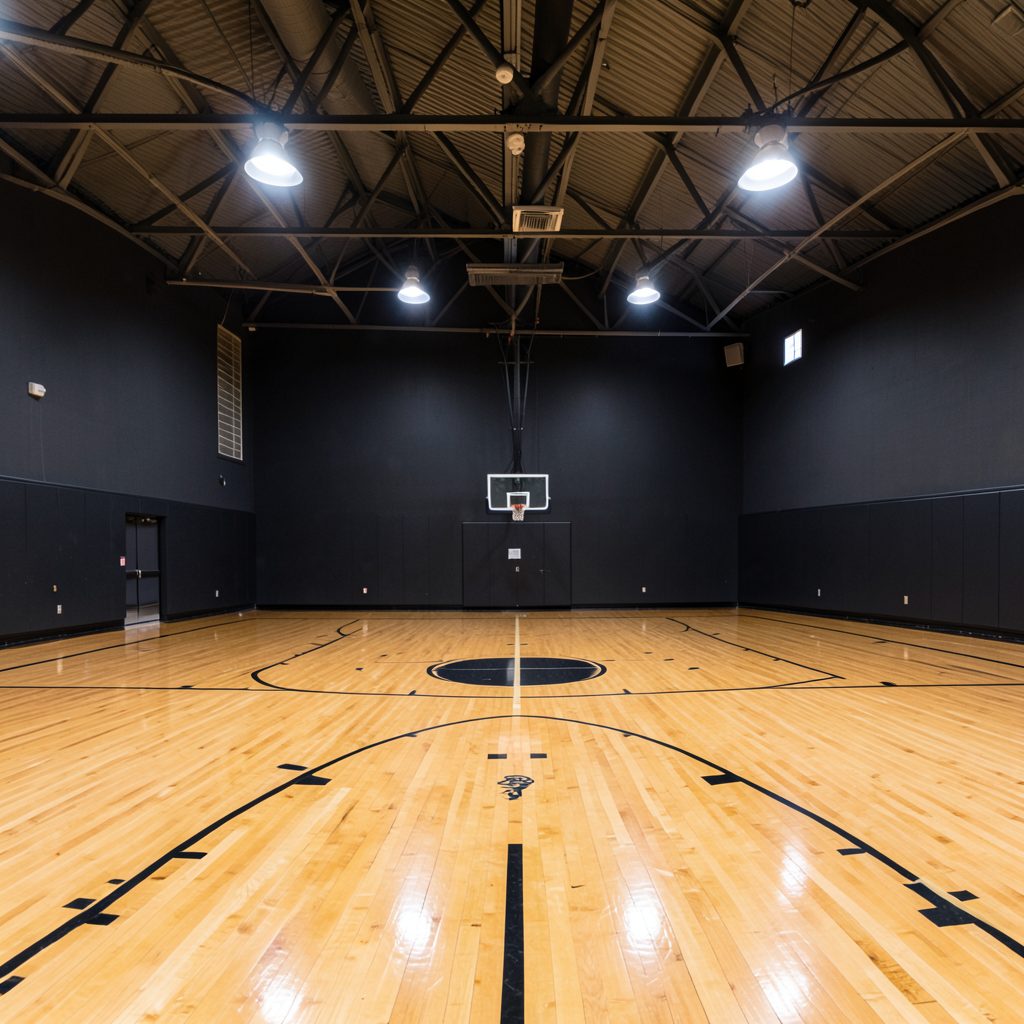
The Factory D1 Indy brings together three entities under one roof: competitive basketball leagues for all age groups, individual and group training, and wellness & recovery services including Normatec boot recovery and cryotherapy. Located off I-465 and High School Road at 6331 Crawfordsville Road, Speedway, Indiana 46224.
Get In TouchFitting a Normatec session between morning spin and evening practice
A 6am spin class feels productive, but by the time the afternoon rolls around, the legs often tell a different story. Athletes juggling morning cardio, work or study, and an evening practice need a recovery window that does not steal from training time or sleep. A Normatec compression session slotted into that mid-day gap can be the difference between heavy legs at tip-off and a clean first stride.
For Australians balancing pre-work sessions in Sydney, Melbourne or Brisbane with after-hours training, the timing of compression therapy matters as much as the therapy itself. Heat, humidity, long commutes across suburbs like Parramatta or the Gold Coast, and a social calendar built around weekend sport mean the recovery slot has to be efficient, predictable, and ideally something that fits inside a regular day.
Why the mid-day window is the recovery sweet spot
Recovery is most useful when it sits between two stress loads, not after the second one. The hours between a spin class and an evening practice are exactly that buffer. Blood flow is still elevated, lactate is clearing, and the legs are warm enough to respond well to pneumatic compression. Waiting until after practice means the body has already begun its inflammatory cascade, and any benefit gets layered on top of fresh fatigue rather than pre-empting it.
A 30-minute Normatec session in this gap does three things at once. It supports venous return, which matters when someone has been seated at a desk for four or five hours after cycling. It encourages lymphatic movement, which can shorten the stiffness window that otherwise peaks 18 to 24 hours later. And it gives the nervous system a brief parasympathetic shift before another sympathetic load arrives in the evening.
What the legs actually need after spin
Spin classes hammer the quads, glutes and calves in a way that basketball footwork later in the day does not. The cycling position shortens the hip flexors while overloading the lower legs through repetitive plantar flexion. Without intervention, the ankles and knees carry that fatigue into cutting, landing and lateral drills.
A well-timed compression session reverses the lift before evening practice. Boots on the legs for 25 to 35 minutes after spin flush out metabolic waste, reduce perceived swelling in the calves, and reset the proprioceptive feel of the joints. The next stop after that should be a light dynamic warm-up, not the car and a coffee.
Comparing session lengths for the spin-to-practice gap
| Session length | Best fit for this gap | Practical note |
|---|---|---|
| 20 minutes | Busy days with back-to-back commitments | Targets calves and quads only |
| 30 minutes | Standard work-day lunch break | Covers quads, glutes and hamstrings |
| 45 minutes | Heavy legs after hill-heavy spin | Add hips with the arm attachment if available |
Twenty minutes is enough for athletes who spin at a steady endurance pace and just want a circulation boost before evening practice. Thirty minutes is the sweet spot for most people, covering the full lower body without eating into the time needed for a snack, a shower and the commute. Forty-five minutes makes sense only when the morning ride was particularly intense or when travel to the gym was longer than usual, leaving the legs stiff from sitting.
Building it around a real Australian weekday
In Brisbane, a 5:30am spin at a suburban studio followed by work in the CBD and a 6:30pm practice at a community indoor court leaves a tight window. Most people cannot afford to drive home twice, so the recovery has to happen near work or near the training venue. A facility that offers cycle classes, Normatec compression and access to a quiet recovery space solves the logistics in a single stop.
Melbourne mornings are colder, which changes the warm-up equation. A spin session in a heated studio followed by a brisk walk to a tram and a day at the office in the legal or finance district leaves the legs cold by lunchtime. Compression therapy in the early afternoon helps re-warm the tissue without raising core temperature, which keeps the athlete sharp for evening practice rather than dragging them into a recovery nap.
Sydney athletes often train around the harbour or in western suburbs like Parramatta and Penrith. The drive alone can take 40 minutes, so the Normatec session is best scheduled in the 90-minute block between finishing work and arriving at training. This keeps the session as active recovery rather than something that has to be rushed.
Pairing compression with other recovery tools
Normatec works well on its own, but pairing it with a short mobility flow or contrast work can stretch the benefit. Five minutes of ankle circles and hip openers before the boots go on primes the joints for compression. After the boots come off, two minutes of light walking or a brief foam-roll pass on the upper back keeps the system awake rather than sending the athlete into a pre-practice slump.
Some athletes add cryotherapy to the rotation when inflammation is high or when the week has stacked three sessions in a row. The science behind cold exposure for muscle soreness is well documented and worth understanding before adding it to a regular plan, especially in warmer Australian climates where the body is already dealing with thermal load. Readers who want that context can read the cryotherapy inflammation guide before stacking tools.
Common pitfalls when stacking the day
The biggest mistake is treating compression as a passive cure rather than an active part of the training day. Sitting in a Normatec boot for 45 minutes, then driving straight to practice without re-engaging the legs, often produces heavy-feeling athletes in the first ten minutes of drills. The session should end with movement, hydration and a real meal, not a rushed protein bar in the car park.
Another pitfall is double-stacking recovery. A spin class, a Normatec session, an ice bath and a sauna in the same afternoon sounds thorough, but it often leaves the athlete flat the next morning. Recovery stacks should layer, not pile. One tool, used consistently across the week, outperforms three tools used randomly on the same day.
Finally, sleep gets forgotten. No amount of mid-day compression replaces a regular bedtime, and athletes training twice a day in Australian summers need to protect their evening wind-down just as carefully as they protect their training load.
Make the recovery plan work for your week
A consistent rhythm beats a perfect one-off session. Block the same half-hour three or four days a week between spin and practice, treat it as untouchable as a meeting or a training booking, and the body learns the pattern. Within two weeks the legs feel different at the start of evening drills, and within a month the difference shows up in the second half of practice when fatigue usually bites.
For athletes who want a deeper look at how recovery science fits into a full training block, the facility's digital magazine covers programming, recovery tools and athlete stories in more detail. Book the compression slot the same way you would book a court or a studio class, protect it on the calendar, and the mid-day window becomes the strongest part of the training week rather than the forgotten middle.
Inside The Factory

Three Entities, One Roof
Leagues
Eight league divisions span every age group: Indy Pro AM, 18+ Open Men's, 30+ Men's, Bite Size (ages 3–6), Impact League, 5th/6th Grade, Middle School, and High School. Gather your team and compete.
Training
Individual and group basketball training for all skill levels. Major M.O.V.E.S. Basketball Training serves ages 4–7 on Wednesday and Thursday evenings at 6:30 PM — $30 per session or $100 unlimited monthly.
Wellness & Recovery
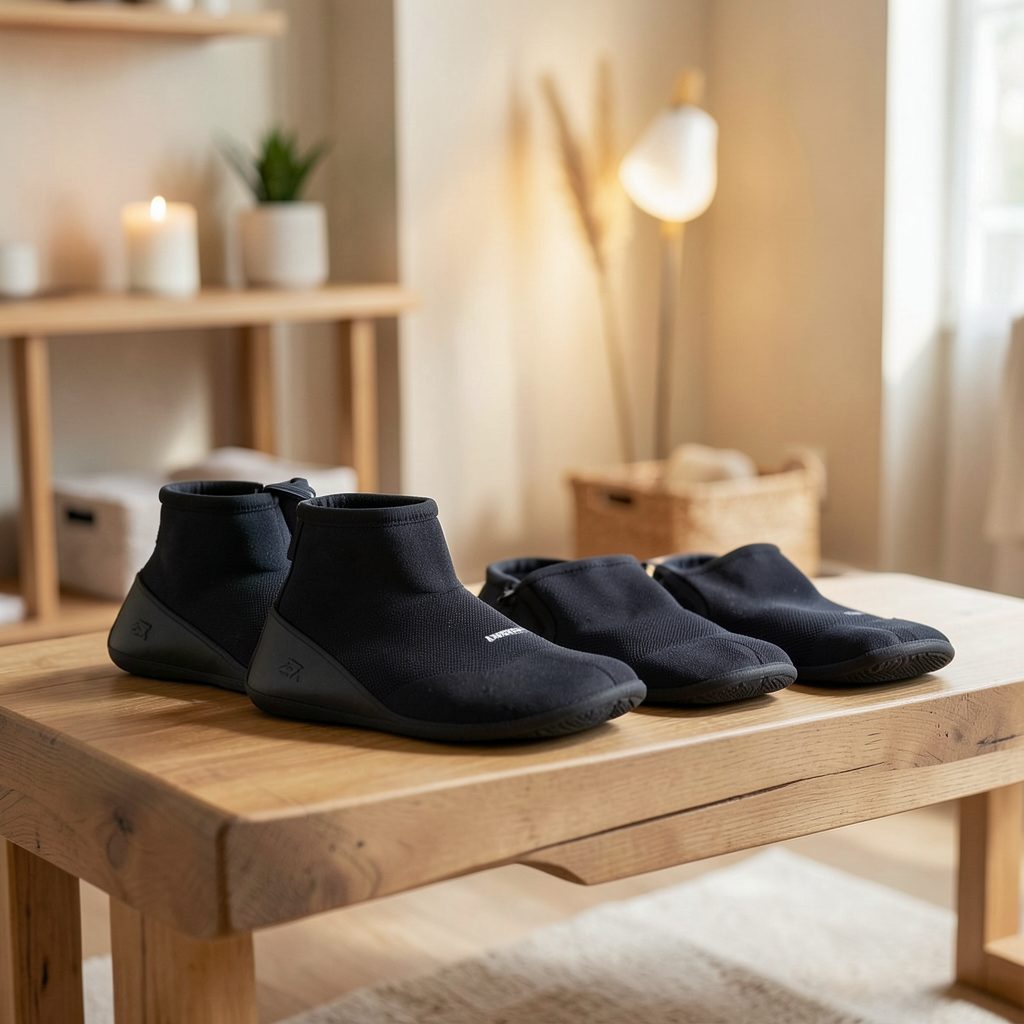
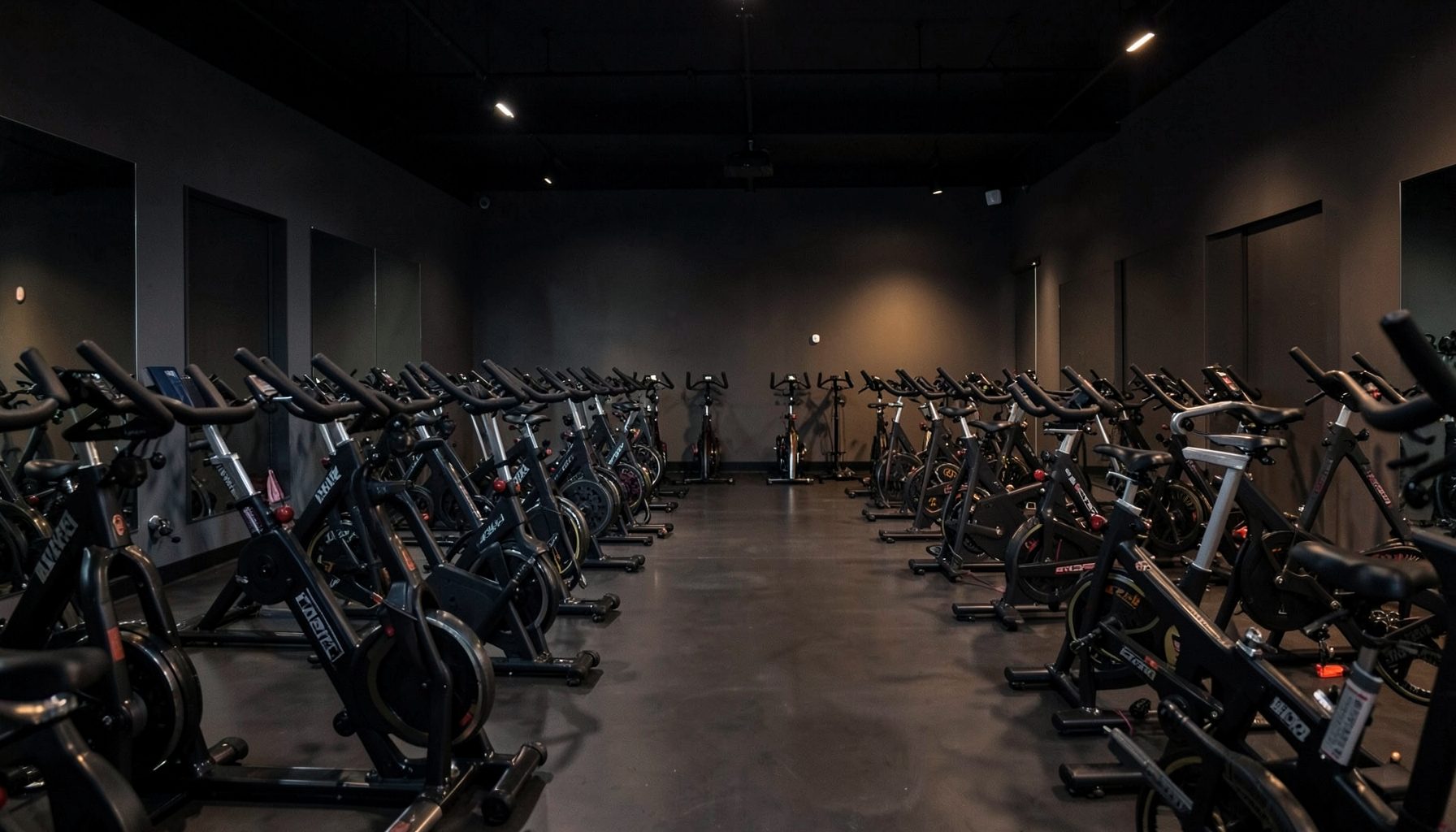
Normatec boot recovery and cryotherapy treatments help athletes bounce back faster. Cycle and spin classes add a cardio dimension to the holistic performance approach.
Have a Question?