Train. Compete. Recover.
A multi-purpose athletic facility in Speedway, Indiana — basketball leagues, skill training, and wellness services all under one roof.
The Factory D1 Indy brings together three entities under one roof: competitive basketball leagues for all age groups, individual and group training, and wellness & recovery services including Normatec boot recovery and cryotherapy. Located off I-465 and High School Road at 6331 Crawfordsville Road, Speedway, Indiana 46224.
Get In TouchThe correct way to use a cryotherapy chamber
Whole-body cryotherapy uses very cold air, often produced by nitrogen, to expose the body to a brief period of low temperature. A typical session lasts around two to three minutes, with your head remaining outside the chamber. It is different from an ice bath, cold shower or localised cold pack.
Used correctly, a cryotherapy session can form part of a broader recovery routine after training, travel or competition. It should not be treated as a cure-all, a replacement for medical treatment, or proof that a hard session has been fully recovered from.
For athletes in Australia, the right facility matters as much as the chamber itself. Whether you train in Sydney, Melbourne, Brisbane or a regional centre, choose an operator that explains the process, checks your health history, maintains equipment and gives clear aftercare instructions.
Check whether cryotherapy is suitable
Before booking, disclose relevant medical information to the operator. Pregnancy, cardiovascular disease, uncontrolled high blood pressure, cold urticaria, Raynaud’s phenomenon, reduced sensation, peripheral circulation problems and some respiratory conditions may make whole-body cryotherapy unsuitable. Recent surgery, open wounds or significant skin irritation also need professional assessment.
Do not assume that being fit makes you automatically eligible. A healthy basketball player, runner or footballer can still react badly to extreme cold. Ask your doctor or qualified health professional for advice if you have a medical condition, take regular medication or have previously fainted in cold environments.
A reputable Australian business should explain its screening process and emergency procedures before payment. Work health and safety requirements vary between states and territories, so an operator in Victoria may follow different administrative rules from one in New South Wales or Queensland. The practical standard should remain consistent: trained staff, documented procedures, ventilation and clear communication.
Prepare your body and clothing
Arrive well hydrated, but avoid drinking so much immediately beforehand that you feel uncomfortable. A normal meal a few hours before the appointment is usually more sensible than arriving fasted or immediately after a large meal. Avoid alcohol before a session, and postpone treatment if you have a fever, acute illness or feel light-headed.
Your skin must be completely dry. Sweat, damp clothing, moisturiser, body oil and water can increase the risk of cold injury. This is especially relevant after a humid Brisbane training session or an intense summer workout in Perth. Give yourself time to cool down, shower if necessary and dry thoroughly before entering the chamber.
The facility should provide or specify dry socks, insulated slippers, gloves and suitable underwear or swimwear. Remove jewellery, watches and other metal items if instructed. Do not take a phone, wet towel or unapproved object into the chamber, and tie back long hair if the operator requests it.
Complete the pre-session briefing
The technician should show you how the chamber works, where to stand and how to communicate during treatment. In many systems, your head remains above the opening while cold air surrounds the body. In a full-body cabin, the procedure may differ, so follow the instructions for that specific model rather than copying a video or a friend’s routine.
Ask how the operator monitors temperature, ventilation and oxygen levels. Nitrogen vapour must be managed correctly, and you should never lean into an area where you may inhale concentrated gas. The room should have suitable ventilation, emergency controls and a staff member close enough to respond immediately.
Tell the technician if you feel anxious, claustrophobic or unsure about the duration. The first appointment should be treated as an orientation, not a test of toughness. A shorter exposure may be appropriate for a first-time user, and the session should stop if you feel unwell.
Enter the chamber safely
Before entering, confirm that your skin and clothing are dry and that the protective items fit properly. Step in carefully, keep your feet positioned as directed and avoid touching the chamber walls. The technician will usually set the exposure time according to the equipment, your experience and the centre’s protocol.
Once the session begins, keep moving gently if instructed. Small movements can help you tolerate the cold, but vigorous exercise inside the chamber is unnecessary. Keep your hands, feet and body in the recommended position, and do not rub the skin aggressively to create warmth.
A cold sensation is expected, but sharp pain, intense burning, dizziness, chest discomfort, difficulty breathing, confusion, numbness or panic is not something to push through. Tell the technician immediately using the agreed signal or communication system. The session can be ended early; completing the planned time is never more important than your safety.
Finish the exposure and warm up gradually
When the session ends, exit slowly and follow the technician’s directions. Mild redness, tingling or temporary coldness can occur as the skin returns to its usual temperature. Walk carefully, particularly if your feet feel numb, and allow your circulation to normalise before rushing into a car or back onto a training court.
Use warm clothing and normal room-temperature movement rather than extreme heat unless the facility specifically advises otherwise. Avoid jumping straight into a very hot spa, sauna or intensely heated shower. Rapid temperature changes may make you feel faint, especially if you are dehydrated after exercise.
The operator should check how you feel before you leave. If pain, blistering, persistent numbness, unusual swelling or skin colour changes develop, seek medical advice promptly. Keep an eye on the treated areas for the rest of the day instead of assuming every reaction is harmless.
Fit the session into training and recovery
Cryotherapy is one tool within a recovery plan that should also include sleep, adequate food, hydration, mobility work and sensible training loads. It may feel refreshing after a demanding session, but the sensation of cold does not guarantee improved performance or faster tissue repair. Research on whole-body cryotherapy remains mixed, and results can vary between people and protocols.
Timing also matters. Some athletes use cold exposure after competition, while others prefer to separate it from strength training because frequent immediate cold exposure may influence some adaptation processes. Your coach, sports doctor or exercise physiologist can help decide whether it fits your goals. Planning recovery around training is explained in this off-season recovery guide.
For Australian athletes, practical scheduling may mean booking after an evening basketball league, before a long commute or during a lighter training day. Do not use a chamber to compensate for poor preparation before Saturday netball, an AFL fixture or a weekend fun run. The session should support a well-managed programme rather than disguise excessive workload.
Choose a responsible facility
Compare facilities on safety and service quality, not just on the lowest advertised price. A professional operator should provide a health questionnaire, explain contraindications, use clean protective equipment and record relevant session details. Ask whether staff have specific chamber training and what happens if the equipment stops or you need to exit early.
Look for clear pricing and realistic marketing. In Australia, businesses must comply with the Australian Consumer Law, which places expectations on services and advertising. Be cautious of claims that promise guaranteed fat loss, disease treatment, permanent pain relief or dramatic athletic results. A wellness service should describe possible benefits without presenting cryotherapy as a substitute for clinical care.
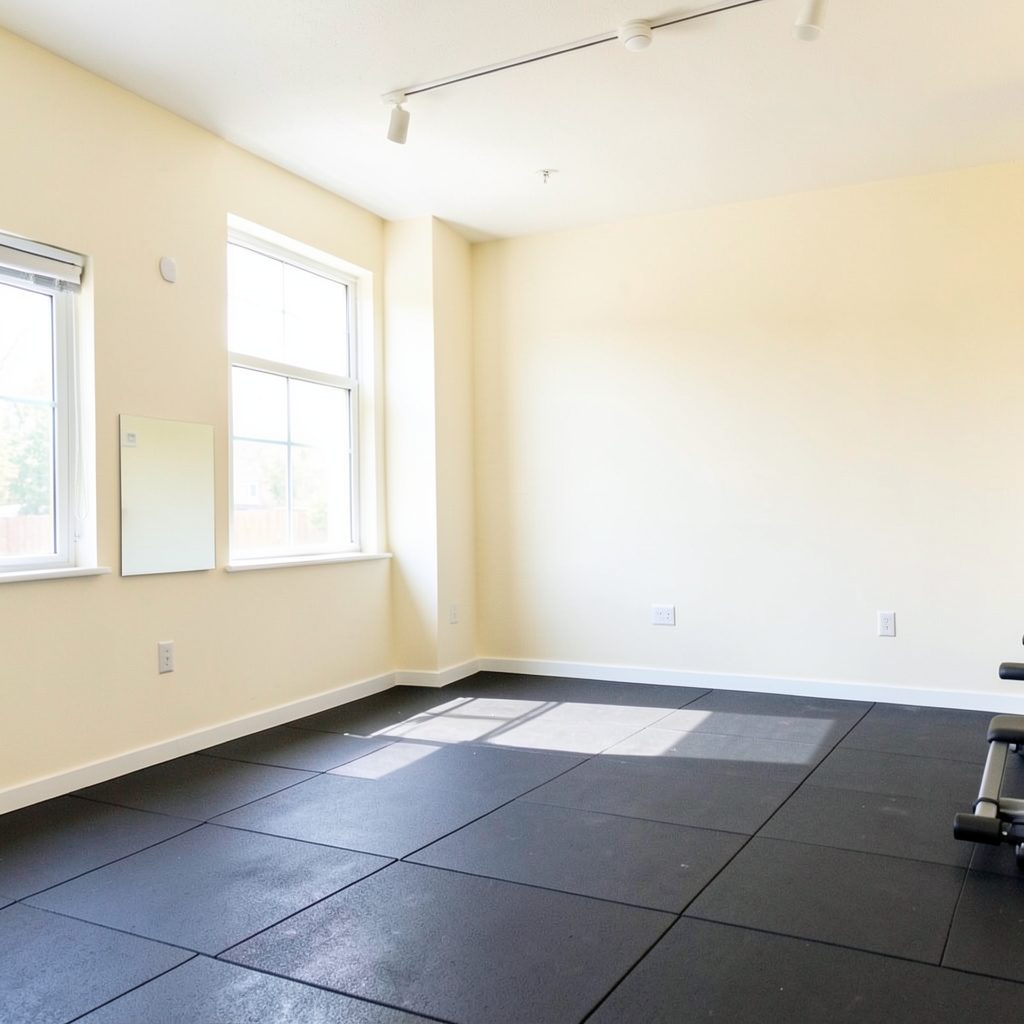
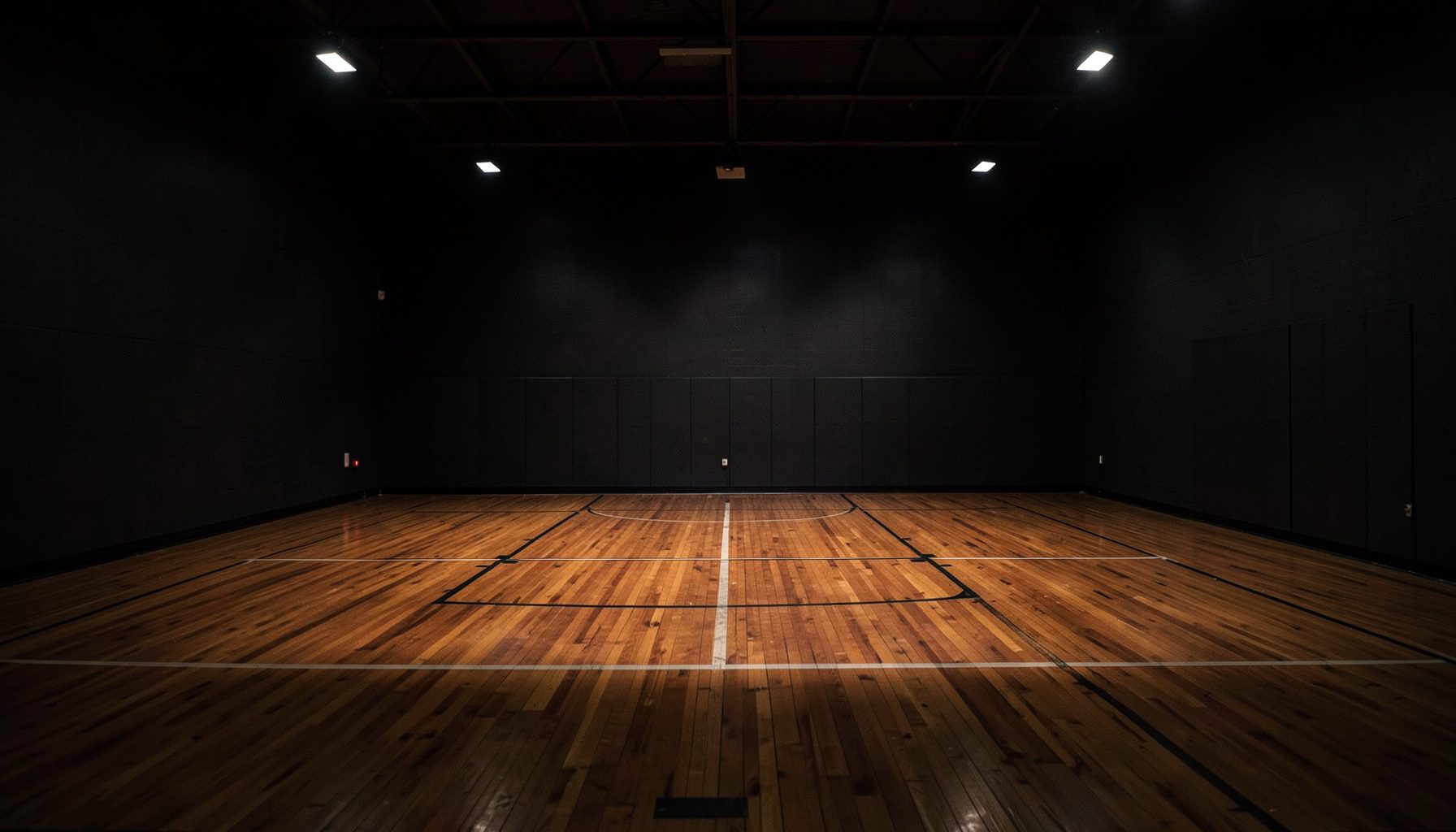
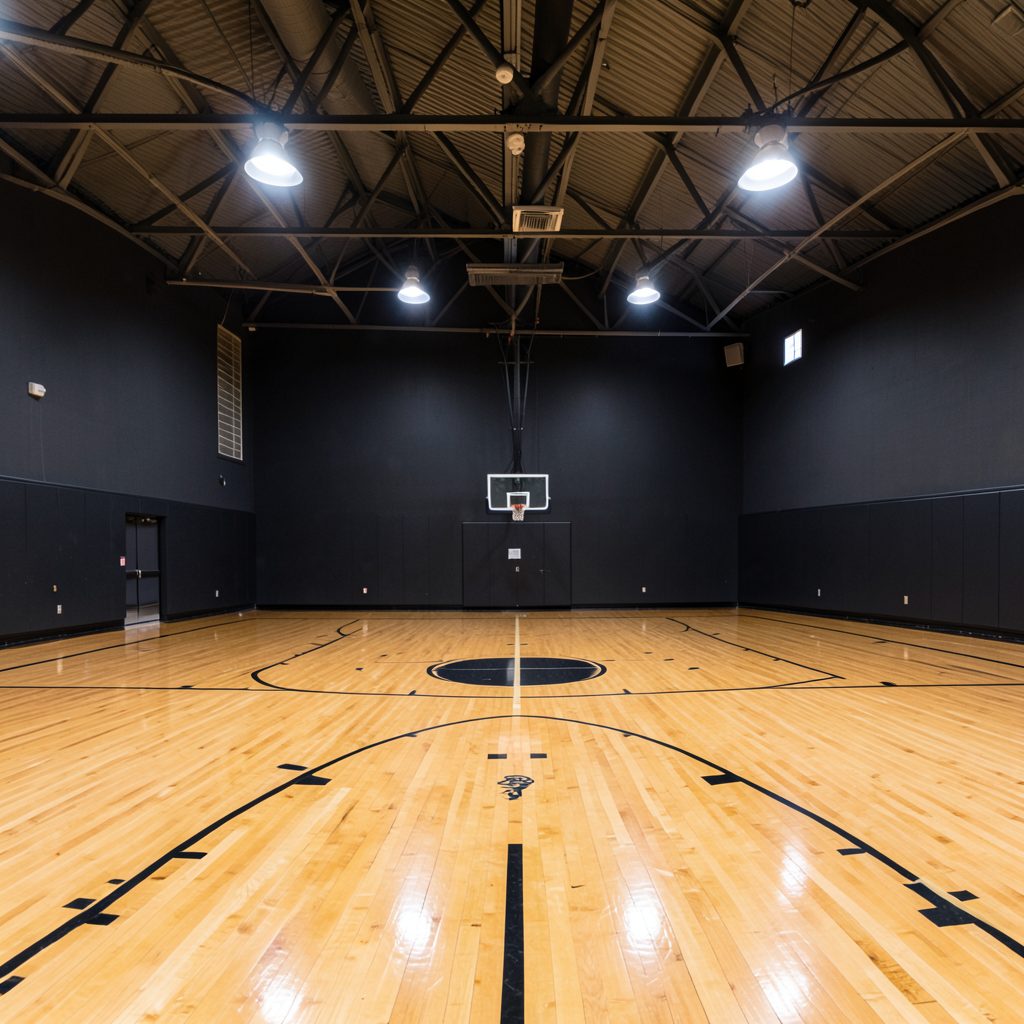
It is also worth checking the environment in person. A clean changing area, organised reception and visible attention to equipment maintenance are useful signs. Photos can help you understand the setting before booking; the facility gallery offers an example of how an athletic and recovery environment may be presented.
A well-run cryotherapy session is brief, controlled and supervised. Prepare with dry skin and suitable clothing, complete the health screening, follow the technician’s instructions, communicate any warning signs and warm up normally afterwards. If you are ready to add cold therapy to a structured training routine, book with a reputable facility and treat your first session as a carefully monitored introduction.
Inside The Factory

Three Entities, One Roof
Leagues
Eight league divisions span every age group: Indy Pro AM, 18+ Open Men's, 30+ Men's, Bite Size (ages 3–6), Impact League, 5th/6th Grade, Middle School, and High School. Gather your team and compete.
Training
Individual and group basketball training for all skill levels. Major M.O.V.E.S. Basketball Training serves ages 4–7 on Wednesday and Thursday evenings at 6:30 PM — $30 per session or $100 unlimited monthly.
Wellness & Recovery
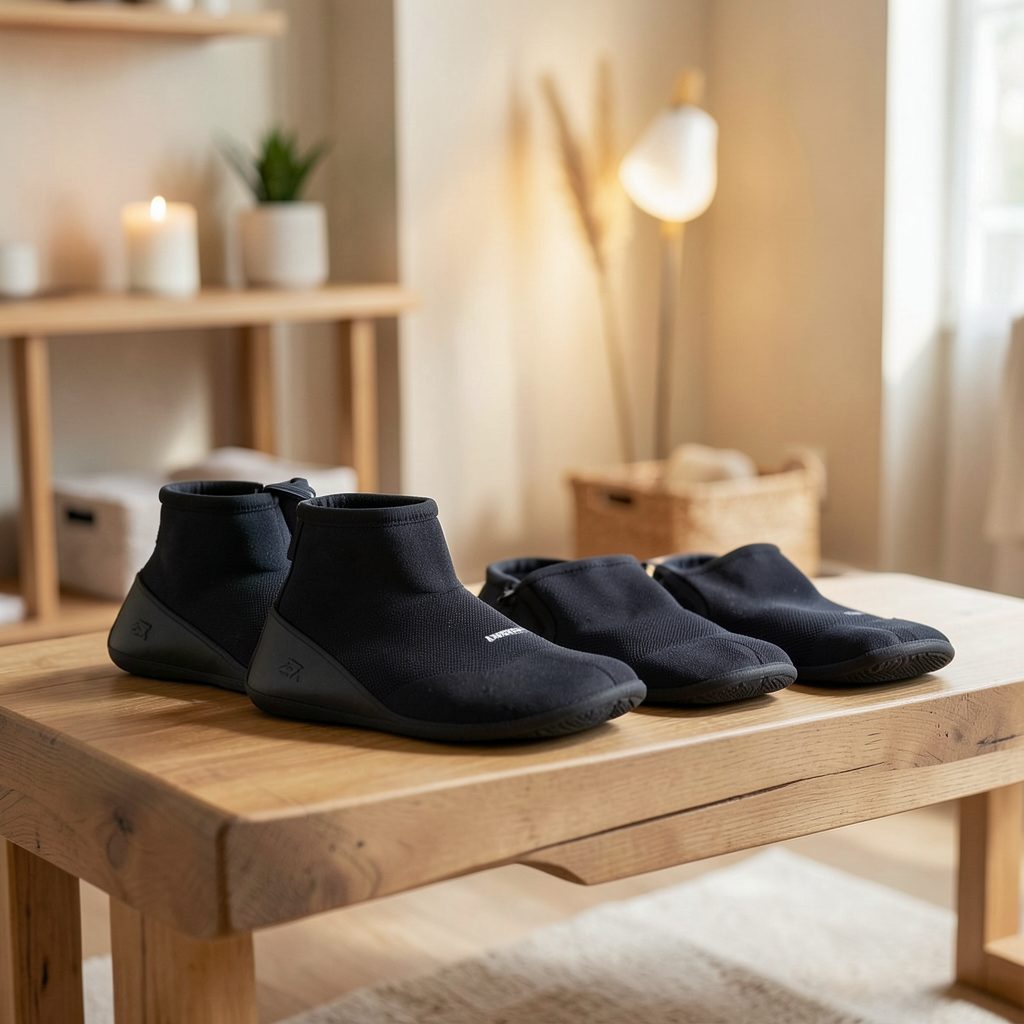
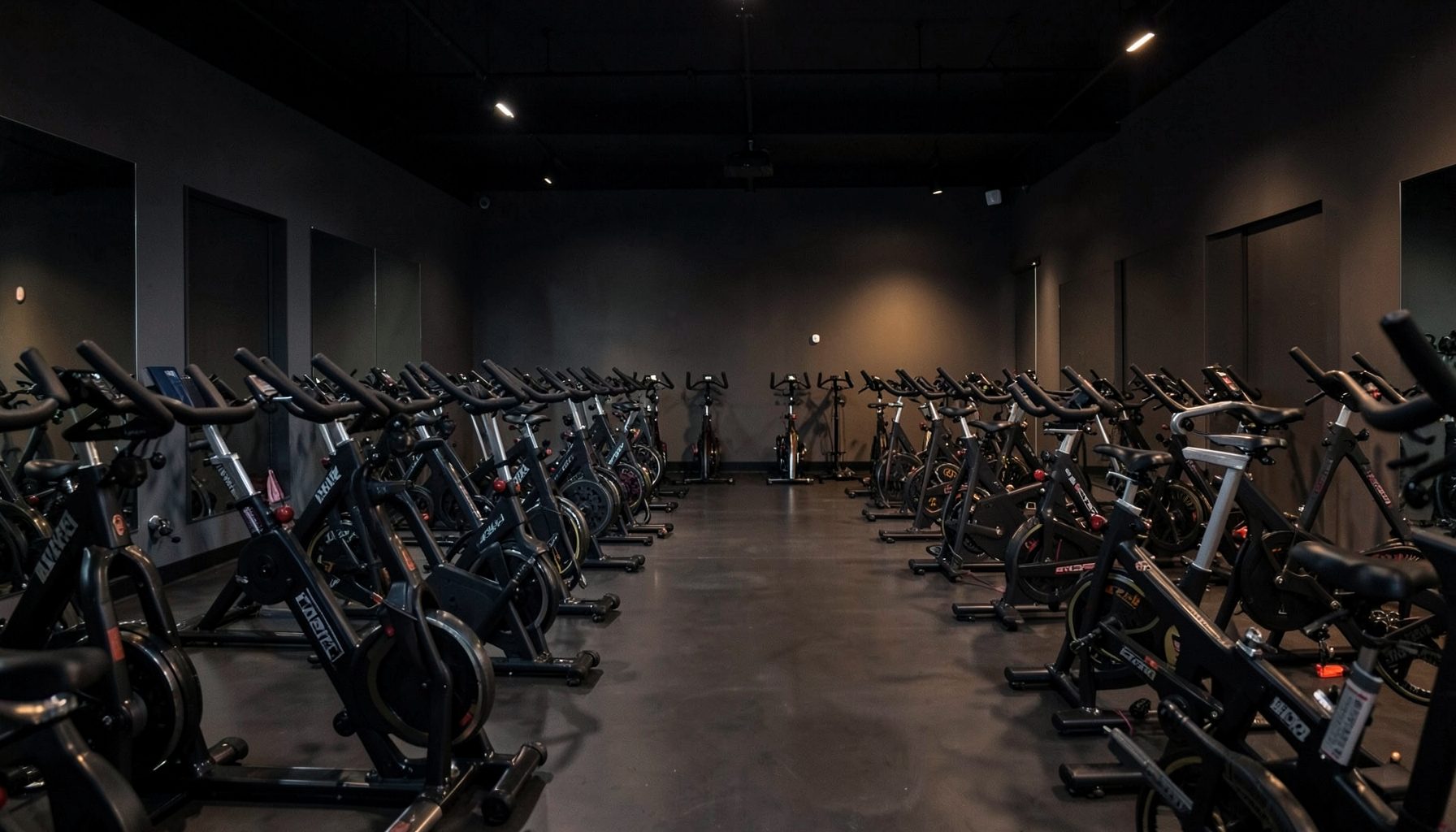
Normatec boot recovery and cryotherapy treatments help athletes bounce back faster. Cycle and spin classes add a cardio dimension to the holistic performance approach.
Have a Question?