Train. Compete. Recover.
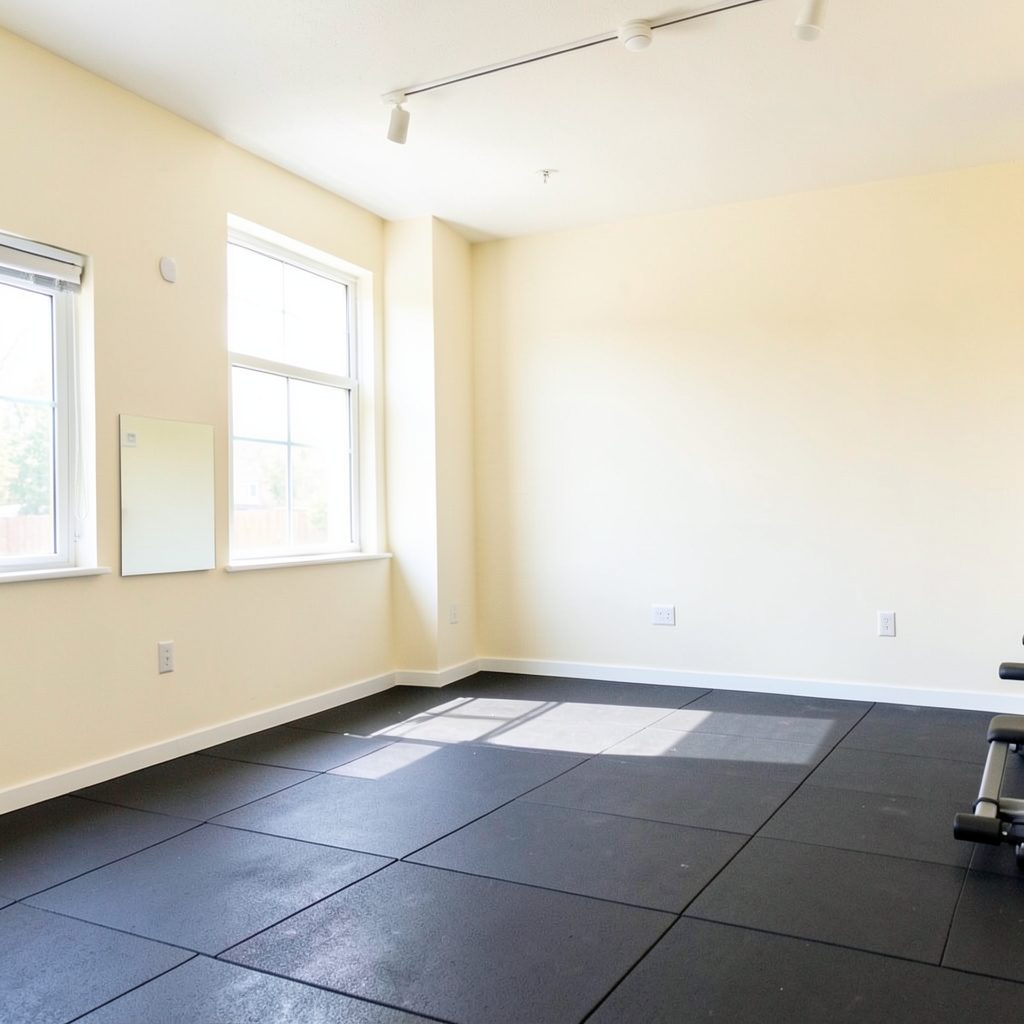
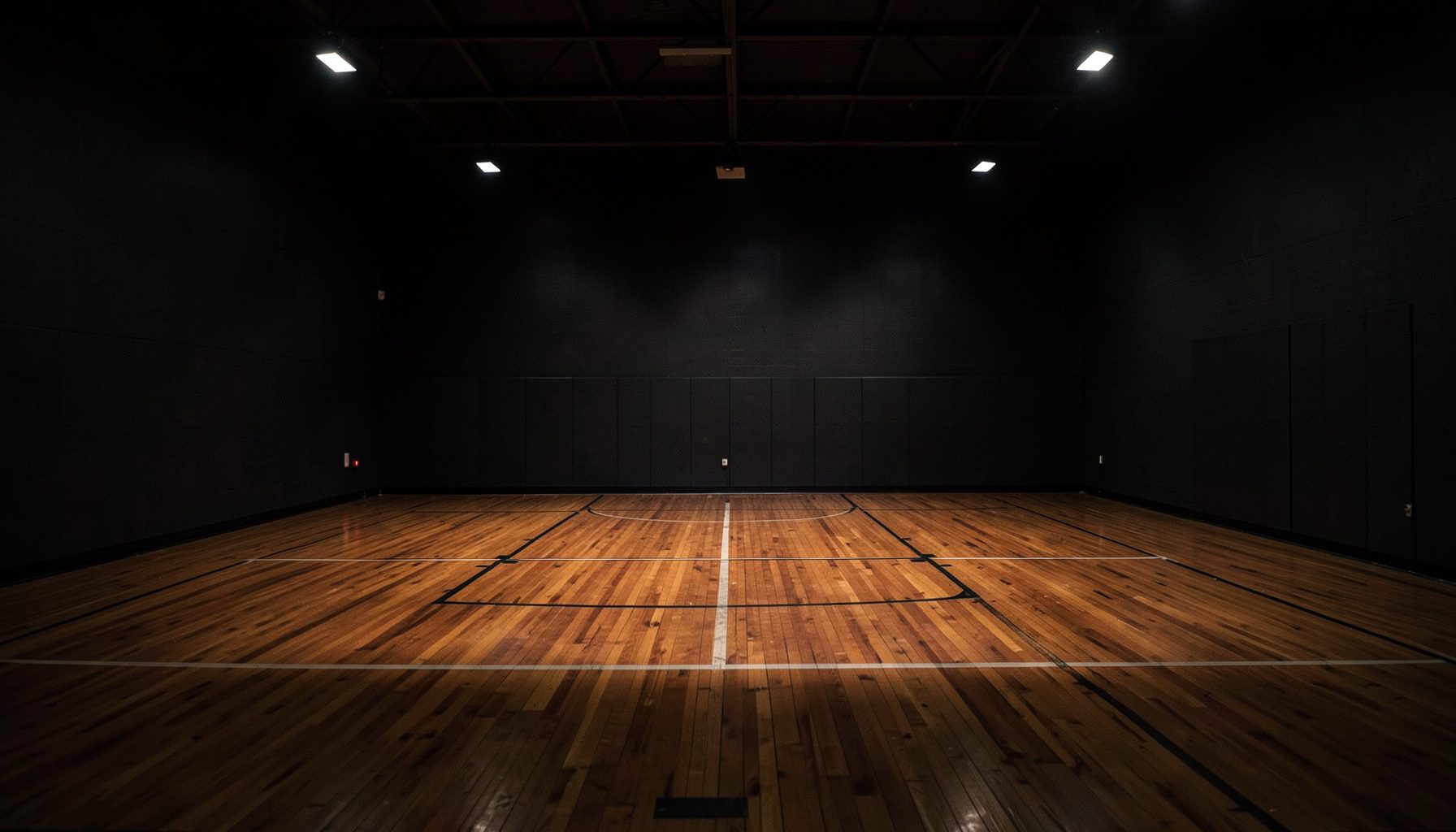
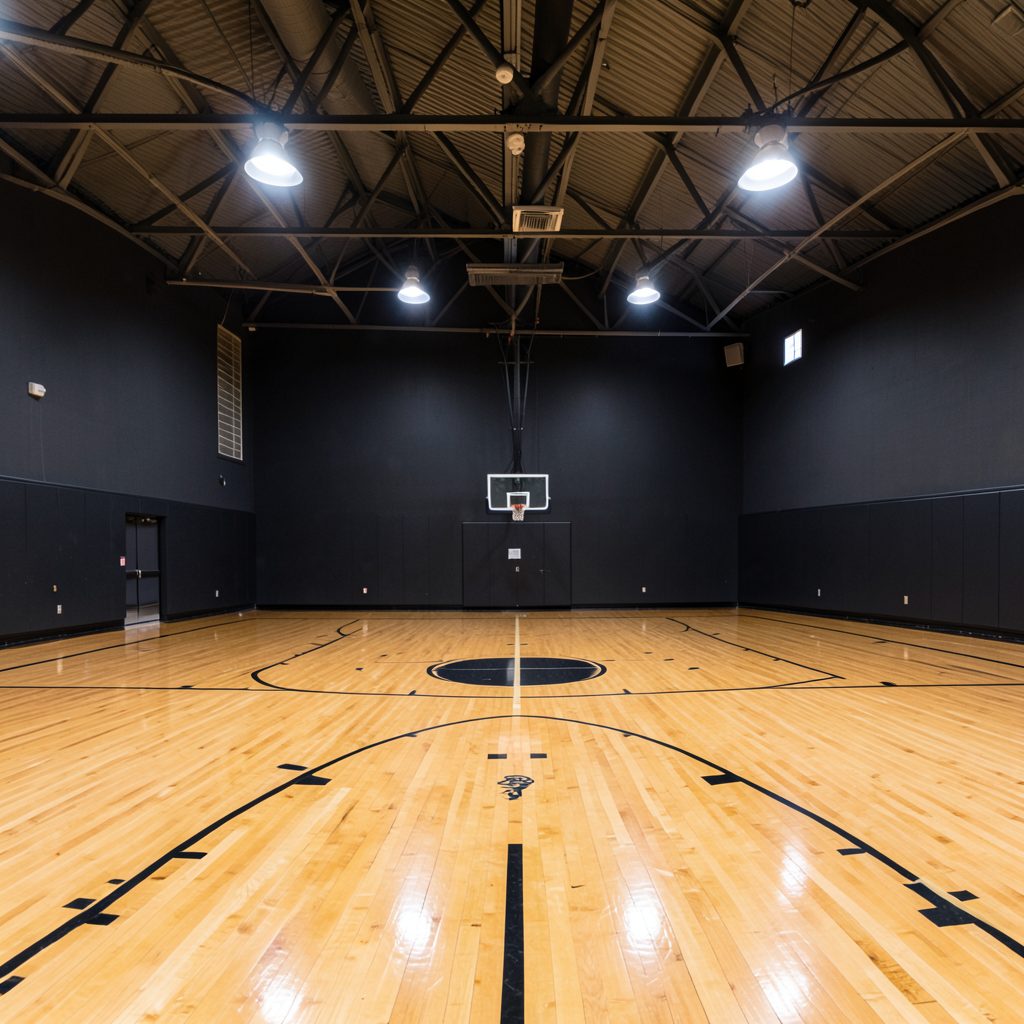
A multi-purpose athletic facility in Speedway, Indiana — basketball leagues, skill training, and wellness services all under one roof.
The Factory D1 Indy brings together three entities under one roof: competitive basketball leagues for all age groups, individual and group training, and wellness & recovery services including Normatec boot recovery and cryotherapy. Located off I-465 and High School Road at 6331 Crawfordsville Road, Speedway, Indiana 46224.
Get In TouchActive Vs Passive Recovery for Basketball Players
Basketball is a game of stop-starts, sprints and constant direction changes. The court doesn't care whether you've just come off a five-game stretch or you're playing your first match of the season — your joints still take the pounding. Recovery isn't a soft afterthought; it's where the real adaptations happen. Get it right and your shot feels smoother, your lateral quickness returns faster, and you stay on the floor when the schedule tightens.
For players training in Australia, the recovery picture has its own flavour. Hot summer arvos, long drives between regional centres, and a basketball calendar that rarely stops mean the body gets hammered in ways that northern hemisphere athletes don't always deal with. Add in travel for NBL games, rep camps and state fixtures, and you've got a recipe for tired legs if recovery isn't dialled in.
The two main strategies hoopers talk about are active recovery and passive recovery. They sound like opposites, and in many ways they are, yet most serious players end up using both. Understanding where each fits into your week is what separates someone who bounces back from someone who limps through the season.
Active Recovery on the Court
Active recovery means keeping the body moving at a low intensity after hard sessions. The goal isn't to break a sweat for fitness gains — it's to keep blood flowing through tired muscles, flush out metabolic waste, and maintain mobility without piling on more stress. For basketballers, this often looks like light shooting drills, footwork sequences at half speed, or a gentle jog around the oval after a tough weights session.
There's a reason NBL clubs and AIS-trained coaches lean into movement-based recovery rather than complete stillness. Light activity keeps synovial fluid moving through joints, which matters for knees and ankles that have absorbed a hundred jump landings that week. Players coming back from minor ankle tweaks often do controlled dribbling work before they ever lace up for full contact.
A common Aussie take on active recovery is the beach walk after a game. Whether it's along Bondi, Glenelg or the Cairns Esplanade, a slow coastal walk does the same job as a stationary bike in the gym, only it feels less like punishment. Swimmers in surf clubs use the same logic — keep moving gently, and you'll be ready to go again sooner.
Where Passive Recovery Fits In
Passive recovery is everything that happens while you're not moving. Sleep, naps on the couch, ice baths, cryotherapy, compression boots, massages and full rest days all sit in this camp. The aim is to take load off the system and let biological repair run its course without interference.
For basketball players, sleep is the single biggest performance enhancer most people overlook. A player who sleeps eight to nine hours consistently handles a heavy shooting load better than a player living on five hours and three flat whites a morning. In Australia's heat, sleep quality can drop because of restless nights, so blackout blinds and a cool room aren't luxuries — they're recovery tools.
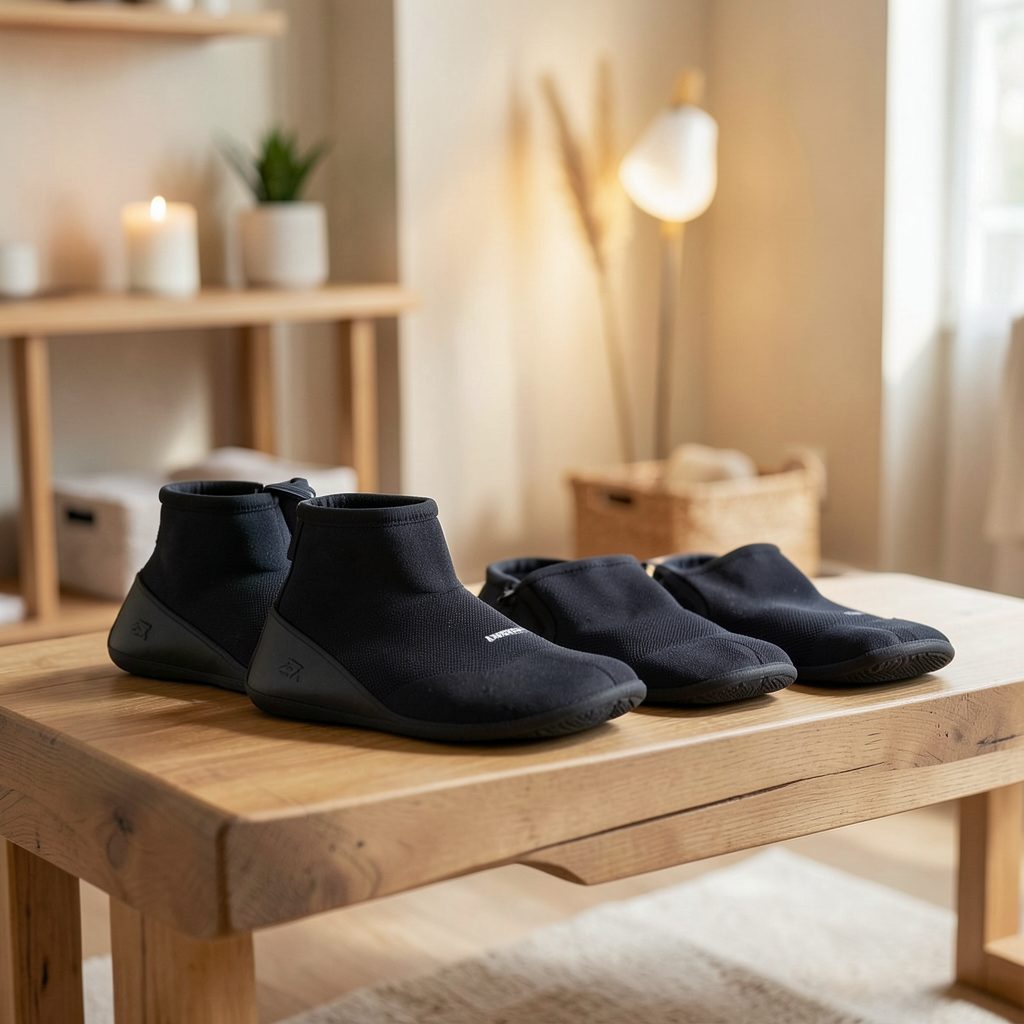
Facilities such as The Factory D1 Indy lean into passive recovery modalities like Normatec compression therapy and cryotherapy because the science backs them up. Compression boots help move fluid through the legs, while short bursts in a cryo chamber can reduce inflammation after brutal gym sessions. These aren't replacements for training; they're add-ons that let the body repair faster between bouts.
A rest day is also passive recovery. Sometimes the smartest thing a player can do after a 30-point outing is nothing more than a stretch, a feed, and an early night.
Active Vs Passive Recovery at a Glance
The two approaches are often talked about as rivals, but they actually cover different jobs. Active recovery keeps the body ticking over without adding real load, while passive recovery pulls the plug so repair processes can dominate. Most week-long training plans need a mix of both, and the table below breaks down where each one earns its keep.
| Feature | Active Recovery | Passive Recovery |
|---|---|---|
| Intensity | Low, controlled movement | Complete or near-complete rest |
| Main goal | Maintain blood flow and mobility | Allow biological repair |
| Typical duration | 20 to 45 minutes | 8+ hours of sleep or a full rest day |
| Best timing | Same day or day after hard training | Night routine, rest days, post-game |
| Examples | Light shooting, walk, swim, mobility flow | Sleep, compression boots, cryo, massage |
| Risk if overdone | Adds extra fatigue to an already taxed body | Can lead to stiffness and lost conditioning |
Neither approach beats the other on every front. Active recovery protects range of motion and joint health, while passive recovery handles the deep cellular work that movement can't touch. The art is knowing which day calls for which tool.
How Australian Hoopers Blend Both
Most Aussie basketballers don't pick one and ditch the other. The smart approach is a layered one that mirrors the week. Hard training sessions land Monday, Wednesday and Friday in many club programs. Tuesdays and Thursdays become active recovery windows — light skills, mobility, and a swim if there's a pool nearby. Saturdays are often match days, with Sundays reserved for genuine passive rest.
The NBL schedule throws a spanner in the works. With away trips to Perth, Cairns and New Zealand mixed in, players can land back home at 2am and be expected at training by 9am. In those windows, passive recovery wins because the body has no choice but to rest. Compression boots on the plane, electrolytes in the hotel room, and a dark, cool sleep when home hits.
State representative programs and Aussie juniors often use a similar rhythm. A weekend carnival in Ballarat or a tournament in Brisbane might leave a teenager shattered, so Monday morning becomes active recovery — a walk, a stretch class, or a casual shootaround. Skipping this window is where overuse niggles creep in. If you're hunting for ways to keep your skills sharp while your body recovers, a simple wall routine can keep your handles alive without piling on load. There's a tidy breakdown of wall passing drills that fits this kind of low-stress day.
The Australian climate also nudges recovery choices. Hot, humid conditions sap energy and raise core temperature, which makes passive cooling — fans, iced towels, cold immersion — a form of passive recovery in its own right. On milder southern afternoons, an active walk through the park does the same job with the bonus of fresh air.
Mistakes Players Make in Downtime
The biggest mistake is treating recovery like a switch — either you train or you don't. The body responds to gradients, not absolutes. Sitting completely still for two days after a hard week can leave you stiffer and more sore than if you'd gone for a gentle walk or done some light mobility work. Equally, dragging yourself to a high-intensity session when you're cooked is a fast track to injury.
Another common slip is ignoring hydration, especially during Aussie summers. Players pounding the court in 35-degree heat can lose two litres of fluid in a single session. Replacement needs to start during the game and continue through passive recovery hours. Water alone isn't enough after heavy sweat — electrolytes matter.
A third trap is chasing every recovery gadget without a base. Cryo, compression boots, infrared saunas and float tanks are all useful, but they sit on top of sleep, food and basic movement. If those foundations are shaky, the expensive toys won't save you. Build the boring habits first, then layer in the extras when the budget and schedule allow.
Finally, plenty of players skip the active recovery window because it feels unproductive. Sitting on the couch feels like the right reward after a tough loss, but a slow jog and a stretch usually beat another hour of Netflix. The trick is keeping the intensity genuinely low — you should be able to hold a yarn the whole time.
For players wanting to go deeper on the training side and pair smart recovery with better skill work, the digital magazine drops fresh pieces each month. Whether you're grinding through a winter rep season or chasing minutes in a Friday night social league, dialling in recovery is what keeps you on the floor when it counts.
Inside The Factory

Three Entities, One Roof
Leagues
Eight league divisions span every age group: Indy Pro AM, 18+ Open Men's, 30+ Men's, Bite Size (ages 3–6), Impact League, 5th/6th Grade, Middle School, and High School. Gather your team and compete.
Training
Individual and group basketball training for all skill levels. Major M.O.V.E.S. Basketball Training serves ages 4–7 on Wednesday and Thursday evenings at 6:30 PM — $30 per session or $100 unlimited monthly.
Wellness & Recovery
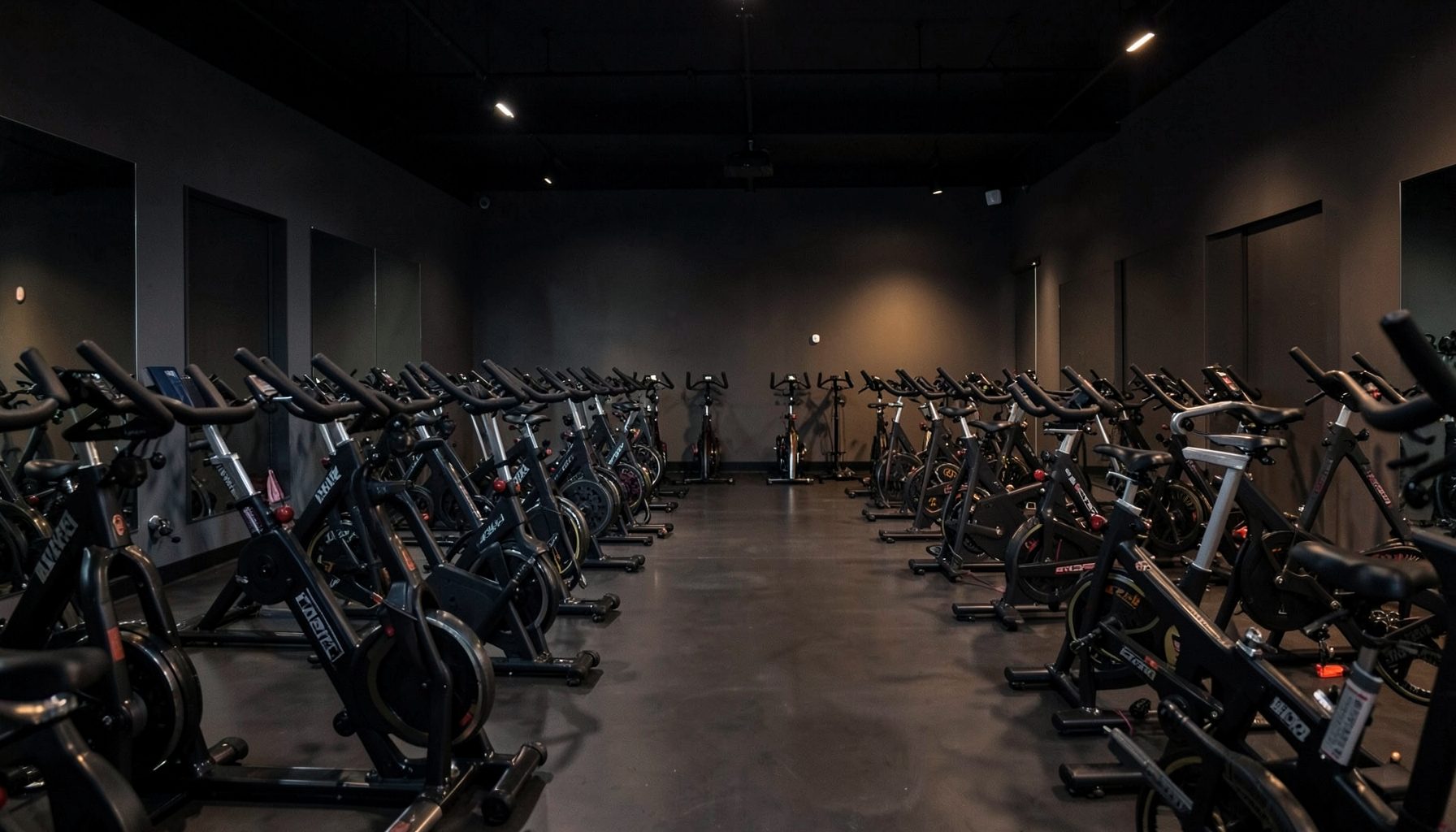
Normatec boot recovery and cryotherapy treatments help athletes bounce back faster. Cycle and spin classes add a cardio dimension to the holistic performance approach.
Have a Question?