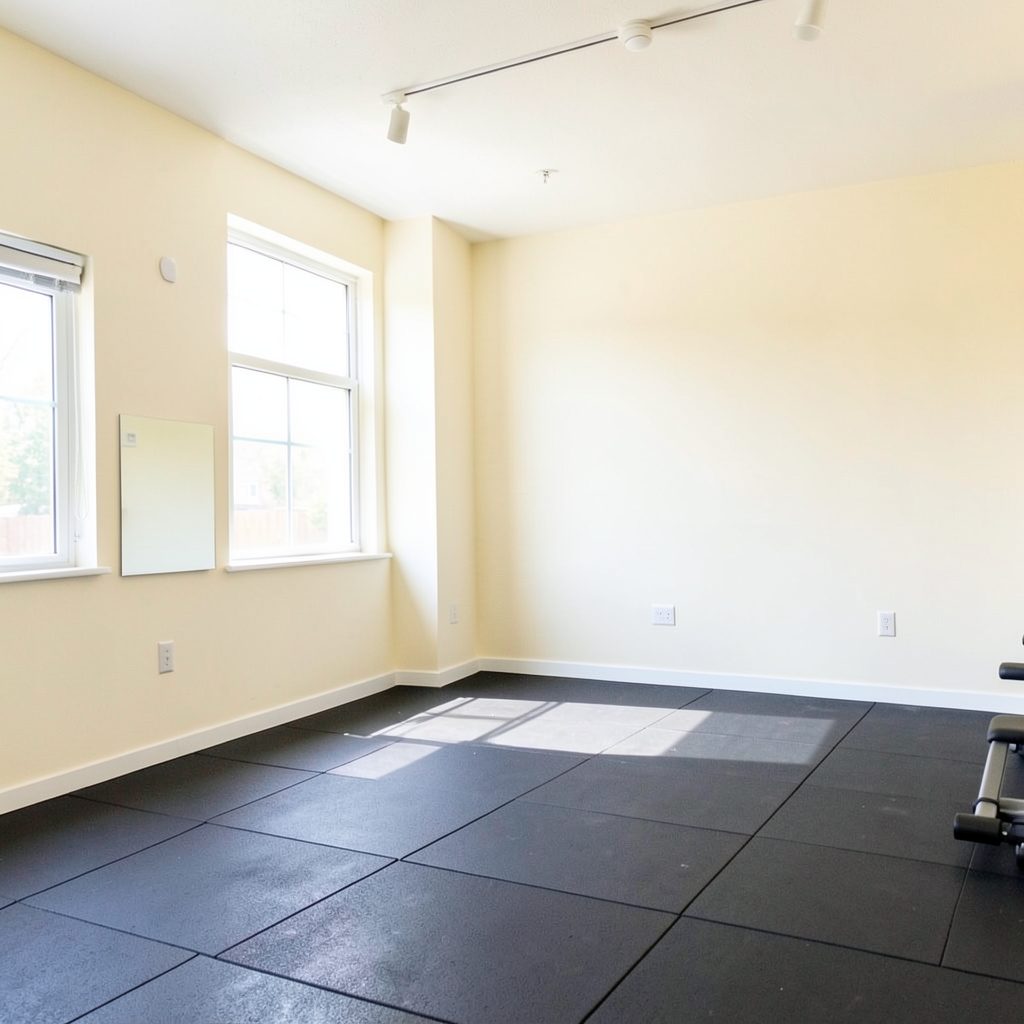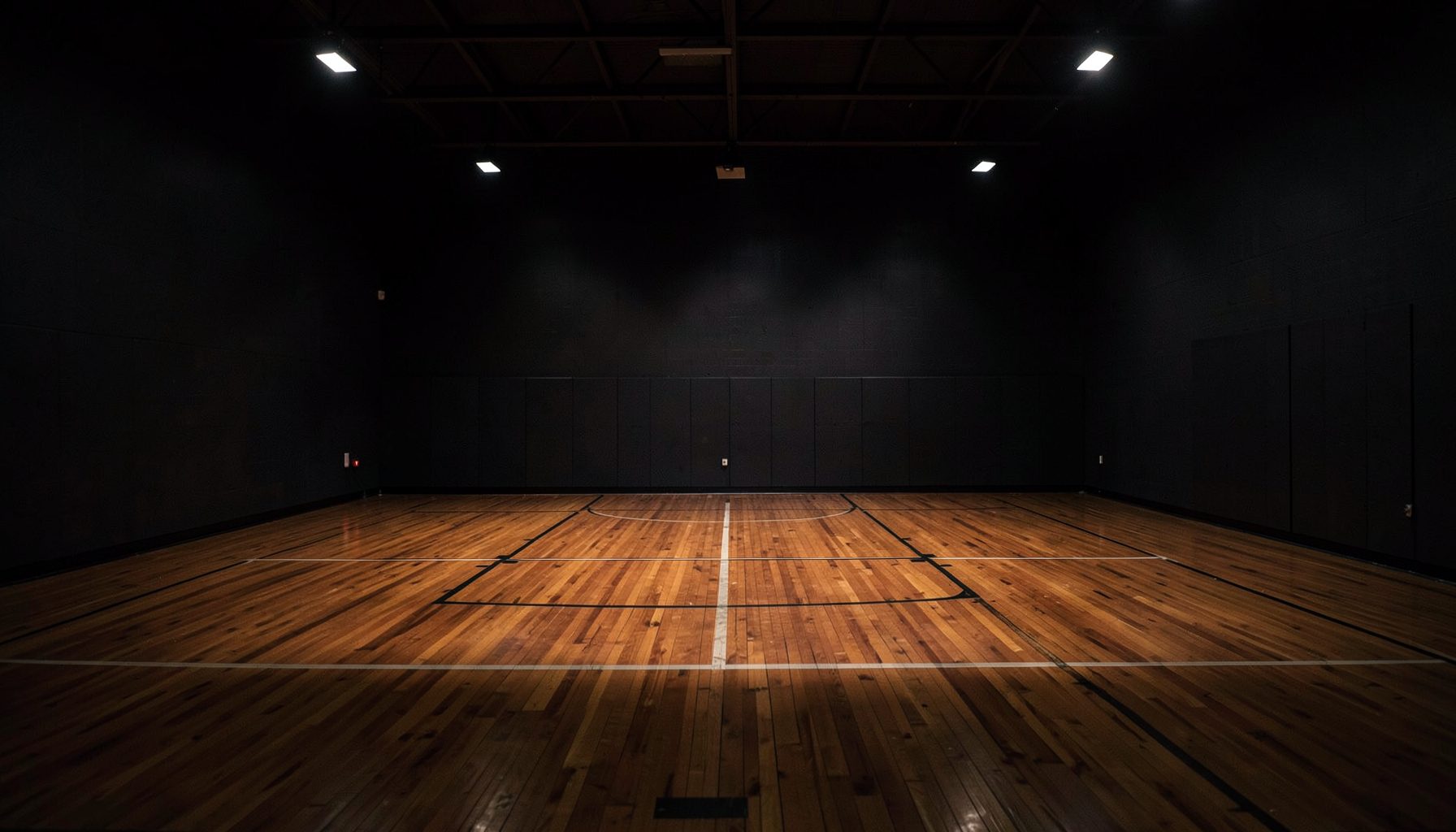
Train. Compete. Recover.
A multi-purpose athletic facility in Speedway, Indiana — basketball leagues, skill training, and wellness services all under one roof.
The Factory D1 Indy brings together three entities under one roof: competitive basketball leagues for all age groups, individual and group training, and wellness & recovery services including Normatec boot recovery and cryotherapy. Located off I-465 and High School Road at 6331 Crawfordsville Road, Speedway, Indiana 46224.
Get In TouchCompression therapy vs cryotherapy for muscle soreness
After a demanding basketball game or spin class, sore muscles can make the next training session harder than it needs to be. Two popular recovery options at The Factory D1 Indy are pneumatic compression and cryotherapy, yet they work on the body in very different ways.
Compression therapy applies controlled pressure through inflatable sleeves or boots. Cryotherapy uses cold to reduce sensation and temporarily ease discomfort. Choosing between them should depend on your training, recovery goals and health, not simply on which one feels more intense.
For athletes in Australia, that choice also involves climate, travel, cost and product safety. The most useful approach pairs recovery with sensible training loads, sufficient sleep and adequate food and fluids; recovery technology can support that plan, but it cannot replace it.
How each recovery method works
Pneumatic compression devices inflate and deflate in sequence, creating a pumping action around the limbs. Unlike a tight elastic sleeve, the pressure can be adjusted and repeated. This may create a sensation of movement through the legs and can be comfortable after long sessions or during travel.
Cryotherapy ranges from targeted ice packs to a whole-body cold chamber. Cooling narrows blood vessels, slows nerve signalling and reduces the feeling of pain. The benefit is mainly temporary analgesia: the tissue has not necessarily repaired faster simply because it feels less tender.
That distinction is important. Claims that a device “flushes out lactic acid” or removes soreness overnight oversimplify the biology, especially because soreness often develops hours after exercise. Compression may influence fluid movement, while cold mainly changes how strongly the nervous system reports discomfort.
When soreness develops after exercise
The familiar delayed-onset muscle soreness that follows unfamiliar exercise usually appears 12 to 48 hours later. Basketball repetitions, sudden stops and repeated jumps can produce it, as can the eccentric work involved in a challenging cycle class.
Soreness is not the same as acute injury. General stiffness and reduced range of movement may reflect unfamiliar load, while sharp localised pain, swelling or loss of strength needs different attention. Cooling the area can make those warning signals harder to notice, so persistent or worsening symptoms deserve assessment from a qualified health professional.
Recovery is also about preparing for the next session. If muscles remain very tender, reducing intensity, adding an easy conditioning day or adjusting the weekly schedule may be more valuable than rushing back into competition.
What the research shows
Reviews of both treatments point towards possible short-term benefits, but the evidence is not strong enough to promise identical outcomes for every athlete. Studies often use small groups, varying pressure settings or cold temperatures, and self-reported soreness scales.
Intermittent pneumatic compression may reduce perceived soreness after some high-intensity or downhill-running sessions. Cryotherapy can also lower soreness ratings for a period after strenuous exercise. However, results vary, and evidence for faster physical recovery, improved performance or fewer injuries remains less convincing.
For new athletes, beginner training principles reinforce why progressive training matters. Gradually increasing volume and intensity gives the body time to adapt, which is a more dependable way to manage soreness than switching between recovery gadgets.
Building a practical recovery routine
Compression is often used after training, on travel days or when legs feel heavy. A session takes little planning and can fit around an early-morning class or an evening game. The strongest habit is to use it alongside rehydration, a balanced meal containing protein and a normal night’s sleep.
Cold treatment can be useful after demanding sessions, particularly in warm conditions. Athletes may prefer a short local application after a game or a supervised whole-body session on a separate recovery day. It should not be used to push through warning signs, and applying ice for long periods directly against skin is not recommended.
Adult players returning to organised basketball can make progress through group basketball training, where regular teammates and structured drills create useful load. Whatever the format, recording how muscles feel the following morning helps coaches and players adjust training without guessing.
Australian climate, culture and safety
Melbourne’s changeable weather and Sydney’s humid summer lead many athletes to train indoors or seek cooling methods after exercise. For basketballers in suburban leagues and cyclists riding before work, recovery has to fit around ordinary routines rather than resemble an elite team’s travel schedule.
Timing is another local reality. Many Australians train early before work or school, drive between venues or return to desk tasks straight after a session. A quick recovery appointment may be realistic, but a quiet room, familiar equipment and clear instructions can matter as much as the technology itself.
Compression boots, cold packs and recovery chambers are now more visible in Australian gyms, physiotherapy clinics and online stores. The market has expanded from professional teams to everyday athletes, making product quality and transparent instructions especially important. A cheaper device is not automatically a better choice if pressure, temperature or session length cannot be controlled.
Australia’s Therapeutic Goods Administration regulates medical devices, and some products are listed in the Australian Register of Medical Devices. Check the register when a device makes a medical claim, and remember that advertising must comply with the Australian Consumer Law. Athletes with circulation problems, cardiovascular disease, Raynaud’s phenomenon, numbness or a current injury should seek clinical advice before compression or whole-body cold exposure.
Matching the method to your goals
If the main goal is a comfortable, routine-based recovery option after basketball or cycling, pneumatic compression may be the simpler choice. It suits athletes who value adjustable pressure and a repeatable session, especially when travel or long training days make fatigue noticeable.
Cryotherapy may appeal to athletes wanting a concentrated cooling experience after intense work. It requires attention to contraindications and good control of exposure. The choice should reflect the goal—temporary relief and cooling versus a structured compression routine—not the promise of eliminating soreness entirely.
The main differences are straightforward:
| Feature | Pneumatic compression | Cryotherapy |
|---|---|---|
| Main mechanism | Repeated, controlled pressure moves through inflatable sleeves or boots | Cold exposure reduces nerve activity and temporarily dulls pain |
| Typical role | Post-training routine, travel and heavy-feeling legs | Post-exercise cooling and temporary soreness relief |
| Best fit | Athletes wanting an adjustable, repeatable session | Athletes who tolerate cold and want concentrated cooling |
| Current evidence | May modestly reduce perceived delayed-onset soreness | May briefly reduce perceived soreness; longer-term advantages remain uncertain |
| Main cautions | May be unsuitable with circulation problems, suspected blood clots or uncontrolled blood pressure | Avoid with cold-sensitive conditions; whole-body exposure requires appropriate supervision |
| Practical drawback | Requires equipment, time and access to power | Can be costly and may temporarily numb warning signs |
Make recovery part of your training
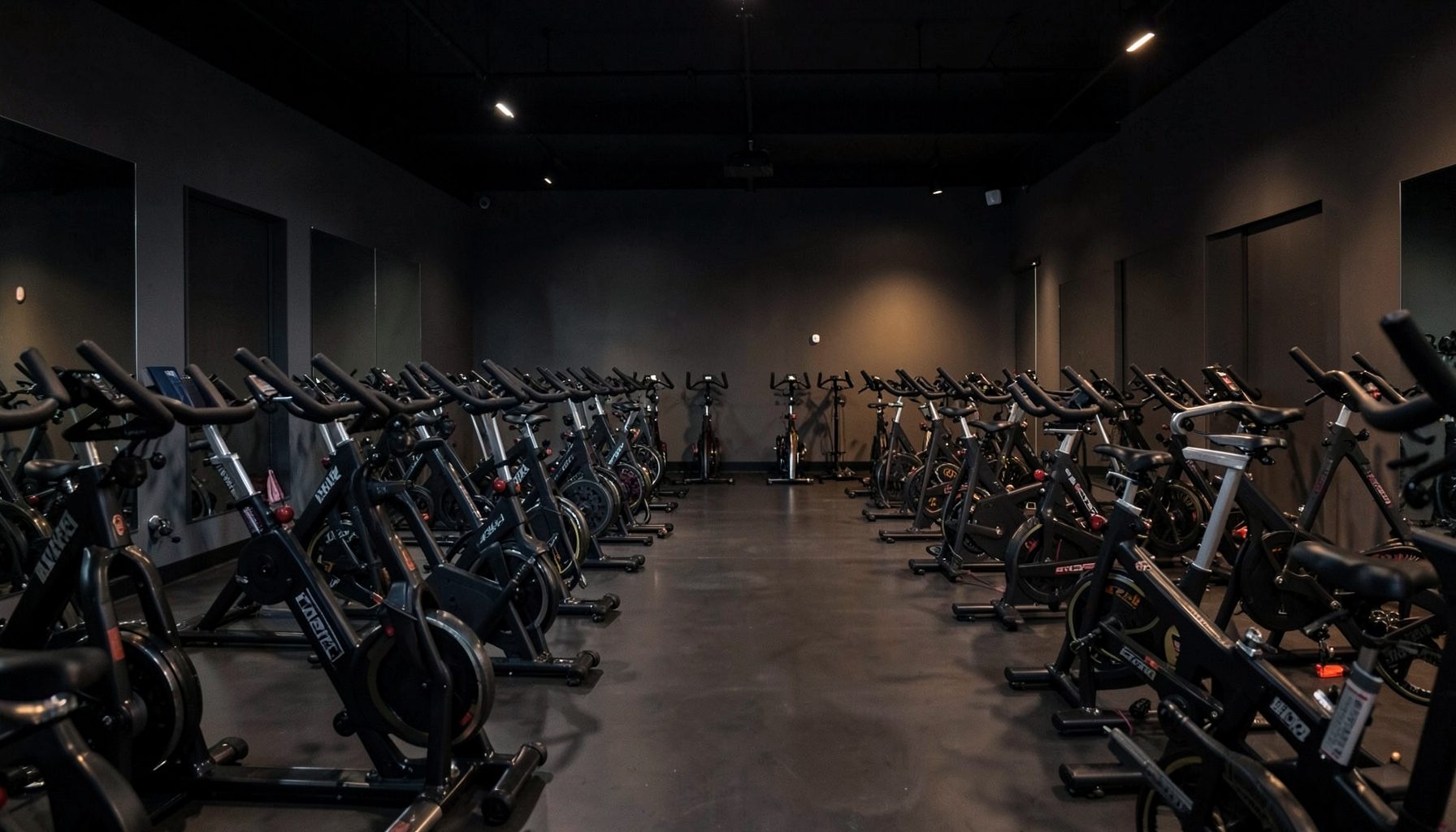
At The Factory D1 Indy in Speedway, Indiana, recovery sits alongside individual and group basketball skills training, youth programmes and leagues from early childhood through adult competition. Cycle and spin classes add another way to build conditioning, while Normatec compression and cryotherapy give athletes different tools for managing demanding sessions.
Compression can provide a consistent post-training routine, while cold therapy can complement a hard session with temporary relief. Athletes can use each independently or discuss with coaches and health professionals how the methods fit into a wider programme that includes rest, nutrition and progressive work.
Book a recovery session at The Factory D1 Indy, select the approach that matches your training goals and make your next block of training stronger from the ground up.
Inside The Factory
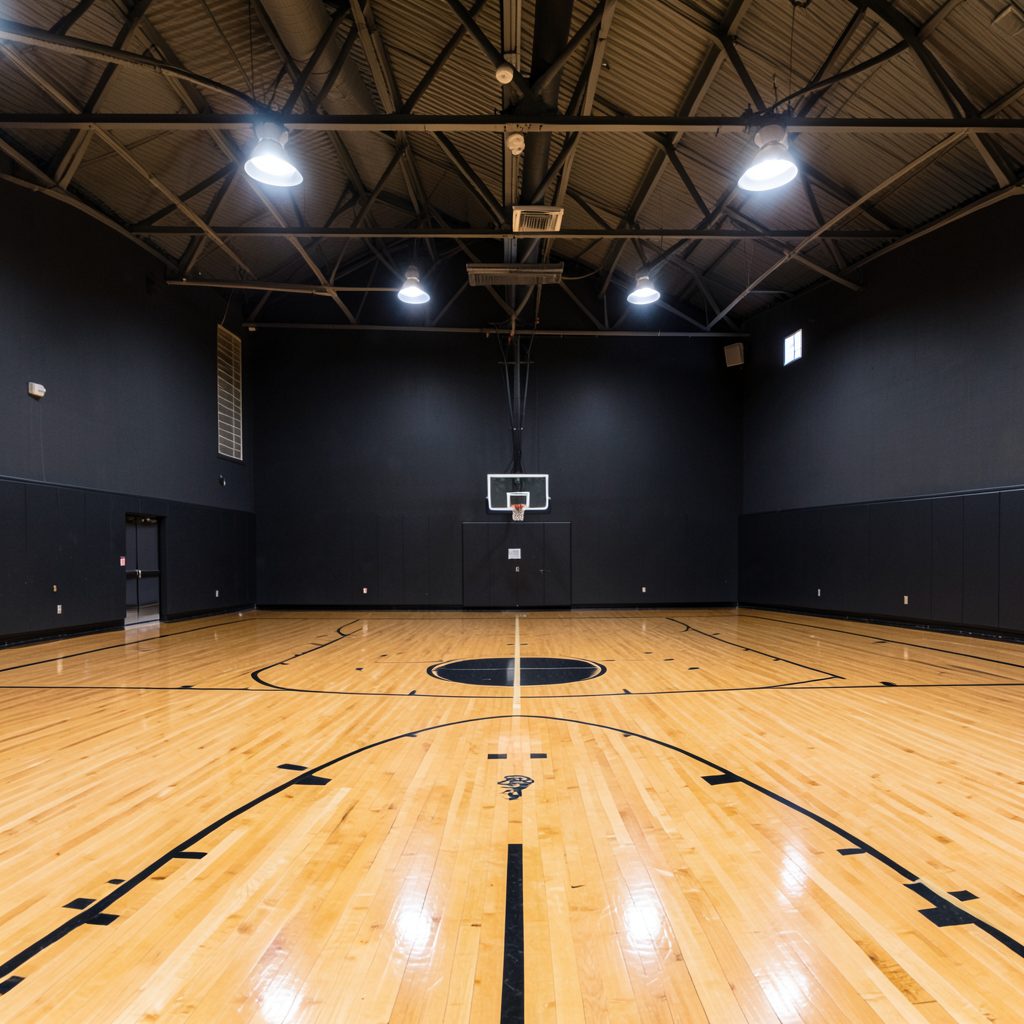

Three Entities, One Roof
Leagues
Eight league divisions span every age group: Indy Pro AM, 18+ Open Men's, 30+ Men's, Bite Size (ages 3–6), Impact League, 5th/6th Grade, Middle School, and High School. Gather your team and compete.
Training
Individual and group basketball training for all skill levels. Major M.O.V.E.S. Basketball Training serves ages 4–7 on Wednesday and Thursday evenings at 6:30 PM — $30 per session or $100 unlimited monthly.
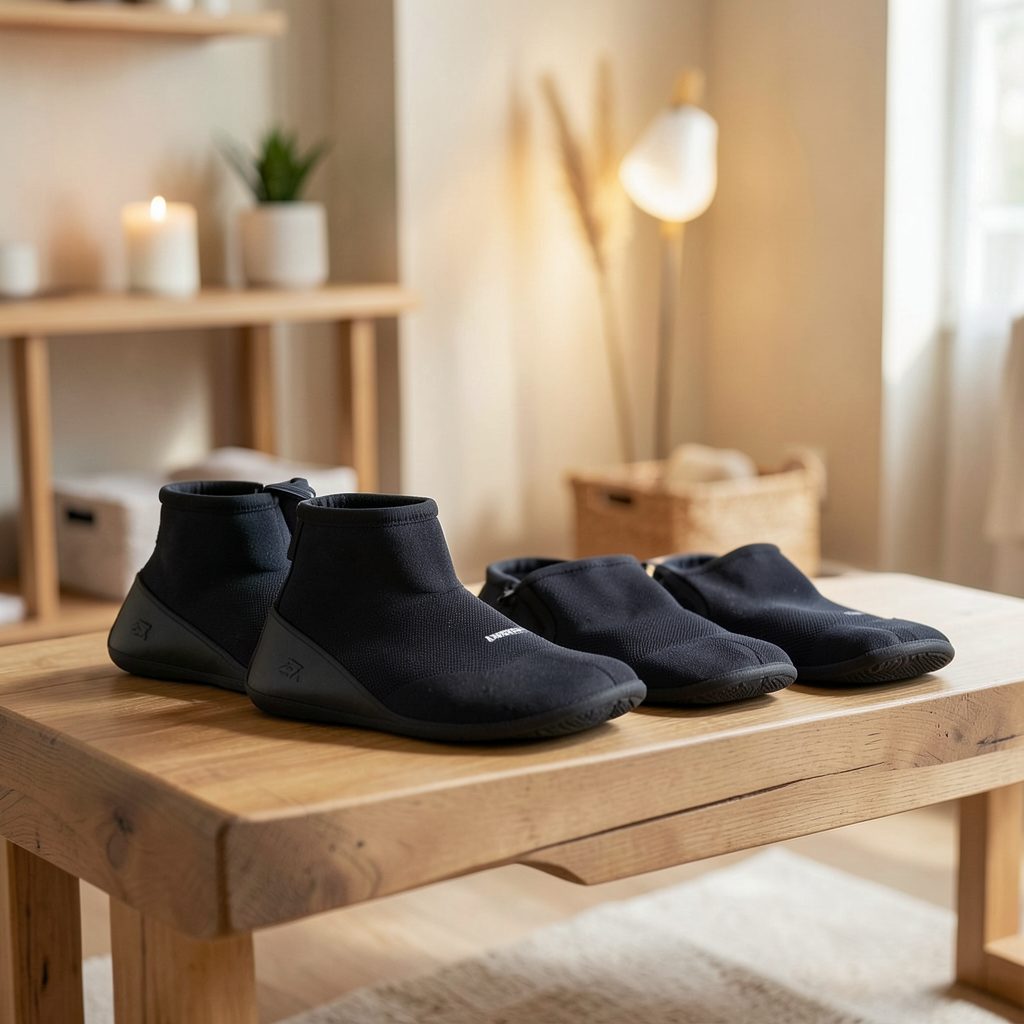
Wellness & Recovery
Normatec boot recovery and cryotherapy treatments help athletes bounce back faster. Cycle and spin classes add a cardio dimension to the holistic performance approach.
Have a Question?