Train. Compete. Recover.
A multi-purpose athletic facility in Speedway, Indiana — basketball leagues, skill training, and wellness services all under one roof.
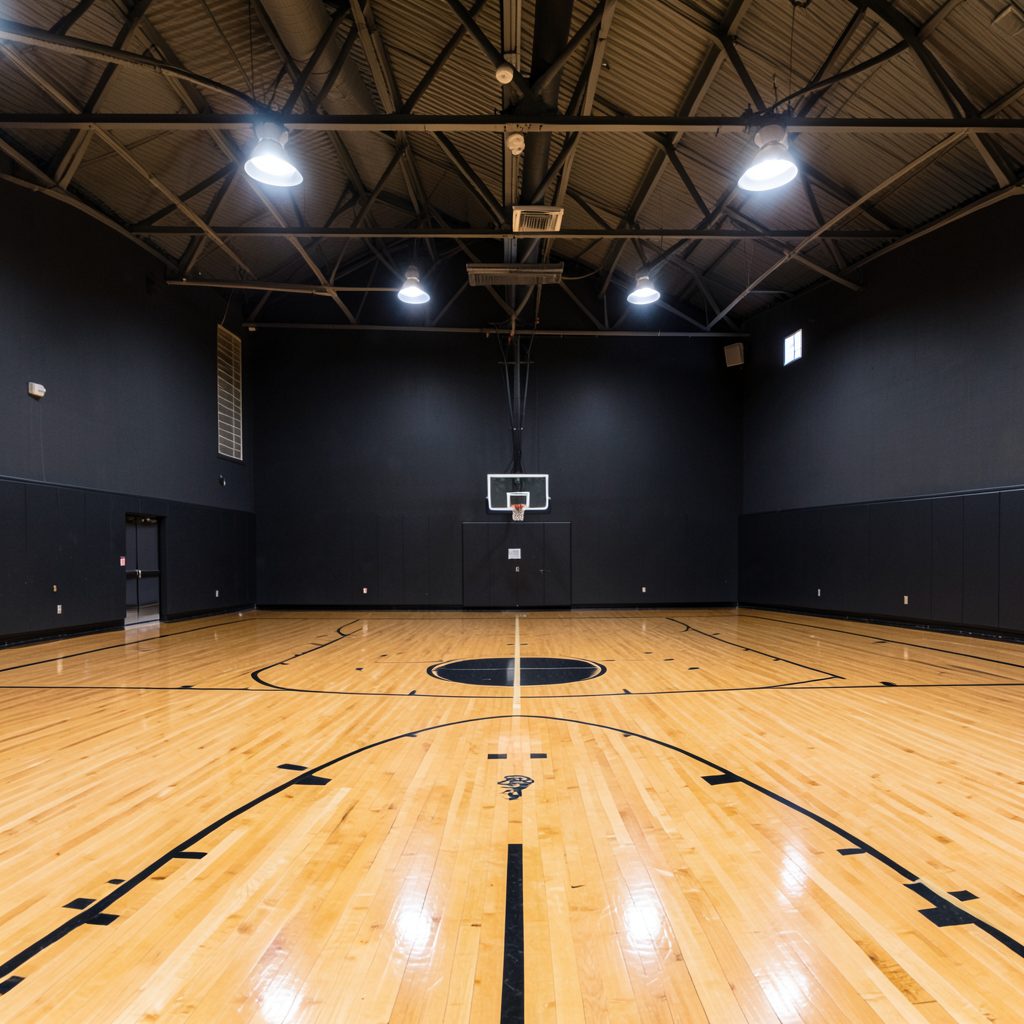
The Factory D1 Indy brings together three entities under one roof: competitive basketball leagues for all age groups, individual and group training, and wellness & recovery services including Normatec boot recovery and cryotherapy. Located off I-465 and High School Road at 6331 Crawfordsville Road, Speedway, Indiana 46224.
Get In TouchThe hydration rules we give players before a two-game tournament day
A double-header compresses several hours of drinking, eating, warm-up, competition and recovery into one schedule. Our pre-tournament protocol is designed around that compression, not around forcing a particular sports drink. The aim is to begin the first game with normal body fluid levels, replace what is lost in the heat of competition, and arrive at the second game able to drink and eat without stomach discomfort.
At Factory D1 Indy in Speedway, Indiana, that plan applies from early-childhood programmes to adult leagues, including athletes using our basketball courts, spin classes and recovery services. In Australia, it must also handle hot afternoons in Sydney or Brisbane, changeable Melbourne weather and long drives between venues. Familiar drinks, refillable bottles and a clear schedule matter more than expensive products, especially when a player is balancing school, work and a full day of basketball.
Build the pre-tournament fluid plan
We begin by looking back, not simply filling a bottle. Players report what they drank overnight, whether breakfast felt normal, and their urine colour. About four hours before tip-off, our starting target is 5–7 millilitres of fluid per kilogram of body mass. For a 70 kg player, that is roughly 350–500 mL, delivered gradually rather than in one gulp.
If urine is still dark or the player has produced very little, the response is not unlimited water. We add about 3–5 mL/kg roughly two hours before the first game and reassess. Pale straw is the practical target; crystal-clear urine is not the goal. Players with medical conditions or fluid restrictions should follow their clinician’s plan instead of a general tournament formula.
Every player brings a labelled bottle and chooses one familiar drink. That habit suits Australian tournament days, where many people drive with a refillable bottle and stop at a tap rather than buy another drink. Coffee is routine before work or school, so a small serving can be kept in the early plan, but caffeine is not used to push hydration. Strong coffee immediately before tip-off can add jitteriness and stomach discomfort.
Fuel the first game
Food has to support the first game, too. A meal two to three hours beforehand should be familiar and carbohydrate-focused: oats with banana and yoghurt, toast with eggs, or a bagel with honey. Large, greasy meals, unfamiliar sauces and a heavy serving can slow digestion. Athletes should not experiment with a new supplement, meal or drink on a day when every decision affects performance.
Australian supermarkets now offer plain bottled water, sports drinks, electrolyte powders and coconut water in the same aisle, so choice is rarely the problem; judgement is. An isotonic drink containing carbohydrate and sodium is useful when the session is long, hot or sweaty, but coconut water is not automatically a complete replacement. Energy drinks are a poor tournament choice: Food Standards Australia New Zealand (FSANZ) rules require a high-caffeine warning label, and their caffeine and sugar may not suit children or sensitive players.
Compact, multipurpose venues also need deliberate time and space management. A useful parallel is this guide to small-gym organisation principles, which reinforces the value of assigned drink stations, refill points and a protected meal break. At a mixed-age tournament, players should use the correct bottle and take only their own drink, while coaches keep snacks separate from anyone with an allergy.
Drink on the game clock
The game-day clock turns the plan into simple actions. In the final 15–20 minutes before the opening game, players sip about 200–300 mL. During warm-ups, timeouts and breaks, drinking continues at a starting range of roughly 250–500 mL per hour, adjusted to thirst, sweat loss, body size and conditions. Children need smaller volumes and should never be pushed to copy an adult’s bottle.
Urine colour and body mass help show whether that range works. A quick check before and after a game can reveal a loss of 0.5–1 kg, especially in humid venues. The response should be gradual: cool water between games, a drink with sodium and carbohydrate when needed, and food as well as fluid. Overdrinking can cause bloating, nausea and, in extreme cases, dangerously dilute blood sodium.
Summer conditions in Brisbane, Sydney and Melbourne can make an indoor court feel more like a warm room, particularly with crowds and hard flooring. Cool towels, shaded bench areas and loose outer layers help. Some players prefer cold water, others room-temperature water; neither has a universal advantage. The best temperature is the one that makes frequent drinking easier and does not upset the stomach.
Recover between games
The break between games is a recovery window, not a second warm-up. If there are 60–90 minutes, athletes can combine carbohydrate, fluid and, for salty sweaters, an appropriate amount of sodium. A practical combination is a banana, a sandwich or rice cakes, plus water or an electrolyte drink. Players who cannot eat solid food can use a familiar recovery drink instead.
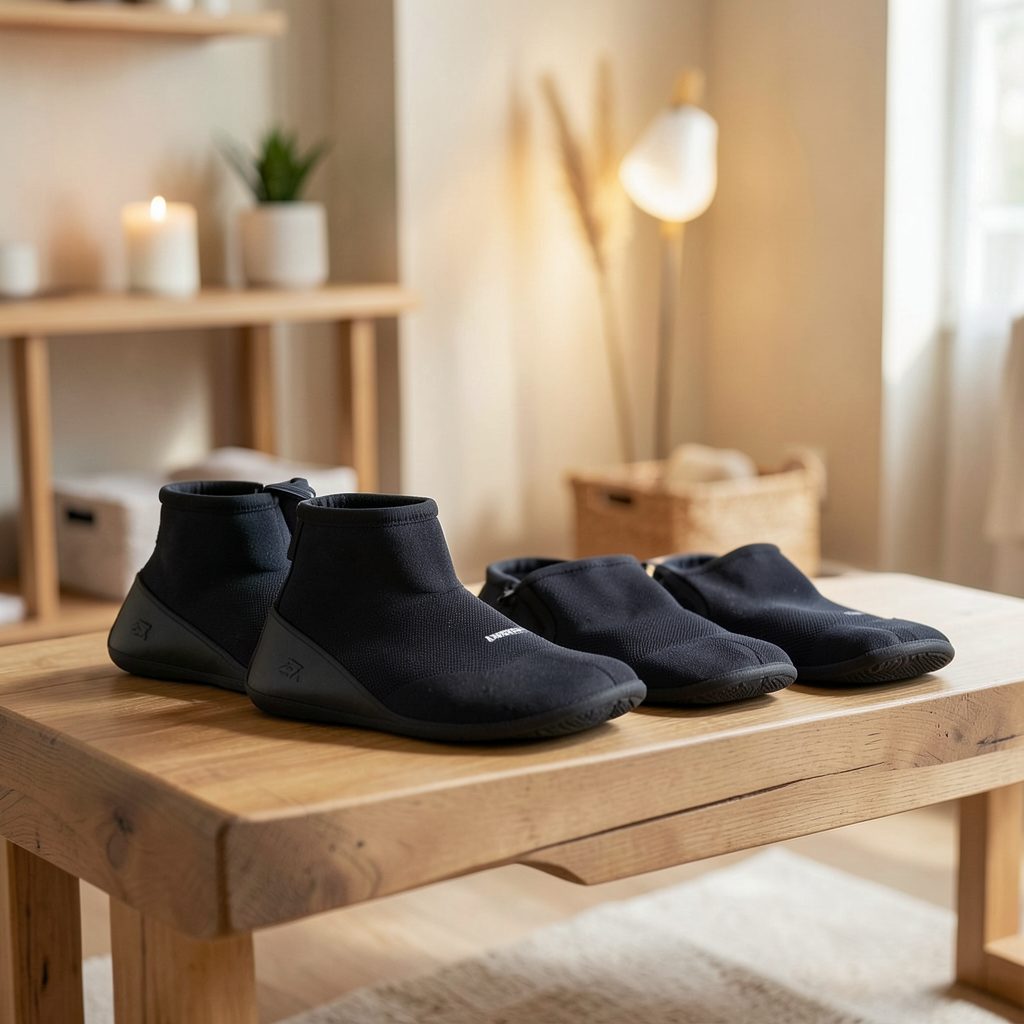
At Factory D1 Indy, Normatec compression therapy and cryotherapy can be part of the recovery routine. They may ease perceived muscle soreness and help players feel ready for game two, but neither replaces fluid, carbohydrate, sodium or sleep. Compression garments also do not measure how much fluid was lost. A good post-tournament plan uses the scale, the toilet and a drink record as well as how the athlete feels.
Training the day before matters just as much as the final meal. A player arriving after a demanding spin session should follow the facility’s spin-class fuel guide, then adjust breakfast and the first-game meal to avoid doubling the same fuel too quickly. If a supplement is used, it should be screened under the current Australian Institute of Sport framework; a product being sold legally is not the same as being individually appropriate.
Use one clear drink plan
Coaches should make one plan for the whole team, then allow individual adjustments. Mark the refill point, name backup drinks, and keep plain water available even when everyone else chooses a sports drink. Youth players need guardian awareness of caffeine and sugar, while adult players should account for coffee, alcohol the night before and any prescribed medication.
The quickest way to compare options is by role, not by marketing claims. Check the carbohydrate and sodium content, the serving size and how the drink was made. “Electrolyte” does not automatically mean “high carbohydrate,” and a sports drink is formulated for absorption during activity rather than sipping all day at a desk.
| Drink | Best role on tournament day | Main caution |
|---|---|---|
| Plain water | First game, between games and daily hydration | It does not replace carbohydrate or sodium after heavy sweating |
| Electrolyte drink | Replacing fluid and some sodium around long or hot sessions | Check sodium and sugar content; follow the label |
| Sports drink | Carbohydrate plus fluid during prolonged, high-sweat play | Large volumes can feel heavy; test it before the event |
| Energy drink | Rarely appropriate before competition | Caffeine and sugar can cause jitteriness, reflux and an upset stomach |
| Coconut water | A food with fluid and some electrolytes | It is not a complete sports drink; pair it with an appropriate meal |
Choose the plan before tournament morning: fill the labelled bottle, set the first drink time, pack a familiar snack and identify the refill point. Bring the whole routine to your next Factory D1 Indy session, and read the Factory D1 digital magazine for more sport-specific preparation guidance from our coaches and athletes. Arrive ready to play the first game, recover with purpose, and finish the second at full effort.
Inside The Factory
Three Entities, One Roof
Leagues
Eight league divisions span every age group: Indy Pro AM, 18+ Open Men's, 30+ Men's, Bite Size (ages 3–6), Impact League, 5th/6th Grade, Middle School, and High School. Gather your team and compete.
Training
Individual and group basketball training for all skill levels. Major M.O.V.E.S. Basketball Training serves ages 4–7 on Wednesday and Thursday evenings at 6:30 PM — $30 per session or $100 unlimited monthly.
Wellness & Recovery
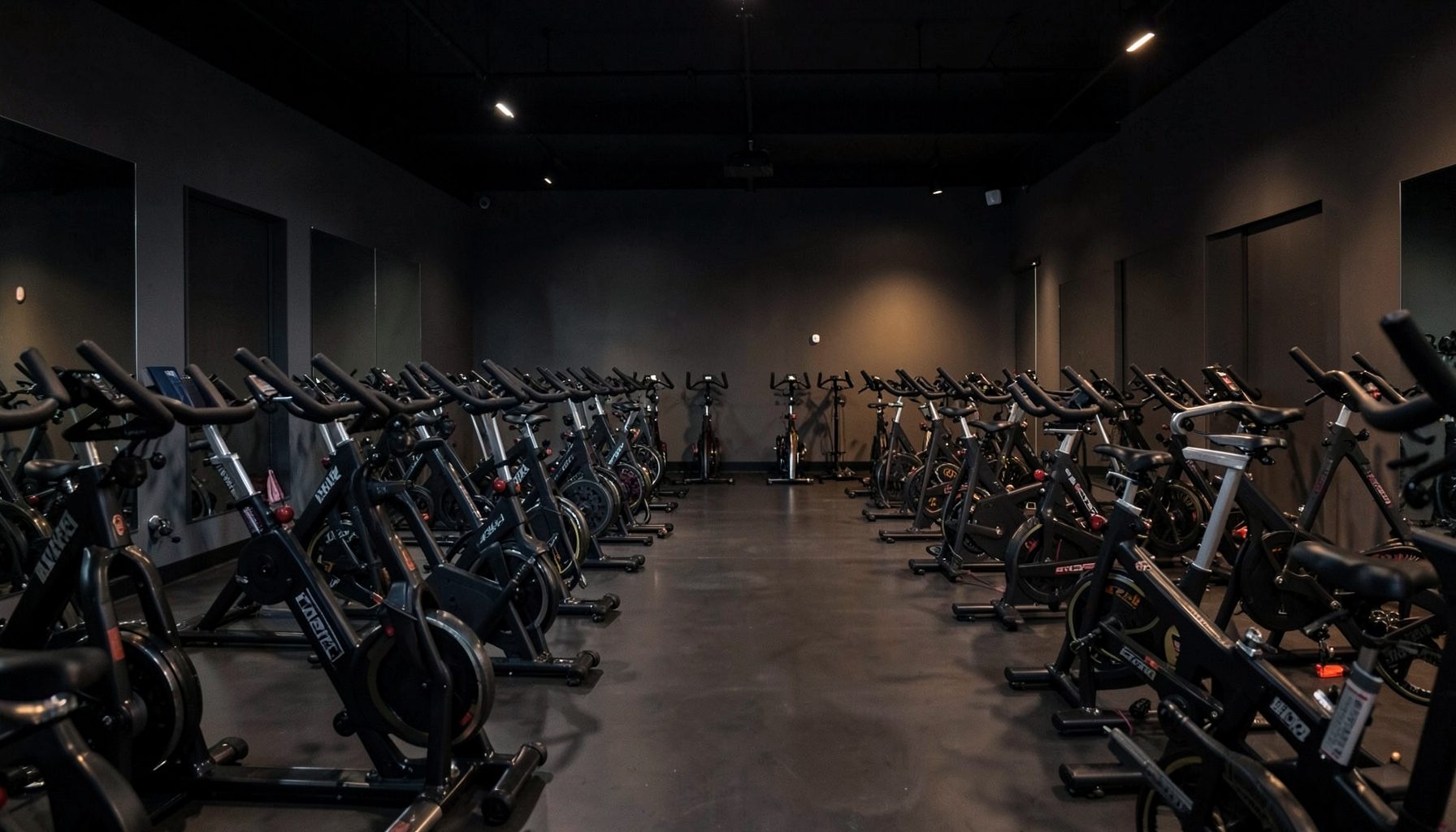
Normatec boot recovery and cryotherapy treatments help athletes bounce back faster. Cycle and spin classes add a cardio dimension to the holistic performance approach.
Have a Question?