Train. Compete. Recover.
A multi-purpose athletic facility in Speedway, Indiana — basketball leagues, skill training, and wellness services all under one roof.
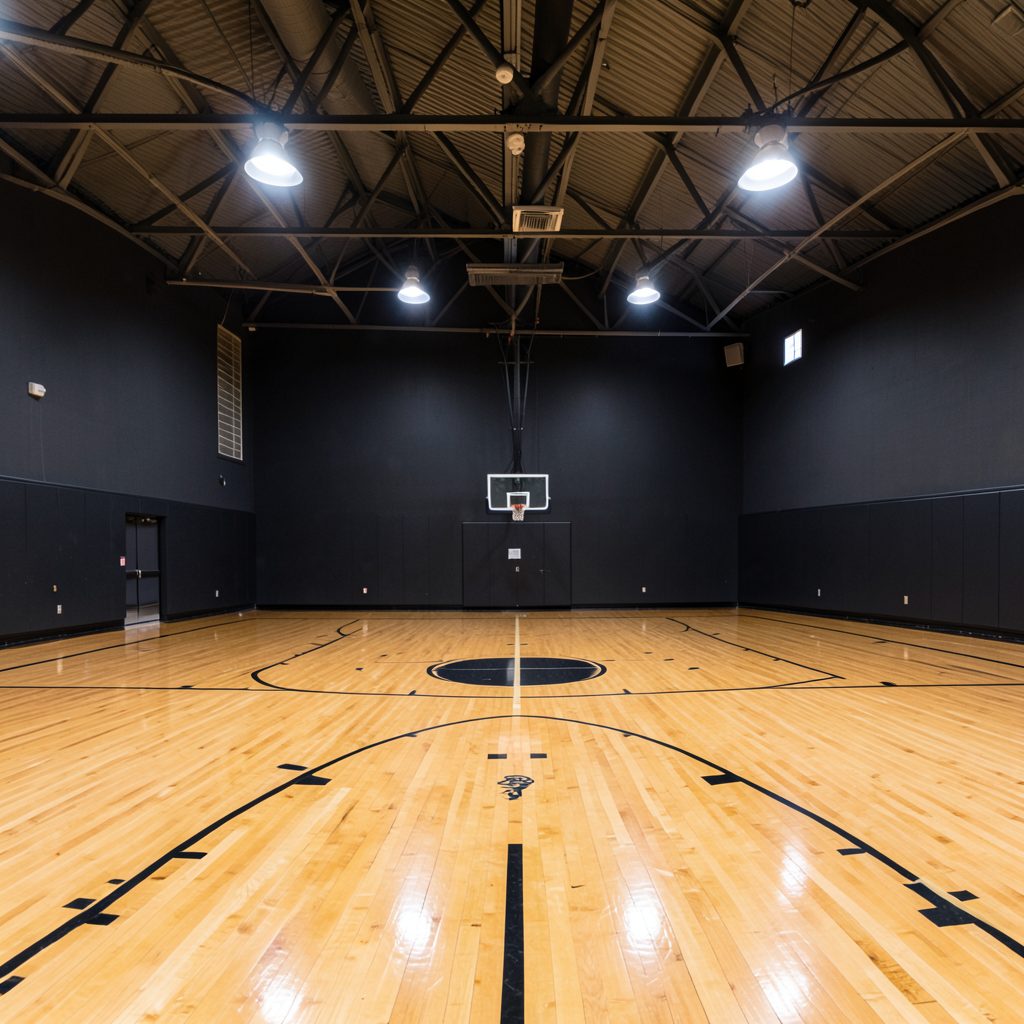
The Factory D1 Indy brings together three entities under one roof: competitive basketball leagues for all age groups, individual and group training, and wellness & recovery services including Normatec boot recovery and cryotherapy. Located off I-465 and High School Road at 6331 Crawfordsville Road, Speedway, Indiana 46224.
Get In TouchWhy Cooldown Stretches Matter After a Cycle Class
A cycle class can leave you feeling energised, sweaty and ready to get on with the day. Whether you have joined an early session before work in Melbourne, trained through a humid Brisbane morning, or fitted a ride around family commitments in Sydney, the final few minutes deserve as much attention as the warm-up.
Cooldown stretches help your body shift gradually from intense effort towards rest. They can ease muscle tightness, support comfortable movement and give you a practical moment to notice how your body feels before you rush to the car, office or next appointment.
The aim is not to force flexibility or turn recovery into another hard workout. Gentle, controlled movements performed after your heart rate has started to settle can complement regular cycling, strength work and other fitness activities.
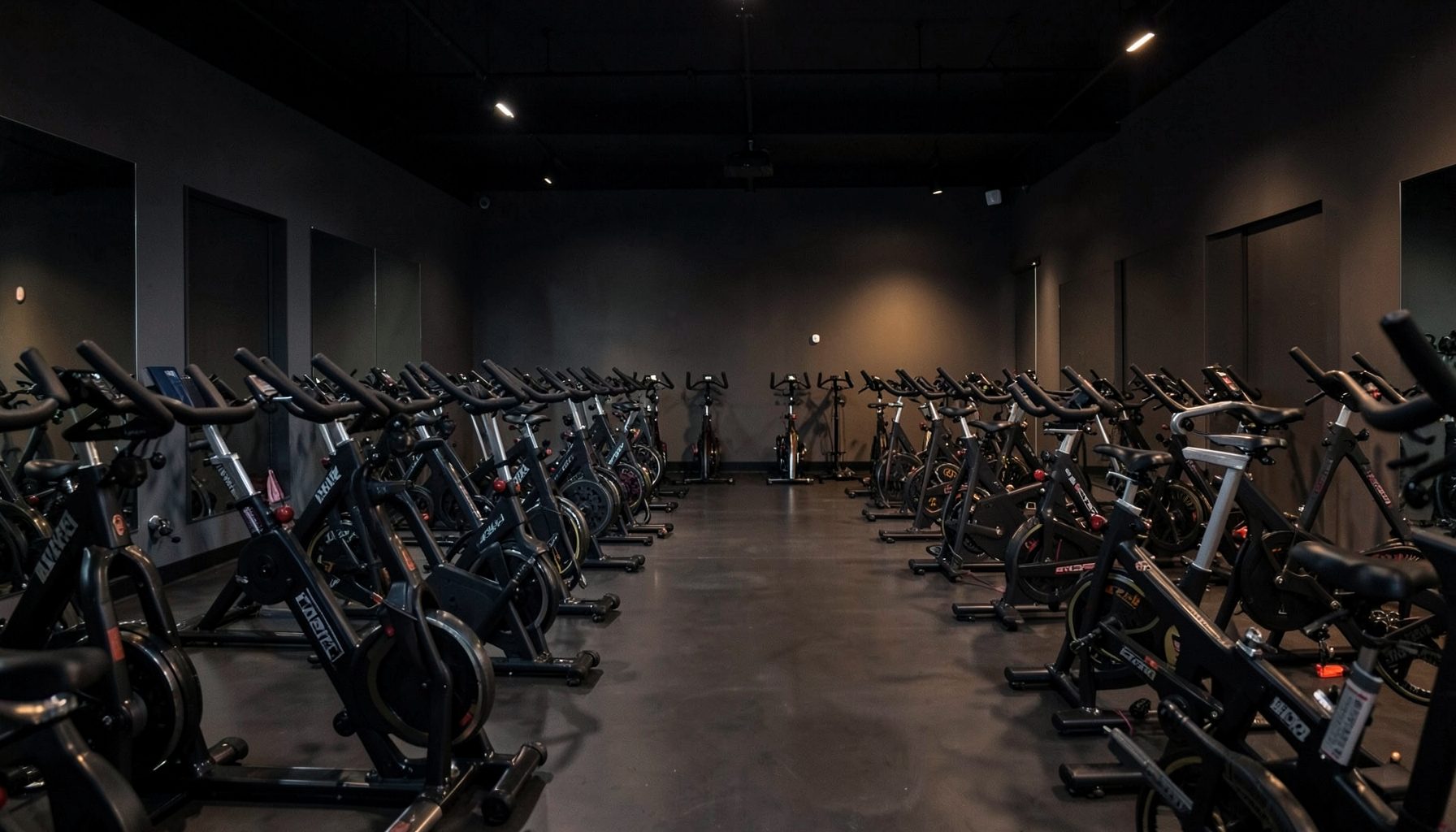
At The Factory D1 Indy, cycle and spin sessions form part of a broader athletic environment that includes training, competition and recovery services. Learning how to finish a class well can help riders of different ages and experience levels make their exercise routine more sustainable.
What Happens To Your Body After A Hard Ride
During a demanding ride, the quadriceps, hamstrings, glutes and hip flexors work repeatedly to produce power. Your calves and lower back also contribute, particularly when resistance rises or you spend time out of the saddle. Once the class ends, these areas may feel shortened, warm or fatigued.
A cooldown allows your breathing and circulation to reduce at a steadier pace rather than stopping abruptly. Stretching will not remove every source of soreness, and it cannot replace rest, hydration or sensible programming, but it can help you leave the bike feeling less rigid.
This is especially useful when cycling is combined with other activities. Someone attending a spin class before an evening basketball league, a weekend AFL training session or a long day on their feet may benefit from giving the lower body a few extra minutes of care.
The Muscles That Need Attention
The front of the thighs often receive the most obvious load in a cycle class. A standing quadriceps stretch, performed while holding a stable support, can gently lengthen these muscles. Keep your knees close together and avoid pulling the foot aggressively towards the body.
Hip flexors also deserve attention because the cycling position keeps the hips bent for much of the session. A low lunge with the back knee supported can create a mild stretch through the front of the hip. Keep your ribs stacked over your pelvis instead of leaning into the lower back.
For the back of the legs, try a gentle hamstring stretch with one heel resting on a low step, or lie on your back and use a towel to guide one leg upwards. Calf stretches against a wall can be useful after high-resistance climbs. Each movement should feel steady, never sharp or forced.
How To Stretch Safely
Start with two or three minutes of easy movement before holding longer stretches. A slow walk around the studio, relaxed pedalling with little resistance or gentle ankle circles can help your body transition out of the hardest part of the class.
Hold each static stretch for roughly 15 to 30 seconds, breathe normally and repeat once if it feels comfortable. You should notice mild tension rather than pain, tingling, numbness or a strong pulling sensation. Avoid bouncing, which can make it harder to control the range of motion when the muscles are tired.
Good technique matters more than reaching an impressive position. Keep a soft bend in the supporting knee, use a wall or bike for balance and stop if an old injury becomes symptomatic. If you experience ongoing pain, swelling or unusual weakness, speak with a qualified health professional rather than trying to stretch through it.
A Simple Post-Class Routine
The following sequence can be completed beside the bike in about six to eight minutes. It suits many recreational riders, although individual needs will vary according to mobility, training history and any existing injuries.
| Movement | Main area | Suggested time | Helpful cue |
|---|---|---|---|
| Easy walk or light pedalling | Whole body | 2 minutes | Let breathing settle |
| Standing quadriceps stretch | Front of thigh | 20 seconds each side | Keep knees close |
| Half-kneeling hip flexor stretch | Front of hip | 20 seconds each side | Tuck the pelvis gently |
| Supported hamstring stretch | Back of thigh | 20 seconds each side | Keep the spine long |
| Wall calf stretch | Calves and ankles | 20 seconds each side | Press the heel down softly |
| Figure-four seated stretch | Glutes and outer hip | 20 seconds each side | Hinge forward slightly |
Finish with relaxed shoulder rolls and a few deep, comfortable breaths. If you attend a class at cycle and spin, consider treating the cooldown as part of the session rather than an optional extra you skip when the music stops.
Why Consistency Beats Intensity
A single long stretching session is unlikely to transform mobility overnight. The greater benefit usually comes from repeating a manageable routine after each ride. Consistent cooldown habits can help you recognise when your hips feel restricted, when one side is tighter than the other, or when your training load may be increasing too quickly.
Regular riders may also find that a calm finish makes it easier to recover between sessions. This matters for people who cycle several times a week, combine spin with running or lifting, or take part in community sport. In Australia, where many people fit exercise around shift work, school runs and weekend competitions, a short routine is more realistic than a complicated recovery plan.
Stretching should sit alongside other basics: drinking enough water, eating a balanced meal, sleeping well and allowing hard-working muscles time to repair. A cooldown cannot compensate for repeated exhaustion, poor bike setup or a training schedule with no easier days.
When Extra Recovery May Help
Some riders finish class with ordinary muscle fatigue, while others feel especially tight after a long break, a high-resistance session or an increase in weekly training. In those situations, gentle stretching can be paired with an easy walk, light mobility work or a comfortable shower. Avoid turning recovery into another test of toughness.
The Factory D1 Indy also provides recovery options for athletes who want support beyond basic stretching. If you are considering a cold-based service after exercise, read the facility’s cryotherapy safety guidelines first and disclose relevant health conditions to staff. Cryotherapy is not suitable for everyone, and informed guidance should come before a session.
Australian riders should also account for conditions outside the studio. Training in summer heat around Perth or Adelaide can increase fluid loss, while a cool winter morning in Canberra may leave muscles feeling less ready to move. Adjust your post-class routine to the weather, your hydration status and how strenuous the ride was.
Make The Final Minutes Count
A good cooldown creates a clear boundary between effort and recovery. It can help you leave class with calmer breathing, less immediate stiffness and a better sense of how your body handled the workout. Those small benefits can make it easier to return for the next session and keep cycling enjoyable.
Use slow movements, comfortable holds and stable support. Pay attention to your hips, thighs, calves and lower back, but do not treat stretching as a competition. The most effective routine is one you can perform safely and repeat regularly.
Next time the instructor signals the end of the ride, stay for the final few minutes. Book a cycle session at The Factory D1 Indy, follow the cooldown guidance, and give your body a considered transition from hard work to recovery.
Inside The Factory

Three Entities, One Roof
Leagues
Eight league divisions span every age group: Indy Pro AM, 18+ Open Men's, 30+ Men's, Bite Size (ages 3–6), Impact League, 5th/6th Grade, Middle School, and High School. Gather your team and compete.
Training
Individual and group basketball training for all skill levels. Major M.O.V.E.S. Basketball Training serves ages 4–7 on Wednesday and Thursday evenings at 6:30 PM — $30 per session or $100 unlimited monthly.
Wellness & Recovery
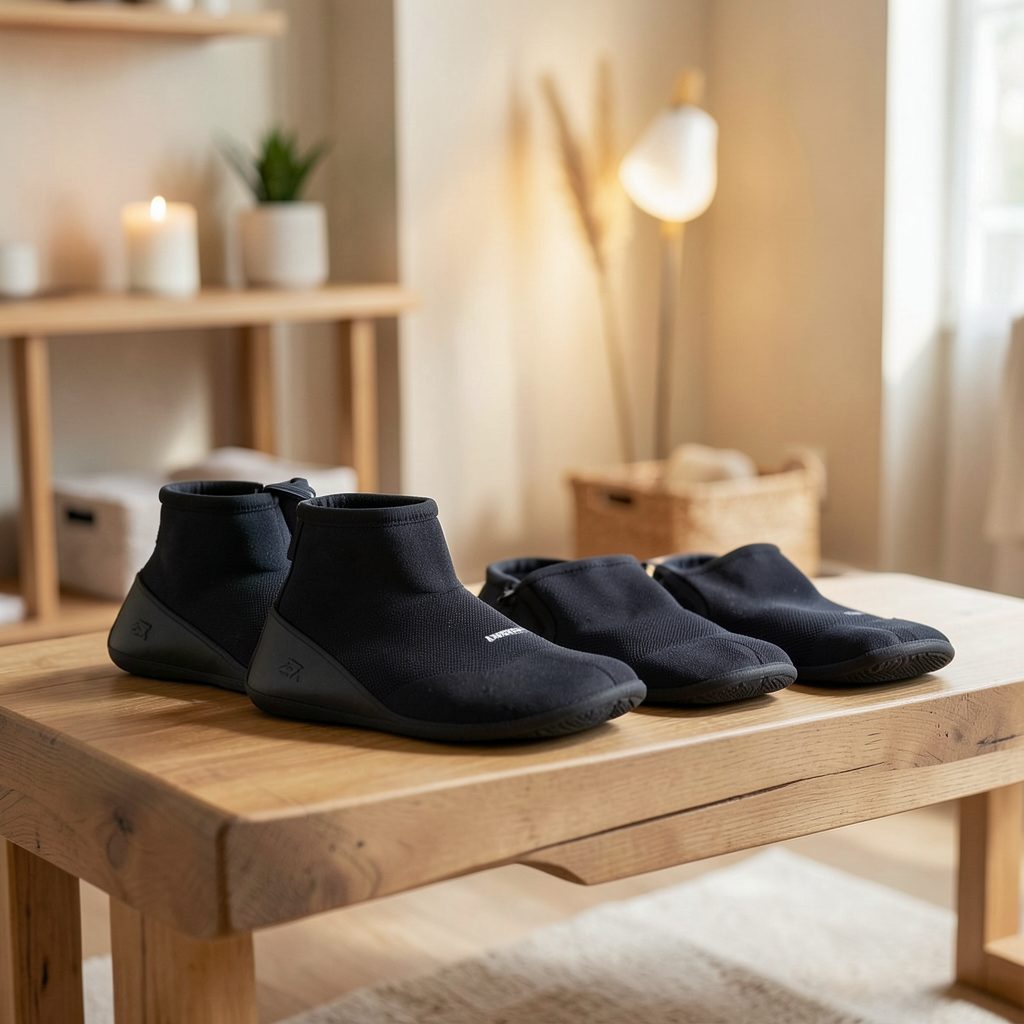
Normatec boot recovery and cryotherapy treatments help athletes bounce back faster. Cycle and spin classes add a cardio dimension to the holistic performance approach.
Have a Question?