Train. Compete. Recover.
A multi-purpose athletic facility in Speedway, Indiana — basketball leagues, skill training, and wellness services all under one roof.
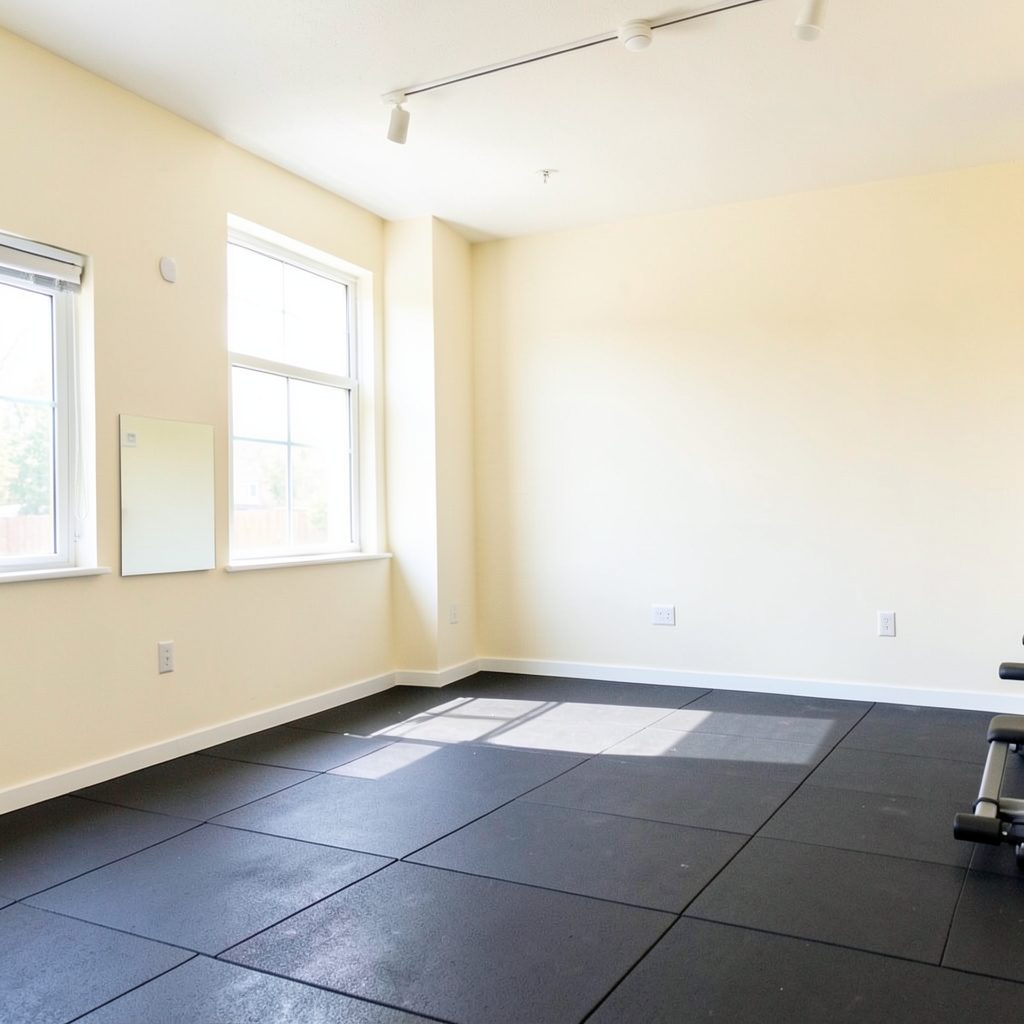
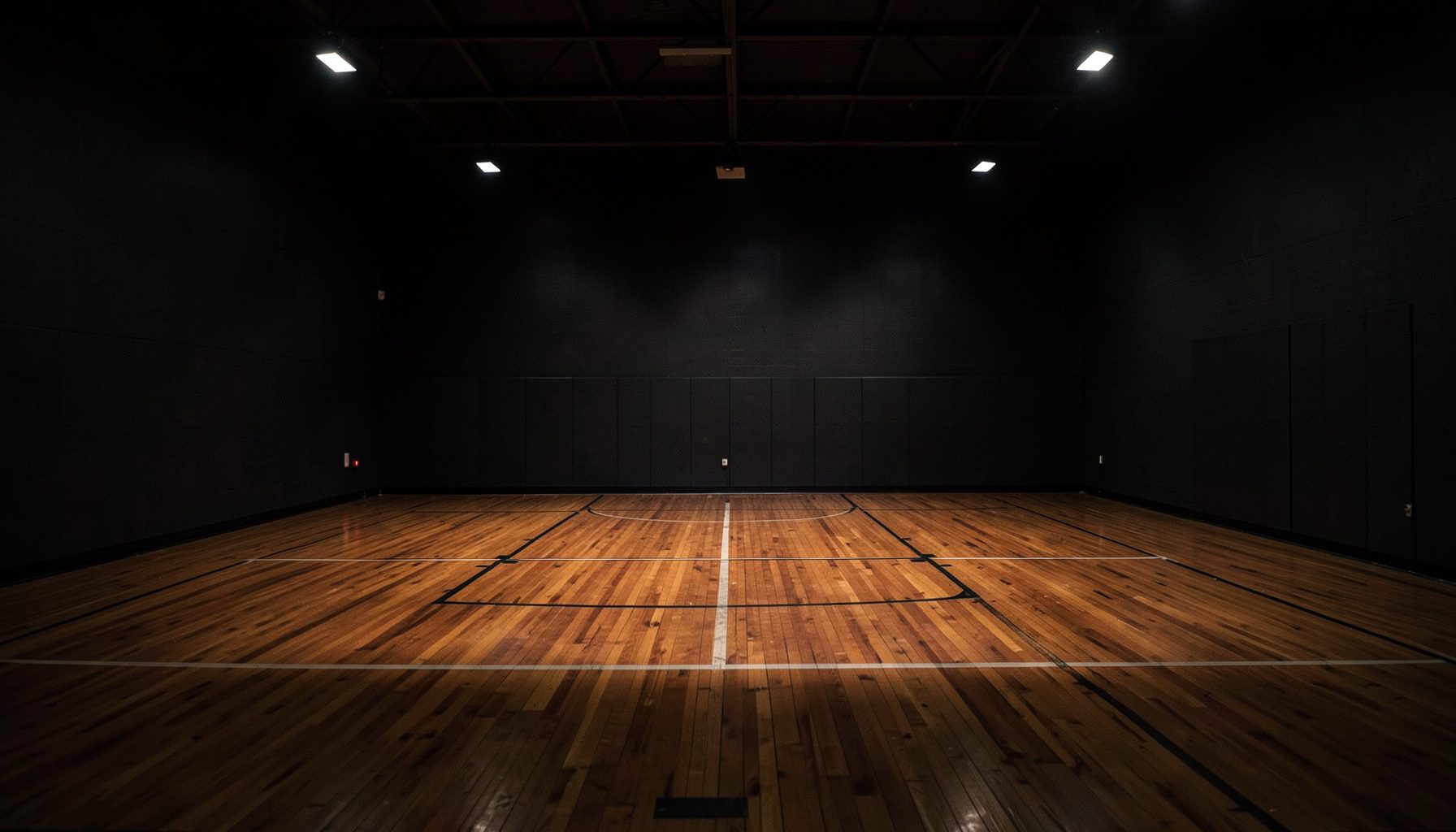
The Factory D1 Indy brings together three entities under one roof: competitive basketball leagues for all age groups, individual and group training, and wellness & recovery services including Normatec boot recovery and cryotherapy. Located off I-465 and High School Road at 6331 Crawfordsville Road, Speedway, Indiana 46224.
Get In TouchCryotherapy Safety Guidelines for New Users at The Factory D1 Indy
Cryotherapy can be a useful recovery option for athletes managing demanding training schedules, competitive leagues, and high-volume workouts. At The Factory D1 Indy in Speedway, Indiana, new users can explore cold-based recovery as part of a broader routine that includes basketball training, cycle classes, conditioning, and wellness services.
A first session should be approached as a guided wellness experience rather than a test of toughness. Cold exposure affects circulation, skin sensation, heart rate, and blood pressure, so understanding the process and communicating with trained staff are important steps before entering a cryotherapy chamber or receiving localized treatment.
The safest session is one that matches your health status, training load, and comfort level. Use the facility’s intake process honestly, follow staff instructions closely, and treat unusual symptoms as a reason to stop rather than something to push through.
Understand The Cryotherapy Experience
Cryotherapy uses very cold temperatures for a short, controlled period. Depending on the equipment and service offered, treatment may involve whole-body exposure or a targeted application to a particular area. Ask the team at The Factory D1 Indy which method is available, how long the session lasts, and what sensations are normal.
During a session, you may notice intense cold, tingling, temporary numbness, or a feeling of tightness on exposed skin. These sensations should remain manageable. Sharp pain, burning, severe dizziness, shortness of breath, confusion, or intense skin discomfort are warning signs that require immediate communication with staff.
Cold exposure is not a substitute for medical treatment, rehabilitation, sleep, or sound training habits. Athletes may use it as one component of recovery after practices, tournaments, cycling sessions, or league games. A structured approach to basketball recovery routines can help place cryotherapy in the larger context of mobility, hydration, nutrition, and rest.
Complete Health Screening Before Your Session
New users should disclose relevant medical history before treatment. Conditions involving circulation, blood pressure, the heart, lungs, nerves, or sensitivity to cold may affect whether cryotherapy is appropriate. A history of fainting, cold injury, poor temperature regulation, or abnormal reactions to cold should also be discussed.
People with uncontrolled hypertension, significant cardiovascular disease, peripheral vascular disease, Raynaud’s phenomenon, cold urticaria, or certain neuropathies may need to avoid cryotherapy or obtain medical clearance first. Pregnancy, recent surgery, acute illness, and open wounds also require professional guidance. The facility’s staff can explain general precautions, but they cannot replace advice from your physician.
Tell staff about prescription medications and any recent alcohol use. Some medications or substances can alter blood pressure, circulation, alertness, or the body’s response to temperature. Do not conceal symptoms simply to preserve a booking or finish a session.
Prepare Your Body And Clothing
Arrive sufficiently hydrated, especially after a basketball practice, spin workout, or outdoor activity. Avoid entering immediately after exhaustive exercise when you feel lightheaded, overheated, or depleted. Allow your body to settle, drink water, and tell staff how recently you trained.
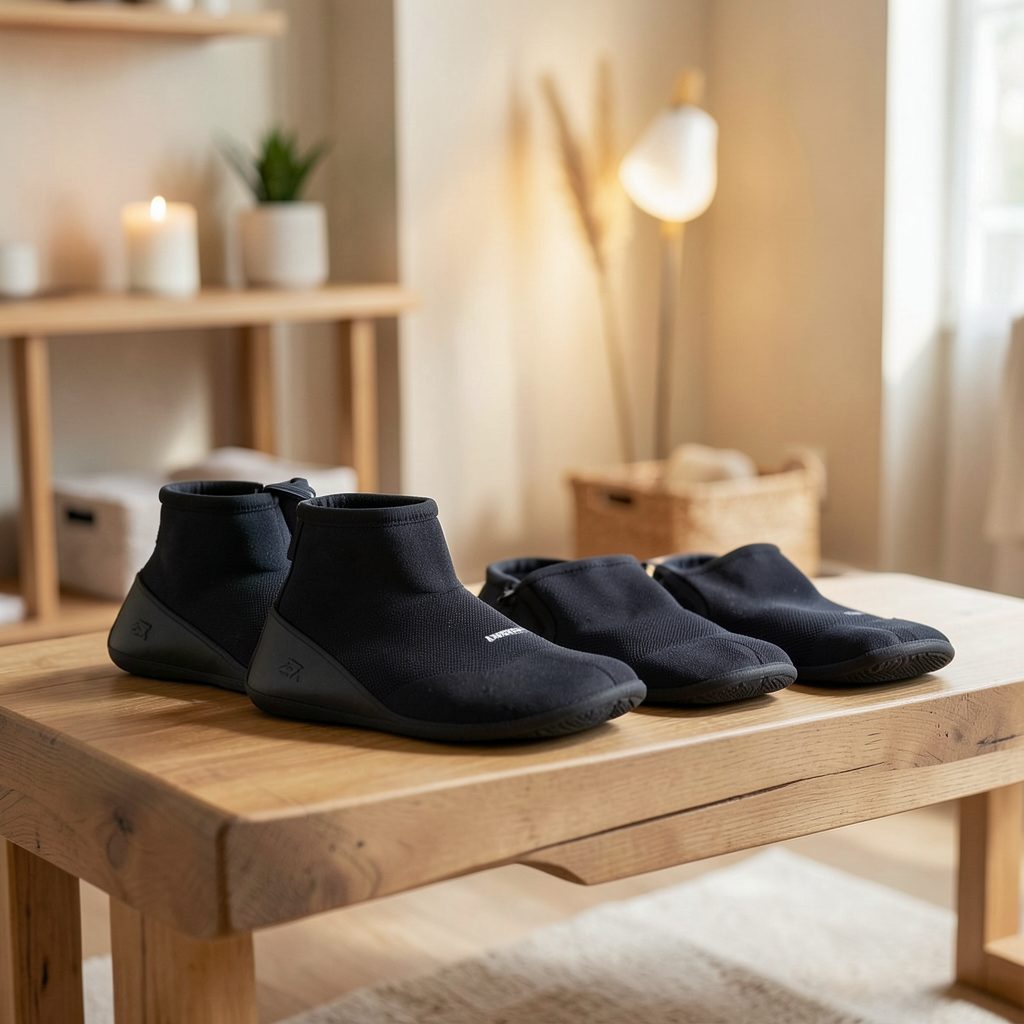
Follow the facility’s clothing instructions precisely. Dry skin and appropriate protective garments help reduce the risk of cold-related skin irritation. Staff may provide or recommend gloves, socks, slippers, or other protective equipment. Remove damp clothing, jewelry, and items that could interfere with the treatment process.
Do not apply oils, lotions, or creams immediately before a session unless staff specifically approves them. Moisture or products on the skin can affect how cold is transferred. Keep any cuts, rashes, blisters, or irritated areas covered according to the facility’s instructions, and postpone treatment if the skin is compromised.
Match Timing To Training And Recovery
Cryotherapy timing should support your goal rather than automatically follow every workout. Some athletes prefer a recovery session after intense competition, while others use cold exposure on a separate day when soreness or fatigue is present. Staff can help you decide how to begin conservatively.
If you are using cryotherapy after cycling, avoid treating it as a replacement for a gradual cooldown. Spin sessions can produce substantial cardiovascular stress, and resistance settings that mimic hill training may leave your legs fatigued even when the workout occurs indoors. Walk, breathe normally, rehydrate, and allow your heart rate to come down before treatment.
New users should avoid stacking multiple demanding recovery or heat-based services without guidance. Combining intense exercise, dehydration, sauna exposure, and cold treatment can place extra stress on the body. Keep your first session simple so you can observe your response.
| Before, During, Or After | Safe Practice For New Users | Reason To Pay Attention |
|---|---|---|
| Before treatment | Complete screening, hydrate, and report medical conditions | Cold affects circulation and blood pressure |
| Clothing preparation | Use dry, approved protective garments | Wet skin and inadequate protection can increase skin risk |
| During treatment | Follow the time limit and communicate discomfort | Numbness can make it harder to notice excessive cold |
| After treatment | Warm gradually, drink fluids, and monitor symptoms | Delayed dizziness or skin changes can occur |
| Between sessions | Follow staff guidance instead of increasing frequency independently | More exposure does not automatically mean better recovery |
Know When To Stop
Staff should explain how to communicate during the session and how the equipment can be stopped. Take those instructions seriously. You do not need to tolerate escalating discomfort to receive a potential benefit, and ending early is the appropriate choice when symptoms feel abnormal.
Stop treatment and notify staff immediately if you experience chest discomfort, trouble breathing, faintness, severe headache, confusion, uncontrolled shivering, intense pain, or a burning sensation. Skin that becomes unusually pale, gray, blistered, or persistently painful should receive prompt attention. Seek medical care for severe or ongoing symptoms.
A temporary cold sensation is expected; worsening symptoms are not. If you feel uncertain, use clear language such as “I need to stop” or “I feel dizzy.” Staff can then assess the situation and determine whether additional care is needed.
Recover Gradually After Cold Exposure
After treatment, leave the area calmly and warm up at a natural pace. Put on dry layers, walk gently if you feel steady, and avoid immediately rushing into another high-intensity activity. A warm beverage and balanced meal may fit well into a broader recovery plan, especially after a long training session.
Pay attention to your skin and overall condition for the rest of the day. Mild temporary redness or tingling may occur, but persistent numbness, swelling, welts, discoloration, or pain should be reported. Keep notes about how long symptoms lasted and share them with staff before scheduling another session.
Cryotherapy works best when paired with foundational habits: adequate sleep, protein and carbohydrate intake, mobility work, sensible training volume, and rest days. It should complement the recovery services and athletic programs at The Factory D1 Indy rather than become the sole strategy for managing soreness.
Use A Conservative First-Session Plan
A simple plan can make your first visit more comfortable and give staff useful feedback about your response:
- Complete the health screening and ask which cryotherapy method will be used.
- Arrive hydrated, rested, and free from recent alcohol or other impairing substances.
- Wear the protective clothing recommended by the facility and keep skin dry.
- Ask staff to explain the session duration, communication signals, and stop procedure.
- Report unusual pain, dizziness, breathing difficulty, or skin changes immediately.
The goal of a first session is familiarization, not maximum exposure. Follow the prescribed duration, avoid increasing frequency on your own, and discuss any concerns before returning. Athletes under 18 should follow the facility’s age requirements and involve a parent or guardian where appropriate.
When you are ready to add cold therapy to your routine, contact The Factory D1 Indy to review available services, screening requirements, and scheduling details. Arrive prepared, communicate openly with the recovery team, and make cryotherapy one carefully managed part of your training and wellness routine.
Inside The Factory

Three Entities, One Roof
Leagues
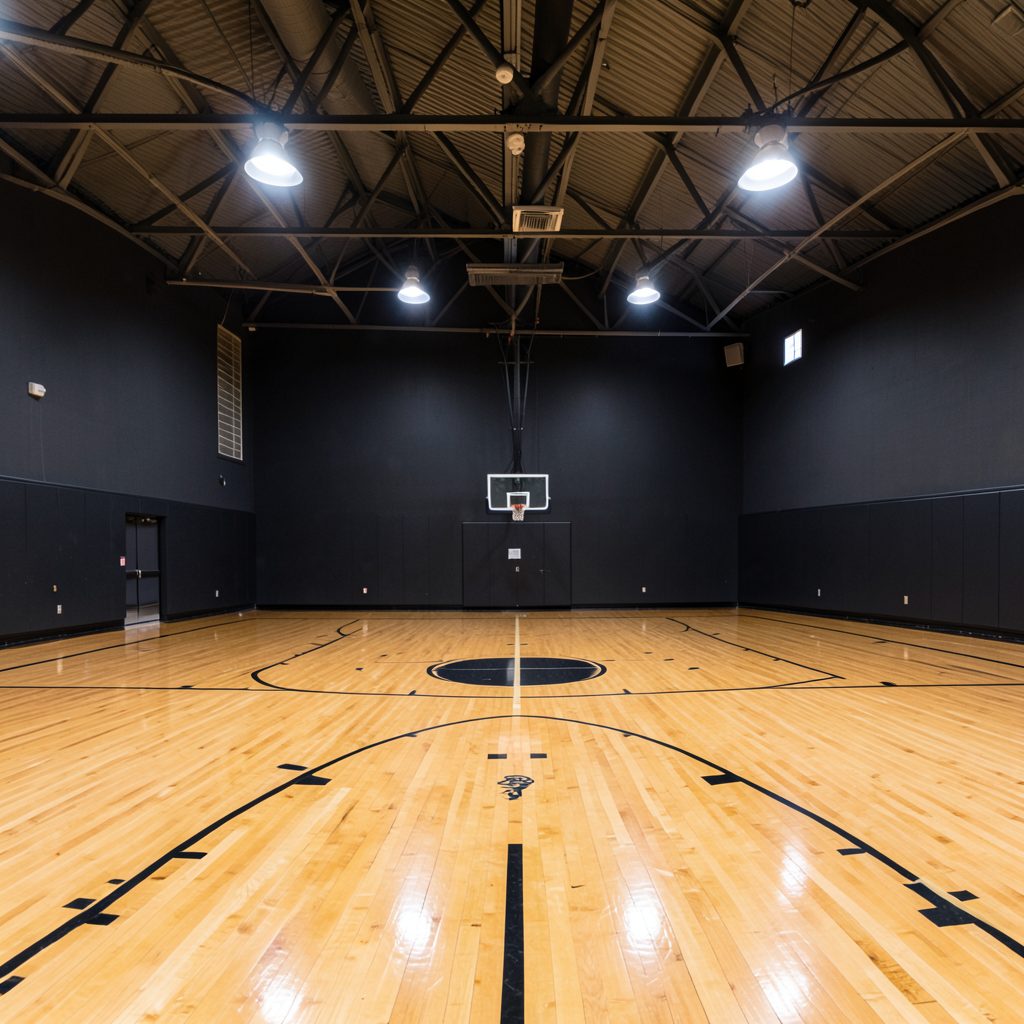
Eight league divisions span every age group: Indy Pro AM, 18+ Open Men's, 30+ Men's, Bite Size (ages 3–6), Impact League, 5th/6th Grade, Middle School, and High School. Gather your team and compete.
Training
Individual and group basketball training for all skill levels. Major M.O.V.E.S. Basketball Training serves ages 4–7 on Wednesday and Thursday evenings at 6:30 PM — $30 per session or $100 unlimited monthly.
Wellness & Recovery
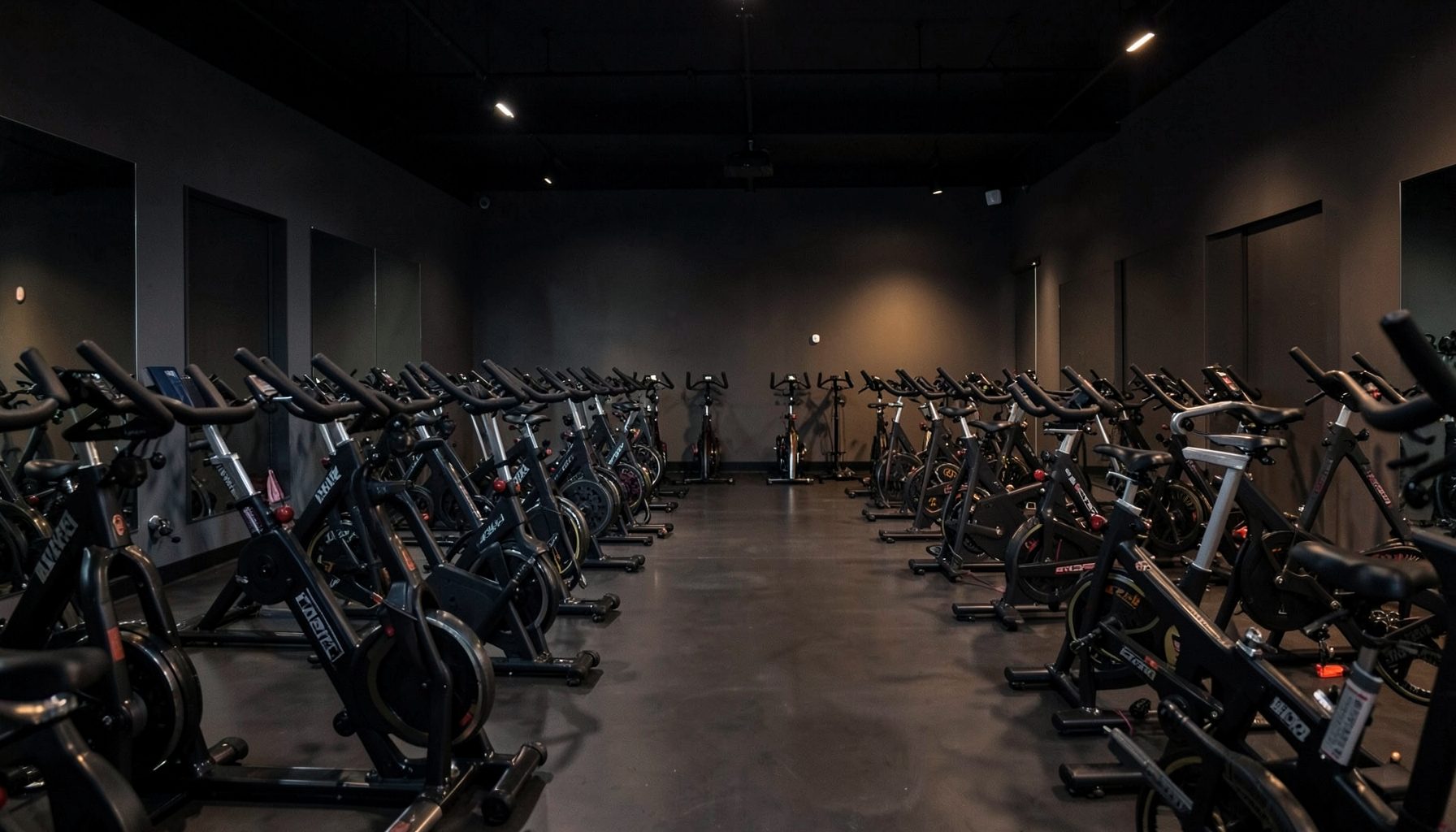
Normatec boot recovery and cryotherapy treatments help athletes bounce back faster. Cycle and spin classes add a cardio dimension to the holistic performance approach.
Have a Question?