Train. Compete. Recover.
A multi-purpose athletic facility in Speedway, Indiana — basketball leagues, skill training, and wellness services all under one roof.
The Factory D1 Indy brings together three entities under one roof: competitive basketball leagues for all age groups, individual and group training, and wellness & recovery services including Normatec boot recovery and cryotherapy. Located off I-465 and High School Road at 6331 Crawfordsville Road, Speedway, Indiana 46224.
Get In TouchWhy core stability matters for defensive slides
A defender can look quick in a straight sprint and still struggle to stay in front of an opponent. Defensive slides demand a different type of athletic control: the hips must shift, the feet must reposition, and the upper body must remain ready to react without drifting upright or crossing over. The trunk connects these actions, helping the athlete create a stable platform while changing direction.
For Australian players moving between school courts, local clubs and higher-level competitions, this skill has practical value at every age. Whether the game is played in a packed Melbourne stadium, a Sydney indoor centre or an outdoor court in Brisbane, a strong midsection can support safer movement, sharper close-outs and better defensive confidence.
| Defensive demand | When core control is limited | When core control is developed |
|---|---|---|
| Lateral movement | Hips rise and feet become heavy | The athlete stays low and mobile |
| Change of direction | The torso sways past the base | The body redirects smoothly |
| Close-out | Braking is late or unbalanced | The player stops under control |
| Contact near the paint | Balance is easily disrupted | The athlete absorbs force and recovers |
| Repeated possessions | Technique breaks down with fatigue | Defensive posture lasts longer |
How the trunk supports lateral movement
Core stability is the ability to control the position of the pelvis, spine and ribcage while the limbs move. It does not mean holding the body rigid. A basketball player needs a responsive trunk that can resist unwanted rotation and side-bending while the legs push against the floor.
During a defensive slide, the outside leg produces force while the inside leg helps reposition the body. If the pelvis tips or the chest leans too far, that force is wasted. The player may still move sideways, but the next step becomes slower and less predictable. A controlled trunk allows the hips and feet to work together rather than competing with each other.
This is especially important for young athletes who are still learning body awareness. Coaches can use simple cues such as “hips low, chest proud” and “push the floor away” to connect posture with movement. The goal is a balanced athletic stance, not an exaggerated squat that causes early fatigue.
Why balance affects defensive reaction time
Good balance reduces the time between seeing an opponent’s movement and responding to it. When a defender’s weight is centred over a broad base, either foot can push quickly. When the weight is already falling towards one side, the athlete needs an extra recovery step before changing direction.
A stable midsection also helps the eyes stay level. That matters when reading a ball-handler’s hips, shoulders and passing options. Excessive trunk sway can make visual tracking harder and often exposes the defender to a drive. Small improvements in postural control can therefore influence steals, contests and recovery runs without requiring a dramatic increase in speed.
Australian players often face varied court conditions, from polished indoor timber to outdoor hard courts affected by heat and dust. Stable movement becomes even more valuable when footwear, surface grip or space changes. A defender who can manage their centre of mass is better prepared to adjust without relying on a risky reach or a desperate lunge.
Training the muscles that protect alignment
Effective basketball conditioning should include the deep abdominal muscles, obliques, glutes, hip stabilisers and lower back. These areas help maintain pelvic alignment as the legs separate and the body moves laterally. Exercises such as side planks, dead bugs, bear crawls and split-stance anti-rotation presses can build control without copying every detail of a defensive slide.
Progression matters. An athlete might begin with a short side plank, then perform the movement with the top leg lifted, and later add a controlled lateral shuffle. The exercise should challenge alignment while allowing clean breathing and steady technique. If the ribs flare, the hips twist or the shoulders collapse, the load or speed is probably too high.
Strength work should complement, rather than replace, movement practice. Coaches can pair a core exercise with a short defensive sequence: hold a side plank, recover, then complete three controlled slides and a close-out. This teaches the athlete to use trunk control while making decisions and managing fatigue, which is closer to the demands of live play.
Connecting hip mobility with trunk control
Restricted hips can force the torso to compensate. If an athlete cannot open the hips comfortably, they may rotate the pelvis, lift the chest or turn the feet out to create room. These adjustments can reduce the quality of the defensive stance and place more stress on the knees or lower back.
Mobility should be active and controlled. Hip-opening drills, 90/90 transitions and gentle adductor work can help an athlete access a wider base, but the new range must be supported by strength. A useful mobility session may include a supported pigeon sequence, followed by glute activation and low-speed defensive footwork.
Recovery between sessions also influences movement quality. Australian athletes balancing school, work, club training and weekend tournaments may arrive at practice with tight hips or tired legs. A short warm-up that includes jogging, lateral steps, dynamic lunges and controlled hip rotations can prepare the body more effectively than immediately stretching into a deep position.
Applying stability to close-outs and contact
A close-out requires the defender to sprint, decelerate and settle into a stance without giving up a driving lane. Core control helps manage the braking phase. The chest should remain organised over the hips while the feet take short, active steps. Reaching or jumping too early often causes the trunk to tilt, making it easier for the attacker to attack the defender’s top foot.
Contact near the key presents another test. The athlete may need to hold position against a box-out, absorb a shoulder bump or recover after contesting a shot. Strong bracing through the trunk can help the player maintain balance while keeping the hands legal and the feet ready. This is functional strength, not simply abdominal endurance.
Training should include realistic constraints: slide to a cone, sprint to close out, chop the feet, then react to a pass or drive. Athletes can practise both directions and include a controlled bump from a coach or pad when appropriate. For players interested in organised competition, checking league registration can provide a practical setting to test defensive habits under game pressure.
Maintaining technique when fatigue arrives
Many defensive breakdowns happen late in a possession or late in a game. As fatigue builds, the hips rise, the feet cross and the trunk begins to lean. Core endurance helps preserve the relationship between the ribcage and pelvis, while lower-body conditioning keeps the athlete capable of producing repeated lateral force.
A useful drill is a series of five-second slides followed by a recovery sprint, repeated for several rounds. The athlete should stop if posture becomes unsafe rather than chasing an arbitrary number of repetitions. Quality under moderate fatigue is more valuable than sloppy volume. Coaches can score stance height, foot control and reaction to a visual cue to make improvement measurable.
Recovery habits support this work. Hydration, adequate food, sleep and sensible training loads are essential in Australia’s warmer months, particularly when athletes move between outdoor sessions and air-conditioned venues. Some players also explore services such as recovery options, but these should complement sound programming rather than replace rest or medical advice.
Core stability is a defensive skill that can be developed through consistent strength training, mobility work and deliberate footwork. At The Factory D1 Indy, athletes can build those habits through structured basketball training, conditioning and competitive opportunities suited to different ages and abilities. Players, parents and coaches can use each session to make balance, positioning and controlled reactions part of everyday basketball practice.
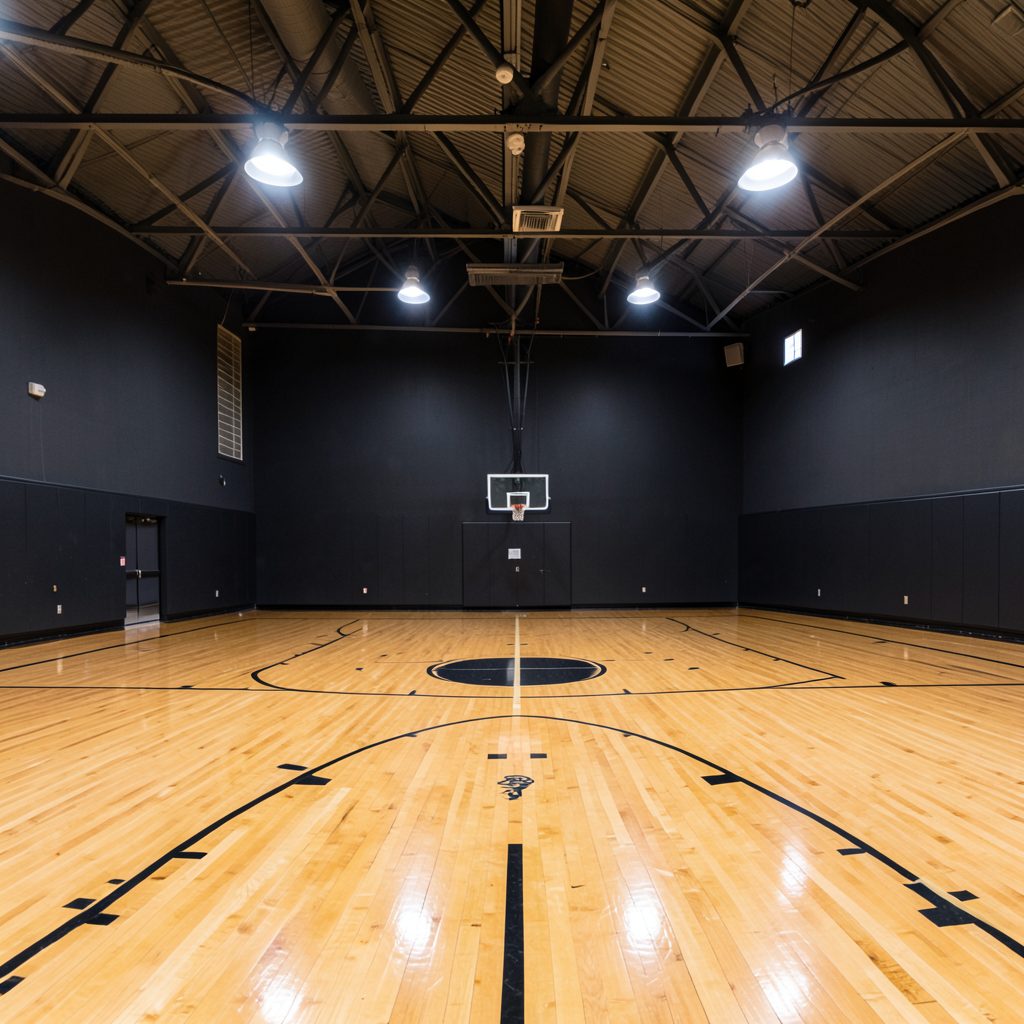
Inside The Factory

Three Entities, One Roof
Leagues
Eight league divisions span every age group: Indy Pro AM, 18+ Open Men's, 30+ Men's, Bite Size (ages 3–6), Impact League, 5th/6th Grade, Middle School, and High School. Gather your team and compete.
Training
Individual and group basketball training for all skill levels. Major M.O.V.E.S. Basketball Training serves ages 4–7 on Wednesday and Thursday evenings at 6:30 PM — $30 per session or $100 unlimited monthly.
Wellness & Recovery
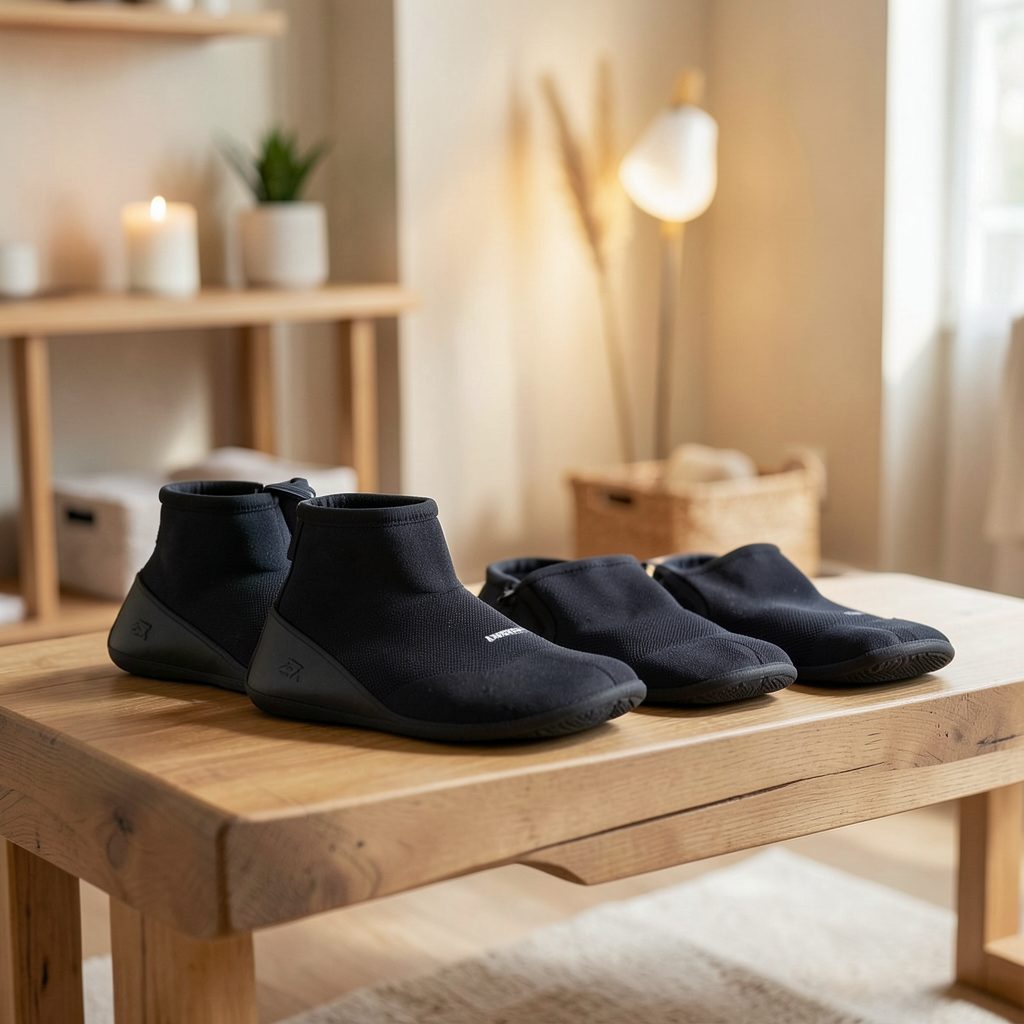
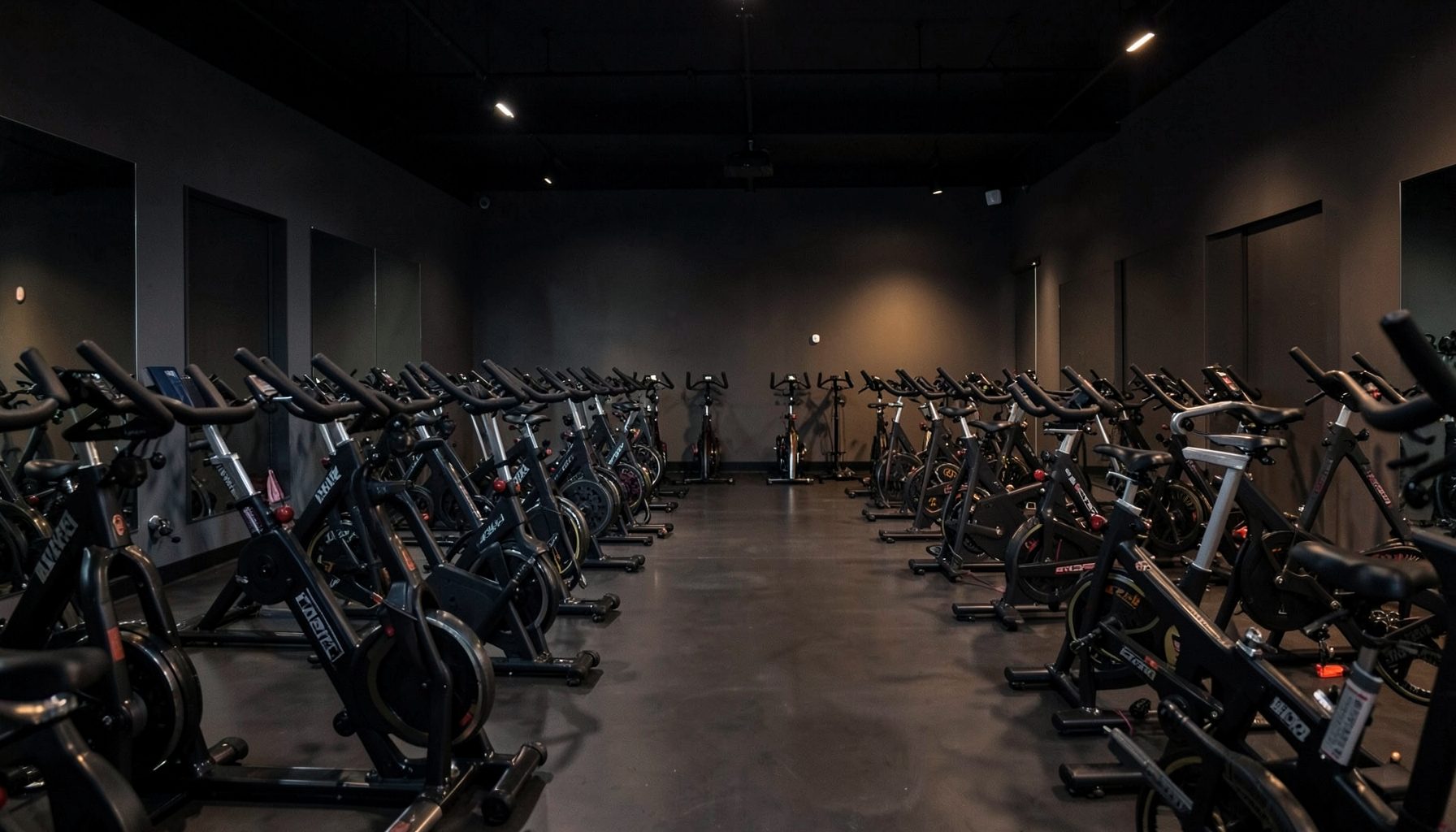
Normatec boot recovery and cryotherapy treatments help athletes bounce back faster. Cycle and spin classes add a cardio dimension to the holistic performance approach.
Have a Question?