Train. Compete. Recover.
A multi-purpose athletic facility in Speedway, Indiana — basketball leagues, skill training, and wellness services all under one roof.
The Factory D1 Indy brings together three entities under one roof: competitive basketball leagues for all age groups, individual and group training, and wellness & recovery services including Normatec boot recovery and cryotherapy. Located off I-465 and High School Road at 6331 Crawfordsville Road, Speedway, Indiana 46224.
Get In TouchWhy Ball-Free Footwork Matters for Young Basketball Athletes
A young basketballer can have a reliable jump shot and still struggle to stay in front of an opponent. The missing piece is often movement quality: balance, body control, reaction speed and the ability to change direction without losing posture. These skills begin before a player dribbles, passes or takes a shot.
Footwork drills without a ball give athletes a chance to focus on how they move. They learn to push from the floor, land safely, stop under control and create space with their feet. For developing players, this foundation can be more valuable than adding another complicated move to a training session.
The same principles apply whether a child plays at a suburban stadium in Melbourne, a school gym in Brisbane or an outdoor court in Perth. Australian families often work around school terms, weekend fixtures and long travel between venues, so efficient drills that need little equipment can be especially useful.
Movement Skills Begin Before Ball Skills
Basketball is a game of repeated starts, stops and changes of direction. A player may sprint into a defensive close-out, shuffle across the key, backpedal in transition and then jump to contest a rebound within a few seconds. Each action depends on foot placement and body position.
Ball-free practice removes distractions and helps a coach spot movement habits. A player who crosses their feet while sliding, stands too upright or brings their feet together when stopping can correct those issues before they become automatic. The athlete can then transfer cleaner movement into shooting, dribbling and defensive play.
Useful patterns include defensive slides, sprint-to-stop repetitions, backpedal-to-sprint changes, drop steps, pivots and controlled lateral hops. The aim is not to make every drill exhausting. Young athletes should finish repetitions with stable hips, soft knees and an awareness of where their weight is travelling.
Balance, Deceleration And Safe Landing
Acceleration gets plenty of attention, but the ability to slow down is just as important. A fast player who cannot brake may run past a defender, lose control on a drive or place unnecessary stress on the knees and ankles. Deceleration drills teach athletes to lower their centre of gravity and absorb force through several joints.
A simple exercise might involve a short sprint followed by a two-foot stop, then a single-leg balance hold. Progressions can include a side shuffle into a stick landing or a backpedal into a controlled turn. Coaches should prioritise quiet landings, aligned knees and a chest position that remains under control.
These movement patterns are particularly relevant for Australian juniors who may switch between basketball, netball, Australian Rules football or athletics. Different sports create useful athletic variety, but they also demand strong control when landing and changing direction. A sensible programme should build coordination gradually rather than chase speed at every session.
Reaction And Decision-Making Without Equipment
Footwork is not purely mechanical. Players need to read a coach, teammate or opponent and respond quickly. Ball-free reaction games can develop this skill with simple commands such as “left”, “right”, “drop”, “close” or “turn”. Visual cues, coloured cones and partner movements add variety without requiring a basketball.
A coach can ask two athletes to mirror each other for ten seconds, with one leading and the other responding. Another option is a lane drill where the player reacts to a hand signal before shuffling, sprinting or stopping. These activities strengthen visual processing and help young players stay light on their feet.
The drills can be adapted for a crowded school court or a small driveway, which matters when wet weather affects outdoor plans in Sydney or a hot afternoon makes an outdoor session uncomfortable in Adelaide. A few metres of safe space, supportive shoes and clear boundaries are usually enough.
Building A Consistent Training Routine
A productive youth session does not need to be long. Five to ten minutes of focused movement preparation can be placed before shooting or team play. Begin with marching, skips and low-intensity lateral movement, then add sharper changes of direction once the athlete is warm.
Quality should guide the number of repetitions. A child who is tired, rushing or repeatedly losing balance may need a short break or an easier variation. Coaches and parents should praise stable technique and quick recovery rather than treating every drill as a race.
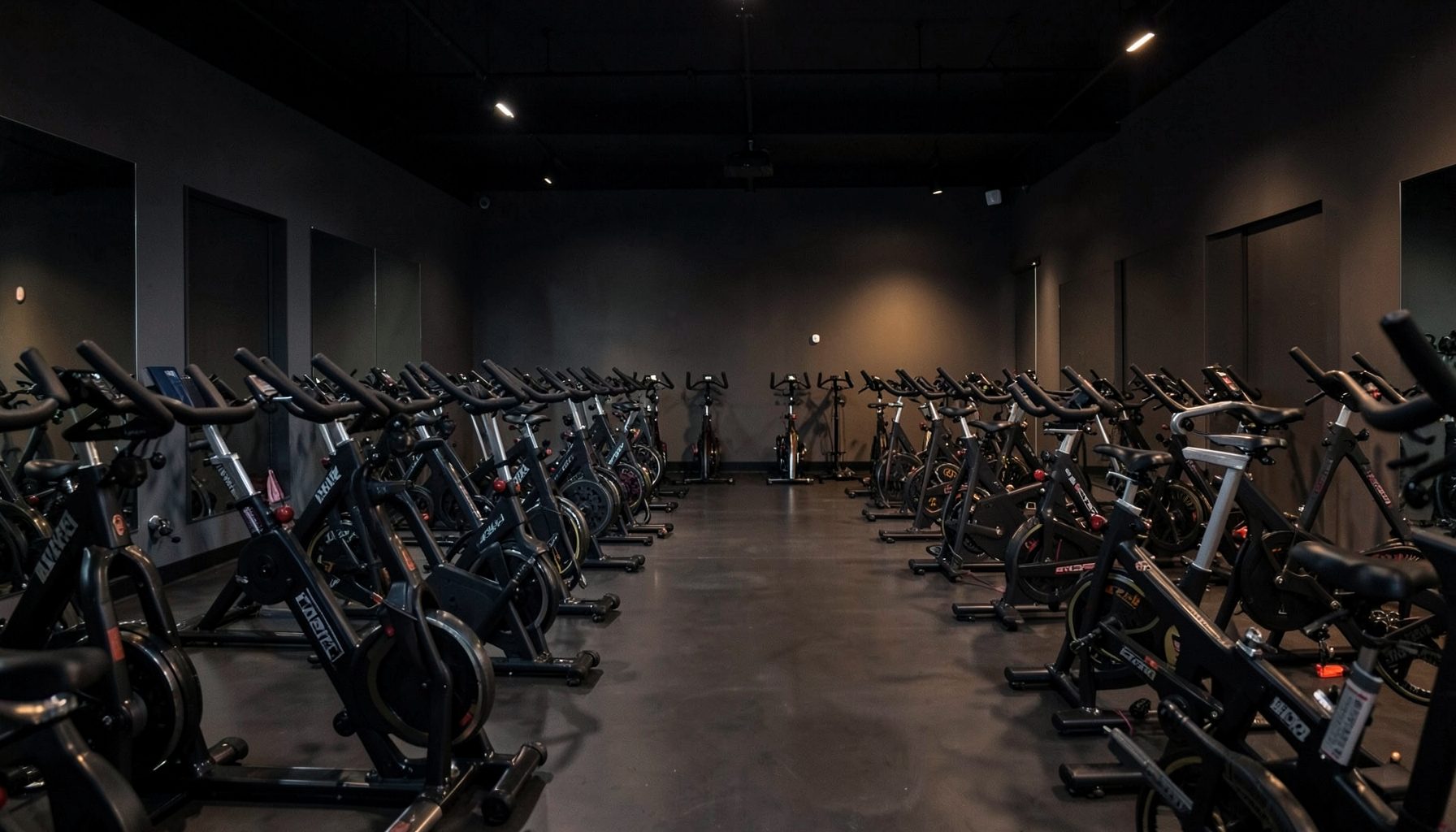
Strength and conditioning can support footwork when it is age-appropriate and supervised. Single-leg balance, calf raises, squat patterns and controlled lunges help athletes manage their bodies. Cycling and spin sessions can also contribute to general conditioning; this guide to spin classes explains how cardiovascular work can support basketball performance without replacing movement practice.
Applying Footwork To Real Basketball
The value of an agility drill appears when players use it in a game. A defensive slide becomes useful when guarding a drive. A drop step helps a rebounder find position. A jump stop supports a controlled catch, pivot or pass. Coaches should connect each pattern to a basketball situation so athletes understand its purpose.
For younger children, keep the language simple and the activities playful. “Beat the shadow”, “freeze on balance” and “close the gate” can be easier to understand than a long technical explanation. Older juniors can learn details such as opening the hips, maintaining a wide base and using a strong outside foot to change direction.
Australian players also benefit from training that fits the local competition pathway. A child may play domestic basketball during winter, representative basketball across school holidays or a school competition alongside weekend club games. A repeatable footwork routine helps maintain movement quality through changing schedules and avoids relying on last-minute conditioning before finals.
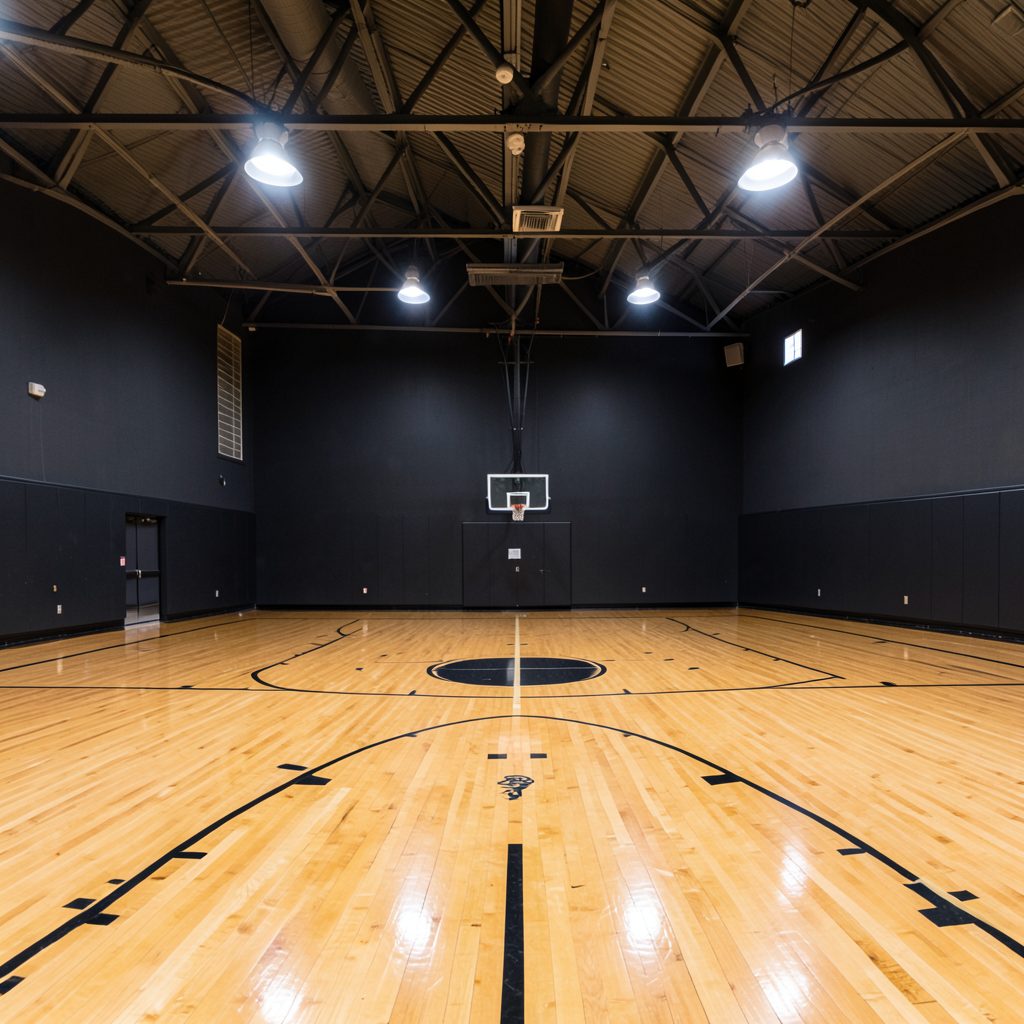
At a multi-purpose venue such as basketball training and leagues, skill development can sit alongside competitive games, conditioning and recovery. That combination reflects how many young athletes train: they need technical coaching, opportunities to compete and sensible ways to prepare their bodies for the next session.
| Training Focus | Example Without A Ball | Main Benefit | Coaching Cue |
|---|---|---|---|
| Defensive movement | Lateral slides between cones | Staying in front of an opponent | Keep hips low and feet apart |
| Deceleration | Sprint, stop and hold | Braking under control | Sink through the hips |
| Change of direction | Shuffle, plant and cut | Faster transitions | Push from the outside foot |
| Landing | Small hop and balanced stick | Safer force absorption | Land softly with knees aligned |
| Reaction speed | Mirror a partner or follow signals | Responding to game cues | Watch the chest, not the feet |
| Pivot control | Jump stop and quarter turns | Protecting the ball and creating options | Keep the planted foot stable |
A well-designed ball-free footwork block gives young athletes a stronger base for every basketball skill that follows. It develops balance, agility, coordination, spatial awareness and confidence while keeping the session accessible for beginners.
Parents, coaches and clubs can add these drills to warm-ups, holiday sessions or small-group training at home and on court. Use a few clear movements, coach safe technique and increase complexity only when the basics look consistent. For structured development, competition and athletic support, explore the programmes available at The Factory D1 Indy and make purposeful movement part of every young athlete’s routine.
Inside The Factory
Three Entities, One Roof
Leagues
Eight league divisions span every age group: Indy Pro AM, 18+ Open Men's, 30+ Men's, Bite Size (ages 3–6), Impact League, 5th/6th Grade, Middle School, and High School. Gather your team and compete.
Training
Individual and group basketball training for all skill levels. Major M.O.V.E.S. Basketball Training serves ages 4–7 on Wednesday and Thursday evenings at 6:30 PM — $30 per session or $100 unlimited monthly.
Wellness & Recovery
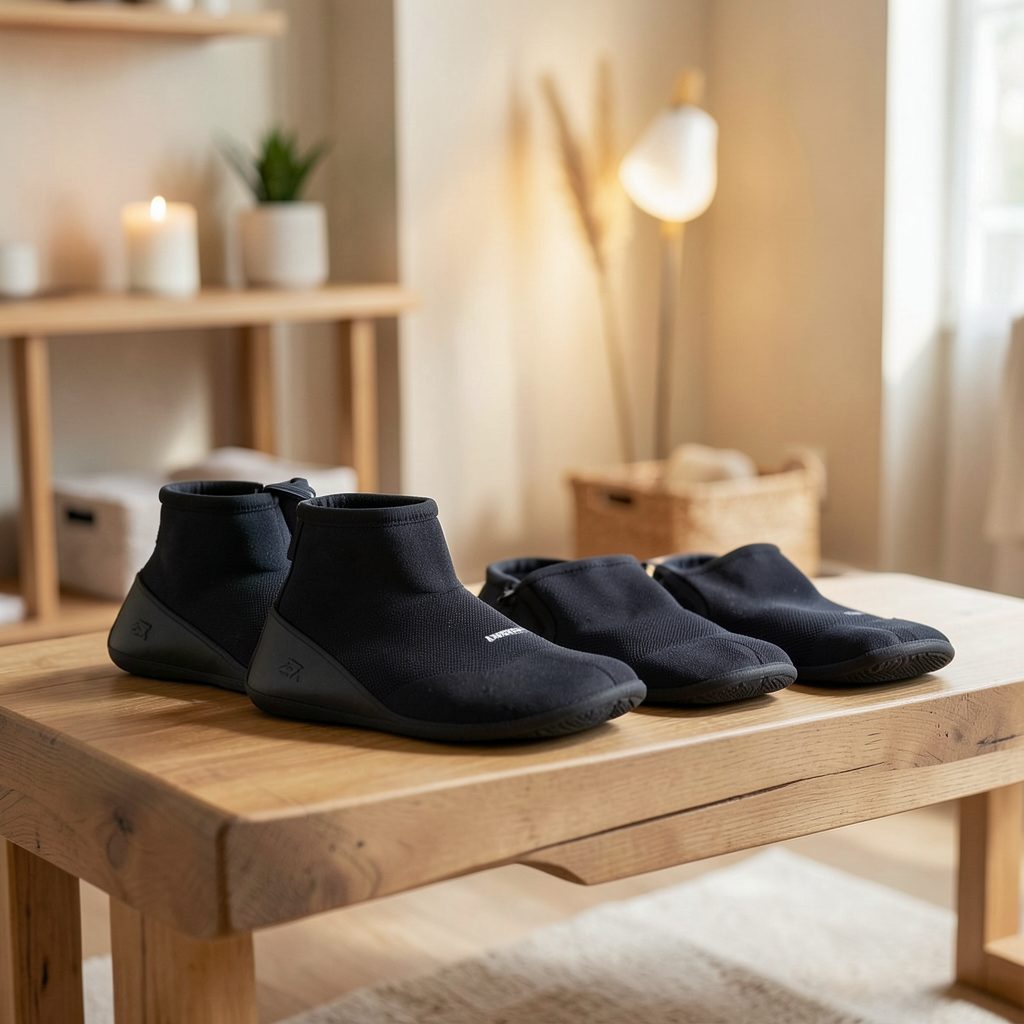
Normatec boot recovery and cryotherapy treatments help athletes bounce back faster. Cycle and spin classes add a cardio dimension to the holistic performance approach.
Have a Question?