Train. Compete. Recover.
A multi-purpose athletic facility in Speedway, Indiana — basketball leagues, skill training, and wellness services all under one roof.
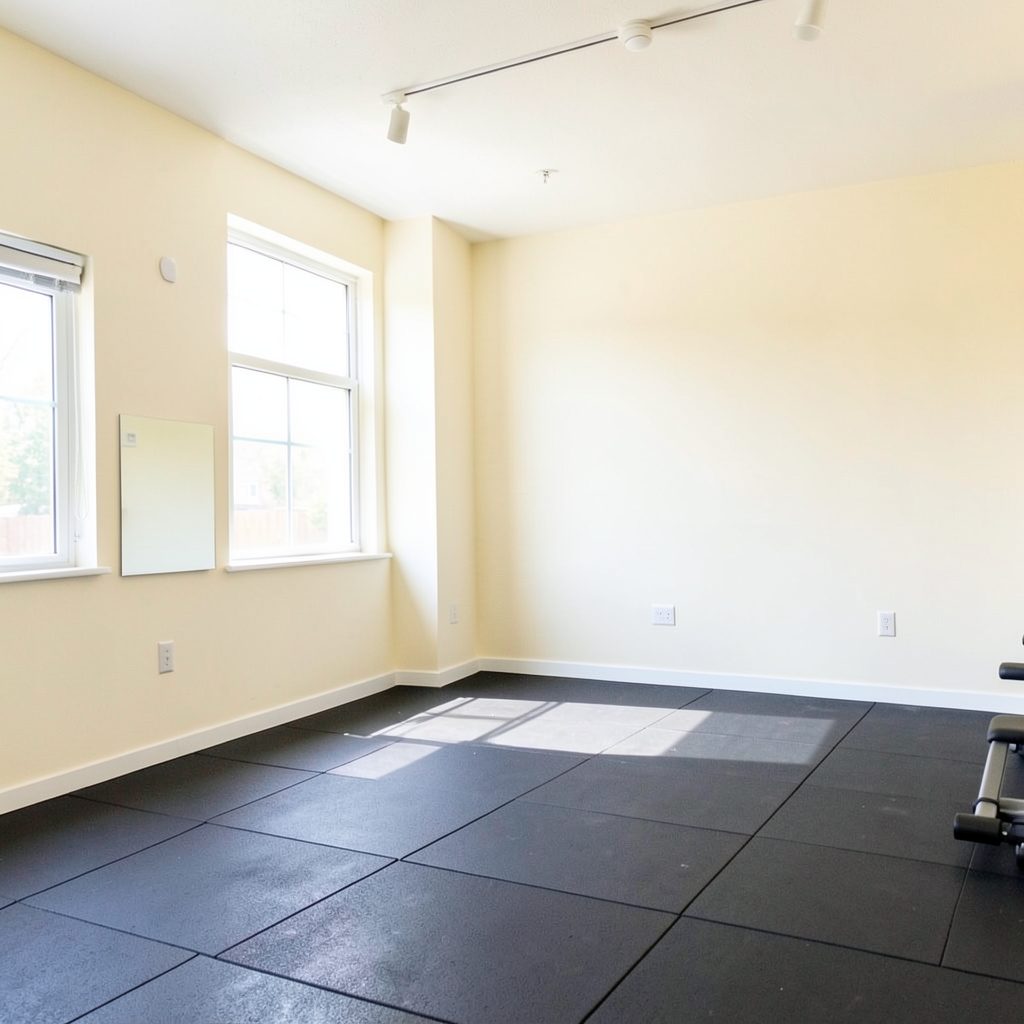
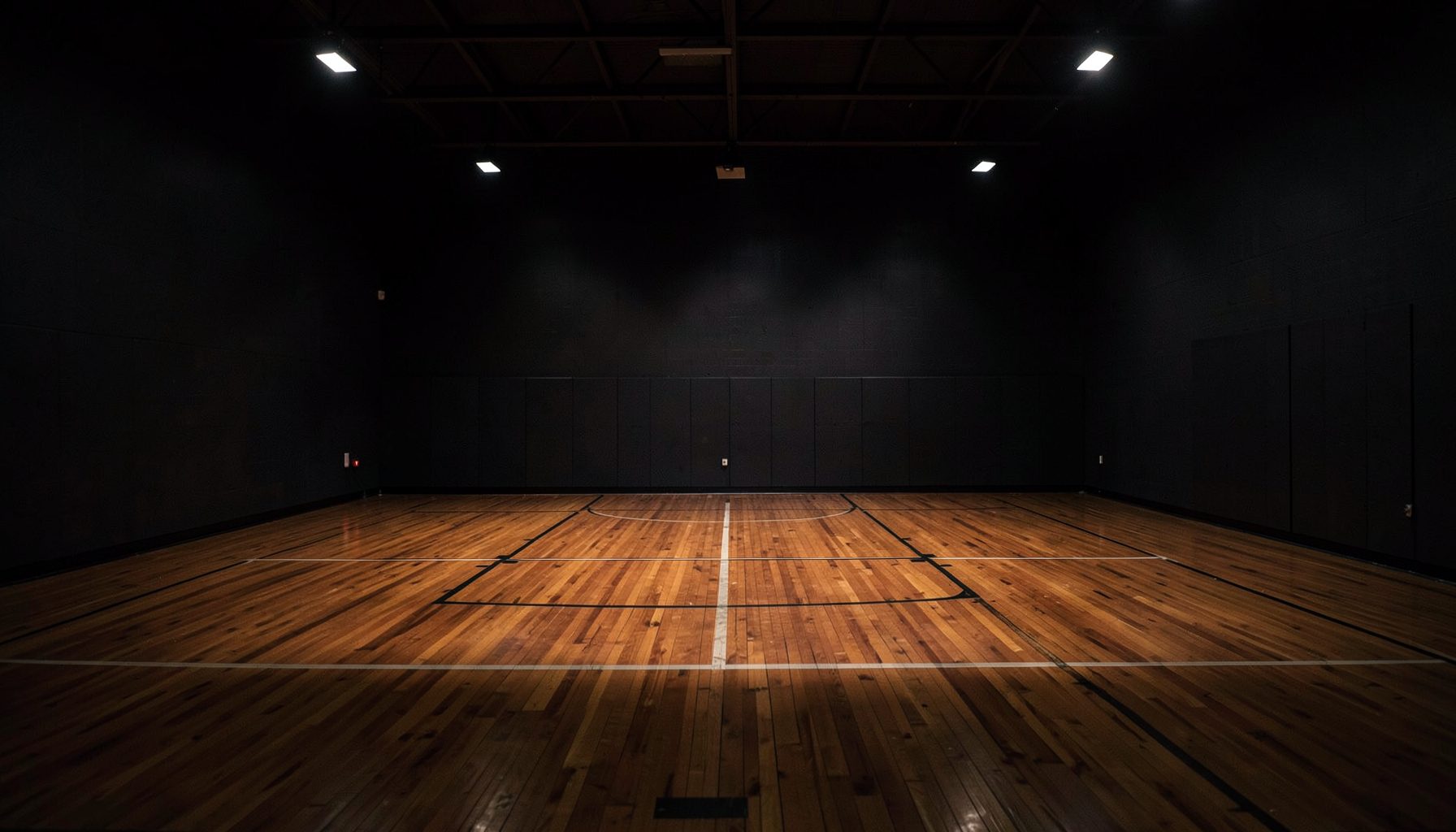
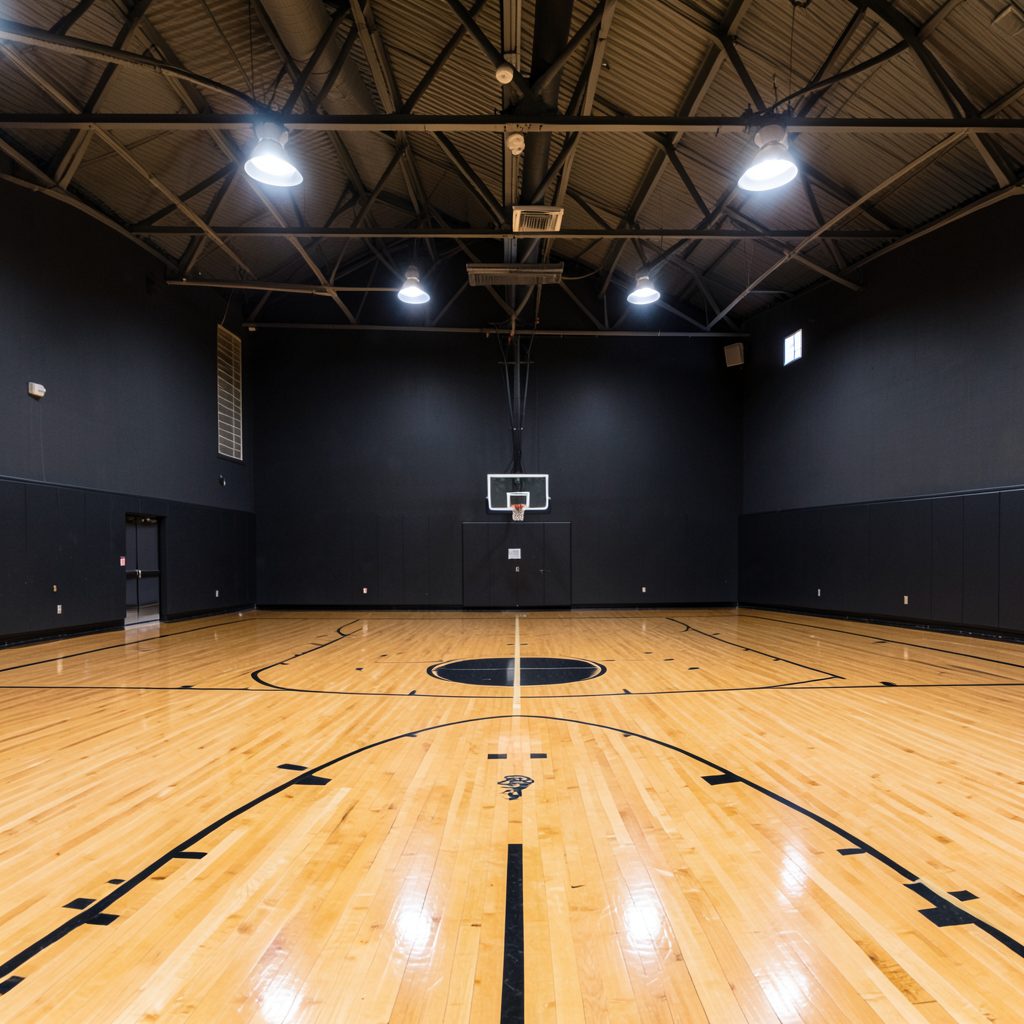
The Factory D1 Indy brings together three entities under one roof: competitive basketball leagues for all age groups, individual and group training, and wellness & recovery services including Normatec boot recovery and cryotherapy. Located off I-465 and High School Road at 6331 Crawfordsville Road, Speedway, Indiana 46224.
Get In TouchPositive reinforcement from parents during youth games
Youth games give children more than chances to score points. They reveal how young athletes handle pressure, uncertainty, teammates, setbacks and the joy of improving. Along the way, the adults on the sideline shape the environment in which those experiences become memories. Supportive behaviour helps children feel safe enough to experiment, while criticism delivered at the wrong moment can make them afraid to make the next decision.
Positive reinforcement is more than saying “good game” or offering a smile after every pass. It means noticing a specific action and responding in a way that encourages similar behaviour. Timely praise for effort, sound decisions or team contribution gives children a clear reason to keep trying. When this support is calm, age-appropriate and connected to what actually happened, it builds confidence without inflating expectations.
These principles apply at community courts in Sydney, Melbourne, Brisbane and smaller Australian towns, as well as at multi-purpose venues such as The Factory D1 Indy in Speedway, Indiana. The exact setting changes, but the sideline influence remains. Across early-childhood programs, youth skills sessions and competitive leagues, children are learning that sport is a place to develop, compete and belong.
What positive reinforcement means on the sideline
In practical terms, positive reinforcement occurs when an adult acknowledges a behaviour children can repeat. A player who communicates after a turnover, fights for position without fouling or passes when a better option appears is demonstrating something worth recognising. The response should describe that behaviour clearly: “You stayed composed after the bad pass,” or “That extra pass created an open shot.”
This differs from generic praise, which may sound pleasant but provides little useful information. Australian weekend basketball often takes place alongside cricket, Australian rules football and netball, so children already receive plenty of broad encouragement. More specific feedback helps them understand basketball itself. “Great work” says little; “You kept your eyes up and found your teammate” identifies the skill that produced the result.
The timing and tone matter as much as the words. Praise delivered immediately is easier to connect with the action, while excessive praise after every small movement can feel forced. A nod, brief comment or thumbs-up may be enough when a child is focused on play. The aim is to reinforce useful behaviour without distracting the athlete or turning every moment into a public assessment.
Building confidence through game-day feedback
Confidence grows when children learn that effort and preparation can produce visible progress. Parents can reinforce that belief by describing improvements rather than predicting outcomes. “You looked more comfortable driving to the basket” is more useful than “You’re going to be a star this season.” One describes something happening now; the other places pressure on a future identity the child may not feel ready to claim.
Mistakes provide especially important opportunities for reinforcement. A missed layup followed by a quick recovery, such as sprinting back or preventing a turnover, shows resilience worth acknowledging. Children who play on outdoor asphalt courts during a hot Australian summer also see the physical effort behind many positives. Hydration breaks, shaded sidelines and patient communication show that preparation and recovery matter alongside the score.
Parents should also avoid treating confidence as constant positivity. A child can be nervous and still benefit from a clear, supportive comment. Saying “Good focus, keep breathing, and play the next possession” accepts the emotion without adding to it. This approach helps young players treat nerves as part of competition rather than evidence that they have failed before the game begins.
Praising effort, decisions and teamwork
Effort is most meaningful when parents connect it to a controllable action. “You worked hard” is encouraging, but “You moved early to set that screen” gives the child information they can use again. Once the specific action is identified, praise becomes a teaching tool rather than a vague judgment about character.
Teamwork offers many chances to reinforce behaviour that rarely appears on a scorecard. A defender who stays with a player after losing the ball, a point guard who directs traffic or a teammate who checks in after an opponent’s basket all contribute to the group. Comments such as “That communication helped us,” “You kept the possession alive” or “Nice job supporting him” show that contribution is valued.
That message fits the collective spirit of Australian community sport, where local clubs often depend on volunteers, parent rosters and shared court time. It also counters a culture that can place too much attention on individual performance. Whether children play for a school, a council-based club or a specialist program, they need to understand that team roles matter. Reinforcing the pass, the screen, the recovery and the encouragement builds an athlete who can function within a team.
Responding to mistakes with calm guidance
The way adults respond to an error can influence how children handle future mistakes. A public outburst communicates that embarrassment is an acceptable response to imperfect performance. By contrast, a measured comment can separate the action from the child’s worth. “That pass was risky because the defender was close” identifies the tactical issue without turning it into a verdict about ability.
Children rarely process criticism well in the middle of high emotion. Parents can wait until the next stoppage, speak quietly and keep the message brief. “Reset” may be all that is needed after a turnover. “Take the next matchup as a fresh chance” can restore control. If a correction takes longer to explain, it can wait until practice, where the player can listen without teammates watching.
Australian families often appreciate directness, but clarity does not require harshness. Many households use a mix of languages and sporting traditions, so supportive messages should be understandable to the whole team. Phrases such as “stay ready,” “keep communicating” and “next possession” are concise and clear. The goal is to reduce pressure, not to create another source of pressure through a lecture after every error.
Balancing competition, fun and pressure
Competitive basketball should provide a clear challenge without making approval depend entirely on winning. Parents can reinforce good preparation, composure and effort even when the result is unfavourable. “You followed the game plan for those final minutes” is a valuable response to a close loss because it recognises a process the child can sustain.
The distinction becomes important in age-group competitions and adult leagues alike. The Factory D1 Indy offers divisions from early-childhood programs through to adult competition, so developmental needs differ considerably within the same facility. Younger players may need reminders about listening, spacing and taking turns; older athletes may need feedback on decision-making under pressure. Praise should match the stage of learning rather than the intensity of the scoreboard.
Australian school holiday schedules and hot summer months add another dimension. A crowded game schedule, travel between cities or a week away from routine can affect energy and focus. Families can reinforce sensible preparation by treating rest, meals and hydration as part of training. Winning remains meaningful, but it should sit within a broader structure built around learning, participation and enjoyment.
Preparing bodies and minds for game day
Game-day encouragement works best when the surrounding routine supports the child’s needs. A balanced pre-game meal, consistent sleep, a dynamic warm-up and familiar equipment can reduce avoidable stress. Families can browse the leagues to understand the age level, format and expectations of a program before the season begins.
Preparation also extends beyond the basketball court. A guide to pre-season basketball conditioning highlights the value of planning training time, movement quality and physical readiness rather than waiting for fatigue to appear during competition. Parents can reinforce this by asking about workload, observing changes in mood or energy and supporting rest when needed.
Strength, coordination and body control can complement court-specific skills. For young women, broader full-body training can provide useful ideas for work that develops balance and control alongside basketball practice. Recovery services such as compression therapy and cryotherapy may also form part of a programme at The Factory D1 Indy, but they should complement sleep, nutrition, hydration and sensible training rather than replace them.
Creating a supportive family sideline
A positive sideline culture begins with shared expectations. Family members can agree that the adult providing encouragement will focus on observable behaviour, while others handle tickets, water and equipment. Coaches remain responsible for tactical instruction, and parents can avoid adding a stream of conflicting calls. One calm voice often carries further than several loud reactions.
This approach respects the role of community volunteers and coaches in Australian basketball. Families contribute through canteens, transport rosters, equipment preparation and fundraising, but they do not need to turn every game into a performance review. Local sports shops and chain retailers such as Decathlon provide equipment across the Australian market, yet the best support is not purchased: it is created through patient attention, appropriate praise and trust in the young athlete’s process.
Before the next game, choose one behaviour to notice and one supportive phrase to use. Keep it specific, keep it positive and keep it connected to the action in front of you. That small habit can help a child leave the court feeling stronger, more capable and ready to return.
Inside The Factory

Three Entities, One Roof
Leagues
Eight league divisions span every age group: Indy Pro AM, 18+ Open Men's, 30+ Men's, Bite Size (ages 3–6), Impact League, 5th/6th Grade, Middle School, and High School. Gather your team and compete.
Training
Individual and group basketball training for all skill levels. Major M.O.V.E.S. Basketball Training serves ages 4–7 on Wednesday and Thursday evenings at 6:30 PM — $30 per session or $100 unlimited monthly.
Wellness & Recovery
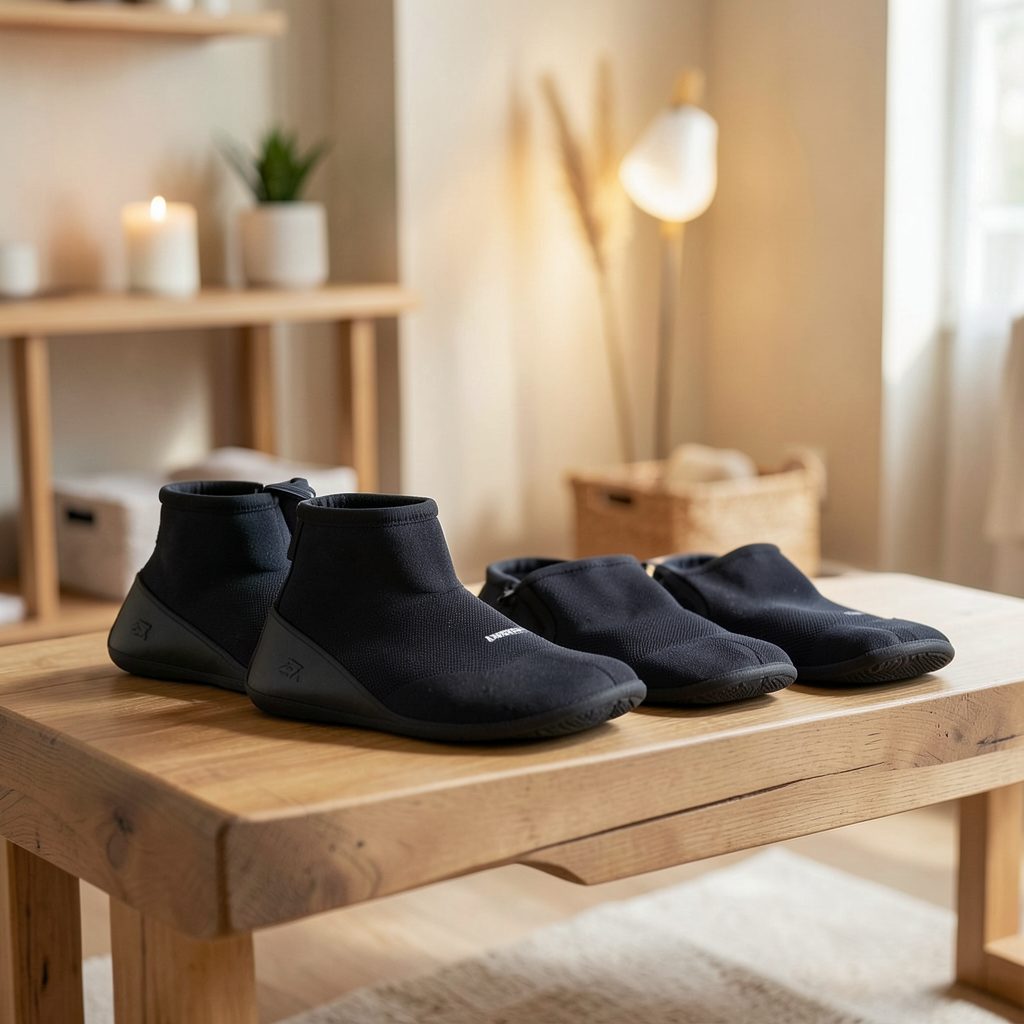
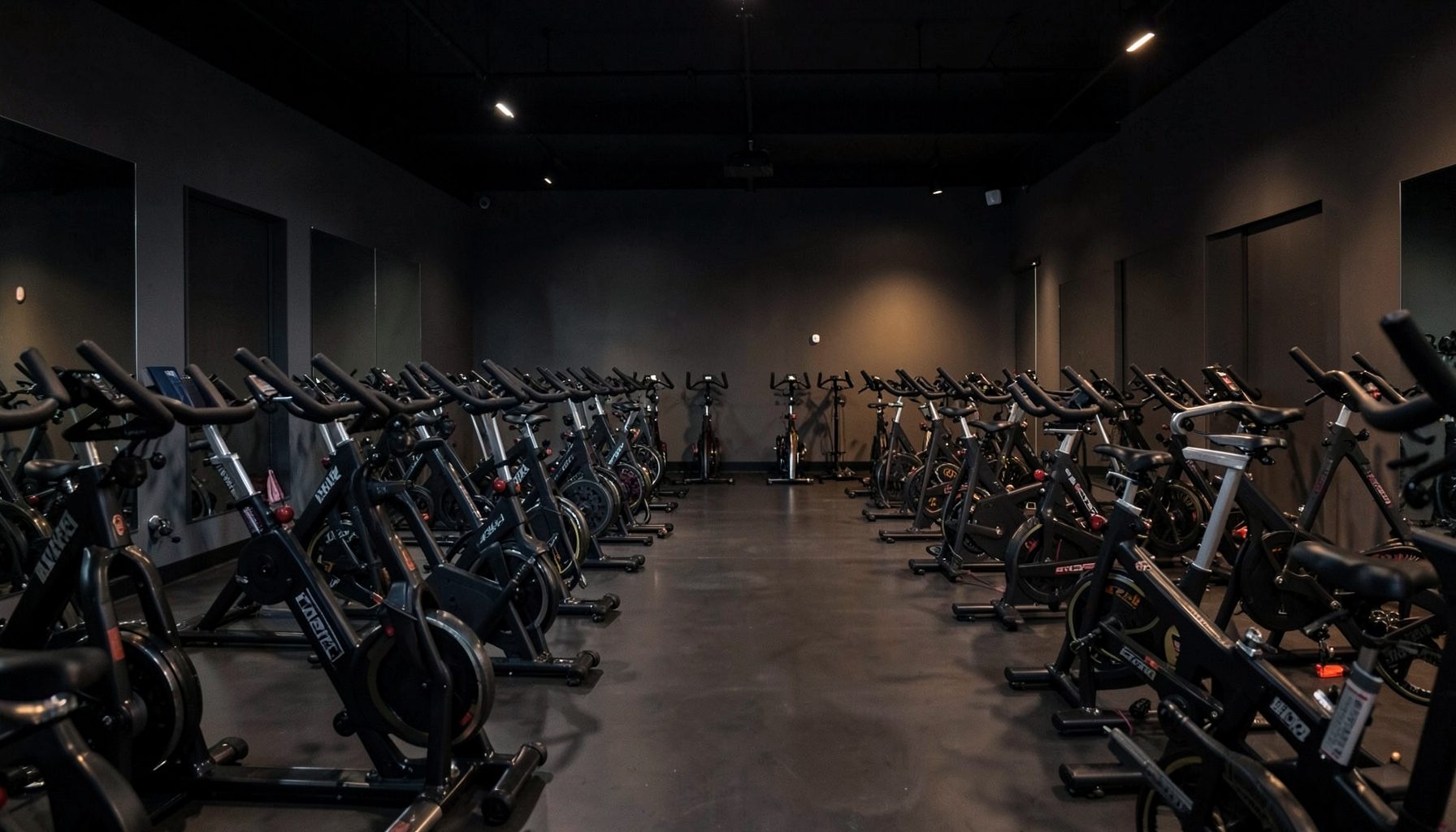
Normatec boot recovery and cryotherapy treatments help athletes bounce back faster. Cycle and spin classes add a cardio dimension to the holistic performance approach.
Have a Question?