Train. Compete. Recover.
A multi-purpose athletic facility in Speedway, Indiana — basketball leagues, skill training, and wellness services all under one roof.
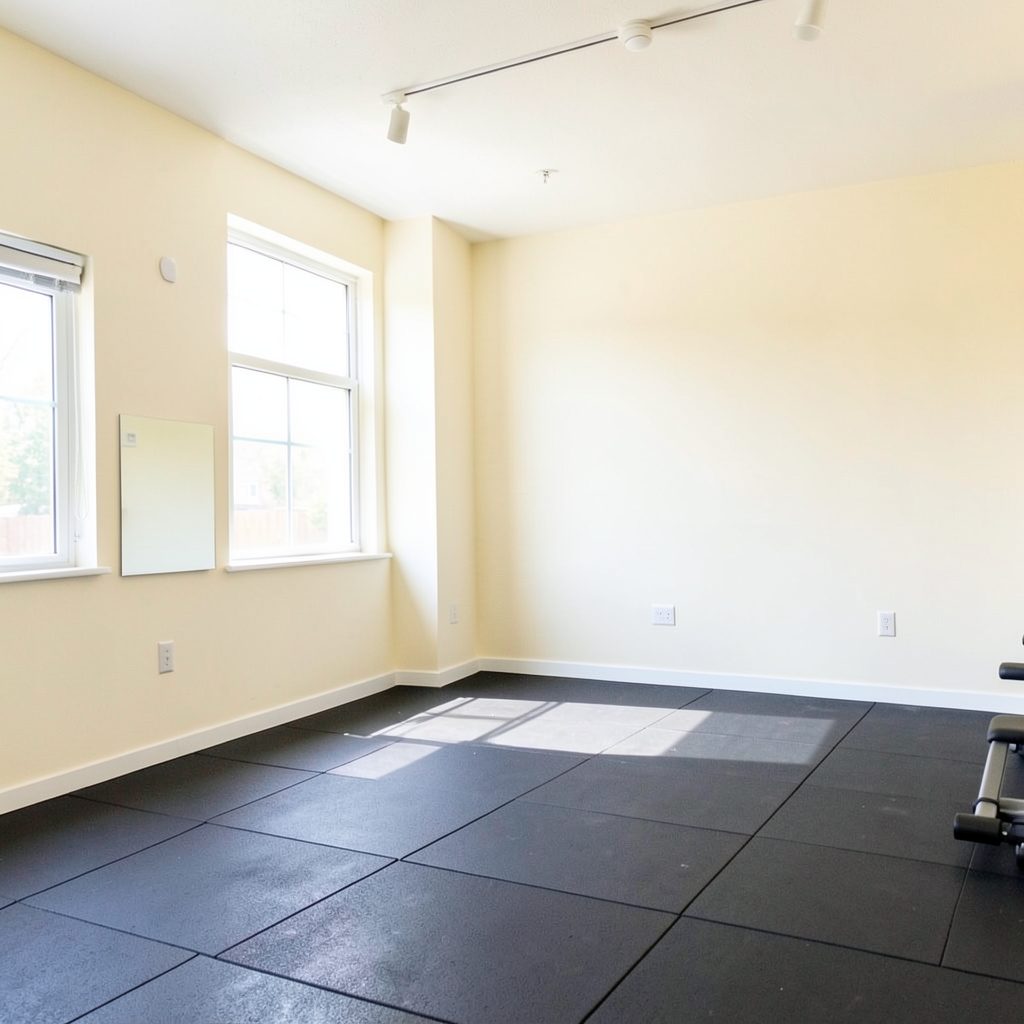
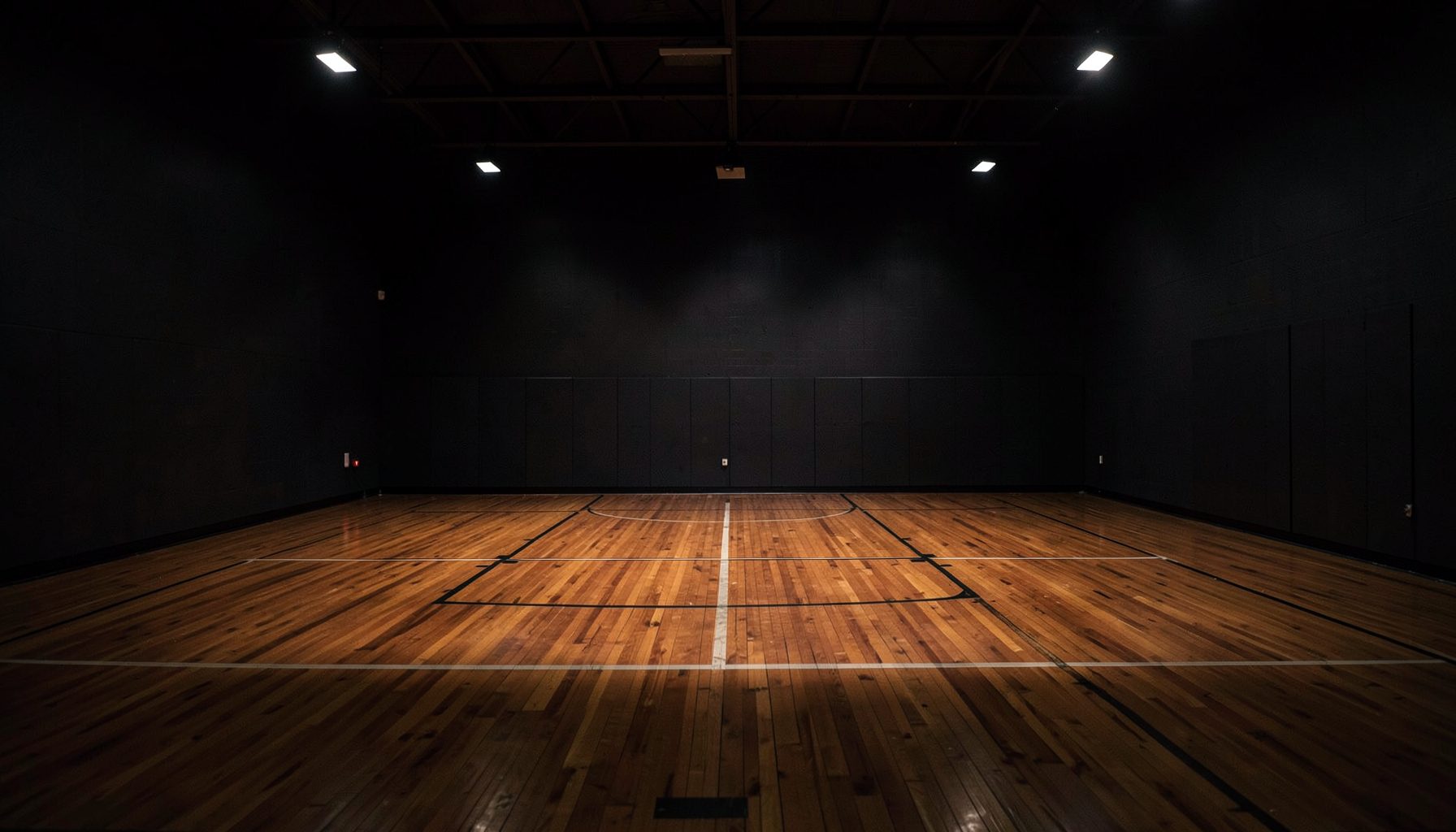
The Factory D1 Indy brings together three entities under one roof: competitive basketball leagues for all age groups, individual and group training, and wellness & recovery services including Normatec boot recovery and cryotherapy. Located off I-465 and High School Road at 6331 Crawfordsville Road, Speedway, Indiana 46224.
Get In TouchWhy Rest Between Normatec Sessions Matters
Rest between Normatec sessions is not an optional extra. It is the active pause that helps turn temporary pressure and movement into a repeatable recovery routine. Athletes who treat compression like another hard workout may finish feeling relaxed yet still need time for hydration, gentle mobility and normal circulation to resume before training continues.
Normatec devices use sequential pneumatic compression, inflating and deflating chambers around the legs. Each pressure cycle can encourage a feeling of improved circulation and reduce the sensation of tight, tired muscles. That does not make a session a substitute for sleep, food or clinical treatment, and it is more accurate to describe recovery support than to promise that pressure “flushes” fatigue away.
The Factory D1 Indy in Speedway, Indiana, offers Normatec as part of a broader performance setting built around basketball training, competitive leagues, conditioning and recovery. For athletes in Australia, the same principle applies: a recovery tool is most useful when it fits the local training calendar rather than forcing the calendar to fit the tool.
Consider the rest window as a bridge between sessions, not as downtime to fill. A sensible plan responds to workload, sleep, travel, weather and how the athlete feels. It also makes room for simple actions that pneumatic compression cannot provide, such as replacing fluids, eating after an extended session and checking in with sore or injured areas.
Pressure, release and the recovery window
During a compression session, the body receives repeated pressure and release rather than one sustained squeeze. Between sessions, normal movement and breathing resume, and the athlete can respond to how the body feels: lingering tightness, fatigue, tenderness or simply a readiness to move. That feedback is more valuable than adding another bout without considering it.
Back-to-back sessions can also make it harder to judge whether a response comes from recovery or from the cumulative effect of prolonged inactivity. Limbs may feel oddly heavy while getting up, and repeated pressure can irritate skin if clothing, temperature or fit changes. Rest gives the athlete time to notice those signals before they become larger problems.
For a broader look at post-game recovery benefits, the Factory D1 Indy explains how compression can support athletes after competition. The useful question is not whether every session should be longer, but whether each one has a clear purpose and enough time around it for normal activity, hydration and reassessment.
Building a sensible session rhythm
Start with the hard session, then leave a genuine interval before another. Some athletes use compression after training and again later that evening or after breakfast the next day, while others need only one well-timed session. Device instructions and professional advice should set the boundary; spacing is not a universal number.
Training load changes the answer. A game, interval session or long cycle class creates different demands from a low-intensity skills drill. Consider total session duration, perceived soreness, sleep quality, recent travel and whether the next activity is contact-heavy. To gain maximum benefit, protect the interval rather than treating compression time as the only measure of recovery.
A practical sequence can be: hydrate, use compression where appropriate, remove the boots, eat if needed, walk gently and reassess before bed. A gentle energy-flow yoga practice can offer breathing and mobility, but it should complement rather than replace the recovery interval. Record a short note on energy and soreness, then compare several days before changing the plan.
Working with an Australian training week
Australian conditions make that flexibility particularly useful. Brisbane’s summer heat and humidity can leave an athlete dehydrated after an outdoor run or court session, so cooling, fluids and, when appropriate, electrolytes matter before any recovery routine. Melbourne’s changeable weather can shift a session indoors, while Sydney’s warm months reward planning around when the body can cool down comfortably.
Australian sport often packs several demands into a short week. An AFL or NRL fixture can be followed by travel, media duties or another training slot, especially around school holidays and long weekends. Compression may fit after the final activity, but the next session should begin only when movement feels normal and the athlete has restored fluids and fuel.
Work patterns add another layer. Many athletes in Sydney, Melbourne, Adelaide and Brisbane combine office or study commitments with early gym sessions and long commutes. A home-based routine or a booked recovery slot near work may be more realistic than squeezing in treatment before a crowded day. Australian consumers encounter compression gear through physio clinics, training centres and fitness retailers, so credible instructions matter.
Community recovery and shared habits
Recovery works better when the people around an athlete understand it. Coaches can protect warm-ups and travel time, teammates can share hydration reminders, and family members can avoid turning post-training fatigue into a rushed evening. The result is a culture in which recovery is part of performance rather than evidence that someone did not work hard enough.
Community leagues make this practical because schedules, expectations and transport are shared. The Factory D1 Indy’s adult basketball community shows how regular competition can become a support network. In Australia, the familiar tradition of volunteer-run clubs and local venues offers a similar model: reliable routines, peer encouragement and clear communication before game day.
For players and officials, a simple team agreement can prevent over-compression: use the device when it is appropriate, leave the planned gap, and tell a physio about pain, swelling or unusual numbness. Shared rules reduce pressure to copy what teammates are doing and make it easier to adjust care for an individual recovery plan.
When more recovery is not better
Stop the session if there is pain, dizziness, nausea, increasing numbness, marked swelling or a change in skin colour. These signs should not be dismissed as proof that the compression is working. Remove the garments, sit or lie down safely and seek appropriate advice, especially if symptoms persist or return.
Certain circumstances call for professional guidance before using pneumatic compression, including a history of blood clots, circulation problems, neuropathy, pregnancy or unexplained swelling. An Australian GP, sports physician or physio can place treatment within a broader rehabilitation plan and help identify issues that need a different response.
More sessions are not automatically better. If soreness, fatigue or stiffness fails to settle with normal rest, training may need adjustment, or the problem may need assessment rather than more pressure. Use performance measures such as jump readiness, movement quality and sustainable pace alongside soreness, and change the plan gradually when the response is unclear.
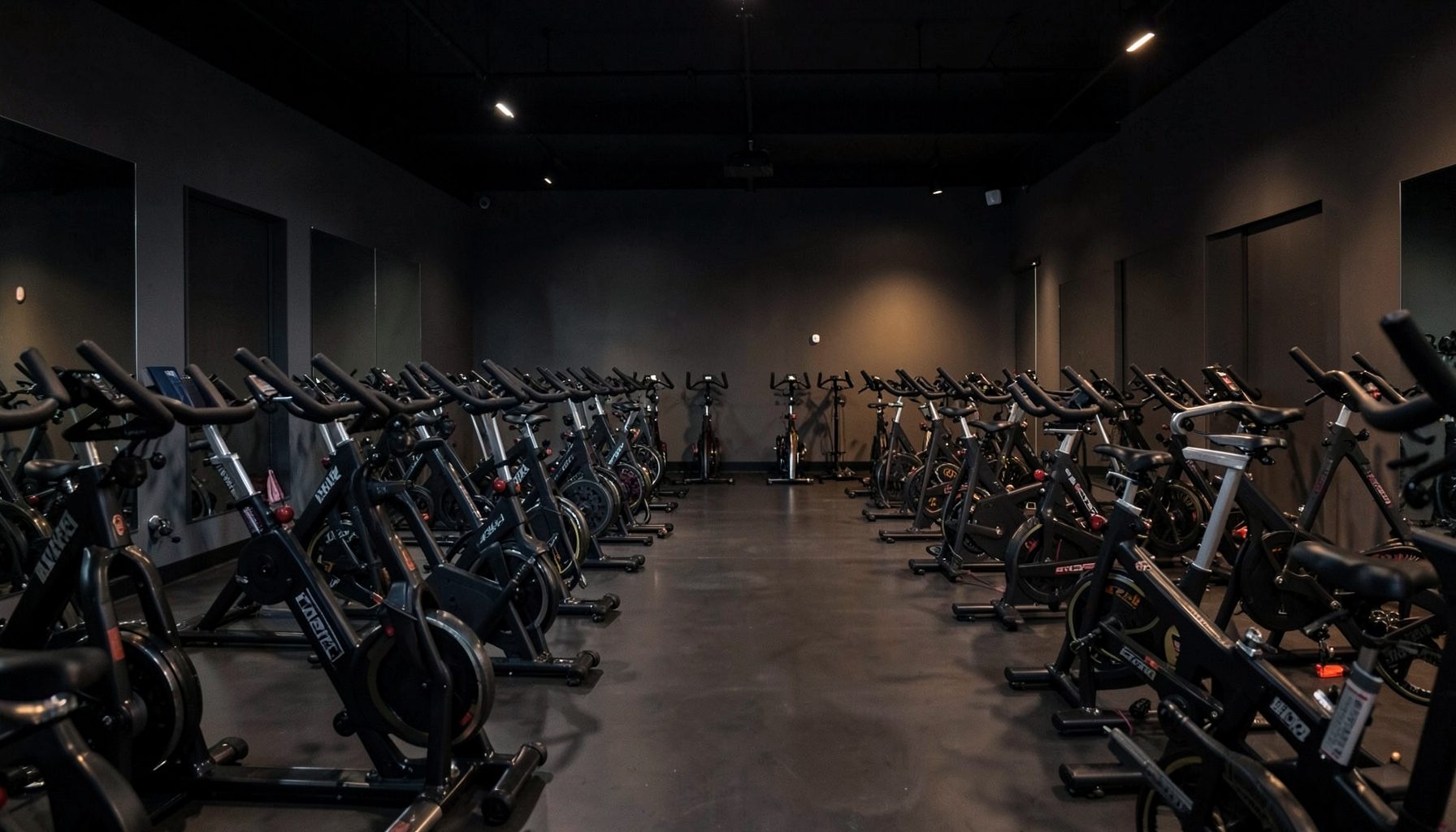
Ready to build a recovery routine that respects the time between sessions? The Factory D1 Indy in Speedway, Indiana, offers Normatec compression alongside basketball skills training, youth and adult leagues, cycle and spin classes, cryotherapy and wellness support. Book a recovery consultation or Normatec session, and ask the team how it fits your training load, schedule and recovery goals.
Start with one hard session, plan a real gap and use what you learn in that interval to decide what comes next. When you visit the facility, bring details about recent training, sleep, travel and any pain or swelling so the recovery conversation can be specific and responsible.
Inside The Factory

Three Entities, One Roof
Leagues
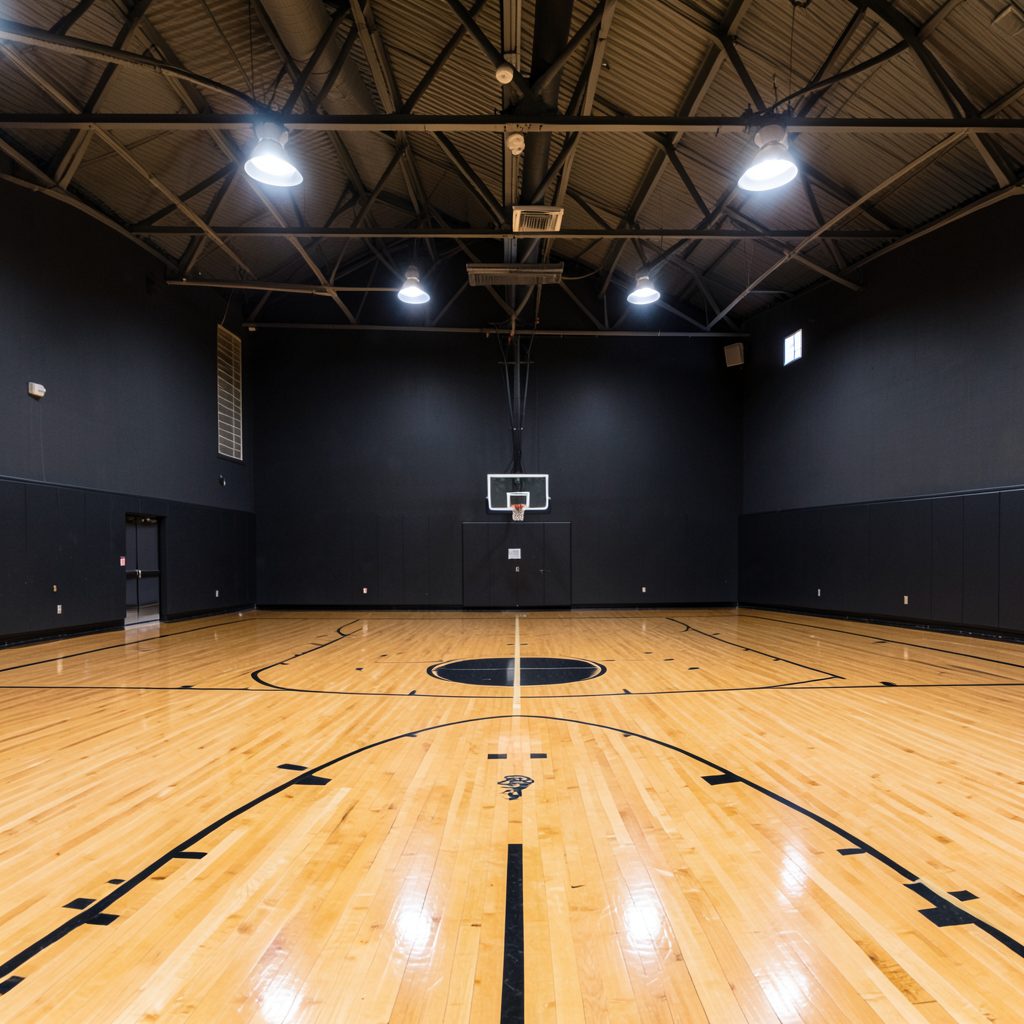
Eight league divisions span every age group: Indy Pro AM, 18+ Open Men's, 30+ Men's, Bite Size (ages 3–6), Impact League, 5th/6th Grade, Middle School, and High School. Gather your team and compete.
Training
Individual and group basketball training for all skill levels. Major M.O.V.E.S. Basketball Training serves ages 4–7 on Wednesday and Thursday evenings at 6:30 PM — $30 per session or $100 unlimited monthly.
Wellness & Recovery
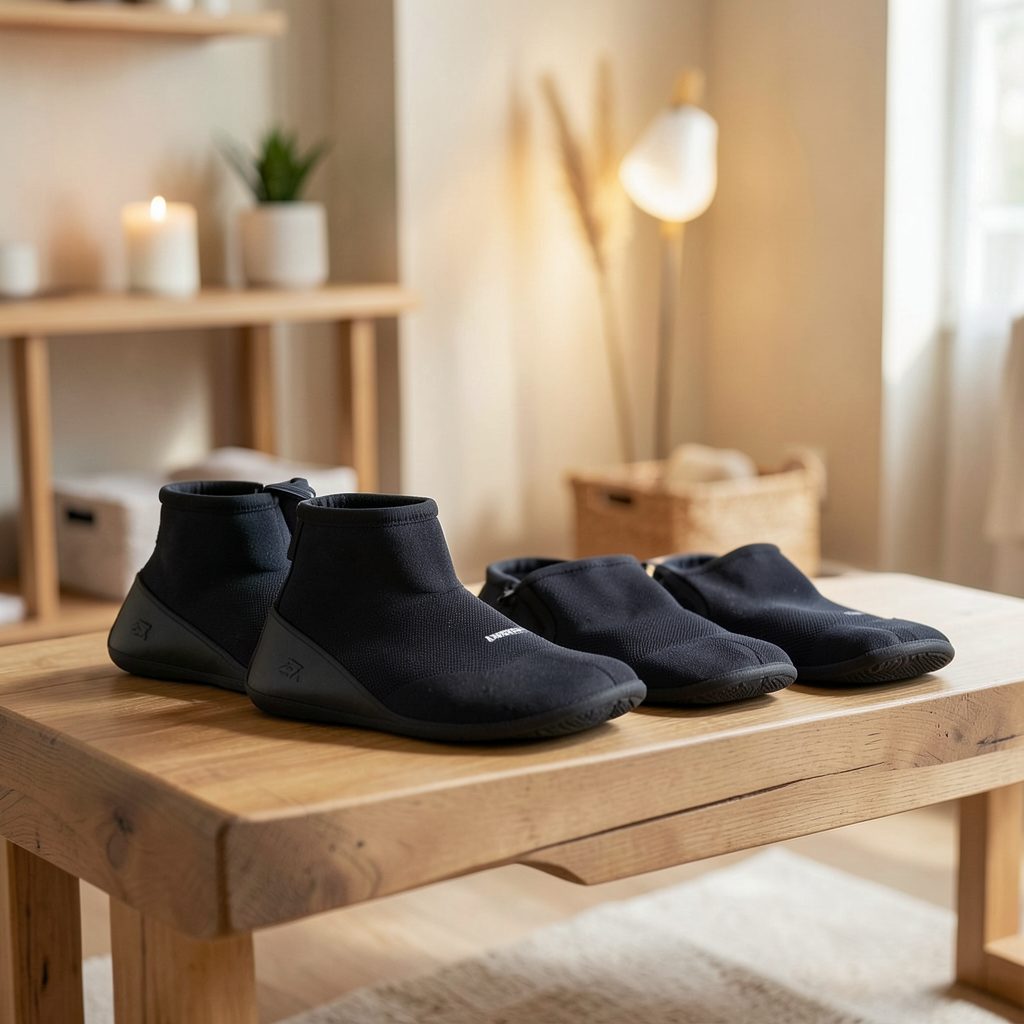
Normatec boot recovery and cryotherapy treatments help athletes bounce back faster. Cycle and spin classes add a cardio dimension to the holistic performance approach.
Have a Question?