Train. Compete. Recover.
A multi-purpose athletic facility in Speedway, Indiana — basketball leagues, skill training, and wellness services all under one roof.
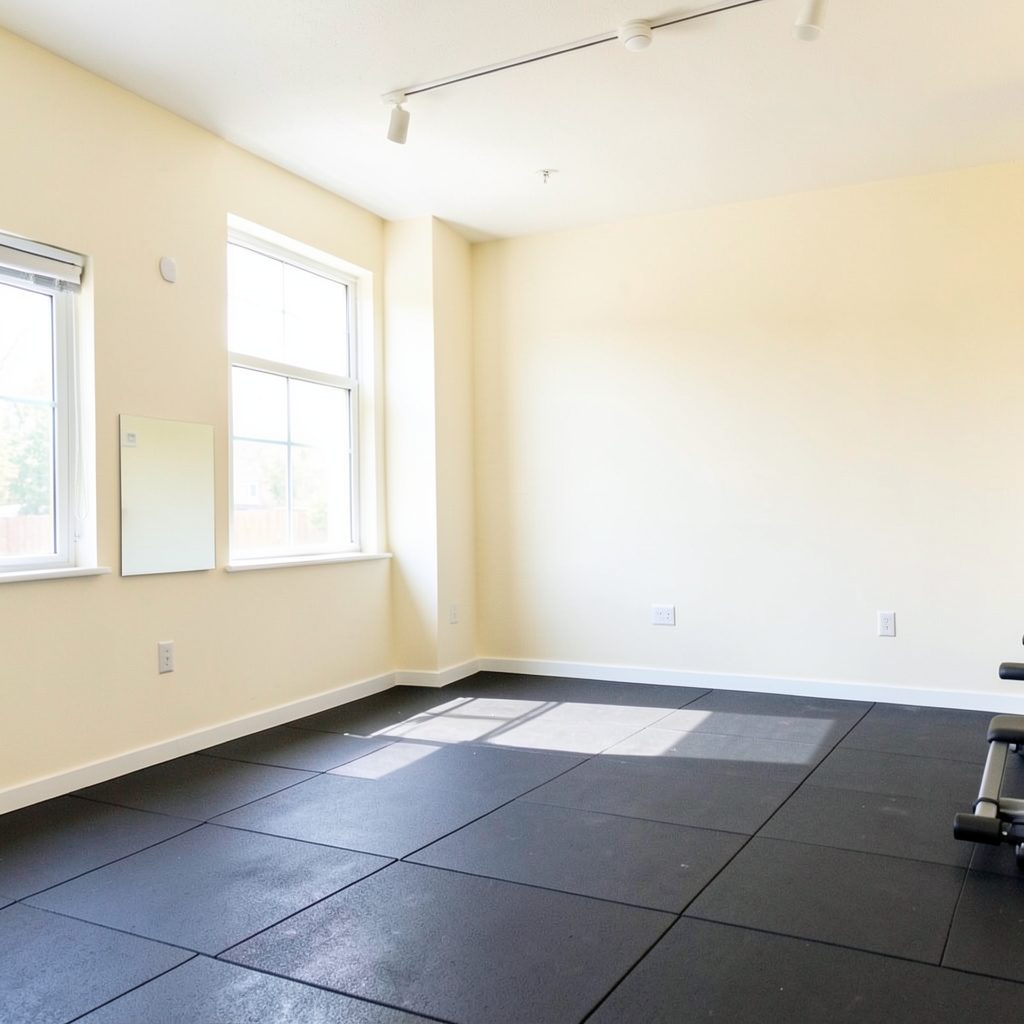
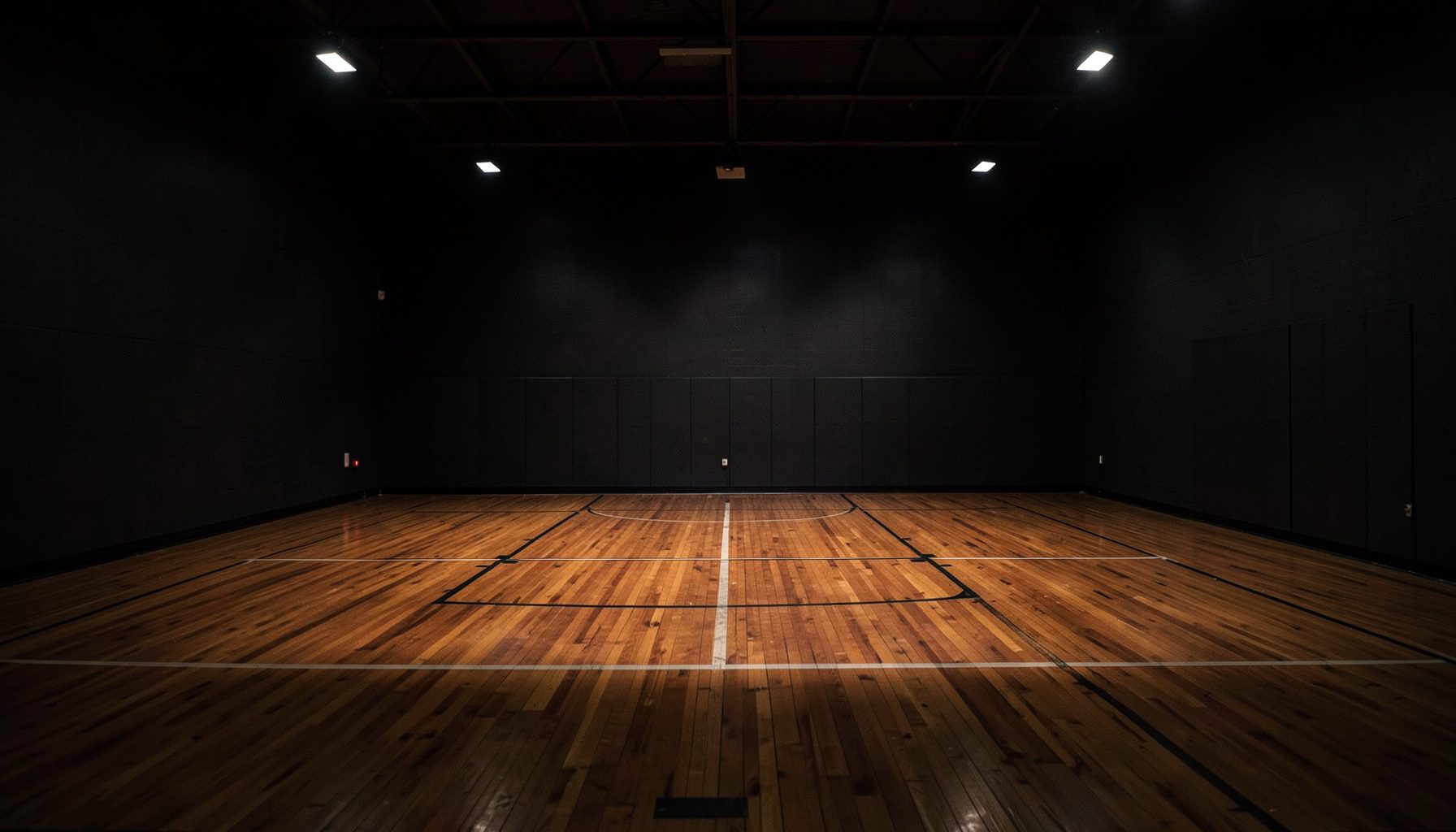
The Factory D1 Indy brings together three entities under one roof: competitive basketball leagues for all age groups, individual and group training, and wellness & recovery services including Normatec boot recovery and cryotherapy. Located off I-465 and High School Road at 6331 Crawfordsville Road, Speedway, Indiana 46224.
Get In TouchRest Days That Help Basketball Players Perform At Their Best
Basketball rewards speed, coordination and repeated high-intensity effort, but those qualities depend on adequate recovery. A player may sprint, jump, stop and change direction dozens of times during a game, then repeat the workload at training a few days later. Without enough time to repair and recharge, performance can decline before the athlete notices a clear injury.
For Australian players, the weekly schedule can become especially demanding. A junior may attend school, travel to a club training session and play on the weekend, while an adult might combine work, commuting and a local competition. NBL pathways and community leagues create valuable opportunities, yet a busy fixture list can make recovery seem optional.
Rest is not the same as doing nothing for an entire day. It can mean avoiding basketball while walking, gently cycling, stretching or completing mobility work. The right choice depends on age, training volume, sleep, soreness and the intensity of the next session.
A planned break between games and practices supports muscle repair, nervous-system recovery and mental freshness. It also gives coaches and families a chance to identify warning signs before a minor problem becomes a lengthy absence.
Why Recovery Matters Between Sessions
Basketball places stress on the calves, quadriceps, hamstrings, hips and ankles. Landing from a rebound, braking on defence and accelerating into a fast break all create repeated impact. Rest days allow muscle tissue and connective structures to recover from that load, helping players return with better movement quality.
The body also needs time to restore energy supplies. A demanding game uses stored carbohydrate, fluids and electrolytes, especially when played in a warm indoor venue or during a humid Queensland summer. Eating balanced meals, drinking regularly and sleeping well are part of recovery, not separate from it.
Fatigue affects decision-making as well as physical output. A tired player may react slowly, lose control of footwork or use poor technique while shooting and defending. A recovery day can improve focus, communication and confidence before the next league fixture.
For players in Sydney, Melbourne or Adelaide who travel across a metropolitan area for training, the commute itself can add to the day’s strain. Building recovery around the real schedule is often more effective than relying on motivation after exhaustion has already set in.
What A Useful Rest Day Looks Like
A complete rest day may be appropriate after a particularly intense game, a tournament weekend or a stretch involving several practices. This generally means no competitive basketball, no repeated sprint work and no heavy lower-body lifting. Gentle movement is still acceptable if it makes the athlete feel looser rather than more tired.
Active recovery can include an easy walk, relaxed swimming, light cycling or a short mobility routine. The aim is to increase circulation and maintain comfortable range of motion without creating another training stimulus. A spin or cycle class should be kept easy if it falls on a scheduled recovery day; a hard interval session does not provide the same benefit as light movement.
Some athletes also use professional recovery services. Compression therapy, guided mobility and cryotherapy may fit into a broader routine, although they should support fundamentals such as sleep, nutrition and sensible workload management. At The Factory D1 Indy, athletes can access a sports-focused environment that combines training with wellness and recovery options.
Rest should also account for climate and lifestyle. A player in Perth may need to manage heat exposure after an outdoor session, while someone in Hobart may prefer an indoor mobility routine during colder months. Recovery plans work best when they are practical enough to follow consistently.
Planning Around Games And Practice
A useful weekly plan starts with the most demanding sessions. If a Saturday game involves heavy defensive effort and repeated fast breaks, Sunday can be a rest or gentle recovery day. Monday training may then focus on skill development rather than maximum conditioning, depending on how the player feels.
Youth athletes require particular care because they are still growing and often participate in multiple sports. School terms, representative carnivals and weekend travel can create hidden training volume. Parents and coaches should count all organised activity, including school basketball, strength sessions and extra shooting workouts.
Teenagers moving towards adult competition may encounter a major increase in physical contact and game pace. Guidance on transitioning between leagues can help families understand why a gradual workload increase is safer than immediately adding every available practice and fixture.
Adult players should apply the same principle around work and family commitments. A late game followed by an early commute may reduce sleep even if the body feels fine immediately afterwards. In Australian community competitions, where games can be scheduled on weeknights, moving a non-essential training session or reducing its intensity may be the smartest decision.
Recognising When More Rest Is Needed
Normal post-game soreness tends to improve with gentle movement and fade over a couple of days. Concerning signs include sharp pain, swelling, altered running mechanics, persistent joint discomfort or soreness that becomes worse during warm-up. These symptoms should be discussed with a qualified health professional rather than hidden with pain medication.
Performance changes can also signal insufficient recovery. A player who repeatedly misses routine shots, struggles to control the ball, reacts slowly or feels unusually irritable may be carrying more fatigue than expected. Coaches can track effort, attendance, sleep and perceived soreness without turning young athletes’ training into a complicated data project.
Sleep is one of the clearest recovery markers. Most athletes benefit from a consistent sleep routine, reduced screen use before bed and enough time to wind down after evening games. Caffeine late in the day can be particularly unhelpful for players competing at night.
Mobility practices can complement rest. Some athletes explore yoga, including resources such as an English-language yoga guide, to find gentle routines and clearer instruction. The session should remain restorative rather than becoming another demanding workout.
Matching Recovery To The Competition Calendar
Rest needs change across the season. During pre-season, athletes may tolerate a gradual increase in conditioning because there is more time between important games. In the middle of a league campaign, the priority often shifts towards maintaining skills and freshness while limiting unnecessary additional load.
Tournament weekends require forward planning. A player may have two or three games in one day, making hydration, carbohydrate-rich meals, cool-downs and post-event sleep important. The following day should rarely be treated as a normal training day, particularly for younger athletes.
A simple comparison can help players, parents and coaches choose the appropriate response after a demanding session:
| Situation | Suitable approach | Main purpose |
|---|---|---|
| Mild tiredness with no pain | Easy walk, gentle mobility, normal meals and early sleep | Restore energy without adding load |
| Heavy legs after a hard game | Full rest or very light cycling, hydration and extra sleep | Allow muscles and the nervous system to settle |
| Several games in one weekend | Rest day followed by low-intensity movement | Reduce accumulated fatigue |
| Sharp pain, swelling or changed movement | Stop sport and seek professional assessment | Prevent a minor issue becoming more serious |
| Long school, work or travel day | Reduce training duration or intensity | Match the session to total daily stress |
The goal is not to eliminate effort. Basketball players improve by training with purpose, then giving the body enough time to adapt. A schedule that includes recovery can produce higher-quality practices because athletes arrive ready to learn, compete and move well.
Make rest days visible on the calendar alongside games and practices. Families can prepare meals, coaches can adjust workloads and players can treat sleep and recovery as part of their performance routine. Whether the next step is a local club fixture, a school competition or a pathway towards higher-level basketball, consistent recovery gives every session a stronger foundation.
Inside The Factory
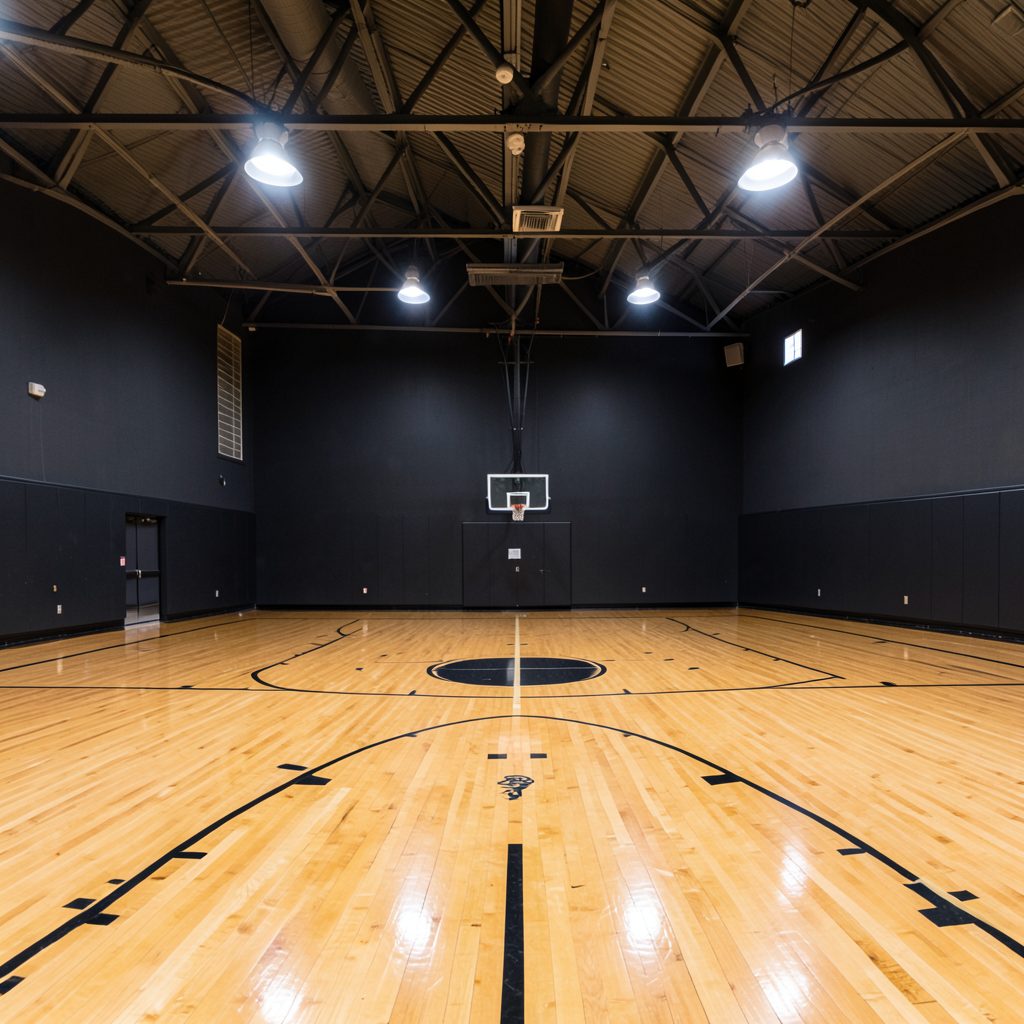

Three Entities, One Roof
Leagues
Eight league divisions span every age group: Indy Pro AM, 18+ Open Men's, 30+ Men's, Bite Size (ages 3–6), Impact League, 5th/6th Grade, Middle School, and High School. Gather your team and compete.
Training
Individual and group basketball training for all skill levels. Major M.O.V.E.S. Basketball Training serves ages 4–7 on Wednesday and Thursday evenings at 6:30 PM — $30 per session or $100 unlimited monthly.
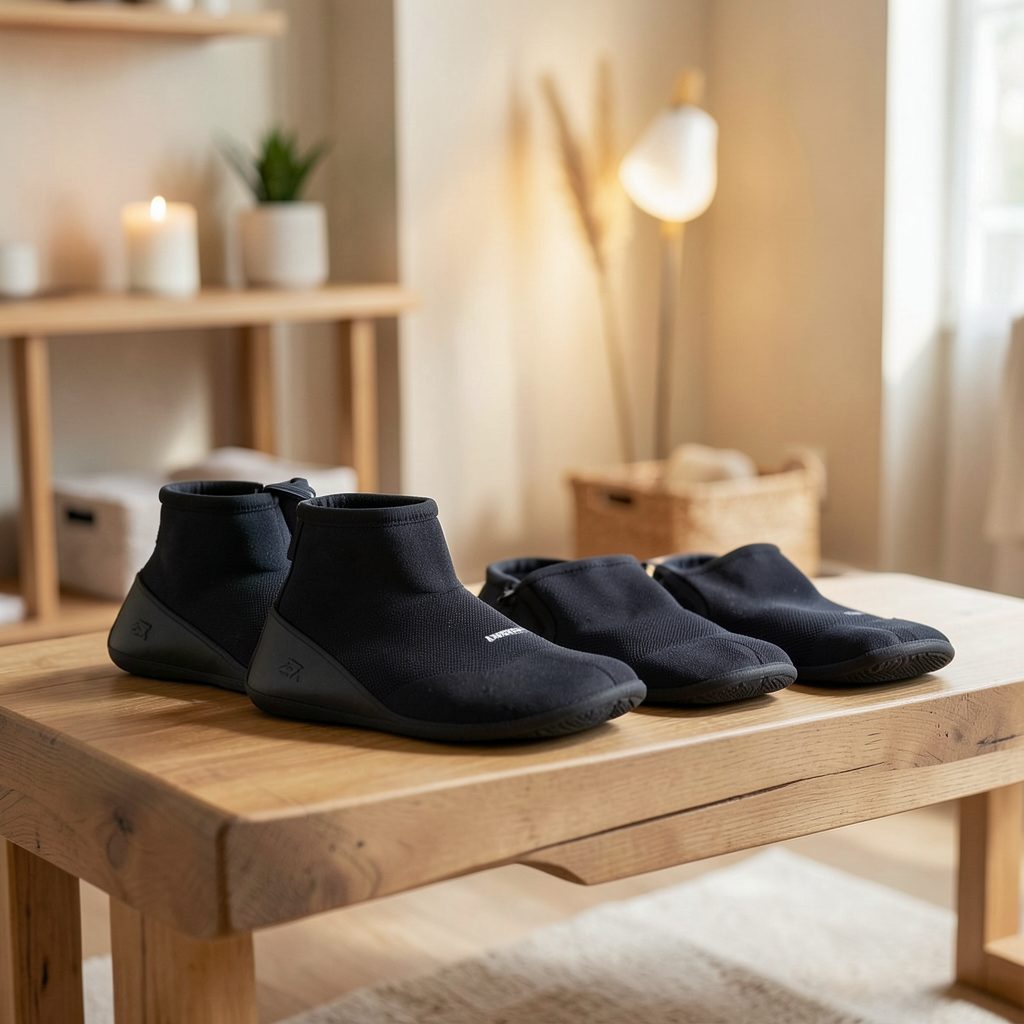
Wellness & Recovery
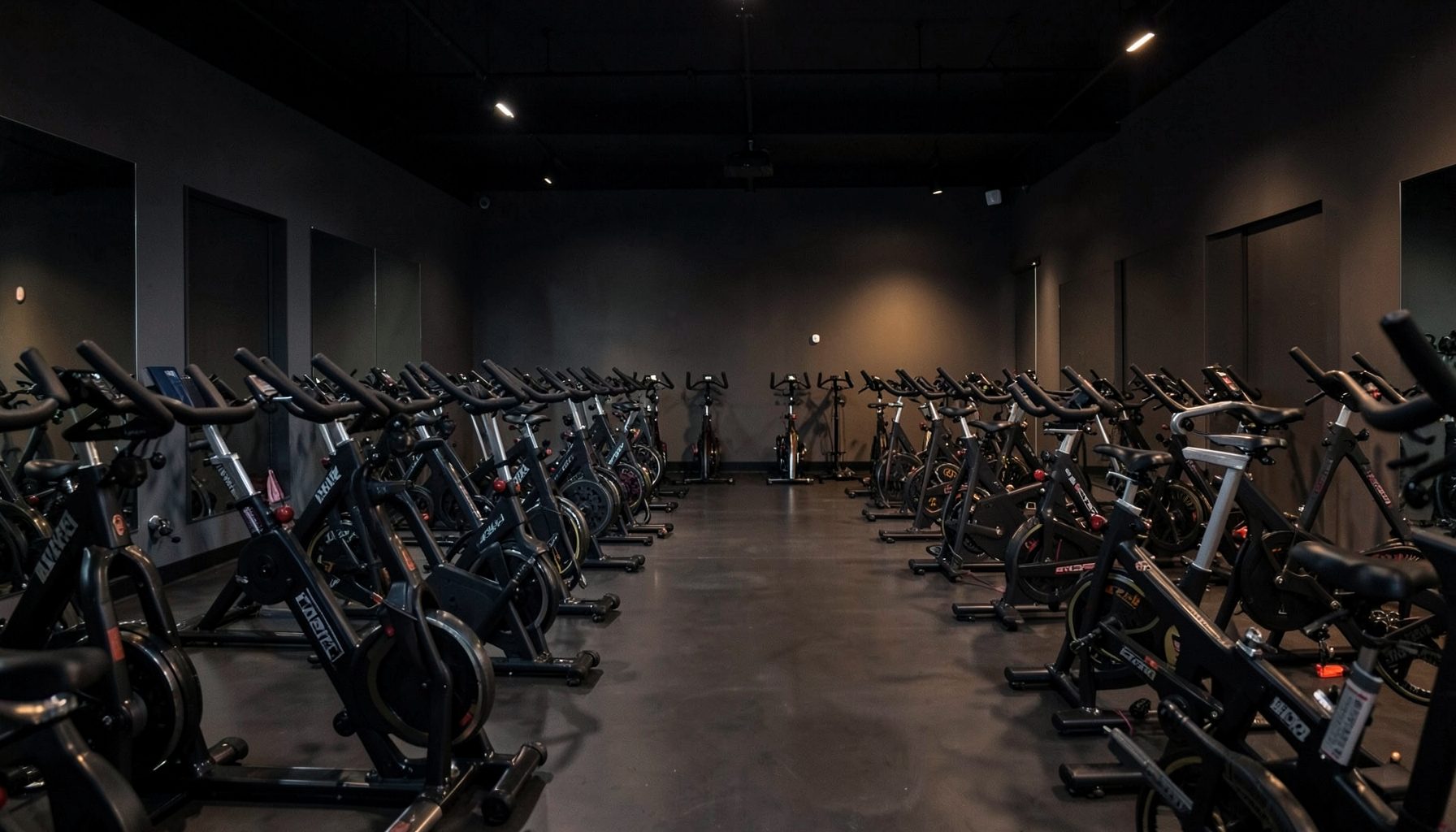
Normatec boot recovery and cryotherapy treatments help athletes bounce back faster. Cycle and spin classes add a cardio dimension to the holistic performance approach.
Have a Question?