Train. Compete. Recover.
A multi-purpose athletic facility in Speedway, Indiana — basketball leagues, skill training, and wellness services all under one roof.
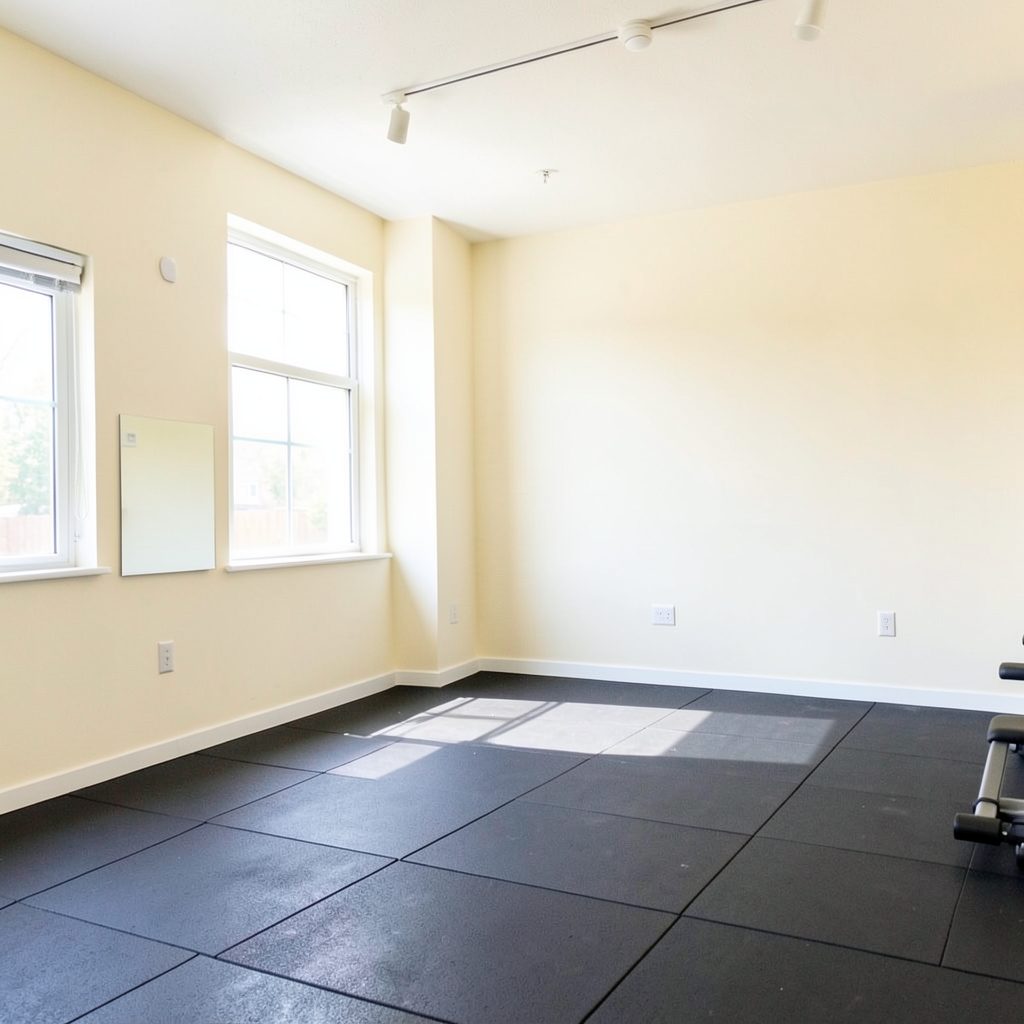
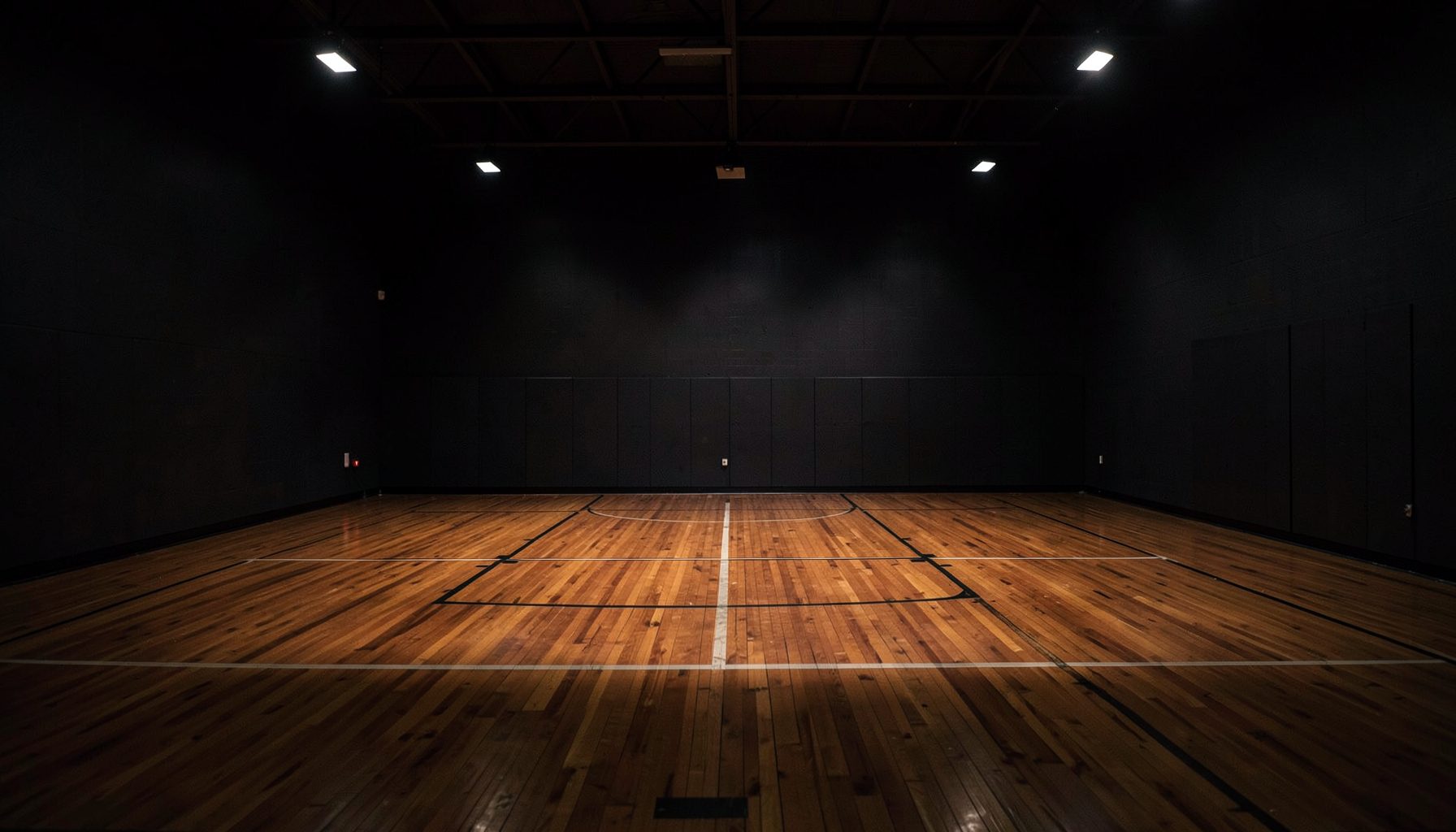
The Factory D1 Indy brings together three entities under one roof: competitive basketball leagues for all age groups, individual and group training, and wellness & recovery services including Normatec boot recovery and cryotherapy. Located off I-465 and High School Road at 6331 Crawfordsville Road, Speedway, Indiana 46224.
Get In TouchBuilding a stronger season with Normatec recovery
Basketball training and competition place repeated demands on the calves, quadriceps, hamstrings and hips. Jump stops, changes of direction and congested game schedules can leave athletes managing physical fatigue alongside the pressure of staying available. A recovery routine that is quick, familiar and easy to repeat helps keep those demands manageable between sessions.
The long-term benefits of regular Normatec use for basketball players come from consistency, not from treating recovery as an extra performance upgrade. Normatec’s pneumatic compression boots can form part of a dependable post-training habit, particularly when games, travel and demanding drills leave little room for a lengthy massage. They work best alongside sleep, nutrition and sensible training.
How pneumatic compression supports recovery
Normatec systems use inflatable cuffs to apply sequential pressure through the lower legs. Unlike compression socks, controlled inflation and deflation create a more targeted sensation after exercise. For basketball players, the immediate aim is to relax tired muscles, ease perceived heaviness and support comfortable everyday movement.
That comfort can influence the next day. A player who feels less sore may be more willing to attend an early skills session, walk after work or join a light spin class without protecting every step. Over a season, easier movement between sessions can translate into better availability and a steadier training rhythm.
Compression works best as an addition rather than a replacement. Mobility work, hydration, a balanced meal and a dynamic warm-up still prepare athletes to play. Normatec provides a focused option when the legs need attention after a hard drill, a full-court game or a long day of travel.
What regular use can improve over time
Regular use may help players feel more recovered between demanding sessions. A predictable routine supports better attendance at training, calmer travel after evening games and consistent strength work. These effects are worth tracking because confidence in the next session often depends on how physically ready a player feels during a busy competition run.
Consistency also reduces decision fatigue. Once a player knows where the boots are, when to use them and how they should feel, recovery becomes one less variable in a crowded weekly schedule. This matters for juniors managing school, family transport and club basketball, as well as adults balancing work with community leagues.
Long-term gains should not be confused with injury prevention. Compression therapy cannot cancel out excessive training loads, unsuitable footwear or a strength imbalance, and it cannot diagnose persistent pain. Its value comes from supporting recovery within a broader athlete-development plan that considers workload, coaching and medical input together.
Recovery within an Australian basketball week
Australian athletes often fit recovery around work, school and crowded sporting calendars. Melbourne’s wet winters can interrupt outdoor sessions, while humid summers in Sydney and Brisbane make an air-conditioned gym or recovery room especially useful. Many players combine club basketball with strength work or physiotherapy, so a portable routine must fit an already full week.
The Australian market includes physio clinics, gym wellness services and online retailers. That makes due diligence important. The Therapeutic Goods Administration sets requirements for medical devices supplied in Australia and the claims made for them. Check the exact model in the Australian Register of Therapeutic Goods, read the supplied instructions and keep warranty details. An imported product without local support may be less practical than one with an Australian service network.
| Recovery approach | When it fits | Main advantage | Main limitation |
|---|---|---|---|
| Post-training recovery | After games and hard sessions | Offers a convenient wind-down routine | Effects vary; follow the device instructions |
| Travel or rest-day use | Between competition commitments | Supports consistency during congested schedules | Cannot manage excessive training load by itself |
| Regular use across a season | Within a realistic weekly schedule | May make readiness feel more predictable | Benefits still depend on sleep, nutrition and individual response |
| Clinician-guided use | When health concerns affect suitability | Helps match the routine to individual needs | Not every player is suitable for compression therapy |
Recovery apps and club programmes can also collect sensitive information. Before uploading training loads, soreness scores or health details, ask whether the provider is covered by the Privacy Act 1988 and the Australian Privacy Principles, and find out who can access the records. Clear consent and sensible data handling belong in any serious recovery plan.
What the evidence does and does not show
Research on pneumatic compression commonly examines soreness and recovery after a single session. Results vary with training status, pressure, duration and the measure used, so positive findings in one study do not guarantee the same result for every player. The evidence is more encouraging for perceived recovery than for a direct increase in scoring, speed or jump performance.
Long-term regular use is less closely studied than short-term effects. Practical experience still matters: athletes can compare soreness, mobility and readiness on the following day, then adjust frequency to what feels helpful. If recovery improves while training quality and enjoyment remain steady, the routine is serving a useful purpose.
Safety matters too. Stop if pain, numbness or unusual swelling develops, and seek medical advice for persistent symptoms. Players with a history of blood clots, vascular disease or significant heart conditions should consult a qualified clinician before using compression therapy. Younger athletes need appropriately fitted equipment and adult or clinical guidance.
Building a routine that matches your schedule
Begin with the protocol supplied for the device rather than assuming that more pressure or longer sessions produce better results. Add recovery to a realistic weekly plan, record how the legs feel and note the effect on the next training session. Over several weeks, that simple record can reveal whether the routine supports the athlete’s actual schedule.
Australian competition often involves travel for club tournaments or state events, with recovery competing against meals, transport and sleep. Boots kept at home or a booked session near a venue can preserve consistency without changing the game plan. Compare the cost in Australian dollars with the support offered by a local provider, including return policies and access to professional advice.
Recovery also works best when it sits beside the rest of the programme. Resistance training, cycling, nutrition and sleep determine readiness for the next court session. Players comparing gym-based support with home routines can explore hybrid recovery options and choose the approach that fits their training load and local facilities.
Make recovery a lasting training habit
Organised basketball depends on preparation and consistent standards. A guide to basketball referee training reflects the care required to run fair competitions. Players can apply the same attitude to recovery: arrive prepared, follow the appropriate protocol and respect the time invested by teammates, coaches and officials.
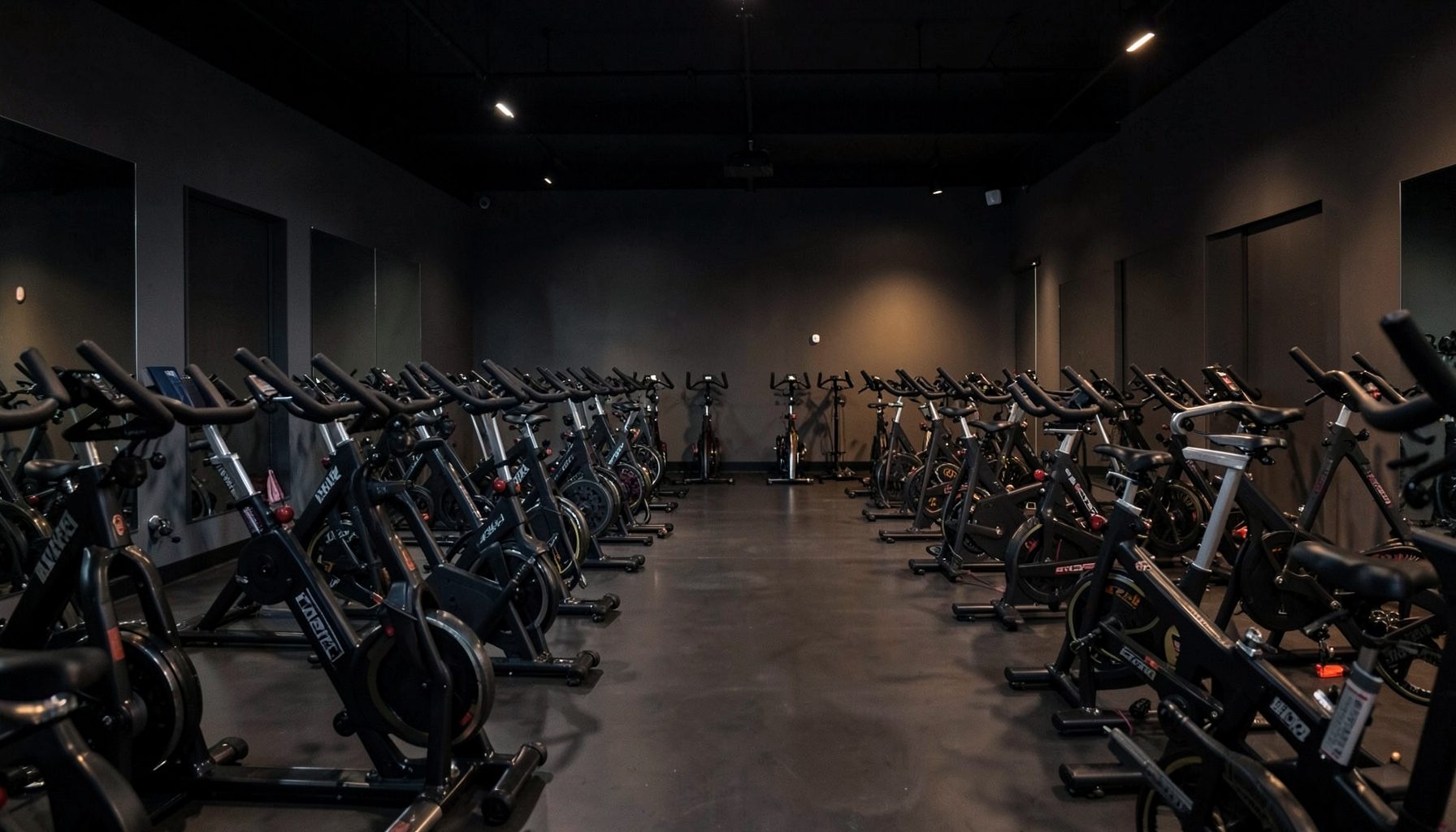
The Factory D1 Indy brings together individual and group basketball skills training, youth programmes and leagues from early-childhood divisions through adult competition. Its cycle and spin classes, Normatec compression therapy and cryotherapy give athletes several ways to combine conditioning with recovery. Age, health and training goals should still guide how each service is used.
Choose one post-training recovery slot, follow the equipment instructions and track how your legs feel over the following week. Contact The Factory D1 Indy to arrange a Normatec or cryotherapy session, then make that recovery appointment part of your next training block. Consistency is easier to sustain when the routine has a clear time, place and purpose.
Inside The Factory

Three Entities, One Roof
Leagues
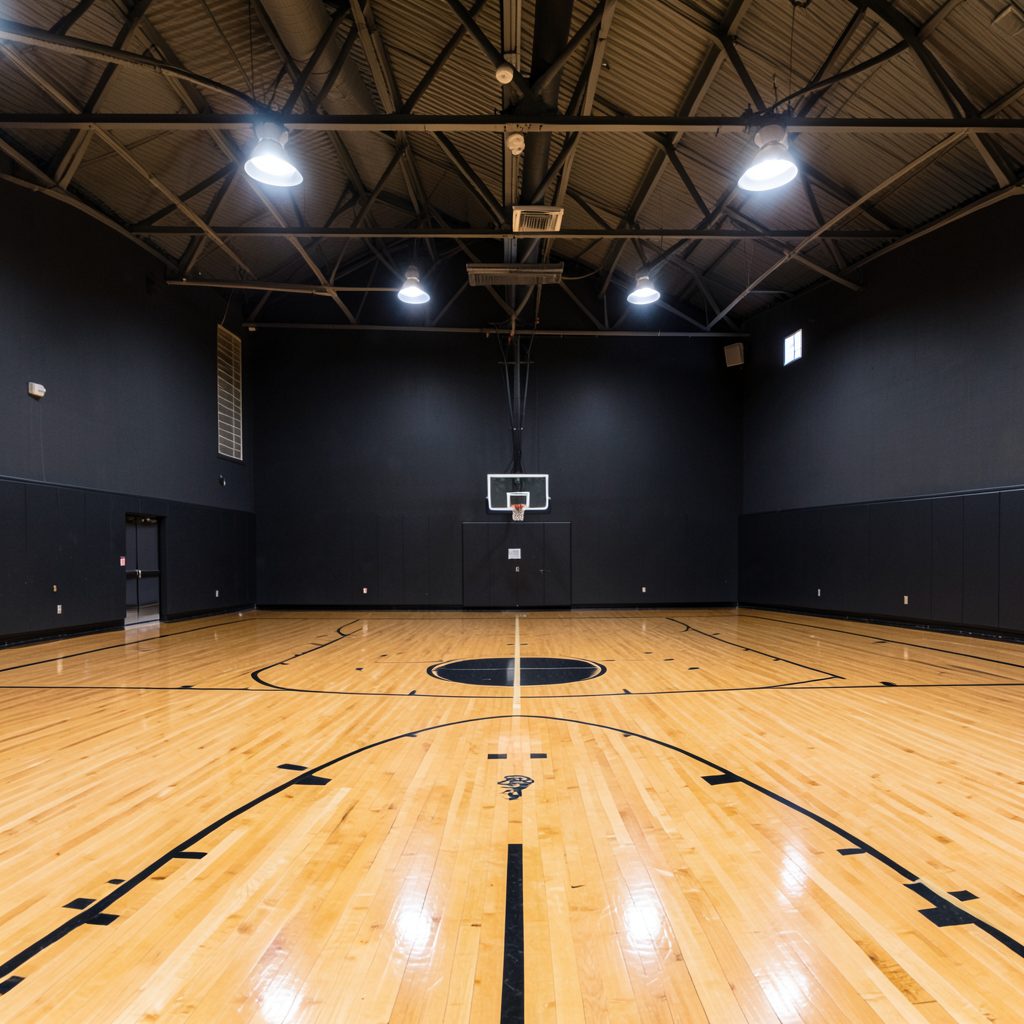
Eight league divisions span every age group: Indy Pro AM, 18+ Open Men's, 30+ Men's, Bite Size (ages 3–6), Impact League, 5th/6th Grade, Middle School, and High School. Gather your team and compete.
Training
Individual and group basketball training for all skill levels. Major M.O.V.E.S. Basketball Training serves ages 4–7 on Wednesday and Thursday evenings at 6:30 PM — $30 per session or $100 unlimited monthly.
Wellness & Recovery
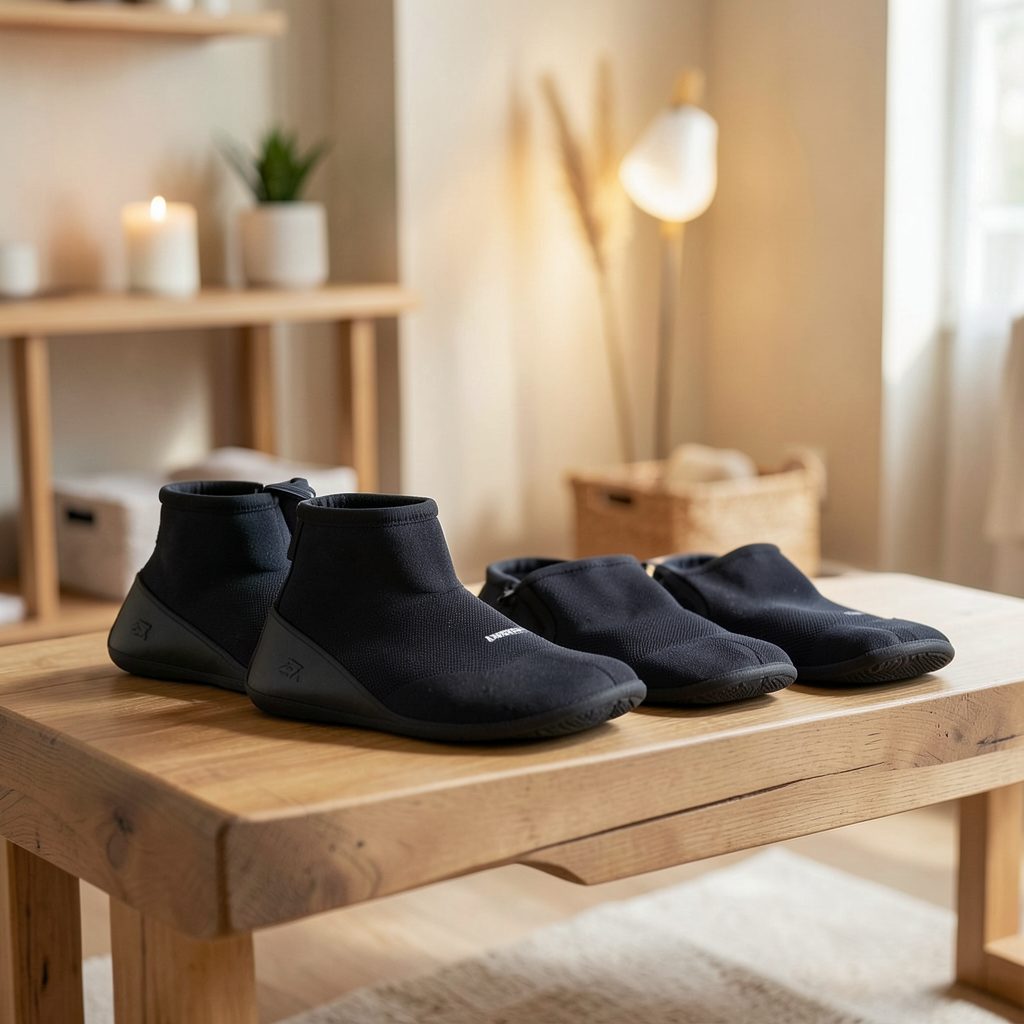
Normatec boot recovery and cryotherapy treatments help athletes bounce back faster. Cycle and spin classes add a cardio dimension to the holistic performance approach.
Have a Question?