Train. Compete. Recover.
A multi-purpose athletic facility in Speedway, Indiana — basketball leagues, skill training, and wellness services all under one roof.
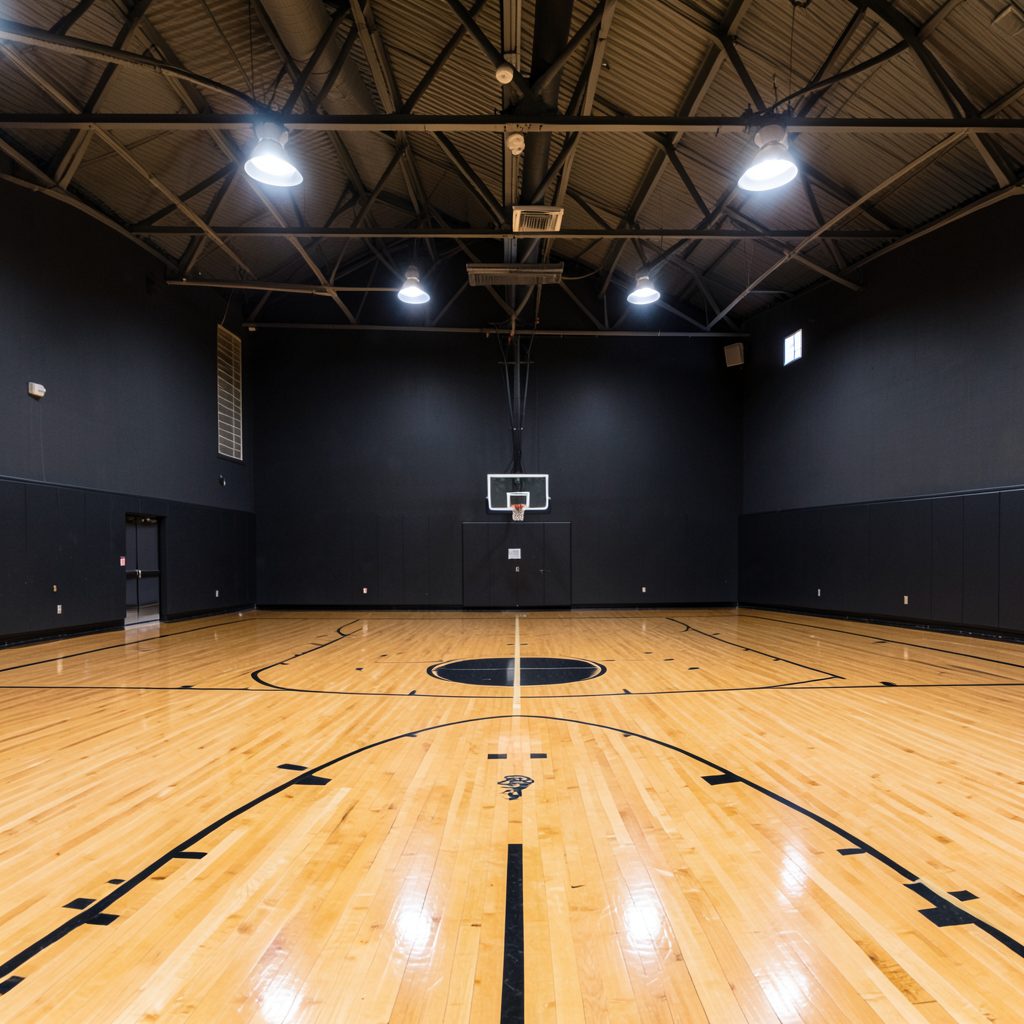
The Factory D1 Indy brings together three entities under one roof: competitive basketball leagues for all age groups, individual and group training, and wellness & recovery services including Normatec boot recovery and cryotherapy. Located off I-465 and High School Road at 6331 Crawfordsville Road, Speedway, Indiana 46224.
Get In TouchOur Staff Protocols for Cleaning and Sanitizing Sports Equipment
At The Factory D1 Indy in Speedway, Indiana, athletes share basketballs, training aids, cycle studios and recovery equipment throughout the week. The protocols our staff follows for cleaning and sanitizing sports equipment create a consistent barrier against germs, dirt and cross-contamination. Good hygiene should be invisible when everything is working, yet every clean ball, dry towel and sanitised handle reflects deliberate staff action.
Cleaning removes visible soil, while disinfection reduces microorganisms remaining on compatible surfaces. Our staff use the correct product for each material, follow manufacturer directions and allow the required contact time. Equipment is treated according to how it is used, how much moisture it collects and whether several athletes will handle it during the same session.
Players also play a role by reporting concerns and respecting equipment assigned to them. Shared responsibility, combined with documented staff checks, allows training, league competition and recovery services to proceed with confidence across every age group.
A clean start before the first session
Before opening, staff inspect balls, ball carts, benches, training aids, cycle contact points and other high-touch equipment. Items with visible soil, moisture, damage or questionable cleanliness are removed from circulation until they can be addressed. Cleaning supplies are checked and restocked, while waste bins are emptied to keep changing areas orderly.
Staff then prepare the appropriate products and cleaning materials for each task. Separate cloths or other tools are used where needed to prevent transfer between court equipment, restrooms and general facility surfaces. Damaged equipment is labelled and held for attention rather than returned to athletes too quickly.
Routine checks continue between sessions and after group activities. Staff document the work, record damaged items and flag anything requiring replacement. This system turns hygiene from an occasional task into a scheduled part of daily operations.
Basketballs, hoops and shared court equipment
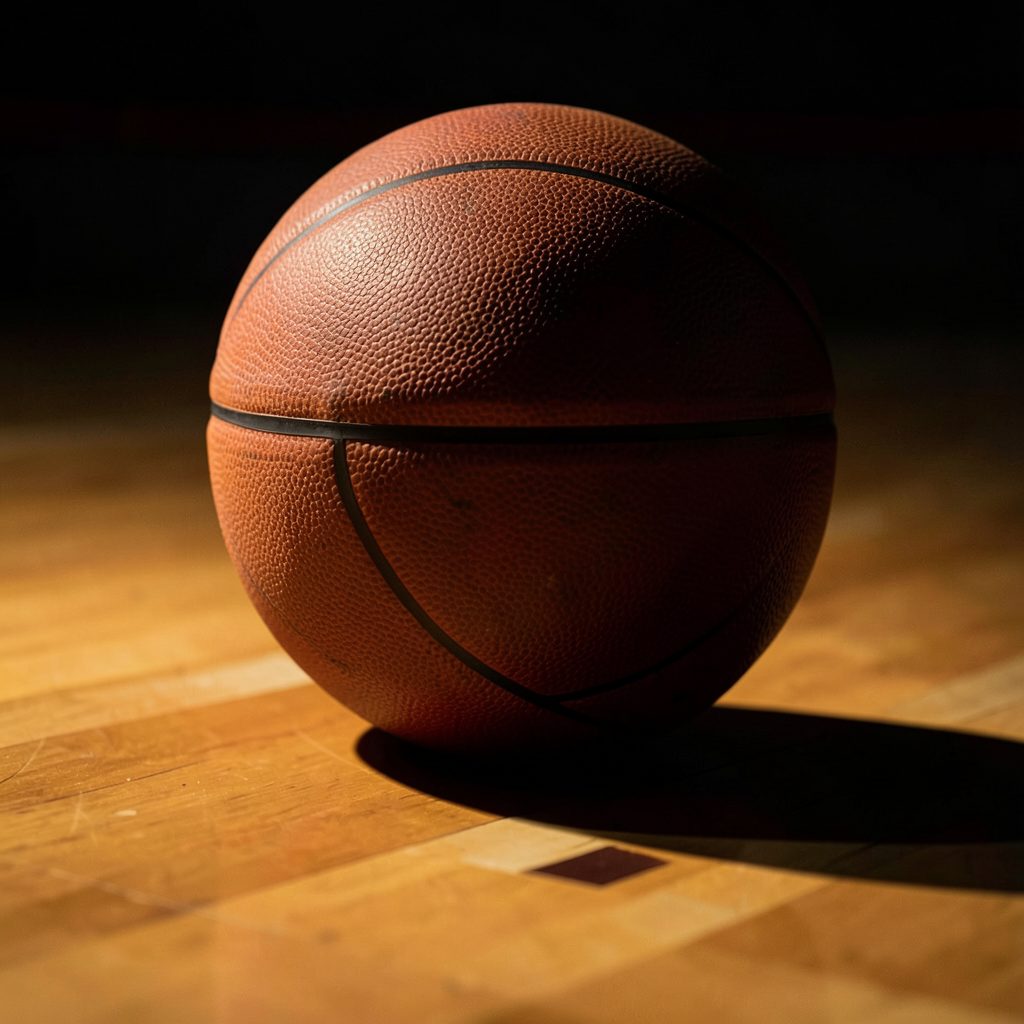
Basketballs are inspected for dirt, marks and damaged coatings, then wiped with a soft cloth and an approved, surface-compatible product. Staff avoid soaking balls, using harsh solvents or flooding the surface, since these methods can degrade the covering. Balls are allowed to air-dry before returning to the rack.
Ball carts, rack handles, rebound machines, cones, markers and scoring equipment receive attention because players repeatedly touch them. Hoop surfaces are cleaned only with products approved for their finish, and removable equipment is treated according to the manufacturer’s instructions. Nets or padded parts that cannot tolerate wet treatment are cleaned by the recommended dry method.
Shared towels and drink containers stay out of the court-equipment cleaning process. Athletes receive their own bottles, while towels are laundered under an appropriate hygiene cycle. These habits prevent clean court gear from becoming contaminated through avoidable shared contact.
Training gear that moves between athletes
Passing targets, rebound pads, weighted balls, resistance bands, balance tools and weight benches are cleaned after use. Hard surfaces are cleaned first to remove sweat and dirt, then disinfected if the product and manufacturer permit it. Soft pads and fabric-covered items may require laundering rather than spraying, particularly when the covering can absorb moisture.
Personal protective items such as mouthguards and compression sleeves should not be shared. Staff clean communal items while keeping individual equipment clearly identified. If a communal item has been exposed to a bodily fluid, damaged during use or contaminated in another way, it is withdrawn and handled through the facility’s approved response procedure.
Conditioning work is part of complete basketball preparation, and our guide to leg strength through cycling explains its value. Since cyclists share seats, pedals and handlebars, those contact points are included in the same cleaning routine applied to court equipment.
Cleaning first, then disinfecting properly
The first stage is always removal of visible soil with an appropriate cleaner. Disinfectant applied over sweat, dust or sticky residue may work less effectively, so staff clean the surface before applying the disinfectant. The products are used at the labelled dilution, and surfaces remain wet for the stated contact time.
Staff never combine cleaning chemicals or transfer a product into an unlabelled container. Gloves are used when directed by the product label, and disposable materials are discarded after use. Food-contact areas and other surfaces requiring a rinse are handled according to their specific instructions, followed by adequate drying.
Electronic devices, upholstered items and equipment with inaccessible seams receive methods suited to their construction. Staff avoid spraying directly onto controls, screens or padded surfaces unless the manufacturer permits it. A final visual check confirms that equipment is dry, intact and ready for the next user.
Cycles, recovery services and specialist equipment
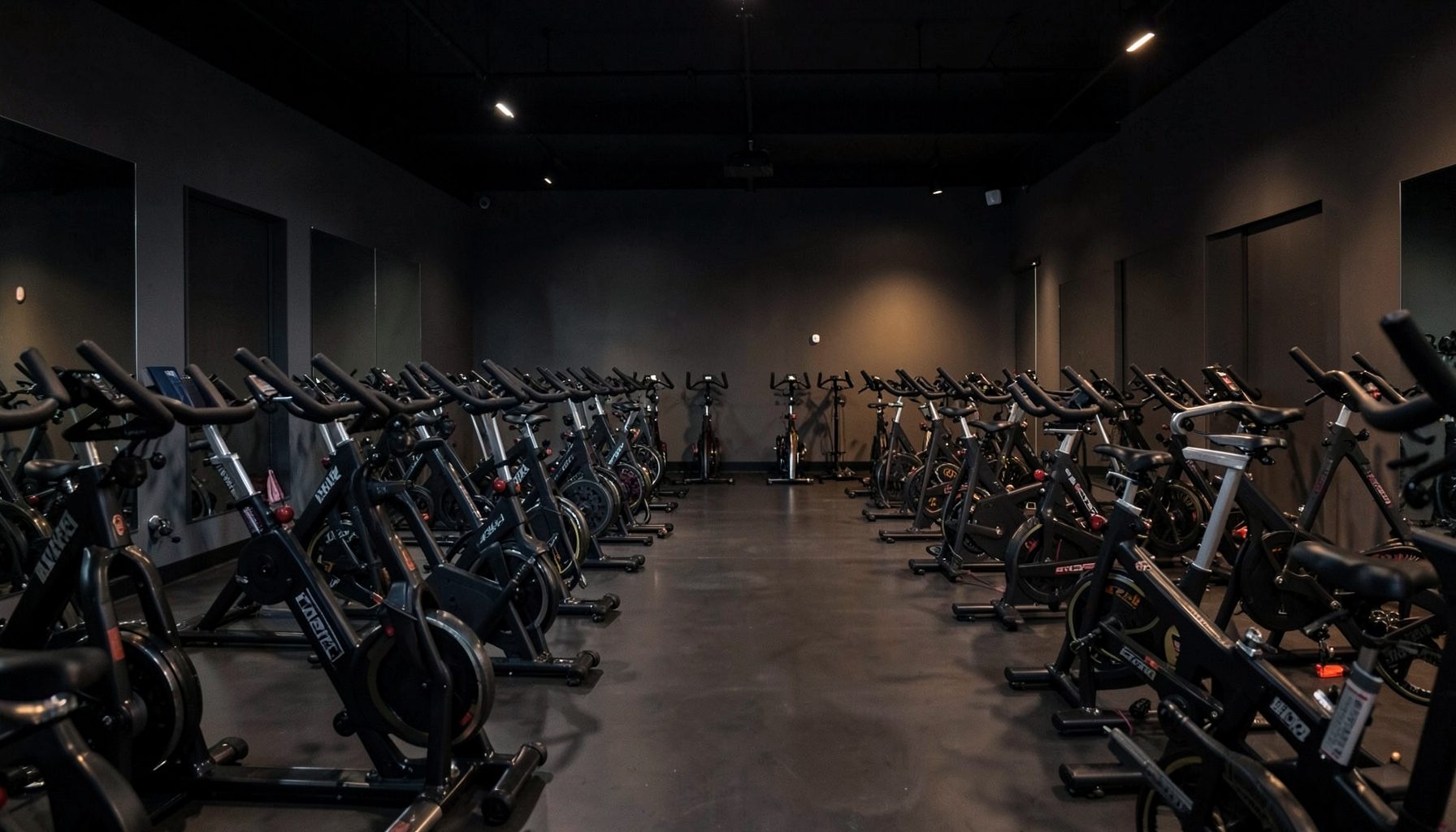
For cycle and spin classes, staff clean seats, handlebars, saddle areas, pedals, adjustment levers and other frequently touched points. Sweat is removed before disinfection, and machines are checked for moisture or damage. Towels are not reused between riders, while bike maintenance, such as chain inspection and mechanical adjustments, remains separate from surface sanitation.
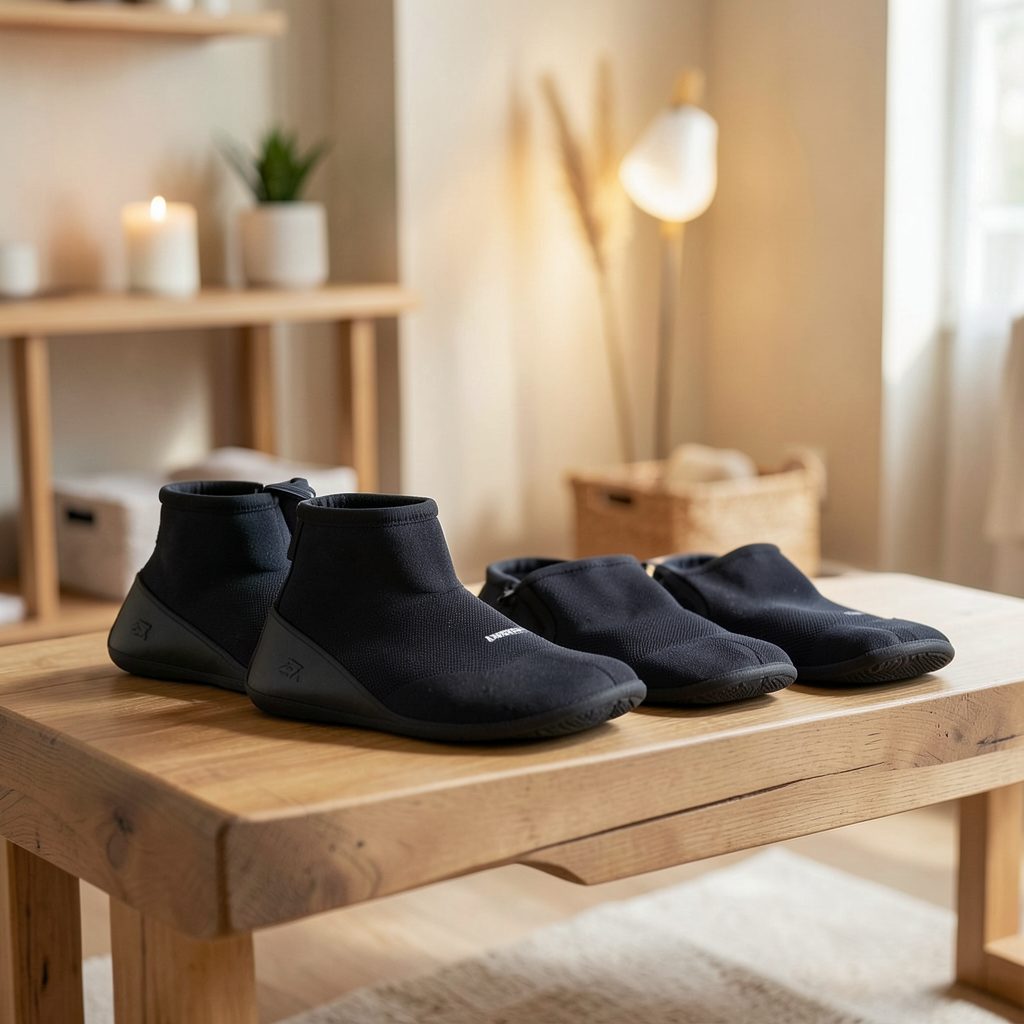
Recovery services require equally careful treatment. Normatec compression sleeves, hoses, control units and fittings are cleaned according to the manufacturer’s guidance. Single-user items remain with their assigned athlete, and shared components are not returned until they have been inspected and treated. Damaged or contaminated items are removed from service.
Recovery influences preparation and performance, as how recovery affects performance explains. That makes hygiene around cryotherapy and compression equipment essential. Cryotherapy spaces are prepared for the next user under staff supervision, following the equipment maker’s cleaning instructions and the facility’s operating procedures.
What Australian players expect from shared spaces
Athletes accustomed to community basketball courts in Sydney and Melbourne often move between outdoor sessions, indoor competitions and local clubs. Outdoor dust, rain and debris can reach shared equipment, while busy indoor venues create a steady turnover of balls, benches and fitness gear. Our protocols address both the visible mess and the less obvious contamination that frequent handling can spread.
Australia’s hot, humid summer days also mean athletes may arrive with damp clothing or towels. That makes dry equipment storage, effective laundering and moisture checks particularly important. Reusable water bottles and personal towels are common in many Australian gyms and studios, and encouraging those habits reduces unnecessary sharing on the court and in recovery areas.
Sporting culture also shapes expectations around cleanliness at club venues and community competitions. Products used in Australia must meet local requirements, including listing with the Australian Therapeutic Goods Administration when they carry public-health claims. Our staff follow the directions supplied with each product in Indiana, applying the same label-first discipline expected from responsible facilities in Australia.
Shared responsibility for every training session
Staff complete scheduled checks, document completed work and escalate damaged or unsanitary equipment. Players contribute by using assigned equipment, avoiding shared towels or bottles and telling staff when something feels unclean. Reports are treated as useful information, allowing the team to respond quickly rather than waiting for visible problems to affect an entire group.
The Factory D1 Indy offers individual skills training, group sessions and competitive basketball leagues for younger athletes and adults. These hygiene protocols support each format, from a first skills class to a full league night and a recovery session after demanding work.
Book a skills session, join a league or arrive for your next cycle class with confidence that the equipment has been checked, cleaned and prepared for shared use. Train fully, play hard and leave the facility ready for the athlete who arrives next.
Inside The Factory
Three Entities, One Roof
Leagues
Eight league divisions span every age group: Indy Pro AM, 18+ Open Men's, 30+ Men's, Bite Size (ages 3–6), Impact League, 5th/6th Grade, Middle School, and High School. Gather your team and compete.
Training
Individual and group basketball training for all skill levels. Major M.O.V.E.S. Basketball Training serves ages 4–7 on Wednesday and Thursday evenings at 6:30 PM — $30 per session or $100 unlimited monthly.
Wellness & Recovery
Normatec boot recovery and cryotherapy treatments help athletes bounce back faster. Cycle and spin classes add a cardio dimension to the holistic performance approach.
Have a Question?