Train. Compete. Recover.
A multi-purpose athletic facility in Speedway, Indiana — basketball leagues, skill training, and wellness services all under one roof.
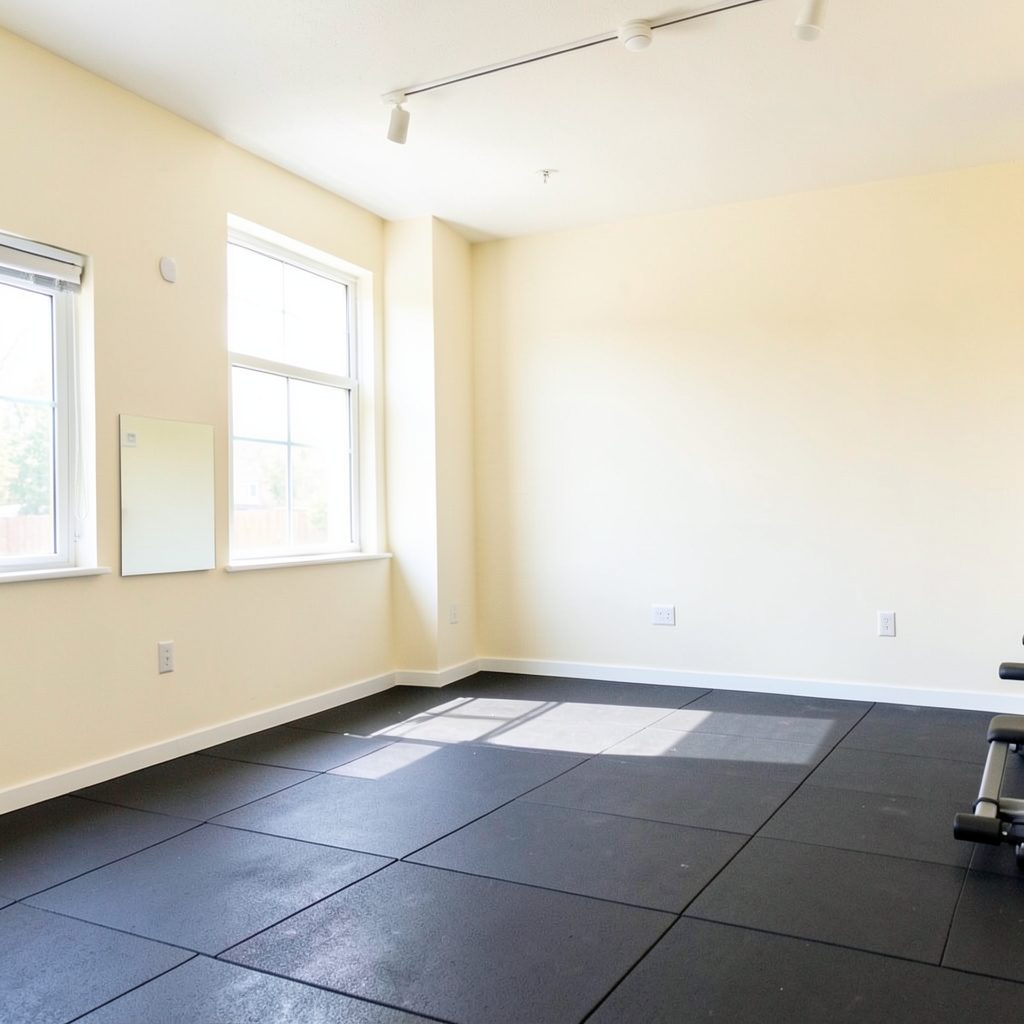
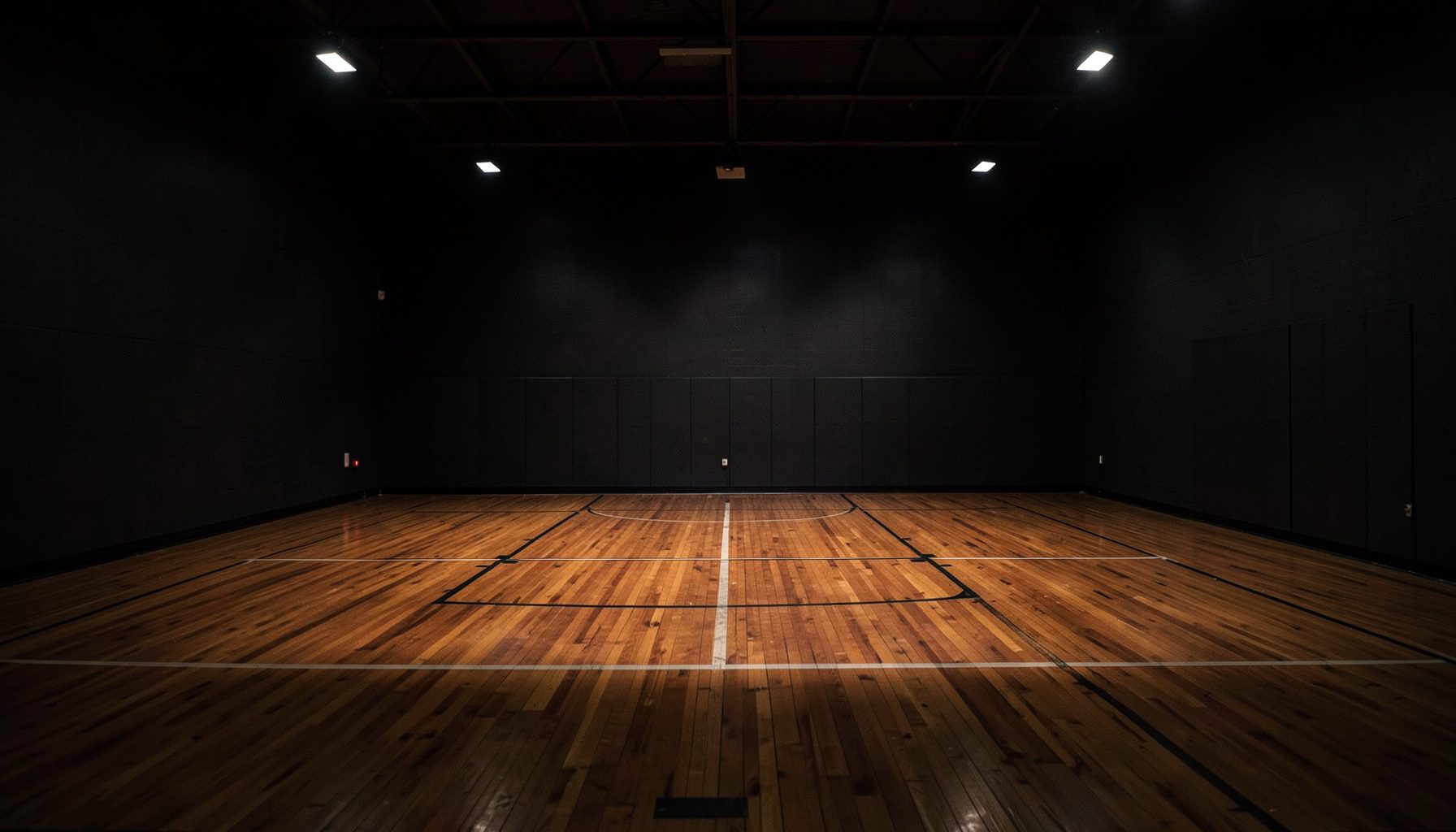
The Factory D1 Indy brings together three entities under one roof: competitive basketball leagues for all age groups, individual and group training, and wellness & recovery services including Normatec boot recovery and cryotherapy. Located off I-465 and High School Road at 6331 Crawfordsville Road, Speedway, Indiana 46224.
Get In TouchHow Cycling Cadence Shapes Basketball Foot Speed
When basketball players chase an edge, they often reach for plyo boxes, agility ladders and repeated sprints. Yet some of the most effective leg-turnover work happens on a spin bike. Pedalling cadence, measured in revolutions per minute, looks like a cycling-only metric. Disciplined cadence work in a spin class develops the same neuromuscular qualities that drive a quicker first step, a tighter change of direction and a faster closeout on defence.
Coaches from youth programmes through adult leagues have begun weaving indoor cycling into basketball-specific conditioning blocks. The reason comes down to how the body learns to recruit fast-twitch muscle under cardiovascular load, a skill that translates directly to the stop-start rhythm of a five-on-five game. Understanding the link between RPM targets and on-court foot speed gives players an affordable tool that fits neatly into any training week.
What cadence actually measures on a spin bike
Cadence is how fast the pedals turn, expressed in revolutions per minute. Most studios programme music to match a target RPM, whether a heavy climb at 60 RPM with high resistance or a flat road sprint at 110 RPM with light tension. The combination of resistance and cadence determines whether the rider builds strength, endurance or pure speed.
For basketball athletes, the relevant cadence zones are easy to define. Recovery rides sit below 70 RPM with light resistance. Endurance work hovers around 80 to 90 RPM with moderate tension. Tempo intervals push 90 to 100 RPM, while top-end cadence drills spike above 105 RPM with very low resistance.
| Cadence zone | RPM range | Resistance feel | Basketball quality trained |
|---|---|---|---|
| Recovery | 55–70 | Heavy or light, easy effort | Active flush between hard sessions |
| Endurance | 80–90 | Moderate, steady | Repeated transition running, late-game conditioning |
| Tempo | 90–100 | Light to moderate | Defensive slide endurance, help-side recovery |
| Speed | 105+ | Very light | First-step quickness, fast-twitch recruitment |
Lower cadence with higher resistance builds pushing power, while higher cadence with lower resistance teaches the legs to cycle quickly under fatigue. Basketball foot speed lives mostly in the top row, but it cannot survive without the aerobic base underneath.
The physiology of leg turnover
Faster pedalling trains the nervous system to fire motor units at a higher rate. Even without the same ground reaction forces as running, repeated high-RPM work primes the fast-twitch fibres that drive a quick first step and a rapid change of direction. Over weeks, this firing pattern lowers the activation threshold for those fibres, so they switch on more readily when a defender reads a pass.
Cardiovascular demand adds a second layer. Holding 100 RPM for two to three minutes elevates heart rate into a basketball-relevant zone, training the body to coordinate leg speed while the lungs are working. The legs learn to move quickly even when oxygen debt is mounting, which is precisely the moment a fast-break chase or a fourth-quarter closeout becomes a contest of conditioning as much as skill.
The spin bike also offers a low-impact environment to build that neuromuscular volume. Players can log serious leg-speed work without the tibial and knee stress of repeated sprints or jump sessions, helpful for athletes managing a niggle or returning from a lower-body complaint.
Why foot speed on the hardwood is more than a sprint
Basketball quickness is rarely a straight-line race. It is a layered skill built from lateral shuffle speed, hip re-positioning, drop-step recovery, and the ability to decelerate before accelerating again. Each movement depends on how quickly the nervous system can re-coordinate the legs.
Spin cadence targets exactly that re-coordination. A rider pumping at 110 RPM is constantly asking the hip flexors, quads, calves and glutes to switch between flexion and extension in a tight rhythm. That rhythm carries over to the shuffle pattern used to stay in front of a dribbler. Players who train at high cadence tend to develop smoother footwork on defence, with fewer wasted micro-steps and a more balanced base.
Reaction time is the other piece. Pedalling to a sudden sprint cue, the way many spin instructors call a surge out of a climb, trains the body to switch gears in an instant. That response is the same one a defender needs when a point guard suddenly drives past.
Translating RPM into on-court quickness
The transfer from bike to court happens when cadence work is paired with deliberate on-court cues. A simple bridge is to finish a high-cadence interval, step off the bike, and immediately run a defensive slide series or a closeout drill. The legs feel loose, the heart rate is elevated, and the nervous system is primed to move quickly. This pairing tells the body that the new RPM pattern has a job to do in basketball-specific movement.
Australian NBL clubs and NBL1 conference programs have leaned into similar pairings. The Brisbane Bullets' support staff have spoken publicly about using low-load indoor cycling as a warm-up for leg-speed sessions, particularly during the long pre-season block in the Queensland heat. The same approach shows up in community clubs from Parramatta to Penrith, where a single spin bike primes players before agility work. Many athletes in Sydney's inner west will train at a local cycle studio after their evening skills session, then notice during the next morning's scrimmage that their feet feel crisper on closeouts.
Programming cadence into a basketball week
Two short cadence-focused spin sessions, slotted away from the heaviest court sessions, usually do the job. A typical pattern might look like:
- Monday: heavy court session, no bike
- Tuesday: 30-minute spin with two blocks of 4 x 90 seconds above 105 RPM, easy recovery between sets
- Wednesday: court skills, moderate intensity
- Thursday: 40-minute endurance ride at 85 RPM, leg strength focus through resistance
- Friday: light court work or game
- Saturday: game day
- Sunday: 20-minute recovery spin below 70 RPM
The two high-cadence blocks each week drive adaptation without piling fatigue on top of a demanding court schedule. The Sunday recovery spin keeps the legs loose for Monday's return to hard practice.
For athletes who train twice a day, the spin session works best as a standalone conditioning block rather than a finisher. Quality of cadence drops quickly under fatigue, so doing high-RPM work at the end of a long court session wastes the most valuable part of the stimulus.
Indoor cycling in Australian training culture
Australian athletes have a particular relationship with indoor training. The summer heat in Brisbane, Perth and Adelaide makes hard outdoor conditioning uncomfortable, so many players seek out air-conditioned studios for their volume work. In Melbourne and Sydney, where coffee culture runs deep, players often grab a flat white after a cycle class, then head to the local PCYC or community basketball courts.
The community-club feel of Australian basketball shapes how cadence work gets used. Players at suburban associations from Joondalup to Glenelg are often coached by volunteers or part-time staff, so any extra conditioning tool has to be simple and low-cost. A stationary bike with a cadence display, plugged into a laptop streaming a spin class, fits the budget. Cross-training with cycling also makes sense for athletes who play other codes, such as netball or AFL-listed players doing off-season skill work, since both reward similar leg-speed qualities.
Aussie players tend to call indoor cycling "the spin" rather than "spinning class", and a tough interval set often gets described as "a proper crack" at the end of a long arvo. That informal vocabulary matches the relaxed but hardworking culture of suburban gyms, where a quick nod from the instructor is enough to acknowledge a job well done. That sense of casual accountability helps athletes stay consistent with cadence work across the season.
Periodising cadence for off-season, pre-season and in-season
Like any conditioning tool, cadence work should change with the season. The off-season is the time to build the aerobic base, so longer endurance rides at 80 to 90 RPM with moderate resistance earn their place. Pre-season shifts toward higher-cadence work, with regular intervals above 100 RPM, to wake up fast-twitch fibres before full-court scrimmages begin. In-season, the priority becomes maintenance, so one short high-cadence session a week, plus a recovery ride on rest days, is plenty.
Players who ignore this pattern often find themselves either undertrained by Christmas or overtrained by the NBL1 conference finals. The smart approach is to front-load cadence volume during the quieter months, then taper into maintenance as game density rises. Off-court conditioning tools, like the kind explored in cycle-based mental toughness training, become valuable during this taper because they keep the legs sharp without extra court minutes.
Coaches who want to add cadence work to their programme should start with one 20-minute session a week, log the RPMs each athlete hits, and progress slowly. Within six to eight weeks, most players report crisper footwork on defence and a noticeable lift in first-step burst, both of which show up in the box score long before they show up in any conditioning log.
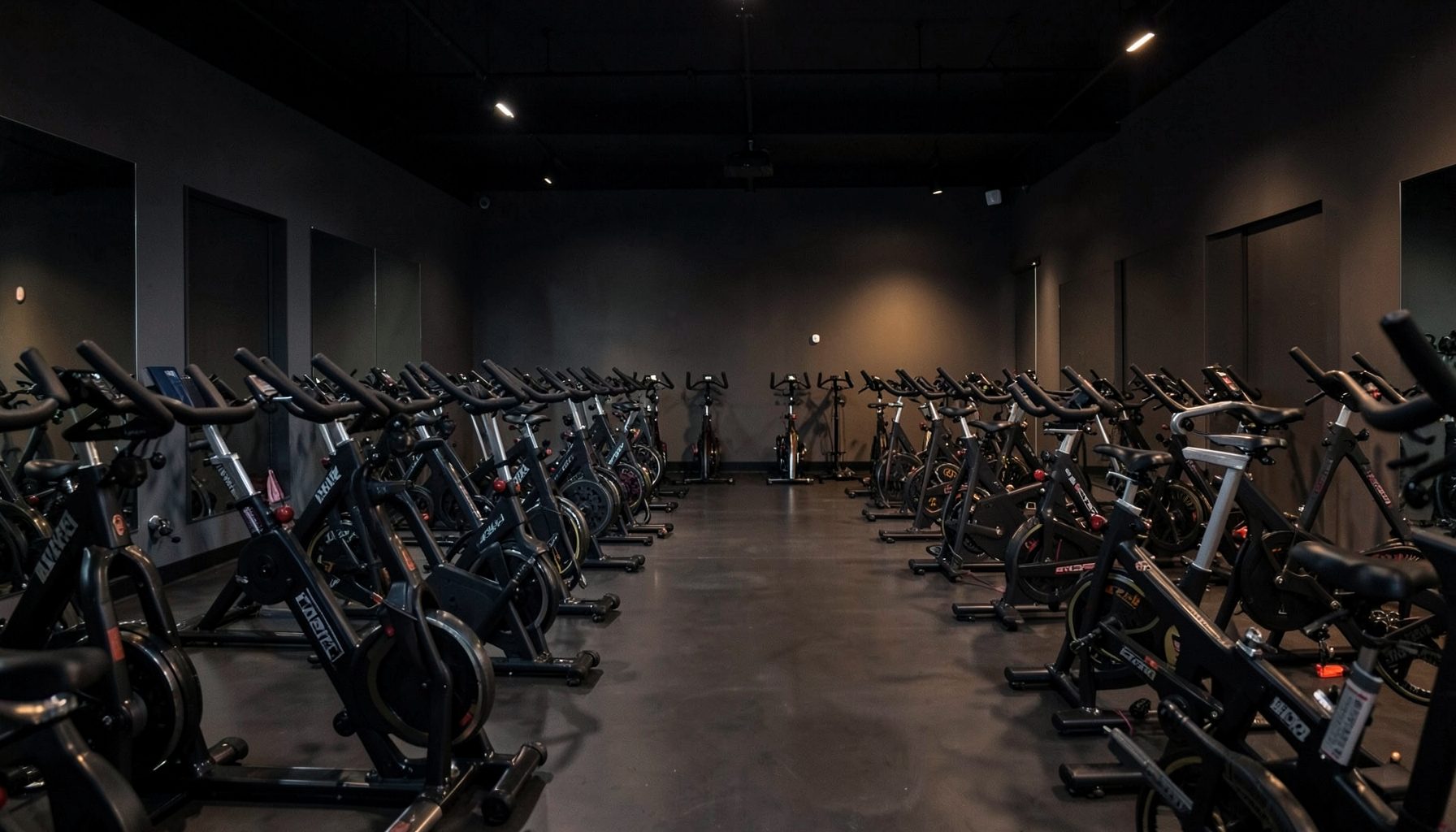
Time to put cadence to work for your foot speed. Pull up a bike at the next session, set a target of 105 RPM for a two-minute block, and feel the difference the next time you close out on a shooter. The Factory D1 Indy runs indoor cycling alongside its basketball programming, so you can knock out a spin block and a defensive-footwork session in the same visit.
Inside The Factory

Three Entities, One Roof
Leagues
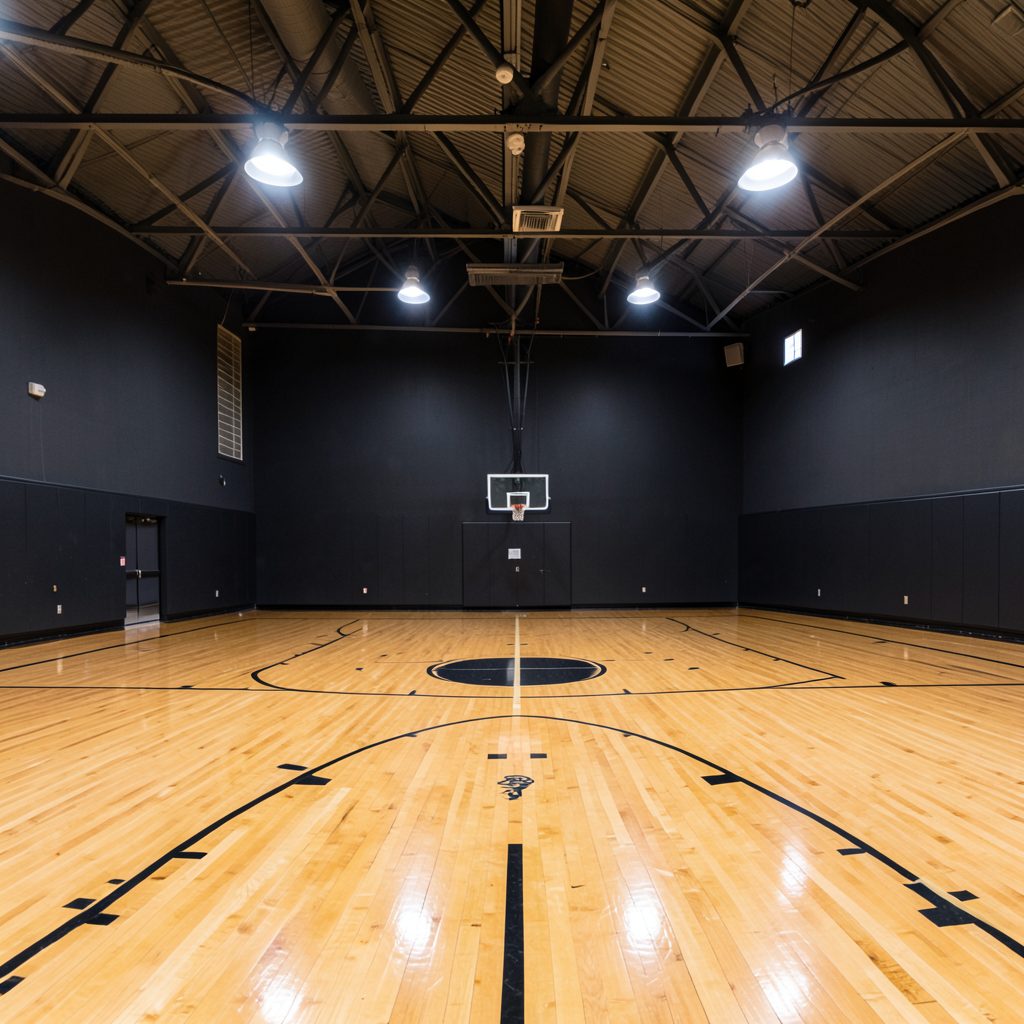
Eight league divisions span every age group: Indy Pro AM, 18+ Open Men's, 30+ Men's, Bite Size (ages 3–6), Impact League, 5th/6th Grade, Middle School, and High School. Gather your team and compete.
Training
Individual and group basketball training for all skill levels. Major M.O.V.E.S. Basketball Training serves ages 4–7 on Wednesday and Thursday evenings at 6:30 PM — $30 per session or $100 unlimited monthly.
Wellness & Recovery
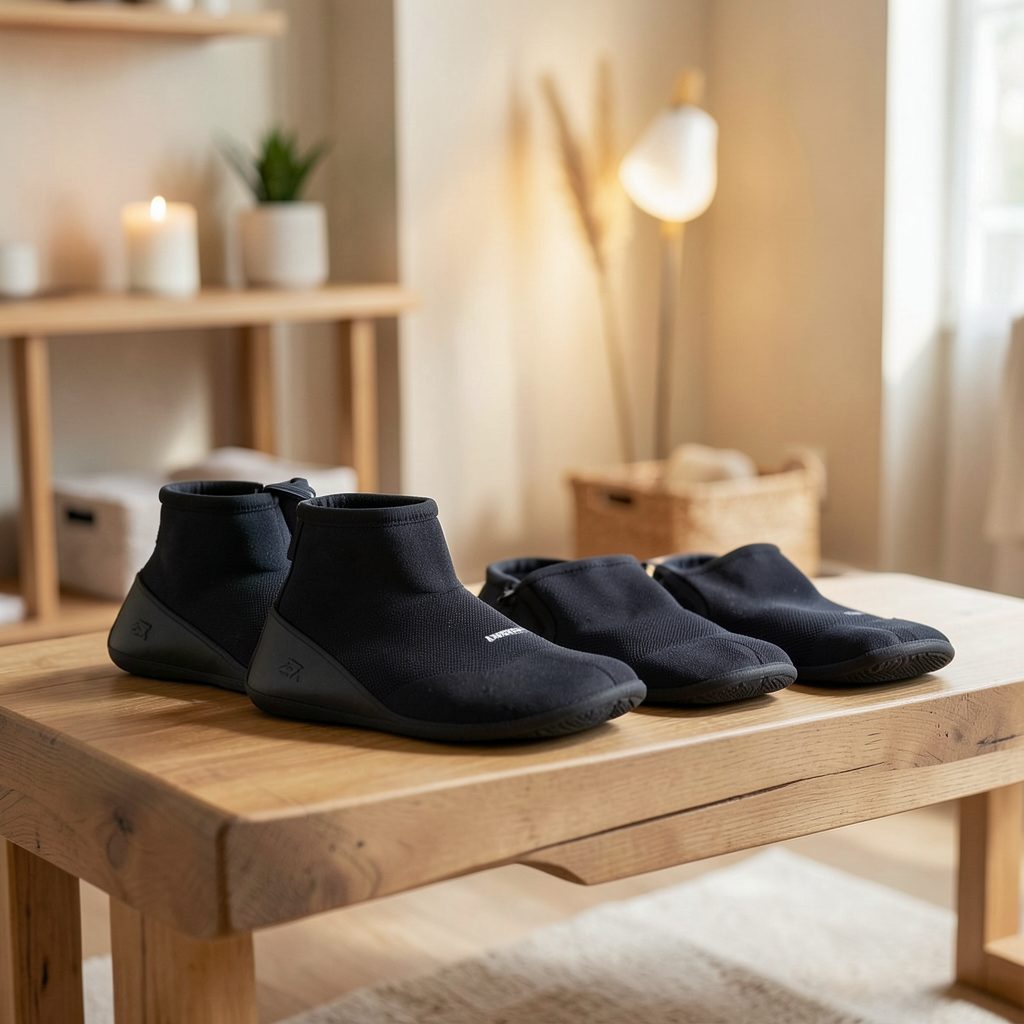
Normatec boot recovery and cryotherapy treatments help athletes bounce back faster. Cycle and spin classes add a cardio dimension to the holistic performance approach.
Have a Question?