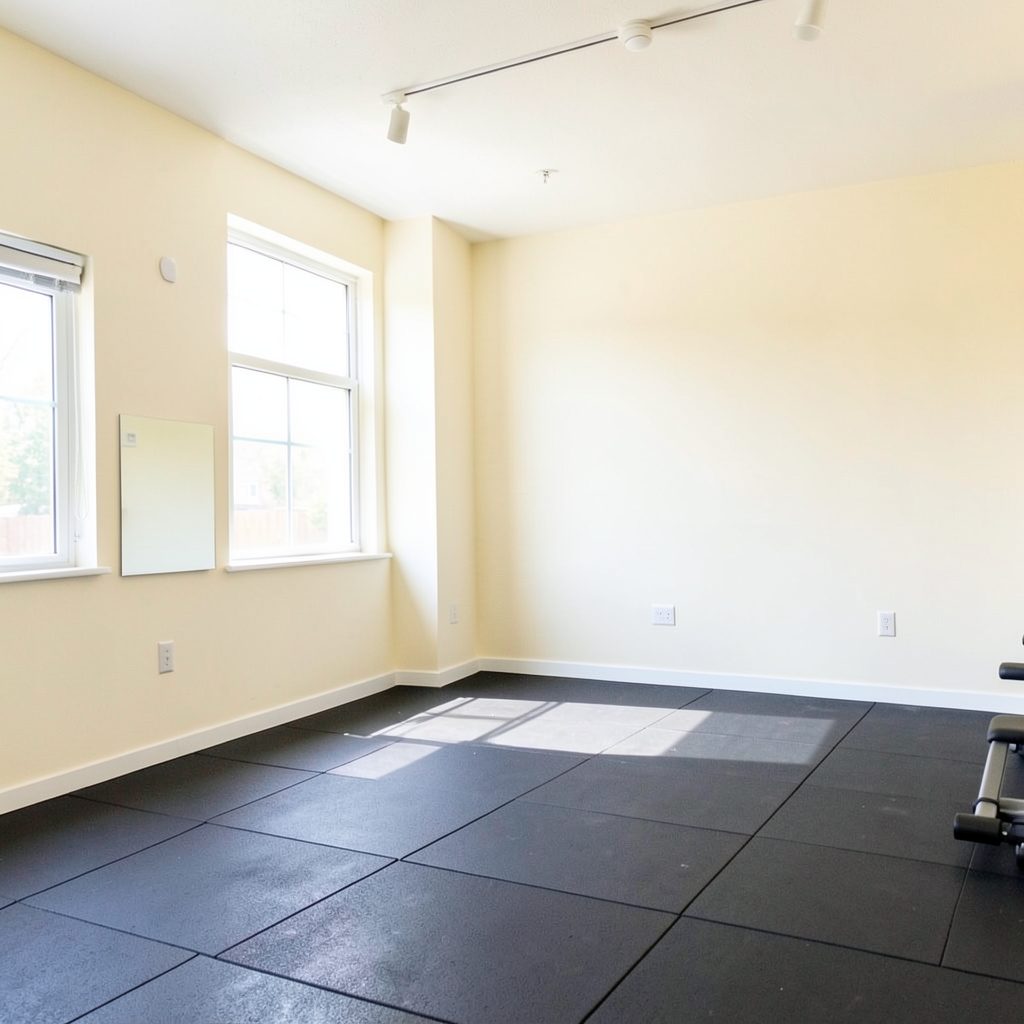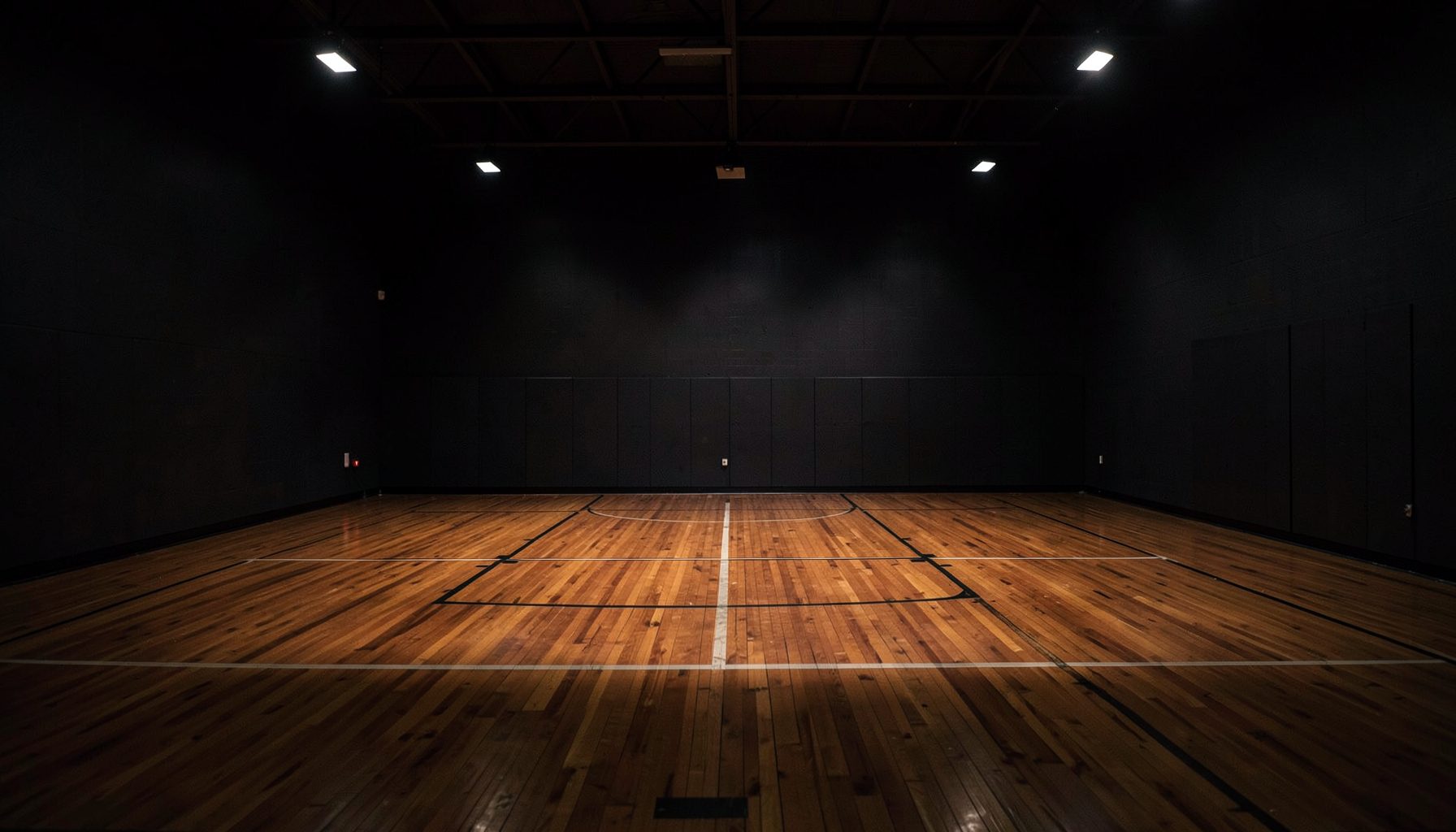
Train. Compete. Recover.
A multi-purpose athletic facility in Speedway, Indiana — basketball leagues, skill training, and wellness services all under one roof.
The Factory D1 Indy brings together three entities under one roof: competitive basketball leagues for all age groups, individual and group training, and wellness & recovery services including Normatec boot recovery and cryotherapy. Located off I-465 and High School Road at 6331 Crawfordsville Road, Speedway, Indiana 46224.
Get In TouchThe Role of Cadence in Spin Class for Building Leg Turnover
Cadence in spin class is usually expressed as revolutions per minute, or rpm, but the number alone does not determine fitness. It shows how quickly the pedals turn, while resistance, power and heart rate reveal how hard the rider is working. A faster cadence can encourage a lighter, smoother rhythm, helping athletes develop the endurance and coordination needed for quick, repeated leg movements.
That combination is valuable for basketballers as well as cyclists. It supports sustained activity on court, sharper changes of direction and better control through the hips, knees and ankles. Indoor spin studios in Melbourne and Sydney also provide a practical training option during wet winters, extreme summer heat or the ever-changing weather that makes outdoor riding unpredictable.
Cadence Is More Than Pedalling Fast
A cadence number is best treated as a technical measure rather than a target to chase. Many recreational riders settle between 80 and 100 rpm during sustained indoor work, but the most useful range depends on the athlete, the bike and the resistance selected for each interval. Shorter riders may naturally produce a higher cadence, while taller riders often rotate the pedals more slowly.
The objective is not simply to make the bike spin faster. Turning the pedals rapidly against heavy resistance creates a grinding action rather than a fluid cycling rhythm. By contrast, an appropriate gear allows the rider to maintain a quick cadence, relaxed shoulders and steady breathing. This is why resistance and cadence should be adjusted together rather than treated as separate challenges.
Think of cadence as the rhythm supporting the whole movement. A smooth 90 rpm may create better training value than an uneven 110 rpm, particularly when the class includes sprints, hills or repeated efforts. Consistency also makes it easier to compare workouts and recognise progress over several weeks.
Why Leg Turnover Matters Off the Bike
Basketball places repeated demands on the legs through jumping, cutting, braking and accelerating. Faster ground contact depends on more than raw leg strength. Athletes also need sufficient hip mobility, trunk control and the ability to coordinate each foot with the next. A strong cycling cadence can support those qualities by training repeated leg action without the impact of running or jumping.
Spin work also develops muscular endurance in the quadriceps, hamstrings and calves. When an athlete can maintain a steady rhythm late in a session, they are more likely to retain movement quality when basketball practice becomes physically demanding. This is particularly relevant in Australia’s local club competitions, where players often move between weekly training, social fixtures and higher-level NBL1 games without much recovery time.
However, pedal speed does not automatically create basketball foot speed. Court-specific footwork, landing mechanics and change-of-direction drills remain essential. Cadence work is most useful when it improves movement efficiency and confidence, then transfers into quicker, better-controlled steps on court.
Finding a Sustainable Cadence Range
Begin by establishing a baseline on a familiar spin bike. After a comfortable warm-up, ride for ten minutes at a resistance that allows controlled breathing and a relatively even pedal stroke. Note the cadence at which the legs begin to feel heavy, then find a slightly quicker pace without changing the effort dramatically.
A useful class progression might move from 80 to 85 rpm, hold that rhythm for several minutes and then rise to 90 or 95 rpm as technique remains stable. The aim is to experience faster revolutions while keeping the hips steady and the upper body quiet. Riders using power meters should also watch watts, since two riders can pedal at the same rpm while producing very different power levels.
For riders accustomed to Australian training apps that display watts, kilometres per hour and rpm, keeping all three numbers can provide useful context. Cadence describes motion, power describes force and heart rate shows internal load. Together, they offer a more reliable picture than cadence by itself. When broader strength work is part of the programme, the training resources at Hybrid Gym Group can also help with recovery and programme balance.
Building Cadence Without Wasting Energy
Cadence development responds well to short, specific practice. A typical indoor session might include five minutes of easy spinning, several blocks at a moderate cadence and brief efforts near the rider’s comfortable upper range. Complete recovery intervals are important because cadence quality often deteriorates when fatigue causes the hips to rise, the knees to wobble or the pedal stroke to shorten.
Try adding only five rpm at a time. If 90 rpm feels smooth, the next goal might be 95 rpm for the same period rather than immediately attempting 110. Holding a challenging cadence for two to five minutes can build control, while repeated efforts teach the legs to remain coordinated under pressure. Over several weeks, the easier range may gradually increase without making every interval harder.
Resistance still matters. Too little can produce an unsupported spinning action, while too much encourages slow, forceful strokes. Many riders find that a moderate gear supports their natural cadence better than forcing the legs into a narrow window. The best range is the one that remains repeatable, leaves room for controlled breathing and can be reproduced in the following week.
Technique for Fast, Smooth Legs
The body should stay tall through the hips while the knees track smoothly over the toes. Hips that rock from side to side waste energy and make cadence data less useful. Light contact through the pedals, stable ankles and relaxed shoulders all help preserve a fluid rhythm.
A strong core provides the platform for rapid leg action. The rider should resist bouncing heavily over the bike, but should also avoid bracing so rigidly that the shoulders and arms take over. A comfortable handlebar position allows the upper body to remain relatively quiet while the legs complete each revolution.
Cadence work should never create sharp knee pain or ankle discomfort. A small reduction in speed, a change of resistance or extra recovery may be needed. The goal is repeatable efficiency rather than proving that a particular rpm can be maintained for its own sake. Good technique turns cadence into a skill the athlete can use across cycling, basketball and everyday movement.
Recovery That Protects Your Cadence
Recovery has a direct effect on pedal quality. Tight calves, hips and hamstrings can limit the range of each stroke and force riders to compensate with their upper body. Guidance on best stretches for cyclists can help riders prepare muscles that also need to support basketball movement.
Compression and cryotherapy may offer additional support after demanding sessions, while sleep, hydration and regular meals determine whether the nervous system can reproduce a smooth cadence. Brisbane’s humid summers and Sydney’s warmer months can make fluid replacement essential, particularly for indoor riders who begin a class already dehydrated. Melbourne’s changeable conditions also mean that layers, ventilation and adequate hydration should be adjusted according to the day.
Cooling down with easy pedalling is often more useful than stopping immediately after the final interval. It allows the legs to settle gradually and gives the athlete time to notice any discomfort that should be addressed before the next session.
Turn Cadence Into a Repeatable Performance Habit
Track more than the highest cadence reached. Average cadence, interval consistency, power and perceived effort can show whether the athlete is becoming smoother under load. Comparing each workout with the previous one also prevents a difficult class from being judged solely by the numbers on the screen.
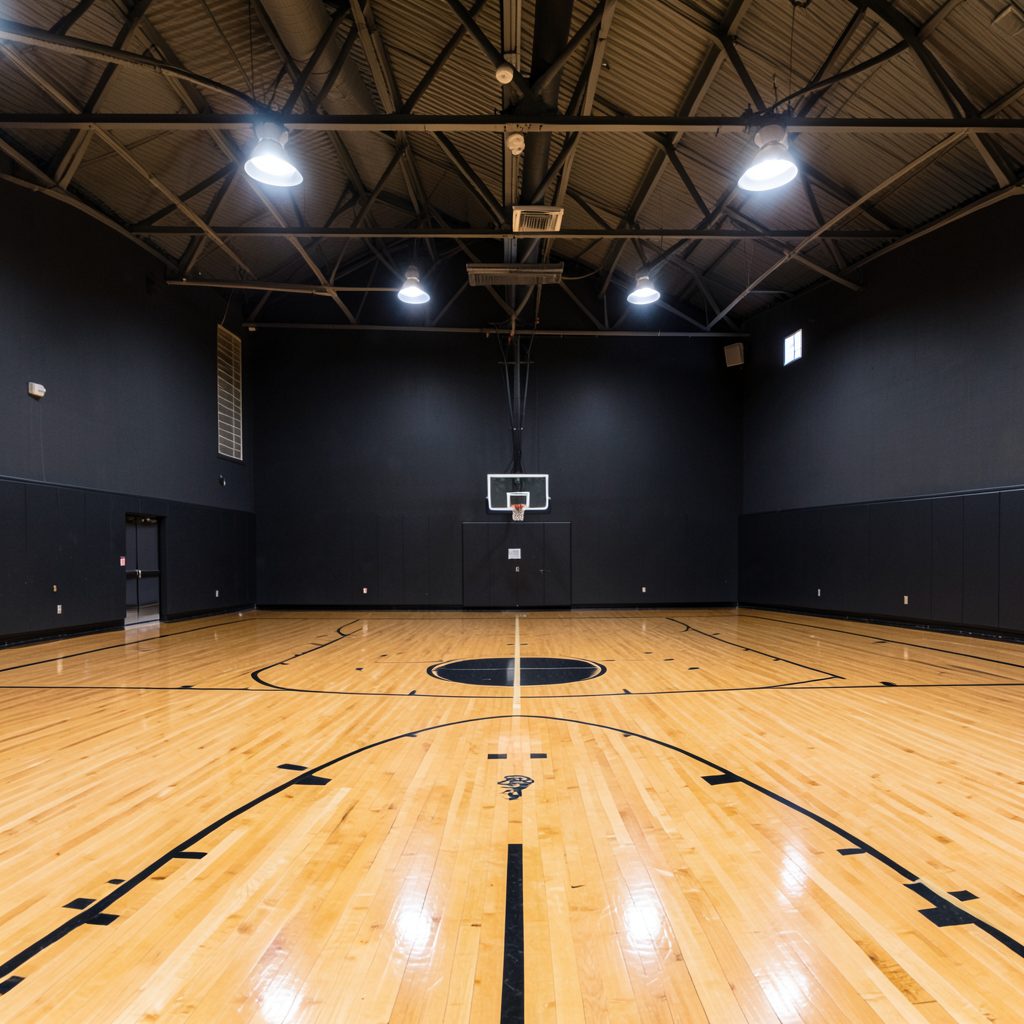
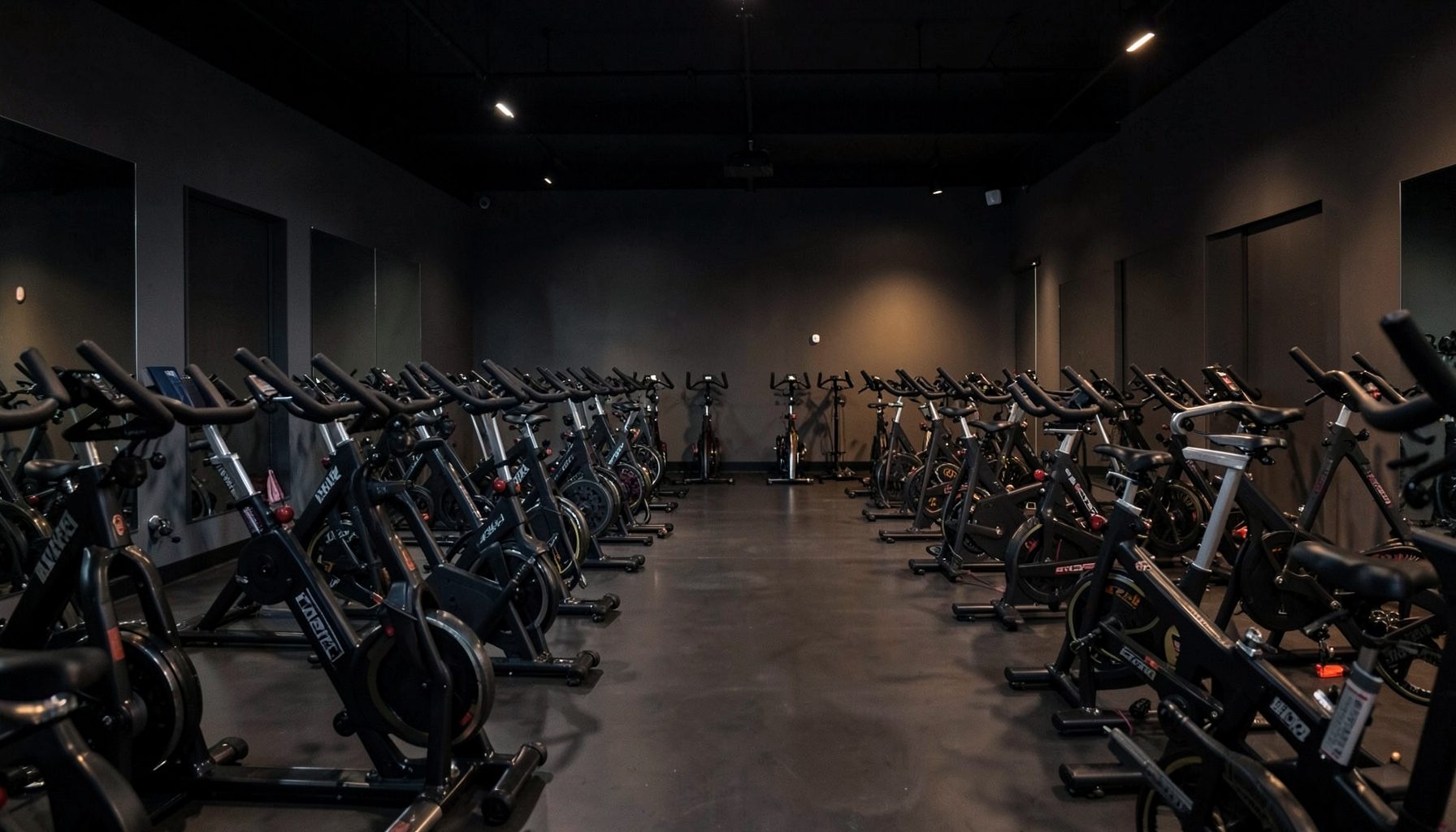
At The Factory D1 Indy in Speedway, Indiana, riders can combine cycle and spin classes with basketball skills training, youth programmes and competitive leagues. This creates a useful environment for athletes who want to develop lower-body endurance alongside court-specific speed. The facility’s training and recovery services also bring conditioning and recovery into the same broader programme.
Choose a spin class, record your starting cadence and work toward a range that feels fast, controlled and repeatable. With consistent practice and appropriate recovery, stronger legs can support a smoother spin and more confident movement on the court.
Inside The Factory

Three Entities, One Roof
Leagues
Eight league divisions span every age group: Indy Pro AM, 18+ Open Men's, 30+ Men's, Bite Size (ages 3–6), Impact League, 5th/6th Grade, Middle School, and High School. Gather your team and compete.
Training
Individual and group basketball training for all skill levels. Major M.O.V.E.S. Basketball Training serves ages 4–7 on Wednesday and Thursday evenings at 6:30 PM — $30 per session or $100 unlimited monthly.
Wellness & Recovery
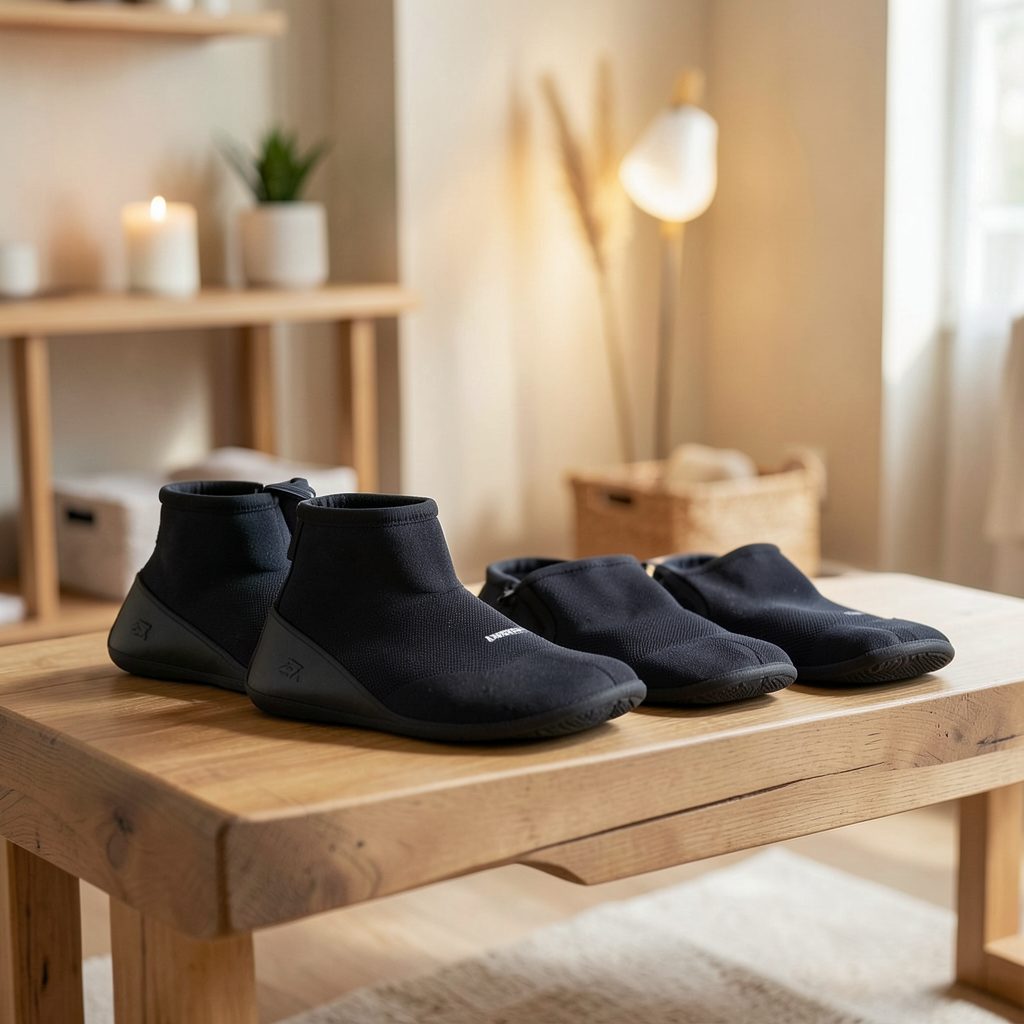
Normatec boot recovery and cryotherapy treatments help athletes bounce back faster. Cycle and spin classes add a cardio dimension to the holistic performance approach.
Have a Question?