Train. Compete. Recover.
A multi-purpose athletic facility in Speedway, Indiana — basketball leagues, skill training, and wellness services all under one roof.
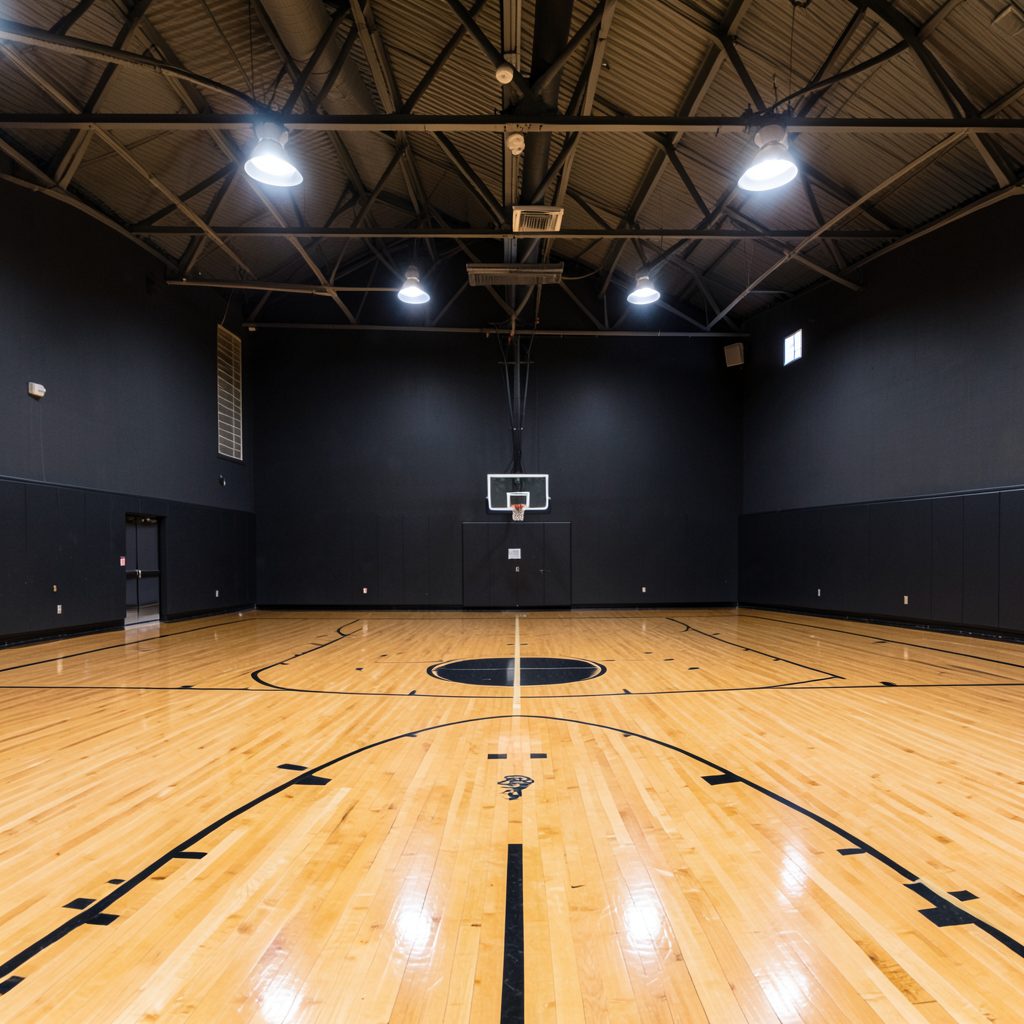
The Factory D1 Indy brings together three entities under one roof: competitive basketball leagues for all age groups, individual and group training, and wellness & recovery services including Normatec boot recovery and cryotherapy. Located off I-465 and High School Road at 6331 Crawfordsville Road, Speedway, Indiana 46224.
Get In TouchCore Stability for More Consistent Jump Shots
Consistent jump shooting depends on more than a steady hand position. It requires the lower body to produce force in a repeatable order, then the trunk to keep the pelvis and rib cage connected while that force travels toward the hoop. Core stability provides that control through active support, not a rigid pose or simply stronger abdominal muscles.
For Australian players who train before work or school, stability skills fit neatly into a short pre-court routine. At Factory D1 Indy in Speedway, Indiana, the same principle supports development from youth programs through adult competition: build the body that can create, accept and transfer force, then practise the shot under realistic pressure.
Why stability affects the jump shot
During a jump shot, the legs extend, the hips rise and the upper body must remain organised enough to preserve alignment. If the pelvis rotates forward or the rib cage shifts sideways, the shooting shoulder can drift from its established line. Core control reduces unwanted movement while still allowing the athlete to extend through the ankle, knee and hip.
A stable trunk also helps the lower body work more effectively. Strong ground-reaction forces pass upward when the athlete maintains appropriate trunk and pelvic positions. That does not mean holding every muscle rigid during the shot. The body needs enough stiffness to resist collapse, plus enough mobility and coordination to move naturally through the jump and landing.
Building a stable base from the ground up
A useful core programme begins with positions the athlete can maintain without straining. Dead bugs, bird dogs, side planks and controlled kneeling can teach abdominal pressure, spinal alignment and the ability to resist unwanted rotation. During each exercise, the athlete should be able to breathe normally rather than tightening the entire torso.
Foot and hip positions provide the next layer. Split-stance squats, step-ups and single-leg balances challenge the body to control one side while the other prepares to move. These patterns are especially relevant to basketball, where players repeatedly push off, decelerate, jump and land with changing directions.
Mobility should accompany stability rather than compete with it. Hip rotation, ankle range and thoracic movement allow the body to reach its shot position without compensating elsewhere. A short mobility sequence before training can prepare the ankles, hips and chest for the positions used during a jump shot.
Turning core strength into shooting transfer
Core exercises become useful when their purpose is clear. Bracing work teaches the body to resist movement, while loaded carries and anti-rotation drills develop strength under motion. The best transfer comes from combining those qualities with a basketball task, such as receiving a pass, rising into a shot and holding the landing.
Drills should progress gradually. Begin with a stationary target, add a pass from different angles, and then introduce time pressure or a defender. Australian players often train in mixed groups at community courts or arrive after work with limited time, so practices that resemble game situations can reveal weaknesses that stationary repetitions conceal.
| Training approach | What it trains | Transfer to the jump shot | Main limitation |
|---|---|---|---|
| Static bracing | Abdominal pressure and trunk position | Builds a firm base before the lift | Can feel rigid without sport-specific movement |
| Anti-rotation | Resists twisting under load | Helps maintain alignment when a defender crowds the shooter | Excessive load may slow movement |
| Unilateral strength | Control of each hip, knee and landing | Supports balance and repeatable force from either foot | Two-leg drills can hide asymmetries until fatigue |
| Reactive drills | Adjusts to balance and external cues | Builds control during contact, fatigue and changing rhythm | Requires close coaching to remain accurate and safe |
Maintaining control when fatigue arrives
Early repetitions often look smooth before the legs become heavy, the breath changes and the mind starts anticipating the next shot. At that point, core stability helps preserve the same foot placement, knee alignment and upper-body position established during practice. It cannot correct every shooting error, but it can reduce the number of movements that vary under pressure.
Game-pressure drills should include unpredictable passes, movement through a shooting lane and decisions made near the end of a possession. Players can also repeat one movement after a sprint to train the transition from fatigue back into control. The objective is not to simulate every game situation; it is to make enough controlled mistakes to identify where technique breaks down.
Australian basketball culture provides a strong competitive reference point, with many followers closely following the NBL and WNBL. During humid summers in Melbourne, Sydney or Brisbane, indoor training is commonly conducted in air-conditioned venues, but heat, travel and busy schedules still create fatigue before the ball arrives. Core work helps preserve movement quality when those outside demands accumulate.
Conditioning and recovery for jump shooters
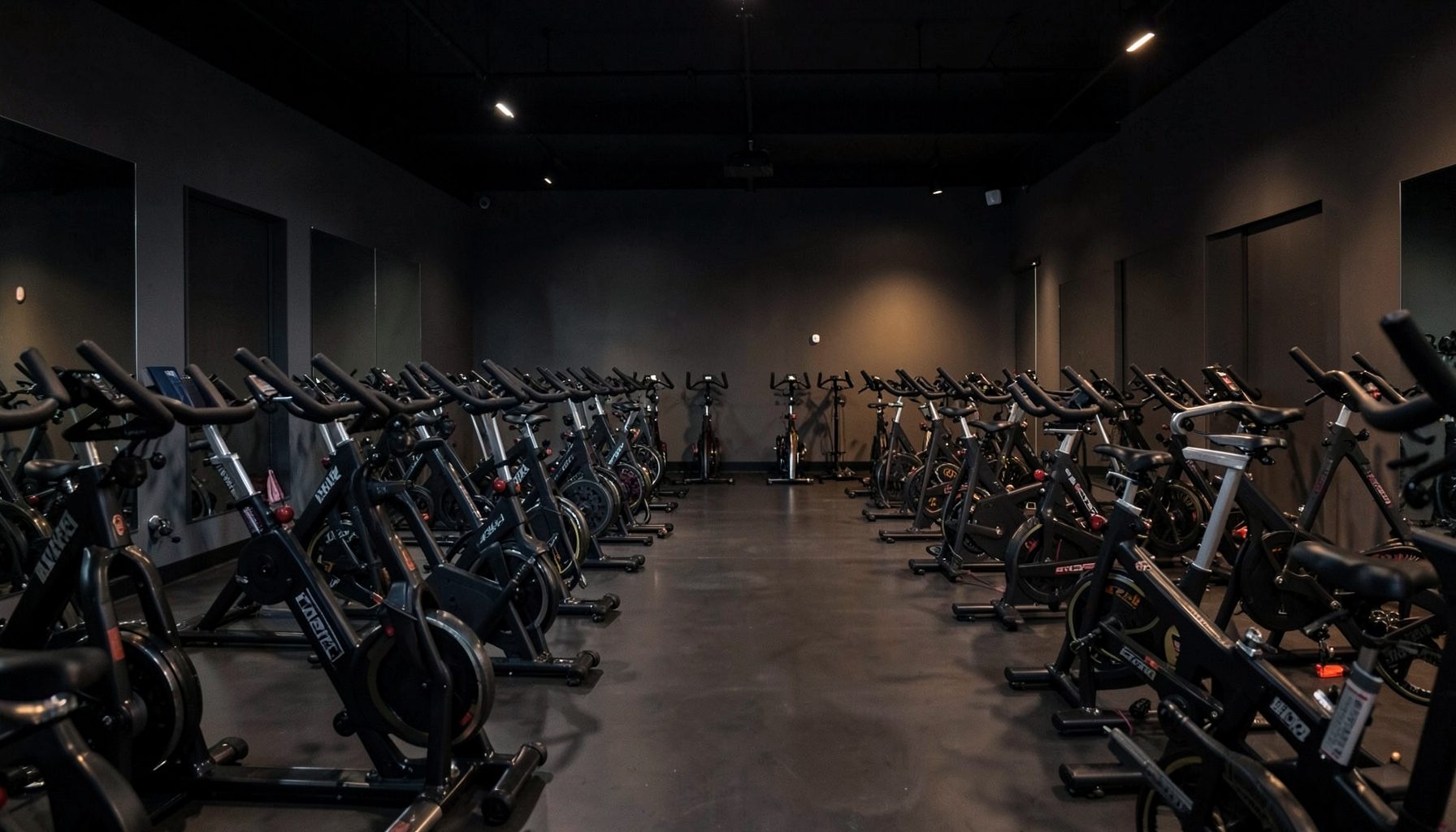
Core stability still needs an athlete with sufficient energy and endurance to perform it. Leg strength, running ability and general conditioning support repeated shooting actions, particularly when drills include closeouts and transition play. Cycle sessions offer a low-impact way to develop that capacity without adding excessive running volume to the same training day.
Factory D1 Indy structures its cycle work around heart-rate training zones, allowing riders to vary their effort according to the purpose of the session. This approach is useful across Australia’s competitive fitness market, where memberships, boutique studios and group classes are common choices alongside traditional court training.
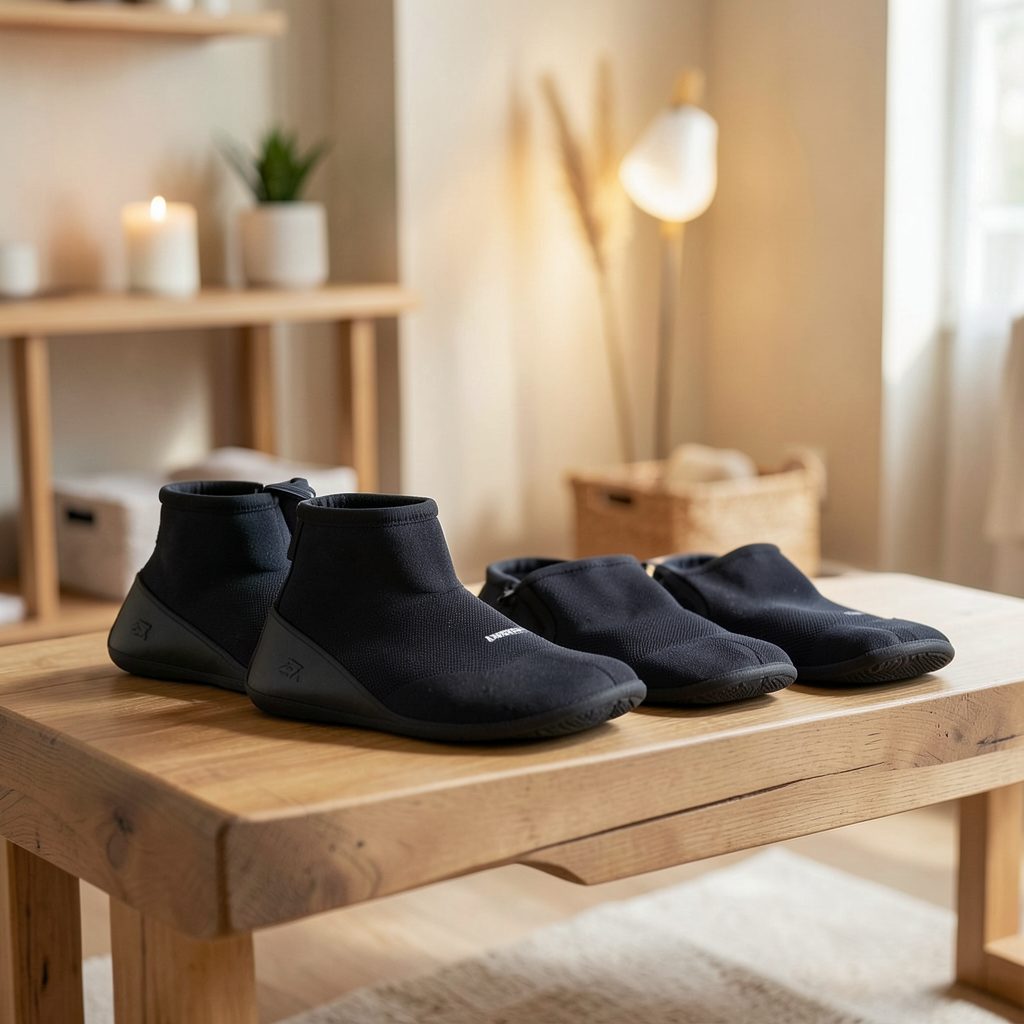
Recovery services such as Normatec compression therapy and cryotherapy can support athletes managing demanding training schedules. Their use should still follow appropriate screening and provider guidance, especially for athletes with medical conditions, circulation concerns or previous injuries. Recovery should complement training rather than compensate for an overloaded programme or replace adequate sleep and nutrition.
Errors that sabotage core training
The first common error is treating core work as an endless series of sit-ups. Repetitions can build endurance, yet they do not necessarily teach the body to remain organised while standing, reaching, jumping or reacting to a defender. Variety and sport-specific positions usually produce a more useful result.
The second error is holding the breath during every repetition or shot. Forceful bracing can temporarily increase trunk pressure, but prolonged breath-holding may create unnecessary tension. Practising a low-intensity 360-degree breath during preparation helps the athlete create support without restricting movement.
Recovery claims deserve the same scrutiny as performance claims. Under the Australian Consumer Law, businesses must avoid misleading consumers about what compression equipment or cryotherapy can achieve. Australian businesses collecting personal information must also follow the Privacy Act 1988 and the Australian Privacy Principles, including clear notices and appropriate safeguards when membership or training apps record health-related details.
Put stability into your basketball routine
A practical routine can begin with two minutes of breathing and trunk activation, followed by unilateral leg work and a mobility sequence. Finish with basketball progressions that progress from controlled shots to pressured attempts. This structure connects preparation, strength and shooting instead of treating core training as a separate task.
Factory D1 Indy offers individual and group skills training, youth programs, leagues for different ages, cycle classes and recovery services in one athletic setting. Book a skills session or programme at the facility and build a more stable foundation for your next jump shot.
Inside The Factory

Three Entities, One Roof
Leagues
Eight league divisions span every age group: Indy Pro AM, 18+ Open Men's, 30+ Men's, Bite Size (ages 3–6), Impact League, 5th/6th Grade, Middle School, and High School. Gather your team and compete.
Training
Individual and group basketball training for all skill levels. Major M.O.V.E.S. Basketball Training serves ages 4–7 on Wednesday and Thursday evenings at 6:30 PM — $30 per session or $100 unlimited monthly.
Wellness & Recovery
Normatec boot recovery and cryotherapy treatments help athletes bounce back faster. Cycle and spin classes add a cardio dimension to the holistic performance approach.
Have a Question?