Train. Compete. Recover.
A multi-purpose athletic facility in Speedway, Indiana — basketball leagues, skill training, and wellness services all under one roof.
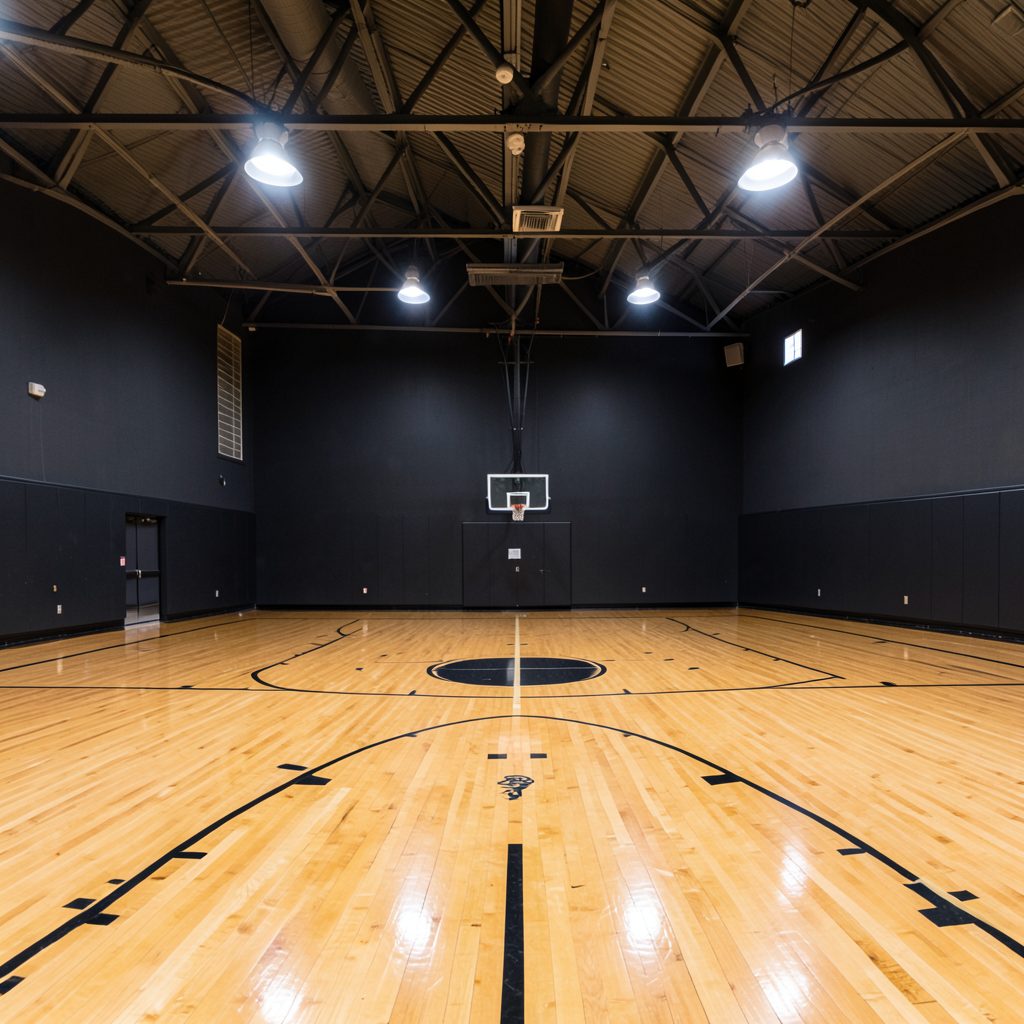
The Factory D1 Indy brings together three entities under one roof: competitive basketball leagues for all age groups, individual and group training, and wellness & recovery services including Normatec boot recovery and cryotherapy. Located off I-465 and High School Road at 6331 Crawfordsville Road, Speedway, Indiana 46224.
Get In TouchFoam Rolling After a Game: Recovery Habits for Basketball Players
Basketball players push their bodies through sharp sprints, sudden stops, vertical leaps and constant lateral shuffling. After the final buzzer, muscles are tight, joints feel stiff, and the body begins a long process of repair. Many athletes skip the post-game window entirely, but coaches across the NBL pathway increasingly stress that what happens in the hour after play shapes the next session, the next week and the rest of the season.
A foam roller is one of the simplest, most portable tools an athlete can grab after walking off the court. Squeezed into a locker room corner in Brisbane, used courtside at a suburban stadium in Melbourne, or rolled out on the carpet at home in Adelaide, this humble cylinder offers a way to ease muscle tension on the athlete's own terms. Knowing how to use it well makes the difference between a quick, careless routine and a focused recovery habit.
What Foam Rolling Actually Does to the Muscles
Foam rolling applies pressure to soft tissue in the same general way a deep-tissue massage might, but the athlete controls the depth and pace. The rolling motion can influence the fascia — the connective tissue sheath surrounding muscles — encouraging it to glide more freely across neighbouring structures. For a basketball player whose quads, calves and hip flexors have absorbed heavy landings and explosive take-offs, this can soften the tight, knotted feeling that often arrives as soon as the adrenaline fades.
The science on foam rolling is still evolving, but researchers have observed short-lived gains in the range of motion and reductions in perceived muscle soreness after consistent use. Blood flow to the rolled region appears to increase during the session, which can help clear metabolic byproducts that build up during high-rep sprinting and jumping. Players often describe the minutes spent rolling as a buffer, easing the transition from peak output to genuine rest.
The Areas Worth Targeting After a Game
The calves take a pounding in basketball, and many players underestimate how much tension travels from the lower leg up into the hamstrings. Spending two to three minutes rolling the calf muscles can relieve the chain of tightness felt in the ankle, knee and lower leg. Players who play on outdoor courts in Sydney's beachside suburbs during long summer evenings often find this routine especially valuable, because heat and long games leave the lower legs feeling heavy.
The quads, the IT band and the hip flexors are the next priority. Sitting for long periods after a match — whether on a team bus from Canberra or a flight back from a regional tournament — shortens the hip flexors, so opening them up before the body cools down completely is a habit worth keeping. Rolling the upper back and lats helps with the shooting motion, particularly for guards who have launched a long run of three-pointers. Foam rolling should never be placed directly on a joint or over a fresh injury; gliding around the surrounding muscle keeps the work useful.
How Long and How Often to Roll
Most strength coaches recommend spending roughly 30 to 60 seconds on each spot, repeated on both legs or both sides of the body. A full post-game session can fit into 10 to 15 minutes, which is realistic even after a tough travel day from Perth or a tight turnaround in a suburban Brisbane tournament. The pace should be slow, allowing the pressure to ease into the tissue instead of skimming across the surface.
Frequency depends on the load. A player who has just played three matches across a weekend can roll every day for a week, then taper as soreness fades. A player with one game per week might roll after each session and once more the following day. Listening to the body matters more than any fixed schedule; if a region feels tender rather than simply tight, easing off or skipping that spot is the smarter move.
Common Mistakes Athletes Make With the Roller
Rolling too fast is the most common slip. A quick pass over the muscle surface barely shifts anything, while a slow, deliberate movement lets the tissue respond to the pressure. Players chasing a quick fix often press too hard, gripping the handle or leaning on the roller until the muscle is bruised rather than released. Medium pressure, held for several seconds, usually beats a crushing one for releasing tight bands.
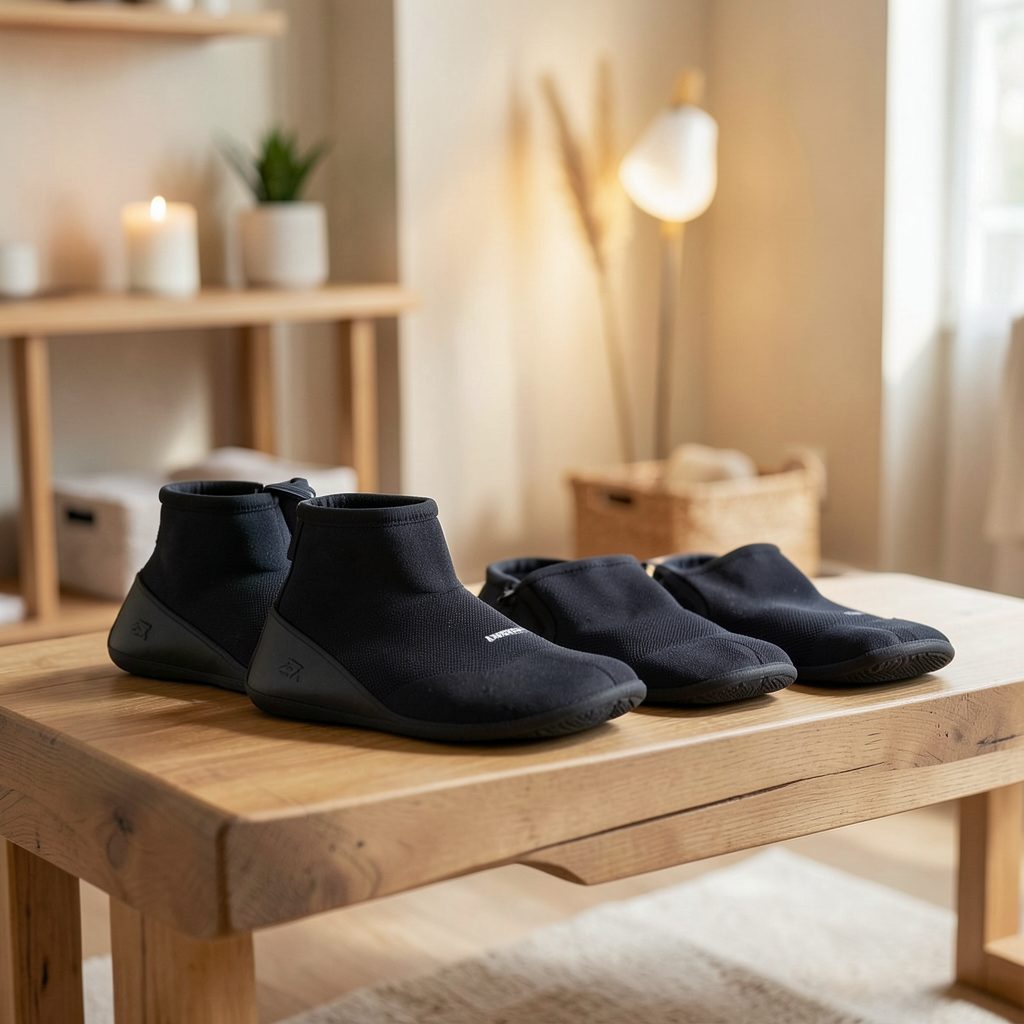
Another mistake is treating foam rolling as a standalone recovery tool. It works best when paired with hydration, sleep, light stretching and, where available, other recovery methods. Athletes recovering in shared change rooms from Adelaide to Geelong have started combining rolling with Normatec-style compression boots and contrast showers, building habits that NBL professionals have used for years. Group recovery sessions can turn solo routines into social ones, helping athletes stick with rolling when motivation fades.
Pairing Foam Rolling With Other Recovery Habits
Foam rolling pairs naturally with light movement. A short cool-down walk, gentle dynamic stretches and a few minutes of relaxed breathing give the nervous system a chance to step down after the high gear of a contest. A slow, restorative yoga practice can complement rolling, and players exploring an ayurvedic daily routine often find that morning rolling complements breath work. Nutrition also matters: a snack with protein and carbohydrates within the post-game window helps the body rebuild, while adequate sleep seals in the day's recovery work.
Hydration is the most underrated recovery tool. Australian summers turn indoor courts into hot, dry spaces, and even winter games in regional Victoria leave players dehydrated without them realising it. A bottle of water within reach during rolling keeps the routine practical. Stretching after rolling, rather than before, lets the loosened tissue settle into a longer length, which is the main reason to leave static stretching for the cool-down rather than the warm-up.
Foam Roller Versus Other Recovery Tools
Different recovery tools have different strengths, and foam rolling fits somewhere in the middle of the toolkit.
| Tool | Cost (AUD) | Portability | Best For | Skill Required |
|---|---|---|---|---|
| Foam Roller | $25–$80 | High — fits in a kit bag | Large muscle groups, fascia release | Low |
| Massage Gun | $150–$400 | High — handheld | Targeted trigger points, knots | Medium |
| Lacrosse Ball | $10–$20 | Very High | Feet, glutes, scapulae | Medium |
| Compression Boots | $700–$1500 | Low — needs power | Full-leg circulation | Very Low |
For most players, a foam roller covers the widest range of muscles at the lowest cost. Under Australian Consumer Law, sporting goods sold locally must meet certain safety standards, and warranties on rollers purchased from reputable Australian retailers protect buyers against defects. Players shopping for a roller in Sydney, Melbourne or Brisbane will find smooth, textured and vibrating options, each suited to a slightly different style of release.
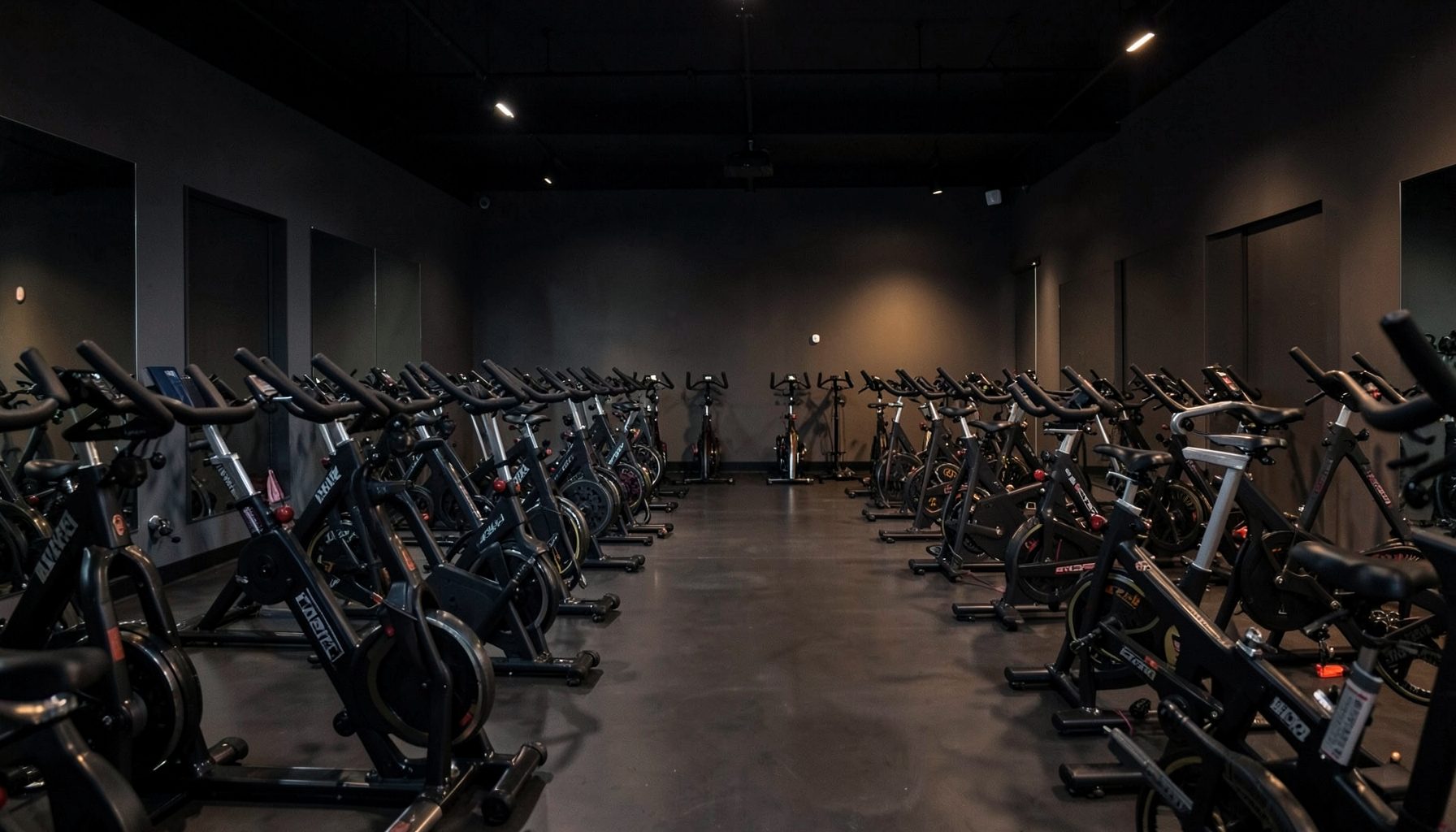
If you are looking for a place to roll out, recover and reset after a tough game, The Factory D1 Indy brings together the basketball training, conditioning and recovery resources that serious players need. Whether you are signing up for a youth league, joining adult competition or booking a Normatec session after training, the facility gives athletes a single hub that supports every stage of the journey. Book your next session, drop in for a spin class, or grab a roller and stay a little longer — the work after the buzzer is where the next performance is built.
Inside The Factory
Three Entities, One Roof
Leagues
Eight league divisions span every age group: Indy Pro AM, 18+ Open Men's, 30+ Men's, Bite Size (ages 3–6), Impact League, 5th/6th Grade, Middle School, and High School. Gather your team and compete.
Training
Individual and group basketball training for all skill levels. Major M.O.V.E.S. Basketball Training serves ages 4–7 on Wednesday and Thursday evenings at 6:30 PM — $30 per session or $100 unlimited monthly.
Wellness & Recovery
Normatec boot recovery and cryotherapy treatments help athletes bounce back faster. Cycle and spin classes add a cardio dimension to the holistic performance approach.
Have a Question?