Train. Compete. Recover.
A multi-purpose athletic facility in Speedway, Indiana — basketball leagues, skill training, and wellness services all under one roof.
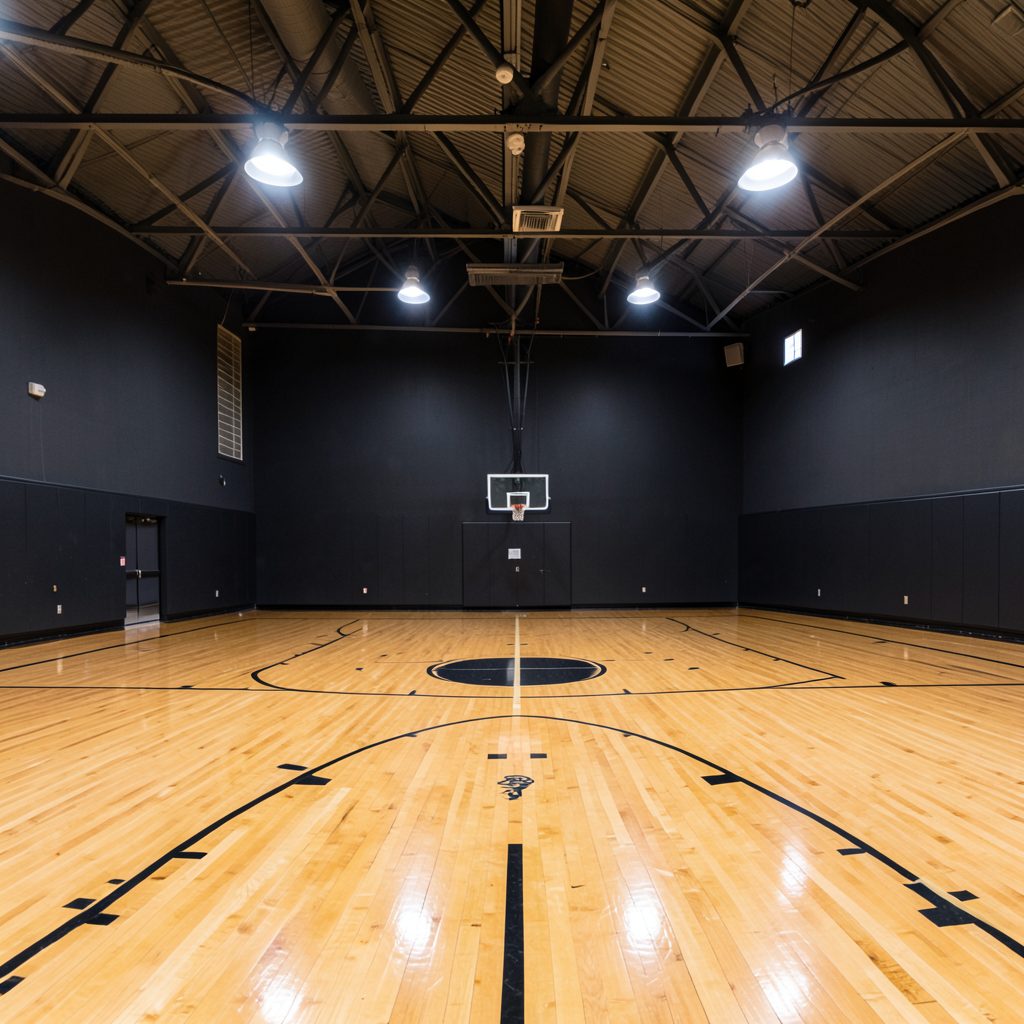
The Factory D1 Indy brings together three entities under one roof: competitive basketball leagues for all age groups, individual and group training, and wellness & recovery services including Normatec boot recovery and cryotherapy. Located off I-465 and High School Road at 6331 Crawfordsville Road, Speedway, Indiana 46224.
Get In TouchHow Shared Recovery Helps Athletes Stay Motivated
Athletes often associate progress with intense workouts, difficult drills, and competitive results. Recovery can feel less exciting because it happens away from the scoreboard. Yet consistent restoration is essential for maintaining energy, reducing soreness, and returning to training with focus. When recovery becomes a shared experience, it can feel more purposeful and easier to maintain.
Group recovery sessions give athletes structure, encouragement, and a stronger sense of connection. A basketball player managing a demanding practice schedule, a cyclist building endurance, or an adult competitor balancing training with work can all benefit from a supportive setting. The social energy helps turn stretching, compression, mobility work, and other recovery methods into an important part of performance.
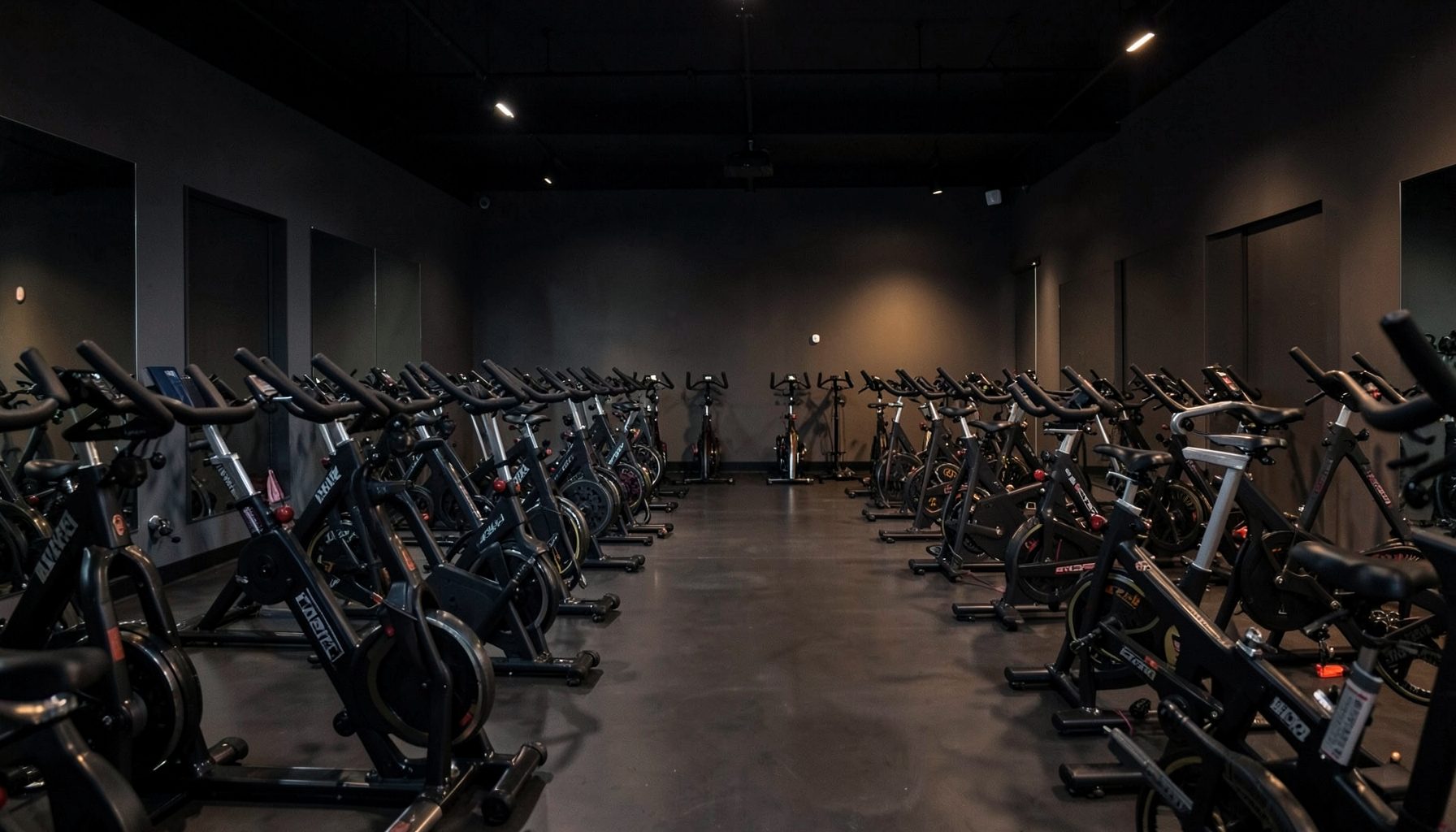
At The Factory D1 Indy, recovery fits into a broader athletic environment that includes basketball development, leagues, cycle classes, and wellness services. This combination allows athletes to connect their recovery habits with the activities they care about most.
Shared Energy Makes Recovery More Enjoyable
Training with other people can make challenging work feel more manageable. The same principle applies after practice or competition. Athletes may arrive feeling tired, but seeing teammates and peers committed to recovery creates a positive sense of momentum. A group session replaces isolation with conversation, encouragement, and a clear reason to stay engaged.
This environment can also make routine activities feel less repetitive. Compression therapy, gentle mobility, breathing exercises, and cooldown work may seem easy to skip when handled alone. In a group, athletes are more likely to complete the full session and pay attention to how their bodies respond.
The social element should still support focus. A well-organized session gives athletes space to relax while reinforcing good habits. That balance helps recovery feel like a productive part of the athletic day rather than an obligation added afterward.
Accountability Turns Good Intentions Into Habits
Motivation often fades when recovery depends entirely on willpower. A scheduled group session creates a commitment that is easier to honor. Athletes know that others expect to see them, which can make it less tempting to leave early, ignore soreness, or postpone mobility work indefinitely.
Accountability also improves consistency. A single recovery session may provide temporary relief, but regular participation can support better movement quality and improved readiness over time. Teammates can remind one another to hydrate, use controlled breathing, and avoid rushing through the process.
For younger athletes, this structure is especially valuable. Coaches and family members can help children understand that performance includes preparation and restoration. Adults benefit as well, particularly when they are returning to competition or trying to balance exercise with a busy schedule.
Recovery Supports Mental Readiness
Physical fatigue and mental fatigue often arrive together. After a demanding game, athletes may replay mistakes, worry about upcoming competition, or struggle to shift out of a high-pressure mindset. A shared recovery session can provide a calm transition between intense effort and the rest of the day.
Conversation with teammates can help athletes process competition in a healthy way. They may exchange practical observations, celebrate progress, or recognize that soreness and fatigue are common experiences. That sense of perspective can reduce frustration and help athletes approach the next workout with greater confidence.
A group setting also strengthens team cohesion. Athletes who recover together often develop stronger communication and trust away from competition. Those relationships can support better cooperation during drills, games, and league play.
| Recovery Approach | Motivation Benefit | Best Fit |
|---|---|---|
| Group mobility work | Encourages consistency and shared accountability | Teams and developing athletes |
| Normatec compression therapy | Provides a structured post-training routine | Athletes managing heavy training loads |
| Cryotherapy sessions | Creates a focused reset after intense activity | Athletes seeking a short recovery ritual |
| Guided cooldowns | Helps athletes transition from effort to rest | Basketball players and cycle participants |
| Peer-supported recovery | Builds connection and positive reinforcement | Youth groups, teams, and adult competitors |
Match Recovery Methods To Training Demands
Effective recovery is more useful when it reflects the athlete’s activity. Basketball players may need attention to calves, hips, ankles, and lower backs after repeated jumping and changes of direction. Cyclists may focus on the hips, quadriceps, hamstrings, and posture after sustained riding. A group session can accommodate these needs while maintaining a shared rhythm.
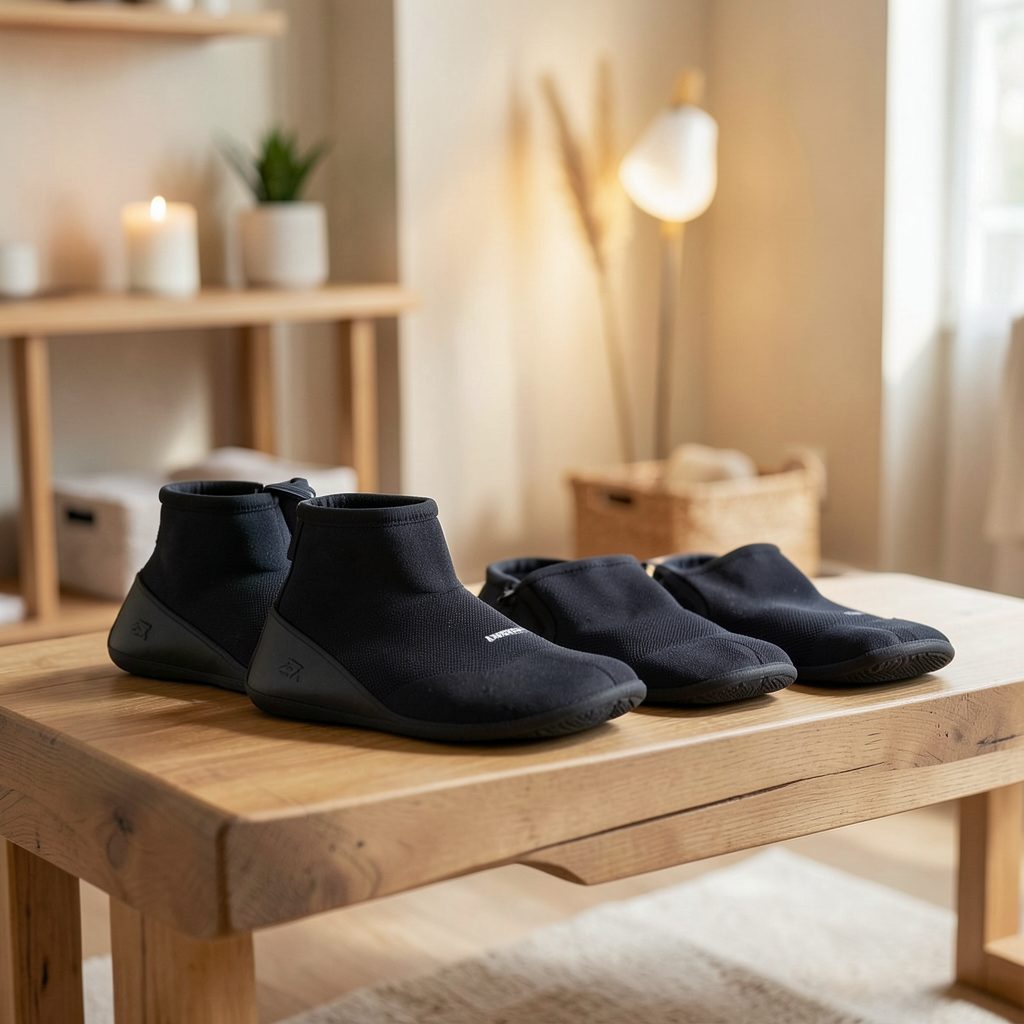
Compression therapy, including Normatec sessions, can be a practical option after demanding practices or games. Cryotherapy may appeal to athletes who want a brief, focused reset. Mobility exercises and controlled cooldowns can support range of motion and help athletes notice areas that need additional attention.
Recovery should complement training rather than replace medical care. Persistent pain, swelling, or a significant injury deserves evaluation from a qualified professional. Group wellness services are most effective when athletes use them as part of a thoughtful plan that includes sleep, hydration, nutrition, and appropriate training adjustments.
Connect Conditioning With Smarter Recovery
Athletes sometimes separate conditioning from recovery, even though the two influence each other. Better movement mechanics and controlled exercise can reduce unnecessary strain, while recovery allows the body to adapt to training. A balanced routine helps athletes pursue progress without treating exhaustion as the only sign of productive work.
Cycle and spin participants can benefit from paying attention to setup, posture, and technique. The Factory D1 Indy’s guidance on spin class form tips can help athletes protect their knees and lower back while building cardiovascular fitness. When technique and recovery are addressed together, participants may feel more capable during future classes.
The same idea applies to basketball training. Athletes who recover well are often better prepared to repeat high-quality movements, listen to coaching, and make decisions under pressure. Group recovery reinforces the idea that preparation includes what happens after the workout.
Build A Routine That Keeps Progress Visible
Motivation becomes stronger when athletes can see how recovery affects their participation. Keeping a simple record of energy, soreness, sleep, and training quality can reveal useful patterns. An athlete may notice that consistent recovery leads to sharper footwork, better concentration, or less stiffness at the next practice.
Group sessions can also create natural milestones. Teammates may attend after a tournament, complete a month of regular recovery, or establish a weekly routine during a busy season. These small markers offer encouragement without making every session dependent on a major performance result.
Athletes can strengthen the habit by choosing a realistic schedule:
- Attend one shared recovery session each week.
- Pair recovery with a regular practice, game, or cycle class.
- Use compression, mobility, or cryotherapy according to personal training needs.
- Track soreness and energy before changing training volume.
- Encourage teammates to treat recovery as part of preparation.
Let Community Support Long-Term Performance
A competitive environment can motivate athletes, but a supportive community helps them stay engaged over time. The Factory D1 Indy brings together youth participants, serious basketball players, recreational athletes, cyclists, and adults who want structured fitness. That variety allows people to find encouragement at different stages of their athletic development.
Competition can add another layer of motivation. Athletes who participate in Factory D1 leagues have regular opportunities to apply their training, assess their readiness, and reconnect with teammates. Recovery becomes more meaningful when it supports a clear goal, such as staying available for the next game or maintaining energy across a full season.
A shared recovery routine does not need to be complicated. Showing up consistently, using appropriate wellness tools, and encouraging others can create meaningful results. Athletes who make recovery a community habit give themselves a stronger foundation for performance, confidence, and long-term participation.
Make your next practice, class, or competition part of a complete training cycle by scheduling time to recover with other athletes at The Factory D1 Indy. Consistent support, purposeful wellness services, and a motivating athletic community can help you return ready for what comes next.
Inside The Factory

Three Entities, One Roof
Leagues
Eight league divisions span every age group: Indy Pro AM, 18+ Open Men's, 30+ Men's, Bite Size (ages 3–6), Impact League, 5th/6th Grade, Middle School, and High School. Gather your team and compete.
Training
Individual and group basketball training for all skill levels. Major M.O.V.E.S. Basketball Training serves ages 4–7 on Wednesday and Thursday evenings at 6:30 PM — $30 per session or $100 unlimited monthly.
Wellness & Recovery
Normatec boot recovery and cryotherapy treatments help athletes bounce back faster. Cycle and spin classes add a cardio dimension to the holistic performance approach.
Have a Question?