Train. Compete. Recover.
A multi-purpose athletic facility in Speedway, Indiana — basketball leagues, skill training, and wellness services all under one roof.
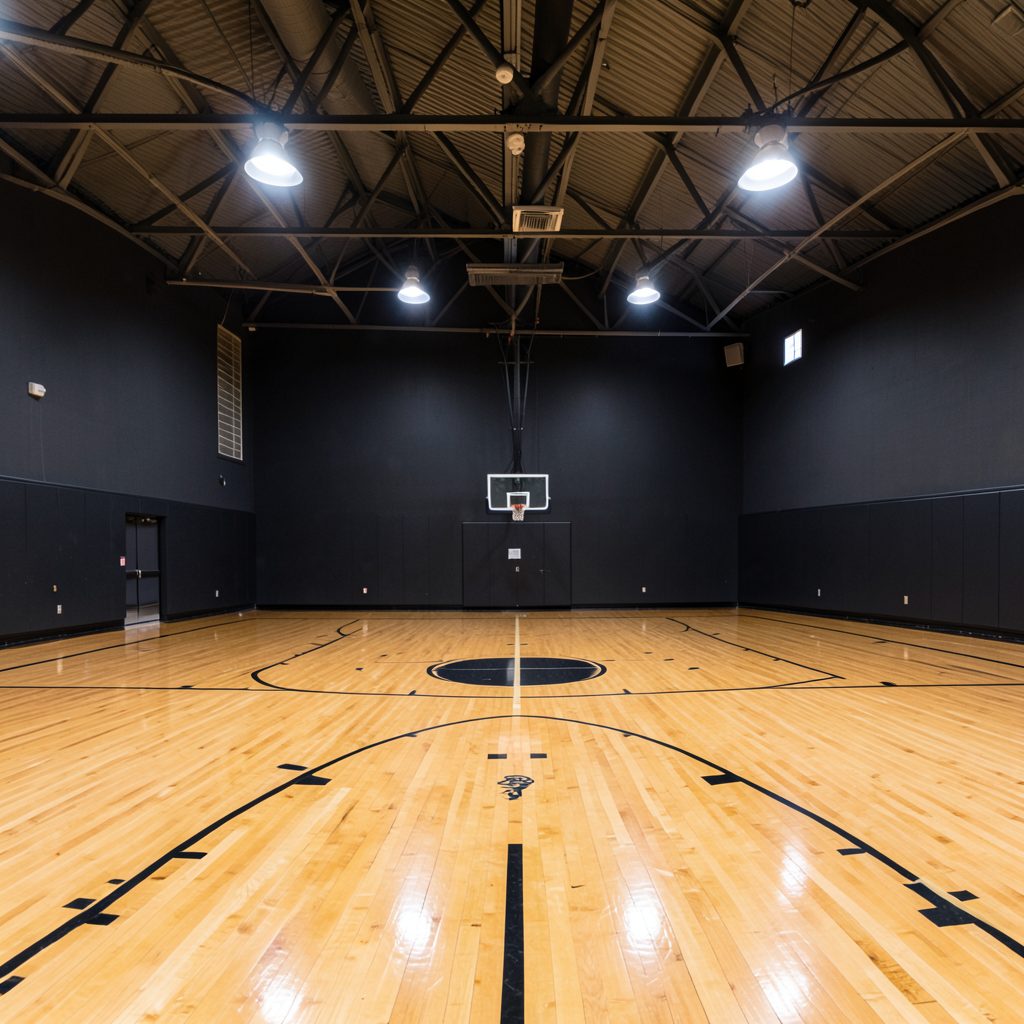
The Factory D1 Indy brings together three entities under one roof: competitive basketball leagues for all age groups, individual and group training, and wellness & recovery services including Normatec boot recovery and cryotherapy. Located off I-465 and High School Road at 6331 Crawfordsville Road, Speedway, Indiana 46224.
Get In TouchHydration And Better Normatec Recovery Results
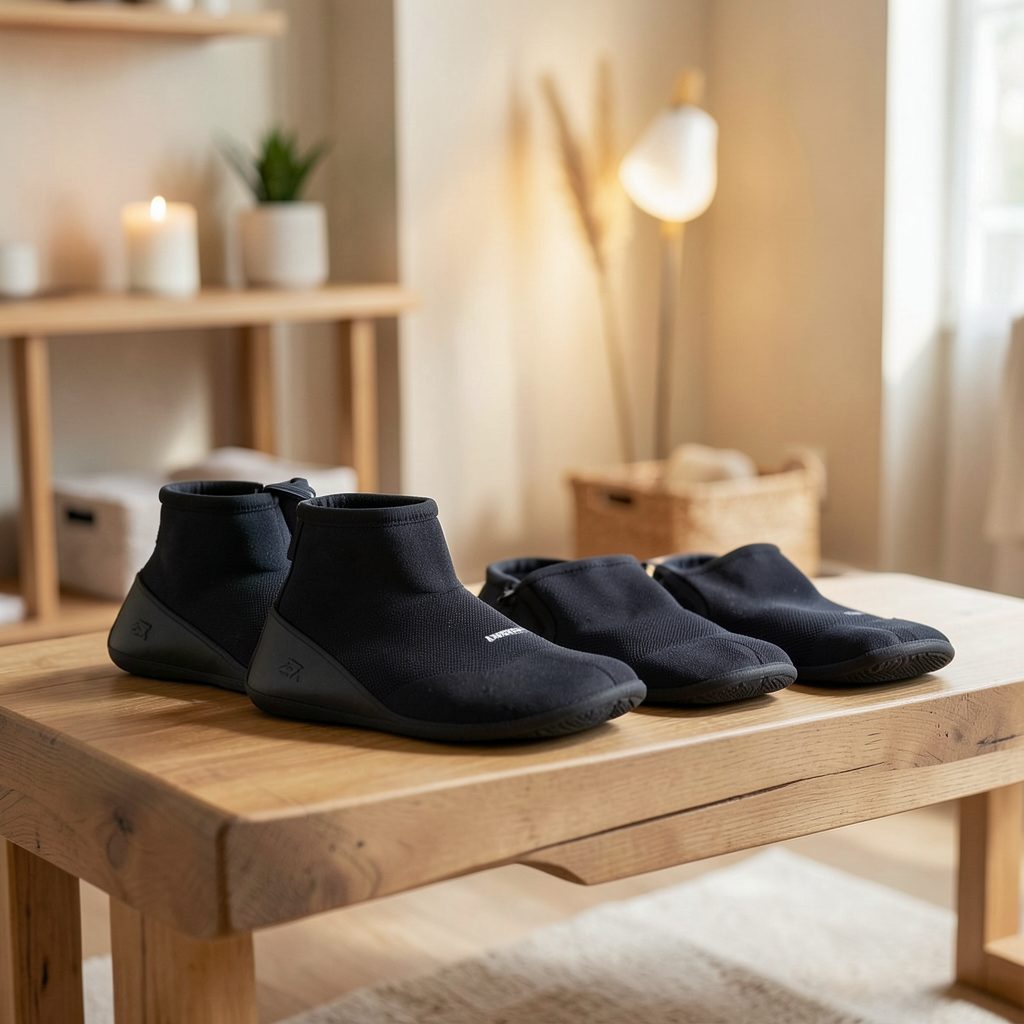
Hydration is a simple part of athletic recovery, yet it can be overlooked when the focus is on training load, compression technology or stretching. Normatec compression uses sequential pneumatic pressure to gently compress the limbs, supporting circulation and helping athletes feel less heavy or tight after demanding activity. Adequate fluid intake helps your body manage that recovery process more comfortably.
For athletes in Australia, hydration needs can change quickly. A hot basketball session in Brisbane, a long netball tournament in Melbourne or an outdoor cricket match in Perth can produce very different fluid losses. Understanding how to drink before, during and after a Normatec session helps you build a recovery routine that supports performance without relying on guesswork.
How Fluids Support Compression Therapy
Normatec systems use inflatable chambers that apply and release pressure in a sequence, generally moving from the feet or hands towards the heart. This rhythmic compression can encourage venous return and help reduce the sensation of swelling or post-training heaviness. Hydration supports normal blood volume and circulation, which are important foundations for comfortable recovery.
Drinking water does not make compression therapy a cure-all, and it cannot replace sleep, nutrition or appropriate medical care. It does, however, help your body function normally while you recover. A useful overview of the technology is available in this guide to Normatec compression therapy, which explains what happens during a session and why athletes use it.
Start Hydrating Before Training
Arriving at a recovery session already dehydrated can make the experience less comfortable. Signs may include a dry mouth, headache, darker urine, unusual fatigue or a noticeable drop in training quality. Begin drinking steadily during the day instead of consuming a large amount immediately before compression, as excessive fluid intake can leave you feeling bloated.
Your pre-session plan should reflect the workout ahead. A recreational basketball player may need a modest amount of water before a short skills session, while an athlete preparing for several games at a weekend tournament will have greater demands. In Australia, where summer heat can make indoor courts surprisingly warm, carrying a reusable bottle and drinking regularly is often more practical than relying on thirst alone.
Match Electrolytes To Sweat Loss
Sweat contains water and electrolytes such as sodium. For a short, low-intensity Normatec appointment, plain water is usually sufficient for many people. Longer training sessions, repeated games and high-heat conditions may require a drink or meal that replaces some sodium and other electrolytes lost through perspiration.
This does not mean every athlete needs a brightly coloured sports drink. A normal meal, milk-based drink or electrolyte product may suit different situations. Athletes training outdoors in Darwin’s humidity or during a hot Adelaide summer may sweat heavily, while someone completing a brief indoor session in Hobart may have far lower needs. Consider session length, temperature, sweat rate and your own experience rather than following a one-size-fits-all formula.
Drink During The Recovery Session
Most Normatec sessions are passive, so you do not need to drink continuously as though you were competing. Keep a bottle nearby and take small sips if you are thirsty. Slow, regular intake is generally more comfortable than quickly consuming a large volume while your legs are being compressed.
If you have just finished a hard workout, your thirst may become more noticeable once you sit down. This is a good time to replace fluids gradually and pair them with a recovery snack containing carbohydrate and protein. For example, yoghurt with fruit, a sandwich or a balanced smoothie can support energy restoration while water addresses fluid needs.
Rehydrate After Demanding Sessions
Post-training hydration is especially important when your next session is scheduled soon. A player completing two basketball games in one day, a cyclist attending a spin class before work or a junior athlete travelling between fixtures needs to restore what was lost rather than simply stopping once the session ends.
Urine colour can provide a rough day-to-day indicator, although it is affected by foods, supplements and medications. Weighing yourself before and after particularly long or hot sessions may help identify patterns in sweat loss, but it should be done sensibly and without becoming obsessive. If your weight changes significantly after exercise, a sports dietitian can help create a more precise rehydration plan.
Adjust The Routine For Your Body
Age, body size, fitness, medication, illness and medical history all influence fluid requirements. Children and teenagers need guidance from parents, coaches and qualified health professionals, particularly during hot-weather sport. Older adults may not experience thirst as strongly and may benefit from scheduled drinking throughout the day.
Anyone with kidney, heart or endocrine conditions should seek individual medical advice before deliberately increasing fluid or electrolyte intake. Normatec compression may also be unsuitable for some people with circulation disorders, blood clots or other medical concerns. A qualified clinician should assess those risks before treatment, especially when swelling is unexplained, one-sided or painful.
Combine Hydration With A Complete Recovery Plan
Hydration works best as part of a broader routine that includes adequate food, sleep, mobility work and sensible training progression. Compression may help athletes feel ready to move, but it should not be used to mask an injury or justify returning to full intensity before the body is prepared. Pain, persistent swelling or reduced function deserves professional assessment.
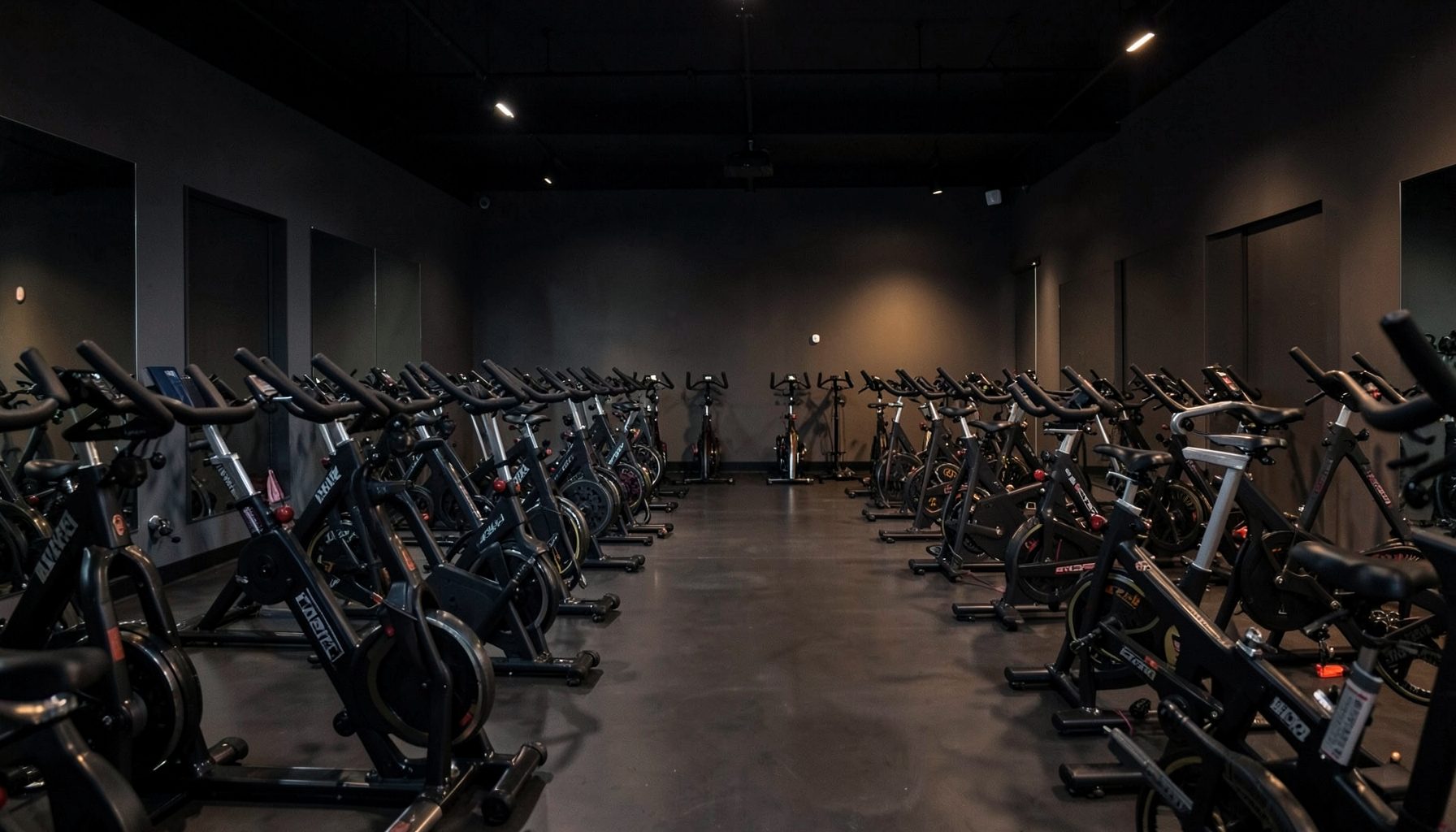
A facility such as The Factory D1 Indy brings training, competitive sport, spin classes and recovery services together, giving athletes a place to make these habits consistent. Australian athletes can also adapt the same approach around local schedules, from early-morning sessions before a Sydney commute to evening competitions after school in regional Victoria. The digital magazine offers additional material for people interested in training and recovery education.
Build A Practical Hydration Habit
A reliable routine is easier to maintain when it fits ordinary life. Fill your bottle before leaving home, drink with meals, keep fluids available at training and check how you feel after sessions. During hot Australian months, store water where it will stay cool and plan extra access when travelling to courts, ovals or tournament venues.
Avoid treating hydration as a performance competition. More water is not automatically better, and excessive intake without adequate sodium can be dangerous. Aim for steady, comfortable drinking, respond to changing conditions and use professional guidance when your sweat losses or health needs are unusual.
Make your next Normatec session part of a complete recovery plan: arrive hydrated, bring a bottle, replace fluids after training and record what works across different temperatures and workloads. Book a recovery appointment or explore the available training and wellness services at The Factory D1 Indy to turn better hydration habits into a consistent part of your athletic routine.
Inside The Factory

Three Entities, One Roof
Leagues
Eight league divisions span every age group: Indy Pro AM, 18+ Open Men's, 30+ Men's, Bite Size (ages 3–6), Impact League, 5th/6th Grade, Middle School, and High School. Gather your team and compete.
Training
Individual and group basketball training for all skill levels. Major M.O.V.E.S. Basketball Training serves ages 4–7 on Wednesday and Thursday evenings at 6:30 PM — $30 per session or $100 unlimited monthly.
Wellness & Recovery
Normatec boot recovery and cryotherapy treatments help athletes bounce back faster. Cycle and spin classes add a cardio dimension to the holistic performance approach.
Have a Question?