Train. Compete. Recover.
A multi-purpose athletic facility in Speedway, Indiana — basketball leagues, skill training, and wellness services all under one roof.
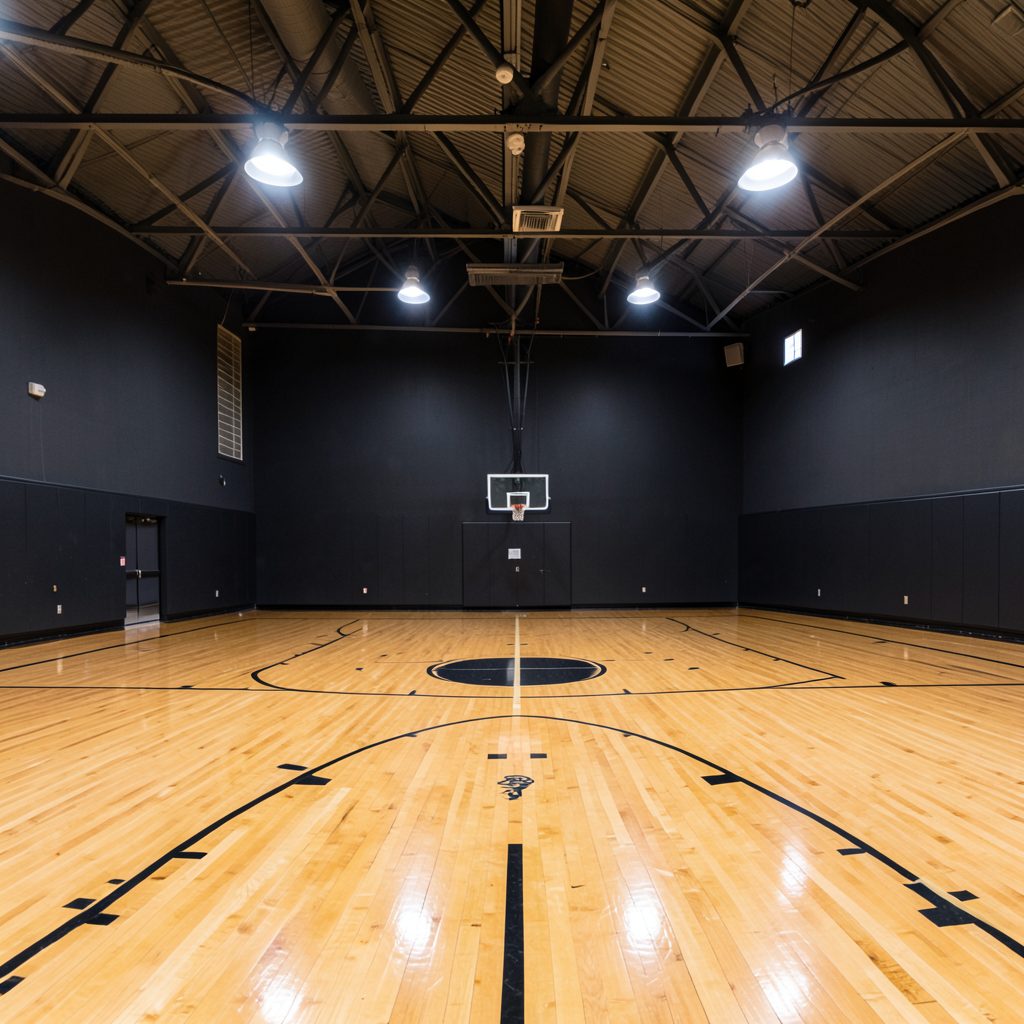
The Factory D1 Indy brings together three entities under one roof: competitive basketball leagues for all age groups, individual and group training, and wellness & recovery services including Normatec boot recovery and cryotherapy. Located off I-465 and High School Road at 6331 Crawfordsville Road, Speedway, Indiana 46224.
Get In TouchProtein Timing For Better Post-Workout Recovery
Training gains are built after the workout as much as during it. Basketball athletes, spin participants, and active adults place stress on muscle tissue, connective tissue, and energy systems every time they practice, compete, or condition. Recovery nutrition helps the body respond to that stress and prepare for the next session.
Protein timing in post-workout recovery refers to when protein is consumed in relation to training. The timing matters, but it works best as part of a larger plan that includes sufficient daily protein, carbohydrates, fluids, sleep, and appropriately spaced workouts.
At The Factory D1 Indy, athletes can combine skills training, competitive play, cycling, and recovery services in one athletic environment. Understanding how to refuel after each session can make that schedule more sustainable and support consistent performance over time.
Why Post-Workout Protein Matters
Exercise increases the need for amino acids, the building blocks used to repair and maintain muscle. Resistance work, repeated jumping, sprinting, and basketball contact can all create a meaningful recovery demand. A protein-rich meal or snack after training supplies amino acids when the body is beginning its repair process.
The familiar idea of a strict “anabolic window” has often been overstated. There is no need to consume a shake within a few minutes of the final whistle. Still, eating protein within a reasonable period after exercise is practical, especially when the next meal may be several hours away or when an athlete has another session later in the day.
Post-workout nutrition also supports preparation for the next practice. Protein helps preserve lean tissue, while carbohydrates restore glycogen used during court work, cycling, and conditioning. Combining both nutrients is usually more useful than focusing on protein in isolation.
The Recovery Window And Daily Intake
For many athletes, a post-workout meal or snack within about one to two hours is a sensible target. This window gives athletes flexibility while encouraging a consistent recovery habit. Someone who ate a balanced meal shortly before training may not need an immediate large serving, while an athlete who trained several hours after eating may benefit from refueling sooner.
Total daily protein intake remains the foundation. Spreading moderate servings across breakfast, lunch, dinner, and snacks can provide a steadier supply of amino acids than eating nearly all protein at one meal. A general sports nutrition range often used for active people is approximately 1.2 to 2.0 grams of protein per kilogram of body weight per day, though individual needs vary by age, body size, training volume, goals, and health status.
Young athletes need special care. They are still growing and should not follow aggressive diets or supplement routines without guidance from a qualified healthcare professional or sports dietitian. Food-first choices, regular meals, and adequate energy are more important than chasing a precise number.
Match Protein To Training Demands
A light skills session, an intense league game, and a demanding spin class do not place identical demands on the body. A player finishing a high-volume basketball workout may need a substantial meal with protein and carbohydrates. Someone completing a shorter technical session may be comfortable with a smaller snack before the next meal.
A practical serving for many adults is roughly 20 to 40 grams of high-quality protein after a challenging session. The right amount depends on body size and the total meal pattern. Examples include Greek yogurt with fruit, eggs and whole-grain toast, chicken with rice, tofu with noodles, cottage cheese and berries, or a smoothie made with milk or a fortified alternative.
Training schedules should also influence meal timing. Athletes with early practice may need a portable breakfast afterward, while those attending evening leagues may benefit from preparing dinner in advance. This weekly training schedule guide can help families think about how workouts, meals, school, and rest fit together.
Protein Options At A Glance
Convenience is important when athletes move from the court to school, work, or another appointment. A recovery choice should be easy to digest, realistic for the schedule, and compatible with personal preferences or dietary restrictions. Whole foods are excellent, while a shake or bar can be useful when a full meal is not immediately available.
| Recovery option | Approximate protein | Helpful pairing |
|---|---|---|
| Greek yogurt with berries | 15–20 g | Fruit or granola for carbohydrates |
| Two eggs with toast | 12–14 g | Additional yogurt or milk if needed |
| Turkey or chicken sandwich | 20–30 g | Whole-grain bread and fruit |
| Milk or soy smoothie | 15–30 g | Banana, oats, or nut butter |
| Tofu and rice bowl | 20–30 g | Vegetables and a carbohydrate source |
| Cottage cheese with fruit | 20–25 g | Crackers, oats, or granola |
Protein powders are optional, not essential. They can help with portability and portion control, but athletes should select products carefully and avoid treating supplements as a replacement for regular meals. Anyone with allergies, kidney disease, digestive concerns, or other medical conditions should seek individualized advice before making major dietary changes.
Combine Refueling With Recovery Services
Nutrition is one part of post-workout recovery. Hydration, a gradual cooldown, mobility work, sleep, and sensible training progression also affect how an athlete feels at the next session. A protein snack cannot compensate for consistently inadequate rest or an overloaded schedule.
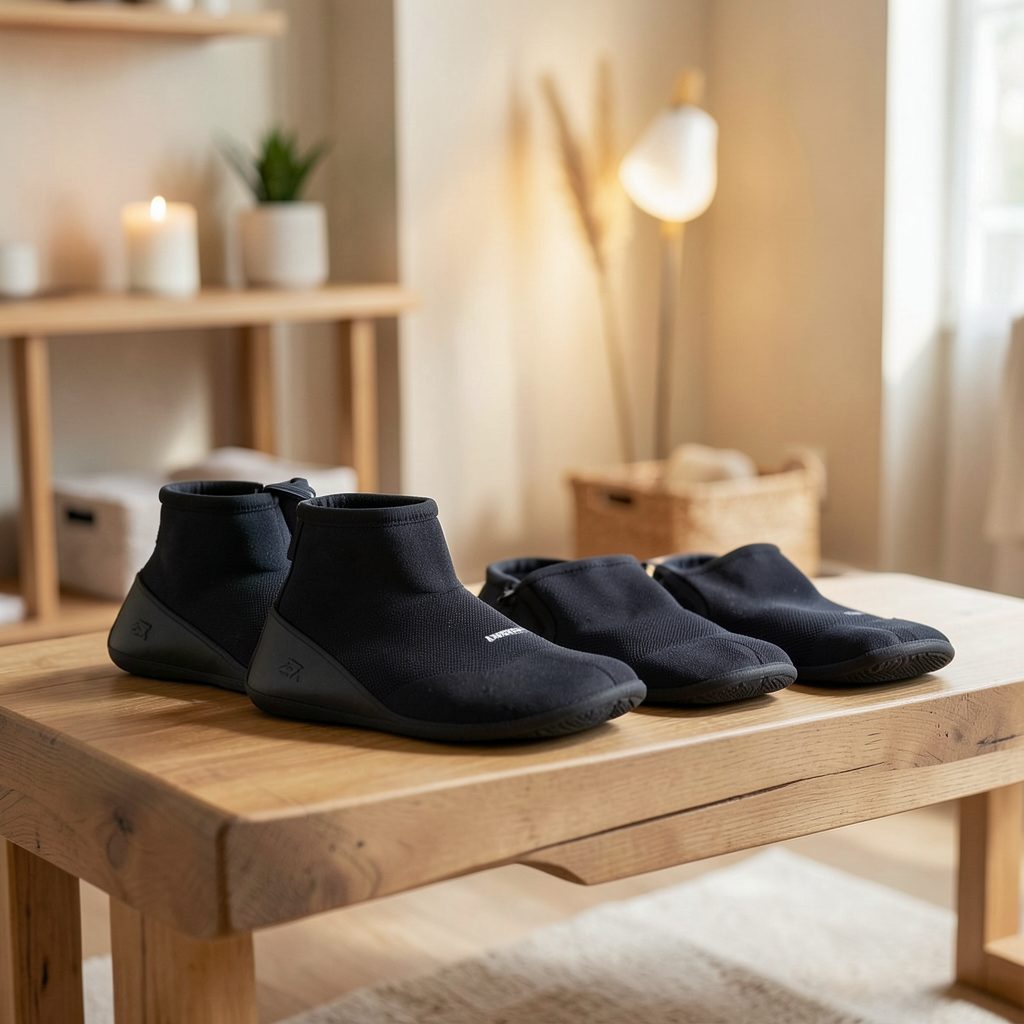
The Factory D1 Indy offers options that can complement a structured recovery routine, including Normatec compression therapy and cryotherapy. These services may be used as part of an athlete’s broader wellness plan, but they should not replace food, fluids, medical care, or professional evaluation of pain and injury. Staff guidance can help participants understand how recovery services fit around training.
Timing matters when athletes have multiple commitments. A player might finish a basketball workout, drink water, eat a portable protein-and-carbohydrate snack, and then use a recovery service before heading home. Planning these steps in advance reduces the chance of skipping food during a busy day.
Make Recovery Consistent Across The Week
The best nutrition strategy is one an athlete can repeat. Keeping shelf-stable snacks in a gym bag, packing meals the night before, and identifying reliable options at home can make post-workout fueling automatic. Families can also coordinate meal preparation around practices and league games rather than relying on last-minute choices.
Athletes should pay attention to how different foods affect energy, comfort, and digestion. A heavy meal may work well after training but feel uncomfortable immediately before practice. Likewise, a dairy-based option may not suit everyone. Personal tolerance, cultural preferences, budget, and access all belong in the plan.
A coach, registered dietitian, or healthcare professional can provide more specific guidance when an athlete has a performance goal, recurring fatigue, an injury, a food allergy, or a medical condition. Younger players should involve parents or guardians in decisions about supplements and major changes to eating habits.
Practical Recovery Habits
A simple routine can connect protein timing with the rest of an athlete’s training plan:
- Prepare a protein-and-carbohydrate snack before leaving for practice or a league game.
- Aim to eat a balanced meal or snack within one to two hours after demanding exercise.
- Distribute protein across the day instead of saving most of it for dinner.
- Replace fluids lost during training and include carbohydrates after high-intensity sessions.
- Track energy, soreness, digestion, and sleep to identify patterns that may need professional attention.
Consistency is more valuable than perfection. Missing an ideal timing window occasionally will not erase progress, especially when daily nutrition remains adequate. The goal is to create dependable habits that support skill development, competition, conditioning, and recovery across the full week.
To build a training and recovery routine around basketball, cycling, wellness services, or league participation, contact The Factory D1 Indy and learn how the facility can support your next session.
Inside The Factory

Three Entities, One Roof
Leagues
Eight league divisions span every age group: Indy Pro AM, 18+ Open Men's, 30+ Men's, Bite Size (ages 3–6), Impact League, 5th/6th Grade, Middle School, and High School. Gather your team and compete.
Training
Individual and group basketball training for all skill levels. Major M.O.V.E.S. Basketball Training serves ages 4–7 on Wednesday and Thursday evenings at 6:30 PM — $30 per session or $100 unlimited monthly.
Wellness & Recovery
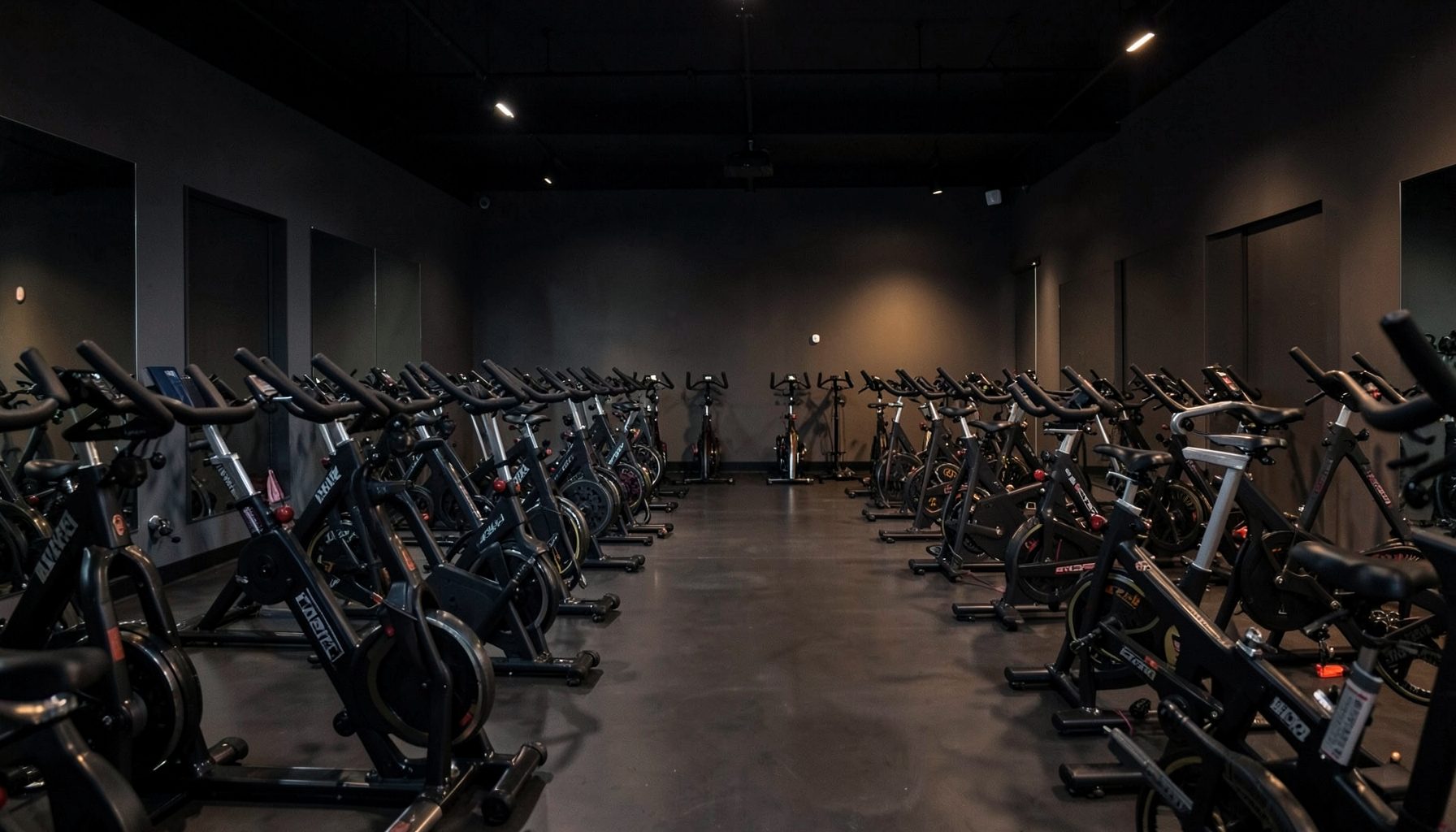
Normatec boot recovery and cryotherapy treatments help athletes bounce back faster. Cycle and spin classes add a cardio dimension to the holistic performance approach.
Have a Question?