Train. Compete. Recover.
A multi-purpose athletic facility in Speedway, Indiana — basketball leagues, skill training, and wellness services all under one roof.
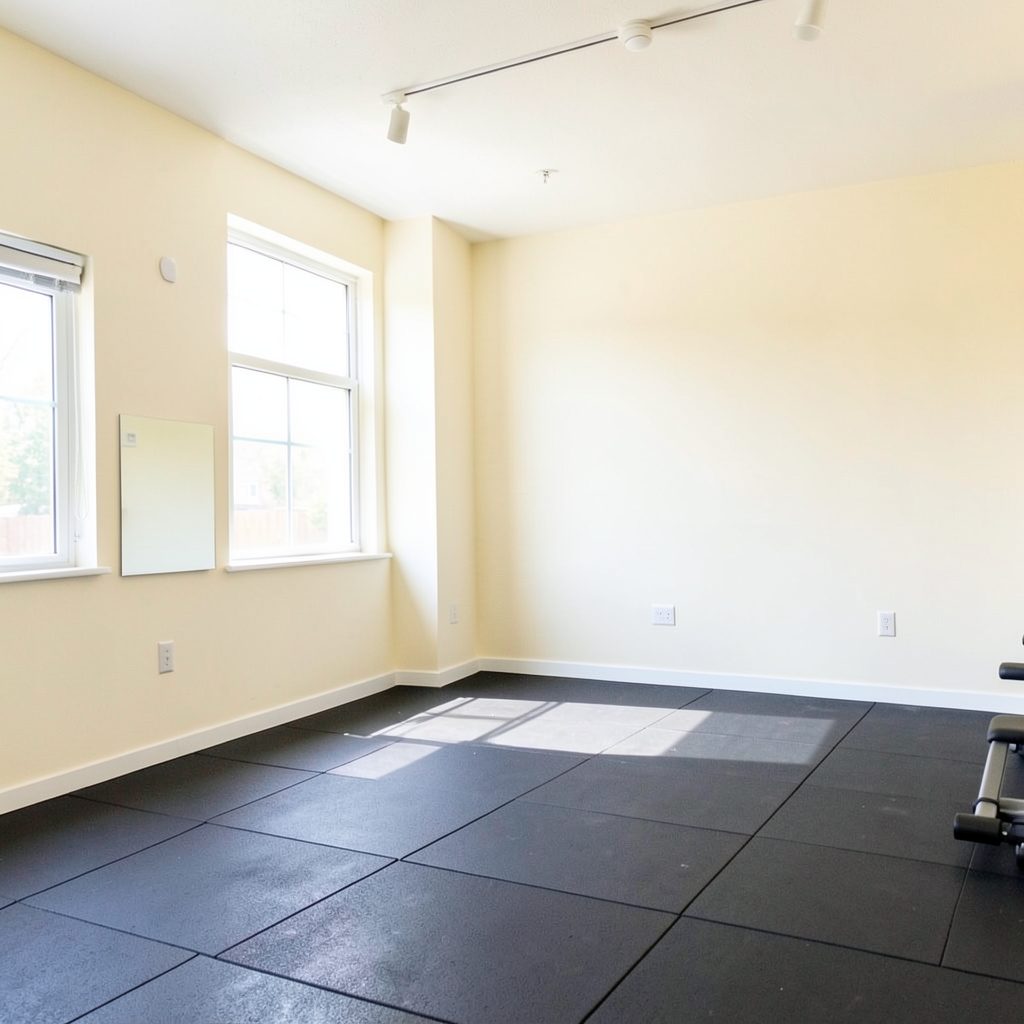
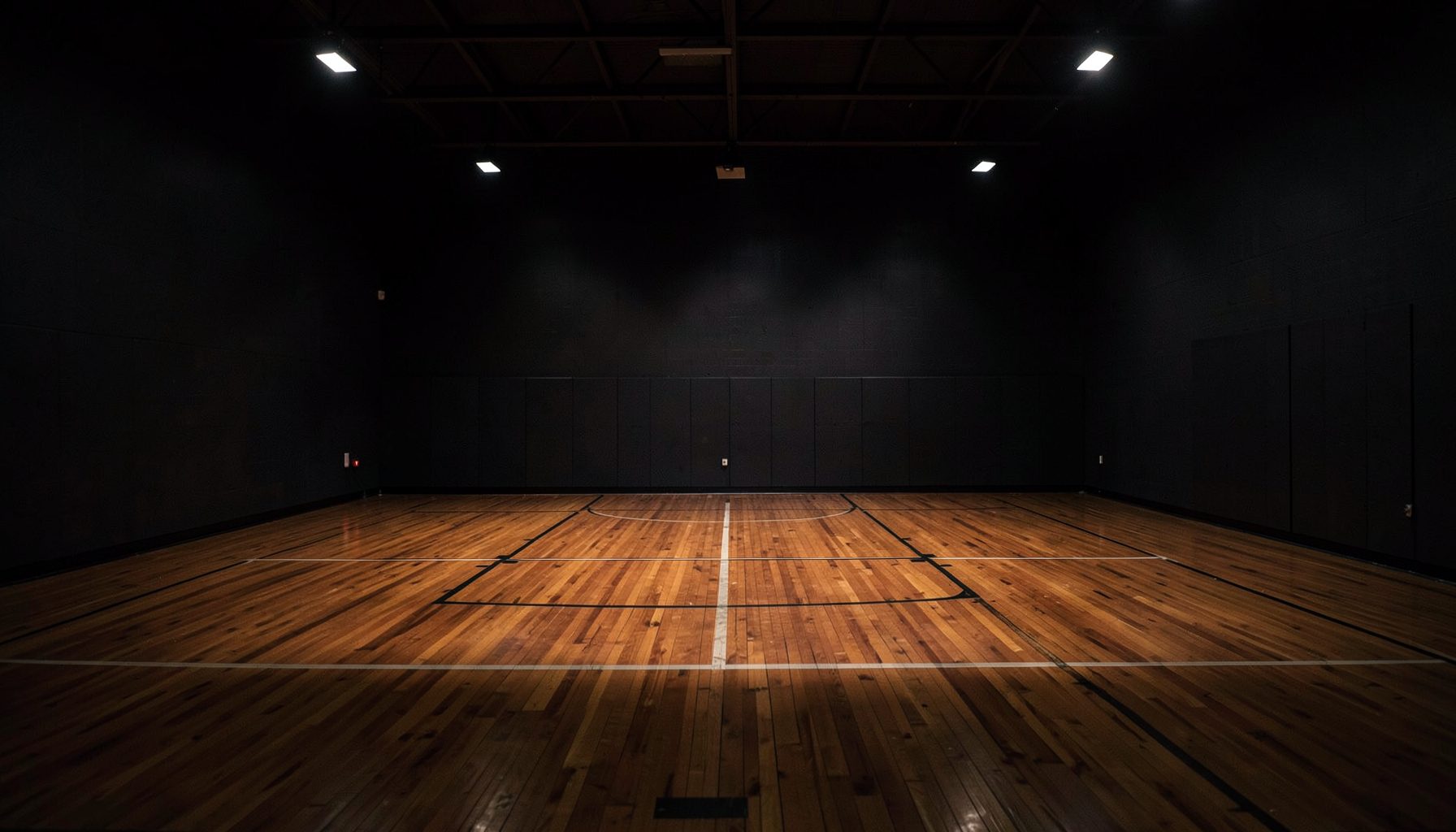
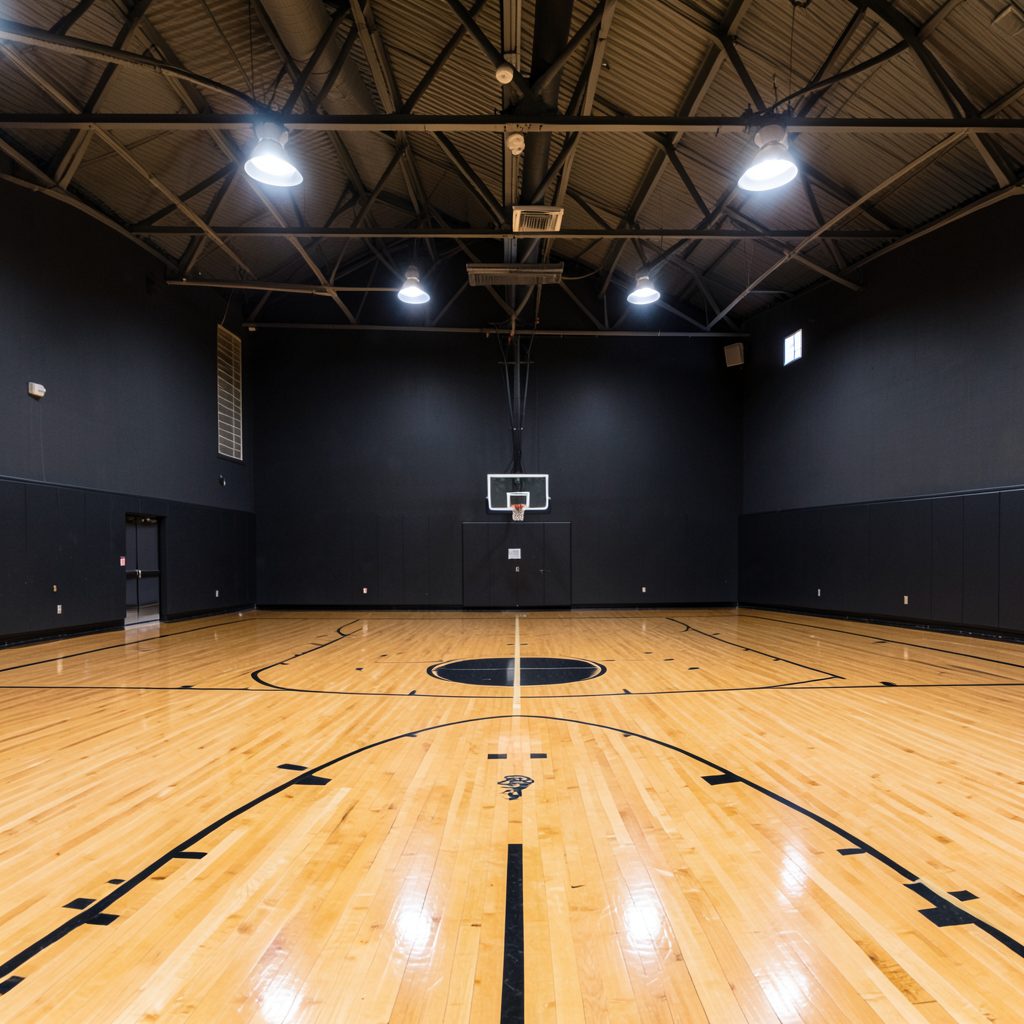
The Factory D1 Indy brings together three entities under one roof: competitive basketball leagues for all age groups, individual and group training, and wellness & recovery services including Normatec boot recovery and cryotherapy. Located off I-465 and High School Road at 6331 Crawfordsville Road, Speedway, Indiana 46224.
Get In TouchCryotherapy and DOMS: What the Science Shows
Many athletes know the pattern: a session featuring sprints, hills or unusually heavy resistance leaves them stiff and tender a day or two later. That delayed reaction can be discouraging, especially when training, work and family commitments leave little room to slow down. It also raises a practical question about whether cooling the body can make the next session feel more manageable.
The science behind cryotherapy's effects on delayed-onset muscle soreness is more useful when separated from marketing. Cold exposure can influence pain perception, blood flow and the tissue's response to stress, but it does not erase exercise-induced damage or replace proper load management. Its value depends on timing, the athlete's health and what happens around the session.
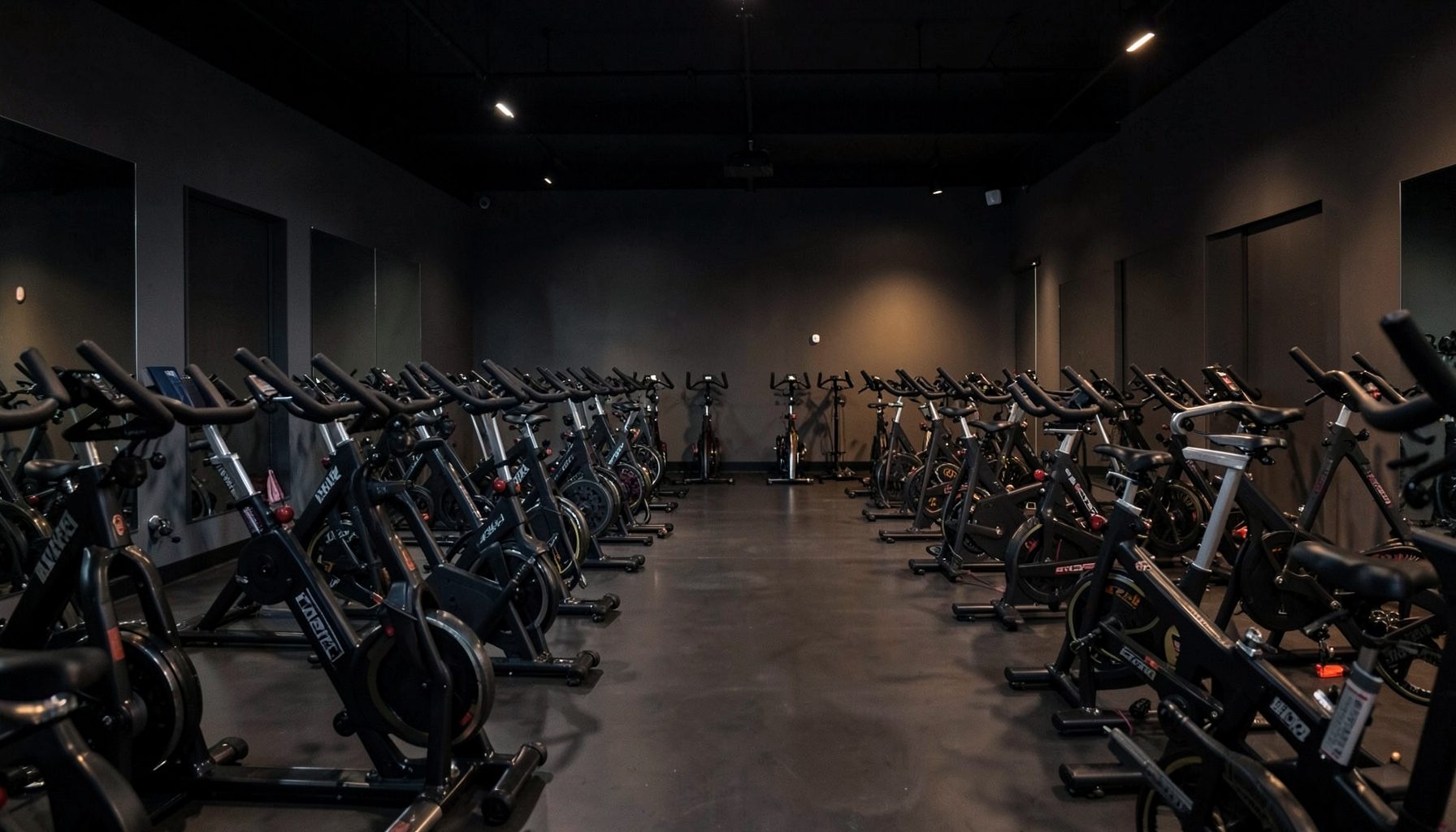
The Factory D1 Indy in Speedway, Indiana, combines basketball training and competitive leagues with cycle classes, Normatec compression therapy and cryotherapy. That mix reflects a broader recovery model: performance work creates stress, while targeted recovery tools can help athletes prepare for another round without pretending that one technology controls the entire process.
For athletes in Australia, the context may sound familiar. Melbourne, Sydney and Brisbane each have busy gym, social-sport and outdoor-training cultures, from early-morning strength sessions to weekend cricket, netball, touch rugby and Aussie Rules. Many people fit exercise around work, school drop-offs and family life, making convenient recovery options appealing after demanding sessions.
What delayed-onset muscle soreness actually is
Delayed-onset muscle soreness, commonly called DOMS, usually appears 12 to 48 hours after exercise and can persist for several days. It is most common after unfamiliar or unusually demanding movements, particularly eccentric contractions, in which a muscle produces force while lengthening. Running downhill, jumping, heavy lifting and basketball drills involving repeated acceleration can all produce this response.
At a microscopic level, exercise can create small areas of muscle damage and trigger inflammation. Fluid accumulation and chemical signals sensitise pain receptors, making the muscle feel tender, tight or unusually heavy. The soreness itself is not a direct measure of tissue damage, however. Athletes can feel considerable discomfort while their muscles remain structurally sound, just as a relatively painless workout can still cause significant stress.
How cold exposure changes sore muscles
Cold exposure initially cools the skin and superficial tissues, causing blood vessels to narrow. This can reduce swelling and slow the transmission of pain signals by lowering nerve conduction velocity. The immediate effect often feels numbing, which explains why cold can provide rapid relief from soreness and stiffness.
More complex physiological changes occur with sustained whole-body cryotherapy. Lower tissue temperatures may reduce metabolic activity and the demand for energy during stressful conditions, while some inflammatory pathways temporarily slow. Once the body warms again, blood flow increases and movement may feel easier. Cold does not “flush out lactic acid,” as lactate is rapidly recycled and used as fuel; the more credible benefits relate to pain modulation, swelling and temporary changes in tissue temperature.
What the research says about recovery
Systematic reviews of whole-body cryotherapy generally suggest that it can produce a small-to-moderate reduction in perceived DOMS, particularly during the 24 to 48 hours after demanding exercise. Some protocols involving repeated treatments report stronger results than a single session, although outcomes vary between studies and athletes. The most defensible claim is that cold may improve short-term comfort rather than dramatically accelerate muscle repair.
The evidence for physical performance is less consistent. Very cold exposure can temporarily reduce strength, power or coordination for some people, making cryotherapy a poor choice immediately before an important competition. Objective measures such as swelling, muscle enzymes and inflammatory markers do not always change alongside the reported reduction in soreness. This explains why two athletes with the same workout can experience noticeably different results.
When cryotherapy fits into training
Cryotherapy is most relevant after a session that places substantial stress on the muscles, especially when an athlete is returning from a layoff, increasing running volume or trying a new strength programme. Using it selectively after such sessions may make movement more comfortable and support a consistent training rhythm. It should not be used to conceal severe pain or justify continuing at an unsafe intensity.
Soreness frequently increases when training load changes too quickly. A useful background resource on common training mistakes highlights why sudden jumps in volume, poor technique and inadequate recovery can compound fatigue. Progressive loading, sensible scheduling and attention to technique remain more valuable than any single recovery device.
Using recovery to support conditioning
Recovery work should complement conditioning rather than compete with it. Low-impact movement can maintain circulation and joint mobility without adding substantial mechanical stress. At The Factory D1 Indy, cycle classes use heart-rate training zones to vary intensity, allowing athletes to complete an aerobic session or active-recovery ride according to the demands of their programme.
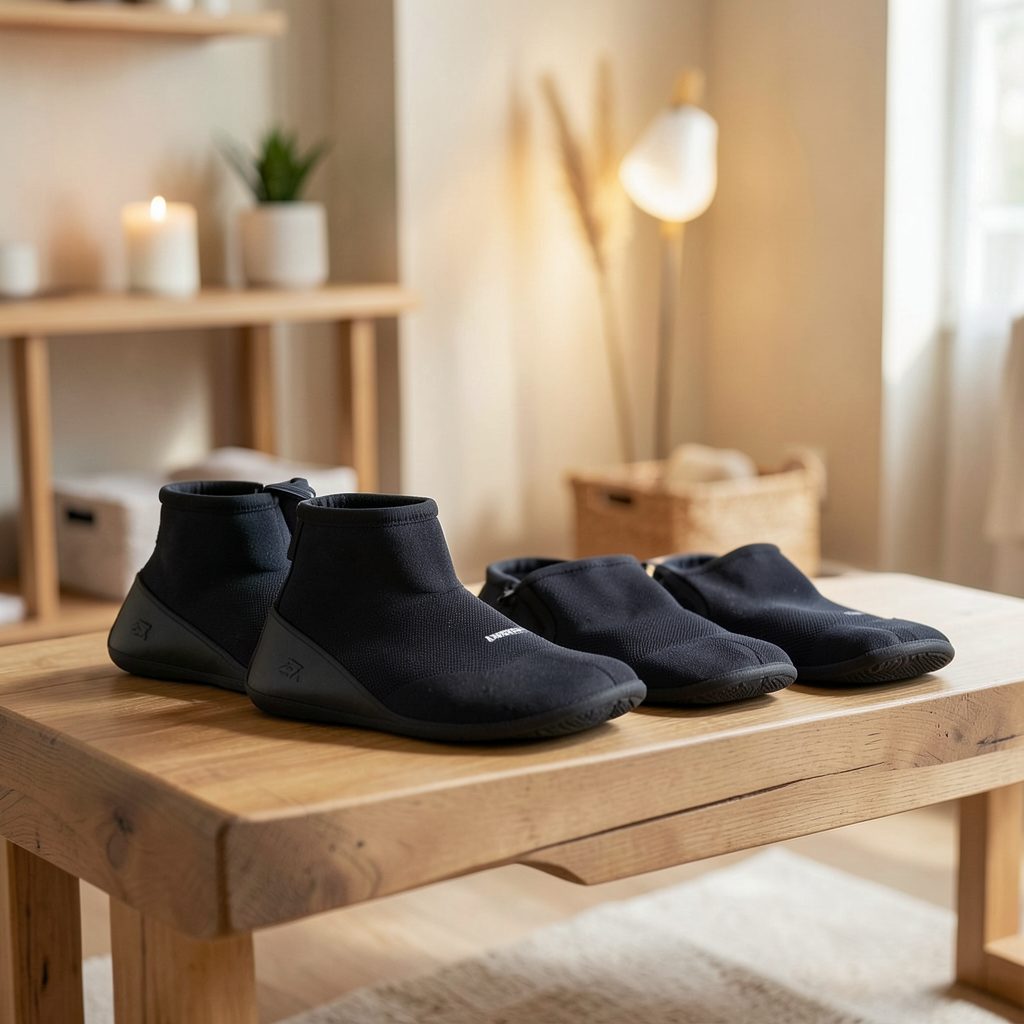
Normatec compression therapy offers a different mechanism from cold exposure. Sequential compression can create a relaxing massage effect and support temporary feelings of reduced tightness, while cryotherapy is primarily used for temperature-related effects. These options can be combined with ordinary recovery fundamentals: adequate sleep, regular meals, carbohydrate intake around demanding sessions, sufficient protein and fluids matched to sweat losses.
Safety and the Australian regulatory context
Screening and professional supervision are essential. People with Raynaud's phenomenon, cold urticaria, cryoglobulinemia, impaired circulation, certain cardiovascular conditions or a history of cold sensitivity should obtain medical advice before using cryotherapy. Athletes should also avoid exposure when they have impaired sensation, fever or unexplained illness, and they should follow instructions concerning clothing, session duration and controlled breathing.
Hot weather adds another important consideration. Brisbane’s humid summers, Sydney’s summer heat and Melbourne’s sudden temperature changes can make chilled recovery appealing, but cryotherapy is not a treatment for heat exhaustion or heatstroke. An athlete showing confusion, collapse, vomiting or altered behaviour needs urgent cooling and emergency assistance; in Australia, call 000 without delay.
Australia’s sports-recovery market includes compression garments, recovery drinks, massage devices and temperature-based products sold through gyms and online retailers. The Therapeutic Goods Administration regulates relevant therapeutic goods, while medical-device claims may trigger the Therapeutic Goods (Medical Devices) Regulations 2002 and Australian Register of Therapeutic Goods requirements. Sound evidence, accurate advertising and appropriate safety controls matter when recovery services are presented as supporting health or performance.
Building a recovery routine that matches your goals
A useful routine starts with the training plan rather than the recovery machine. Athletes can record their workload, soreness and sleep, then use cryotherapy selectively after the sessions that create the greatest muscle stress. Rewarming gradually, eating a balanced meal, replacing fluids and completing light mobility work can help the body transition back to normal. The aim is not to eliminate every trace of soreness, since some discomfort can provide useful feedback about fitness and workload.
The Factory D1 Indy offers basketball development, competitive leagues, cycle training, Normatec compression and cryotherapy within one facility. To discuss the recovery options that suit your training schedule, contact the team and arrange a session.
Inside The Factory

Three Entities, One Roof
Leagues
Eight league divisions span every age group: Indy Pro AM, 18+ Open Men's, 30+ Men's, Bite Size (ages 3–6), Impact League, 5th/6th Grade, Middle School, and High School. Gather your team and compete.
Training
Individual and group basketball training for all skill levels. Major M.O.V.E.S. Basketball Training serves ages 4–7 on Wednesday and Thursday evenings at 6:30 PM — $30 per session or $100 unlimited monthly.
Wellness & Recovery
Normatec boot recovery and cryotherapy treatments help athletes bounce back faster. Cycle and spin classes add a cardio dimension to the holistic performance approach.
Have a Question?