Train. Compete. Recover.
A multi-purpose athletic facility in Speedway, Indiana — basketball leagues, skill training, and wellness services all under one roof.
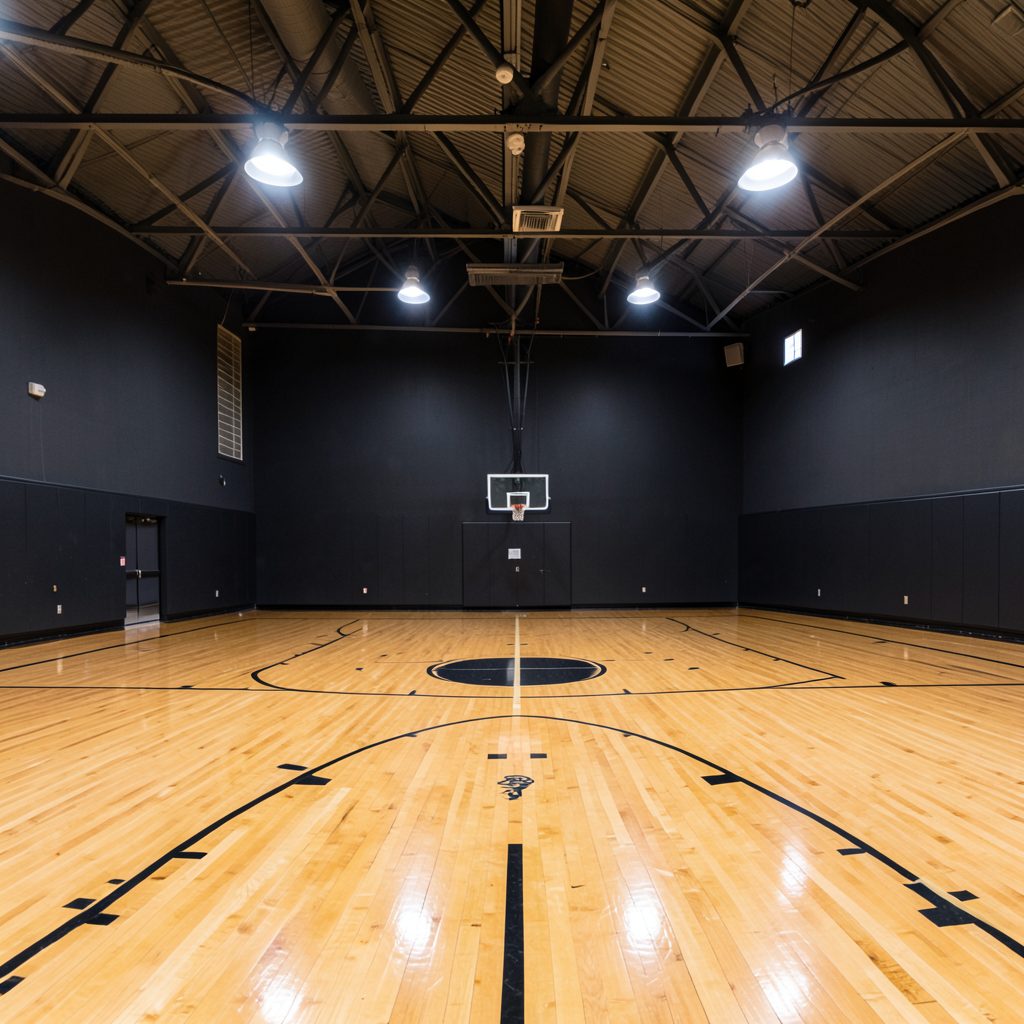
The Factory D1 Indy brings together three entities under one roof: competitive basketball leagues for all age groups, individual and group training, and wellness & recovery services including Normatec boot recovery and cryotherapy. Located off I-465 and High School Road at 6331 Crawfordsville Road, Speedway, Indiana 46224.
Get In TouchChoosing the right basketball training program for your child
Finding a basketball program for your child involves more than choosing the closest gym or the most competitive schedule. The right environment should match the athlete’s age, experience, personality, goals, and available time. A strong fit can build skills while keeping practices enjoyable and sustainable.
Children develop at different rates, even when they are the same age. Some need basic coordination and confidence, while others are ready for advanced footwork, position-specific instruction, or organized competition. A thoughtful selection process helps families avoid programs that are either too easy, too intense, or poorly aligned with a young athlete’s needs.
At The Factory D1 Indy in Speedway, Indiana, families can explore basketball skills training, youth programs, and leagues for multiple age groups in a community-centered athletic setting. Comparing program details before enrolling makes it easier to identify an option that supports both immediate development and long-term enjoyment of the sport.
Start with your child’s current needs
Begin by identifying what your child actually wants from basketball. A beginner may be looking for a fun first experience, better coordination, or a chance to make friends. A more experienced player may want stronger ball-handling, improved shooting mechanics, defensive instruction, or preparation for school-team tryouts.
Your child’s confidence level matters as much as their technical ability. A highly competitive program may motivate an eager athlete, but it can overwhelm someone who is still learning basic movement patterns. Ask whether your child enjoys competition, prefers structured instruction, or responds better to encouraging group activities.
It is also useful to consider physical development. Younger children often benefit from age-appropriate games that develop balance, spatial awareness, and fundamental movement. Older athletes may be ready for more repetitions, tactical instruction, conditioning, and feedback on details such as shooting form or defensive positioning.
Examine the coaching approach
A qualified coach should be able to teach skills clearly, demonstrate techniques, and adapt instruction for different ability levels. Look for programs where coaches explain why a movement matters instead of simply running players through drills. Good instruction helps children understand how practice skills transfer to game situations.
Pay attention to the balance between correction and encouragement. Young athletes need honest feedback, but constant criticism can reduce confidence and make practice feel stressful. Coaches should set standards while recognizing effort, progress, teamwork, and responsible behavior.
Ask about group size and individual attention. A large class may offer energy and social interaction, yet it can limit the number of meaningful repetitions each player receives. Smaller groups or individual basketball training can provide more targeted coaching, while group sessions may be ideal for athletes who learn through shared competition and team activities.
Compare formats, schedules, and goals
Basketball programs can include private lessons, small-group skills sessions, seasonal leagues, camps, open gyms, and developmental youth classes. Each format serves a different purpose. Private coaching may address a specific weakness, while leagues teach spacing, communication, decision-making, and composure under pressure.
Schedule is another practical consideration. A program that requires an exhausting commute or conflicts with school responsibilities may become difficult to maintain. Consistency usually matters more than choosing the most advanced option available. A manageable weekly routine gives children time to practice, recover, and remain engaged.
Use the comparison below to organize your priorities before contacting a facility or registering for a session.
| Program format | Best suited for | Main benefits | Questions to ask |
|---|---|---|---|
| Individual training | Athletes with specific goals | Personalized feedback and focused repetition | Does the coach tailor drills to the player? |
| Small-group skills training | Players who want instruction and peer energy | More repetitions with controlled competition | How many athletes participate in each group? |
| Youth development program | Beginners and younger children | Foundational movement, confidence, and enjoyment | Are activities appropriate for the age group? |
| Competitive league | Players ready for regular games | Decision-making, teamwork, and game experience | Are teams balanced by age and ability? |
| Adult or family-oriented facility programs | Families seeking broader fitness options | Convenient access to training and conditioning | Can basketball activities fit with other services? |
Look for development beyond shooting drills
A complete basketball curriculum should address more than scoring. Ball control, passing, footwork, rebounding, defensive stance, closeouts, balance, and decision-making all contribute to a well-rounded player. Training should gradually connect individual skills to realistic game situations.
Conditioning may also be part of a suitable program, especially for older athletes. However, physical training should be age-appropriate and supervised. Children need instruction in safe movement, proper warmups, hydration, and recovery rather than excessive workloads designed for adults.
Recovery deserves attention when practices, leagues, and other activities fill the week. At a facility that offers wellness services, families may have access to options that support an athlete’s broader routine. Learning about recovery strategies, including how foam rolling and compression may be used together, can help parents make informed decisions about post-training care.
Consider the facility and its culture
The atmosphere of a sports facility can shape how children feel about participating. During a visit, observe whether athletes are treated respectfully, whether staff communicate clearly, and whether the space appears organized and safe. A positive culture encourages children to work hard without making every session feel like a test.
Community matters, especially for families who want basketball to become a lasting part of their routine. A multi-purpose facility such as The Factory D1 Indy can provide opportunities to move between skill development, competitive leagues, conditioning, cycling, and wellness services as a child’s needs change.
Safety policies should be clear. Ask about supervision, emergency procedures, coach credentials, equipment maintenance, and how injuries are handled. Parents should also understand whether staff track attendance, communicate schedule changes, and provide a direct contact for questions.
Review the details before enrolling
Before committing, read the program description carefully and ask for information that may not appear online. Clarify age ranges, experience requirements, session length, registration deadlines, equipment needs, makeup policies, and total costs. If a program includes a league, ask how teams are formed and how playing time is managed.
A trial session, facility tour, or conversation with a program coordinator can reveal whether the environment feels appropriate. Invite your child into the decision, too. Their preferences can provide valuable insight into whether they are likely to attend consistently and participate with enthusiasm.
Practical checks for families
- Match the program level to your child’s current ability, not just their future ambitions.
- Choose a schedule that leaves room for school, sleep, unstructured play, and recovery.
- Confirm that coaches provide age-appropriate instruction and meaningful feedback.
- Look for a balance of technical skills, teamwork, game awareness, and physical development.
- Reassess the fit after several weeks and adjust the format if motivation or progress declines.
The best basketball training choice may change over time. A young beginner could start in a developmental group, add individual instruction after learning the basics, and later join a league for game experience. This gradual pathway allows skills and confidence to grow together instead of forcing a child into a competitive setting too soon.
Families in and around Speedway can explore the basketball programs and athletic services at The Factory D1 Indy to find an option that fits their child’s goals, schedule, and stage of development. Review the available programs, speak with the team, and take the next step toward a training experience your child can enjoy and build upon.
Inside The Factory
Three Entities, One Roof
Leagues
Eight league divisions span every age group: Indy Pro AM, 18+ Open Men's, 30+ Men's, Bite Size (ages 3–6), Impact League, 5th/6th Grade, Middle School, and High School. Gather your team and compete.
Training
Individual and group basketball training for all skill levels. Major M.O.V.E.S. Basketball Training serves ages 4–7 on Wednesday and Thursday evenings at 6:30 PM — $30 per session or $100 unlimited monthly.
Wellness & Recovery
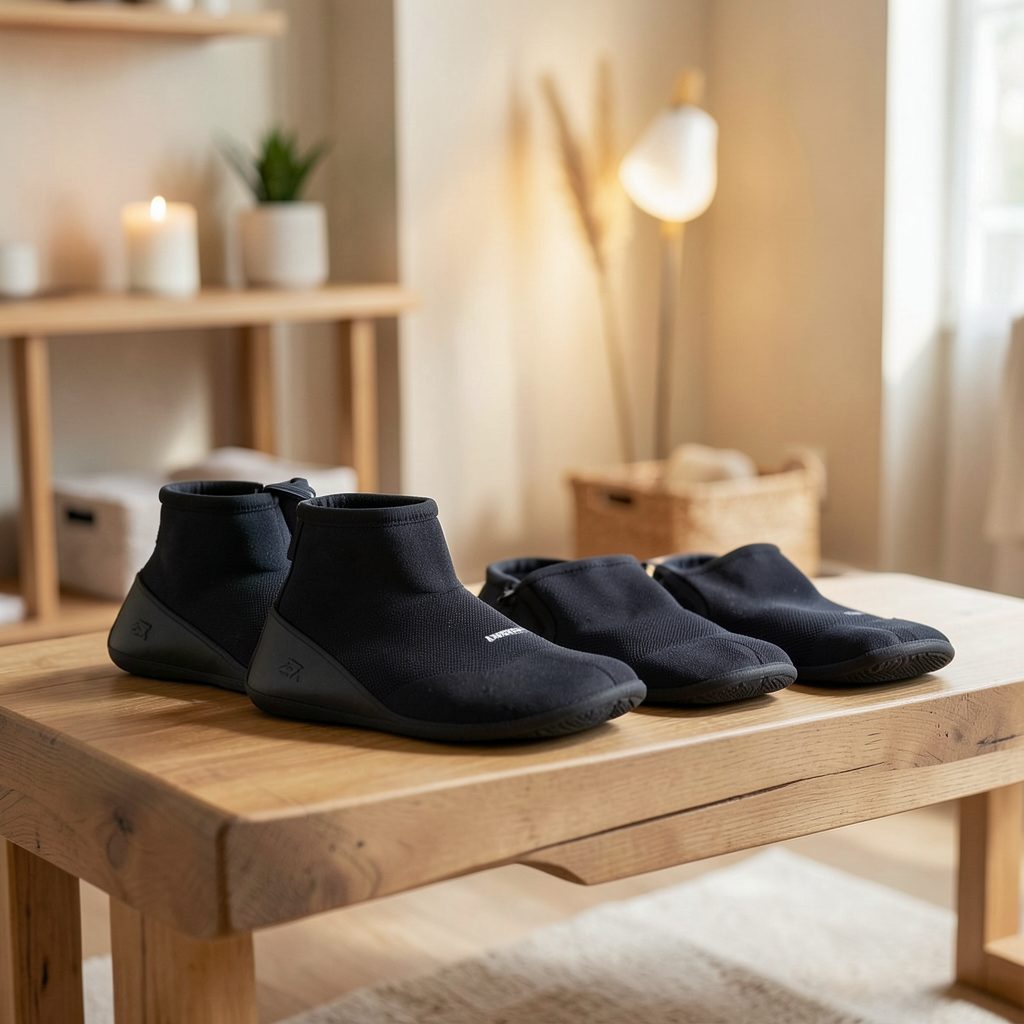
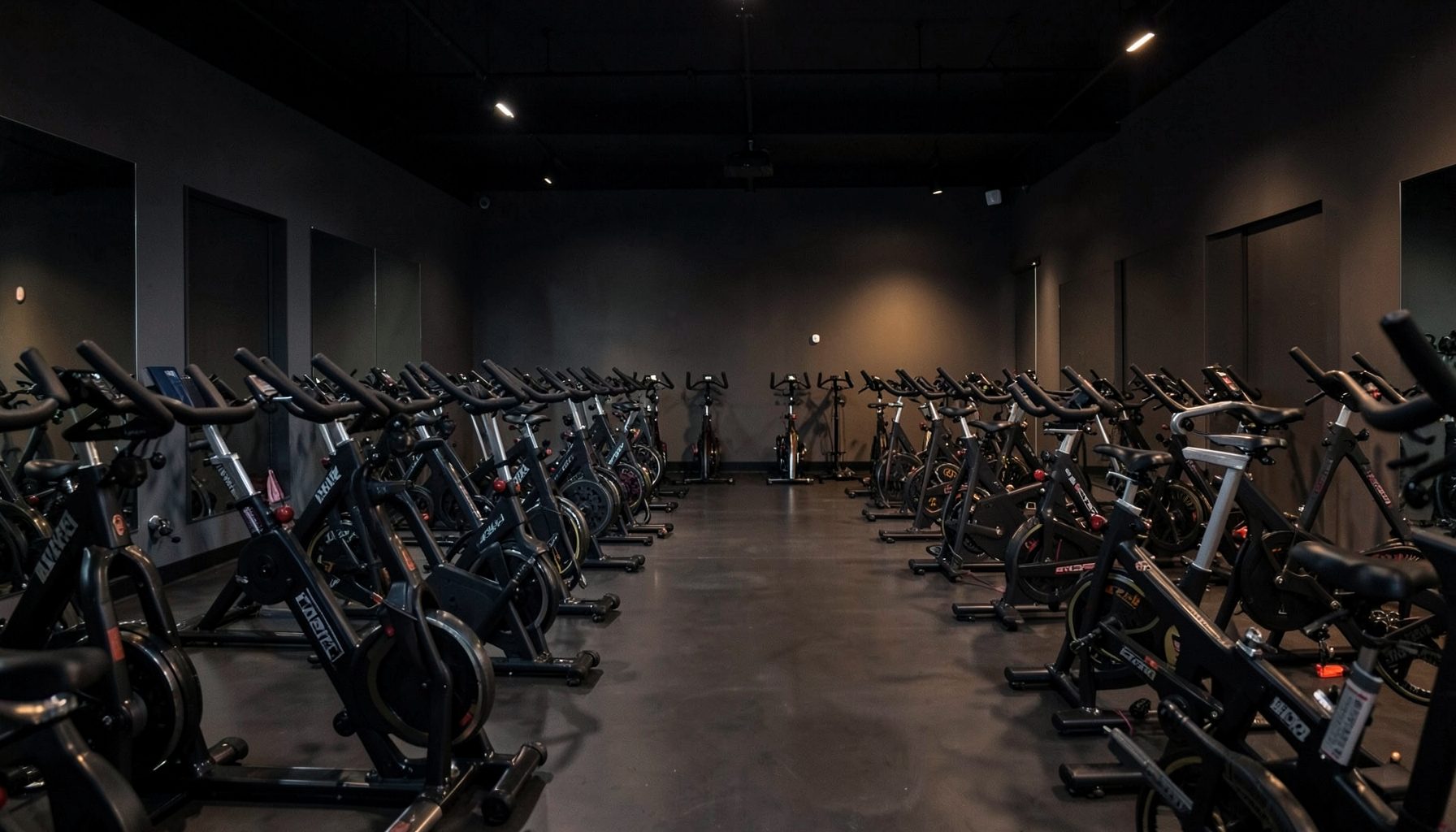
Normatec boot recovery and cryotherapy treatments help athletes bounce back faster. Cycle and spin classes add a cardio dimension to the holistic performance approach.
Have a Question?