Train. Compete. Recover.
A multi-purpose athletic facility in Speedway, Indiana — basketball leagues, skill training, and wellness services all under one roof.
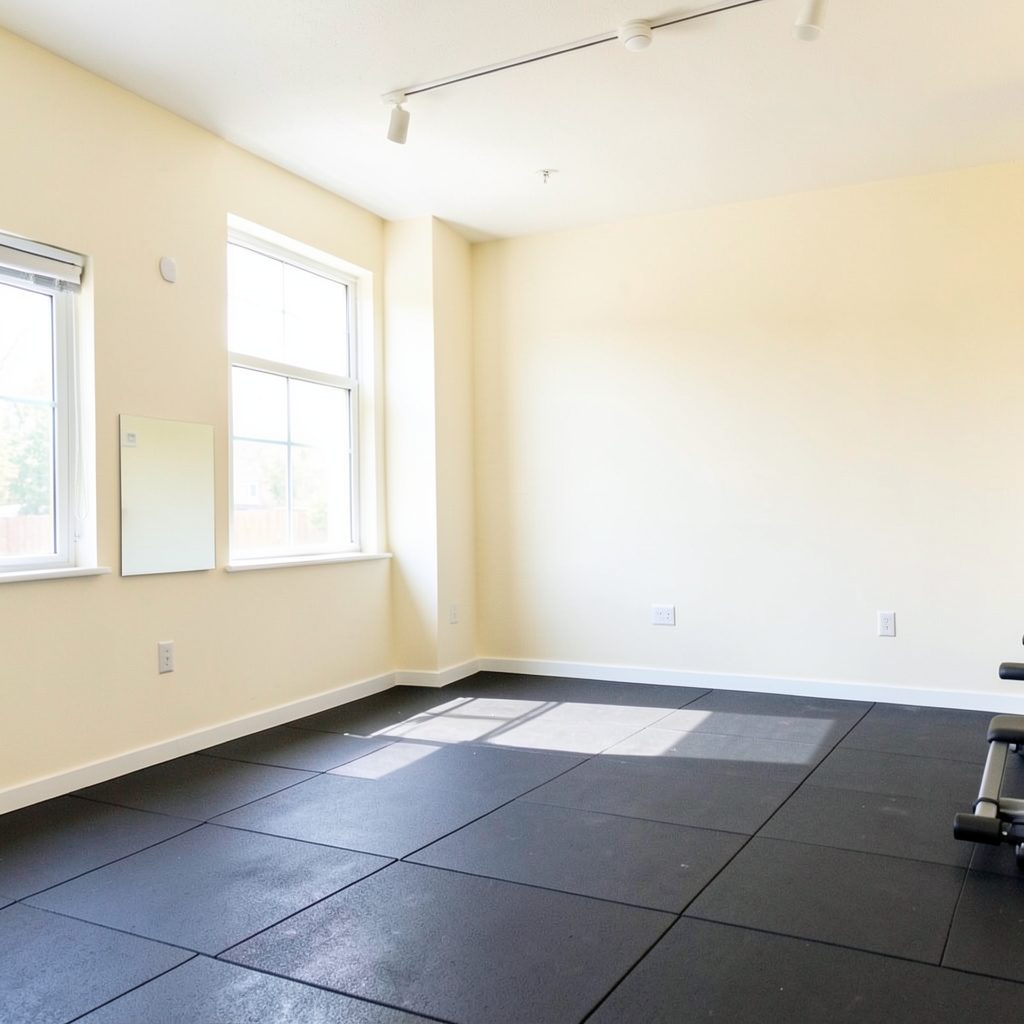
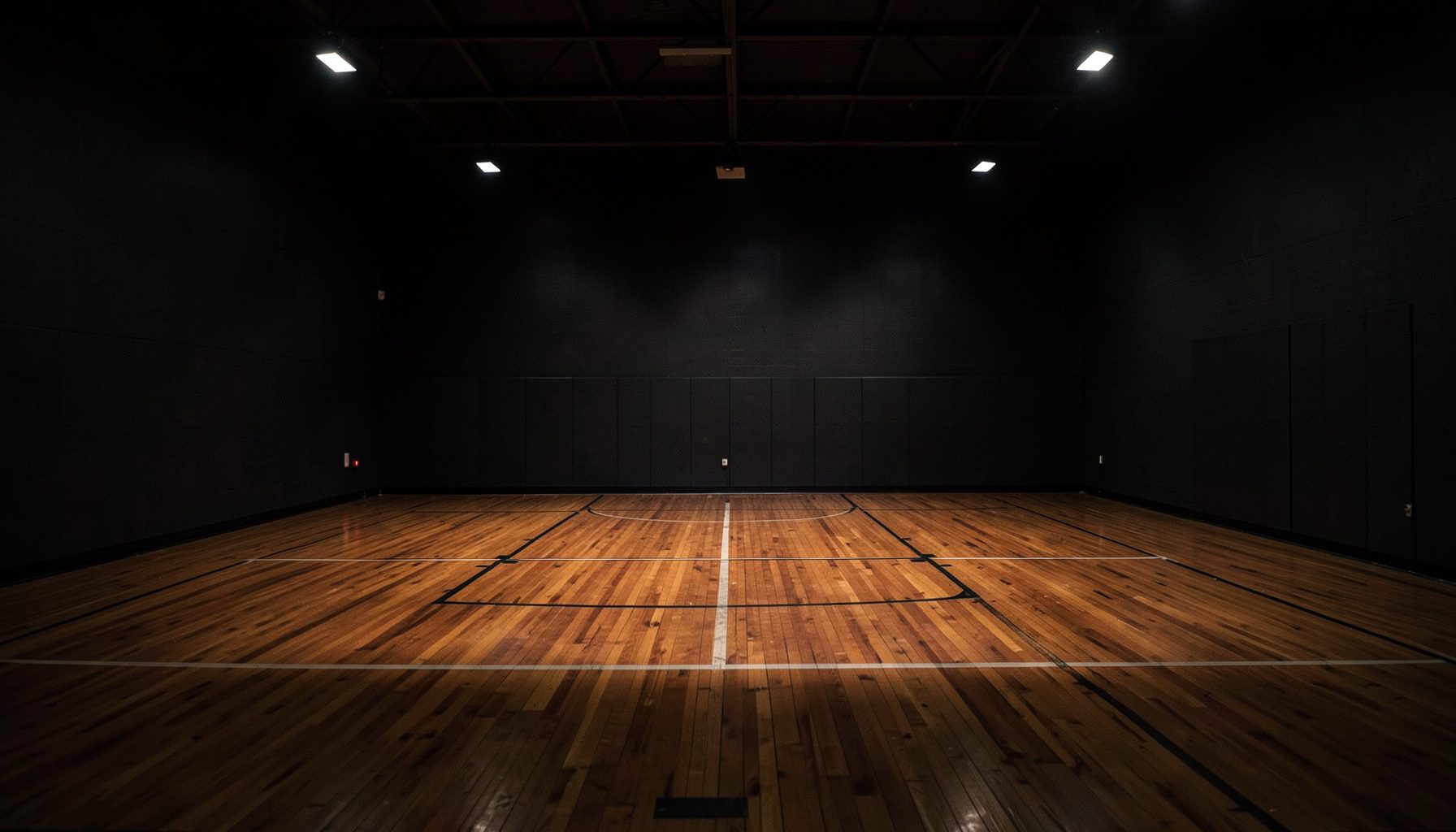
The Factory D1 Indy brings together three entities under one roof: competitive basketball leagues for all age groups, individual and group training, and wellness & recovery services including Normatec boot recovery and cryotherapy. Located off I-465 and High School Road at 6331 Crawfordsville Road, Speedway, Indiana 46224.
Get In TouchHelping Young Athletes Build Character Through Competition
Youth sports can teach far more than shooting technique, defensive positioning, or how to keep score. A league gives children regular opportunities to practice patience, responsibility, cooperation, and respect while working toward a shared goal. Parents play a central role in shaping those lessons because children often copy the attitudes they see before, during, and after a game.
Sportsmanship develops through repeated choices: encouraging a teammate, accepting a referee’s decision, helping an opponent up, and responding calmly after a mistake. These habits do not appear automatically when a child puts on a uniform. They grow when adults set clear expectations and reinforce the behaviors that make competition healthy.
A positive youth league culture benefits every athlete, from beginners learning the rules to experienced players pursuing stronger competition. The Factory D1 Indy provides a community-oriented setting for basketball training, leagues, conditioning, and wellness, making it a natural environment for families to support athletic growth alongside personal development.
Define What Good Sportsmanship Looks Like
Children need specific examples rather than broad instructions to “be respectful.” Before the season begins, explain that sportsmanship includes listening to coaches, following league rules, treating officials politely, sharing the ball, and congratulating opponents. A young player should understand that effort and attitude matter even when the final score is disappointing.
Keep the conversation age-appropriate. Younger athletes may respond best to simple phrases such as “play fair,” “help your teammates,” and “stay positive.” Older players can discuss accountability, emotional control, and the difference between assertive play and unsportsmanlike conduct.
Parents can also create a family standard for behavior in the stands. Agree that cheering will focus on effort, teamwork, and good plays rather than criticizing referees or opposing players. When expectations are stated before an emotional game, children are more likely to recognize them when pressure rises.
Praise Effort, Choices, And Teamwork
The questions parents ask after a game can shape what children believe matters. Asking only about points, wins, or playing time may unintentionally suggest that personal statistics define success. Try asking what the athlete learned, which teammate made a helpful play, or how the team responded after facing adversity.
Specific praise is more useful than general approval. “You kept hustling after missing that shot” identifies a controllable behavior. “You encouraged your teammate after the turnover” reinforces empathy and leadership. This kind of feedback helps young athletes connect sportsmanship with everyday actions rather than viewing it as a slogan.
A child may perform well and still show poor conduct, or play a limited role while demonstrating excellent character. Recognizing both dimensions gives athletes a broader definition of achievement. It also supports a growth mindset, where mistakes become opportunities to improve instead of evidence that a player has failed.
Model Composure From The Sidelines
Children notice adult reactions quickly. A parent who argues with officials, complains about coaching decisions, or mocks an opposing team sends a stronger message than any pregame lecture about respect. Staying composed does not mean ignoring an obvious concern; it means addressing concerns through the appropriate channel and at an appropriate time.
Use the sideline as a place for encouragement rather than instruction. Coaches are responsible for tactical guidance during a game, while parents can reinforce confidence with short, supportive comments. Shouting multiple directions may confuse a player and increase anxiety, especially when the athlete is already trying to process a fast-moving situation.
After a difficult contest, allow emotions to settle before reviewing what happened. A calm ride home is often more productive than an immediate critique. If a conversation is needed, focus on decisions within the athlete’s control, such as preparation, communication, and response to mistakes.
Teach Respect Through Everyday Game Moments
Sportsmanship is easiest to teach when parents connect it to specific situations. A child who disagrees with a call can learn to move on and keep playing. A player who wins comfortably can practice humility by acknowledging the opponent’s effort. A team that loses can demonstrate resilience by thanking opponents and leaving the court with dignity.
The fundamentals of basketball also provide frequent character lessons. Passing creates opportunities for others, defensive effort may not appear in the box score, and learning proper technique requires patience. Parents can reinforce the value of steady development by sharing resources such as fundamentals before winning, especially when a child becomes overly focused on immediate results.
Encourage children to notice positive actions from every participant, not just star players. A well-timed screen, a helpful substitution, or a teammate’s calm communication can influence a game. Learning to recognize these contributions helps athletes appreciate roles that may not receive public attention.
| Game situation | Helpful parent response | Lesson for the athlete |
|---|---|---|
| A referee makes a disputed call | Encourage the child to reset and play the next possession | Respect and emotional control |
| The athlete misses an important shot | Praise preparation and effort rather than criticizing the result | Resilience and confidence |
| A teammate makes repeated errors | Remind the child to communicate supportively | Empathy and collaboration |
| The team wins by a wide margin | Encourage gratitude and respectful celebration | Humility and consideration |
| Playing time feels unfair | Listen first, then suggest a calm conversation with the coach | Advocacy and accountability |
Handle Conflict Without Escalating It
Conflict can arise between teammates, coaches, officials, and families. Parents should help children distinguish between a frustrating moment and a serious concern. A missed call or disagreement about a possession usually belongs within the normal flow of competition. Bullying, threats, discriminatory language, or unsafe conduct require prompt adult attention.
When a child reports a problem, listen without immediately assigning blame. Ask what happened, who was involved, and how the situation affected them. This approach gives the athlete a chance to describe events accurately while learning that concerns can be addressed without insults or public confrontation.
If a coach or league official needs to be contacted, use a calm and private conversation. Describe observable behavior, explain the concern, and focus on a constructive resolution. Parents who model respectful communication show children that standing up for themselves does not require hostility.
Build A Team Culture Beyond The Score
A strong league environment grows when families support more than their own child. Arriving prepared, helping with shared responsibilities, welcoming new players, and respecting facility guidelines all contribute to a sense of belonging. These small acts communicate that a team is a community rather than a collection of individual performers.
Parents can encourage athletes to learn teammates’ names, include quieter players in conversations, and celebrate improvement across the roster. Carpooling, team meals, or brief postgame acknowledgments can also create connections, provided participation remains comfortable and inclusive for every family.
Training and competition should leave room for recovery and balance. Young athletes benefit from rest, hydration, and attention to physical well-being, particularly during busy seasons. A family that values healthy routines sends the message that long-term development matters more than pushing through every discomfort.
Practical Habits Families Can Use
Sportsmanship becomes easier when families turn values into repeatable habits. A short pregame reminder and a consistent postgame routine can help children prepare emotionally without creating additional pressure. Keep the focus on behaviors the athlete can control, such as listening, hustling, communicating, and responding respectfully.
Parents can use the following practices throughout the season:
- Set one character goal alongside any athletic goal, such as encouraging a teammate or accepting feedback.
- Use effort-based language after games and avoid making the scoreboard the first topic of conversation.
- Agree on a calm signal the athlete can use when emotions begin to rise.
- Celebrate respectful conduct from opponents, officials, coaches, and teammates.
- Address serious concerns privately through the coach or league process rather than from the stands.
Revisit these habits as the athlete grows. A six-year-old may need reminders about sharing and taking turns, while a teenager may need support with leadership, accountability, and handling increased competitive pressure. The principle remains consistent: competition should strengthen character rather than weaken it.
Make Every Season A Character-Building Experience
Parents do not need perfect words or flawless reactions to influence a young athlete. Consistent encouragement, respectful sideline behavior, and thoughtful conversations after games create a reliable example. Over time, children learn that winning is rewarding, but how they compete determines the kind of teammate and person they become.
At The Factory D1 Indy, families can support that development through basketball training, youth programs, leagues, conditioning, and recovery services designed for an active athletic community. Bring these sportsmanship habits to the next practice or game, encourage your child’s teammates as well as your own, and help make every competition a positive learning experience.
Inside The Factory

Three Entities, One Roof
Leagues
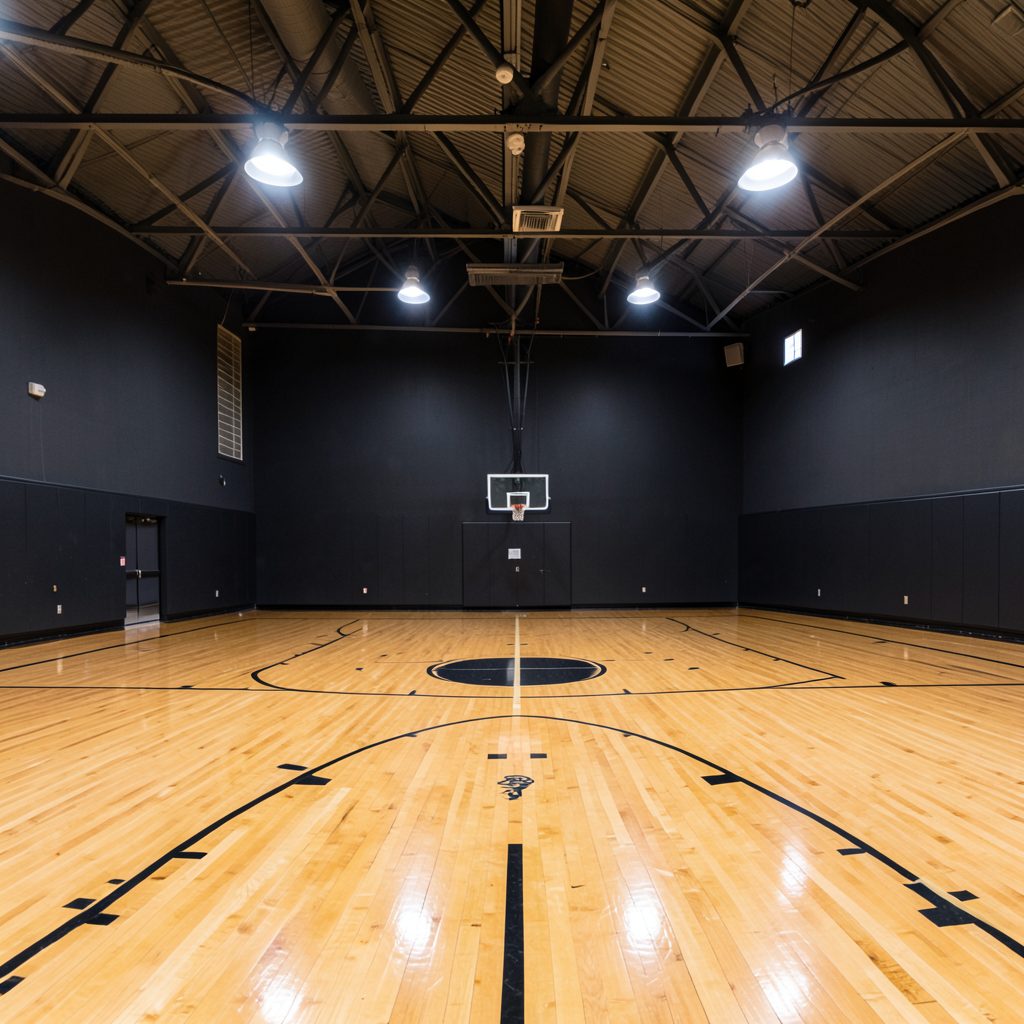
Eight league divisions span every age group: Indy Pro AM, 18+ Open Men's, 30+ Men's, Bite Size (ages 3–6), Impact League, 5th/6th Grade, Middle School, and High School. Gather your team and compete.
Training
Individual and group basketball training for all skill levels. Major M.O.V.E.S. Basketball Training serves ages 4–7 on Wednesday and Thursday evenings at 6:30 PM — $30 per session or $100 unlimited monthly.
Wellness & Recovery
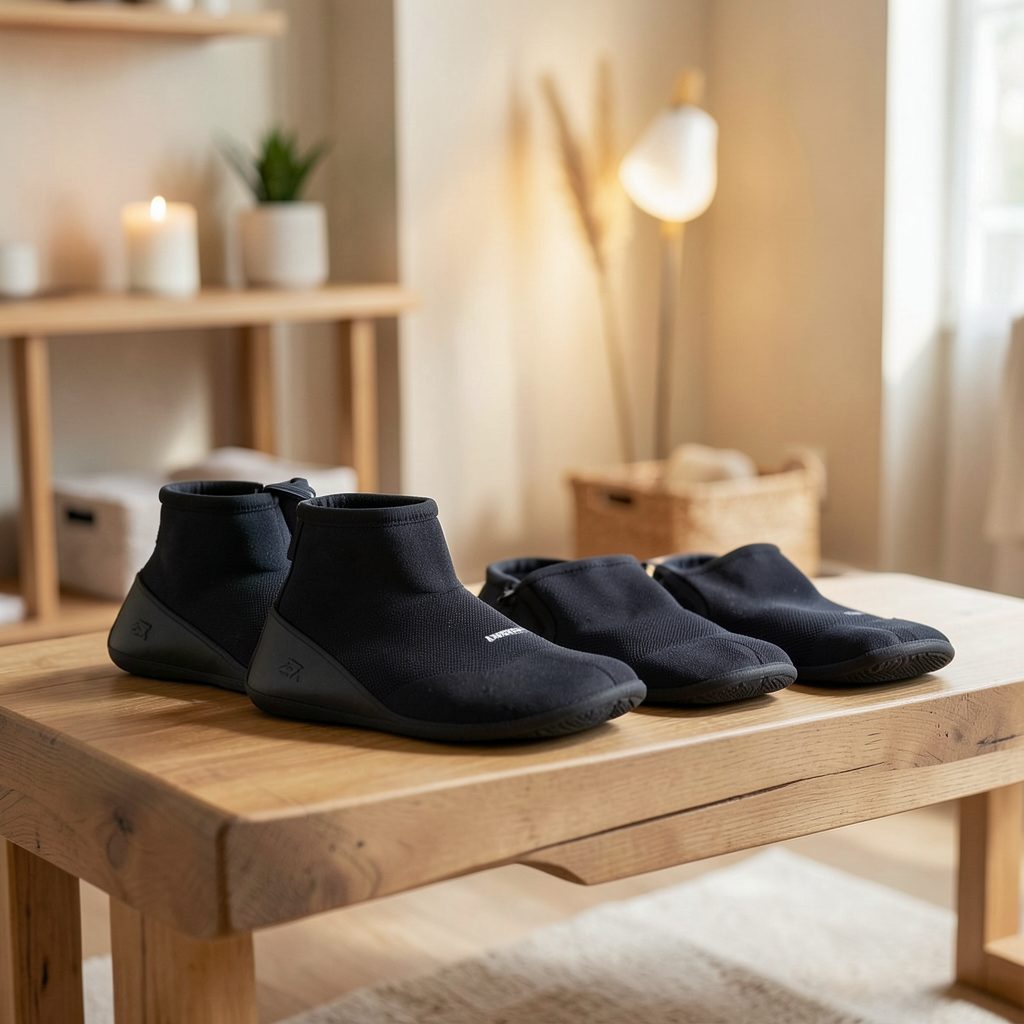
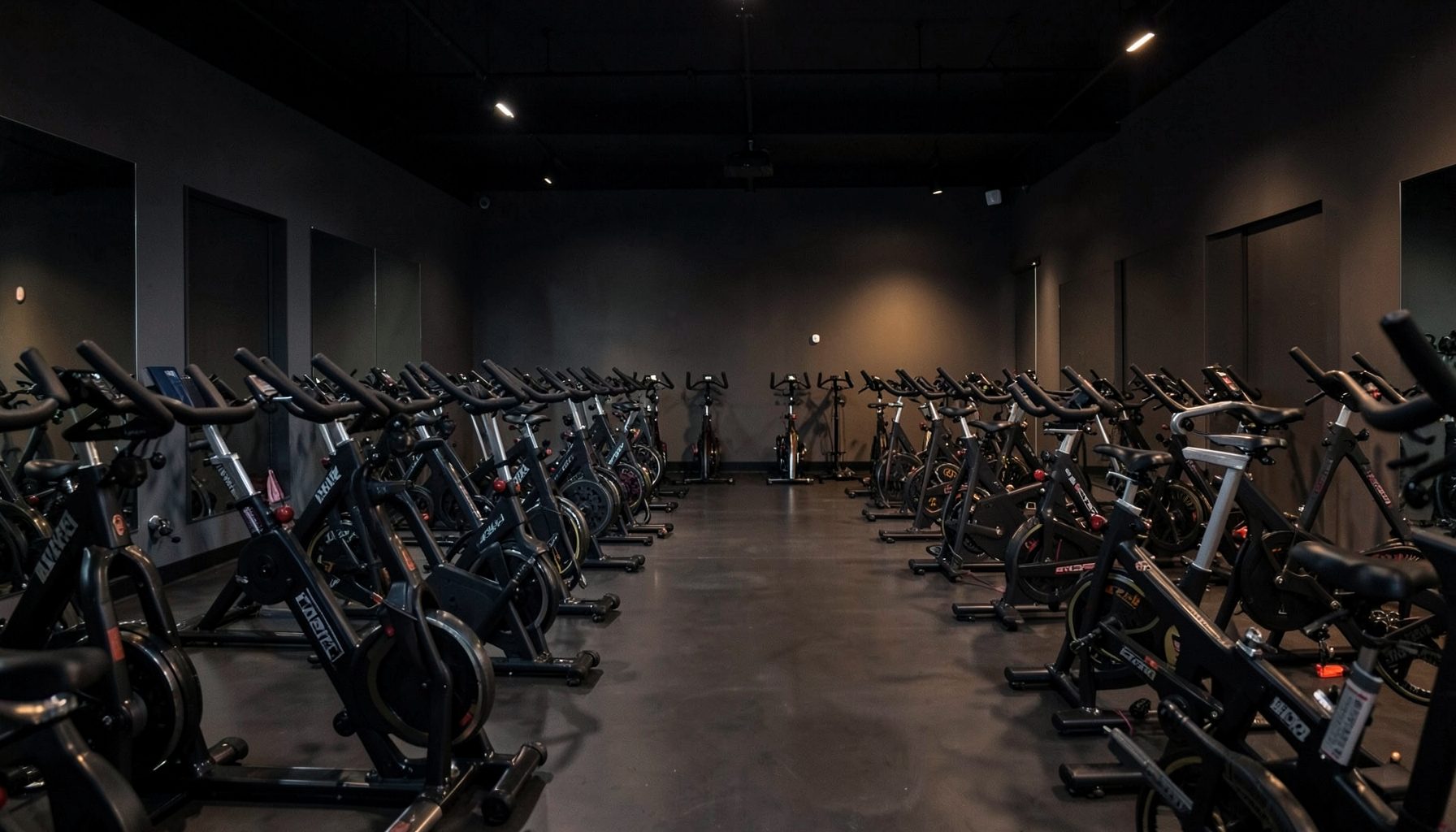
Normatec boot recovery and cryotherapy treatments help athletes bounce back faster. Cycle and spin classes add a cardio dimension to the holistic performance approach.
Have a Question?