Train. Compete. Recover.
A multi-purpose athletic facility in Speedway, Indiana — basketball leagues, skill training, and wellness services all under one roof.
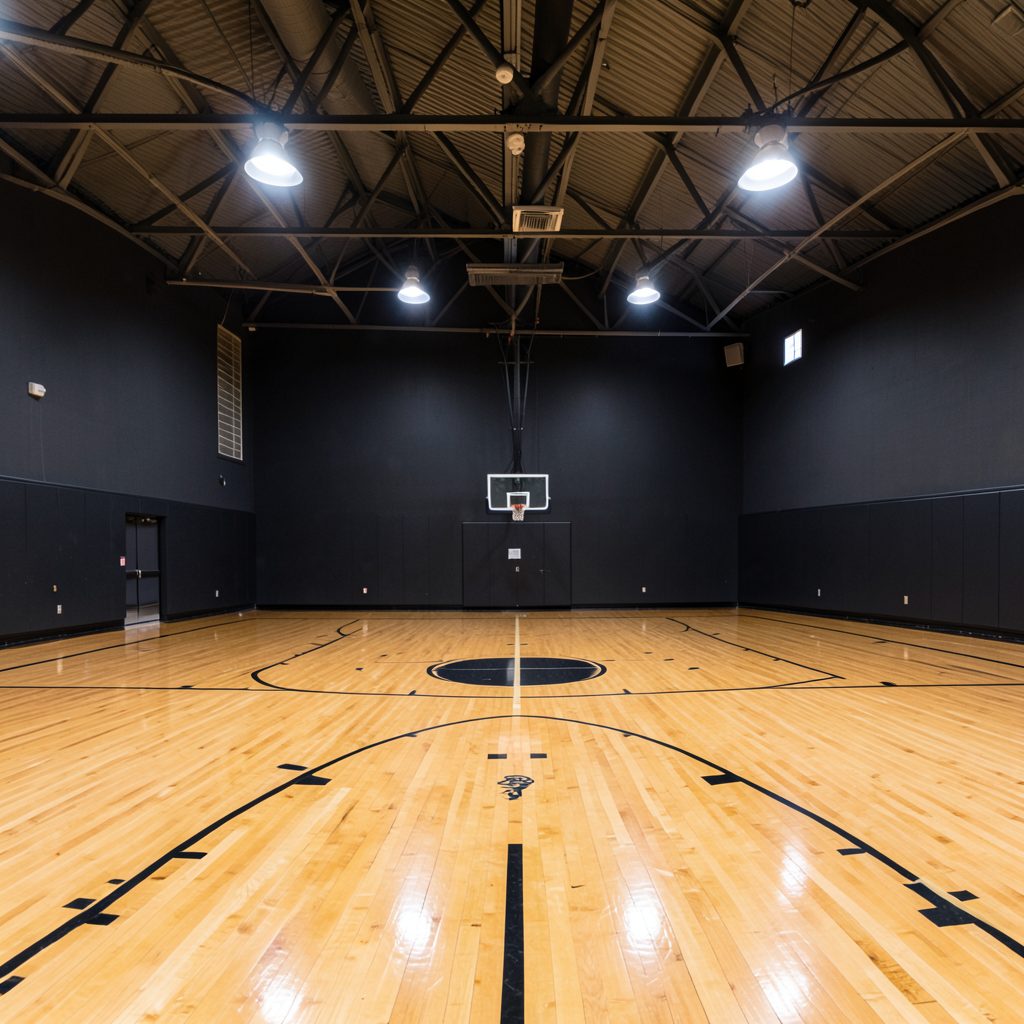
The Factory D1 Indy brings together three entities under one roof: competitive basketball leagues for all age groups, individual and group training, and wellness & recovery services including Normatec boot recovery and cryotherapy. Located off I-465 and High School Road at 6331 Crawfordsville Road, Speedway, Indiana 46224.
Get In TouchBuilding A Complete Basketball Season Through Periodization
Basketball demands repeated bursts of speed, jumping, cutting, contact, and decision-making. A successful player needs strength for physical battles, power for explosive movement, conditioning for late-game performance, and enough recovery to repeat those efforts throughout a long schedule. Trying to develop every quality at maximum intensity all year can leave athletes fatigued or stalled.
Periodization provides a clear structure for basketball training throughout the season. Instead of repeating the same workouts week after week, coaches and athletes adjust volume, intensity, exercise selection, and recovery according to the competitive calendar. The goal is to arrive at important games prepared, healthy, and confident rather than exhausted from constant high-load training.
At The Factory D1 Indy, athletes can connect skills training, leagues, conditioning, cycling, and recovery within a sports-focused environment. A well-planned training year helps each component support the next, whether the athlete is preparing for a youth league, a high school season, club competition, or adult basketball.
Why Seasonal Planning Matters
Periodization divides the year into manageable training blocks, often called macrocycles, mesocycles, and microcycles. The macrocycle represents the broad season or annual plan. Mesocycles may last several weeks and focus on goals such as strength, power, conditioning, or recovery. A microcycle is usually one week and organizes practices, games, lifting sessions, and rest.
Basketball players rarely need the same physical emphasis in August, December, and March. Early preparation may prioritize movement quality and general strength, while the competitive season emphasizes speed, power, skill execution, and freshness. After the season, recovery and movement restoration create a foundation for the next cycle.
This approach also makes training easier to individualize. A developing athlete may need basic coordination and landing mechanics, while an experienced player may need targeted power work or workload management. Age, position, injury history, academic demands, and game frequency should all influence the plan.
The Preparation Phase Builds Capacity
The off-season or preseason preparation phase is the appropriate time to develop qualities that are difficult to improve during a crowded schedule. Strength training can focus on foundational movement patterns, including squatting, hinging, pushing, pulling, bracing, and single-leg control. Athletes can gradually increase resistance while emphasizing sound technique.
Conditioning should progress from general aerobic work toward basketball-specific intervals. Cycling and spin classes can provide a lower-impact way to build cardiovascular fitness, especially when an athlete needs variety or is managing joint stress. Later in the phase, shuttles, defensive slides, acceleration drills, and repeated sprint sessions can better reflect game demands.
Skill volume may also be higher during this period. Players can devote time to ball handling with both hands, shooting mechanics, finishing through contact, passing decisions, and position-specific actions. The objective is to build a broad physical and technical base before practices and games become more demanding.
Preseason Converts Strength Into Game Performance
As competition approaches, training should become more specific. Heavy strength work remains useful, but total volume generally decreases as exercises shift toward explosive intent. Medicine-ball throws, jumps, short sprints, change-of-direction drills, and reactive defensive movements help athletes apply force quickly.
Preseason practices should connect conditioning with tactical execution. Rather than treating fitness as separate from basketball, coaches can use transition drills, advantage situations, small-sided games, and controlled scrimmages. These activities train players to make decisions while tired, communicate under pressure, and maintain mechanics at game speed.
A gradual taper before the first important contest can improve readiness. Tapering does not mean stopping all training. It means reducing unnecessary volume while preserving intensity, speed, and rhythm. Players should leave the final sessions feeling sharp instead of carrying lingering soreness into opening night.
In-Season Training Protects Performance
During the competitive season, games provide a major training stimulus. A player who competes two or three times per week may need less conditioning volume than someone with one weekly game. Strength sessions should preserve force production and power without creating soreness that interferes with shooting or movement.
A typical in-season week might include a recovery session after a game, a moderate strength workout, a high-quality practice, and a short power or activation session before competition. The exact arrangement depends on travel, minutes played, practice intensity, and the athlete’s recovery status.
| Season Phase | Primary Emphasis | Typical Training Character | Main Performance Goal |
|---|---|---|---|
| Preparation | Movement quality, strength, aerobic base | Higher volume, progressive loading | Build physical capacity |
| Preseason | Power, speed, basketball conditioning | More specific, moderate volume | Transfer fitness to game actions |
| Competitive Season | Skill sharpness, strength maintenance, recovery | Lower volume, focused intensity | Perform consistently and stay healthy |
| Playoff or Peak Period | Explosiveness, confidence, freshness | Short, precise sessions | Reach peak readiness |
| Transition | Restoration and reflection | Low intensity, varied movement | Recover and prepare for the next cycle |
Load monitoring is particularly important in-season. Coaches can track minutes, session duration, perceived exertion, jump volume, sprint exposure, and soreness. A sudden spike in workload may increase injury risk, while too little high-speed work can leave players unprepared for the demands of competition.
Travel adds another stressor. Long rides, disrupted sleep, and extended sitting can make athletes feel stiff before a game. Teams managing frequent travel may benefit from practical recovery strategies such as hydration, mobility, light movement, and Normatec recovery tips when appropriate.
Peaking For Important Games
Peaking is the process of aligning training stress and recovery so an athlete performs at a high level during a priority period. Basketball players cannot remain at peak condition for an entire year, so coaches must identify the most important tournaments, playoff rounds, showcases, or league games.
A peak phase usually reduces training volume while retaining enough intensity to preserve strength and explosiveness. A player may complete fewer sets in the weight room, shorten conditioning intervals, and use more full-recovery sprints. Basketball practices can emphasize scouting, special situations, shooting under realistic pressure, and defensive communication.
The best taper depends on the athlete and the schedule. A younger player with limited training history may recover quickly and require only a modest reduction. A veteran competing in multiple games may need several lighter days. Sleep quality, appetite, mood, soreness, and movement speed offer useful clues about readiness.
Recovery Belongs In Every Phase
Recovery is not reserved for the week after the season. It should be built into every microcycle through sleep, nutrition, hydration, mobility, and intelligently planned rest. Athletes also need to distinguish normal training fatigue from warning signs such as persistent pain, declining performance, unusual irritability, or poor sleep.
Compression therapy, cold-based recovery services, gentle cycling, and mobility work can complement the basics. These methods do not replace adequate food or sleep, but they may help athletes feel more comfortable between practices and games. Recovery choices should be appropriate to the athlete’s health status and coordinated with qualified professionals when pain or injury is involved.
A short daily readiness check can improve decision-making. Players can rate their energy, soreness, stress, and sleep, while coaches observe movement quality and engagement. If several indicators are poor, reducing volume or replacing intense work with technical practice may protect the next performance.
Practical Guidelines For A Complete Plan
A useful periodized program remains flexible. The calendar may change because of postponed games, tournament success, exams, illness, or an unexpected increase in playing time. Coaches should adjust the following week rather than forcing a prewritten plan that no longer matches the athlete’s needs.
- Establish the competition calendar before assigning major training blocks.
- Increase workload gradually and schedule lighter weeks before fatigue accumulates.
- Keep strength and power work in the season, but reduce volume when games increase.
- Match conditioning intensity to the athlete’s position, minutes, age, and schedule.
- Review performance, soreness, sleep, and confidence regularly with the coaching team.
Youth athletes deserve special consideration. Their programs should emphasize coordination, enjoyment, fundamental strength, landing mechanics, and varied movement rather than constant maximal loading. Adult recreational players may need similar planning because work, family responsibilities, and inconsistent sleep can affect recovery as much as the basketball schedule.
At every level, periodization works best when it serves the athlete instead of becoming a rigid formula. A clear plan creates direction, while regular observation keeps the plan responsive.
Bring your training goals, league schedule, and current fitness level to The Factory D1 Indy and build a season plan that connects basketball development, conditioning, competition, and recovery. With focused coaching and consistent preparation, every phase of the year can move you closer to stronger, smarter, and more sustainable performance.
Inside The Factory

Three Entities, One Roof
Leagues
Eight league divisions span every age group: Indy Pro AM, 18+ Open Men's, 30+ Men's, Bite Size (ages 3–6), Impact League, 5th/6th Grade, Middle School, and High School. Gather your team and compete.
Training
Individual and group basketball training for all skill levels. Major M.O.V.E.S. Basketball Training serves ages 4–7 on Wednesday and Thursday evenings at 6:30 PM — $30 per session or $100 unlimited monthly.
Wellness & Recovery
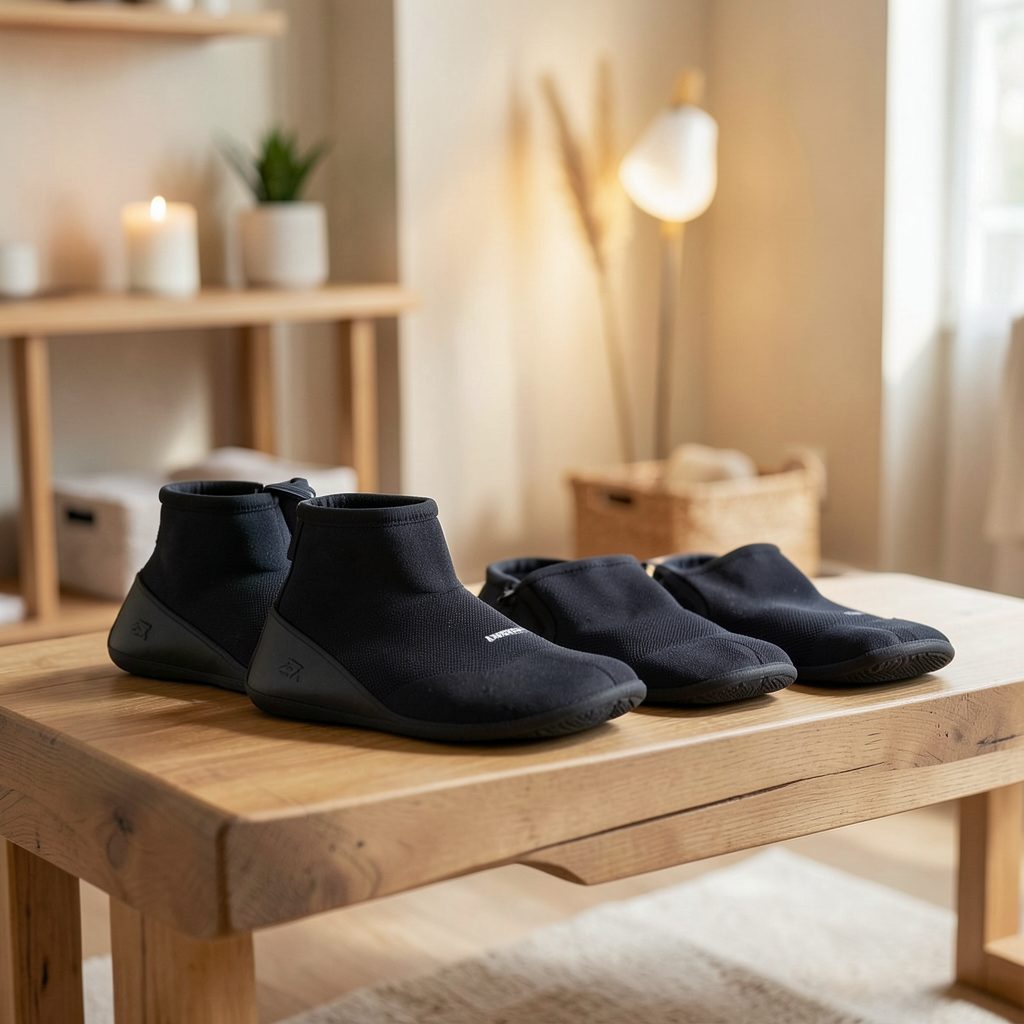
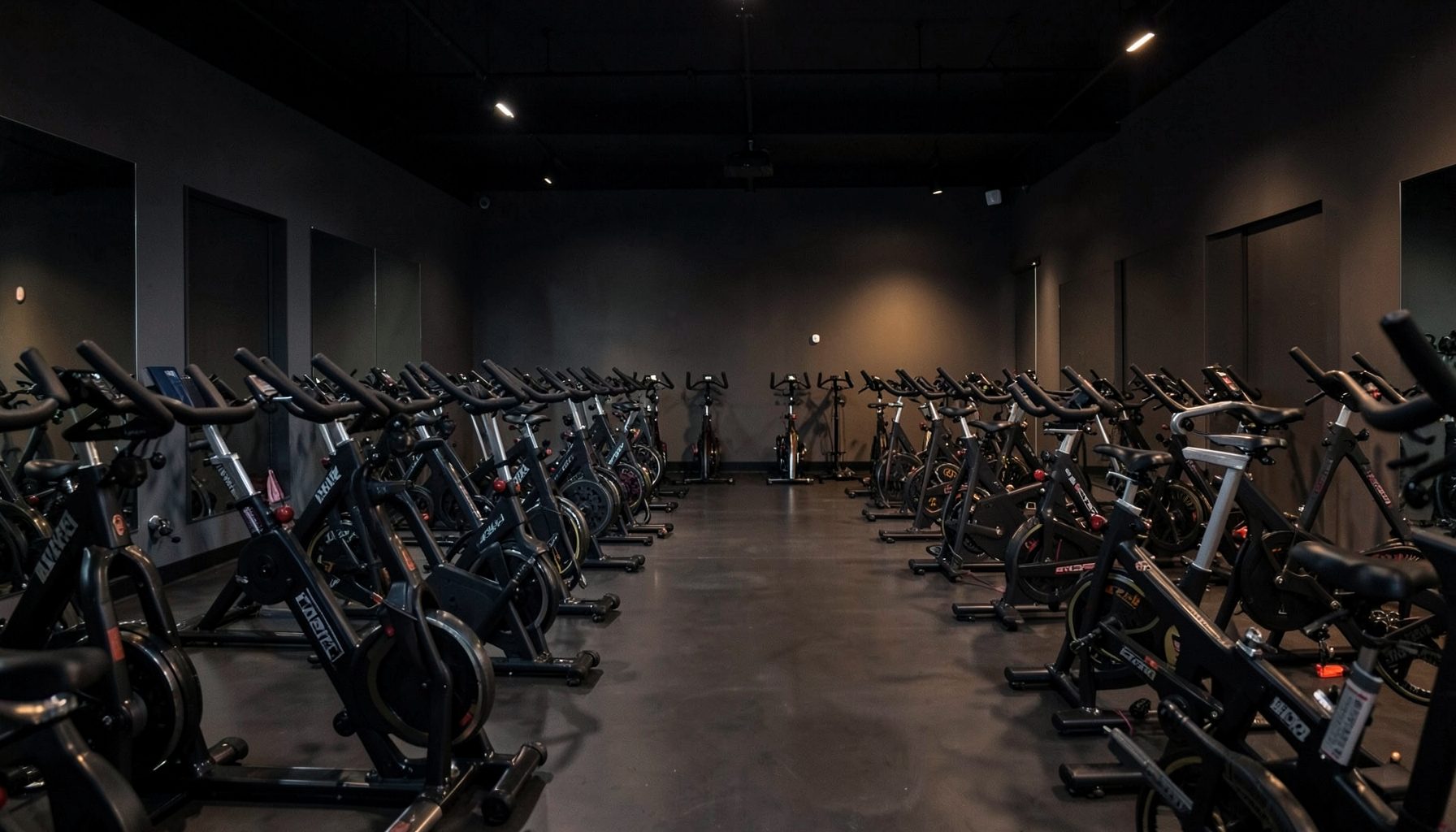
Normatec boot recovery and cryotherapy treatments help athletes bounce back faster. Cycle and spin classes add a cardio dimension to the holistic performance approach.
Have a Question?