Train. Compete. Recover.
A multi-purpose athletic facility in Speedway, Indiana — basketball leagues, skill training, and wellness services all under one roof.
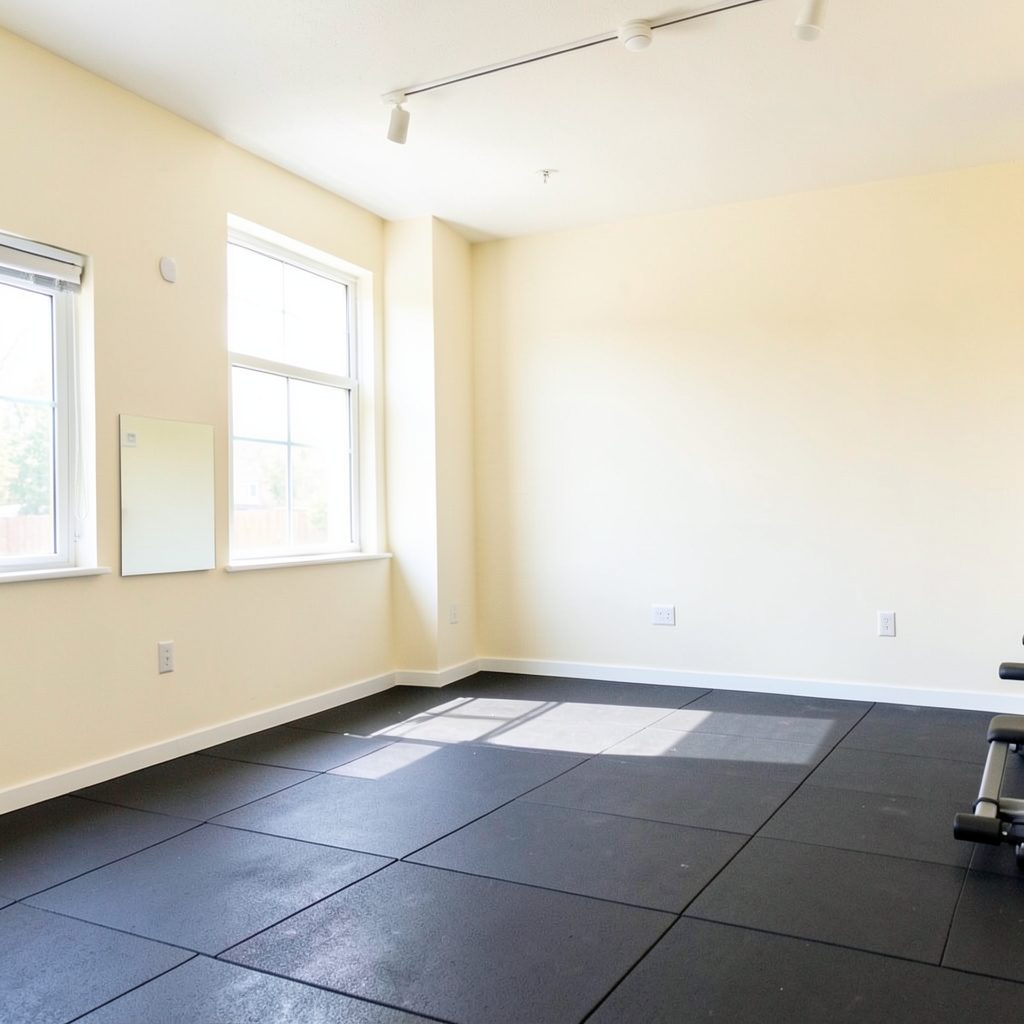
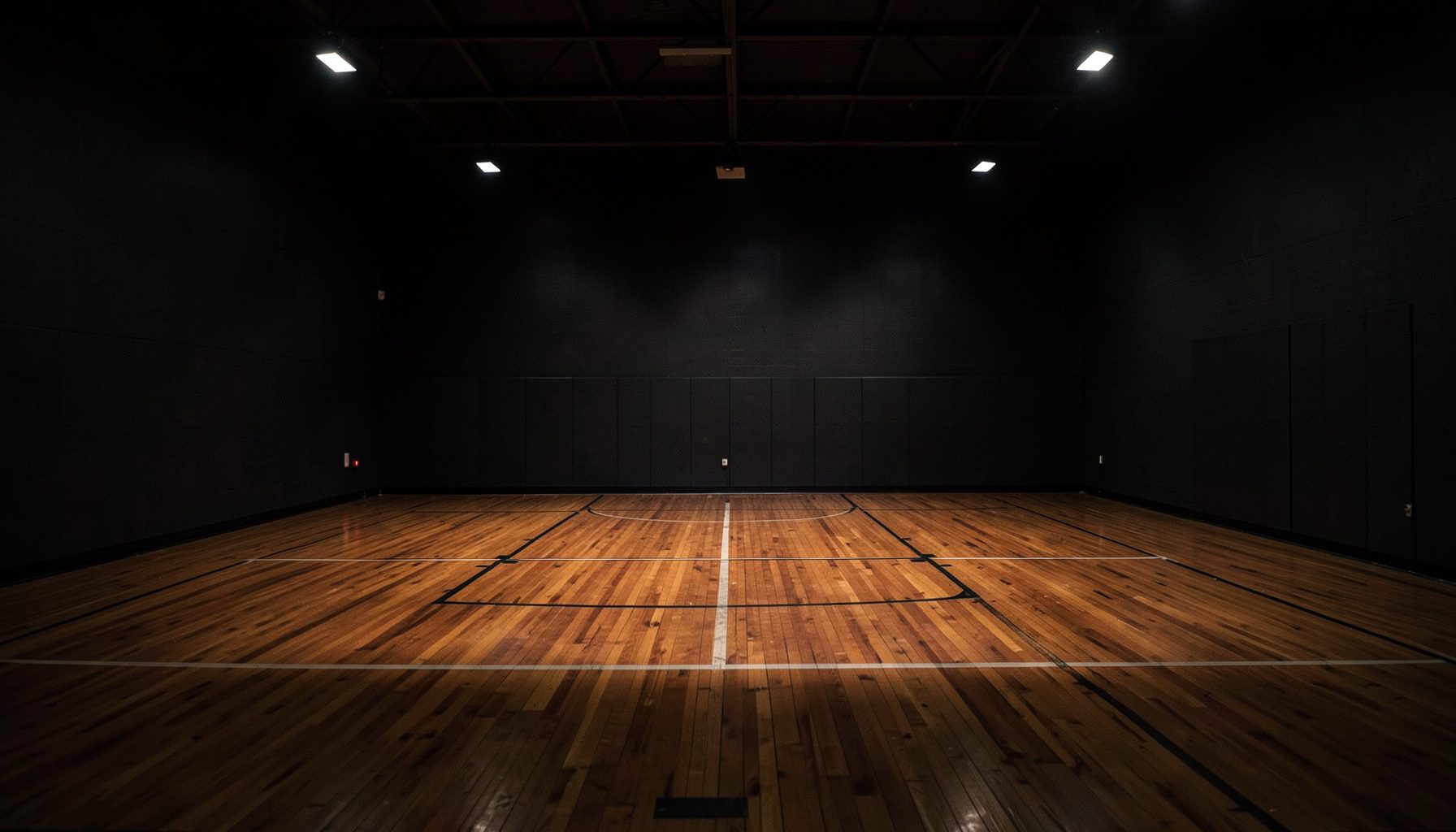
The Factory D1 Indy brings together three entities under one roof: competitive basketball leagues for all age groups, individual and group training, and wellness & recovery services including Normatec boot recovery and cryotherapy. Located off I-465 and High School Road at 6331 Crawfordsville Road, Speedway, Indiana 46224.
Get In TouchNormatec And Massage Therapy: Choosing The Right Recovery Tool
Recovery can mean different things depending on the athlete, training load and immediate goal. A basketball player preparing for a weekend tournament may need reduced leg heaviness, while a cyclist could be managing tight hips after a long ride. Normatec compression and massage therapy both support recovery, yet they work through different methods and provide distinct sensations.
Understanding the difference between Normatec and massage therapy makes it easier to choose an appropriate session. The right option may depend on whether you want gentle circulation support, targeted soft-tissue work, relaxation or help preparing for your next training session.
How Each Method Works
Normatec is a pneumatic compression system. Special boots, sleeves or attachments fit around the limbs and inflate in sequence from the feet or hands towards the body. This travelling pressure creates a rhythmic squeezing sensation, similar to a controlled series of gentle compressions.
The system is designed to support blood flow and fluid movement after exercise. It does not manipulate individual muscles or joints in the same way as a therapist’s hands. Instead, its pressure pattern covers broad areas and can be adjusted for intensity, duration and the body part being treated.
Massage therapy uses hands, forearms, elbows or specialist tools to apply pressure and movement to soft tissue. A qualified practitioner can work around specific muscles, tendons and areas of restriction, changing techniques according to your feedback and physical response.
Massage may include broad strokes for relaxation, deeper pressure for muscular tension, trigger-point work or mobility-focused techniques. The experience is more interactive than compression because the therapist can identify sensitive areas and adapt immediately.
The Sensation And Recovery Effect
Many people describe Normatec as a repeated wave of pressure. The boots tighten, hold briefly and release before the next section inflates. The sensation should feel firm but comfortable, never painful, numb or excessively restrictive.
This makes compression useful when you want a passive recovery option. You can sit, hydrate and relax while the programme runs. It may be particularly appealing after repeated court sessions, long flights or a demanding cycling class when your legs feel heavy.
Massage creates a more localised and varied sensation. Some techniques feel calming, while deeper work can be intense around tight calves, glutes or shoulders. Any discomfort should remain manageable, and clear communication helps the therapist avoid unnecessary pressure.
Neither option guarantees faster recovery after every workout. Sleep, food, hydration and sensible load management remain central. Compression can complement those habits, while massage may help you feel looser and more aware of how your body is moving.
When Massage Has The Advantage
Massage is often the stronger choice when a particular area needs attention. A basketball athlete with a restricted ankle, a cyclist with tight hip flexors or a netball player carrying shoulder tension may benefit from targeted hands-on assessment.
A therapist can compare sides, feel changes in tissue tone and work around movement limitations. That individual feedback is valuable when the goal involves mobility or muscular tension rather than general post-exercise recovery.
Massage can also support relaxation during periods of stress. Athletes in Sydney or Melbourne often balance training with work, study and long commutes, so a calm session may help reduce the physical effects of persistent tension. It is especially useful when the body feels stiff rather than simply tired.
However, deep pressure is not automatically better. Aggressive treatment immediately after a hard match may leave tissue feeling tender. The timing and style should match your training calendar, with gentler work often more appropriate close to competition.
Where Normatec Fits Into Training
Normatec may suit athletes who need consistent, low-effort recovery between sessions. A player completing several basketball games across a weekend can use compression after competition without adding more mechanical stress to already tired muscles.
It can also fit neatly into a broader athletic routine at a multi-purpose facility such as The Factory D1 Indy. After court training or a spin class, a compression session can provide structured downtime before the next commitment. Athletes can learn more about improving stability through this core strength guide, since strong movement foundations matter as much as recovery tools.
For Australian athletes, the same principle applies after an early-morning AFL conditioning session, a long-distance cycling ride outside Brisbane or a tournament involving several matches. Compression is convenient when you want a repeatable routine and do not need a therapist to focus on one specific problem.
It is less likely to replace massage when you have a clearly defined restriction or recurring tightness. Think of Normatec as broad, rhythmic recovery support rather than a diagnostic or corrective treatment.
Different Needs Before And After Exercise
The best timing depends on the purpose of the session. Before activity, a short, comfortable compression programme may help you feel more alert and prepared, although it should never replace a progressive warm-up, dynamic movement or sport-specific drills.
After exercise, many athletes use Normatec to wind down and support a feeling of lighter legs. This can be convenient after an NBL-style training block, a community basketball league or a spin class where the lower body has done most of the work.
Massage can be used before competition when it is light, brief and familiar. A pre-event treatment should avoid leaving muscles sore or relaxed to the point that coordination feels affected. Deeper work is usually better scheduled away from a major match or race.
Australian conditions can also influence how recovery feels. Training in summer heat around Perth or Adelaide increases the importance of replacing fluids and cooling down properly. Neither massage nor compression is a substitute for managing heat exposure, hydration and overall fatigue.
Safety And Professional Guidance
Normatec is not suitable for everyone. People with suspected or diagnosed blood clots, serious circulation problems, certain heart conditions, uncontrolled hypertension, acute infection or unexplained swelling should obtain medical advice before using pneumatic compression.
Massage also requires care around recent injuries, fractures, open wounds, severe inflammation and some medical conditions. A practitioner should know about operations, medications, pregnancy and relevant diagnoses before treatment begins. Pain, unusual swelling or a sudden loss of strength deserves clinical assessment rather than a recovery session.
A qualified provider can help decide whether the sensation is appropriate. The equipment should feel supportive, not painful, and the pressure should be reduced or stopped if you experience tingling, numbness, dizziness or worsening discomfort.
Australian consumers should also check the practitioner’s qualifications and understand what their private health policy covers. Remedial massage rebates vary between insurers and extras policies, while a recovery service may be classified differently from a clinically referred treatment.
Making The Choice For Your Goal
Choose Normatec when you want a passive, repeatable session that covers a broad limb area and fits between training commitments. It may be a practical option after tournaments, travel, cycling, spin classes or periods of heavy lower-body work.
Choose massage when you want hands-on attention for a particular muscle group, movement restriction or persistent feeling of tightness. It offers greater personalisation and can provide useful feedback about how your body responds to pressure and movement.
Some athletes use both methods at different times. Compression can support general recovery after a demanding session, while massage is scheduled later for targeted soft-tissue work. The combination should be guided by training demands, symptoms and professional advice rather than a belief that more treatment is always better.
The most useful question is not which method is universally superior, but which one matches your current need. A recovery professional can help you select pressure, duration and timing, especially when you are returning from injury or increasing training volume.
If you are training, competing or taking part in fitness classes in the Speedway and Indianapolis area, explore the recovery services at The Factory D1 Indy and discuss your goals with the team. Australians comparing options at home can use the same approach: identify whether you need broad compression support or targeted hands-on care, then book a session that complements your training rather than replacing sound recovery habits.
Inside The Factory

Three Entities, One Roof
Leagues
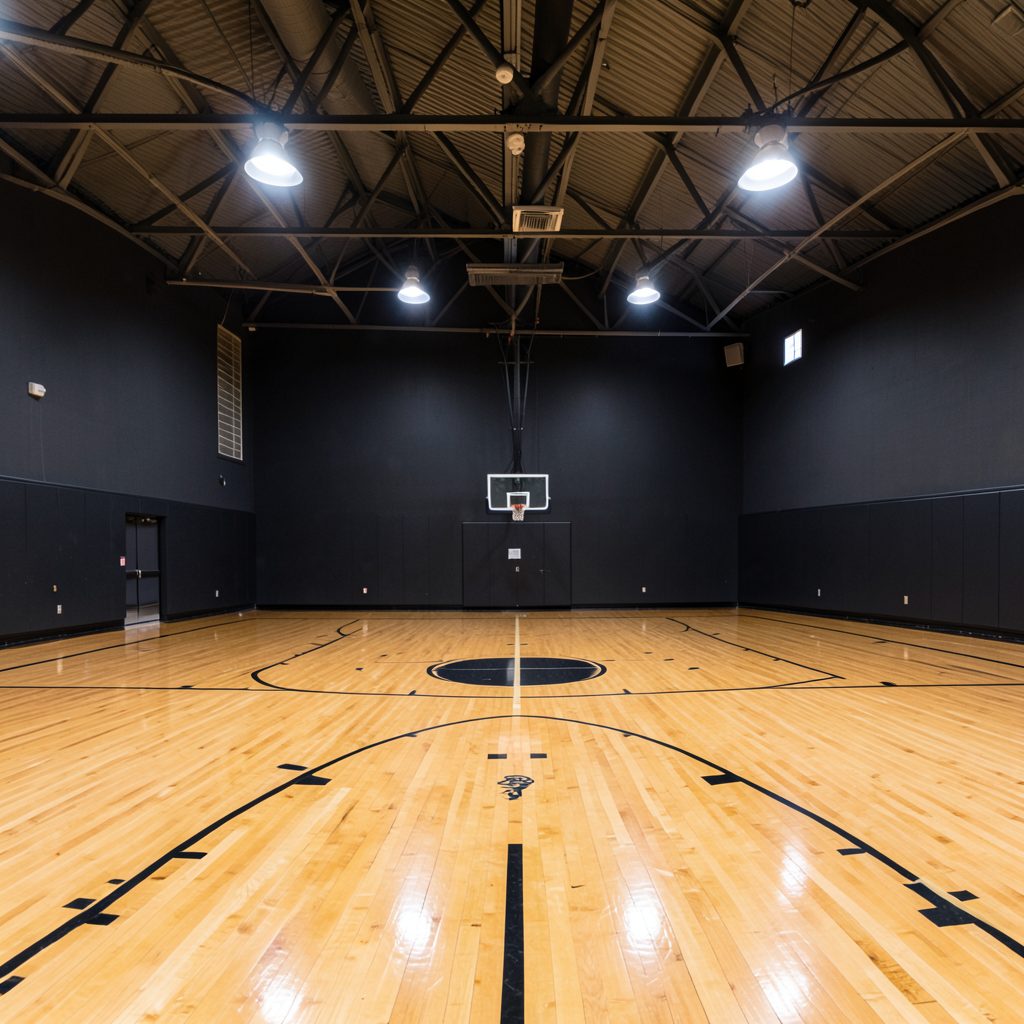
Eight league divisions span every age group: Indy Pro AM, 18+ Open Men's, 30+ Men's, Bite Size (ages 3–6), Impact League, 5th/6th Grade, Middle School, and High School. Gather your team and compete.
Training
Individual and group basketball training for all skill levels. Major M.O.V.E.S. Basketball Training serves ages 4–7 on Wednesday and Thursday evenings at 6:30 PM — $30 per session or $100 unlimited monthly.
Wellness & Recovery
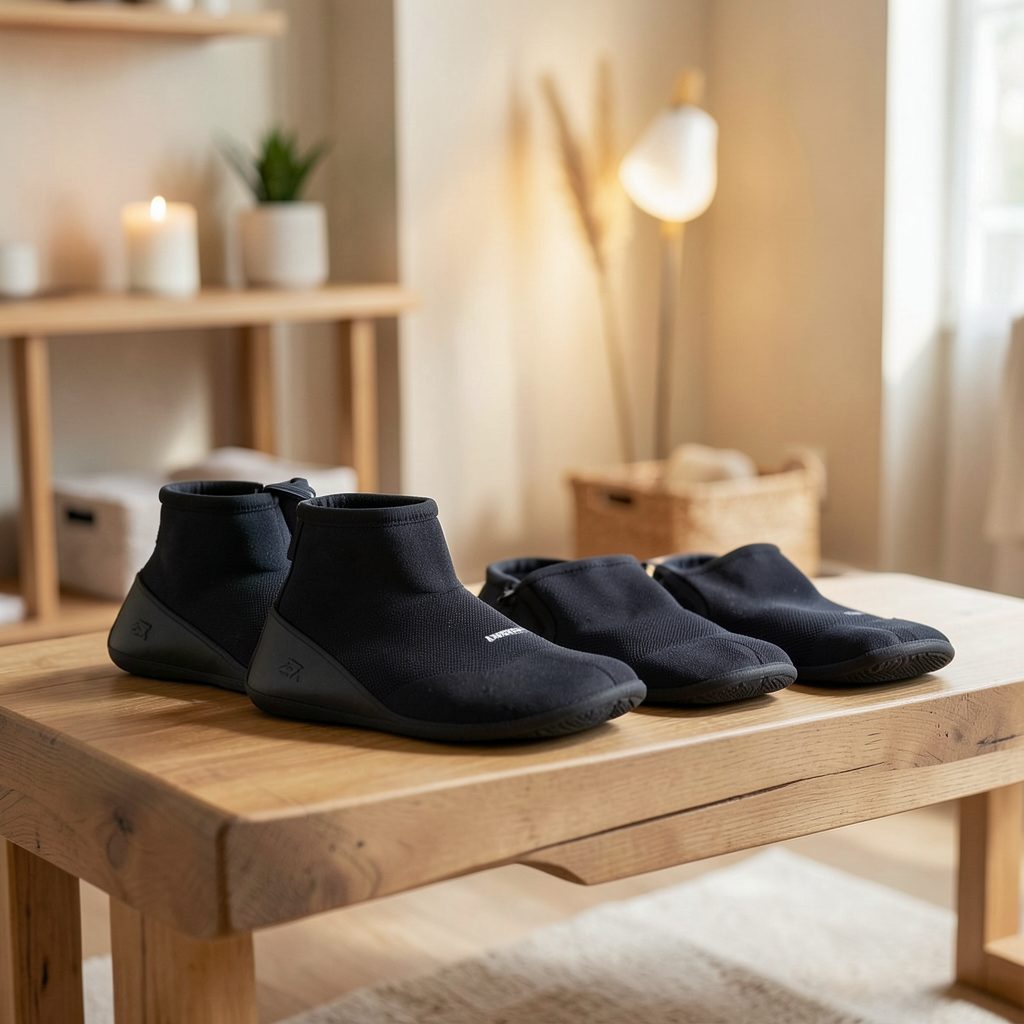
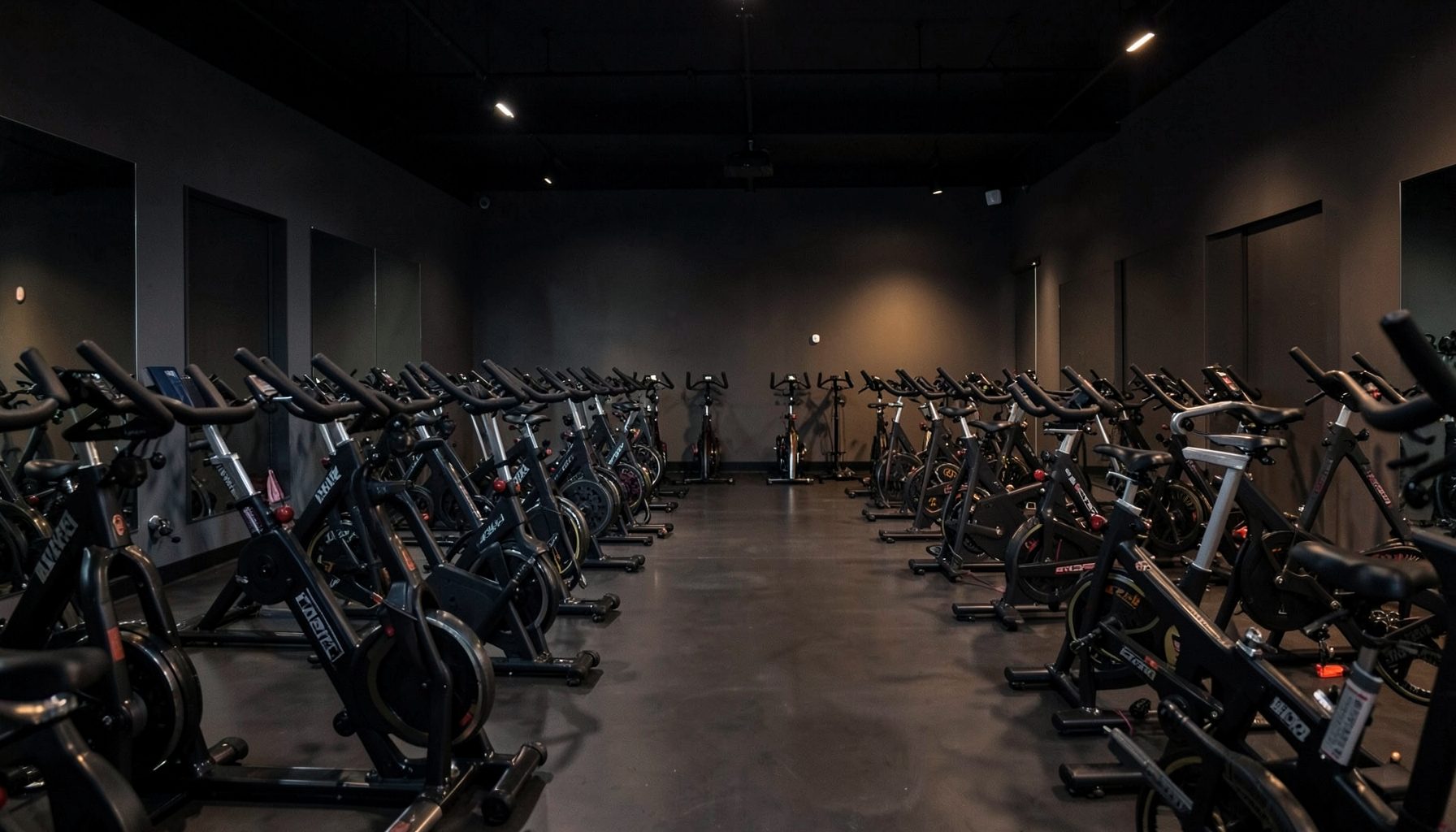
Normatec boot recovery and cryotherapy treatments help athletes bounce back faster. Cycle and spin classes add a cardio dimension to the holistic performance approach.
Have a Question?