Train. Compete. Recover.
A multi-purpose athletic facility in Speedway, Indiana — basketball leagues, skill training, and wellness services all under one roof.
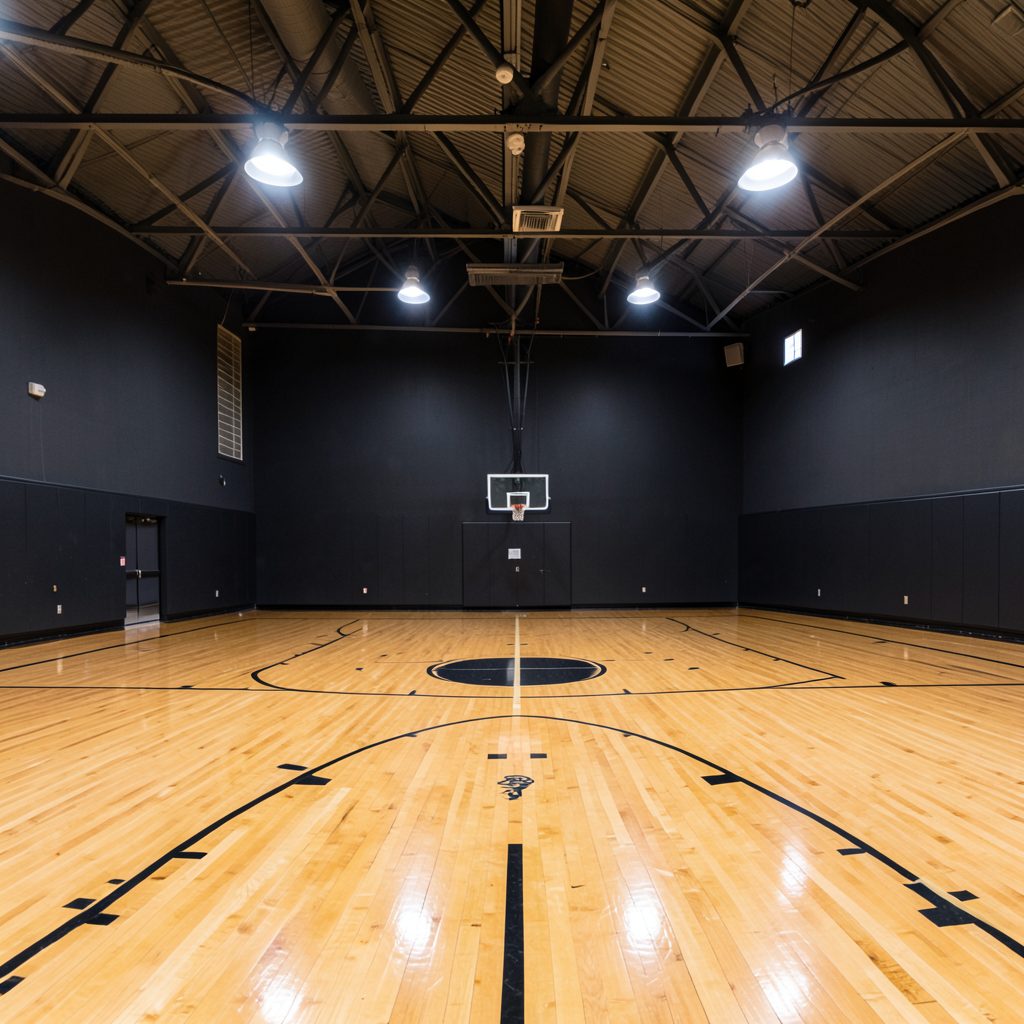
The Factory D1 Indy brings together three entities under one roof: competitive basketball leagues for all age groups, individual and group training, and wellness & recovery services including Normatec boot recovery and cryotherapy. Located off I-465 and High School Road at 6331 Crawfordsville Road, Speedway, Indiana 46224.
Get In TouchUnderstanding the rules of competitive basketball leagues
Competitive basketball becomes more enjoyable when players, coaches, and families understand how the league operates. Rules create a consistent playing environment, protect athletes, and give every team a fair opportunity to develop. At The Factory D1 Indy, league play is designed to bring structure and energy to competition while supporting athletes at different ages and skill levels.
The details can vary by division. Early-childhood games may emphasize learning, movement, and confidence, while youth, high school, and adult leagues may use more advanced timing, defensive, and eligibility standards. Participants should review the rules for their specific division before the season begins because those guidelines govern game-day decisions.
Knowing the basics also helps players prepare properly. A strong weekly routine, such as this basketball training schedule, can support conditioning, skill development, recovery, and game readiness without replacing the importance of understanding league policies.
Divisions, rosters, and player eligibility
Every competitive league begins with clear divisions. Age, grade level, gender category, playing experience, and competition format may affect where an athlete is placed. Organizers use these factors to create balanced matchups and make sure the level of play is appropriate for the participants.
Players generally need to be registered on an approved roster before entering a game. A team may be limited to a specific number of athletes, and adding a player after the season begins may require league approval. A participant who is not listed correctly could be ineligible, so coaches should verify rosters before the first tipoff.
Eligibility can also apply to transfers, guest players, and athletes who participate on multiple teams. If a player changes divisions or joins a replacement roster, the league may need documentation or written approval. These procedures help prevent competitive imbalances and protect teams that follow registration requirements.
Game timing and scoring
A league game is usually divided into quarters or halves, depending on the competition format. The schedule may include a pregame warmup, a set number of playing periods, halftime, and short breaks between quarters. Teams are expected to arrive early enough to check in, warm up, and be ready when officials call the game.
The game clock normally stops for certain dead-ball situations, including fouls, timeouts, injuries, and other events determined by the officials. A running clock may be used in some youth divisions or when a large scoring margin develops. The league’s published rules should explain whether a mercy rule, shortened period, or other timing adjustment applies.
Points are awarded according to the type of basket: free throws are worth one point, standard field goals are worth two, and shots made from behind the three-point line are worth three when that line is in use. The official scorebook and scoreboard determine the recorded result. If a scoring discrepancy appears, the head coach should address it calmly with the scorekeeper or officials during an appropriate stoppage.
Fouls, violations, and possession
Basketball rules separate personal fouls from violations. A personal foul involves illegal physical contact, such as holding, pushing, blocking improperly, or striking an opponent. Depending on the situation, the result may be free throws, a change of possession, or an inbound play.
Common violations include traveling, carrying or palming the ball, double dribbling, stepping out of bounds, and committing a backcourt violation. Teams may also be called for offensive charging, illegal screens, three-second restrictions, or failing to advance the ball within the required time. Officials apply these rules to maintain spacing, movement, and player safety.
The possession arrow or alternating-possession procedure may determine which team receives the ball after certain held-ball situations. A jump ball starts the game and may be used in formats specified by the league. Players should respond to calls immediately rather than arguing, since delaying play can lead to a technical foul or additional disciplinary action.
| Rule area | What participants should know | Why it matters |
|---|---|---|
| Eligibility | Players must meet division and roster requirements | Protects competitive balance |
| Timing | Quarters, halftime, timeouts, and clock rules vary by league | Keeps games organized |
| Fouls | Illegal contact can result in free throws or possession changes | Promotes safety and fairness |
| Violations | Traveling, double dribbling, and out-of-bounds plays end a team’s possession | Maintains proper game flow |
| Conduct | Players and coaches must respect officials, opponents, and staff | Supports a positive environment |
| Standings | Wins, losses, point differentials, and tiebreakers may be recorded | Determines playoff or championship placement |
Substitutions, timeouts, and coaching conduct
Substitutions generally occur during dead-ball situations, although the precise procedure depends on the league. Players should report to the scorer’s table when required and enter only after receiving permission from an official. Entering early or failing to check in can create a technical issue and may cause confusion for the scorekeeper.
Timeouts give teams an opportunity to make tactical adjustments, rest players, or settle the group during a difficult stretch. Each league may set its own number and length of timeouts. Coaches should request them through the proper signal and remain aware of whether their team has any remaining.
Coaches are responsible for more than strategy. They must help players follow facility policies, treat officials respectfully, and maintain control of the bench. Persistent arguing, inappropriate language, taunting, or confrontational behavior may result in technical fouls, ejection, suspension, or further league discipline.
Sportsmanship, safety, and facility expectations
Competitive play requires intensity, but physical effort must remain within the rules. Dangerous contact, intentional fouls, taunting, and retaliatory behavior have no place in a safe athletic environment. Players should help opponents up when appropriate, avoid escalating disagreements, and allow officials to manage disputes.
Athletes should wear suitable basketball shoes and clothing, remove jewelry when required, and follow instructions from staff. They should report pain or injury promptly instead of trying to hide symptoms. Coaches and guardians can support safety by encouraging hydration, proper warmups, and responsible recovery between games.
Facility rules also apply before, during, and after competition. Teams may need to keep personal belongings organized, remain in designated areas, respect court boundaries, and leave benches and locker spaces clean. These habits make the experience better for every league participant and help preserve a welcoming community setting.
Standings, disputes, and postseason procedures
A league standings system may track wins, losses, ties where applicable, point differentials, or other approved measures. If two teams finish with the same record, tiebreakers can include head-to-head results, scoring margin, defensive points allowed, or a designated playoff game. Participants should consult the official rules rather than assume that overall point differential decides every tie.
Protests and disputes must follow a defined process. A coach may be permitted to ask for clarification during a game, while formal challenges may require a written report after the contest. Officials generally have authority over judgment calls, so a protest is more likely to address rule interpretation, eligibility, or an administrative error than a disagreement with a foul call.
Postseason qualification, seeding, and championship formats should be communicated before or during the season. A team that misses a scheduled game may face a forfeit, and repeated lateness or rule violations may affect eligibility. Clear communication with league staff is the best way to handle emergencies, scheduling conflicts, and questions about game records.
Game-day habits that support fair play
Players and coaches can reduce confusion by preparing before they arrive. The most useful habits include:
- Review the rules, schedule, roster, and division-specific format before the first game.
- Arrive early with proper equipment, water, and any required registration information.
- Listen for officials’ instructions and ask questions respectfully through the head coach.
- Keep the bench organized and support teammates without distracting opponents or staff.
- Report injuries, eligibility concerns, or scorekeeping errors as soon as possible.
Families also play an important role in the league environment. Positive encouragement helps athletes stay focused, while complaints from the sidelines can increase pressure and distract from development. A respectful crowd supports officials, recognizes good effort from both teams, and remembers that youth competition is part of a longer athletic journey.
The rules of competitive basketball leagues provide a shared framework for skill, accountability, and enjoyment. When participants understand eligibility, timing, fouls, conduct, and postseason procedures, they can compete with greater confidence and fewer avoidable interruptions. The Factory D1 Indy brings training, leagues, conditioning, and recovery together so athletes can keep building their game in a structured community setting.
Explore upcoming opportunities at The Factory D1 Indy, prepare your team to compete with purpose, and bring a respectful, ready-to-play mindset to every game.
Inside The Factory

Three Entities, One Roof
Leagues
Eight league divisions span every age group: Indy Pro AM, 18+ Open Men's, 30+ Men's, Bite Size (ages 3–6), Impact League, 5th/6th Grade, Middle School, and High School. Gather your team and compete.
Training
Individual and group basketball training for all skill levels. Major M.O.V.E.S. Basketball Training serves ages 4–7 on Wednesday and Thursday evenings at 6:30 PM — $30 per session or $100 unlimited monthly.
Wellness & Recovery
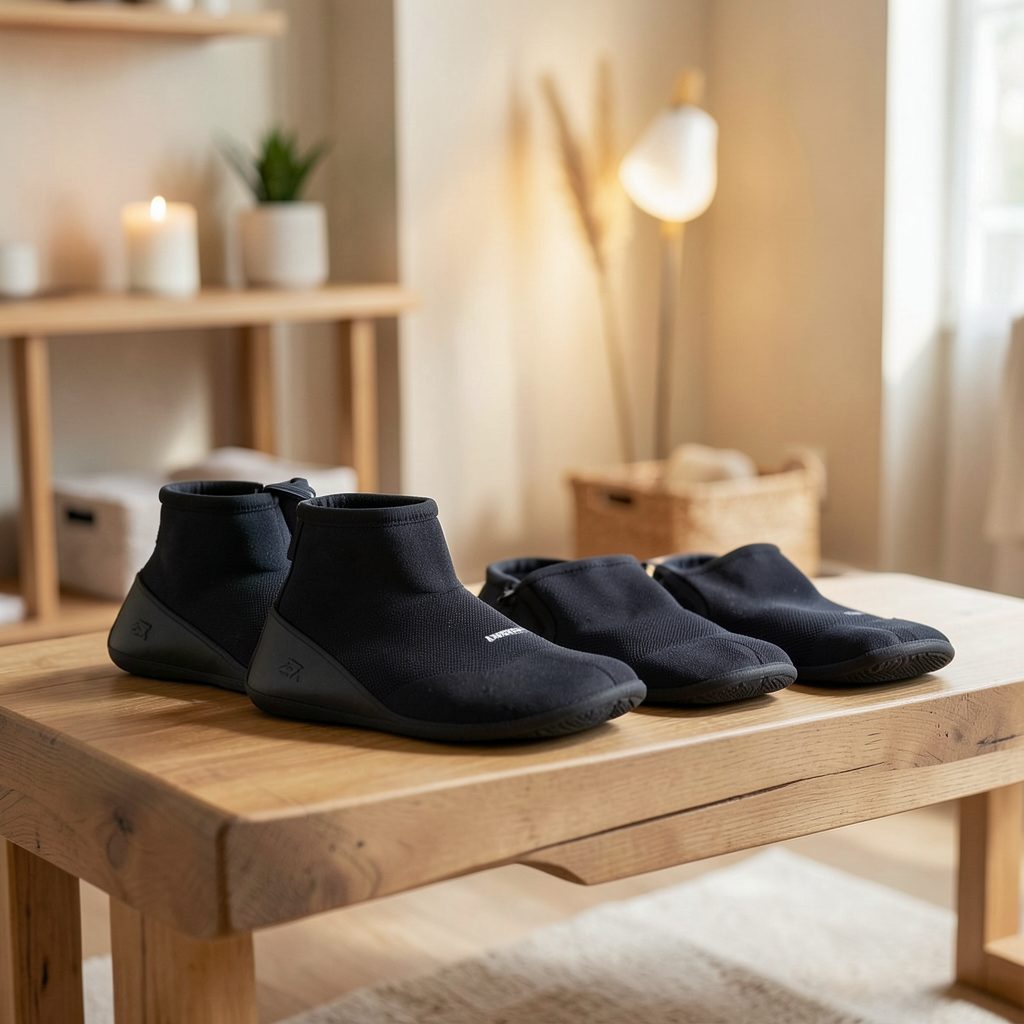
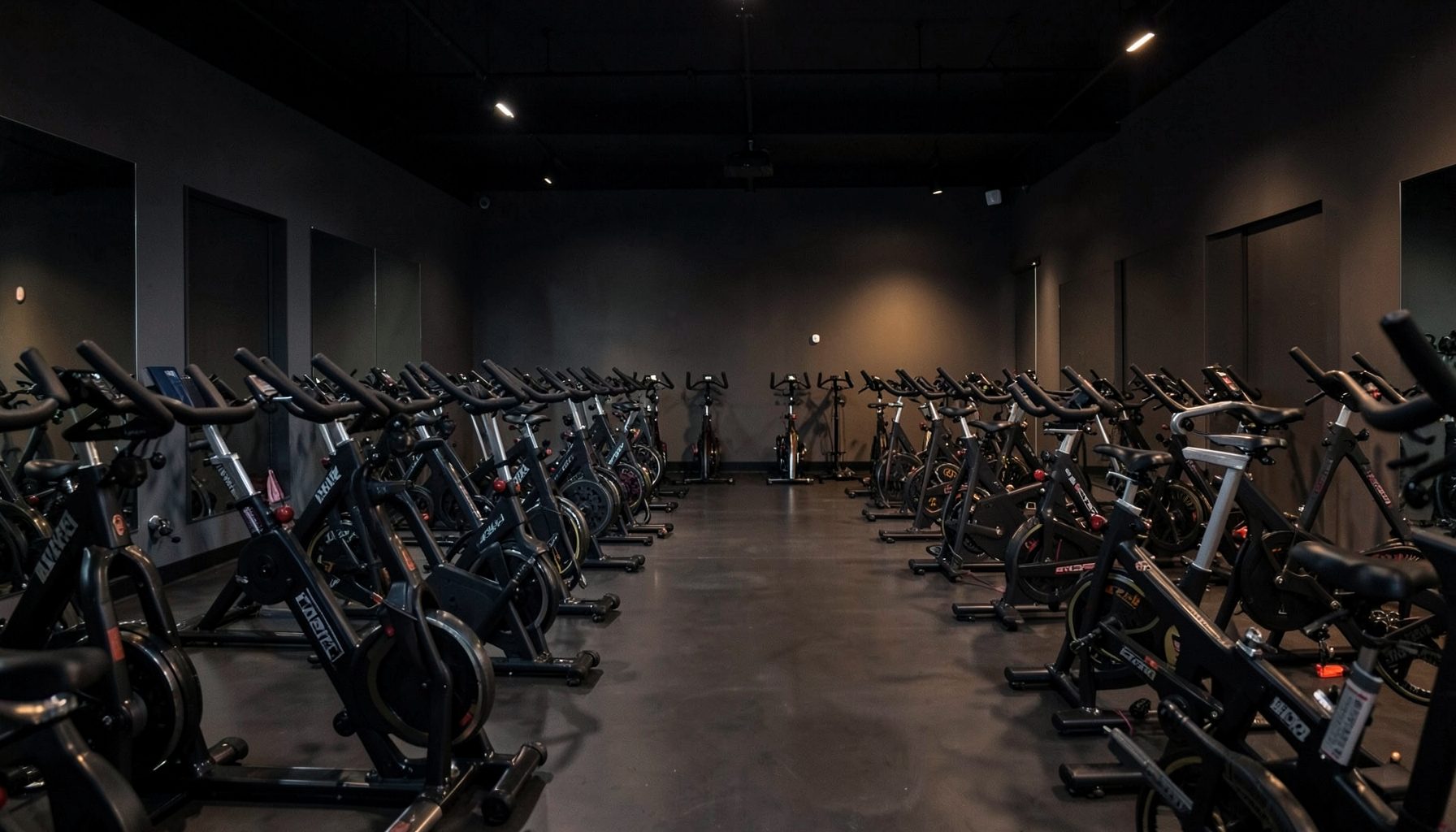
Normatec boot recovery and cryotherapy treatments help athletes bounce back faster. Cycle and spin classes add a cardio dimension to the holistic performance approach.
Have a Question?