Train. Compete. Recover.
A multi-purpose athletic facility in Speedway, Indiana — basketball leagues, skill training, and wellness services all under one roof.
The Factory D1 Indy brings together three entities under one roof: competitive basketball leagues for all age groups, individual and group training, and wellness & recovery services including Normatec boot recovery and cryotherapy. Located off I-465 and High School Road at 6331 Crawfordsville Road, Speedway, Indiana 46224.
Get In TouchWhat a Basketball Practice Session Looks Like at The Factory D1 Indy
A basketball practice session at The Factory D1 Indy follows a rhythm that blends deliberate skill-building with game-ready intensity. Coaches greet athletes as they step off the court-side benches, water bottles get filled, and the hum of sneakers across hardwood begins almost immediately. The facility, tucked into Speedway, Indiana, runs structured sessions year-round for athletes from their earliest dribbles through adult competition.
Whether you're a parent considering a youth program, a player returning from injury, or a recreational athlete looking to sharpen your game, knowing the flow of a typical session helps you arrive prepared and ready to engage. The Factory D1 Indy operates with a philosophy that mirrors training centres in places like Melbourne and Brisbane, where club basketball thrives alongside professional pathways through the NBL. Sessions are layered, purposeful, and tailored to the group on the floor.
Arrival and the Warm-Up Phase
Athletes typically begin filtering onto the courts fifteen to twenty minutes before the scheduled start. Coaches use the first check-ins to confirm attendance, outline the focus of the day, and remind players about hydration — particularly during the humid Indiana summers, which can feel closer to a Sydney January than a temperate Midwestern autumn. Stretch bands are pulled from mesh bags, and small groups form organically as players roll ankles, lace shoes, and trade greetings.
The formal warm-up begins with a dynamic movement series. Players work through walking lunges, high knees, lateral shuffles, and a sequence of activation drills targeting the glutes, hamstrings, and hip flexors. Mobility work is prioritised over static stretching at this stage, because research consistently shows that dynamic preparation better primes the neuromuscular system for change-of-pace basketball movements. Sessions often include light ball-handling integrated into the warm-up, so the hands begin working while the body wakes up.
By the end of the warm-up window, the group is breathing harder, communication has increased, and players are visibly engaged. Coaches take a quick pulse check — literally and figuratively — to gauge readiness before transitioning into the next block.
Skill Development and Drill Work
Once warm-ups conclude, the heart of the session begins. Coaches break the group into pods, often organised by age or skill tier rather than strict chronological age, which allows advanced training to happen at the right level. Drill stations might rotate through close-out footwork, catch-and-shoot reps from the elbow, two-ball dribbling patterns, and defensive slide technique. The pace is deliberate but energetic, mirroring the standards seen in Australian state-level academies across Adelaide and Perth.
Coaches emphasise repetition with intention. A shooting block might run for twelve minutes with a specific target — for example, fifteen makes from five spots before rotating. Ball-screen reads and decision-making drills come after foundational skills, since the vocabulary of the game builds on mechanics first. Younger athletes spend more time on fundamental skill development, while older groups incorporate advanced concepts such as ghost screens, dribble hand-offs, and off-ball movement patterns.
Every drill is connected back to a real-game situation the player might encounter during a league game. Coaches use whiteboard breakdowns sparingly, preferring to demonstrate, then let the players feel the rhythm. The aim is to build basketball instincts that survive contact, fatigue, and pressure.
Live Scrimmages and Game-Like Situations
The middle portion of most sessions shifts toward open play. Half-court games, three-on-three rotations, and full-court scrimmages allow players to translate freshly drilled skills under live defensive pressure. Coaches step in to pause play, reset a sequence, or highlight a teaching point — a rhythm similar to the way NBL clubs in Australia structure their training camps in places like Cairns or Illawarra.
Situational work is layered on top of scrimmages. Teams might run end-of-game scenarios with specific score margins and time remaining, or practice inbound plays under defensive pressure. Younger players get simplified versions — a two-on-one fast break, a four-on-four shell drill — while older athletes face complex reads that demand poise and communication. The league pipeline at The Factory D1 Indy feeds directly into this phase, and players interested in joining a competitive team can explore the seasonal leagues offered at the facility.
Game-based learning cements retention of skills. The unpredictability of live defenders forces athletes to combine techniques they practised in isolation. Coaches leave with clear distinctions on the day, and players leave with the feel of a real game rather than just a workout.
Conditioning, Foot Speed, and Strength
After skill work and scrimmages, sessions shift toward the physical demands of basketball. Conditioning blocks might span six to ten minutes and combine court-length sprints, defensive slides, and short-rest intervals that mimic the stop-start nature of the sport. Agility ladders, cone patterns, and resisted sprints help build foot speed while keeping mechanics sharp.
Strength work is integrated rather than treated as a separate phase. Bodyweight circuits, medicine ball throws, and core activation drills are common, particularly for youth players who are still developing movement capacity. For older athletes, coaches may layer in light dumbbell work, trap-bar movements, and hip mobility drills aimed at keeping joints healthy across a long competitive calendar. The philosophy here echoes training principles used by Australian basketball federations, which emphasise athleticism development alongside skill and recognise that the modern player needs both. Athletes looking to support hip range outside the gym can explore complementary routines, including prenatal hip-opening poses, which translate well to basketball players working on hip range and lower-back ease.
Conditioning is shown rather than just told. Coaches run alongside players during sprint intervals and time the callouts that signal the next burst. The block finishes with a clear cool-down window so athletes can begin recovery before they head home.
Cool-Down, Recovery, and Off-Court Habits
Sessions close with a guided cool-down. Players gather for static stretching targeting hips, hamstrings, calves, and the thoracic spine — areas that absorb the most impact during repetitive basketball movements. Coaches often use this window to reinforce mental skills, recap the session's focus, and preview the next training block.
Recovery is treated as part of the training itself, not an afterthought. Many athletes follow up sessions with Normatec compression therapy available at the facility. For anyone curious about how that experience feels, the article on first Normatec compression session walks through the process in detail. Players are also encouraged to use the stretch zones at the facility before they leave the building.
Off-court habits complete the loop. Players are urged to drink water consistently, refuel with balanced meals, and sleep on a regular schedule — routines that Australian athletes are well-versed in given the country's strong sports-science culture. Recovery tools available on-site, including cryotherapy, can complement a sound nutrition and sleep plan.
| Session Element | Youth (Ages 6–11) | Teen (Ages 12–17) | Adult (18+) |
|---|---|---|---|
| Warm-Up Length | 10–15 min, movement play | 12–15 min, dynamic mobility | 10–12 min, athletic prep |
| Drill Focus | Dribbling, footwork, fun shooting | 4–6 station rotations | 3–4 advanced stations |
| Scrimmage Time | 15–20 min, small-sided | 20–25 min, situational | 20–30 min, full-court |
| Conditioning | Bodyweight, ladders | Sprint intervals, agility | Court sprints, loaded carries |
| Cool-Down | Static stretch, breathing | Mobility + light stretching | Static stretch + recovery |
Bring a water bottle, wear indoor shoes with non-marking soles, and arrive ten minutes early so warm-ups can begin on schedule. Coaches welcome questions about the curriculum, the recovery services, or which program best suits a particular stage of development. For athletes ready to compete in organised play, registration opens ahead of each season — find sign-up details on the league registration page and reserve a spot before rosters fill.
Inside The Factory

Three Entities, One Roof
Leagues
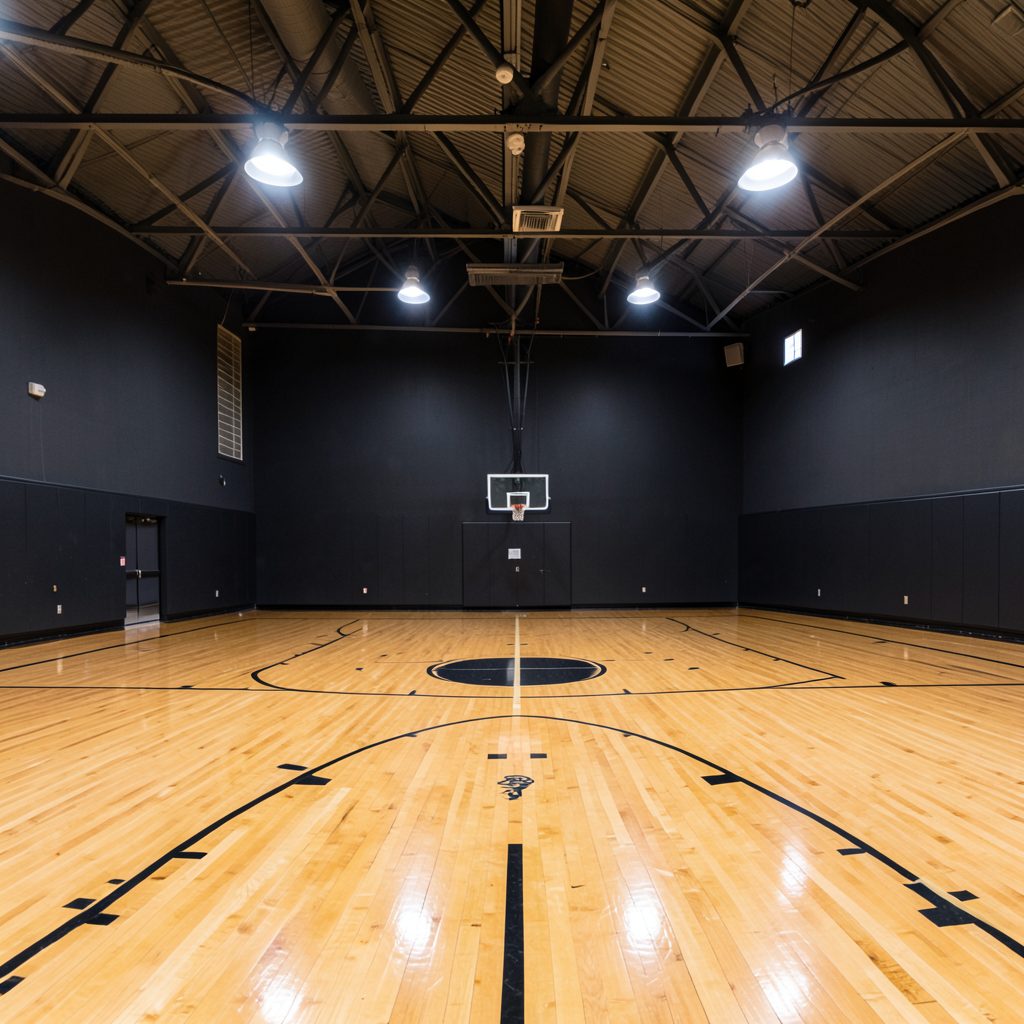
Eight league divisions span every age group: Indy Pro AM, 18+ Open Men's, 30+ Men's, Bite Size (ages 3–6), Impact League, 5th/6th Grade, Middle School, and High School. Gather your team and compete.
Training
Individual and group basketball training for all skill levels. Major M.O.V.E.S. Basketball Training serves ages 4–7 on Wednesday and Thursday evenings at 6:30 PM — $30 per session or $100 unlimited monthly.
Wellness & Recovery
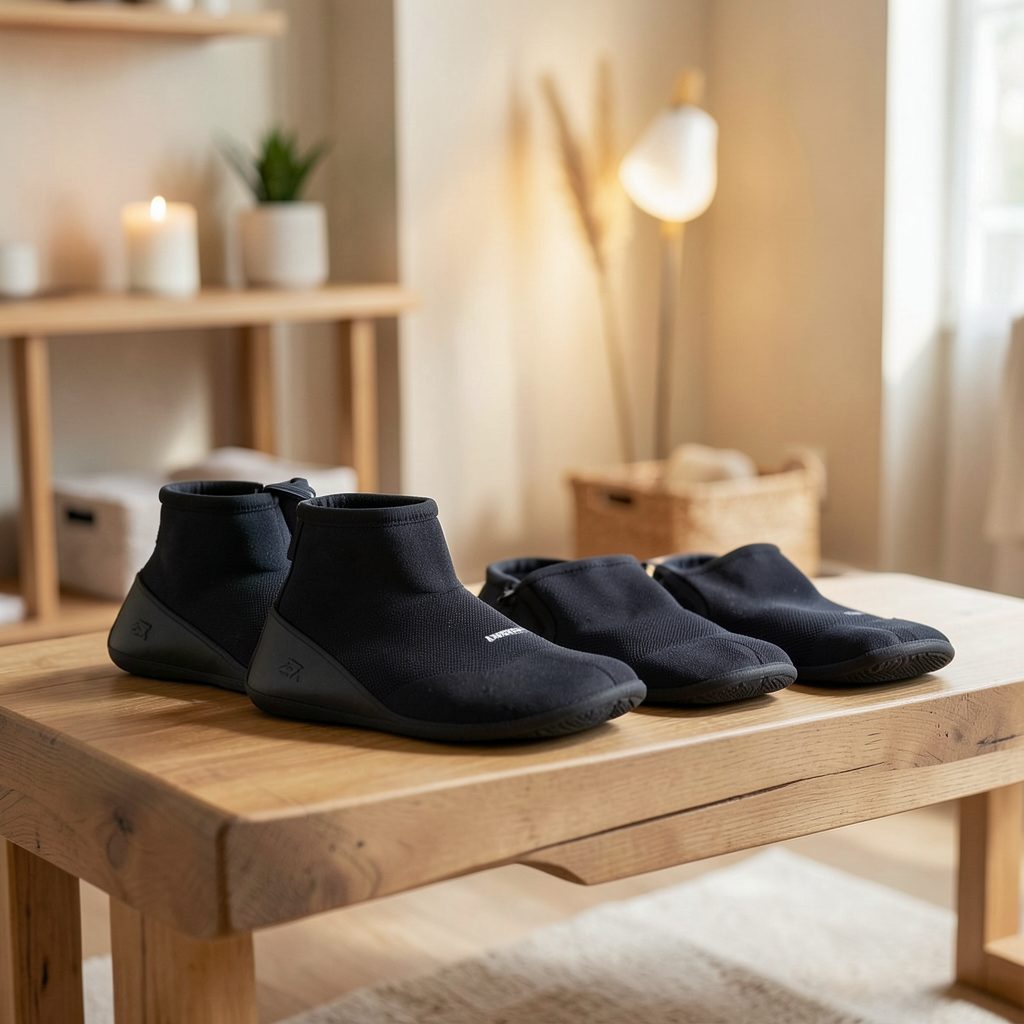
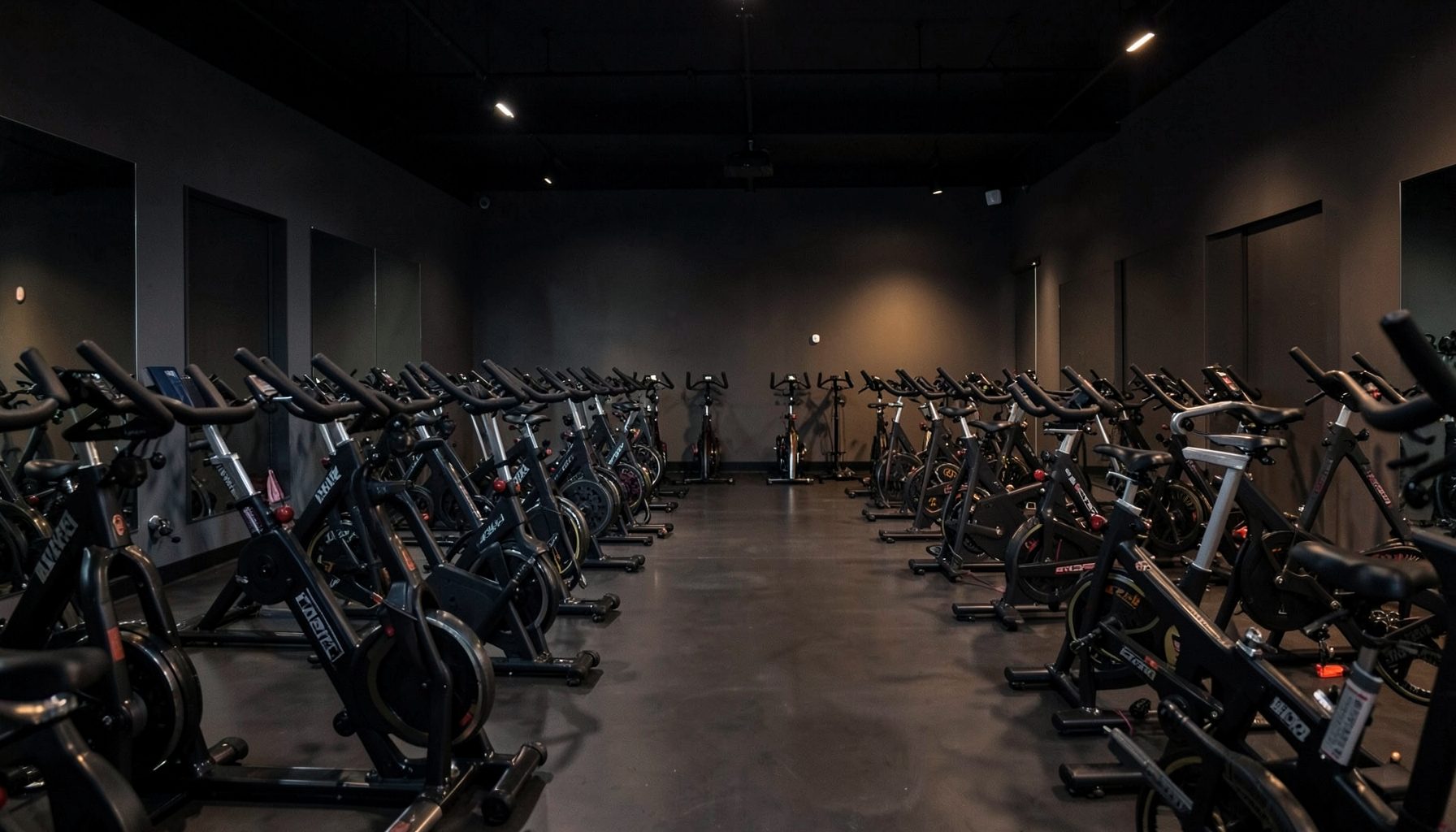
Normatec boot recovery and cryotherapy treatments help athletes bounce back faster. Cycle and spin classes add a cardio dimension to the holistic performance approach.
Have a Question?